Harira, a Ramzan Ritual to Nourish and Restore
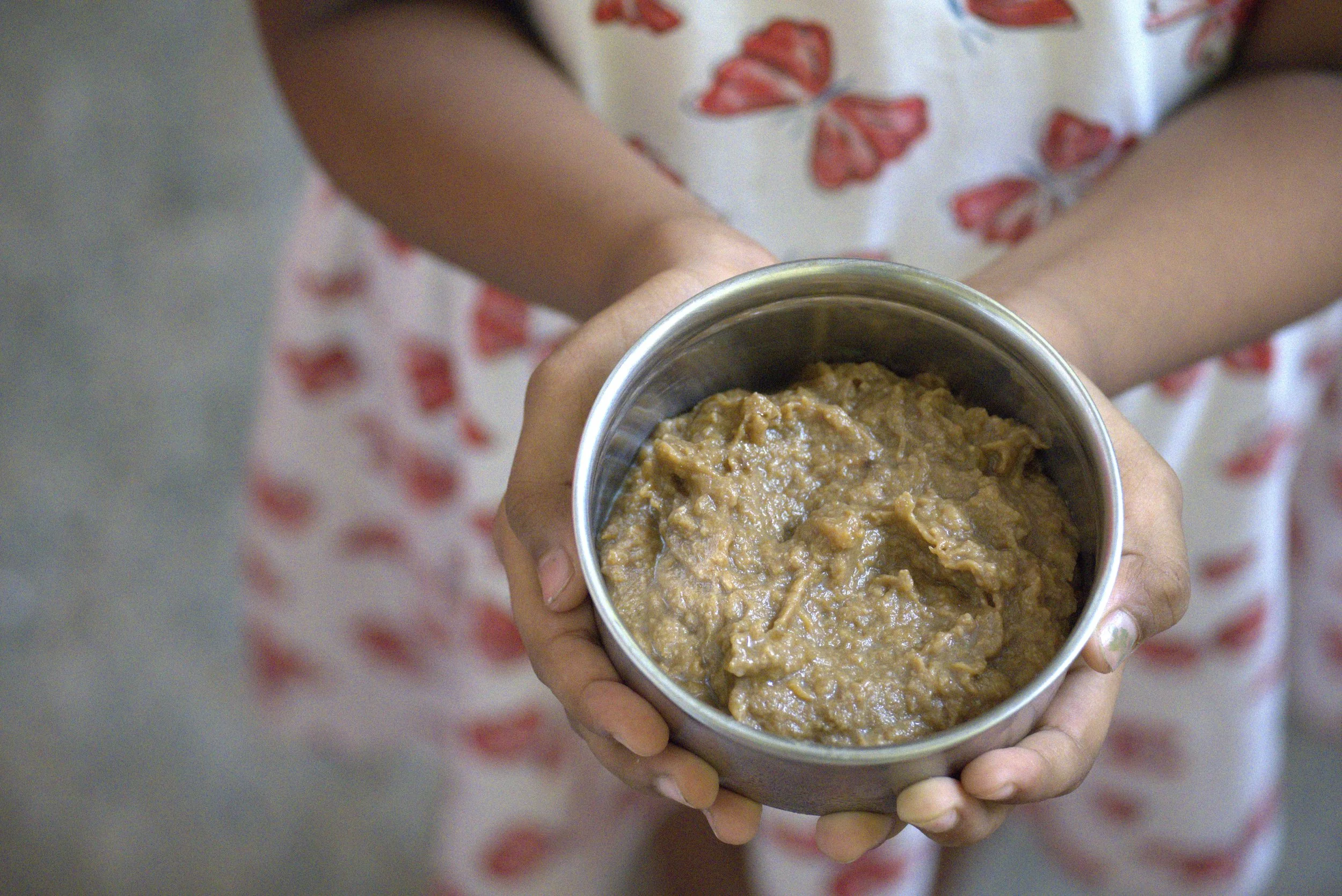
The creamy, smooth and nutrient-dense drink made with milk, dry fruits and a tempering of ghee has been a Ramzan staple in Amina Ashraf’s home.
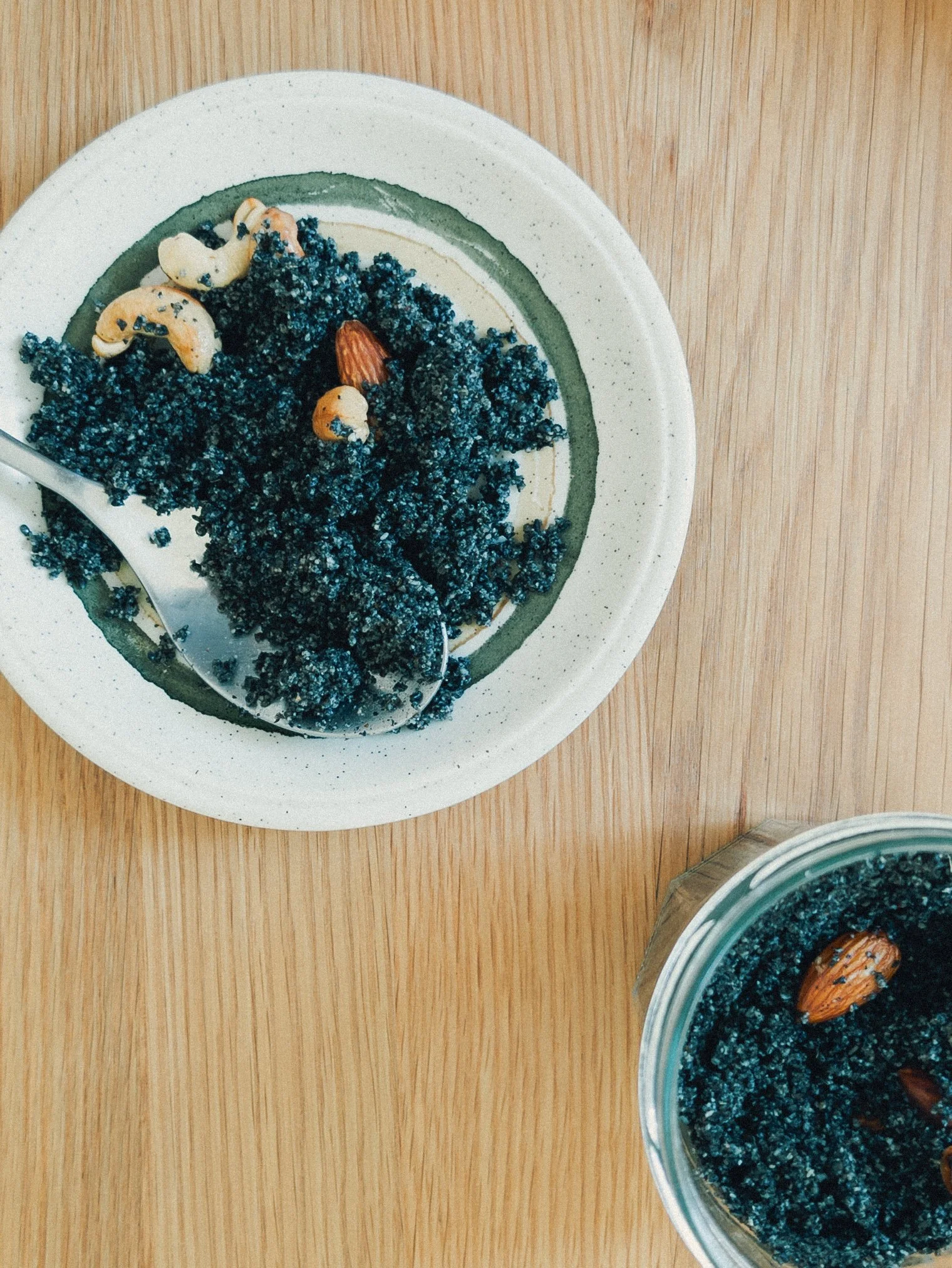
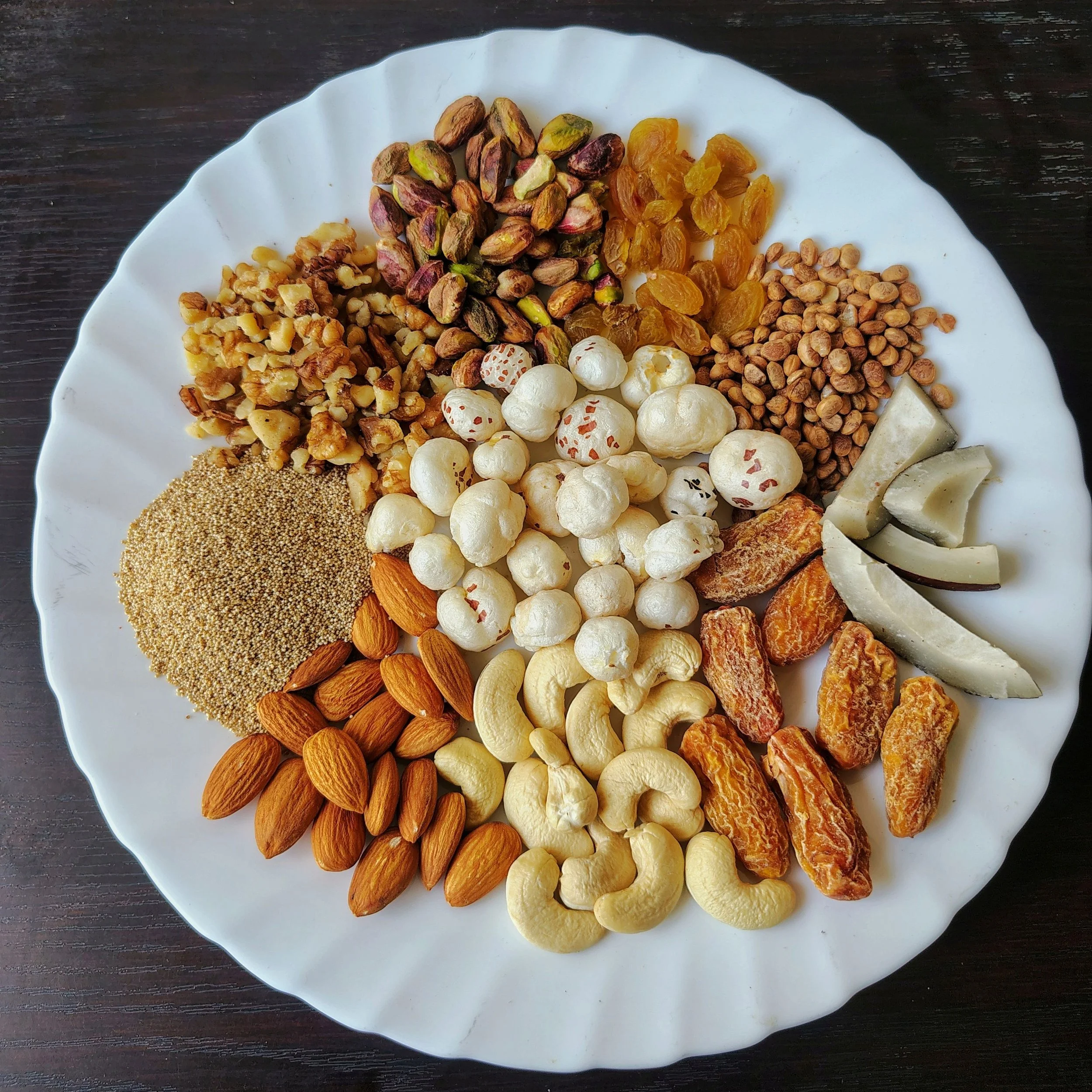
Every year, as the crescent moon of Ramzan is sighted, my amma runs to the kitchen as if she has been waiting all year for this moment. By dinner time, a bowl of dry fruits is already soaking — almonds, raisins, dry dates, cashews, walnuts, pistachios, chironji, poppy seeds, and whatever else the dry fruit shelf has been holding all year. This is all in preparation for harira.
Harira is a creamy, smooth and nutrient-dense drink made with milk, dry fruits and a tempering of ghee. It is a Ramzan staple found on the dastarkhan (a cloth spread on the floor, where food is laid out, and the family gathers around for meals) of almost every North Indian household. While in Lucknow and Hyderabad, it is commonly called harira, the drink becomes turri and nishastha as it travels to the UP. Go towards Hyderabad and the flavours shift too. Azmatullah, a Hyderabadi resident says, “We have a savoury version of it here too, where there is a smidgen of salt added to the soup. Unlike in the North where it is consumed mostly during Ramzan, harira is an all-year drink for Hyderabadis. In my childhood, my mother used to harira when I was sick."
Harira traces its roots in Morocco, where it was originally served as a savoury soup made with chickpeas, tomatoes, and dates, also to break the fast. It travelled to India through Arab traders. As with most things that journey across continents, harira did not remain the same, but adapted. In Lucknow and Hyderabad, it evolved into something thicker, richer and more indulgent with milk, dry fruits, nuts and seeds. Two things remain common everywhere — it is drunk mostly in Ramzan, and its purpose is always to restore a body that had been fasting since dawn.
Beyond Ramzan, a richer version of the drink has long been made for women after childbirth, to restore their bones and body. Traditionally called souri, is given to women during the postpartum period. It is cooked with generous amounts of homemade ghee and dry fruits, along with warming ingredients such as dry turmeric, ajwain (carom seeds), dry ginger, jaggery and sometimes edible gum (gond), known to help restore energy and strength after childbirth.
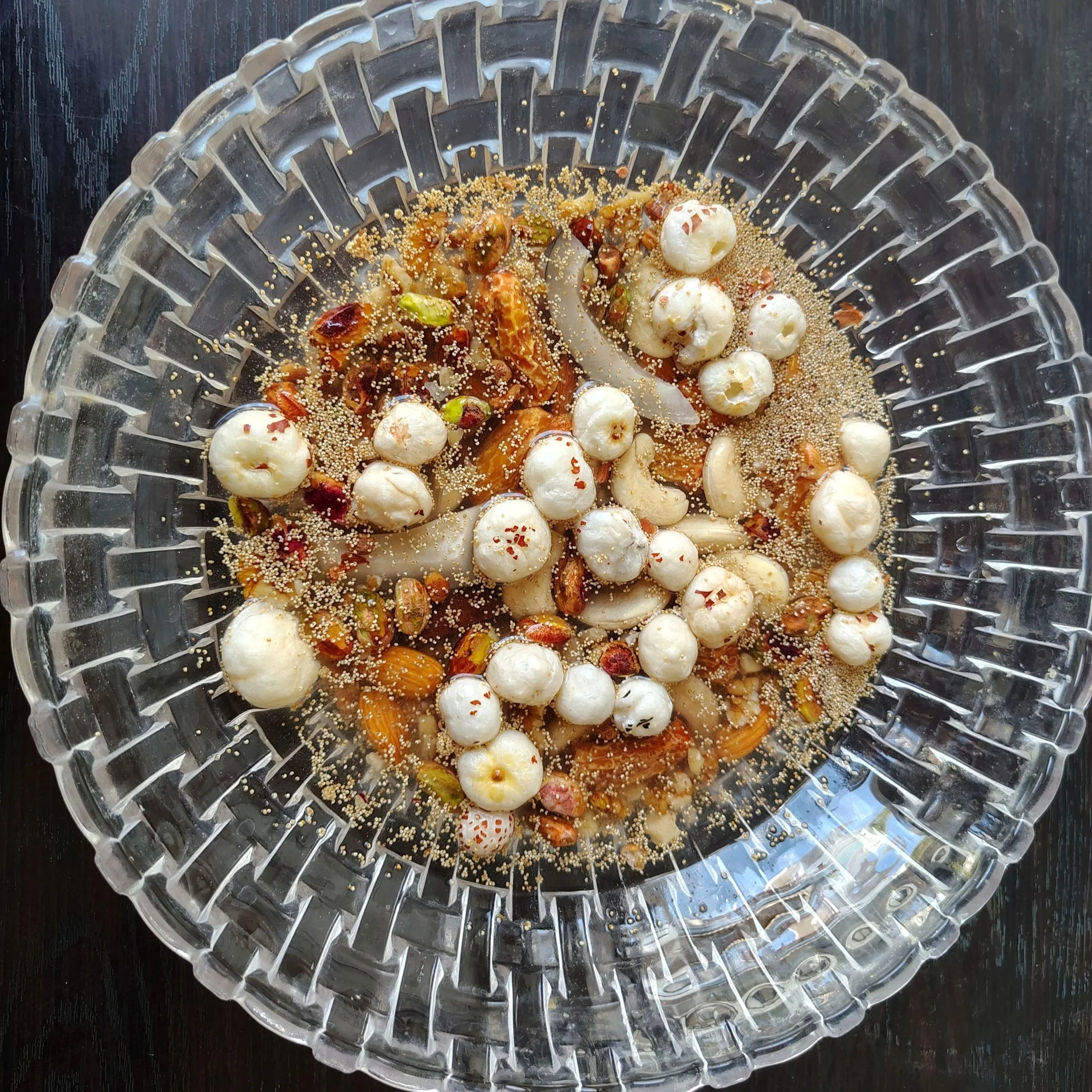
Making harira is a three-step process, but in our home each step belongs to a different hour. My amma aligns it with her prayer time. After the Isha (night prayers), she soaked the dry fruits in water. Following the Zohar (early afternoon prayer), she grinds them into a coarse paste, and just before the Maghrib azaan (sunset prayer), she adds tadka to it. Harira is a recipe that moves through the day with her.
My amma learned the recipe of harira from her mother. Back then, nuts like walnuts and pista were not readily available, so her mother used to add soaked gehu (wheat), or oats to thicken the consistency. Living in a joint family, there had to be enough to go around. “Harira has been part of our dastarkhan at every Ramzan,“ she says. She remembers having it with a roti as a child. In some homes it is still consumed at sehri, to carry one through the fast.
"Our nani used to give us the drink after the taraweeh (A special night prayer performed during Ramzan, following the Isha prayer)” says Sheeba Iqbal Jirajpuri, a home chef from Lucknow. She grew up watching her grandmother make it every evening in Aligarh, and calls it a drink that cannot be rushed. "I am too lazy to make it myself, but I would never refuse it if someone made it for me."
For me, drinking harira was always a mild punishment because of its heavy, milky taste. My amma, however, has always loved making harira, and she does it every day during Ramzan.
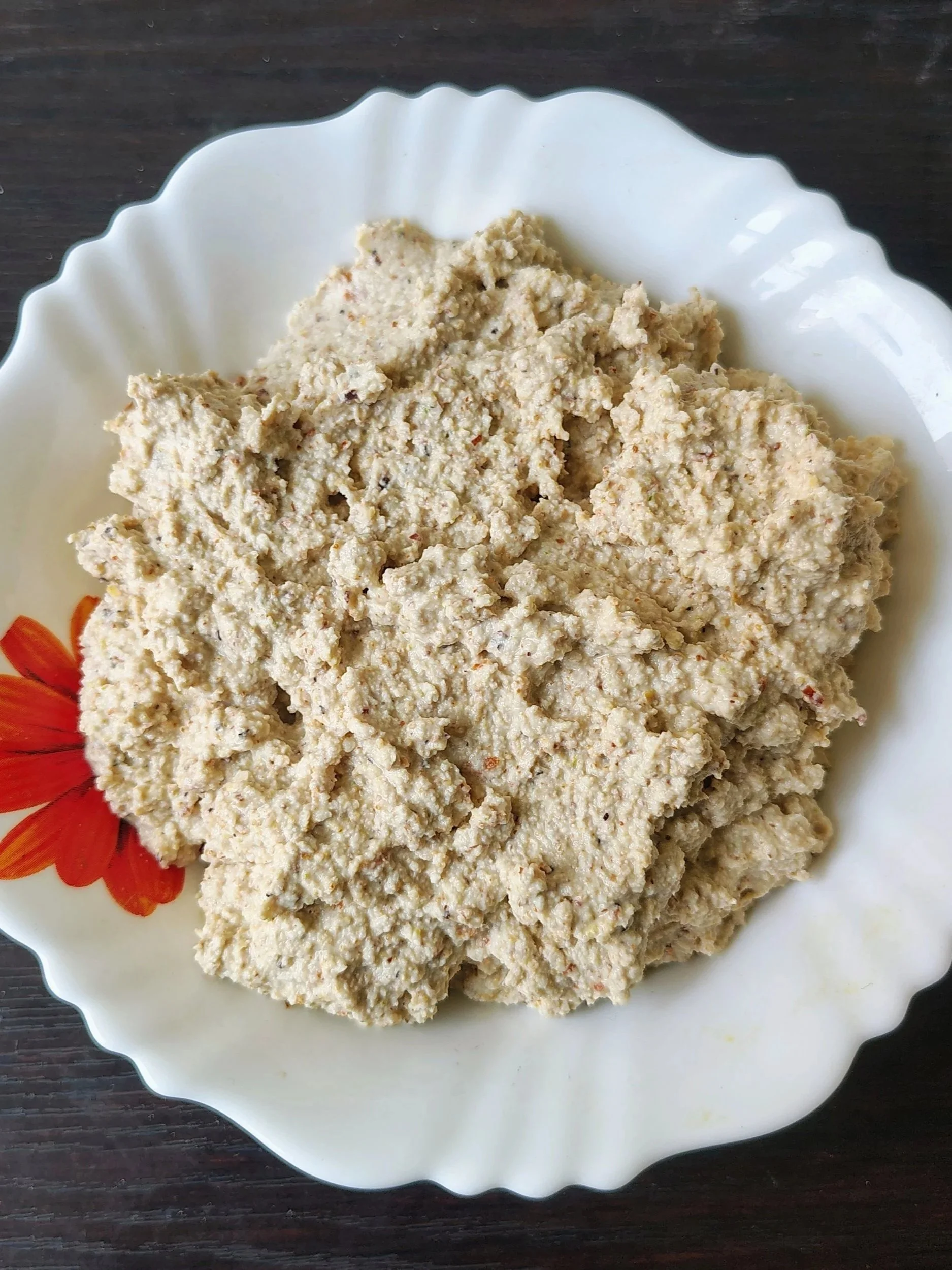
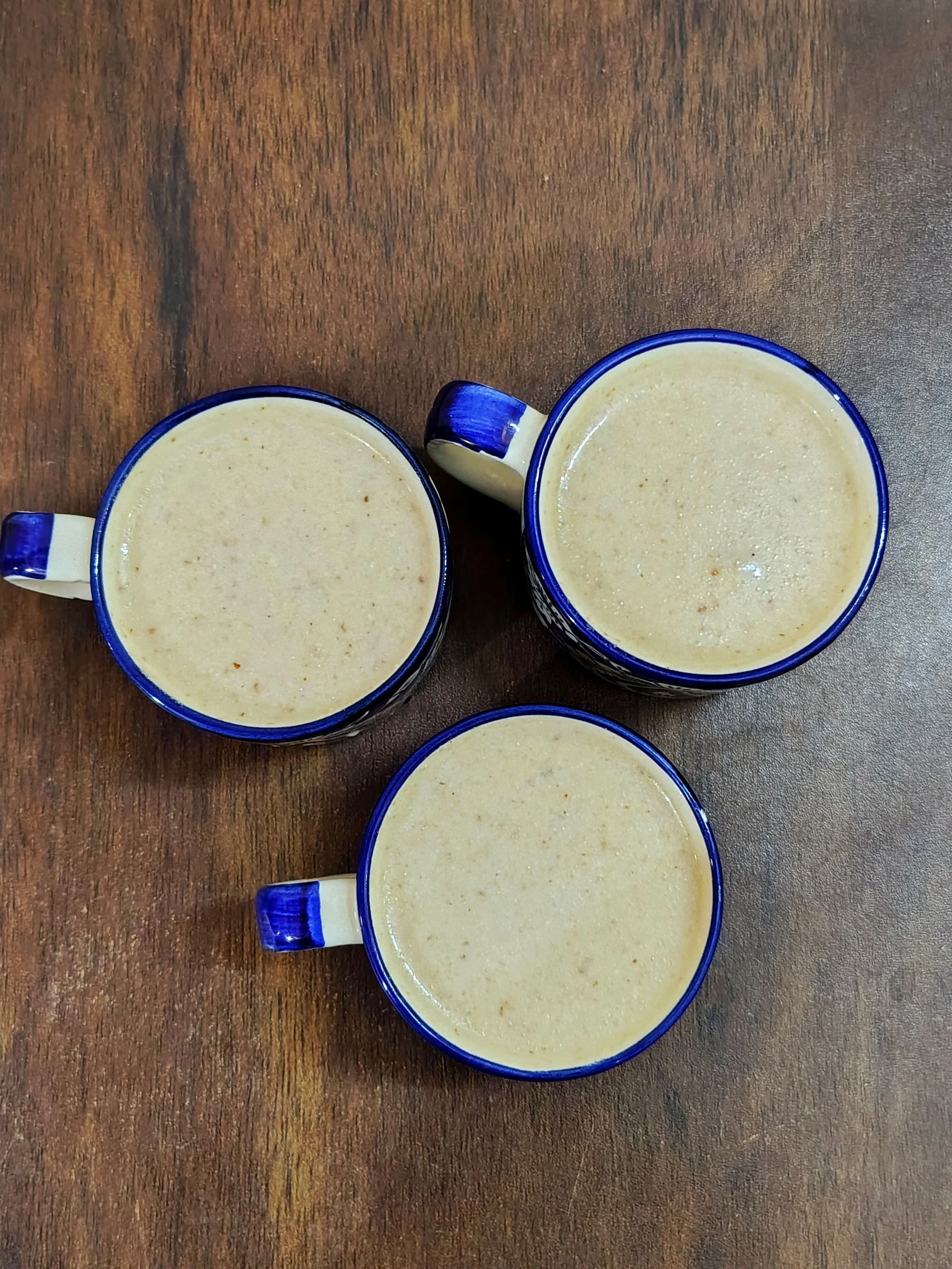
RECIPE FOR HARIRA
Serves 5 to 6
Ingredients
2 tsp desi ghee
2 small elaichi
2 cloves
2 cups milk
Sugar, to taste
To soak overnight
5 chuara (dried dates)
1 small cup gari (dried coconut)
2 cups makhana
6 to 8 almonds
6 cashews
2 tsp posta (poppy seeds)
5 to 6 akhrot (walnuts)
7 to 8 pista
10 kishmish
A handful of onion seeds or chironji
Method
Soak all the dry fruits, nuts and seeds overnight in enough water to submerge them fully.
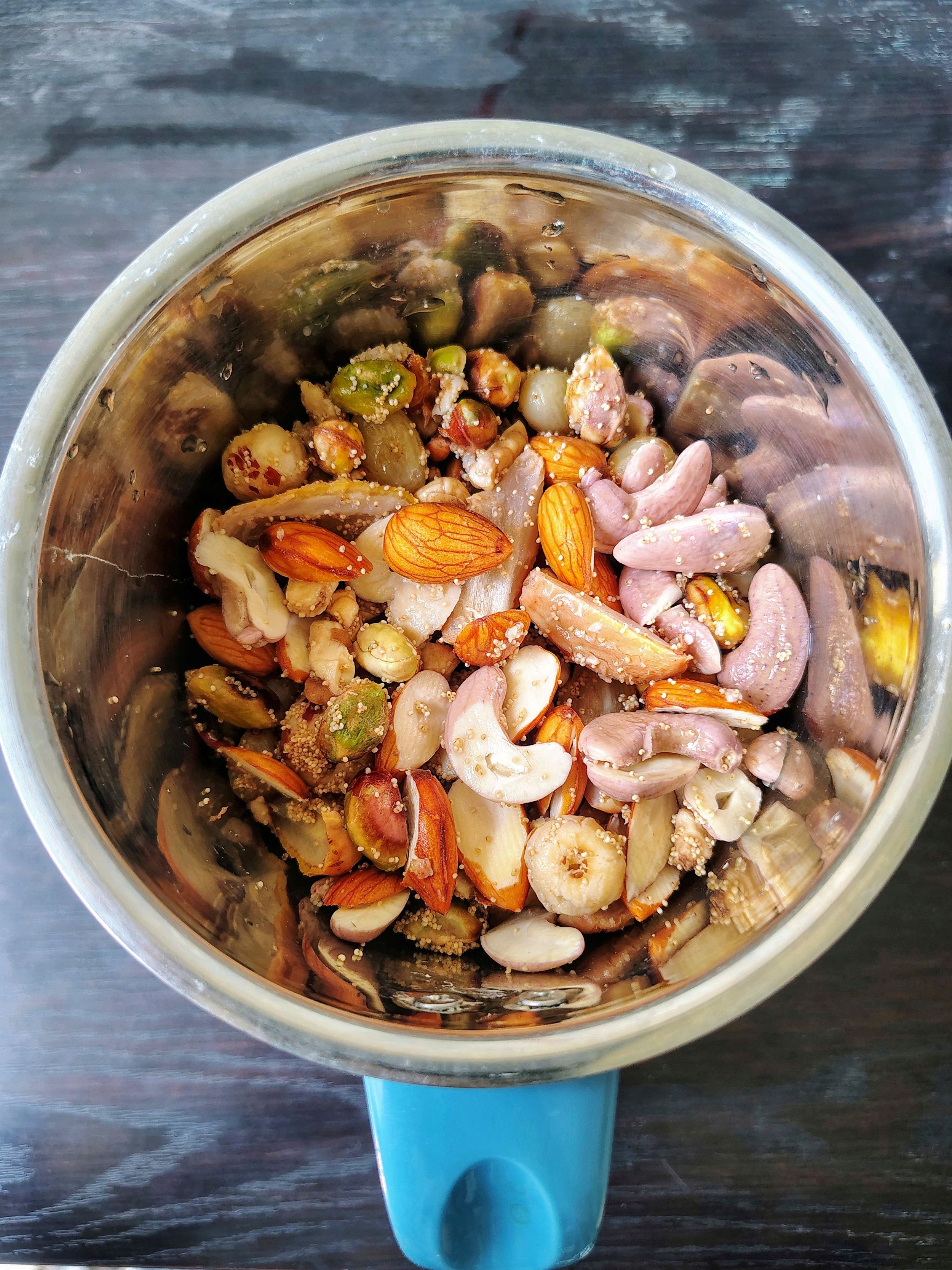
The next morning, drain and grind into a thick paste, adding half a cup of water to ensure it has a runny consistency.
Just before iftar (or before consuming it), heat the ghee in a heavy-bottomed pan on a low flame.
Add the cardamom and cloves and let them release their aroma.
Pour in the milk and bring it to a gentle warmth.
Add the paste and stir continuously on a slow flame to prevent sticking.
Add sugar to taste and keep stirring until the mixture thickens slightly and comes to a gentle boil.
Remove from heat and serve warm in a piyaala.
Amina Ashraf is a writer, strategist and consultant lifestyle journalist in Lucknow.
ALSO ON GOYA