Who Makes the Ramzan Table

Across homes during Ramzan, the work of iftar begins long before the table is set. Women plan, prepare, cook and host — labour that shapes the meal but rarely defines it. As social media recasts iftar as an aesthetic performance of domestic perfection, Laraib Fatima Warsi examines what cooking during Ramzan means today, and how women are redefining what is enough.
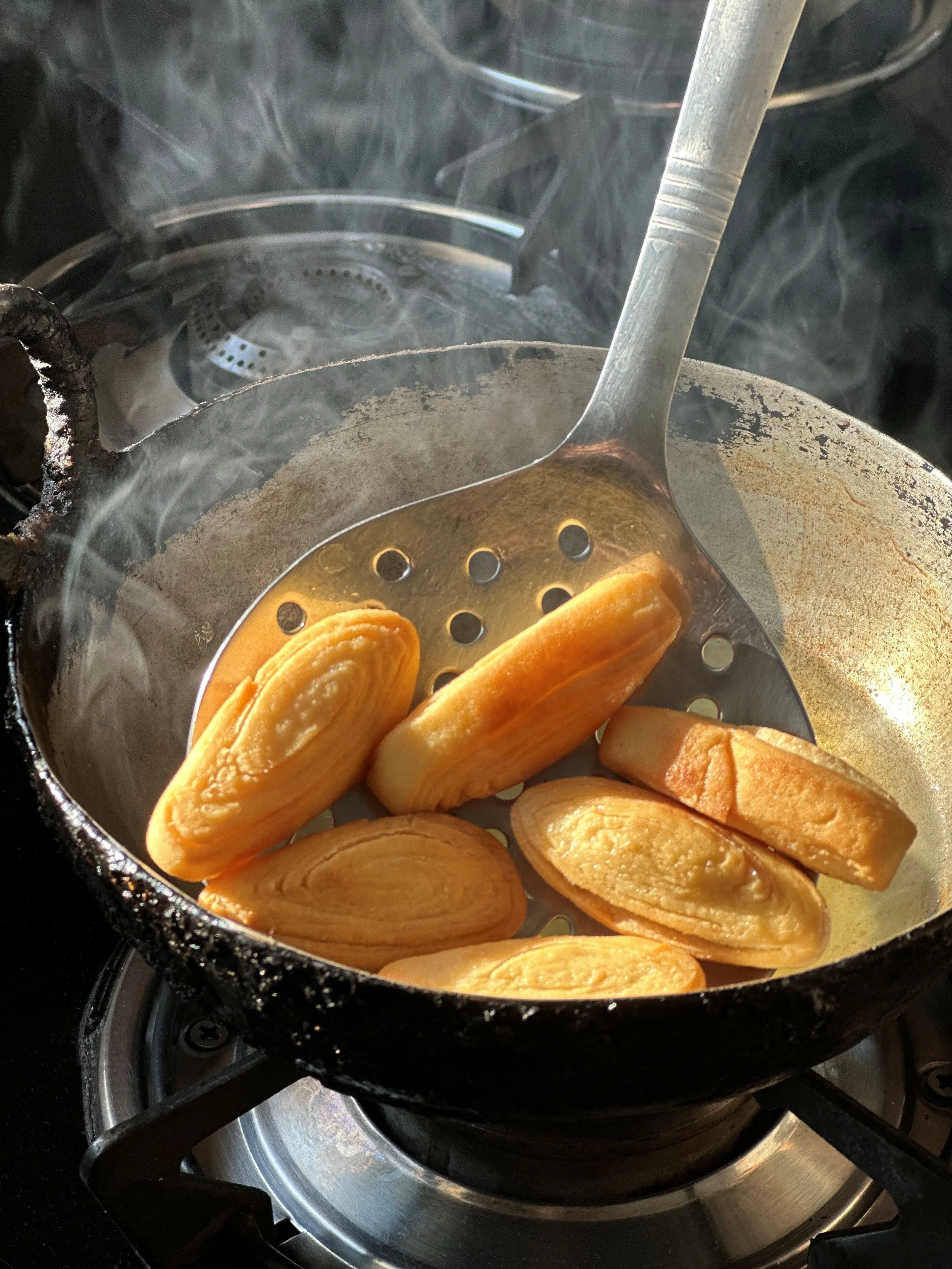
In the minutes before sunset, the kitchen moves quickly. There’s oil crackling on the stove, ready for samosas. In one corner, someone slices fruit, while another sets the table with bowls of dates and glasses of Rooh Afza. From the living room, someone calls out the time left before iftar. In homes across the world during Ramzan, this quiet rush repeats every evening.
Slowly, the table fills with food, and the family gathers around to break the fast.
But long before that table is laid, there is usually someone hard at work behind the scenes, who has already spent hours deciding what to cook, and preparing it. That someone is usually a woman.
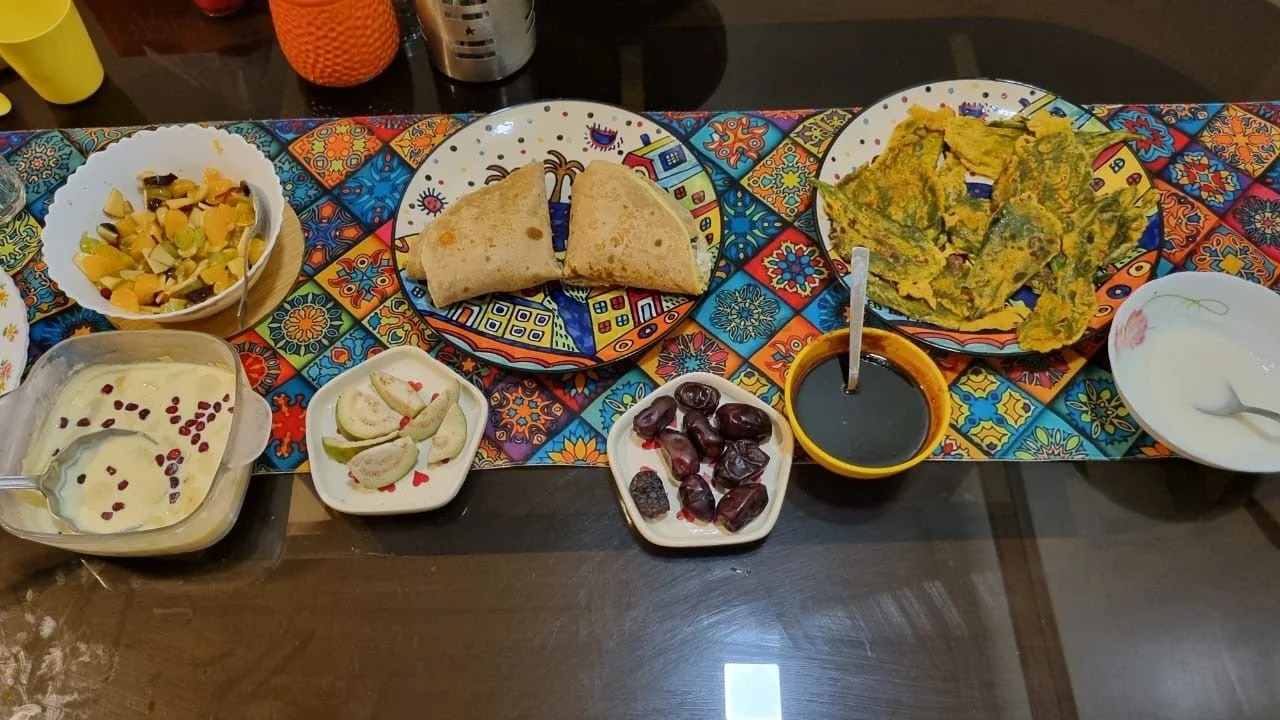
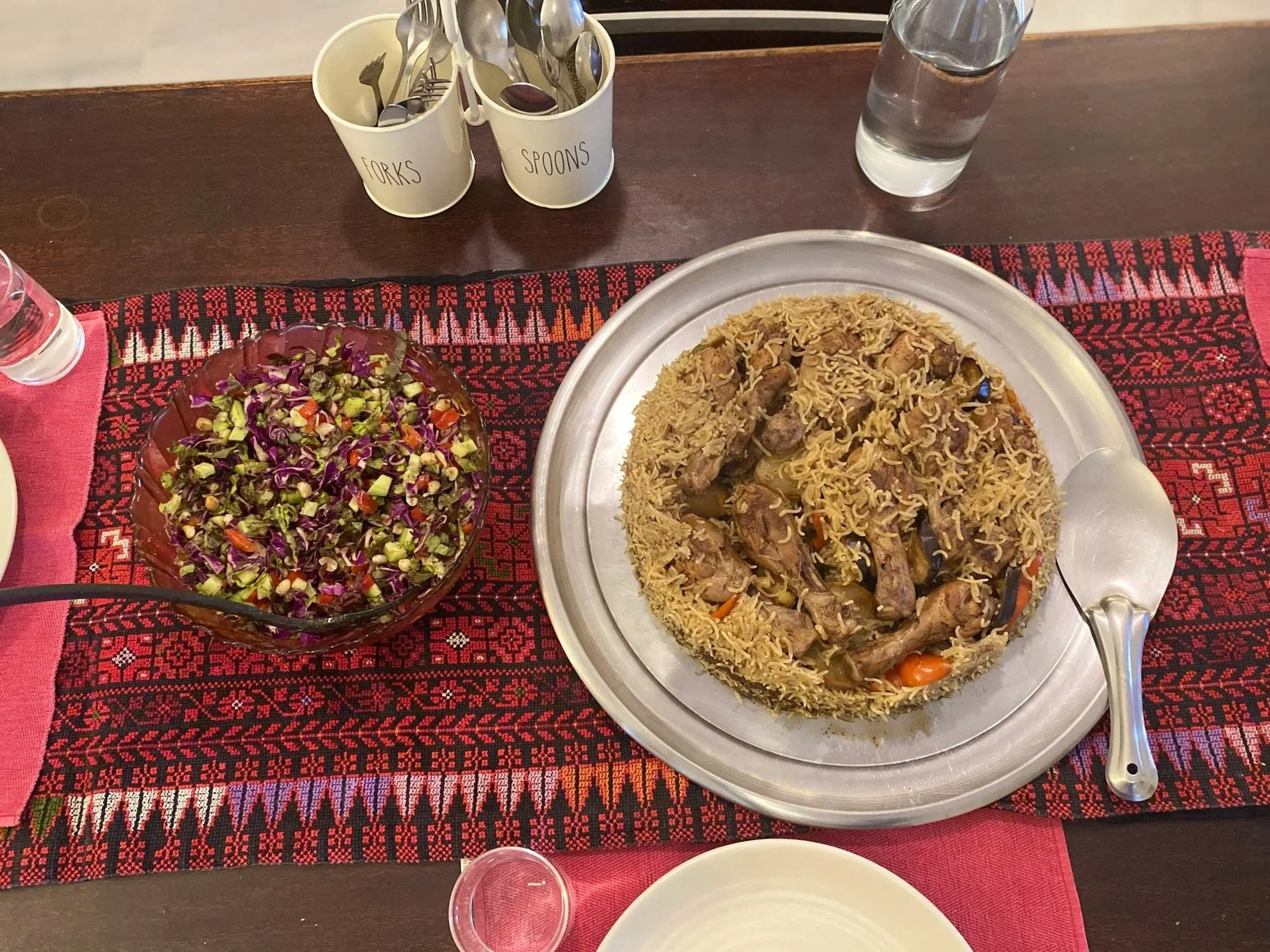
Yusra Husain’s iftar table
The Work Before the Meal
The Ramzantable, for many, is closely linked to childhood memories of fruit chaat, pakoras, and glasses of Rooh Afza before sunset, tied to evenings spent waiting for adhan. For the women I spoke to, those memories often begin in the kitchen, watching their mothers prepare iftar, and eventually becoming integrated into the ritual themselves.
Yusra Husain, 34, an independent journalist now based in Mumbai, recalls her childhood Ramzans in Lucknow. “My sisters and I would watch our parents fast and argue over who would keep a fast first. As we grew older, we began helping our mother prepare iftar. A dastarkhwan would be laid out and the whole family would sit together to break the fast — it was probably the only time we all ate together.” Certain dishes defined those Ramzan evenings, particularly her mother’s pakodis and aloo ke kachalu.
Gulbar (full name withheld to protect identity), 32, recalls the Ramadan table from her childhood in Kuwait, warm and familiar, replete with pakoras, dry chana dal and fruit chaat. Yet the warmth of these memories often obscures the labour behind them; specifically women’s labour.
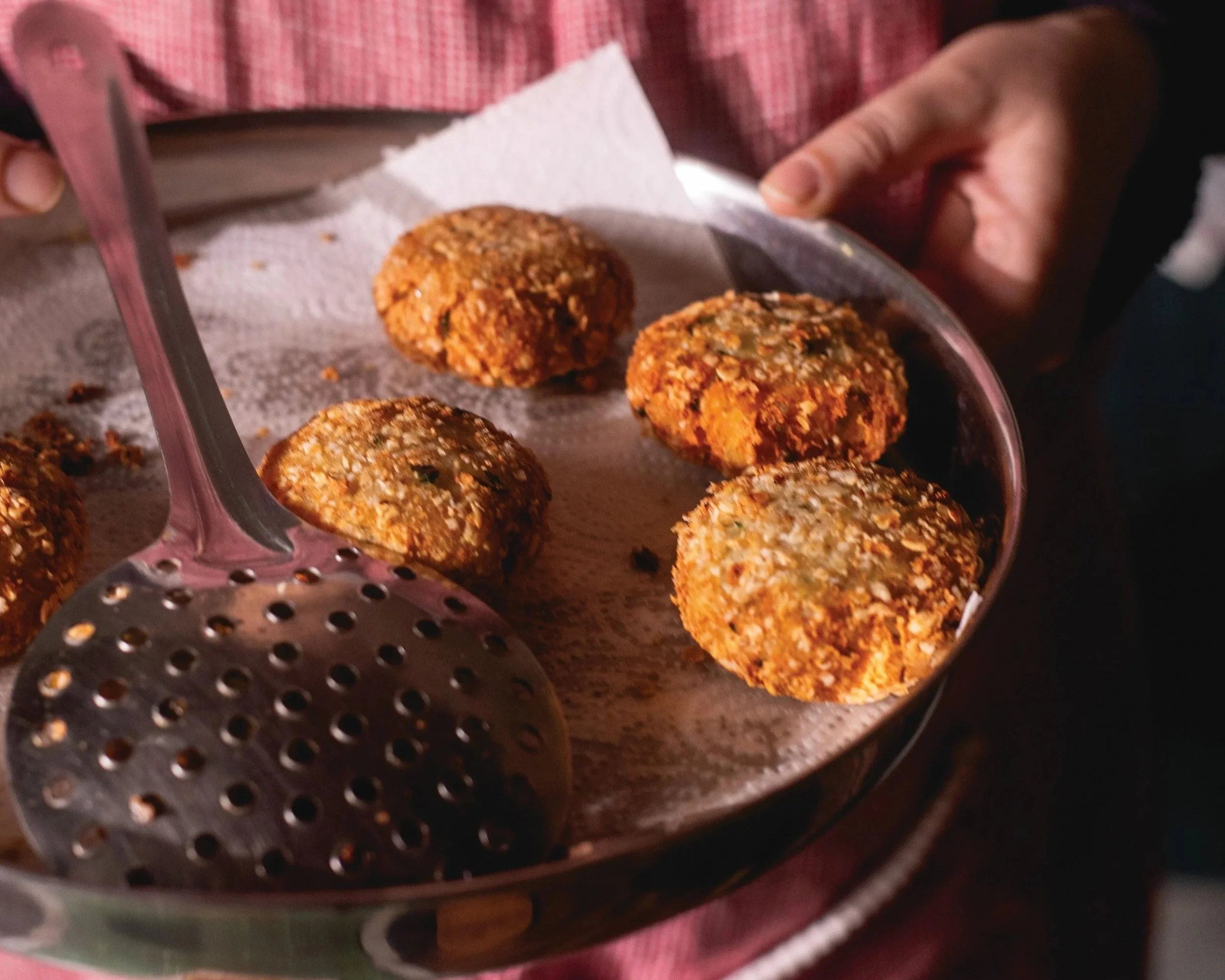
Preparing iftar takes hours. From deciding the menu, to chopping, marinating, frying snacks and setting the table before sunset all, while fasting themselves. By late afternoon, the kitchen become a site of intense activity: pressure cookers hissing and oil bubbling. In many households, the planning, cooking, and cleaning falls exclusively on women, even as families gather to break the fast.
Nishat (full name withheld to protect identity), 40, a housewife and a mother of three in Lucknow, says her iftar prep starts early in the day. “By the time iftar is over, the exhaustion hits and I just want to rest for a couple of hours to reboot,” she confesses. In her family and others around her, it is only women that do the planning and cooking for dinners and iftars. “There’s never any break from chores, and our responsibilities only multiply during Ramzan. Because of that, I often feel like I don’t have enough time for prayer and worship, which is what Ramzan is truly about.”
The expectation to cook can also be demanding. “After I got married, things changed,” says Yusra. “Earlier my mother would wake me up for suhoor. Now I wake up and prepare it myself. The responsibility of feeding everyone usually falls on women. If we don’t do it, no one else will.”
Under the Weight of Social Media
In recent years, social media has added a new layer to the Ramzan kitchen. Platforms like Instagram and Youtube are filled with iftar reels, suhoor shorts, ‘Ramadan Routine’ vlogs documenting elaborate spreads, neatly organized ingredients and plated meals. What once unfolded privately in people’s homes now circulates widely online, turning the Ramzn table into both a meal and a performance of domestic perfection.
For many, this pressure isn’t abstract. “The more people watch food reels online, the more expectations grow, especially for women and mothers like me. Even my kids ask me to try new dishes after seeing reels,” says Nishat, reflecting on her experiments with chicken puff pockets and patties.
Yusra reflects that social media has subtly changed how people approach Ramzan tables. “Seeing all the reels online made me feel like I should also decorate my table. It can be inspiring, but it also creates pressure to make the spread look perfect. Ramzan in the 90s was much simpler, without this extra layer of comparison and expectation.”
Some women try to balance that influence with their own values. Gulbar has mixed feelings about social media and the Ramzan table. “Sometimes, those videos are enjoyable, but they can make simplicity feel like it’s not enough. For me, I still prefer to keep it simple, and focus on the spirit of Ramzan.”
Nishat says that over time she has begun pushing back against the expectation that the kitchen is entirely her responsibility. “I usually manage the kitchen but I sometimes resist doing it all myself. I make a conscious effort to avoid the pattern where all the responsibility lands on me. I want to set a different example for my children instead of repeating the expectations I or my mother grew up with. Now, whenever my husband or kids ask me to cook something special like nihari or chicken noodles, I make sure they pitch in, especially my husband.”
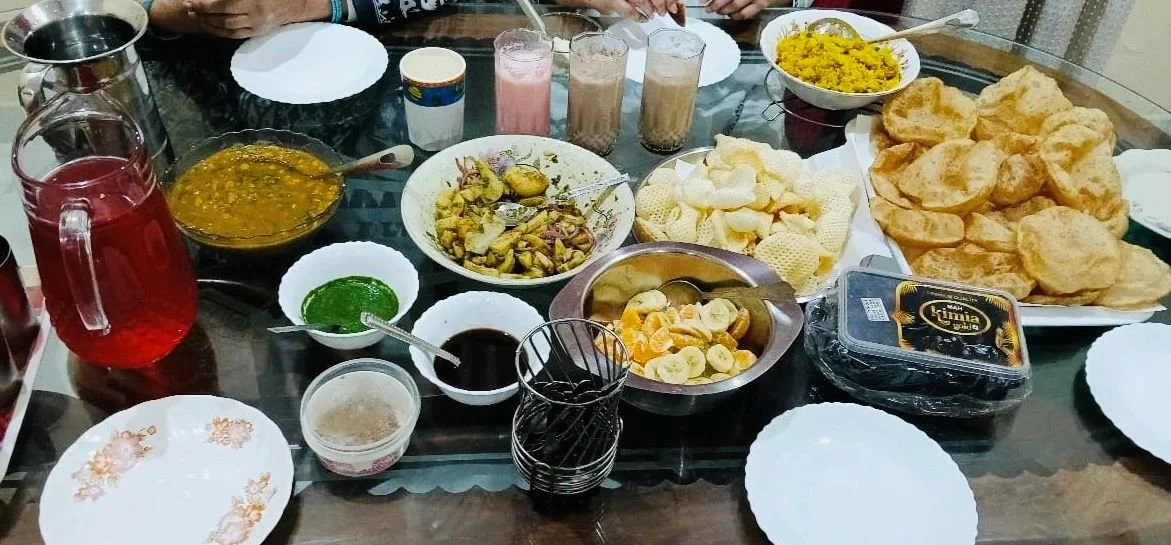
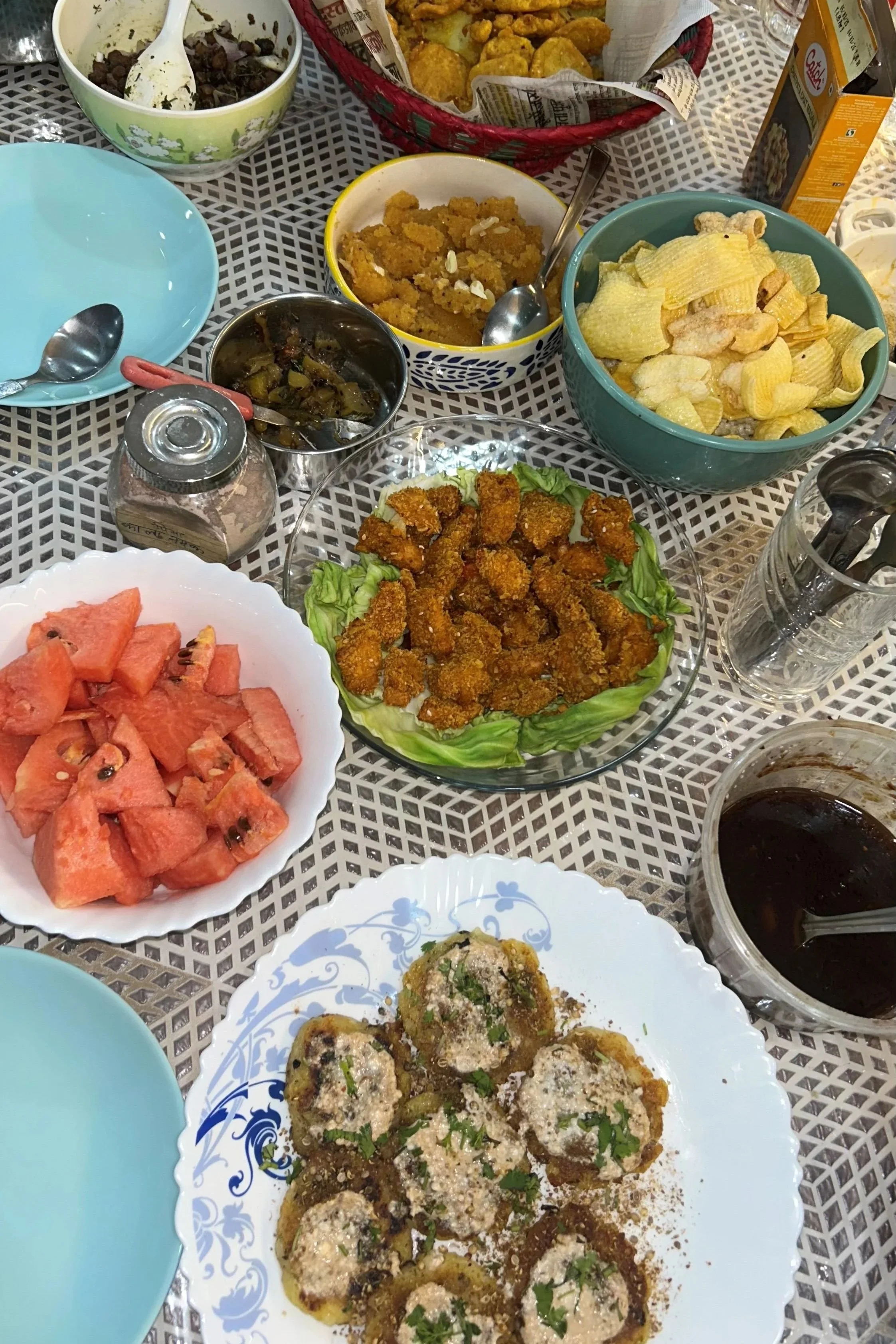
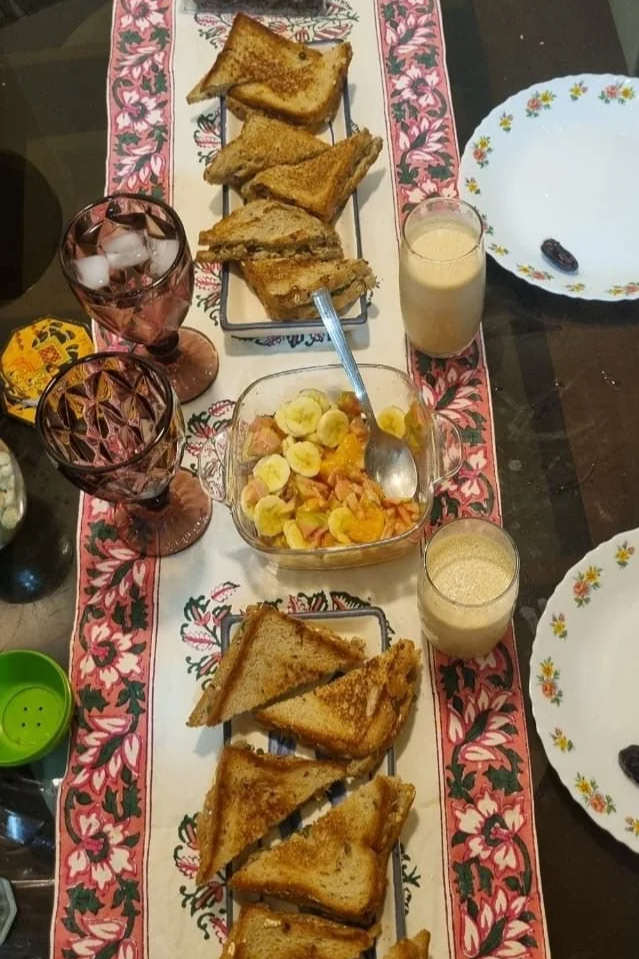
Nishat’s simple iftar table.
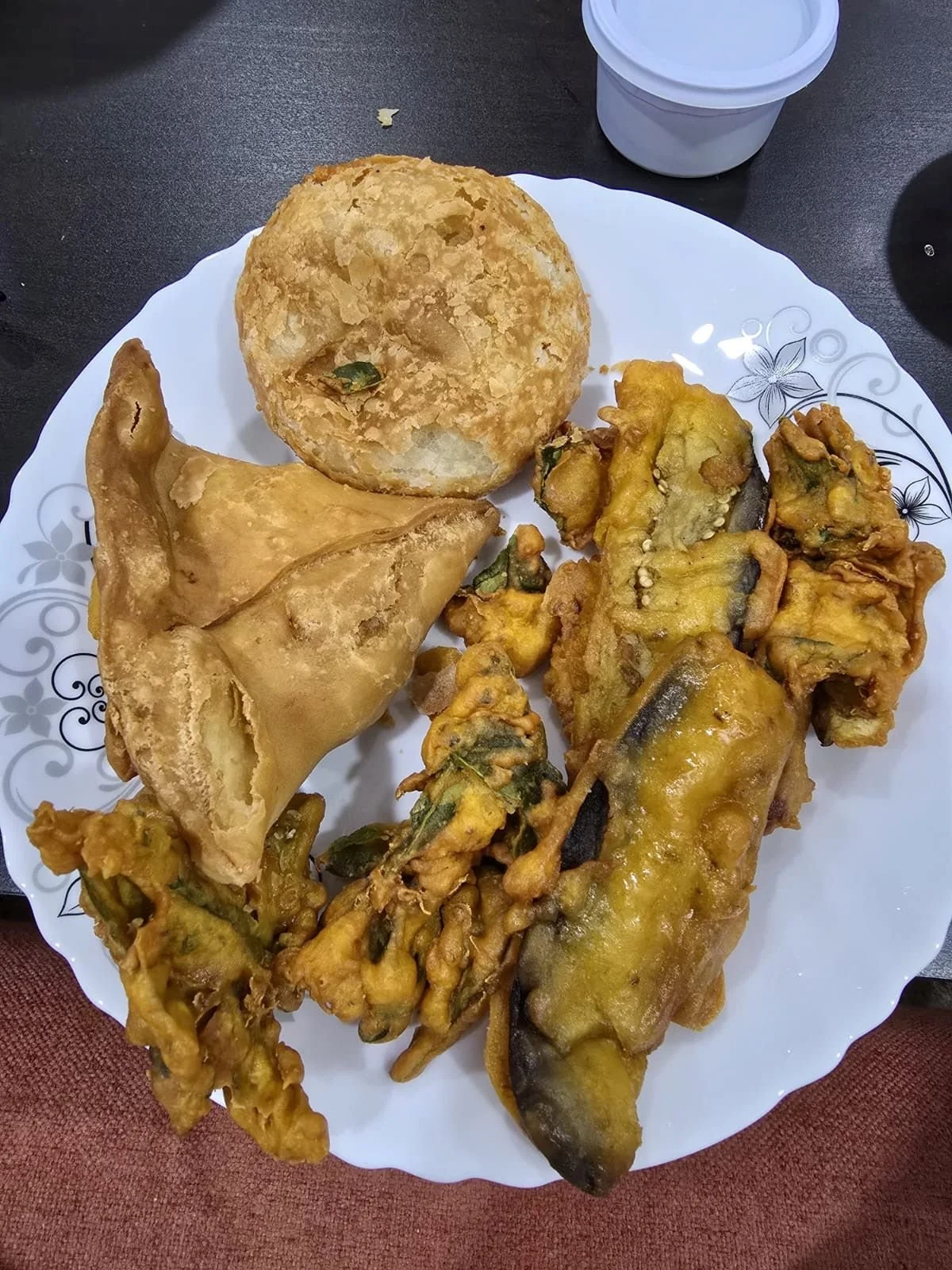
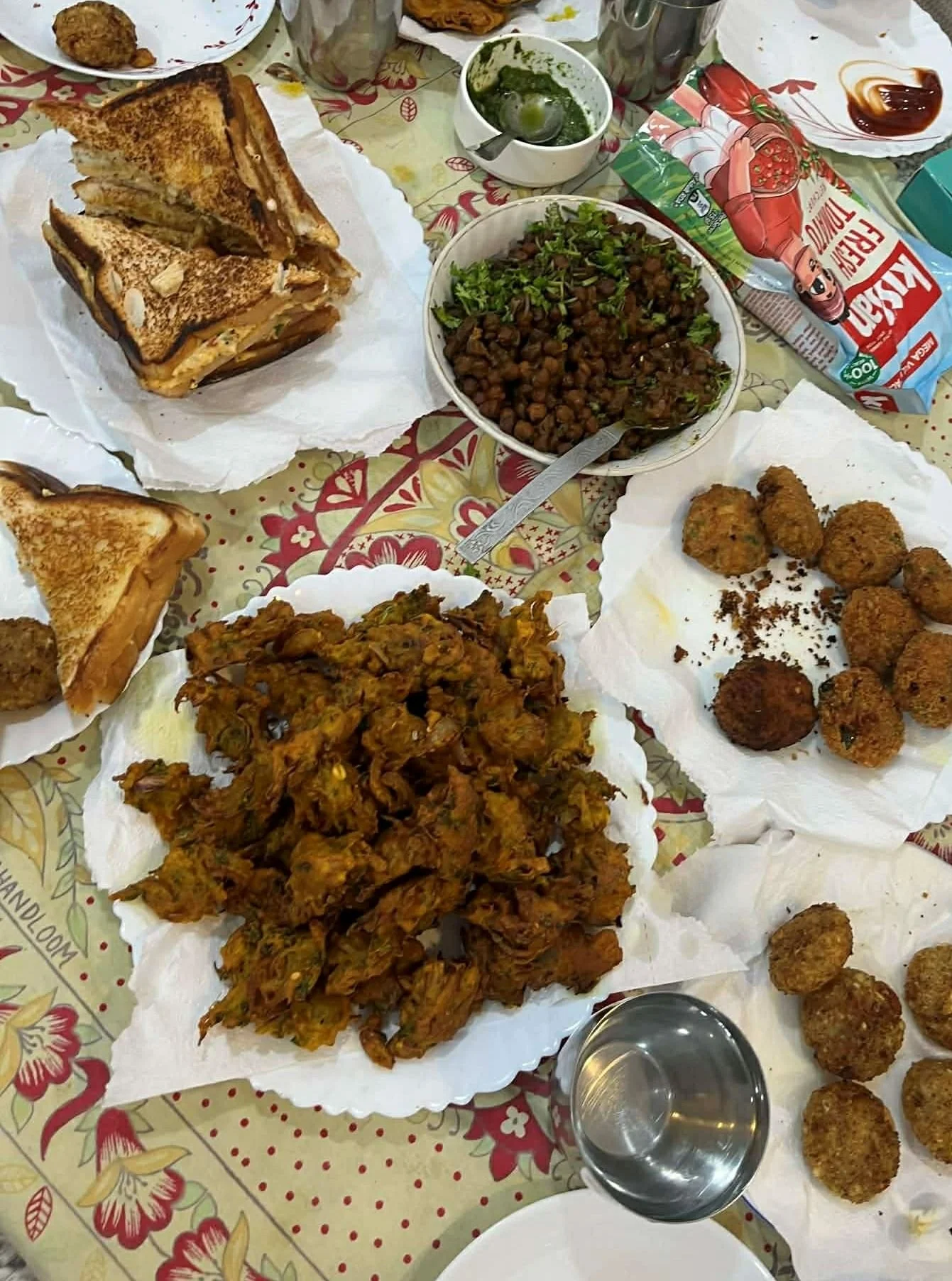
Nishat’s story reminded me of how my own mother described the Ramzan kitchen: a space of both devotion and fatigue. She says, “Cooking for the family is satisfying, but it also means sacrificing my quiet downtime for prayer and Quran, and that is something I despise.”
Sometimes, when I’m in the kitchen preparing iftar and my brother hasn’t stepped in, I find a gentle way to nudge him. I will call out, “It’s really hot in here, and we only have two dishes for iftar today.” Almost immediately, he jumps in to cut fruits or set the table. By the time the pakoras are golden and crisp, and the Rooh Afza poured into glasses, the table looks great. But behind it lay hours of work that no longer fall solely on me, shared through small acts of negotiation and teamwork.
These small acts of negotiation, resistance and shared labour reveal that while the traditions remain, the women behind the table are quietly reshaping them, deciding who cooks and how much help they receive.
Yet cooking during Ramzan isn’t only pressure. Even Nishat, who spoke about the exhaustion of daily cooking, says it also brings satisfaction. “Despite the exhaustion, I still feel joy preparing meals for my family,” she says.
Rethinking What Is Enough
Increasingly, women are choosing simpler meals with family, modest spreads which are built around familiar, quick-to-prepare foods. A typical table today includes a glass of Rooh Afza, bowls of fruit chaat, and small chaat dishes like aloo ke kachalu, safed matar (dried white peas), kala chana or dry chana dal topped with finely chopped tomatoes, onions and coriander. Sometimes the table also includes fried snacks like onion or potato pakoras.
For Nishat, simplicity is also about managing the workload during Ramzan. “My simple iftar table comprises aloo ke kachalu, matar, Rooh Afza, fruit salad and sometimes kebabs” she says. She prepares the kebabs a day or two ahead, and freezes them.
For Gulbar, the Ramzan table is not about the number of dishes. “My ideal table would have dishes that remind me of home, without the need for anything elaborate. What matters most is sharing iftar with family without feeling the burden behind it.”
Tomorrow evening, once again, another table will be set. Dates will be placed in bowls, sharbat poured into glasses and families will gather again to break their fast. The ritual will look effortless, even though, as the women behind the table know, it rarely is.
Laraib Fatima Warsi is an independent journalist and AJK MCRC alumna from Jamia Millia Islamia, Delhi. She has worked for Gaon Connection and The Print, writing on on culture, identity, rural India, environment, agriculture, and social change.
ALSO ON GOYA