The Future is Calling: Meet the New Generation of Farmers
During the pandemic, Nisha Thomas and her family moved to Coorg, trading city life for one shaped by the rhythms of the land. A first-generation farmer herself, she explores how others like her — a new generation of growers — aren’t waiting for permission to reinvent agriculture. Instead, they are asking difficult questions about sustainability, market access and fair value, proving that farming is not a relic of the past, but a calling of the future.
When my daughter was three, she believed that everything, including babies, came from BigBasket. It wasn’t her fault. In her short life, she’d seen everything from bananas to batteries arrive at our doorstep in brown boxes.
I wondered what happens to a child who grows up without ever seeing where her food comes from. What happens to a country rooted in agriculture, when its connection to soil, seasons, and sustenance are reduced to a tracking number and an app notification?
Agriculture, once both identity and inheritance, has become something to move away from. The children of farmers have been leaving for cities, chasing metaphorical greener pastures while abandoning the literal ones. But slowly, a quiet counter-current is returning to the land: a generation rediscovering farming.
I met some of these new-generation farmers.
The Coffee Grower
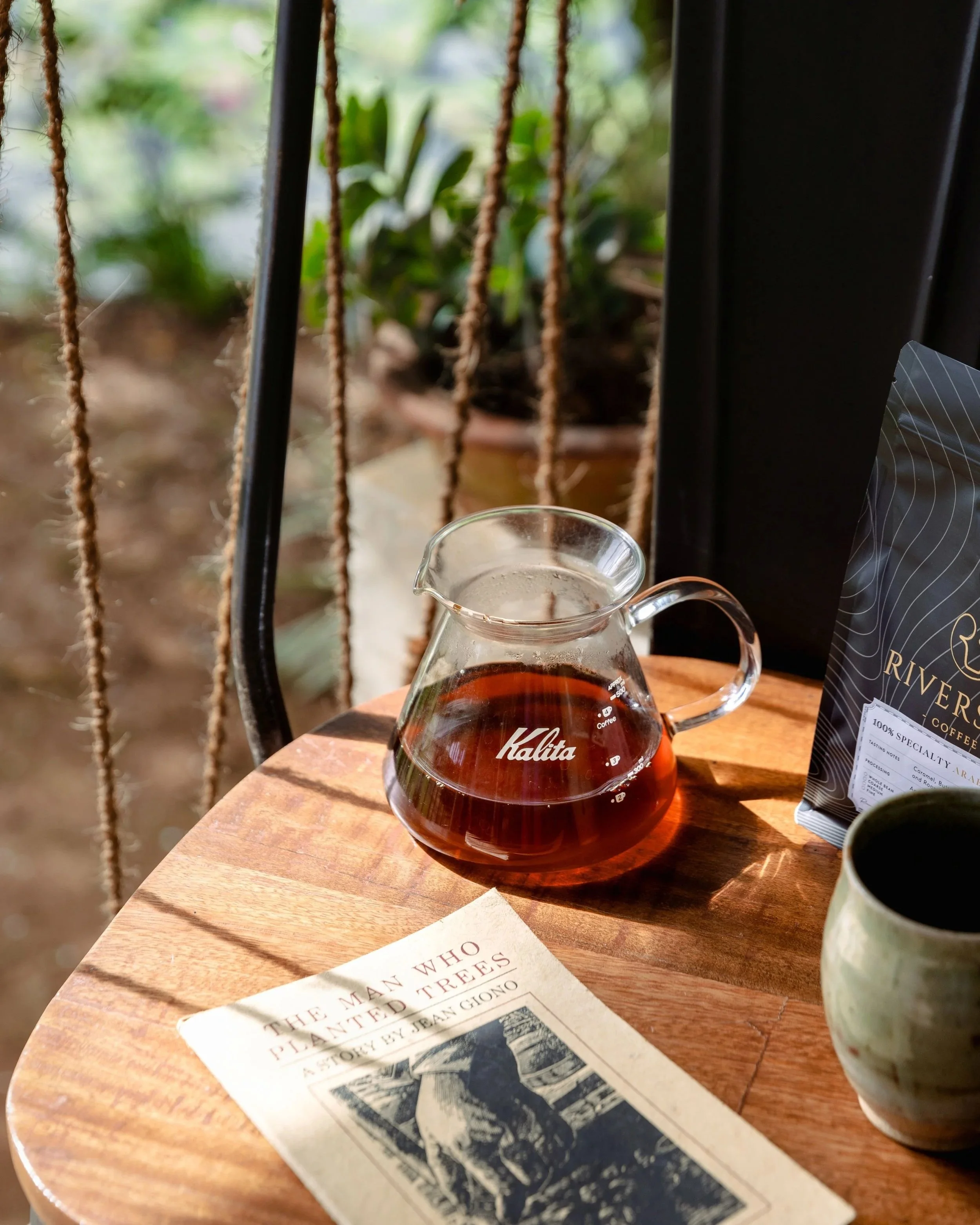
After years in the alcohol industry, Rishwin Devaya returned to his family’s coffee estate in Coorg, to find that there was no ‘finished coffee’ to show, despite five generations growing it. “We had been growing coffee for over a century, but always sold the raw coffee to traders, never knowing what our coffee tasted like, or even being able to give someone a cup of coffee from our farm,” says the fifth-generation coffee grower. “That was when I decided to create our identity in the very space we had been operating in for generations.”
This identity took the form of Riverside Coffee.
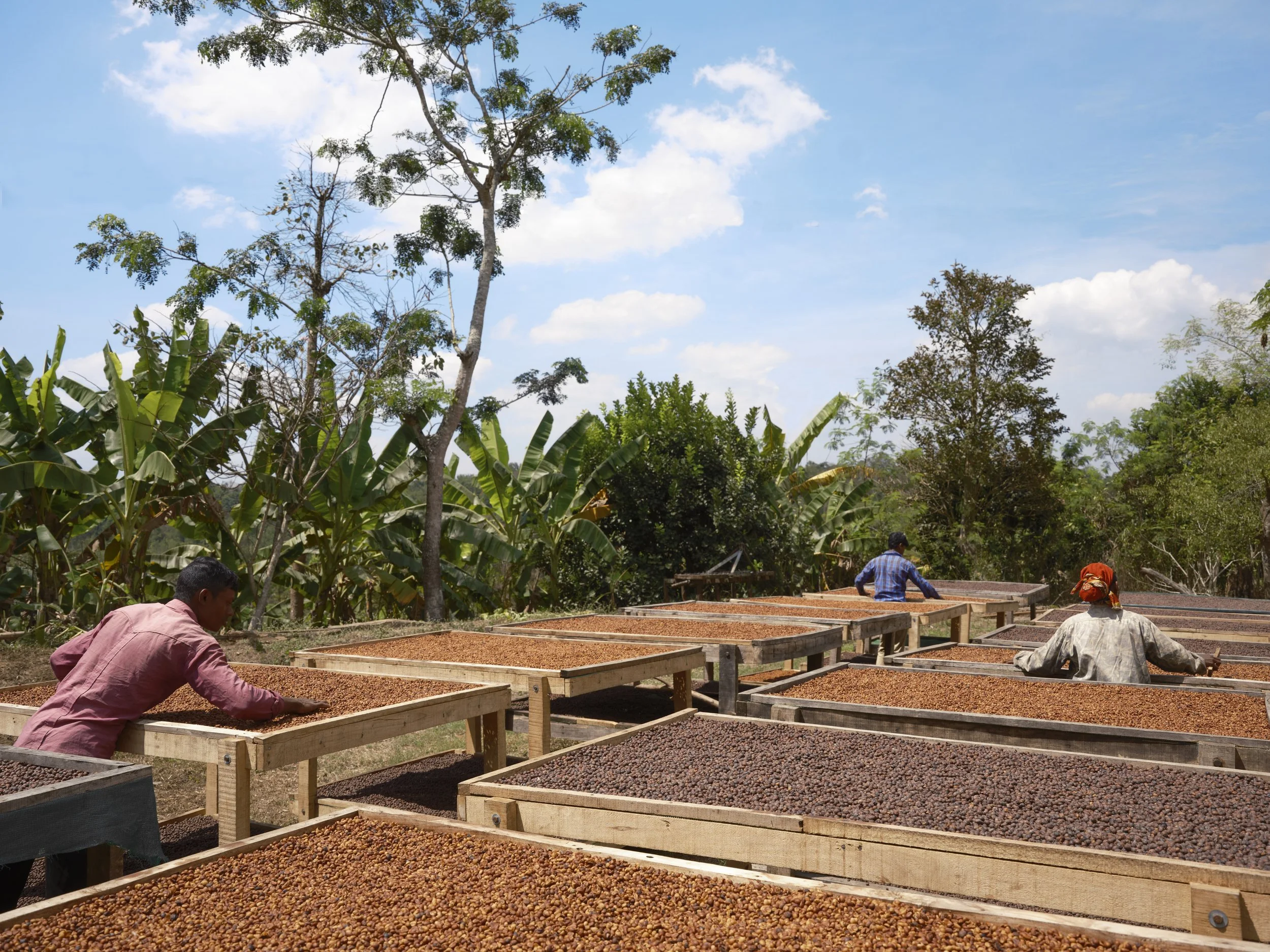
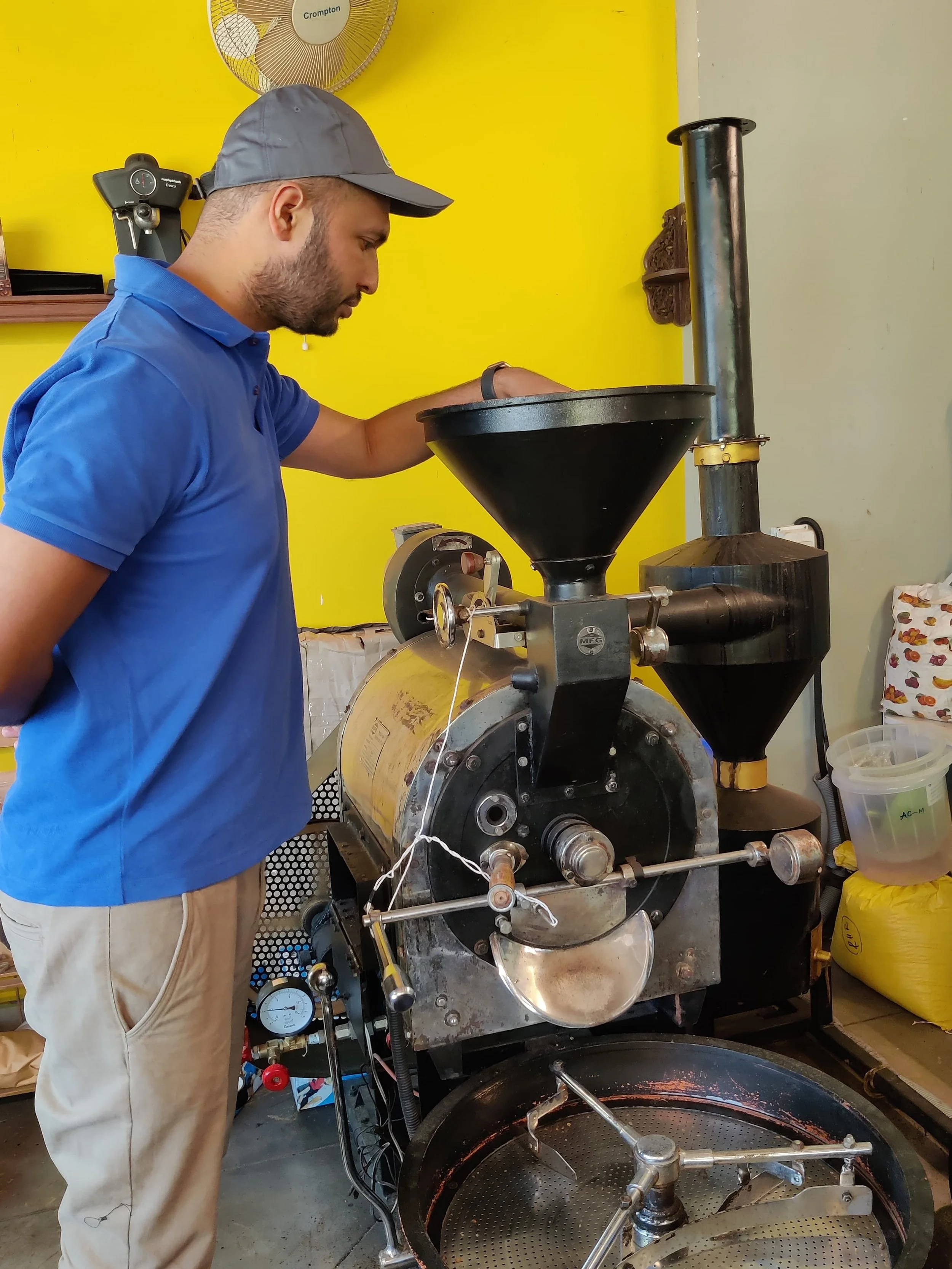
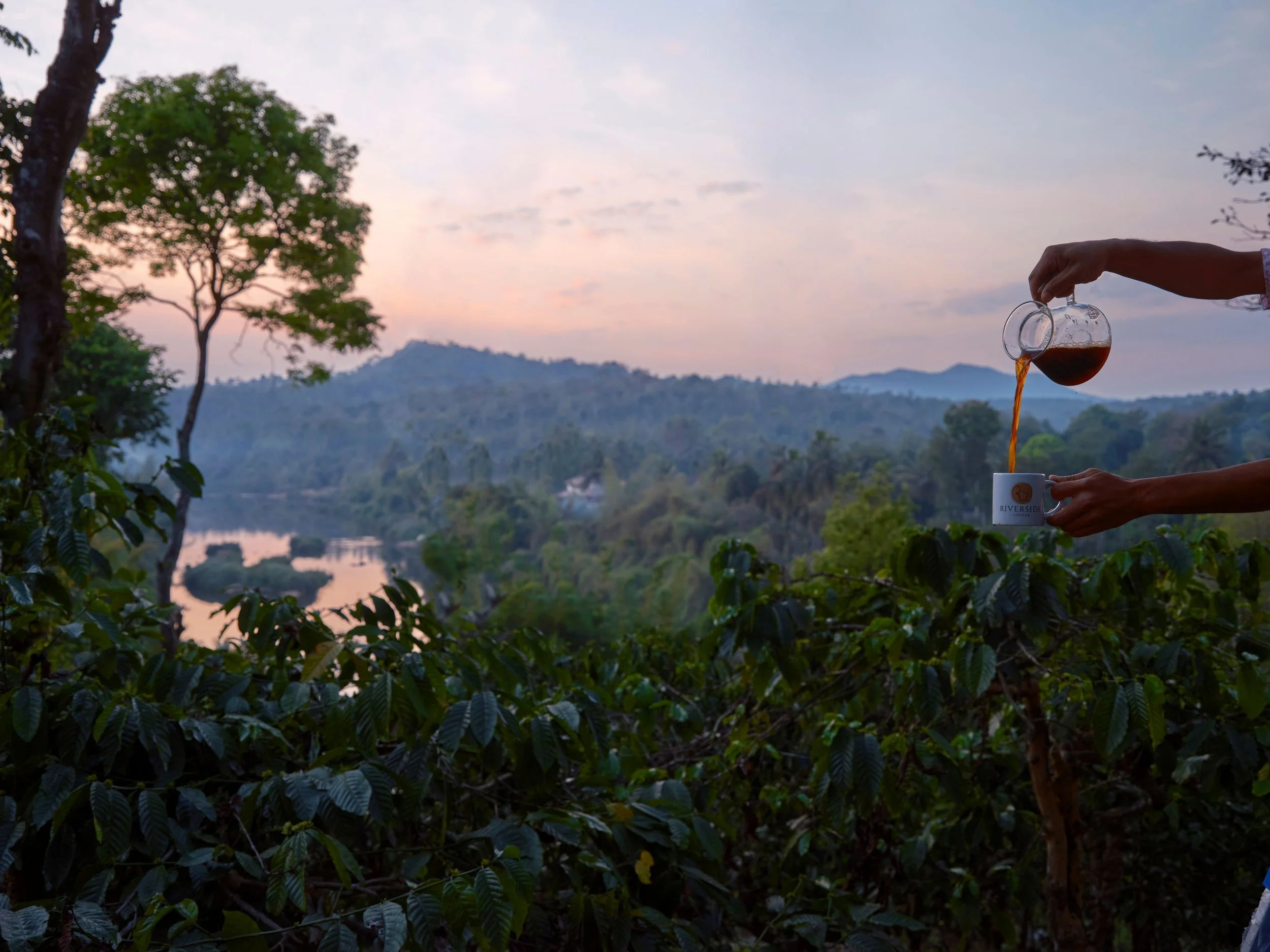
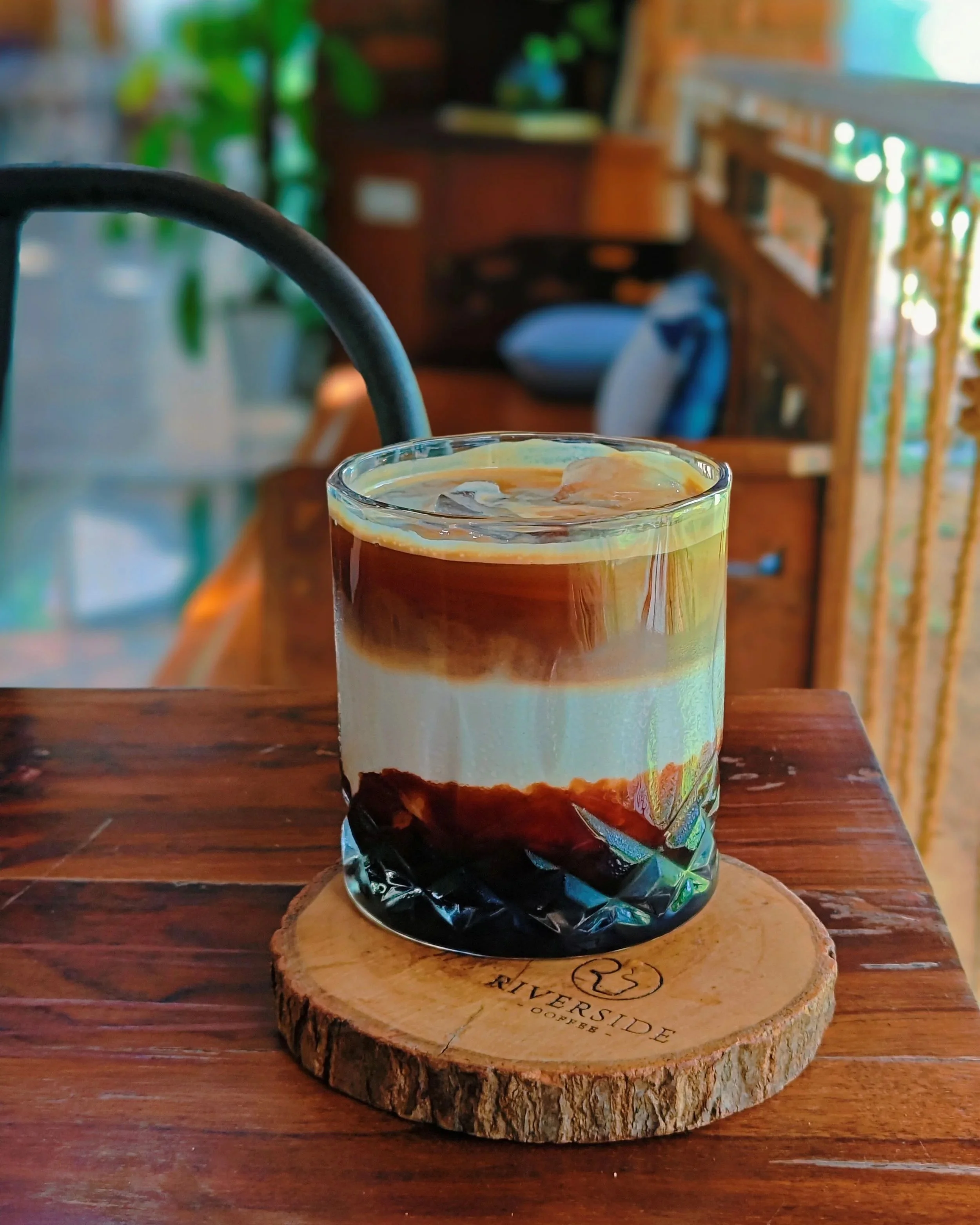
Riverside is a full-circle farm-to-cup experience with a roastery and café onsite which allows them to grow, roast, and brew their own coffee. The estate also contains the Riverside resort, which invites guests to experience the rhythms of plantation life.
The farm is one where technology, scientifically-backed farming practices, and a data-driven approach have found equal footing with traditional farming wisdom. Rishwin has done international certification courses in various aspects of the coffee value chain, is working with social media and quality control professionals to help create the Riverside brand.
The Grain Keeper
If Rishwin’s work is about re-imagining coffee, Anushka Neyol’s is about re-rooting our relationship with grain itself — the humble aata and maida.
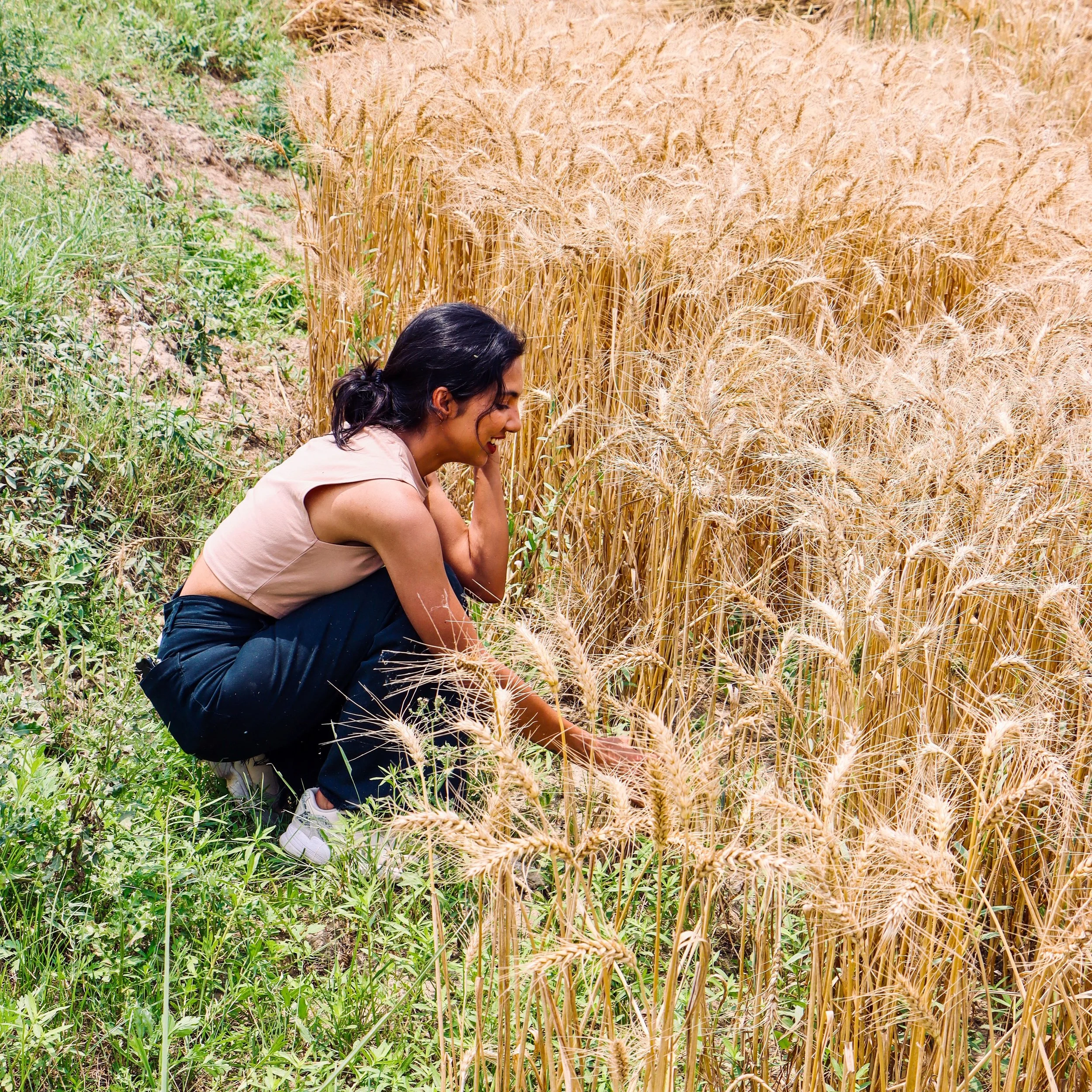
Her work is rooted in conservation agriculture, focusing on soil restoration through biodiversity, minimal tilling, and crop rotation. Her fields hold over 30 varieties of wheat, alongside barley, rye, and heirloom corn — these are crops that were chosen for their yield, resilience, nutrition, and flavour.
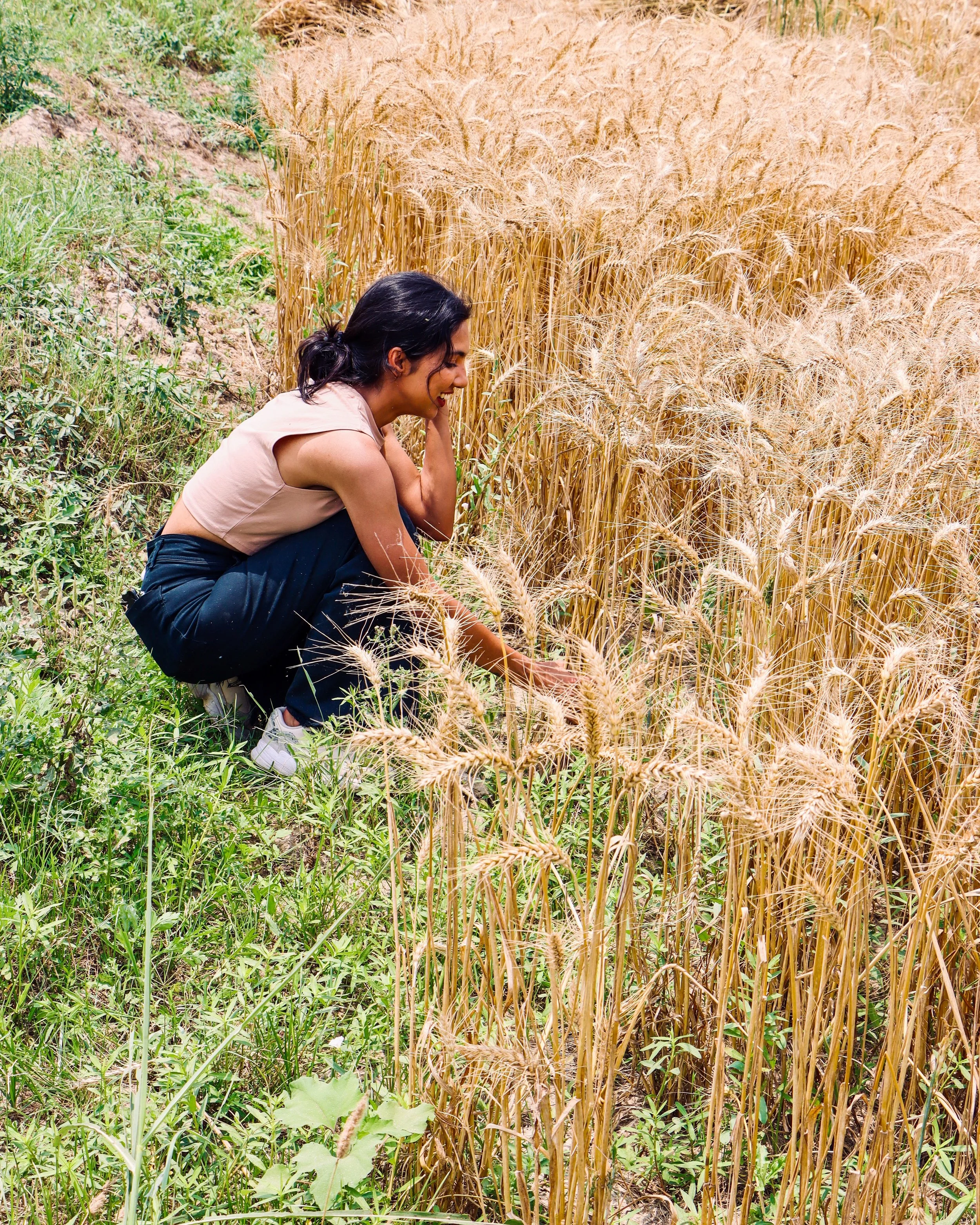
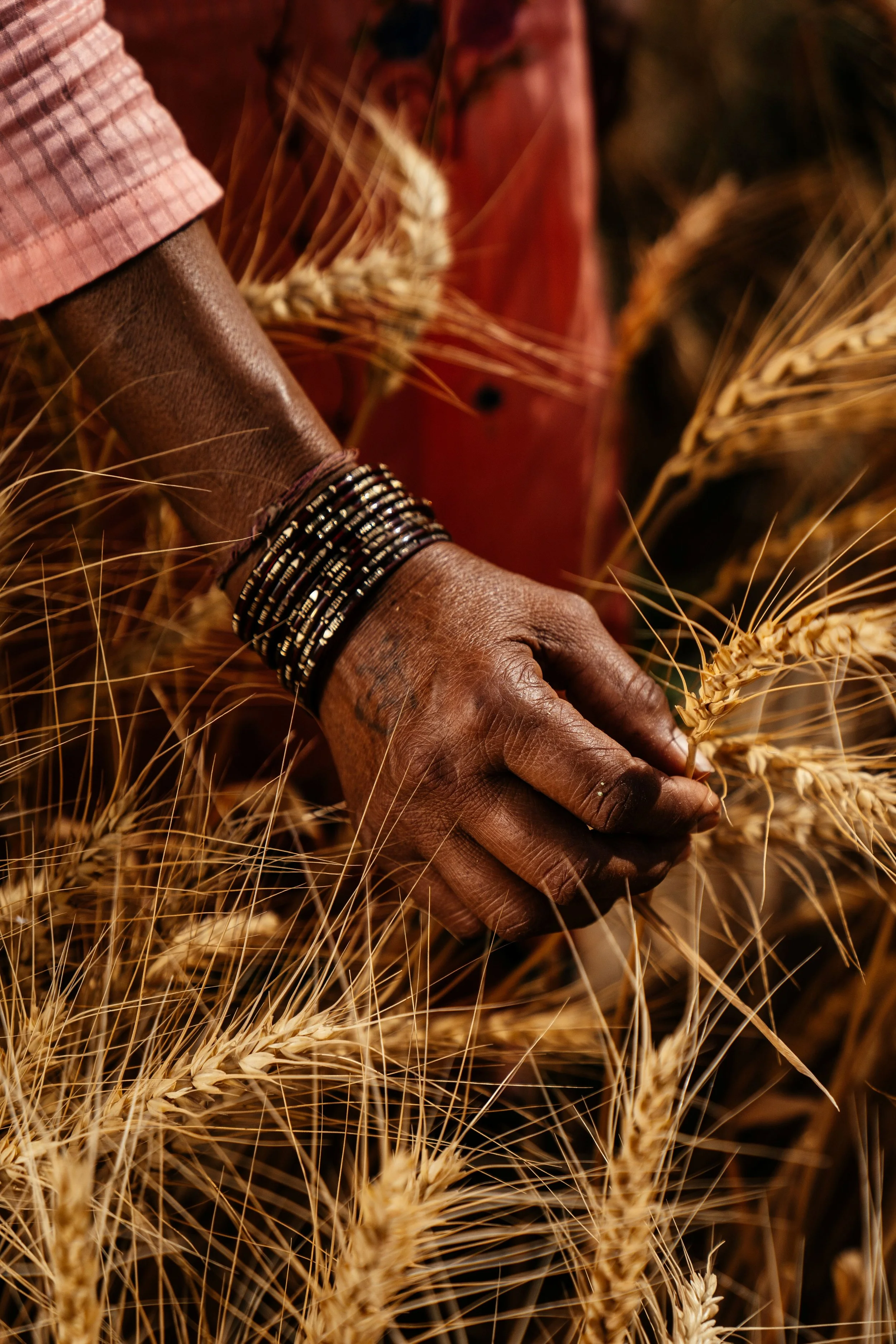
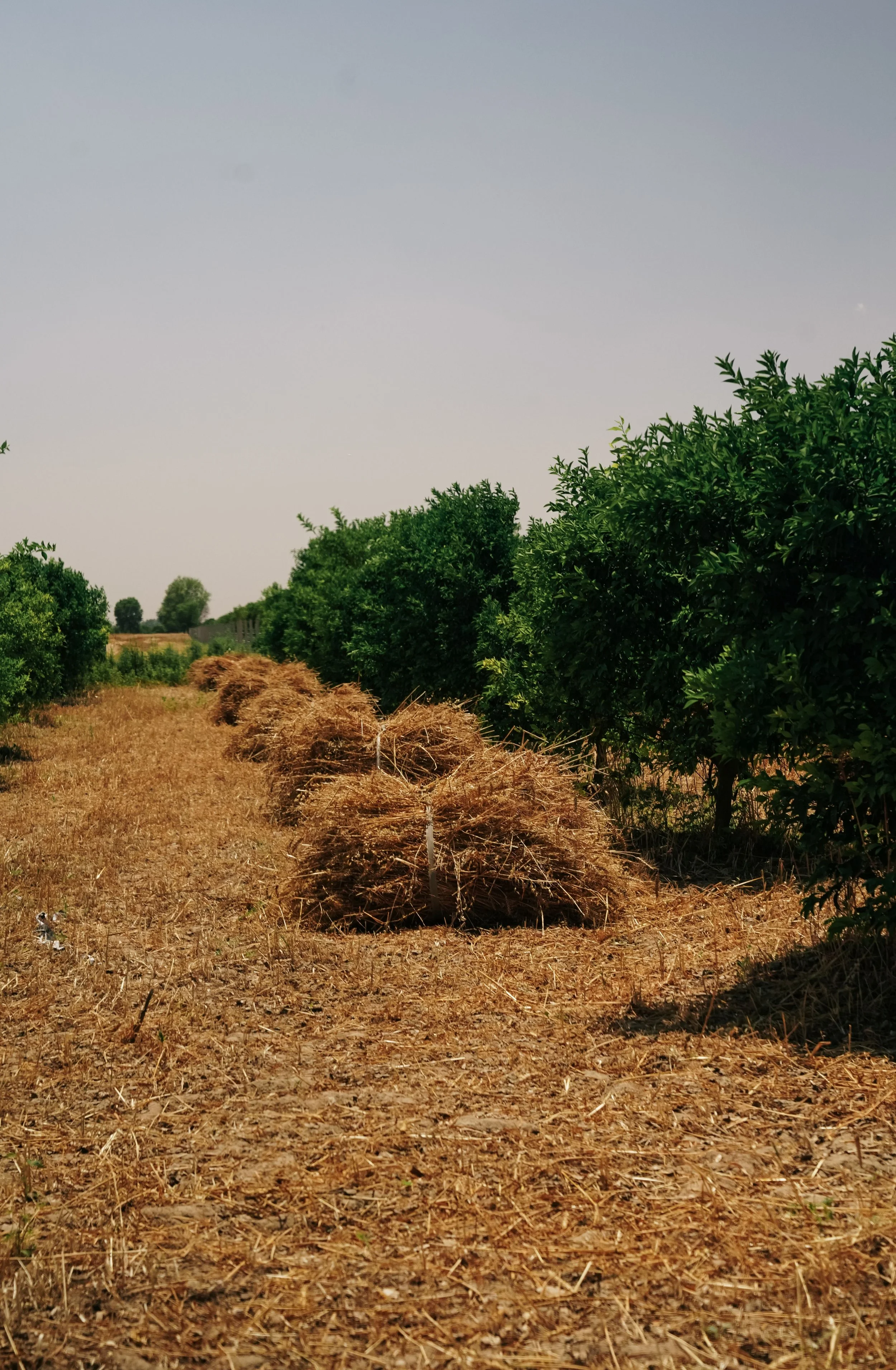
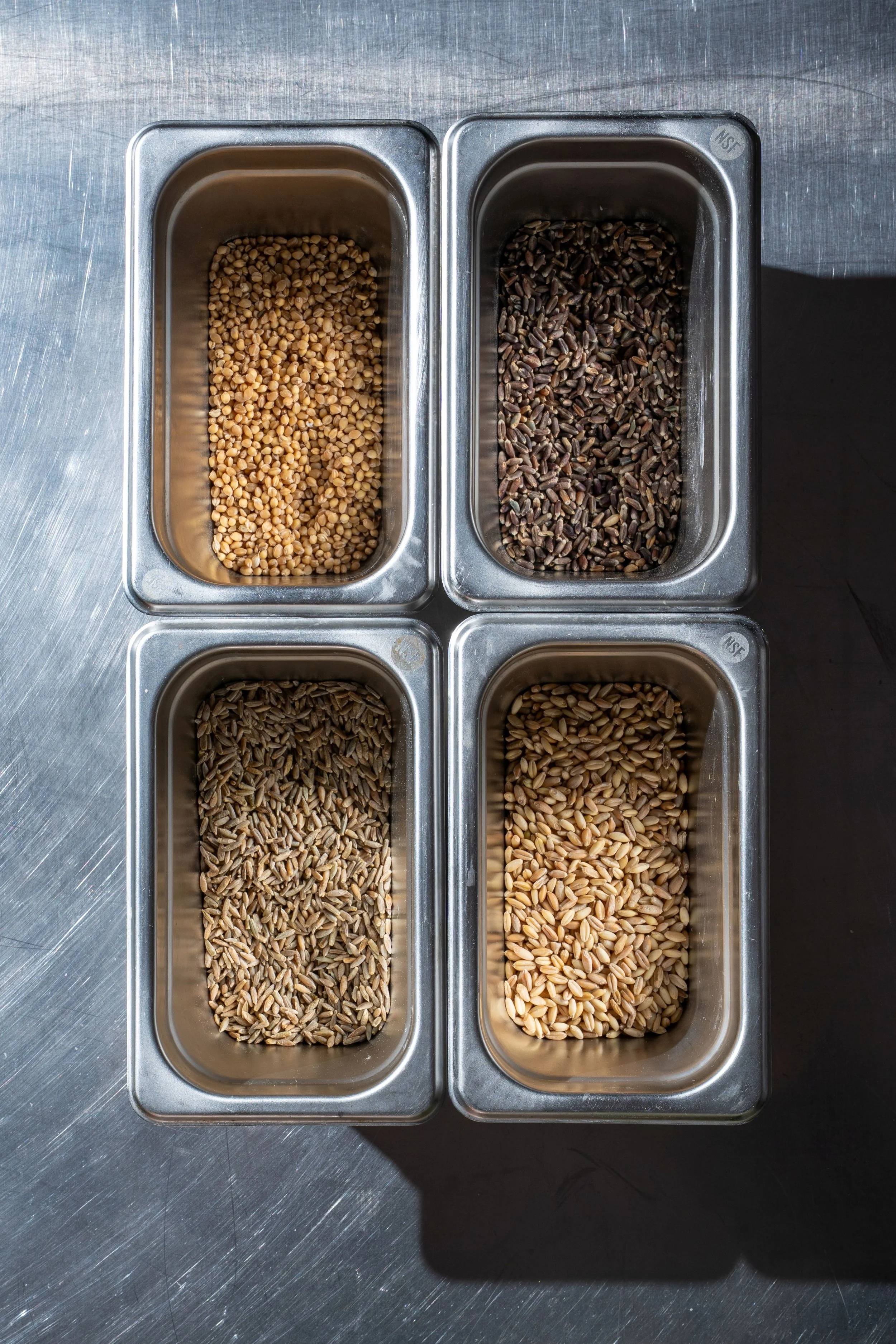
Her approach is both scientific and intuitive. She engages with soil microbiomes and carbon cycles, studies carbon sequestration, but she listens to the inherited knowledge of the village community.
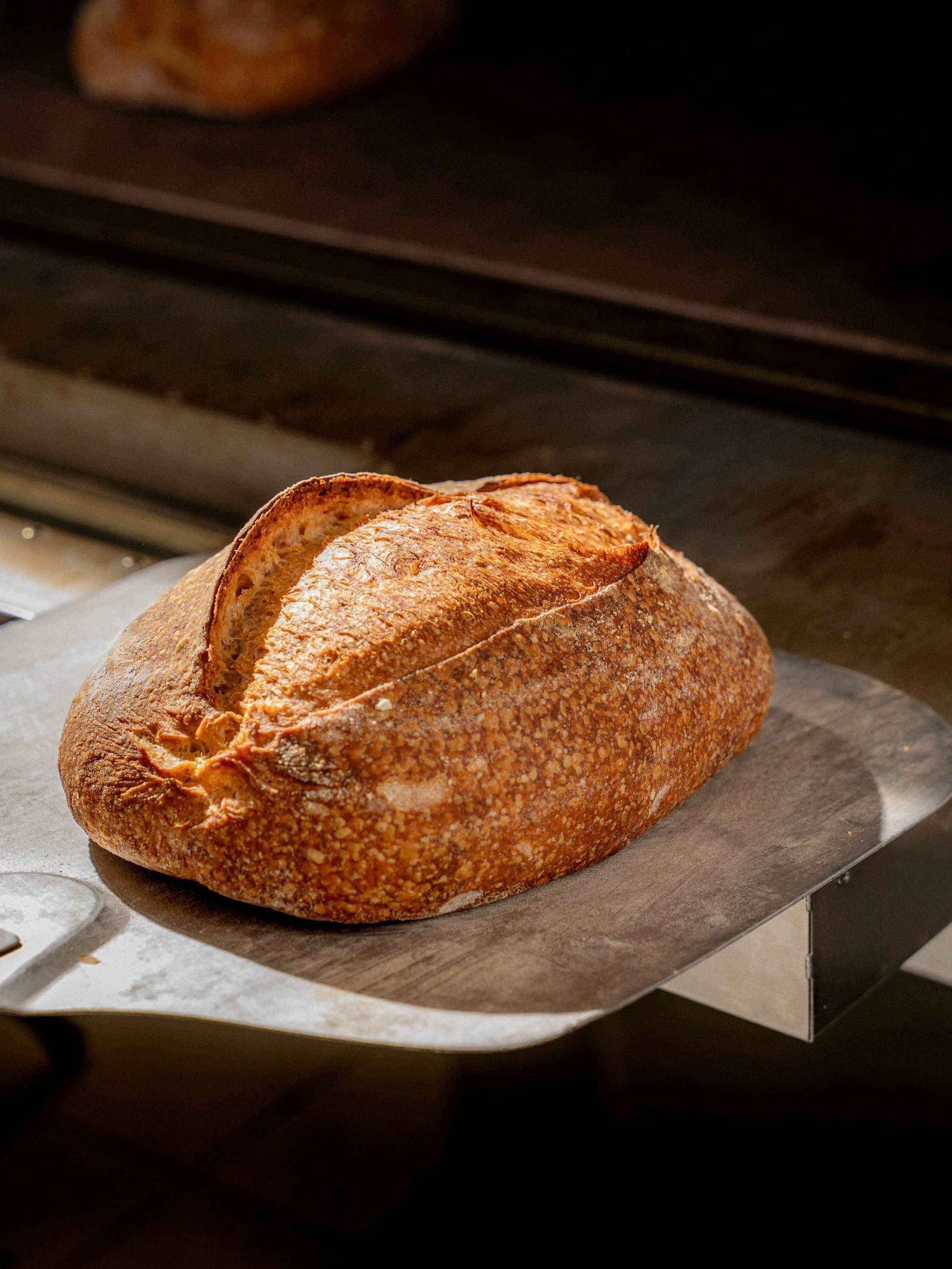
Through Three One Farms, Anushka is reshaping the market for these foods. She works with local growers, mills small batches, and packages flour with full traceability. Chefs and bakers across India now use her grains, turning forgotten wheats and barleys into breads, pastas, and pastries. In doing so, she’s also challenging the idea that sustainability is a niche concern for an urban household consumer.
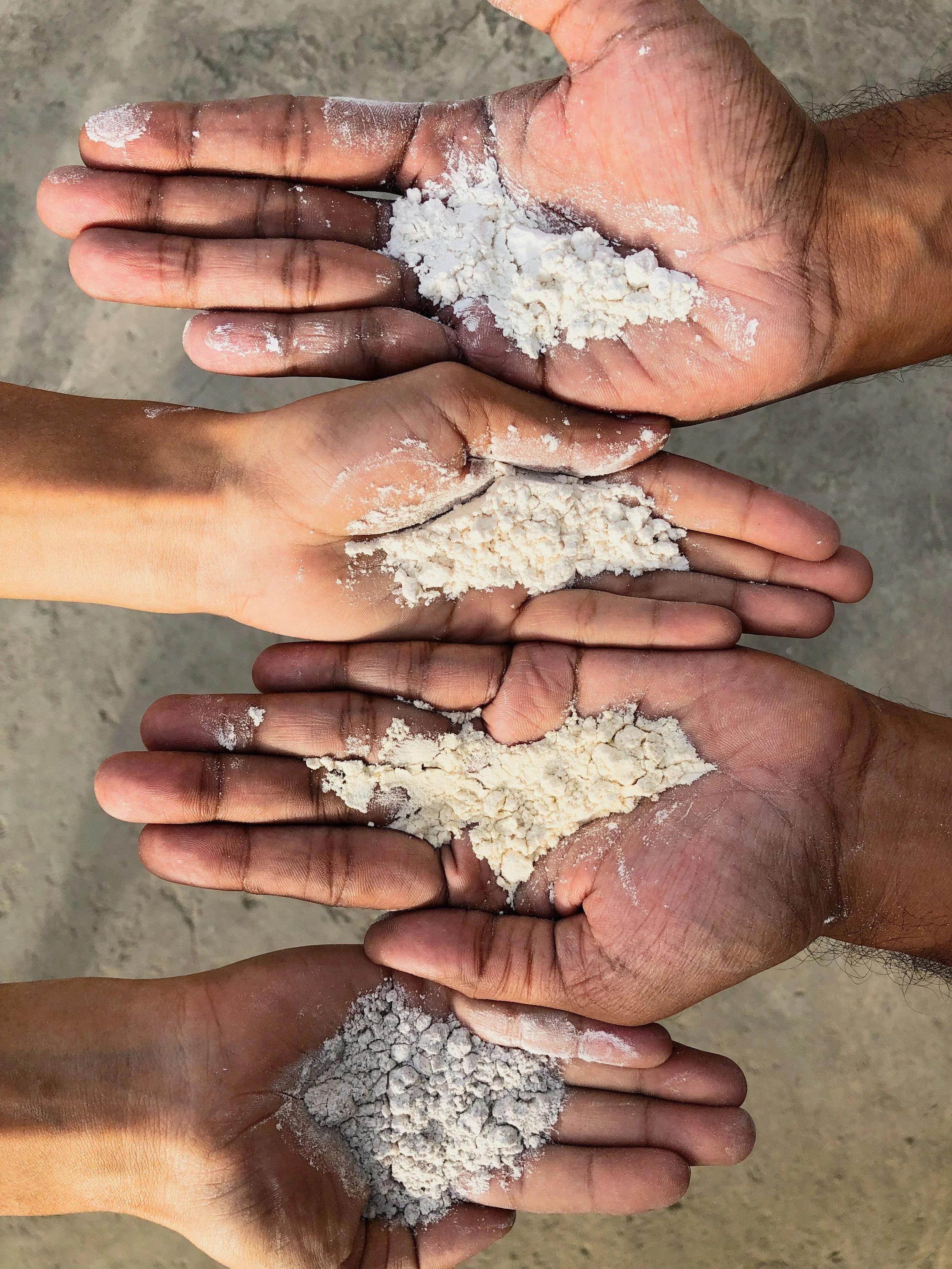
“Climate change is an undeniable reality whose effects on agriculture are still not fully grasped, even by much of the farming community. And this is precisely why there is a need for the consumer to look at their food more carefully. Genetic diversity in the grain economy is not a conservation project,” she says. “It is a survival strategy for the soil, the farmer, and for the consumer.”
Her work is proof that good agriculture is not just an ecological necessity, and can be a blend of traditional wisdom and modern innovation.
A Life Replanted
In 2020, when the pandemic disrupted our carefully built lives, Kurian, my fourth-generation farmer husband and I (a first-generation aspirant) made a decision that caught us by surprise: we left behind Bengaluru and moved to his ancestral coffee farm, Ānai Kādu Pottamkulam Estate, on the edge of a reserve forest in Coorg.
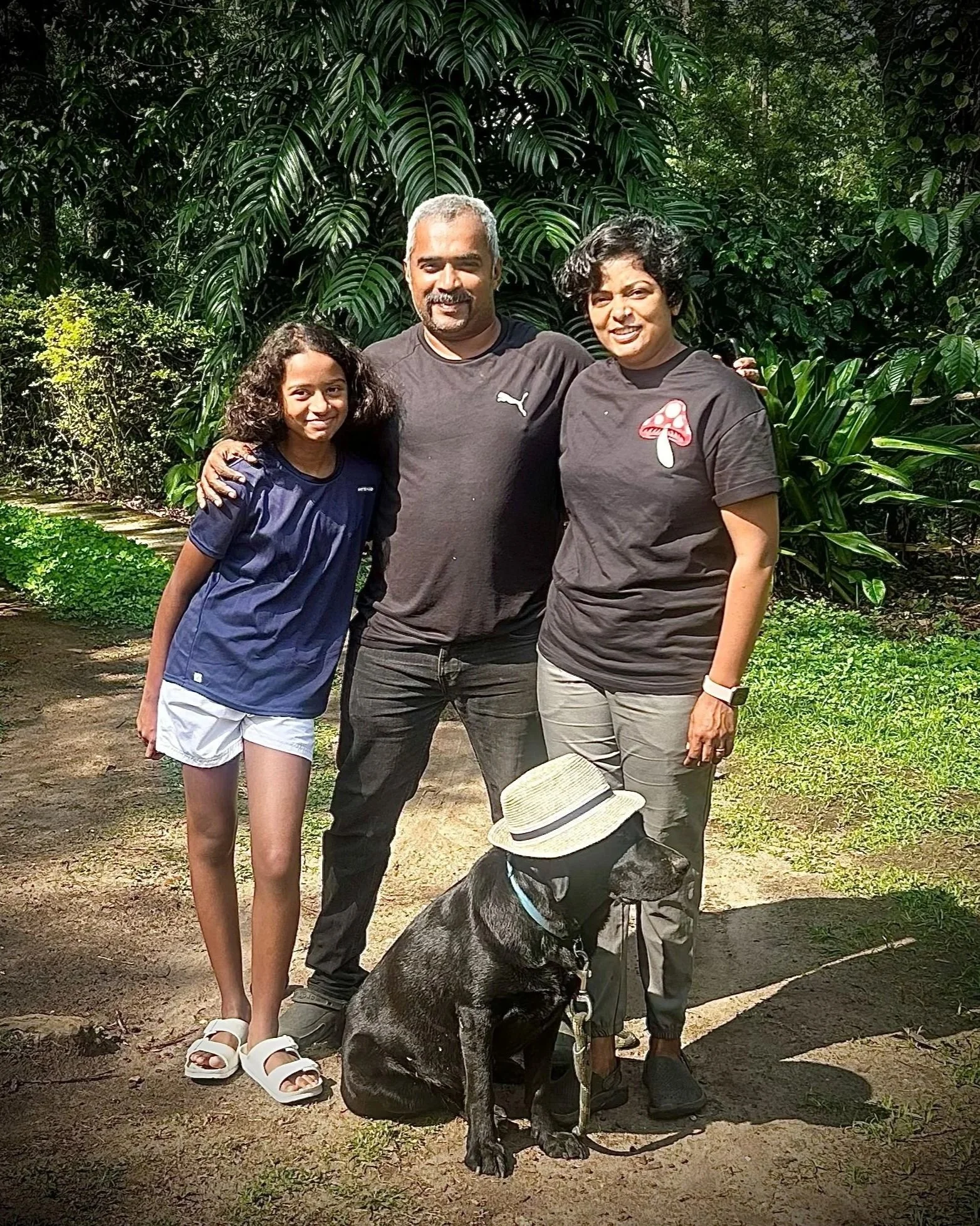
The author and her family at their farm
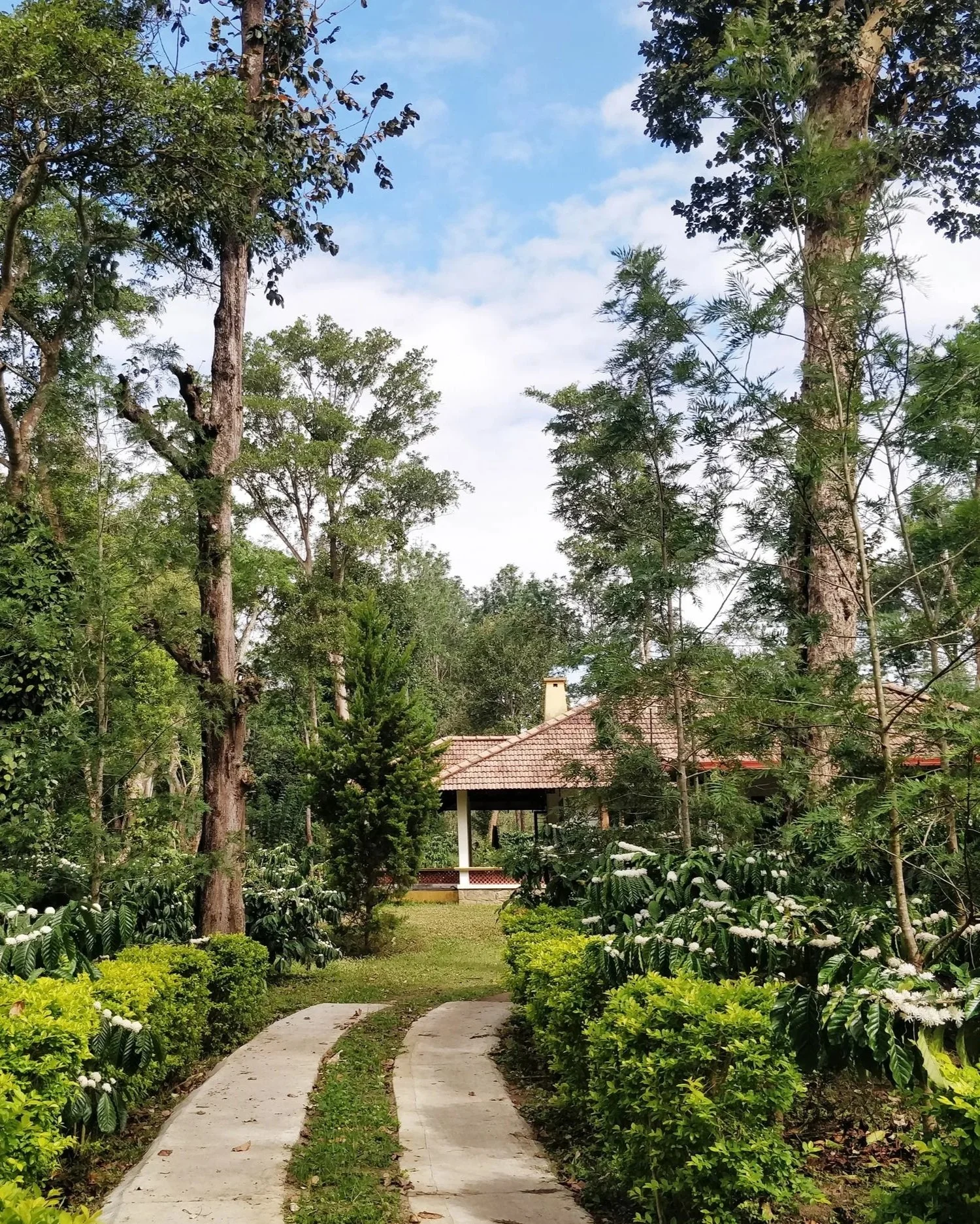
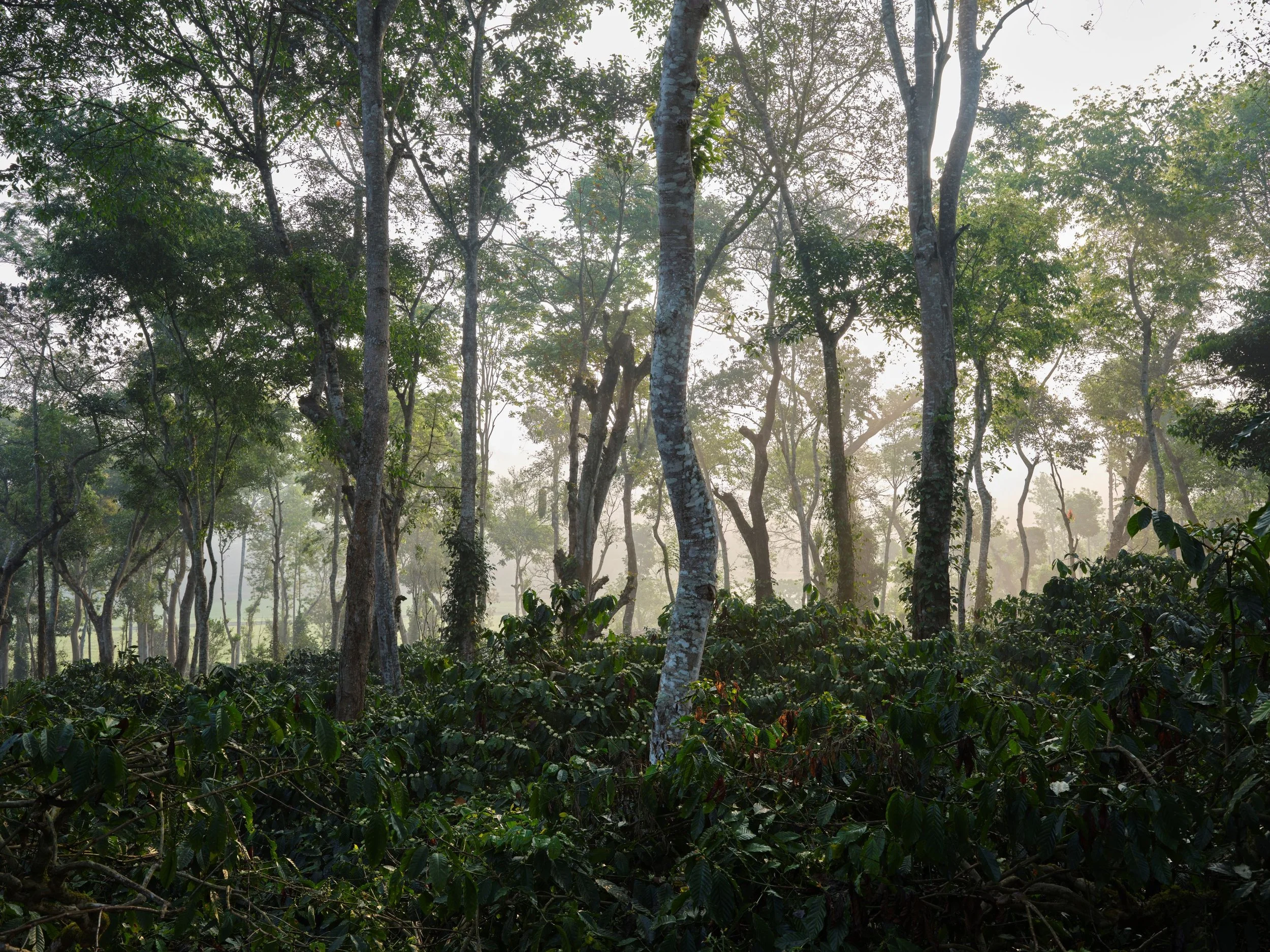
The coffee farm is on the edge of a reserve forest.
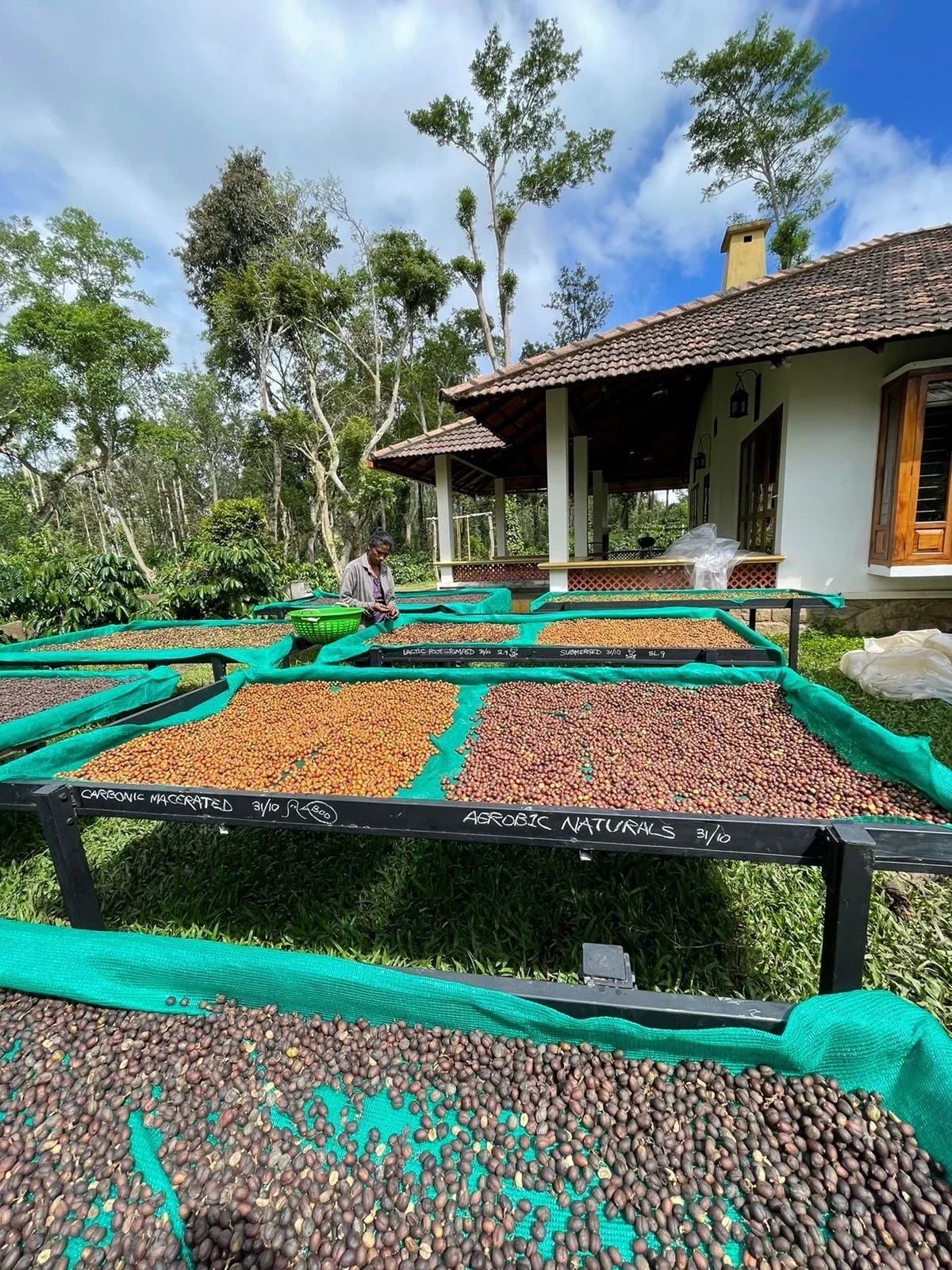
We went from conference calls to cicadas, and from peak hour traffic jams to movement disruption by wild elephants. It was a plunge from predictability into lessons in patience. I arrived knowing nothing. Everything I now understand — the physiology of the coffee fruit, fermentation protocols, when mushrooms are ready to harvest — came from books, conversations with growers around the world, and the long school of failure.
Life here is often absurd. Electricity flickers. The internet disappears mid-sentence. A hospital visit is a day’s journey. The harder shift was internal: the loss of identity. In the city, I was a professional. On the farm, I was just ‘Kurian’s wife’. Rural India rarely sees women as farmers, though we are everywhere — transplanting, tending, lifting, sorting. It took time to find my footing, first in the slippery black soil, with a pair of sturdy boots, and then in myself. Slowly I learned the rhythms of the place.
We built a single-origin coffee brand, began farming mushroom, and beekeeping, and told our story online. Over time, the question that haunted me: “Why give up city comfort for this?” turned into another: “How did we ever live so far from this?”
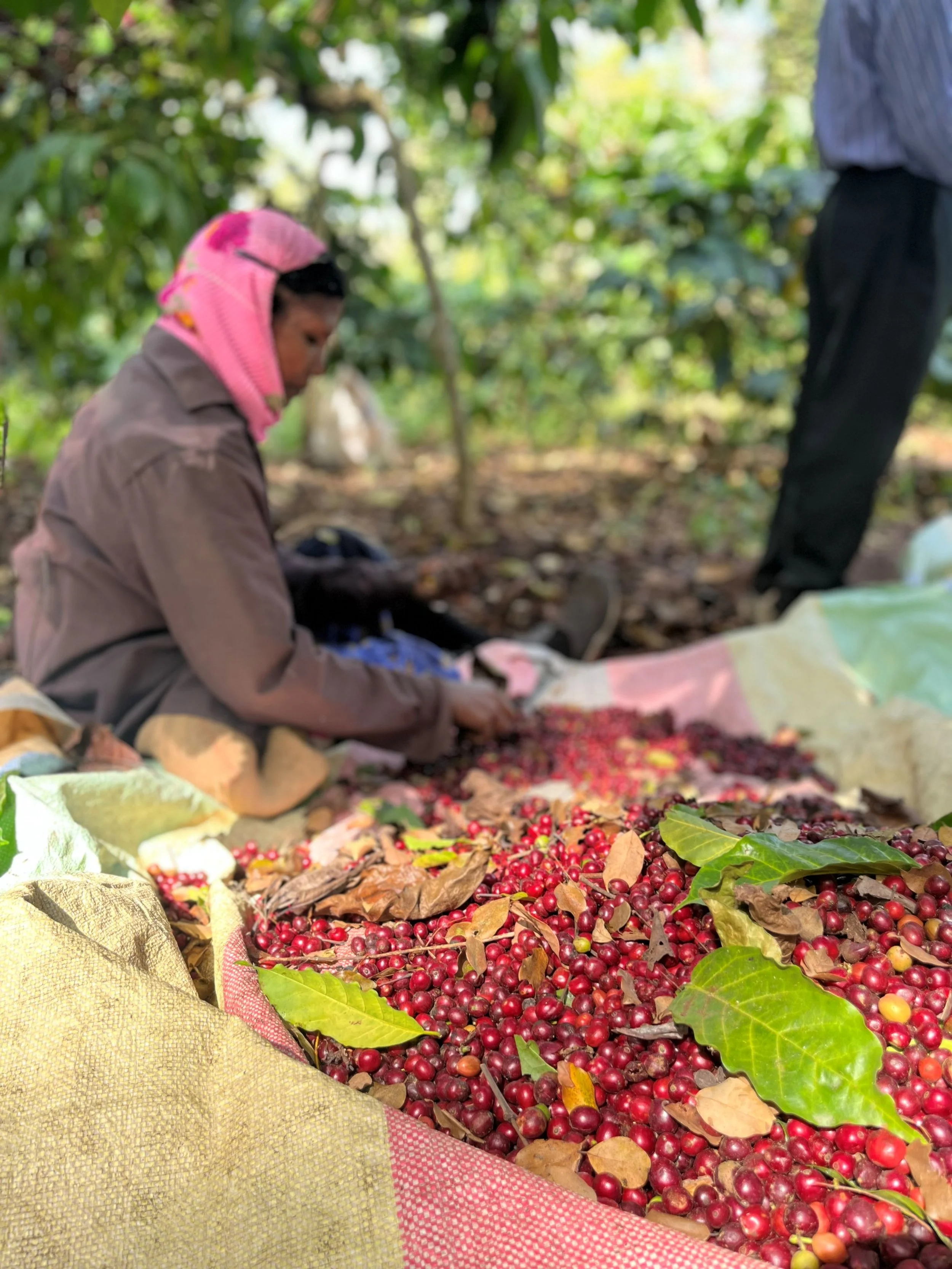
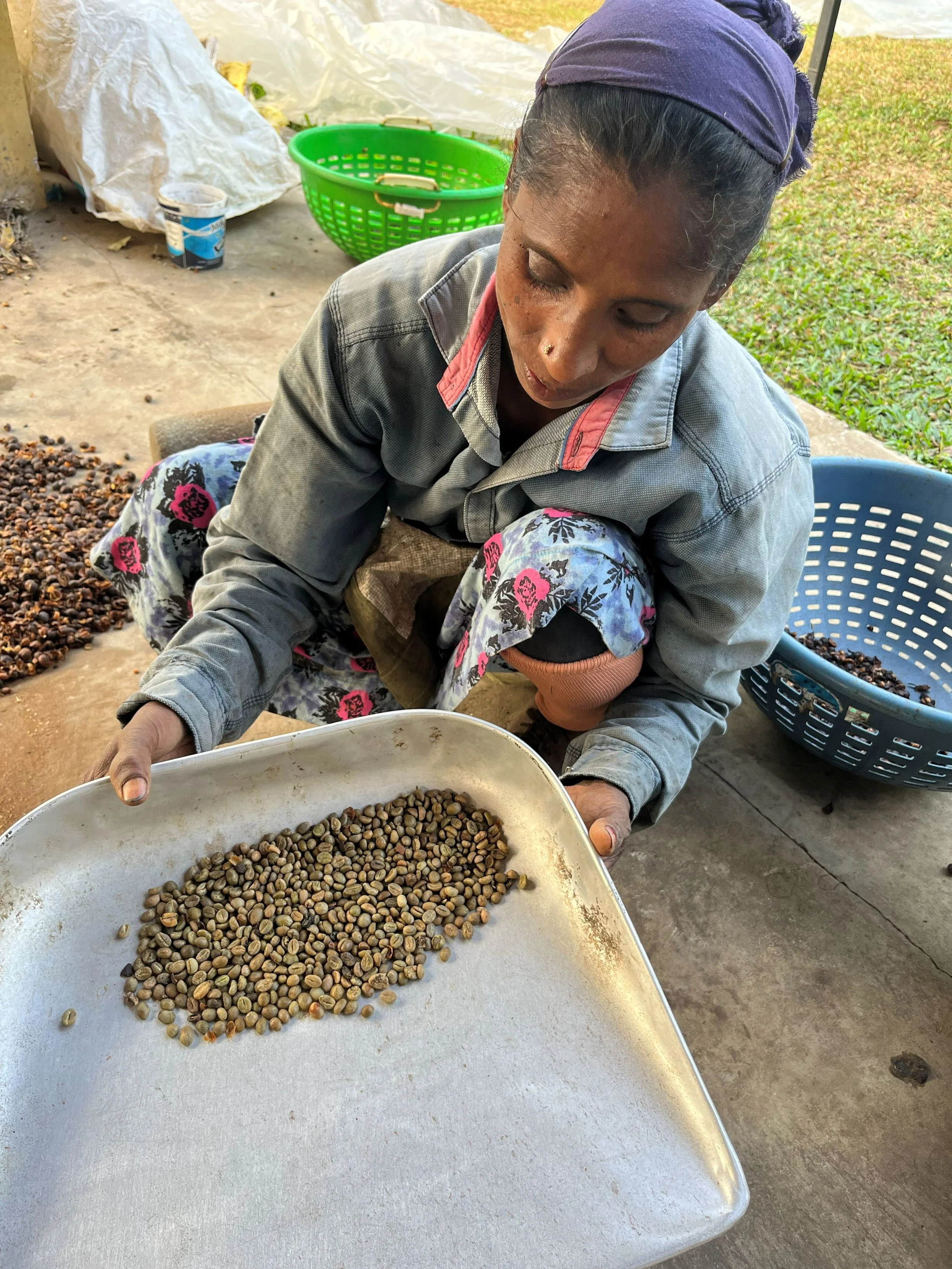
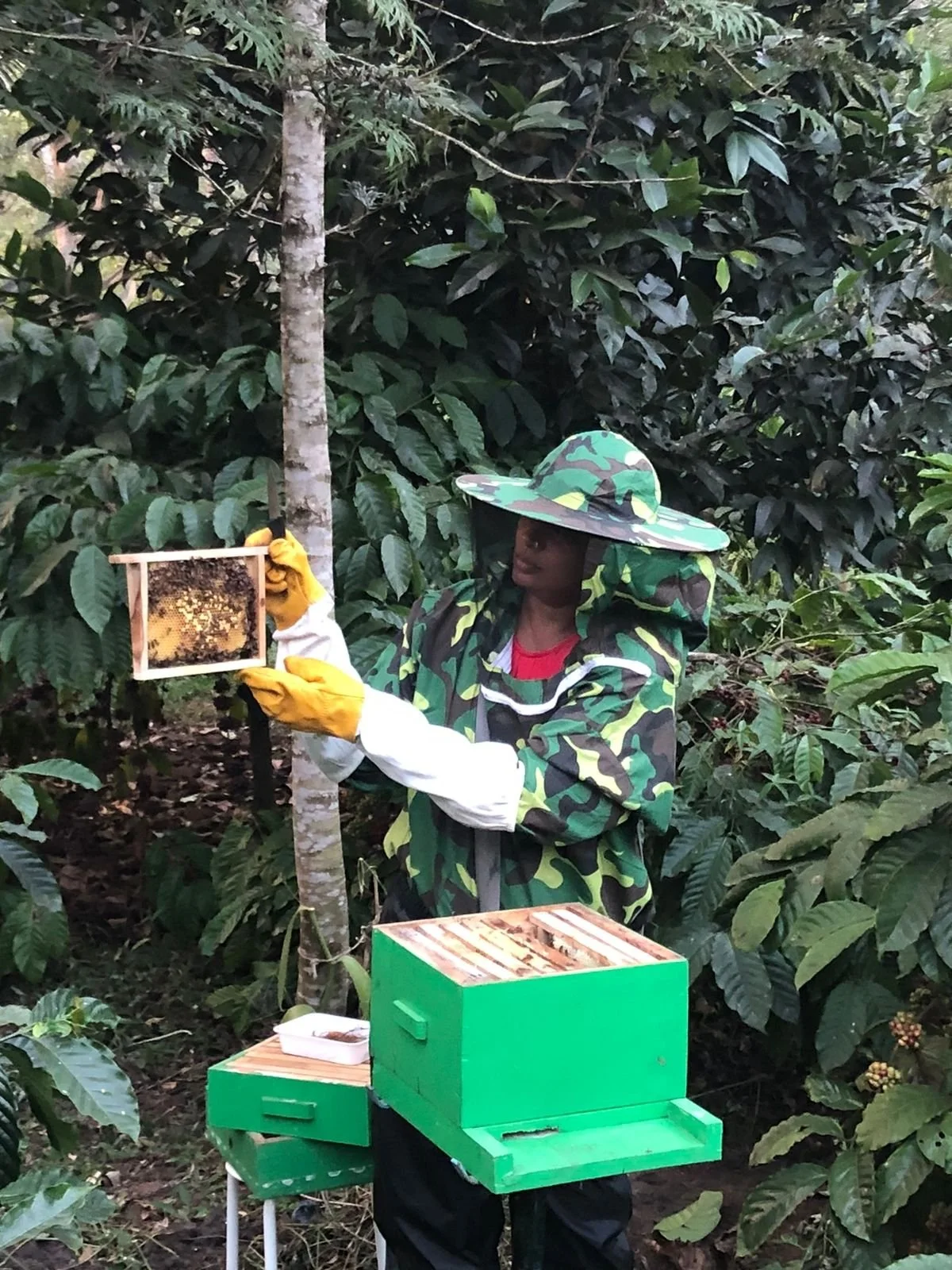
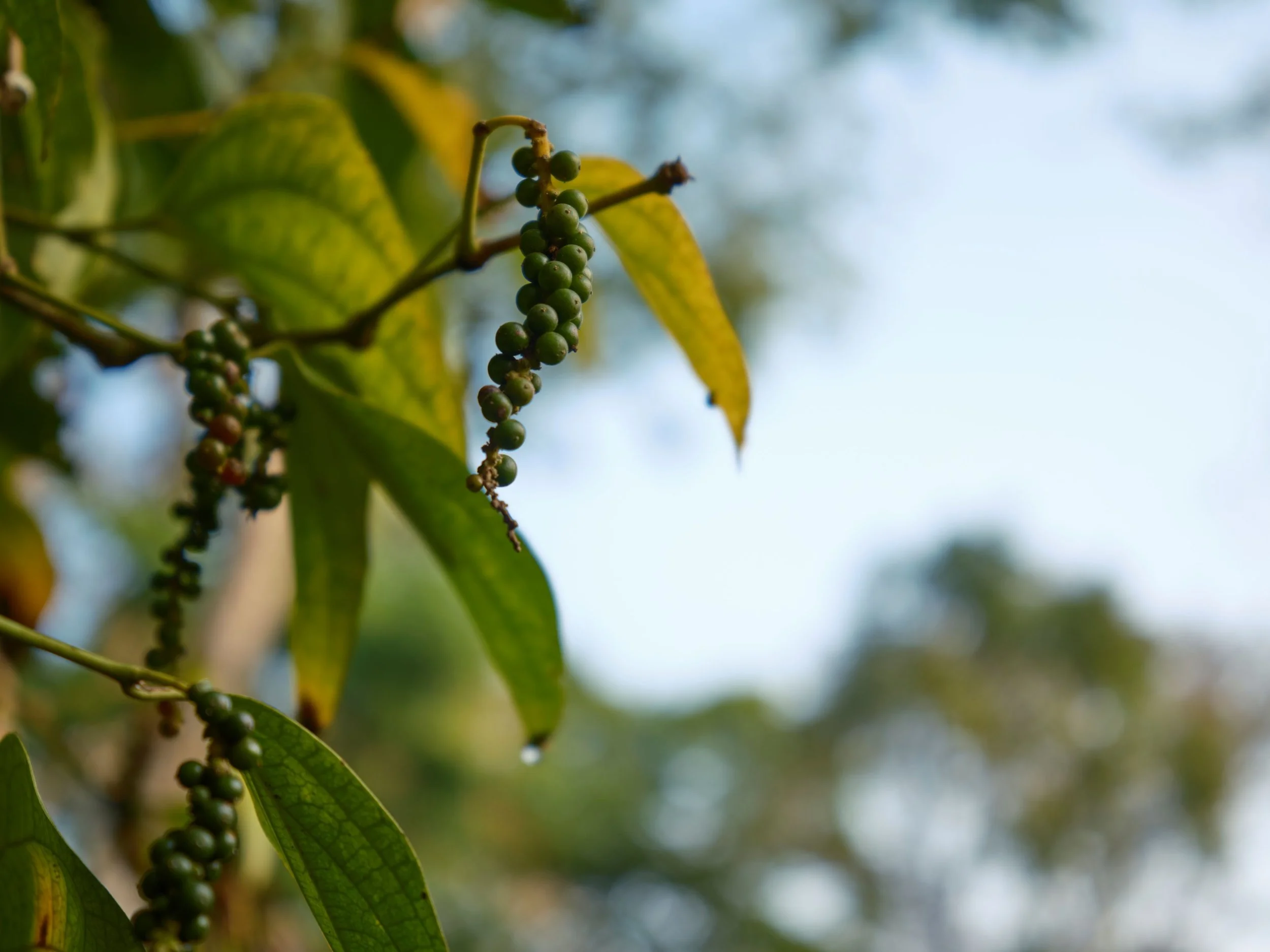
At Ānai Kādu, we’ve learned to diversify: alongside coffee and pepper, we grow mushrooms, areca nut, avocado, mangosteen, and rear fish and bees. Our spent mushroom substrate becomes compost. Nothing leaves the farm without returning in another form. Each experiment pushes against the idea that farming is dull or outdated.
Looking to the Future
All these stories, Rishwin’s, Anushka’s, and ours, are part of a much larger question: who will grow our food in the years to come?
Across India, farmland is shrinking. Farming today demands resilience and reinvention. Climate change brings erratic rains, stubborn pests, and unforgiving temperatures. Add low returns, scarce labour, volatile markets and it’s no surprise young people choose the stability of air-conditioned office jobs over tending their land.
But what if farming was aspirational? What if the future of agriculture isn’t about going back, but forward, combining science, technology, and storytelling to make the soil sing again?
Unlike generations before us, we have tools they never imagined: smartphones, satellite data, and online communities. We can build brands, tell stories, connect directly with people who care where their food comes from.
It isn’t easy. There are days when the rain won’t stop, when a tree blocks the road, when the mushrooms refuse to fruit, when the power cuts mid-harvest. But then there are mornings when the mist rolls down the slopes, when coffee flowers bloom all at once, when the bees return to their hives and you remember why you stayed.
A few years ago, I would’ve never imagined calling myself a farmer. Today, it’s the identity I hold dearest. And if my daughter someday chooses this life, and decides to grow food, to live close to the land, and to understand the rhythms of rain and soil, I will consider that the greatest success of all.
When I look around at people like Rishwin and Anushka, I see a generation that isn’t waiting for permission to reinvent farming. They’re asking difficult questions about sustainability, market access, and fair value. All while proving that farming can be a space where technology meets ecology, and growing food can be fulfilling and purposeful.
My hope is that more young Indians look beyond the comfort of ten-minute deliveries and rediscover value in what sustains us all. We need more people who love the land; who look at farming not as failure or a fallback option, but as our collective future. And perhaps, one day, when another three-year-old asks where her food comes from, her parents might take her out to a field, point to the soil, and say, “From here.”
Nisha Thomas is a newly-minted farmer at Anaikadu-Pottamkulam Estate, Coorg with a deep love for life forms, specialty coffee processing and mushroom farming. Follow her farming journey on @anaikadu.
Anushka Neyol image credits: Hassan Haider, Sanskriti Bist.
ALSO ON GOYA