A Neighbourhood Guide to the Flavours of Mattancherry
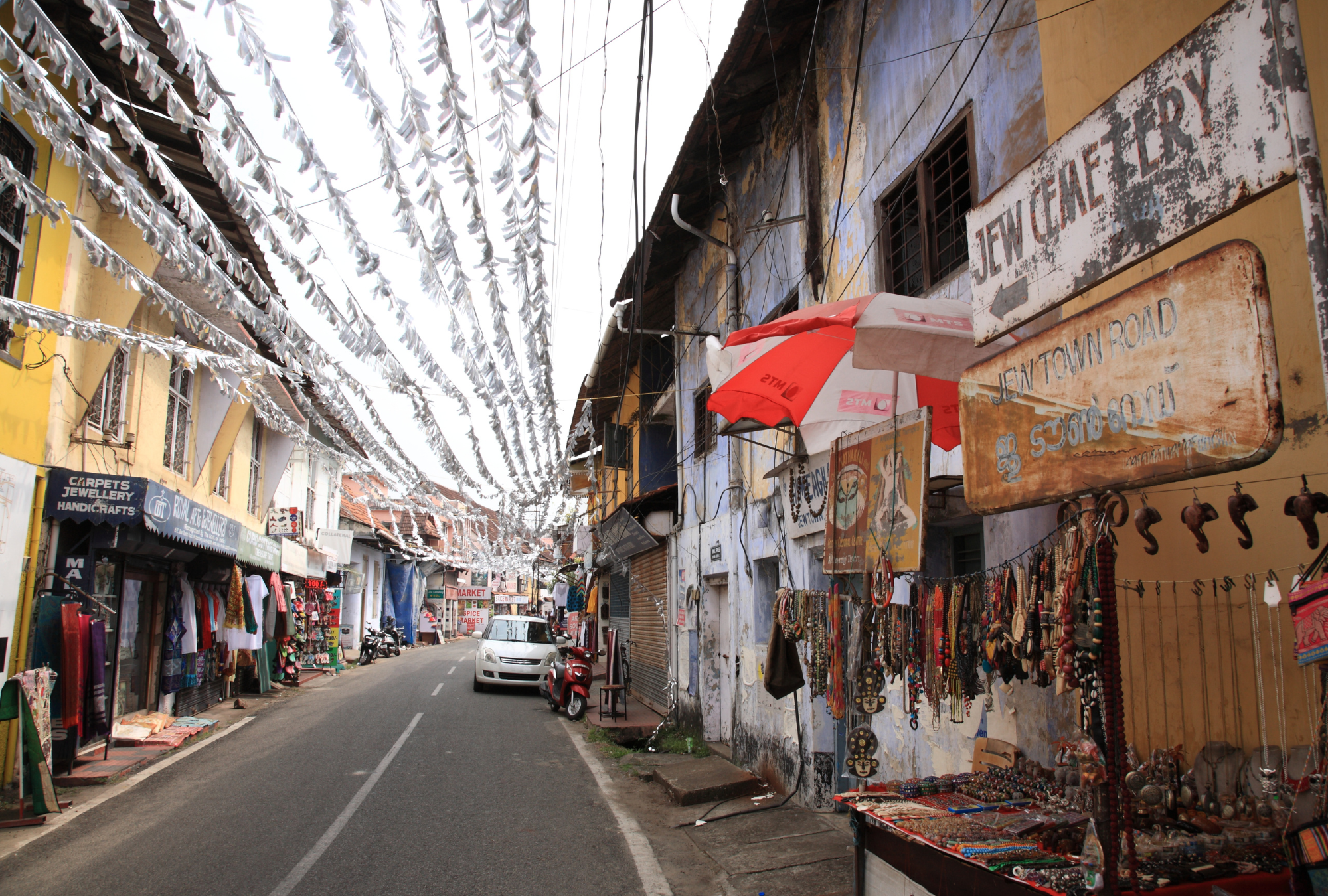
Mattancherry is a historic neighbourhood in Kerala, celebrated for its charming colonial-era buildings. While the Dutch, Portuguese and Jewish communities left an enduring architectural legacy, migrants from across India have enriched the area in another way —through the culinary traditions they continue to sustain, finds Hanna Paul.
At first glance, Mattanchery looks and feels like a historic neighbourhood. It is small, but deceptively so, home to over 39 communities comfortably housed within its five-kilometre radius.
I begin my walk on the road behind Dutch Palace, a narrow street that looks rather ordinary. A faint aroma of sandalwood fills the air, as I pass houses with pronounced front porches and hand-drawn kolams on either side of the street. This area is home to the Iyers from Tamil Nadu. A few metres down the road, the scenery changes: lassi shops and sweet-makers mark a Gujarati neighbourhood. A few turns ahead, a line of Kannadiga homes appear with beautiful deities at their entrance. Further along, large apartment complexes reveal a cluster of Jain families, sharing a wall with the neighbourhood’s Muslim communities.
Every few turns, the sounds and smells change. Each street corner opens into a new world, with unique traditions and subtle differences in architecture. Each microcosm has its own places of worship, upholding distinct rituals, ceremonies and cuisines.
The multitude of communities extend beyond the borders of the Indian subcontinent as remnants of colonisation remain, primarily visible in the architecture. Fort Kochi and Mattanchery were invaded by the Dutch, the Portuguese and the English. Until very recently, the town was home to several Jewish families too.
This guide is a glimpse into some of the many distinct communities in the neighbourhood, and the foods that define them.
Upma Kozhukkattai from the Tirunelveli Iyers
Elaborate arches embellished with elephants flanking a deity mark the entrance to the Iyer colony, home to the Brahmins from Tirunelveli and Madurai. They first came to Mattanchery for undi kachodam (a term used for money lenders). “They came from Thirunelveli and met the Kochi Raja, who was giving away parcels of land to various communities,” explains Radhakrishnan Raju, a high priest at the 400-year-old Thekkemadom Sree Dharmasastha Temple. The Kochi Raja at the time was most likely Ravi Varma or his predecessor Veera Kerala Varma, from the 16th century. They gave away over three acres of land, and invited several communities to stay. The Gujaratis set up their own places of worship and the Konkanis were allotted an area called Cherlai.
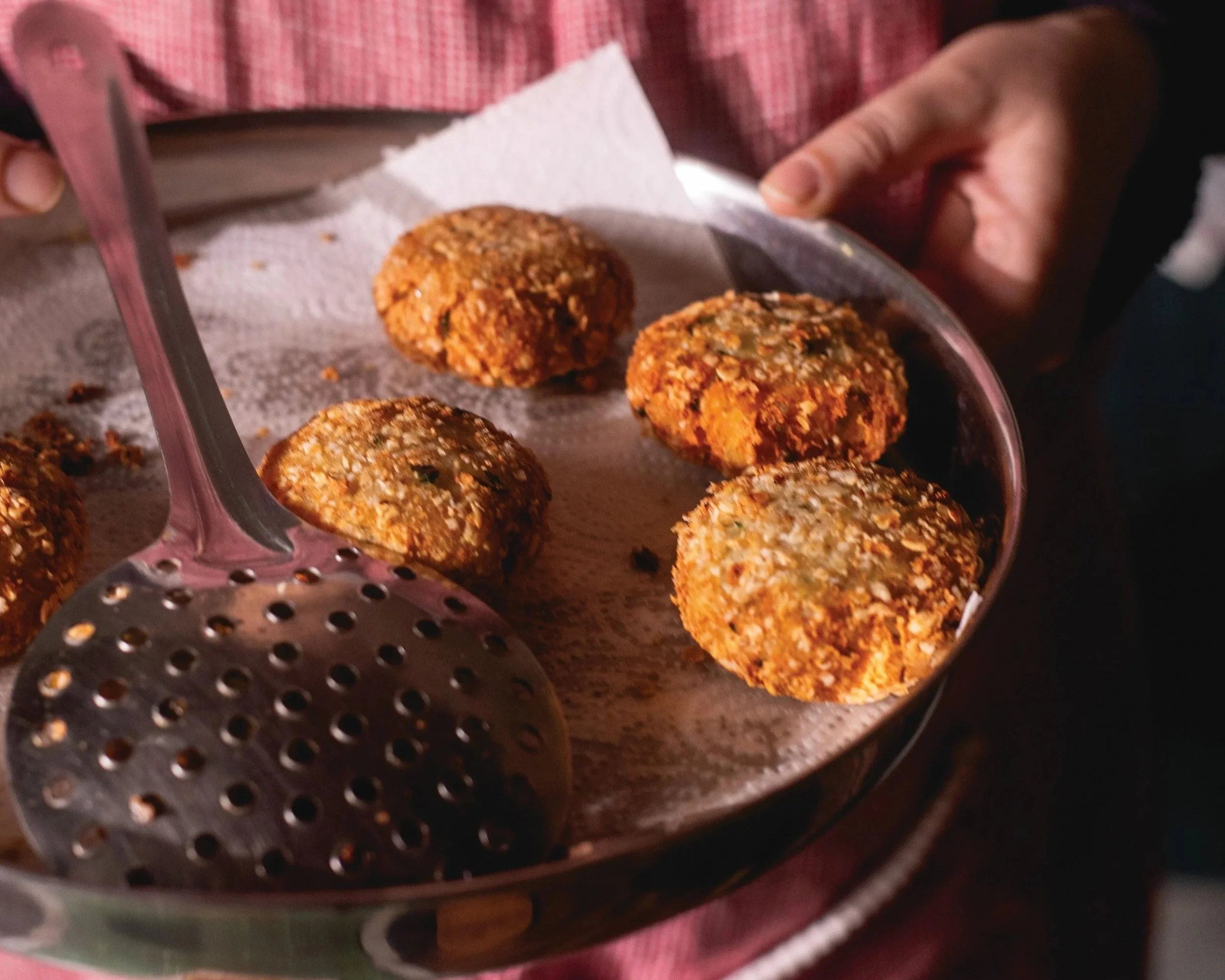
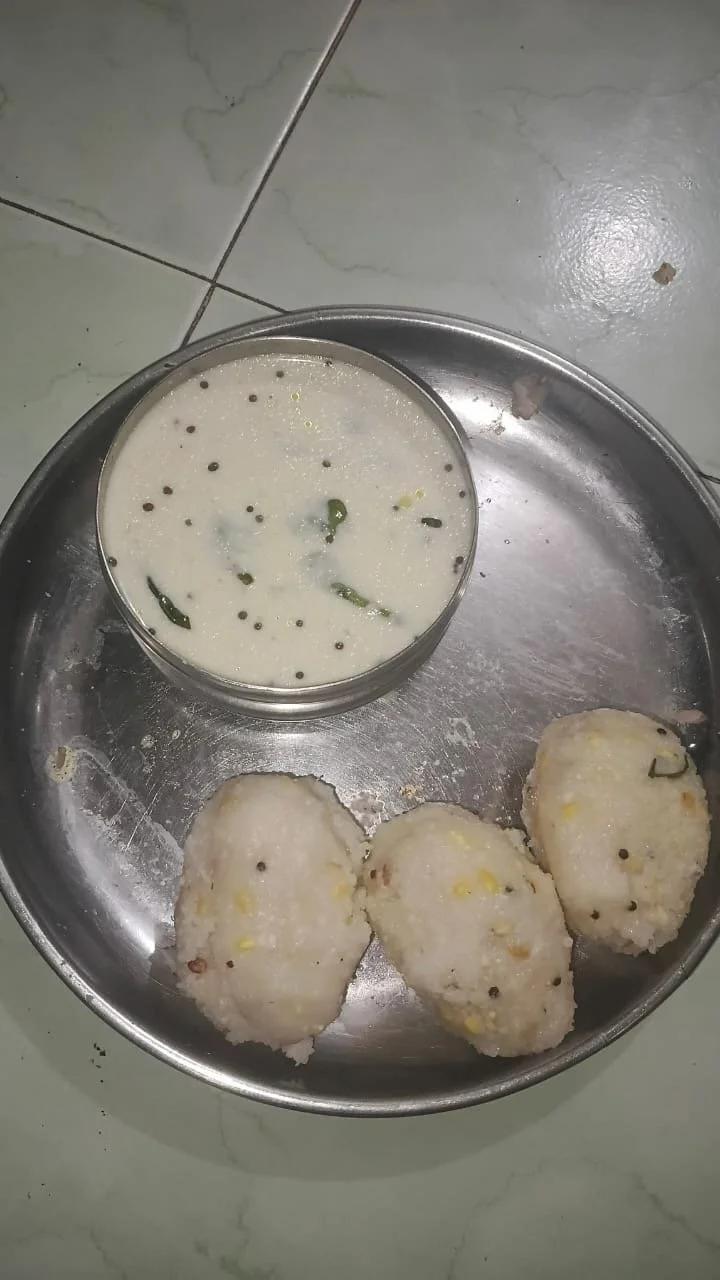
The Iyers’ strictly vegetarian fare includes idlis, dosas and vadas, and savoury dumplings called upma kozhukattai, a popular prasadam served during Ganesh Chaturthi, best paired with coconut chutney.
Where to try it: Sukanya Catering, opposite the Thekkemadom Dharma Sastha temple in Mattanchery.
Papdi Ghatia from the Kutchis
The Gujaratis arrived to trade spices, dry fruits and nuts, and have flourished in Kochi over the years. Over a hundred families still reside in Mattanchery.
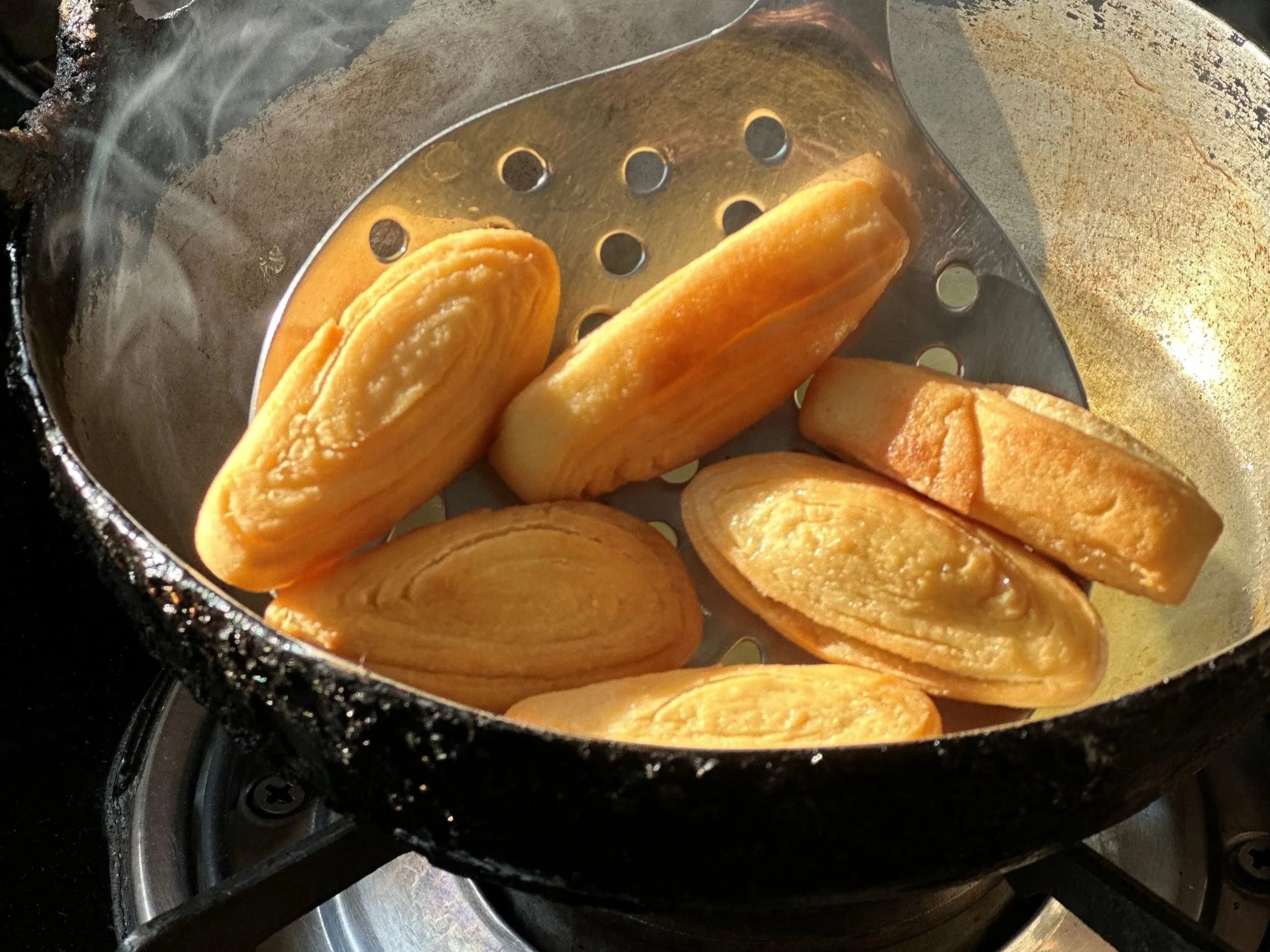
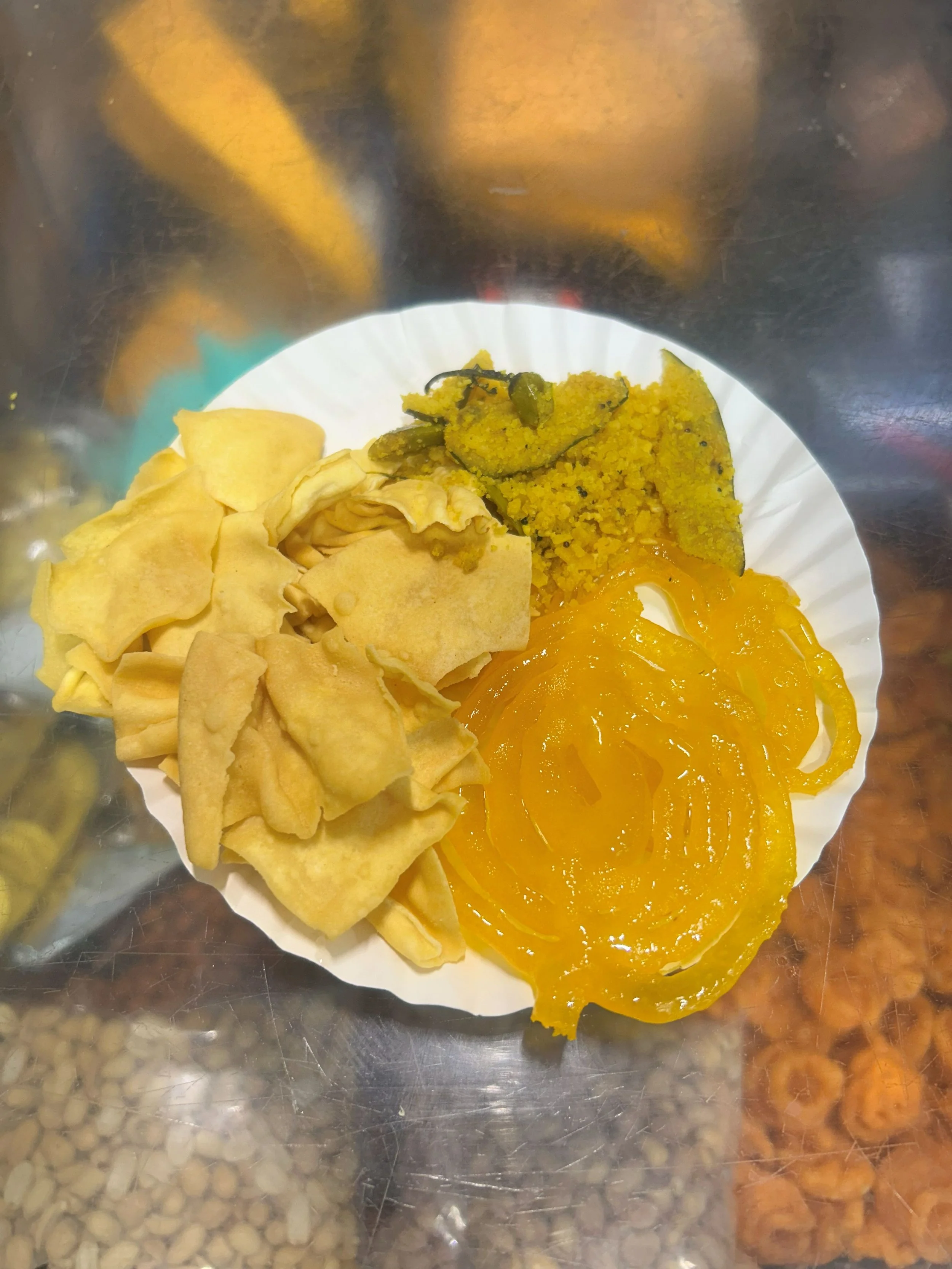
The oldest sweet shop in an area dominated by Gujaratis is Shantilal Mithaiwala, famous for its cloud-like dhoklas, sweet treats and papdi ghatia. Papdi ghatia is a combination of jalebi, khatia and raw papaya chutney, and is a snack that honours their Kutch roots. “This dish is paired differently in each part of Gujarat. Saurashtra, for instance, has mashed carrots. We belong to Kutch, so we serve the Kutch speciality of papaya chutney,” says Ronald Narendra Shah, owner of Shantilal Mitahiwala. “The jalebi, to start, is sweet and sour. The papdi, made with chickpea flour, is rich in protein. The raw papaya in the chutney boosts immunity, and with chillies, it becomes a dish with many benefits, tastes and textures,” he adds.
Where to try it: Shantilal Mithaiwala, on the intersection of Gujarati and Pandithan Temple Road.
Neer Dosa from the Mangaloreans
Tucked inside Gujarati street is a small neighbourhood with roots that reach up to the coasts of Udupi and Mangalore. This community moved from Mangalore over a 100 years ago in search of employment; only 30 houses remain at present. “Our food is similar to the food here in Kerala, even though it looks quite different,” said Sujatha Lakshmi, who runs Lakshmi Catering, from her home.
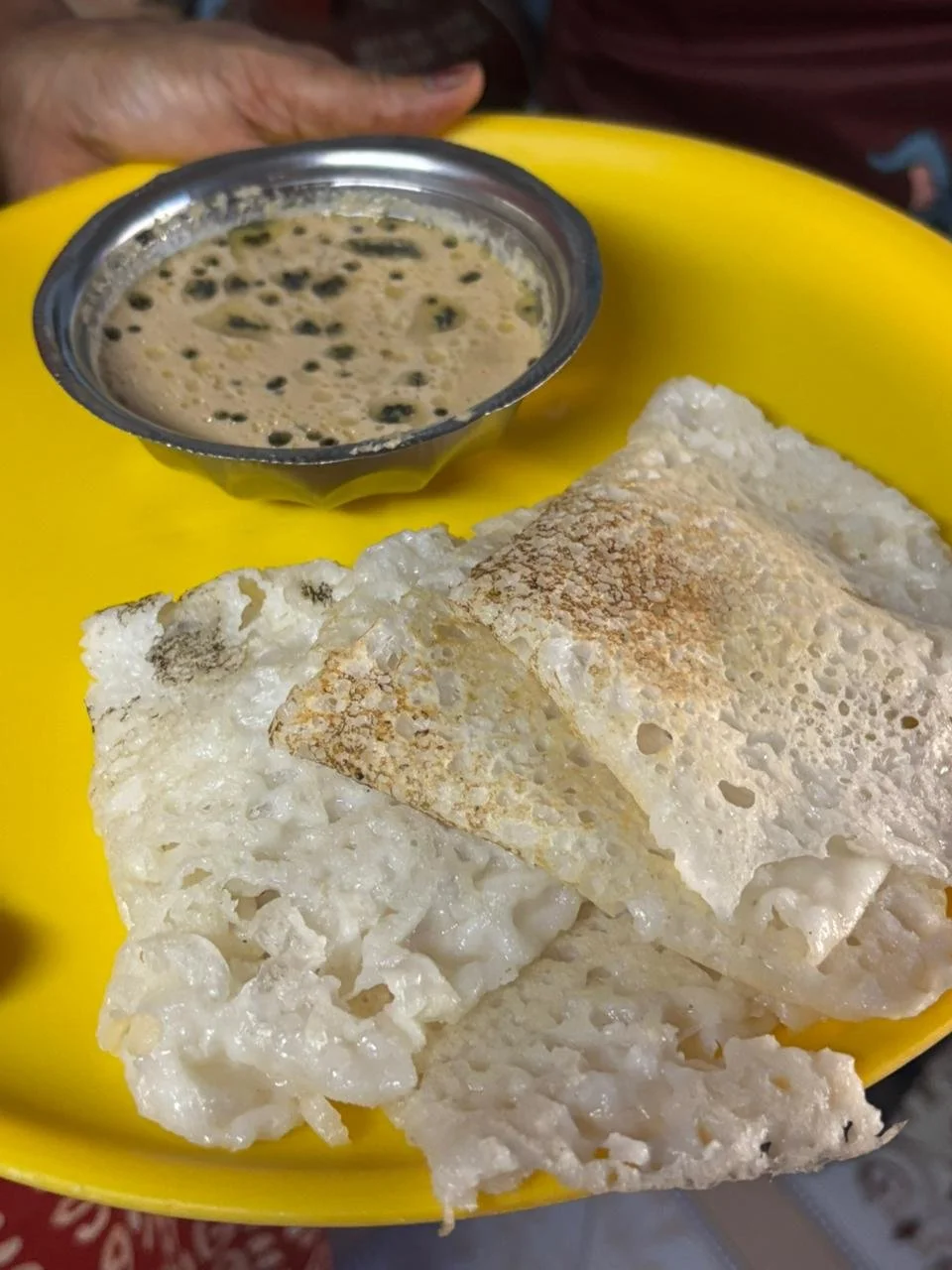
Neer dosa, a soft crepe made from rice batter, is a typical breakfast here. This delicate crepe is often served with a slightly spicy coconut chutney on one side, and coconut mixed with morsels of jaggery on the other.
Where to try it: Lakshmi Catering, on Gopalkrishna Avenue Road.
Menaskai from the Tulu Brahmins
The Tulu Brahmins are distinct community from coastal Karnataka and Kerala. Their food draws inspiration from both states but stays distinct, just like their language, Tulu. They came to Mattanchery to work in the temples.
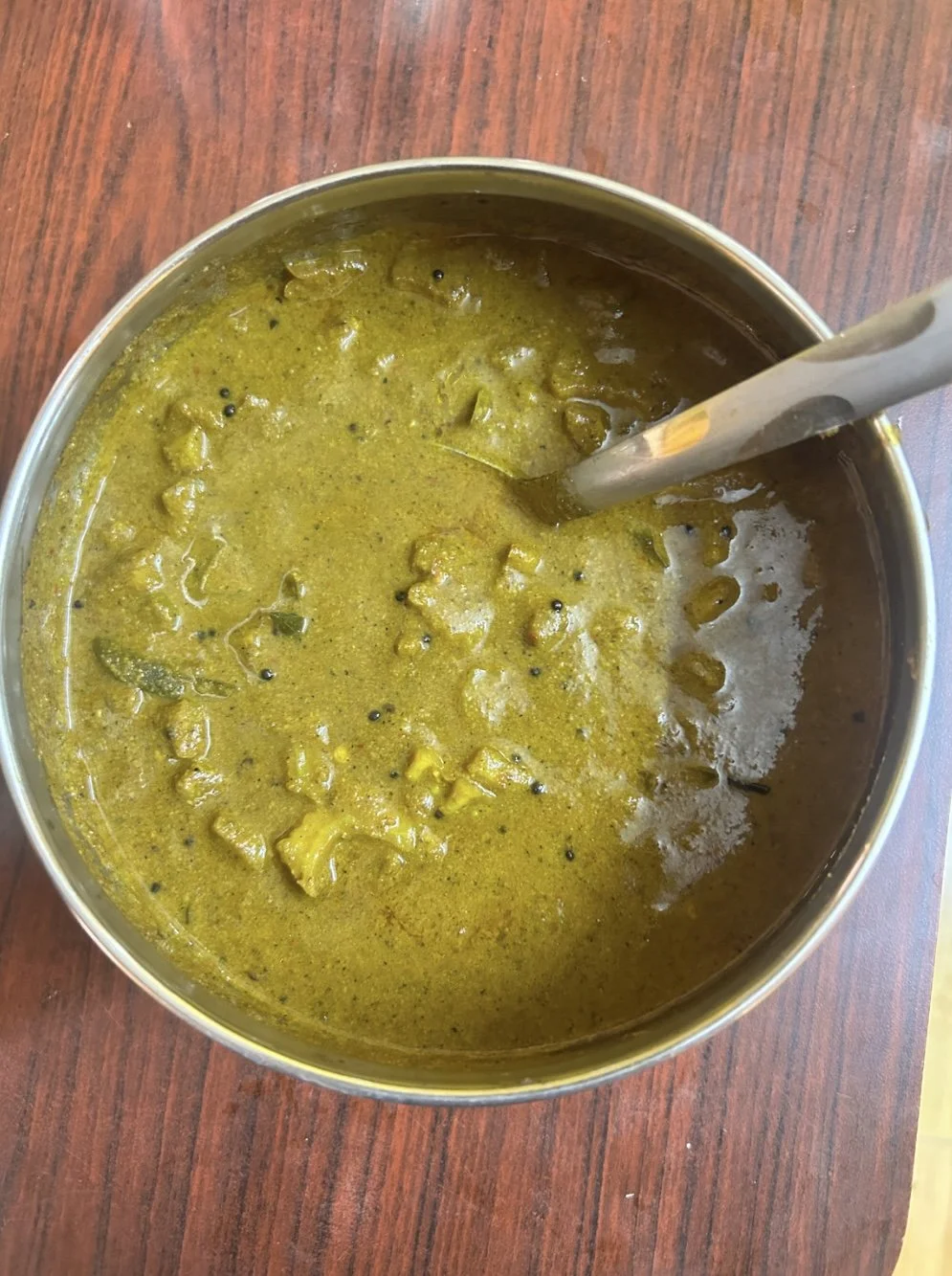
Of all their dishes, a standout is the menaskai, a creamy curry. Menas refers to a mild chilli; a mandatory addition in traditional meals, and is served on a banana leaf. “It brings the striking bitter taste to the thali meal, which is a medley of sensations: a sweet in the beginning to whet the appetite, then spicy, sour and bitter dishes follow,” explains Seethalakshmi PS, a homemaker.
Where to try it: Sree Ganesh Cafe at Gosripuram.
Pathrode from the Konkanis
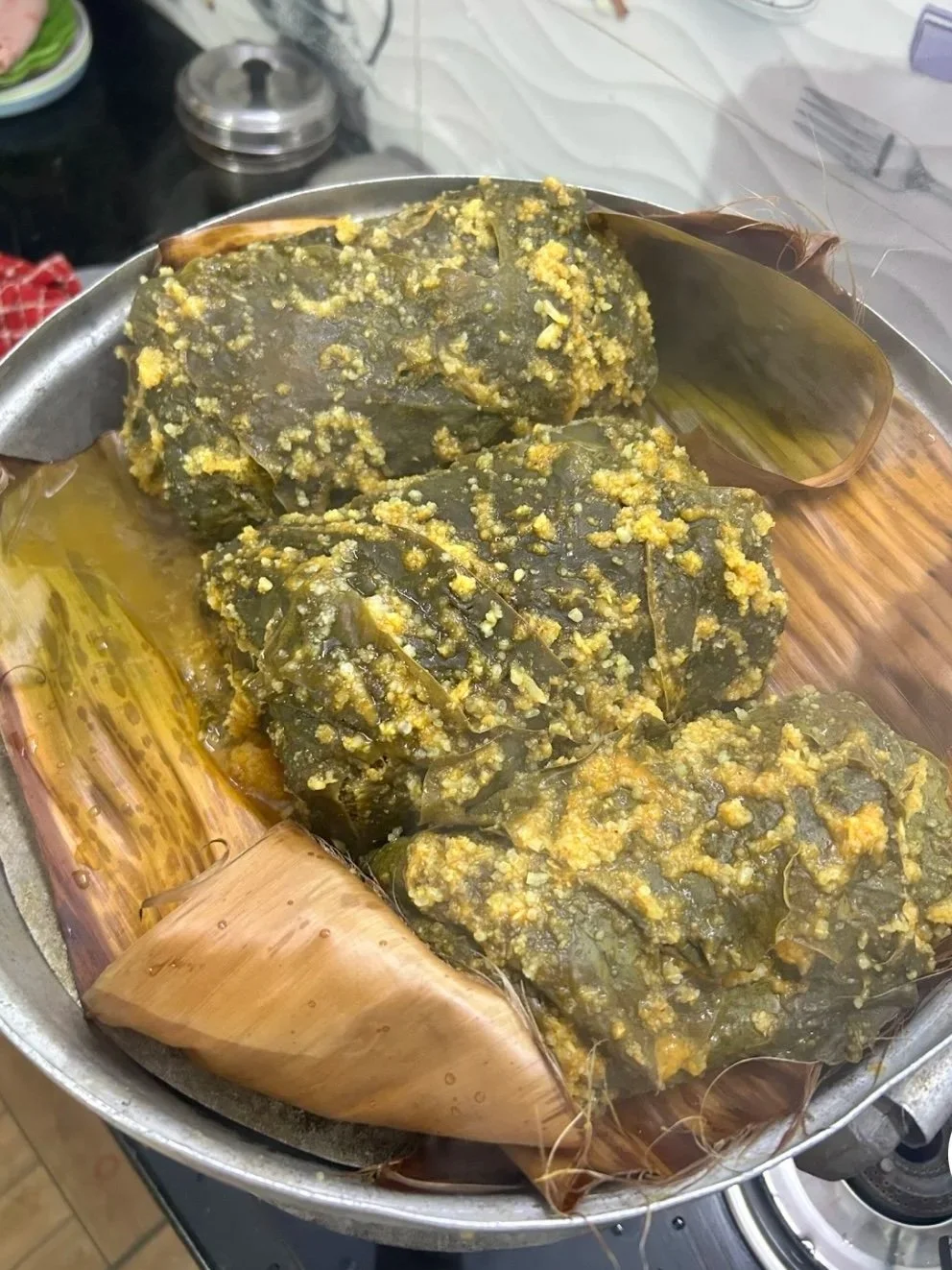
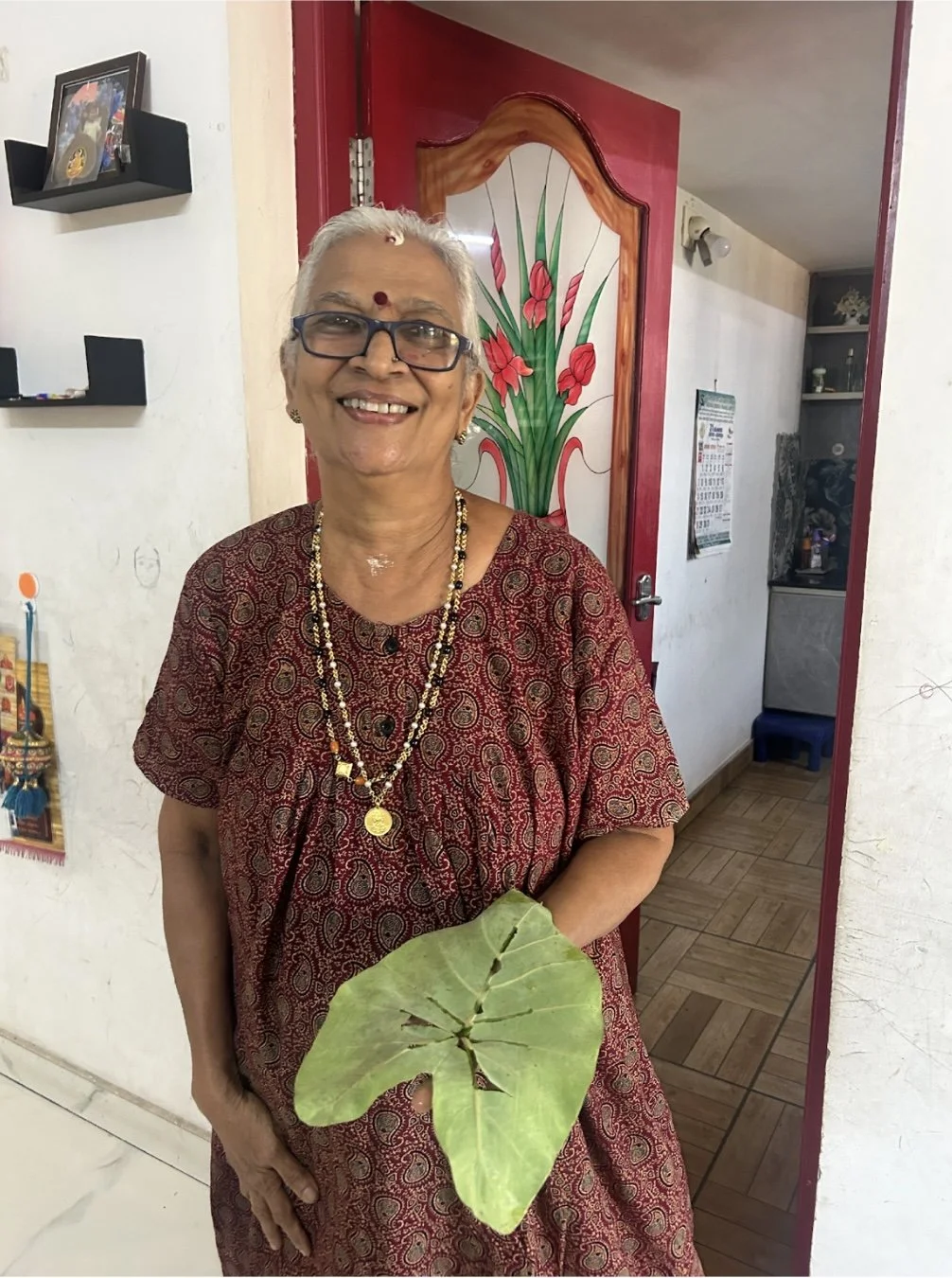
Ahead of Gujarati road is the three-storey Cochin Thirumala Devaswom Temple. It is the place of worship for the Konkani community. They are part of the Gowd Saraswat Brahmins, and moved from Goa over a century ago. Alongside the temple are small vendors who come every evening, selling a cultural delicacy called pathrode. To make pathrode, fresh colocasia leaves are wrapped into coils and steamed. Beena R Pai, who runs a catering company Paikars Snacks, says, “Traditionally this dish was prepared in the monsoon season because of its benefits. As it is wrapped in colocasia leaves, it is a great immunity booster and works as a blood purifier as well.”
Where to try it: Vendors outside the Cochin Thirumala Devaswom Temple.
Irachi Choru from Malabar Muslims
The Mappilas or the Malabari Muslims are said to be descendants of early Yemeni traders who came here in the 7th century. The Malabar Muslims are one among many Muslim communities in the area, including the Naina Muslims from Iraq, Bohra Muslims from Gujarat and Dakhni Muslims from Andhra Pradesh.
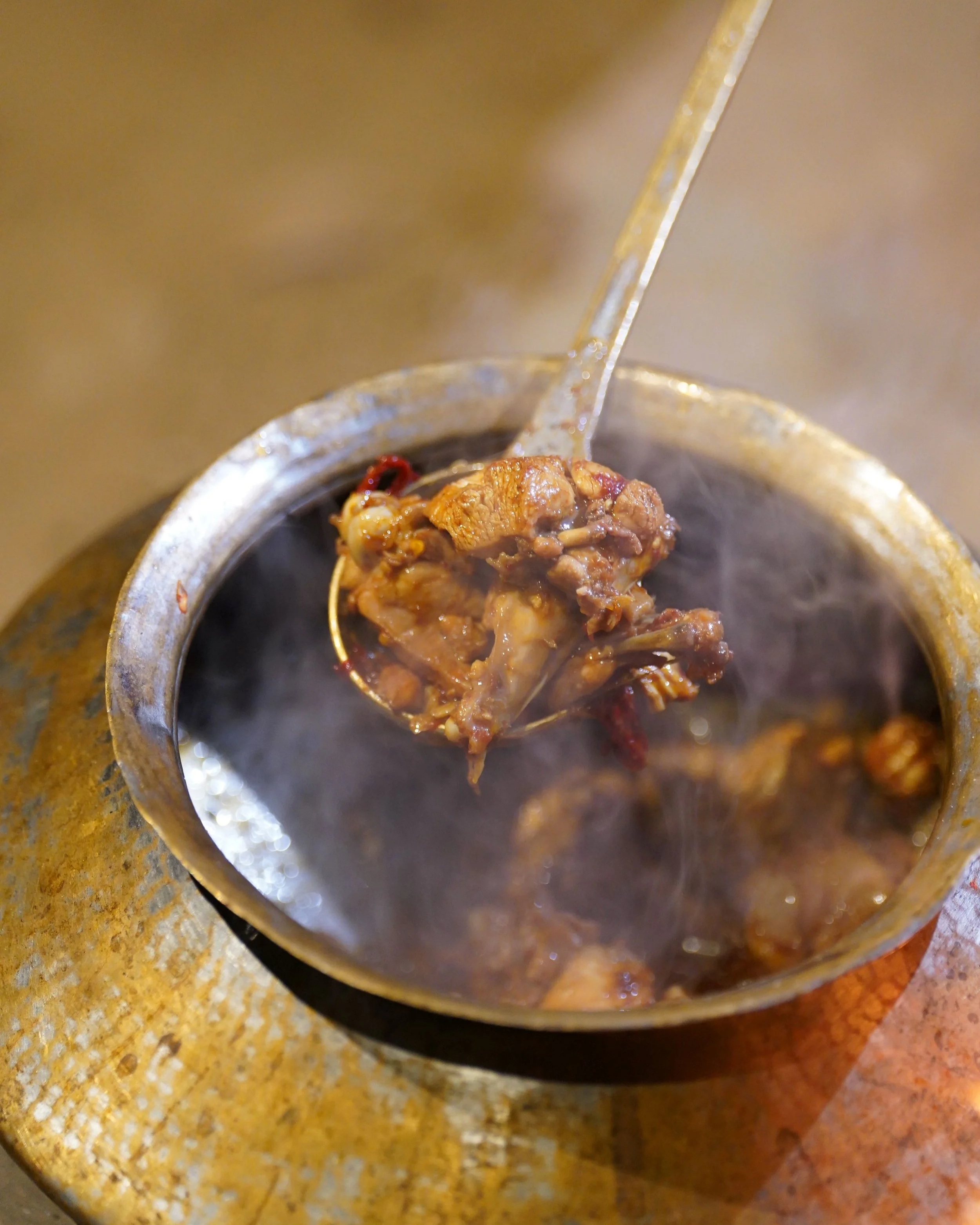
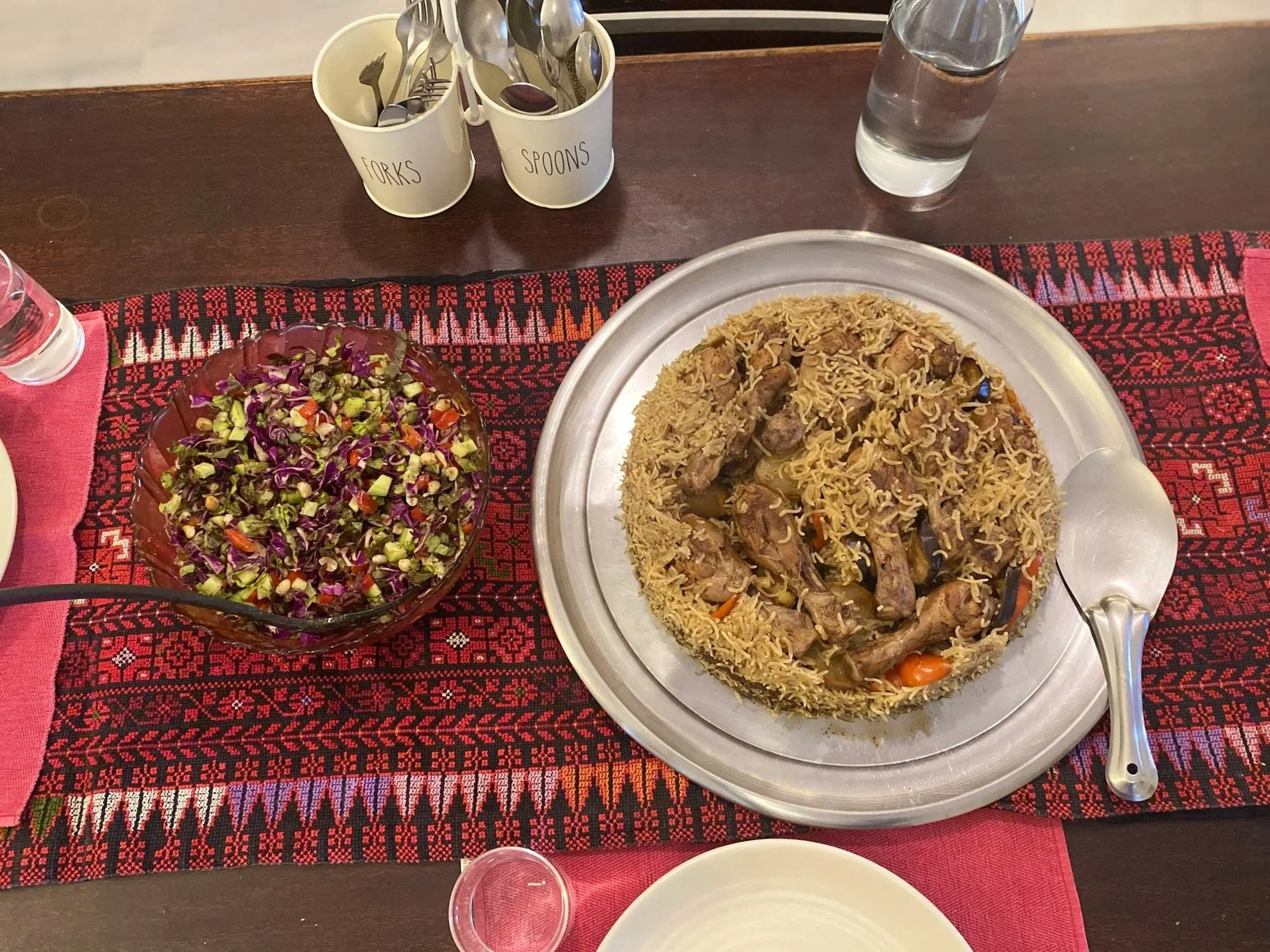
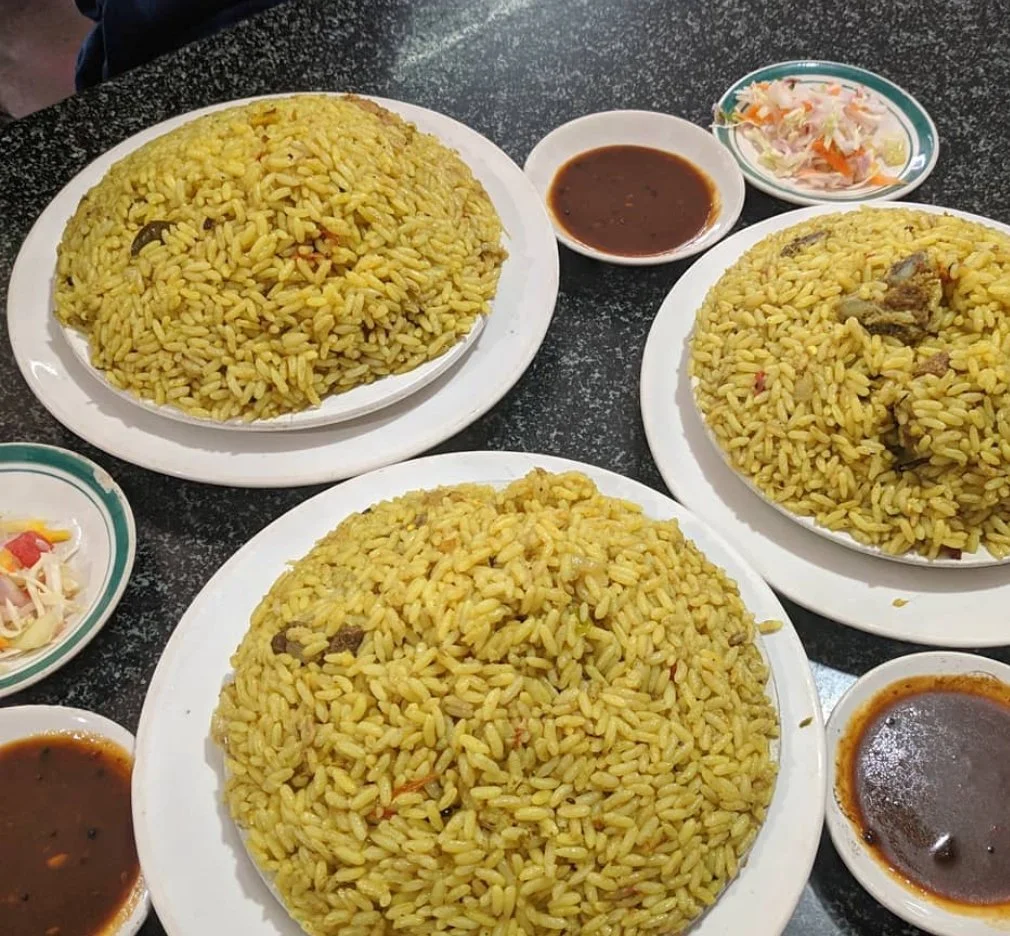
Mappila cuisine boasts of a blend of Arab, Persian and Indian flavours. The humble irachi choru, a slow cooked meat and rice dish, is a great example of the fusion. Irachi choru is traditionally cooked in a mud pot and covered with banana leaves. It is accompanied by raita and a sweet date pickle.
Where to try it: Nooriya Hotel on Mohamad Abdul Rahaman Road, is especially famous for this dish.
Hanna Paul is a Kochi-based journalist writing at the intersection of people, food, economies, climate and culture.
ALSO ON GOYA