From Morning Regag to Michelin Nights, Doha Is Redefining Its Culinary Identity
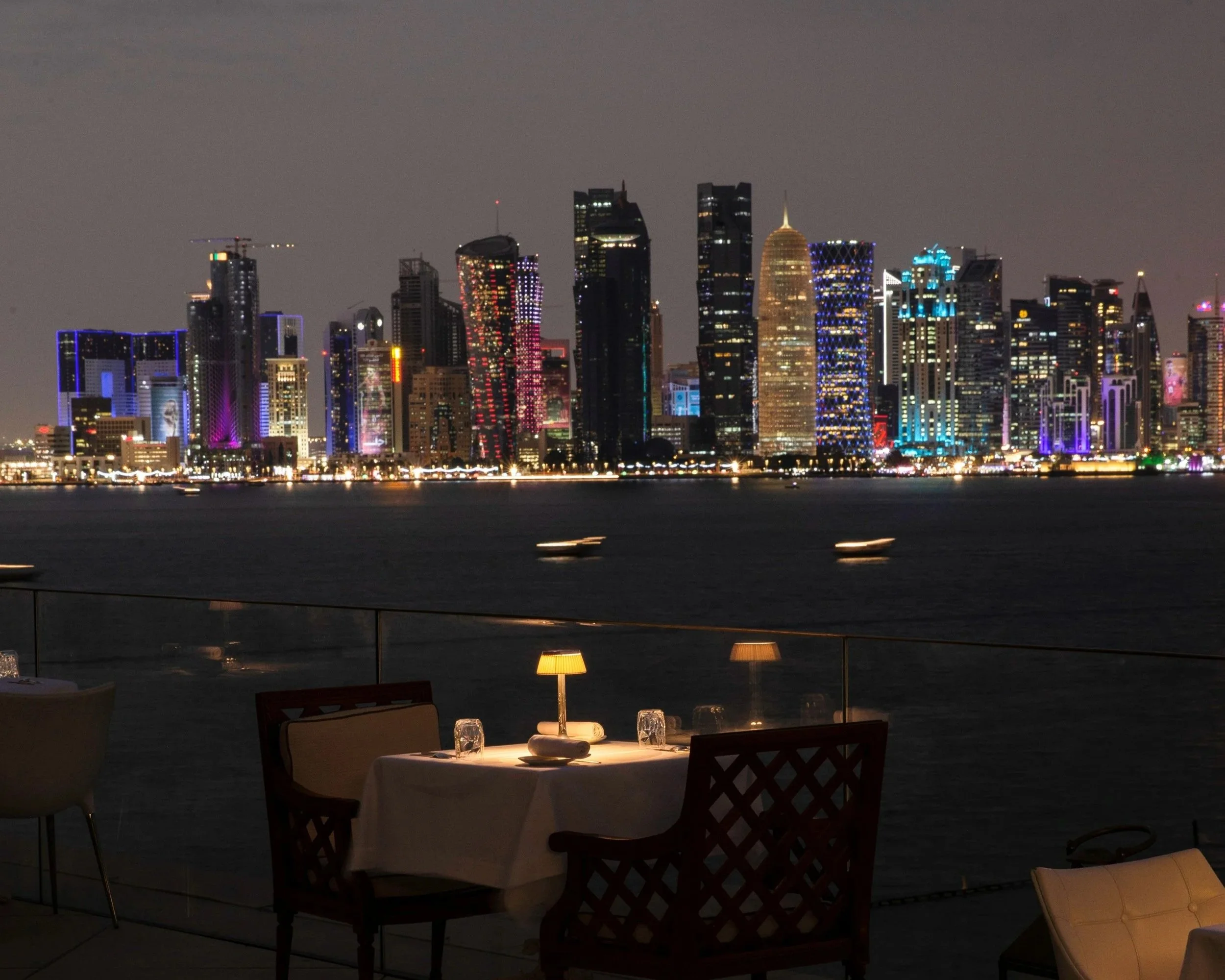
From home-style Qatari breakfasts to Michelin-starred restaurants, Doha is fast becoming one of the region’s most exciting food destinations.Joanna Lobo eats her way through the Qatari capital.
On a cold spring evening in Doha, I fall in love with butter. It is butter that makes me forget my lactose intolerances. Why? Because, to repeat a cliché, it is butter unlike any other: smooth and creamy, the colour of rich red wine (owing to the use of grapes). On the palate, it tastes like cheese.
It feels like a magic trick.
Then again, at IDAM by Alain Ducasse in Doha, chef Fabricio Rosso is quite the magician.
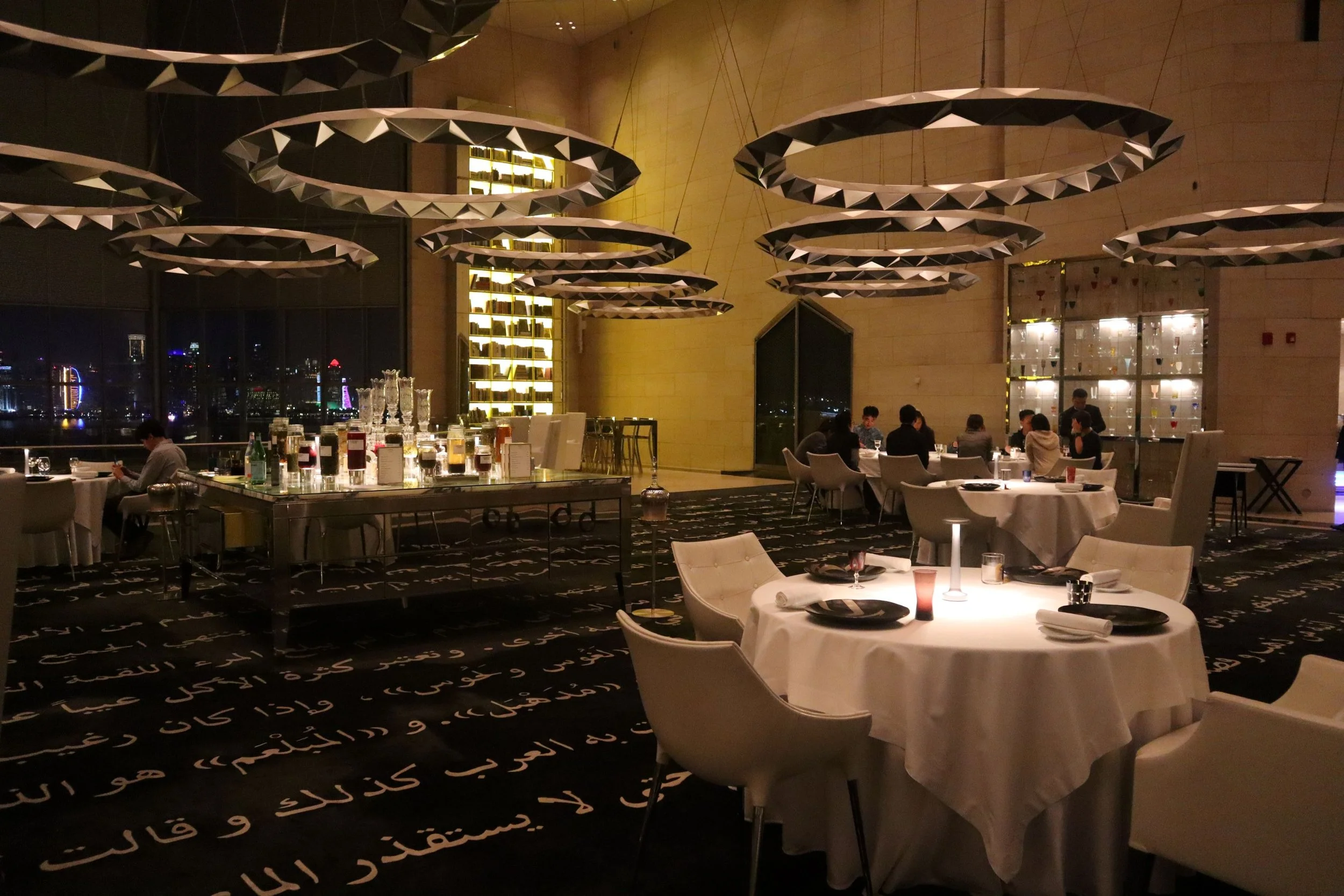
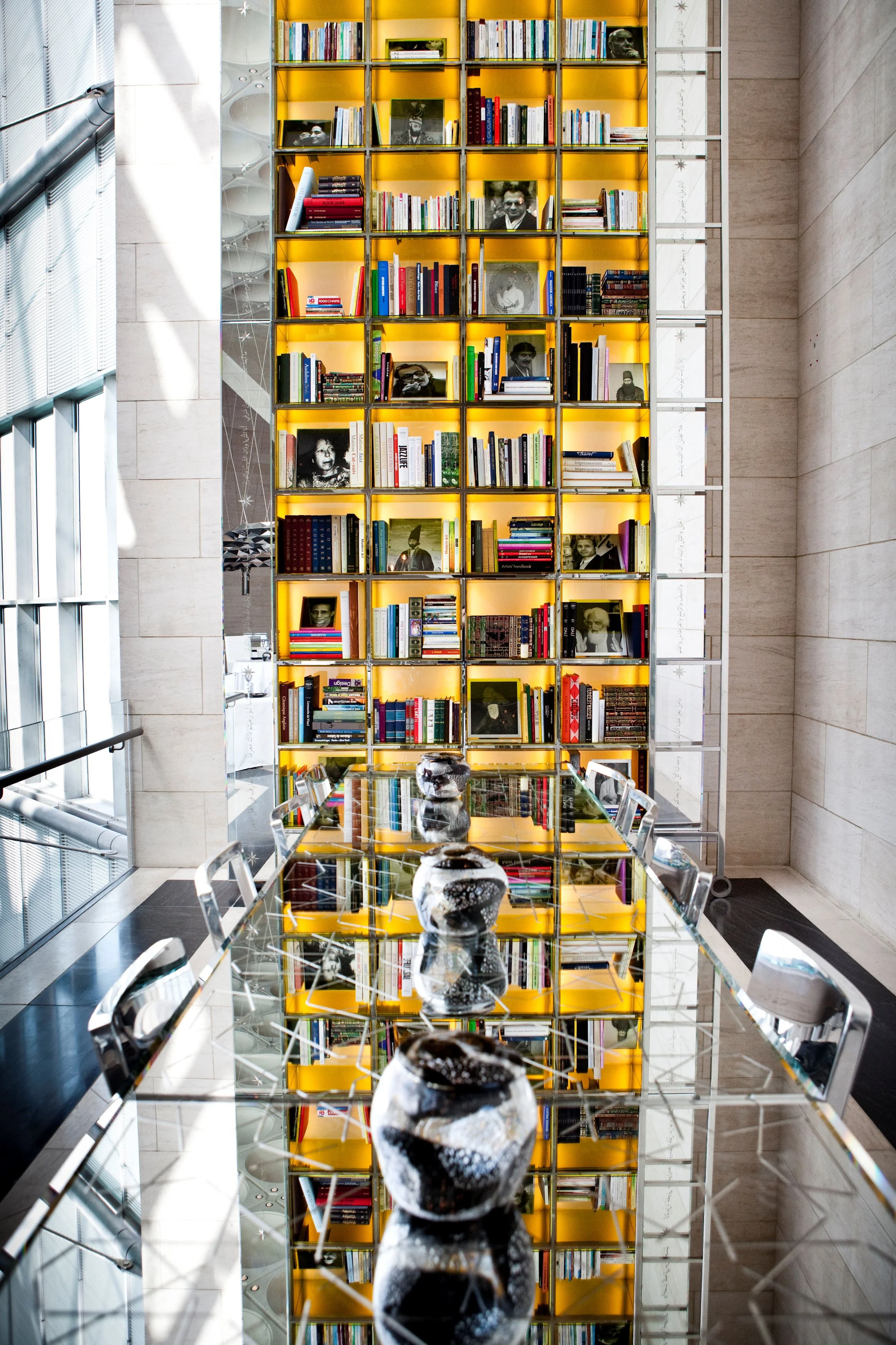
IDAM by Alain Ducasse.
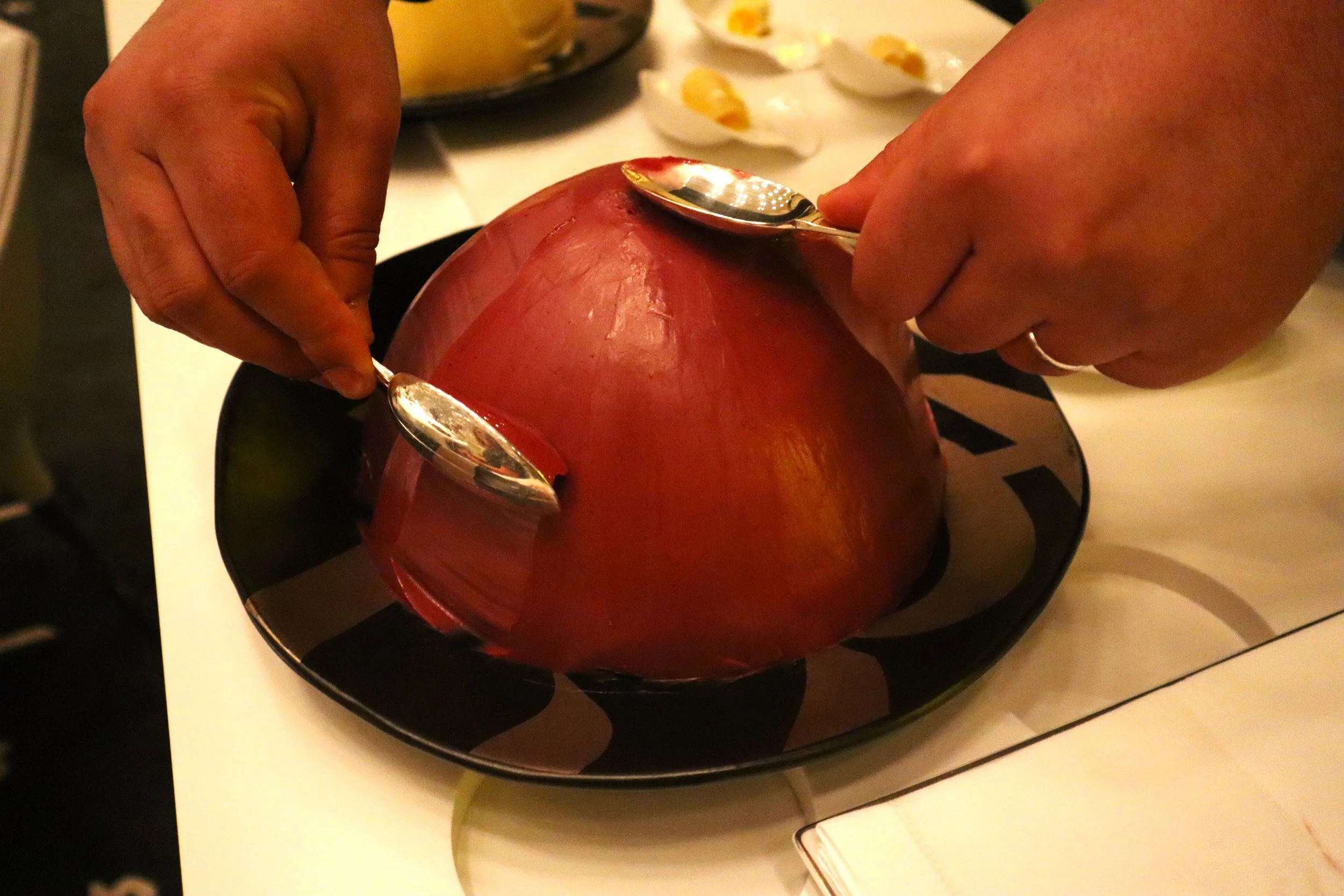
Grape butter at IDAM.
My meal at IDAM is just one of the culinary highlights of my week spent in Doha, courtesy of ‘50 Best Explores’ series and Visit Qatar.
There’s good food at every turn. It is expectedly heavy on the culinary experiences. I eat my way through a farm to table feast at Heena Salmat Farm, try modern Qatari food at Jiwan at National Museum of Qatar, eat hummus and grilled meat at the desert escape that is Our Habitas Ras Abrouq, and in a corner of Souq Waqif, eat breakfast cooked by pioneering female entrepreneur, chef Shams Al-Qassabi.
“Doha’s dining scene is evolving at a remarkable pace and is increasingly positioning itself as a destination for discerning gourmet travellers. The presence of internationally acclaimed chefs and concepts, alongside a growing diversity of cuisines reflects the city’s rapid transformation into a globally recognised culinary destination,” says Rachael Hogg, Senior Content Editor for 50 Best, the global leading authority on gastronomy, drinking and travel.
“Doha has evolved from a mostly local dining landscape into a truly global culinary destination,” says Frank Ponce, Executive Chef at La Mar, Manko & La Mar Beach, InterContinental Doha Beach & Spa.
Awards and Guides
Doha is making waves on the global stage, and it has everything to do with food.
#50Best loves Doha, with nine restaurants on their 50 Best Discovery list. Chef Alain Ducasse’s IDAM (his first restaurant in the region) was recently named The Best Restaurant in Qatar and No.44 on the Middle East & North Africa’s 50 Best Restaurants 2026 ranking. The Michelin Guide revealed its 2026 selection for Doha, spotlighting 44 restaurants. The Qatar capital now boasts three Michelin-starred restaurants — Alba, IDAM and Jamavar.
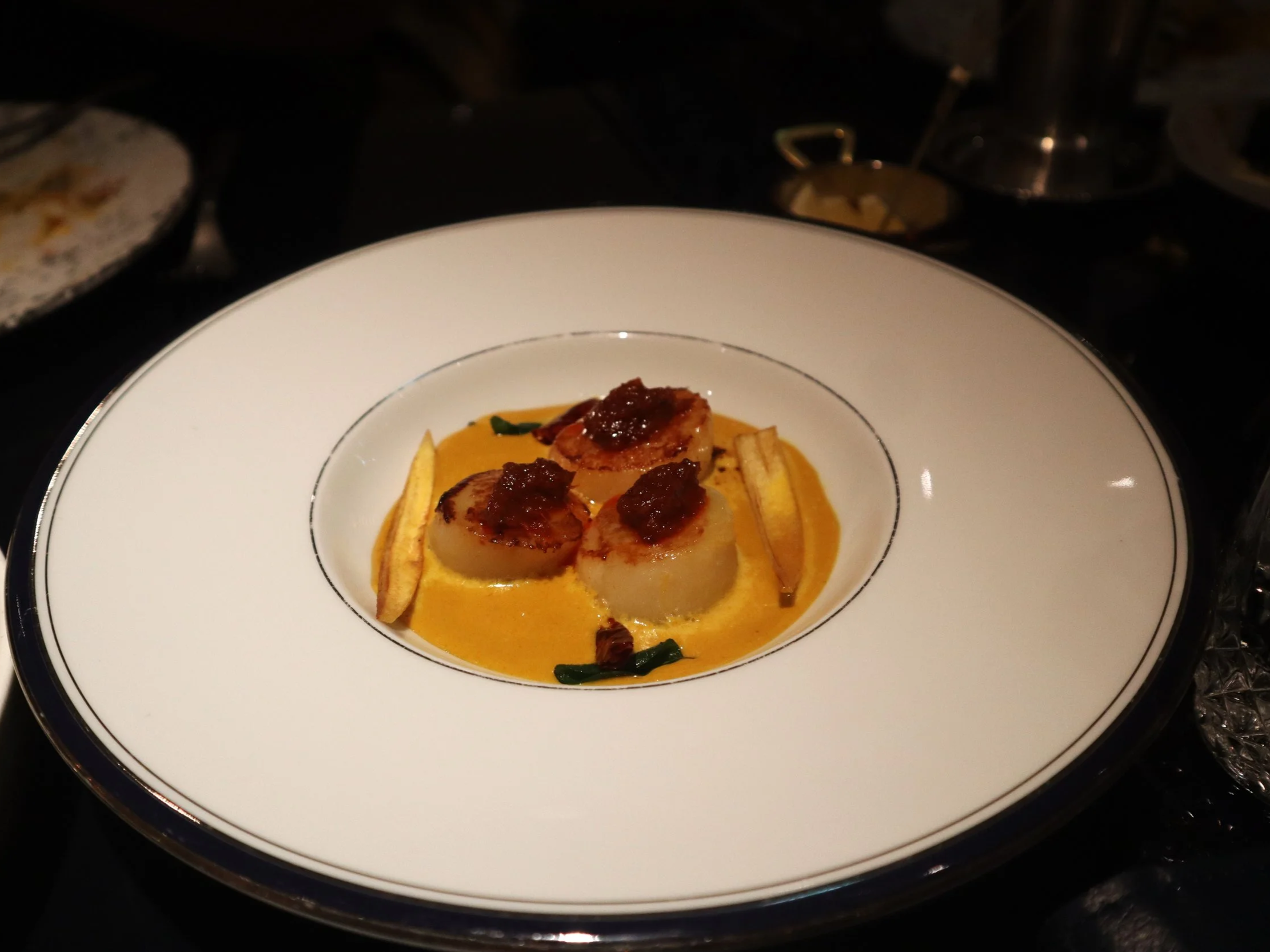
Scallop moilee at Jamavar.
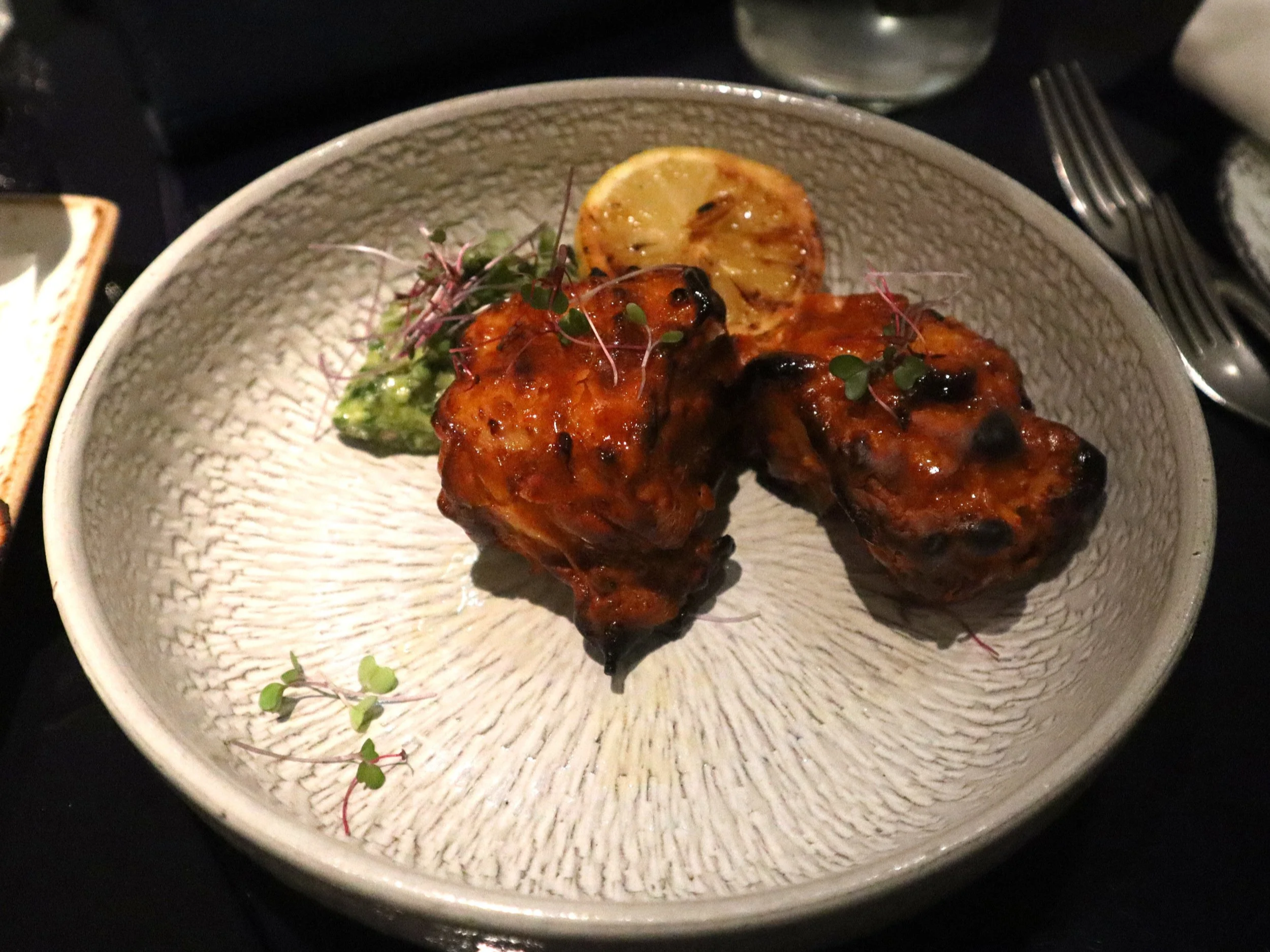
Kebab at Jamavar.
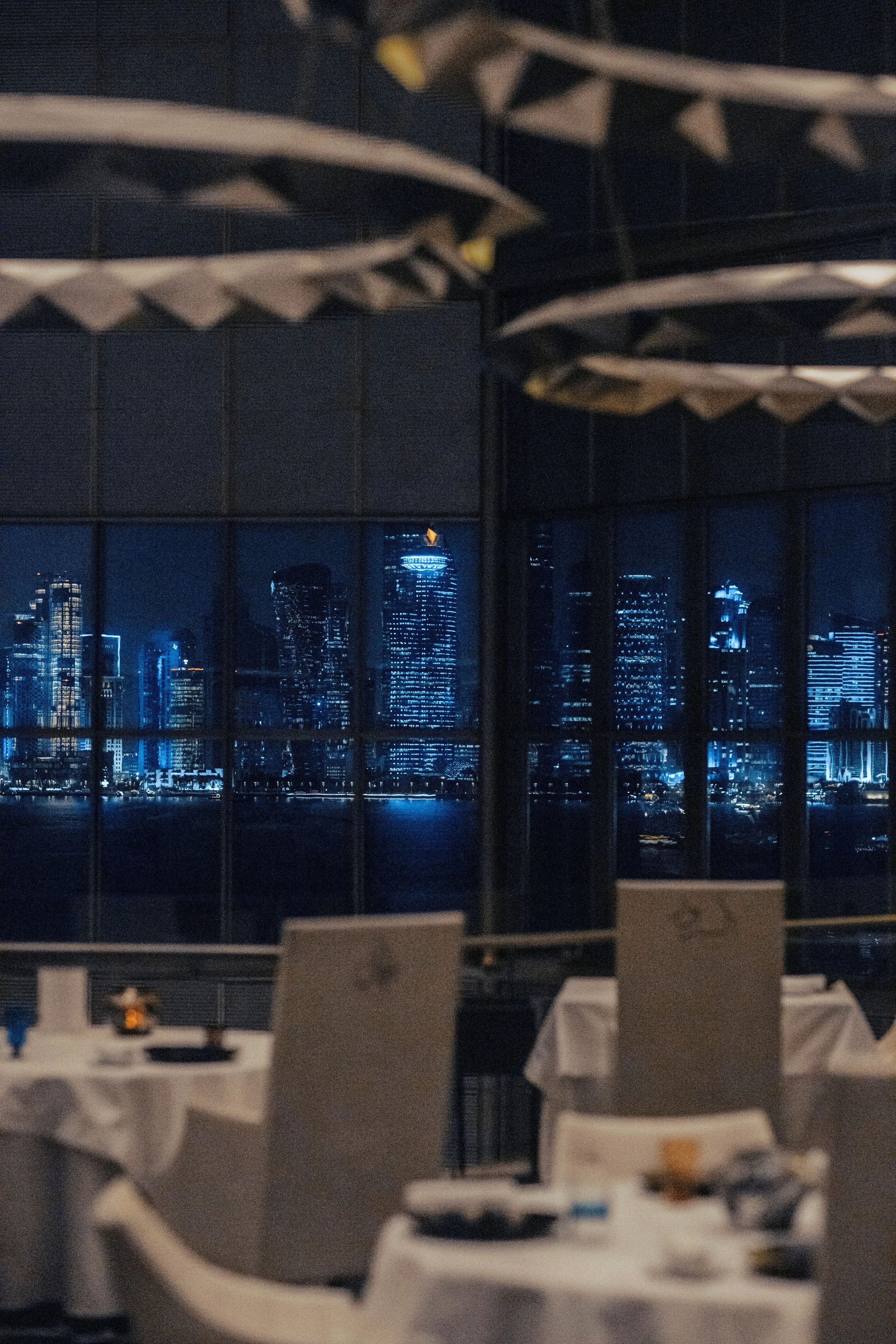
Jamavar sits at the corniche at the Sheraton Grand Doha Resort & Convention Hotel, looking out onto the water. It is a gorgeous space, all dim lights and deep red tones. The hospitality is unmistakenly Indian, with that grandmotherly tendency to feed you still you are stuffed. Being the only Indian in the group, I get little treats — nimboo pani to counter the heat, and extra house chutneys. Jamavar is where chef Surender Mohan shows off the depth of Indian techniques and dishes: from a chicken Chettinad, and scallop moilee to shami kebabs and tandoori mushroom.
The feast at IDAM by Alain Ducasse is different. Sitting pretty on the first floor at the Museum of Islamic Art, a meal here is a dining extravaganza, paired with beverages (non-alcoholic). There is much emphasis on the small things, from selecting your glass for the night, to the little table-side pouring of drinks with each course. My meal includes black truffle from Italy shaved over smoked and grilled wild turbot, seared Wagyu beef, Norwegian langoustine glazed with elderflower, and Atlantic blue lobster smoked with juniper berries.

Blue lobster with juniper berry, and kumquat at IDAM.

Shawarma made of 1 year old preserved camel fat, savoy cabbage, celeriac, at IDAM.
In conversations with people across the city, the overarching sentiment is the same: why should Dubai — long hailed as the spot for good food in the Arab world — have all the fun? “The range of international cuisines and styles showcased highlights the variety and ambition that set Doha apart from the regional landscape,” says Hogg.
Global Tastes
Over the last years, the arrival of international chefs, signature restaurants, and world class hotels has created healthy competition and pushed the standards higher, says Ponce. “Today, the city blends Gulf traditions with modern techniques, premium global ingredients, and a more open mindset toward diverse cuisines.”
La Mar is a Peruvian restaurant, the city’s first, conceived by another acclaimed chef, Gastón Acurio. Ponce is a great ambassador for this Peruvian food, serving up dainty delicate plates of seafood — grilled octopus with truffle, seared tuna with a passionfruit emulsion, fish and prawn chorizo with chimichurri, and lobster with Nikkei sauce and corn arepas.
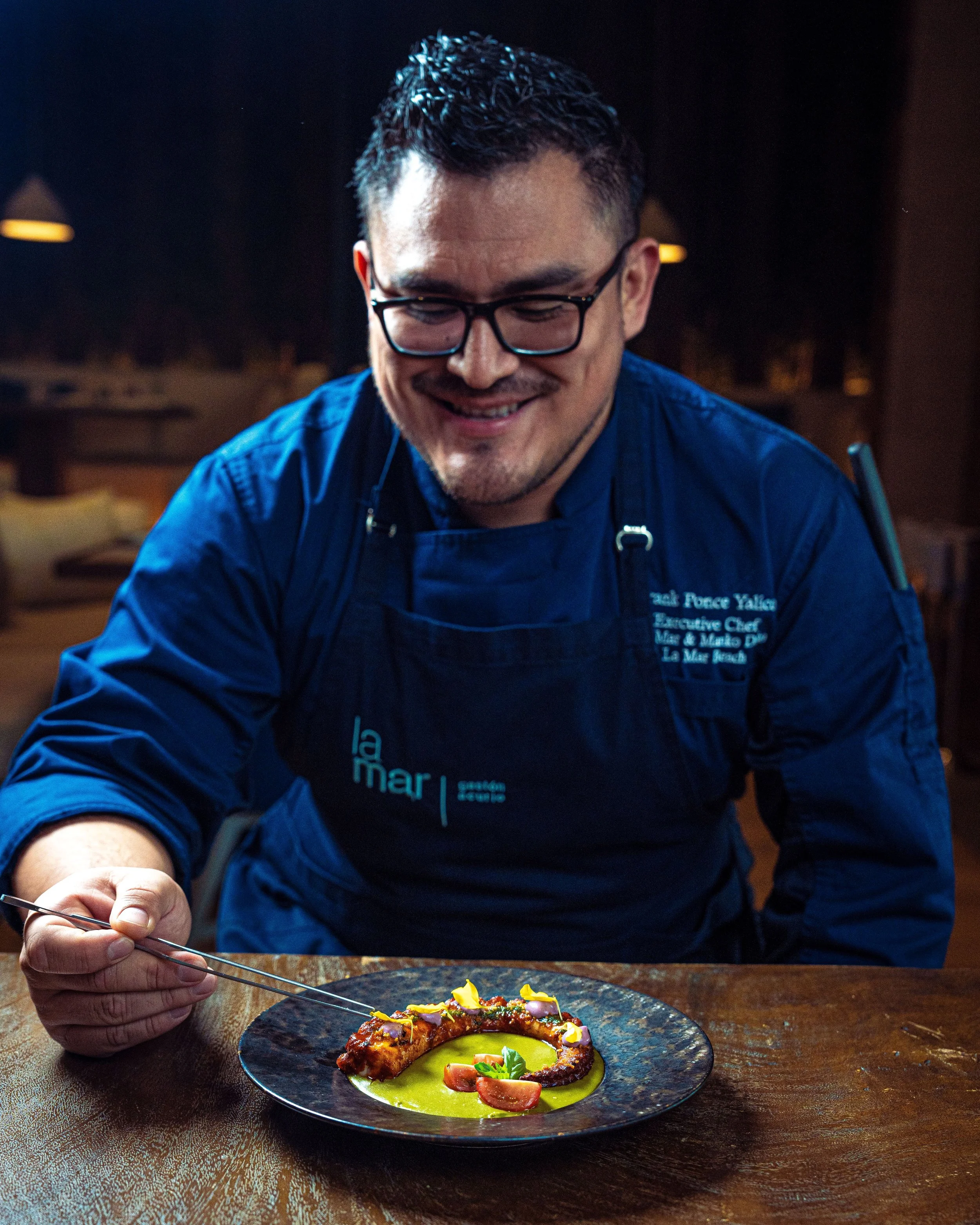
Chef Frank Ponce at La Mar.
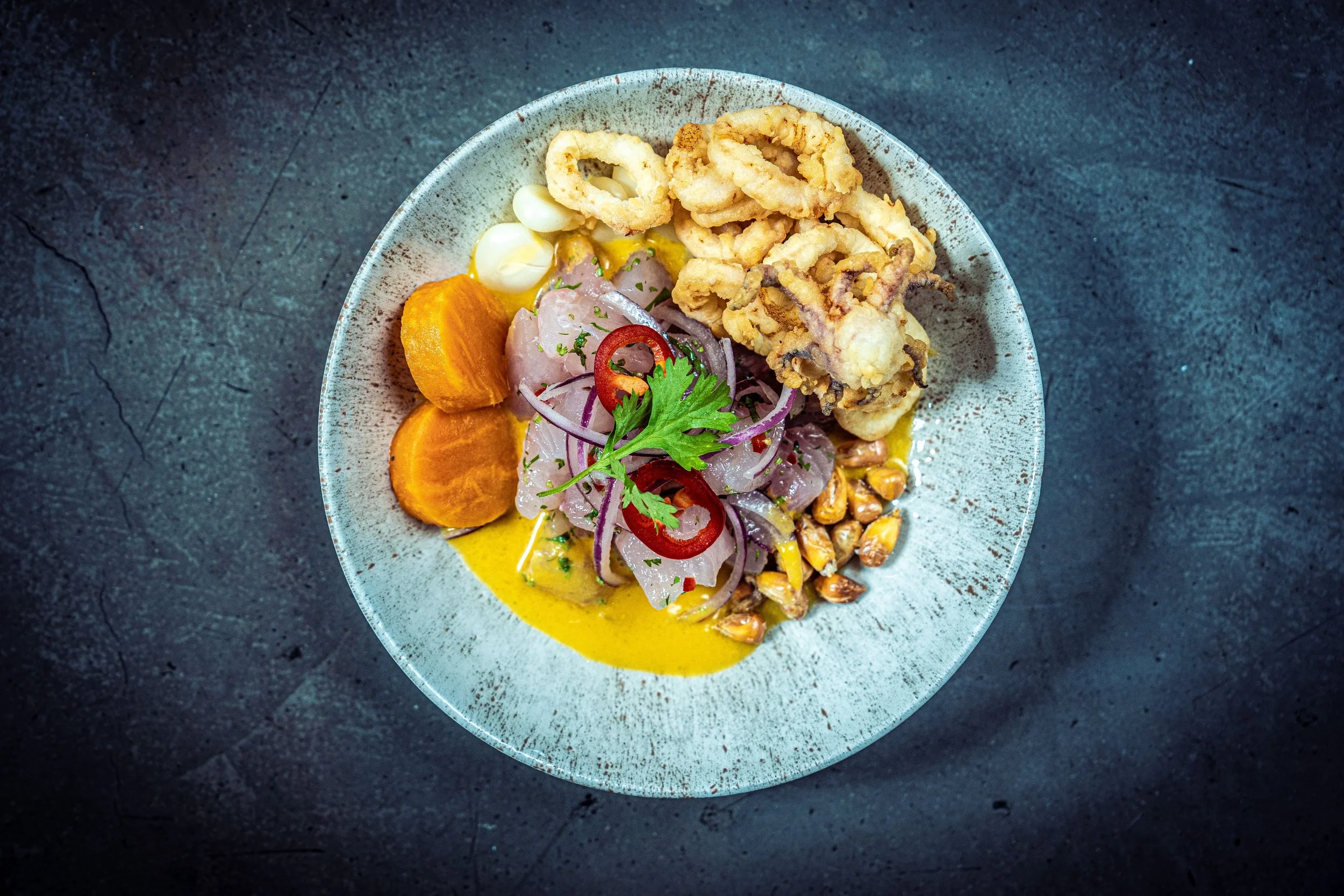
Cebiche Criollo at La Mar.
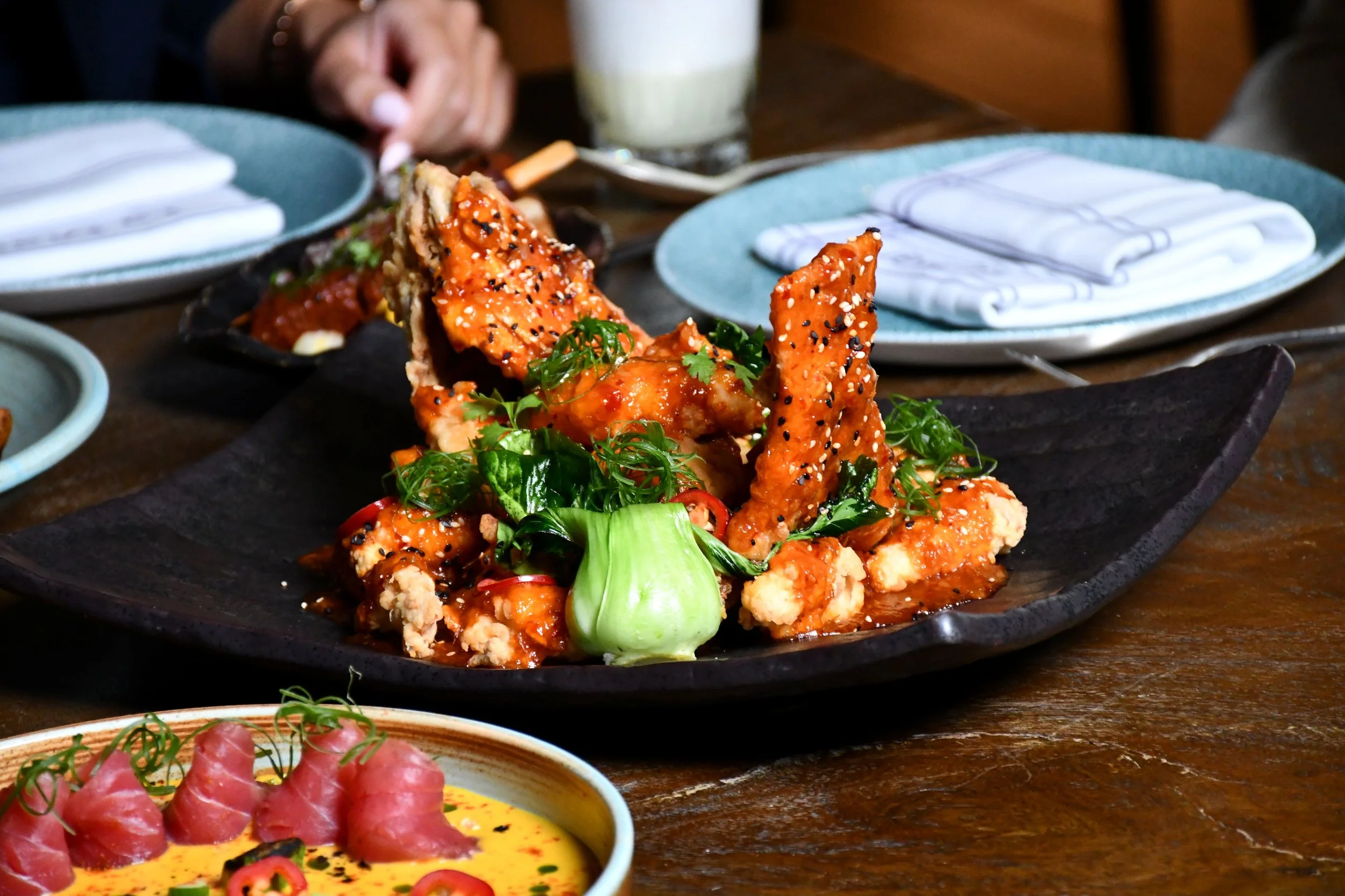
Pesca Nikkei at La Mar.
In the eight years since its launch, Ponce has seen guests’ tastes evolve, a journey that he says reflects Doha’s transformation into a city ‘increasingly curious, adventurous, and appreciative of global gastronomy’.
“Doha’s food scene is entering a very confident and mature phase, defining its own culinary identity through a thoughtful dialogue between local heritage and global technique,” says Mohamad Orfali, chef and co-owner, ORFALI BROS in Dubai.
Orfali expresses great admiration for the growing investment in sustainability and agriculture. “When chefs cook closer to their soil, their seasons, and their producers, the cuisine gains depth, integrity, and meaning. Doha is clearly moving in that direction, and that evolution is both serious and exciting,” he says.
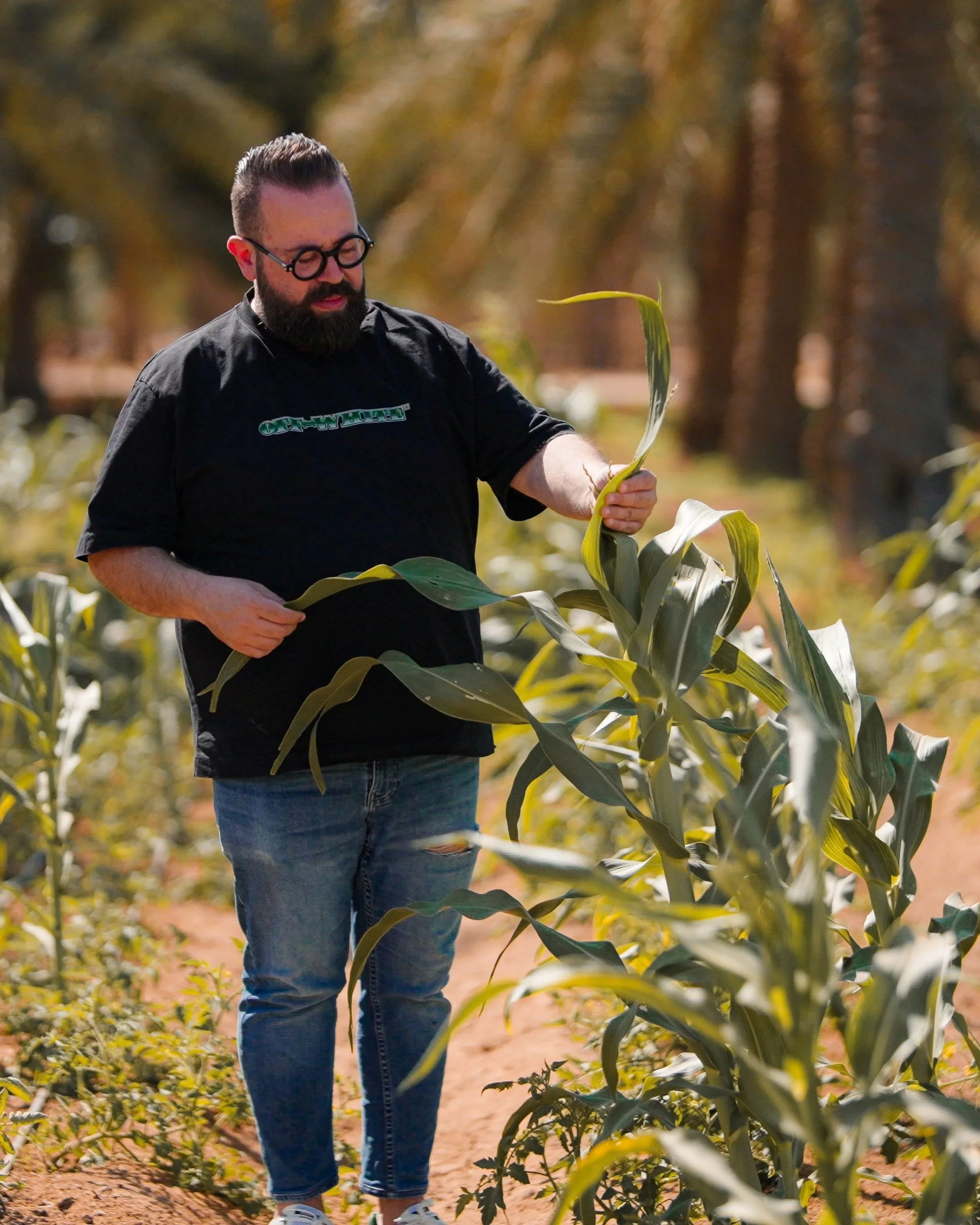
Mohamad Orfali at Heenat Salma farms.
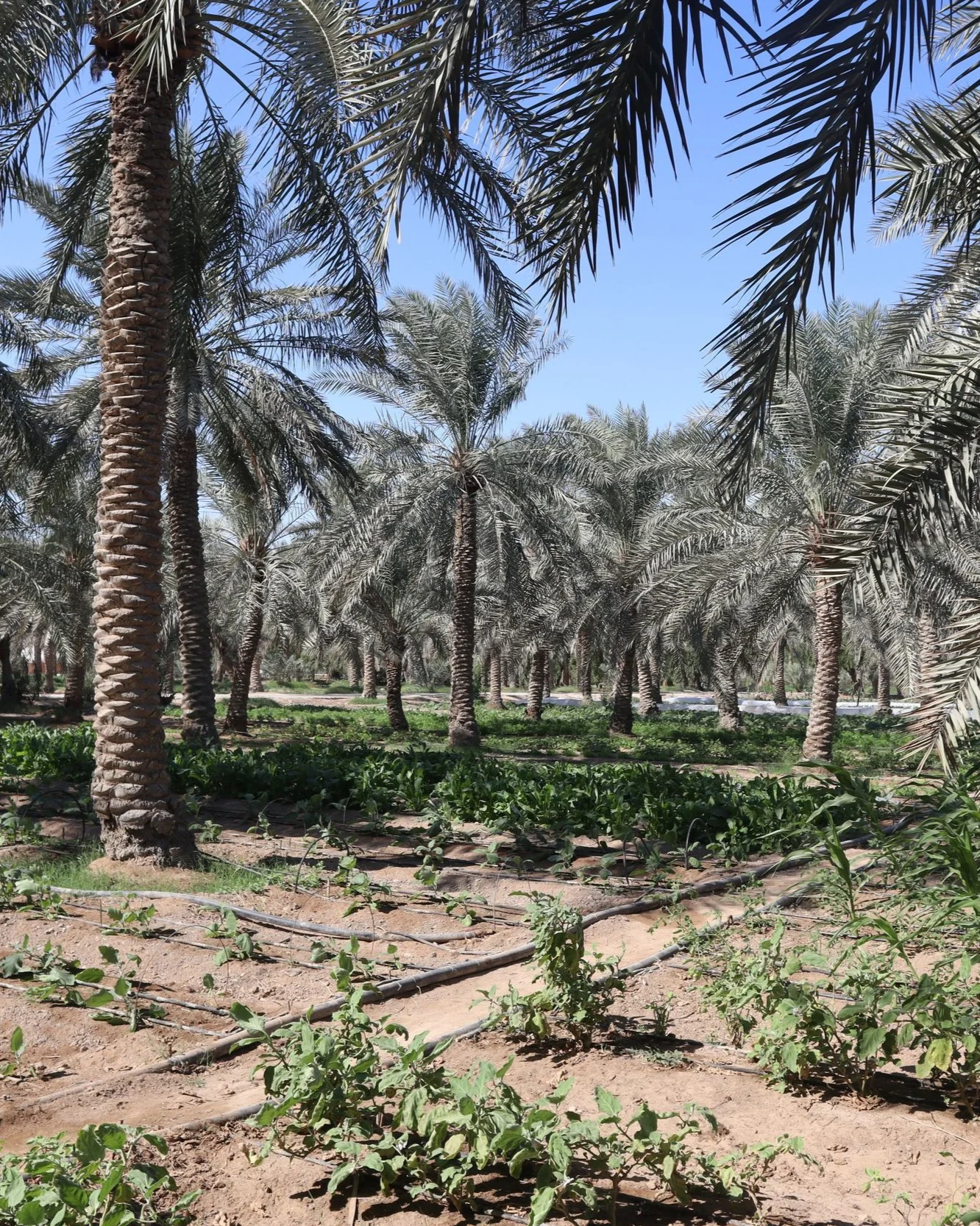
Heenat Salma farm grows 150 types of vegetables.
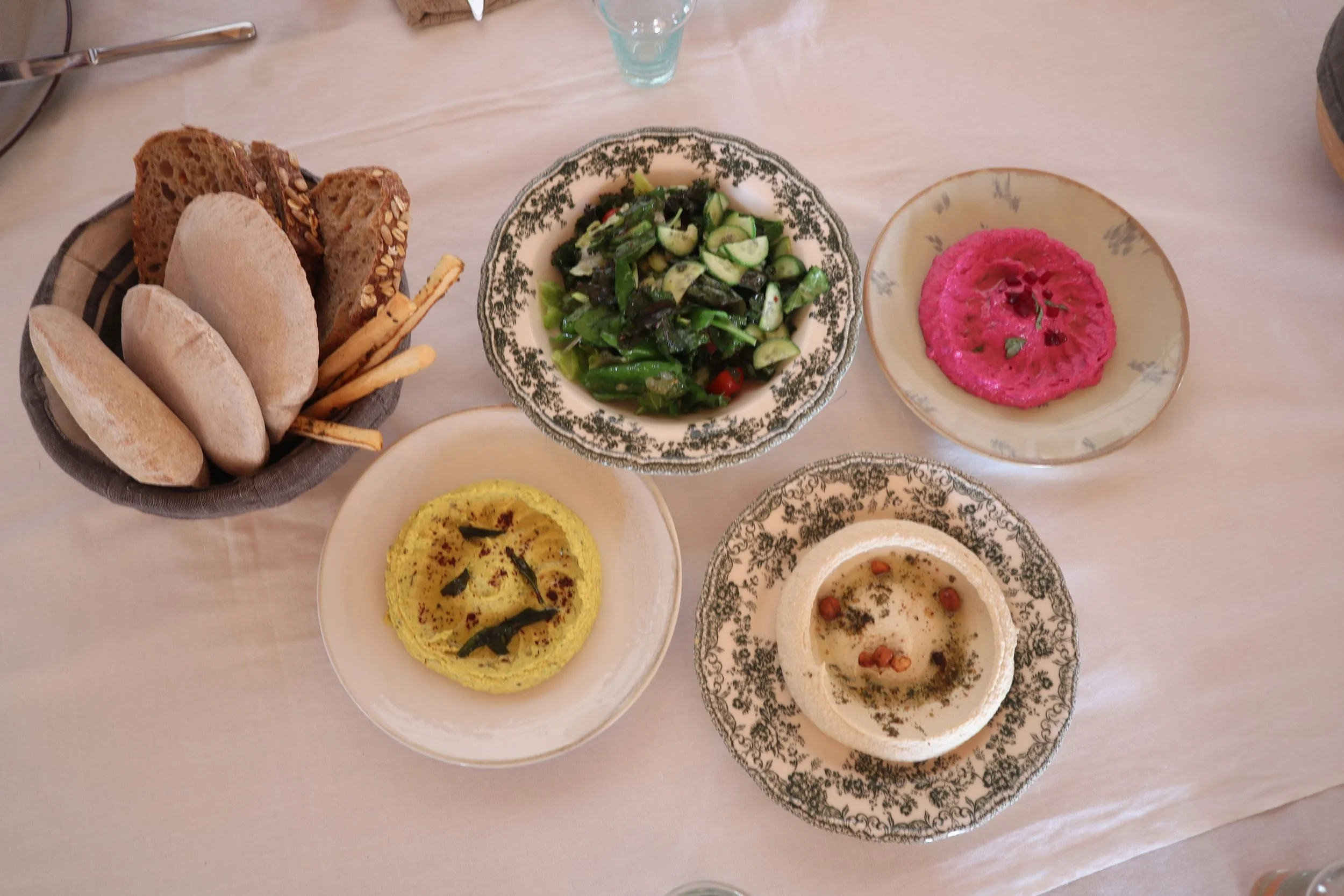
Lunch at Heenat Salma farm.
Orfali is my companion on my culinary journey across the city. Our most memorable meal is at Heenat Salma farms. There, amidst fermentation and painting workshops, I learn about the 150 vegetables grown on site, and admire baskets of fresh produce. Lunch is a soulful feast with hummus, fresh salad, pita straight from the oven, grilled chicken, baked vegetables, and mutton mandi with mutton.
One morning, I spend hours on a ‘brunch’ at Shay AlShomous. It is where I meet the city’s first female entrepreneur, the formidable chef Shams Al-Qassabi. She’s a fixture at the place, and like a typical mother, can be seen urging people to eat more. They do, because Al-Qassabi’s food is simple and delicious. It is a typical Qatari breakfast fare, a variety of saj or bread, crispy ragag (like a dosa) with toppings, and balaleet — a sweet vermicelli and egg combo that tastes better than it sounds. Balaleet becomes my second favourite find in Doha, and I eat it for breakfast daily.
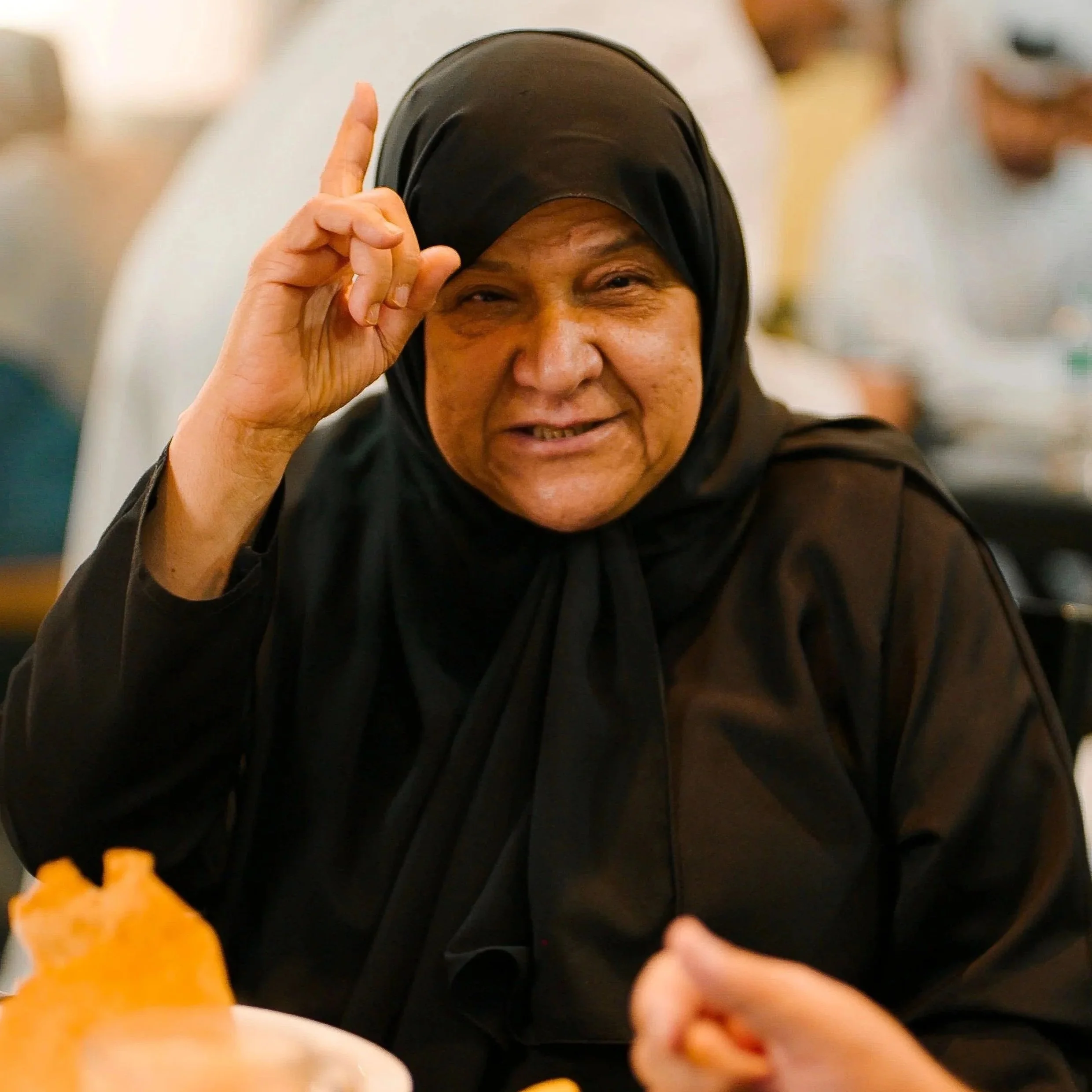
Shams Al-Qassabi is Qatar’s first entrepreneur.
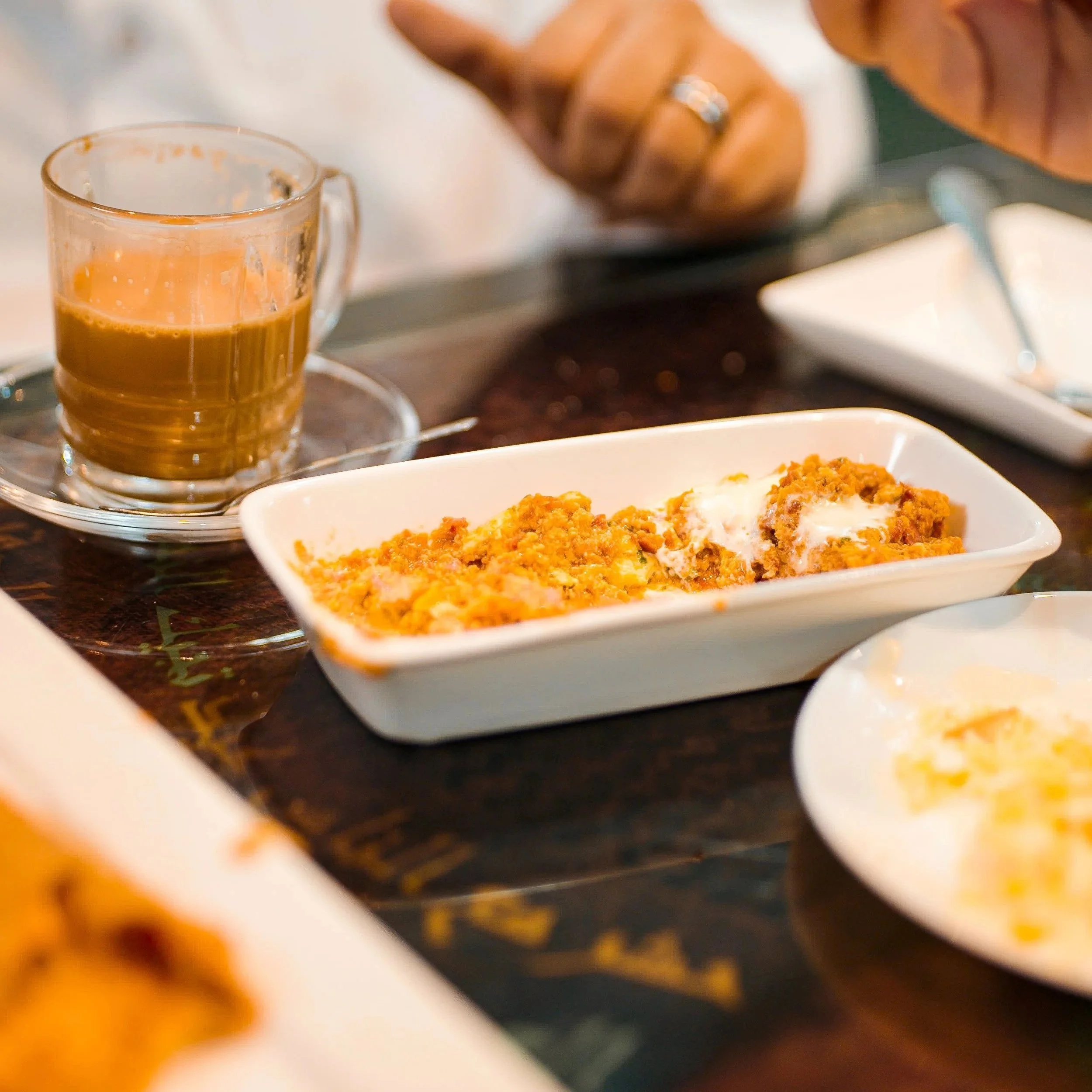
Shay AlShomous serves Qatari breakfast specials.
Doha’s food scene is a masterclass in contrasts, from Qatari breakfasts served home-style, at Souq Waqif, to seared Wagyu beef at a Michelin-starred restaurant in the Museum of Islamic Art.
Joanna Lobo is an independent journalist from Goa who enjoys writing about food, her Goan heritage, the freelance life, and other things that make her happy. She is also the Consulting Editor at Goya. Follow her on @thatdoggonelady.
Image credits: 50Best for Shay AlShomous, Shams, Mohamad Orfali; Pierre Monetta for IDAM interiors
ALSO ON GOYA