Mithila's Sugared Legacy in 10 Desserts
The Mithila region of Bihar and Nepal has a serious sweet tooth. The community loves its sugared desserts, from the sesame-coated anarsa, to the sweet rice dumpling with jaggery and coconut that is bagiya. Jigyasa Mishra shares her favourite desserts from home in Darbhanga.
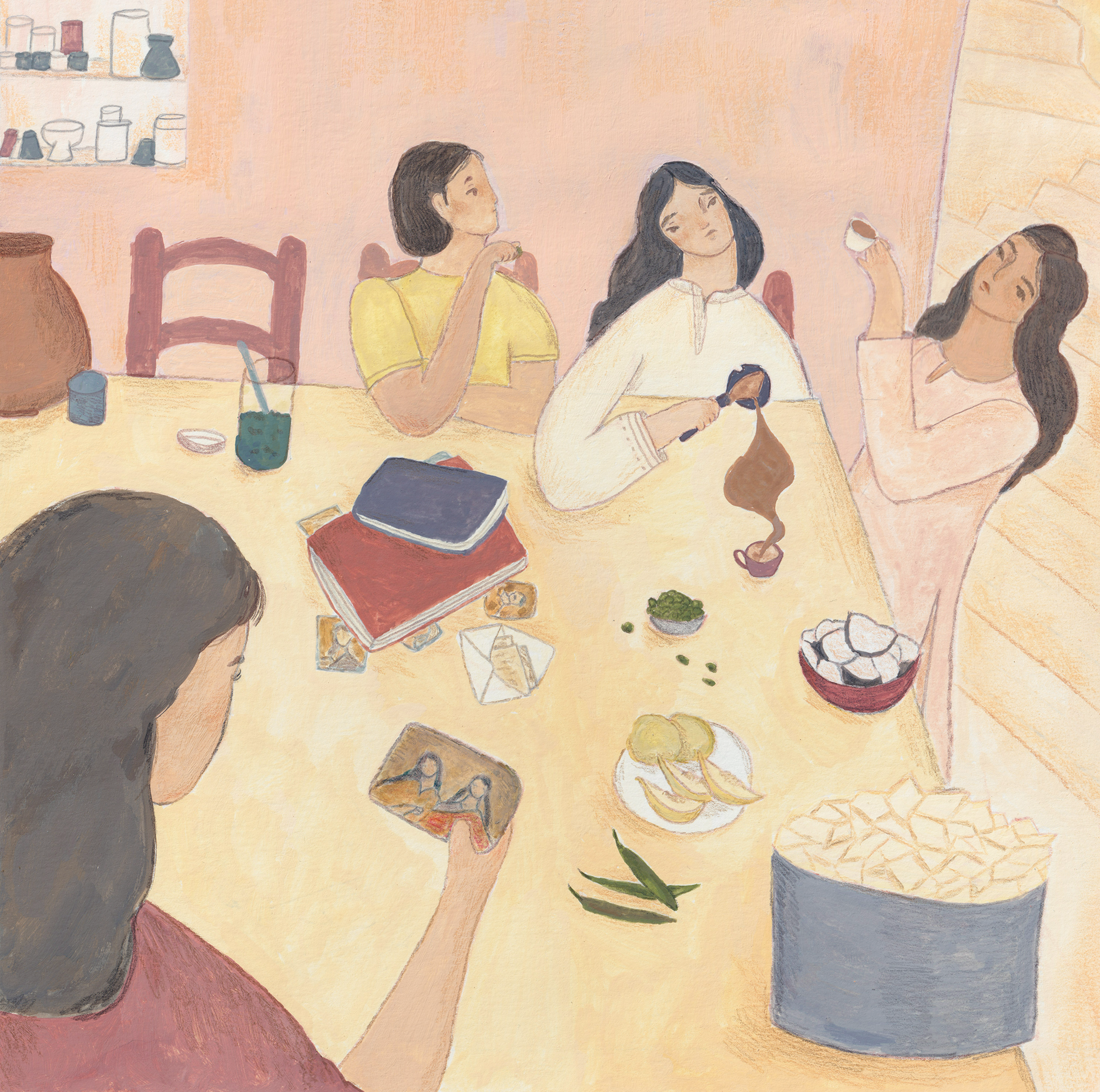
My earliest food memories are of my grandfather, baba, bringing home rasgullas from Sweet Home, a little sweet shop in Darbhanga, Bihar. On payday, Baba would often parcel my favourite rasgullas, and send it with someone travelling to my hometown, Chitrakoot, via train.
Baba is no more, but Sweet Home remains in its iconic location, still serving Maithils that same old taste of nostalgia.
Mithilanchal or Mithila is a cultural region of North Bihar and Eastern Nepal, home to Darbhanga and Madhubani districts. The cuisine of Mithilanchal depends on local produce like rice, fox-nut, mustard, mustard oil, lentils, sun dried and steamed delicacies. The Maithils hold a special place in heart for all things sweet, be it makhana kheer, malpua, thekua, or the evergreen white and spongy rasgullas.
But the desserts of Bihar are not limited to rasgullas. There is an ocean of sugar to explore.
Anarsa
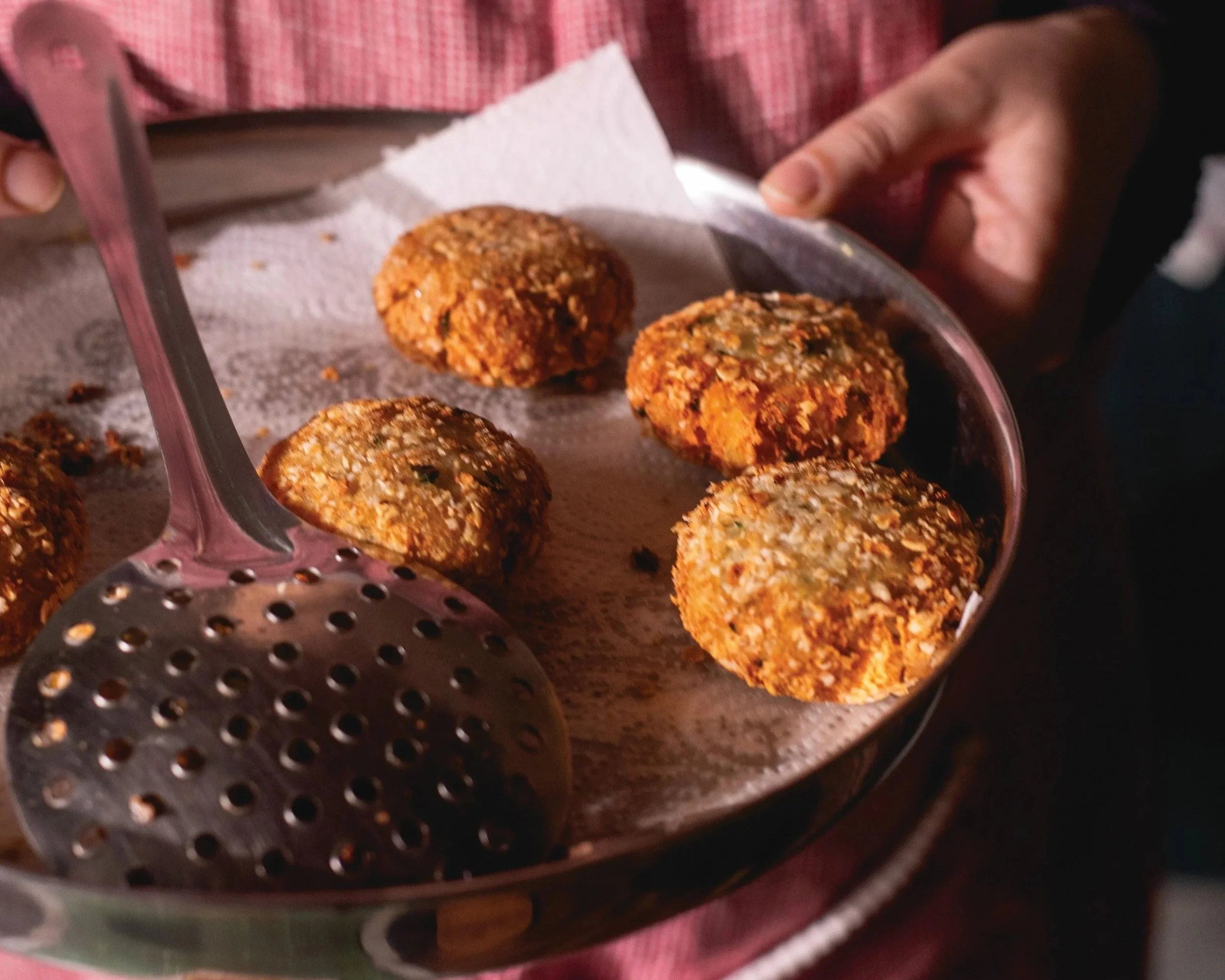
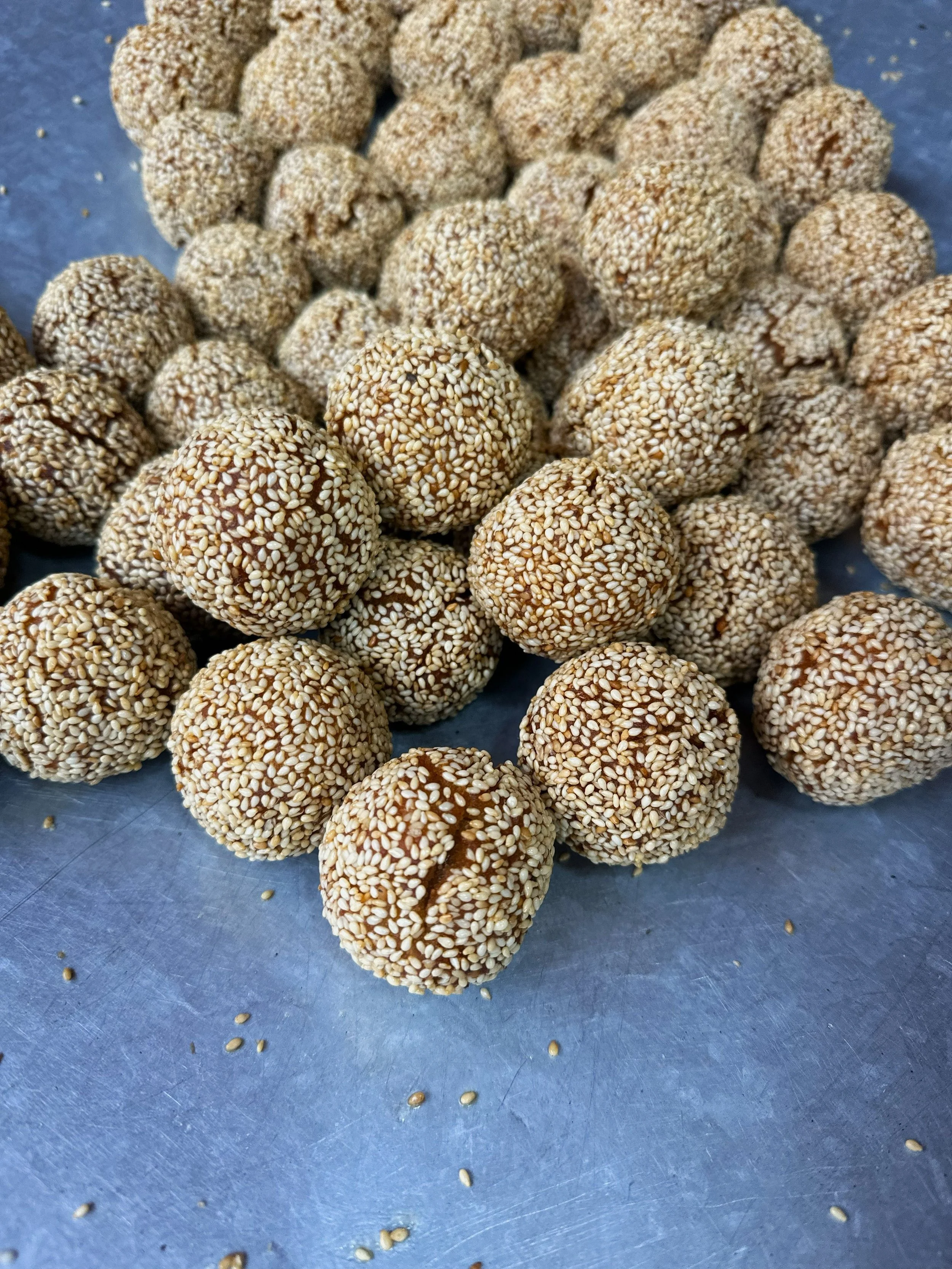
When passing through the busy lanes of Patna early in the morning, follow that sweet aroma to the nearest anarsa shop. Anarsa are small rice-powder balls filled with tiny khoya chunks, coated with sesame seeds and deep fried until they crack open. These slight cracks help diffuse their fresh aroma. Several local shops in Patna and nearby districts make these sweets in large batches, out in the open.
Tilkut
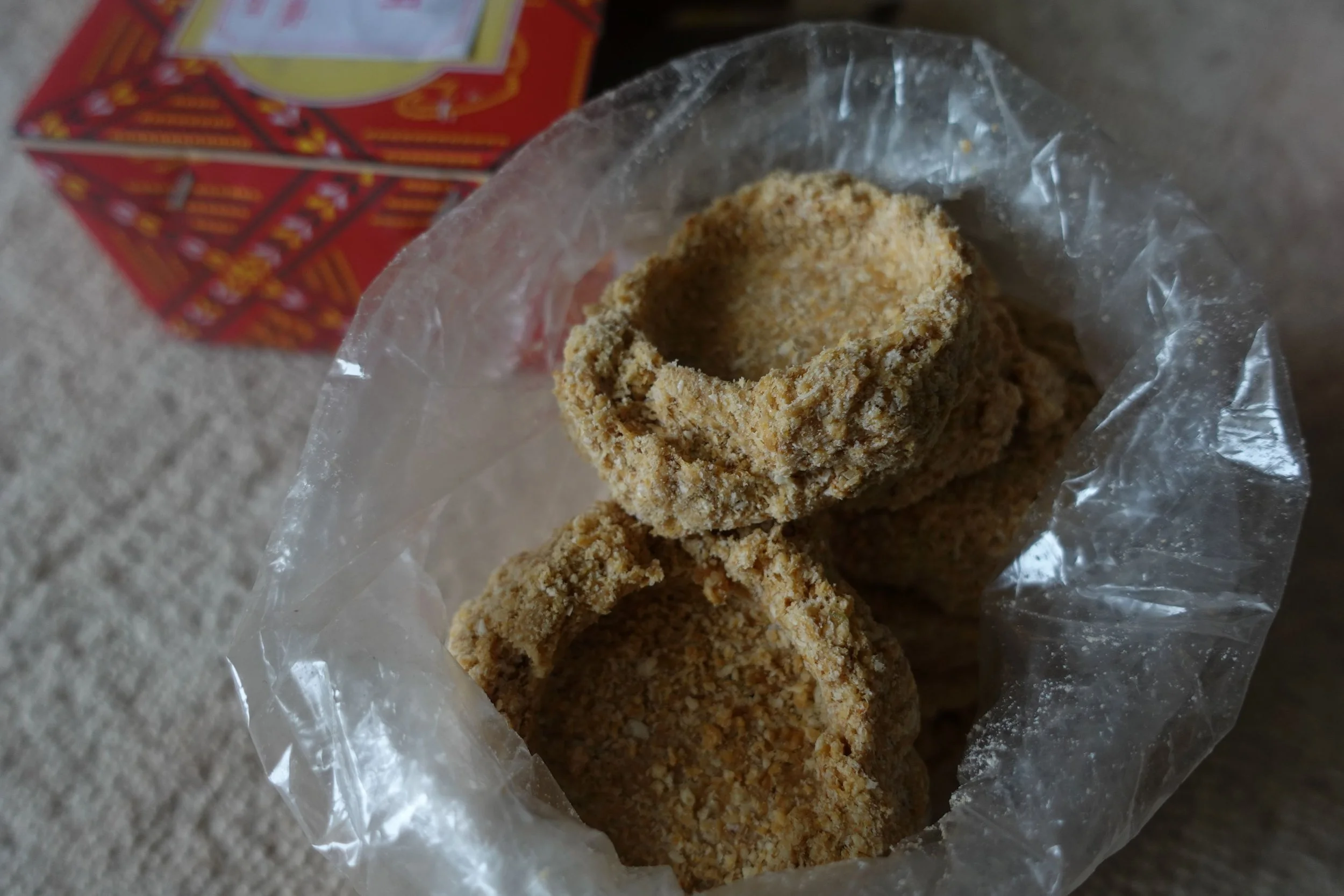
Tilkut is not dissimilar to what is available in other states of the country as gajak. A winter special, it is made of jaggery, lemon syrup, cardamom and white sesame. The mixture is divided into small balls, which are beaten with a pestle-like tool to give it a bowl-like shape. Tilkut is then packed into paper boxes all across Bihar, ready to be shipped. Tilkut is served like a cookie, and doubles as a morning snack and energy bar in Bihari households.
Baadshaahi
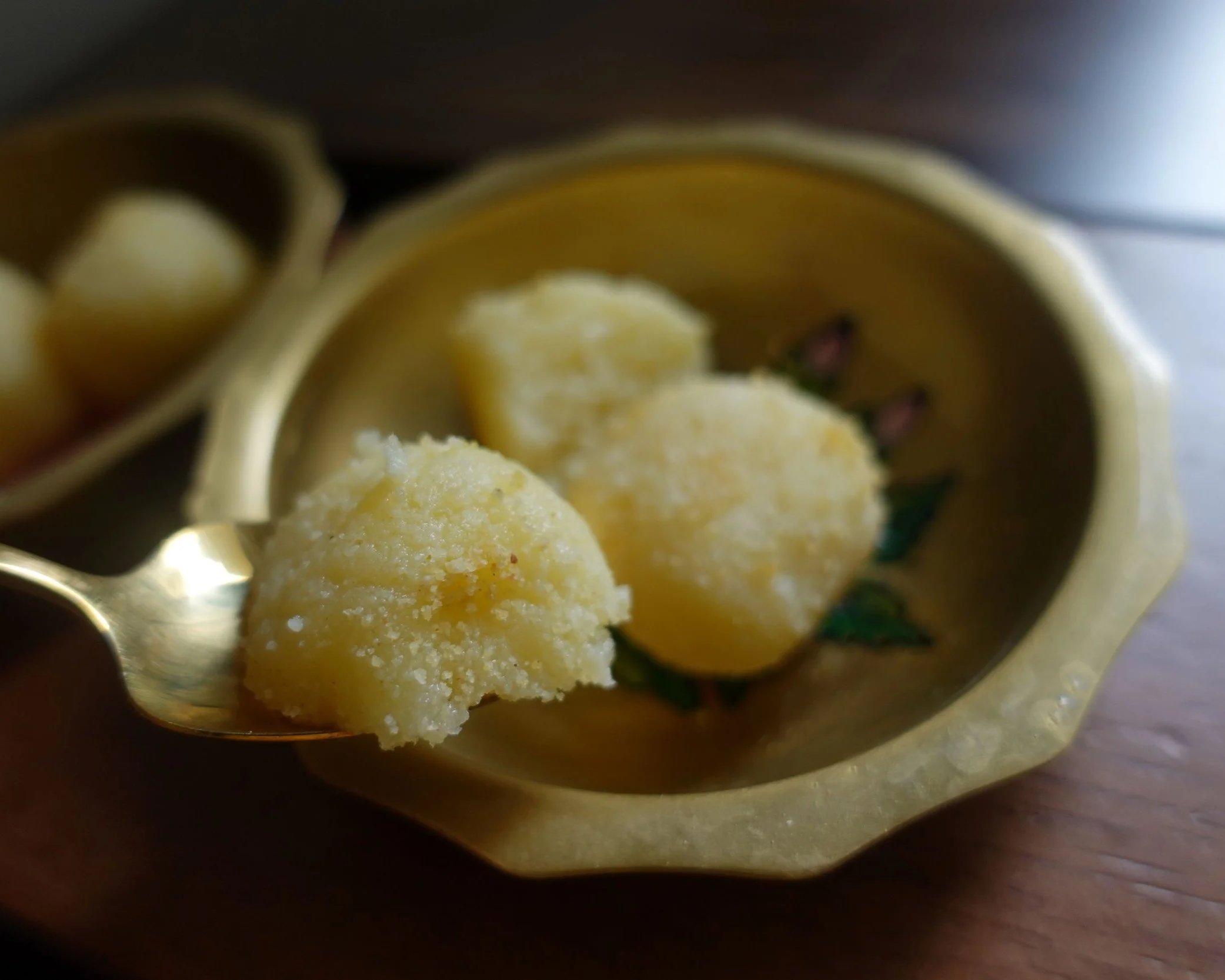
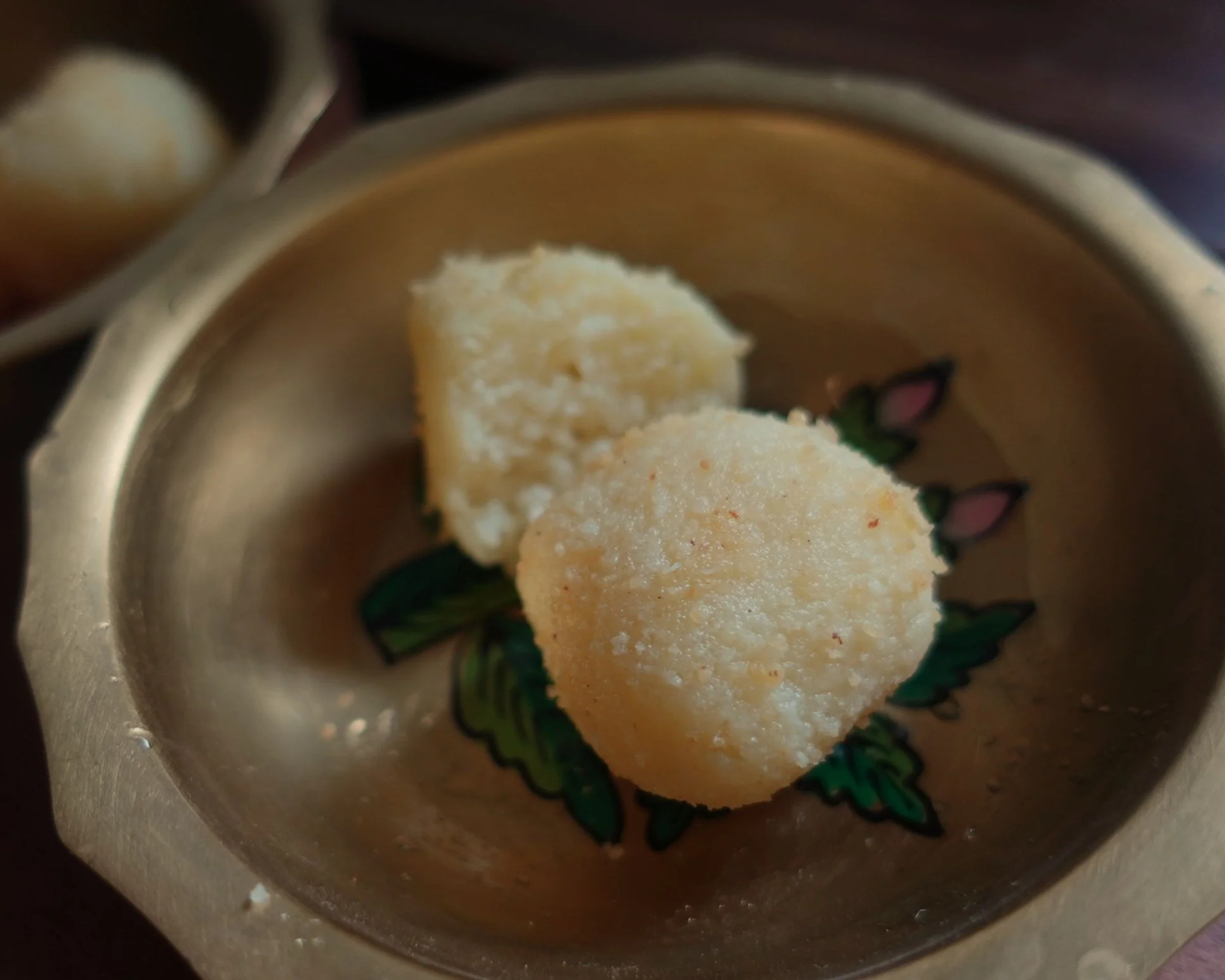
Baadshahi still has its umbilical cord attached to Mithilanchal — the district of Sitamarhi, to be precise. It is also called balushahi, and has a flavour and colour that is completely different from rasgulla. Baadshaahi chhena blends sooji and sugar before being formed into balls, and dipped into a caramelised sugar syrup.
Bagiya
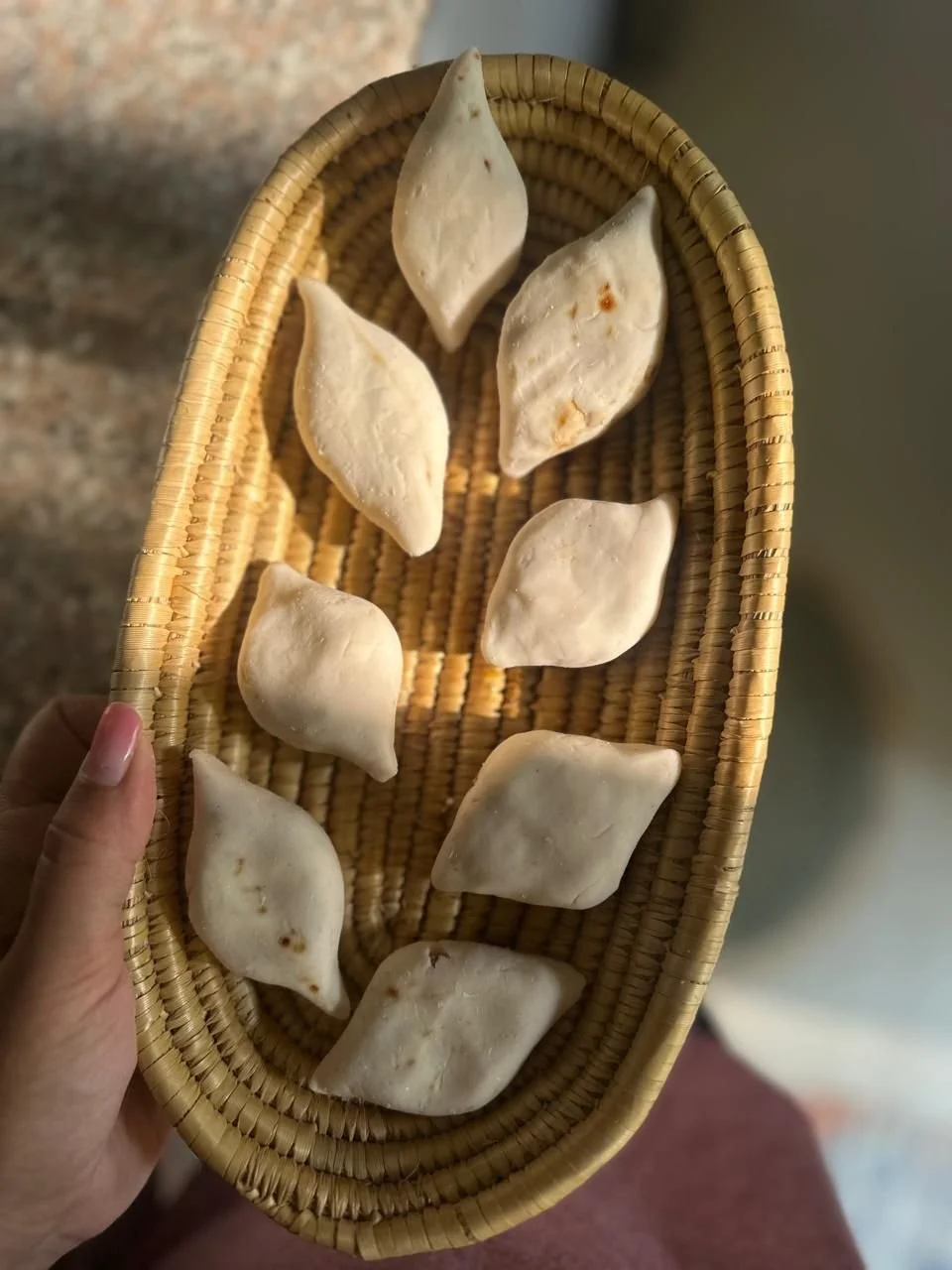
The consumption of rice in Bihar is not limited to main course, and served with dal and curry. It finds its way into desserts as well. Bagiya is a winter delicacy, and is a rice dumpling filled with jaggery and coconut, which is steamed in boiling water and served hot. There’s a version of bagiya that is boiled in milk and called doodh-bagiya.
Khaja
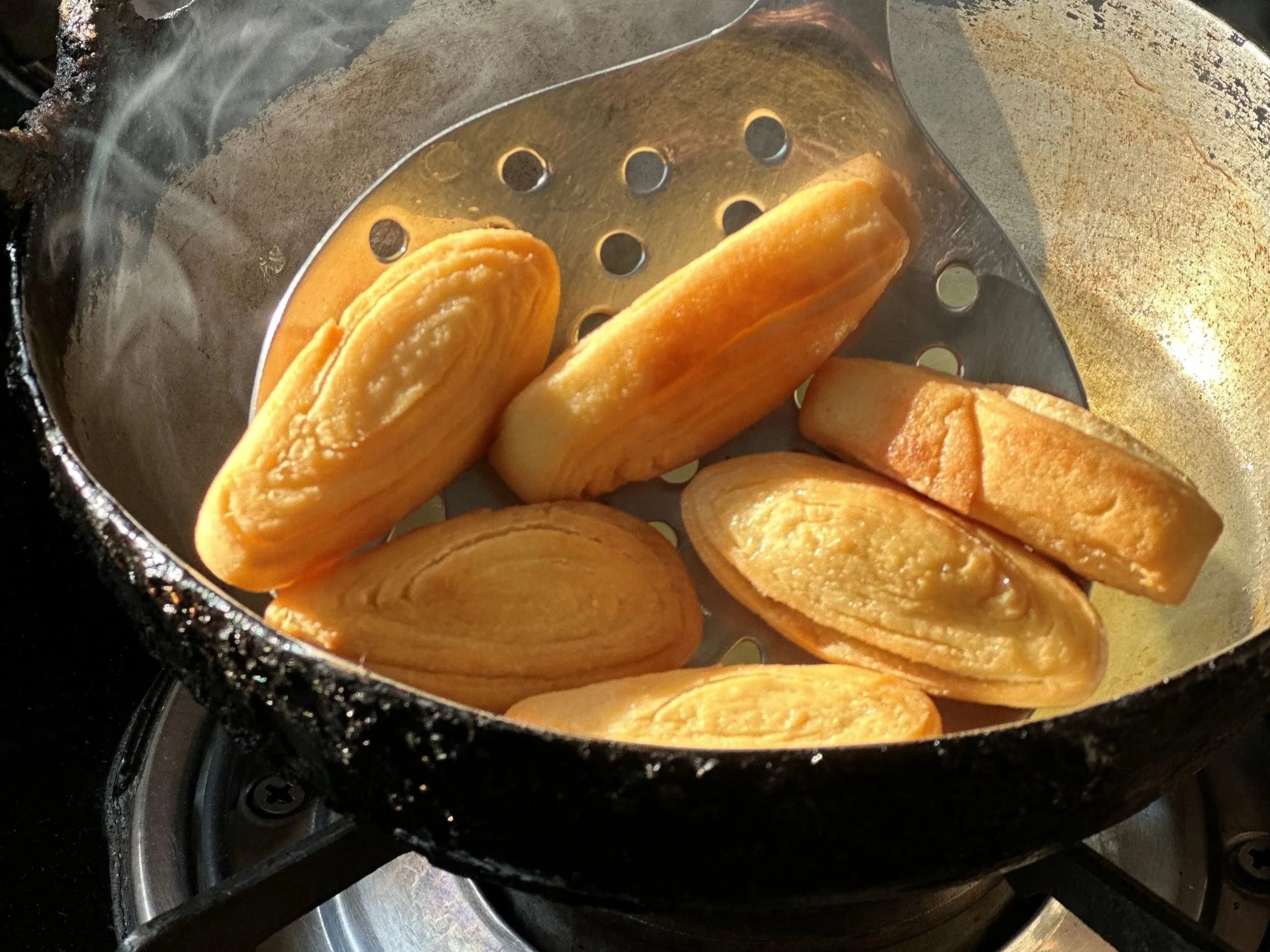
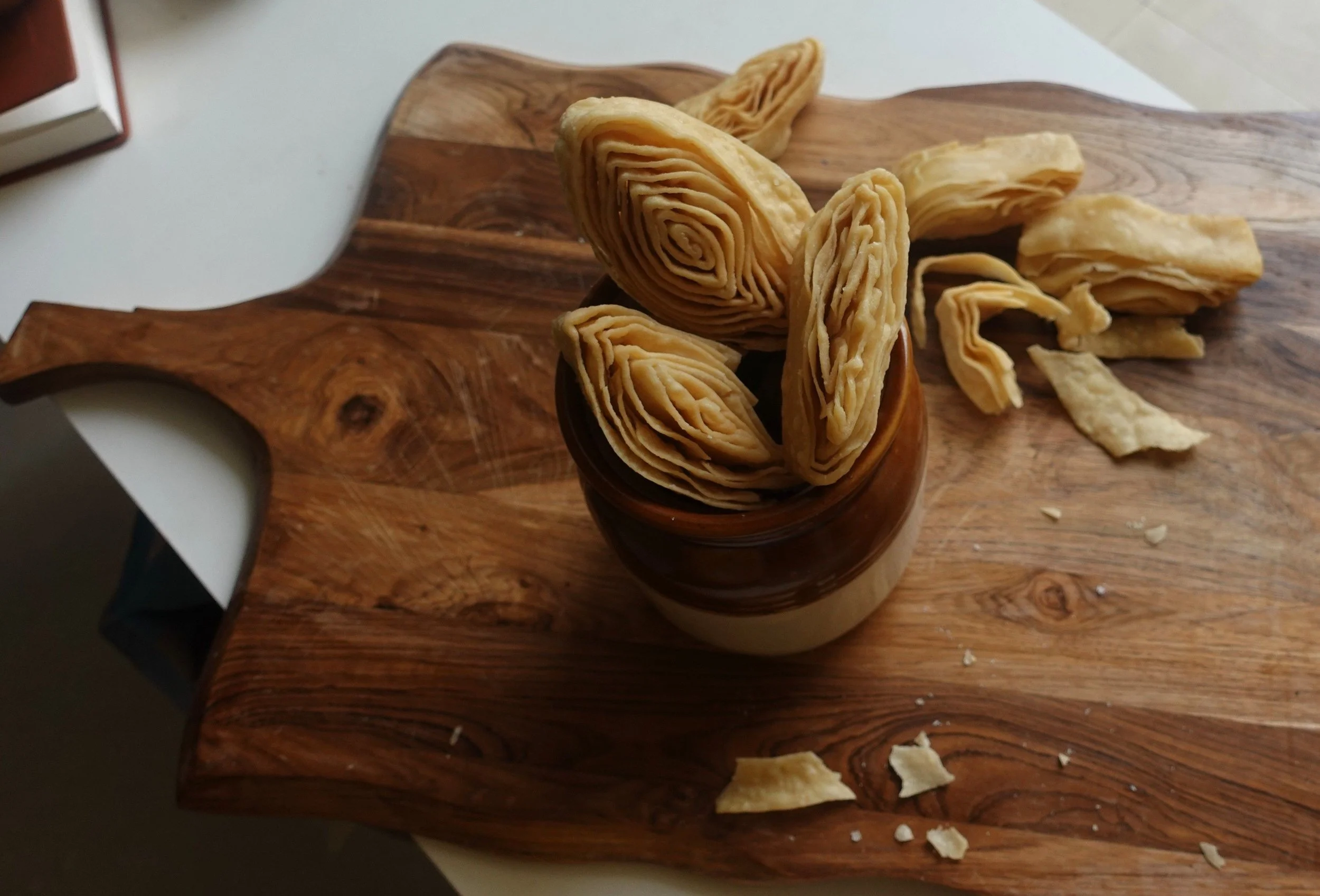
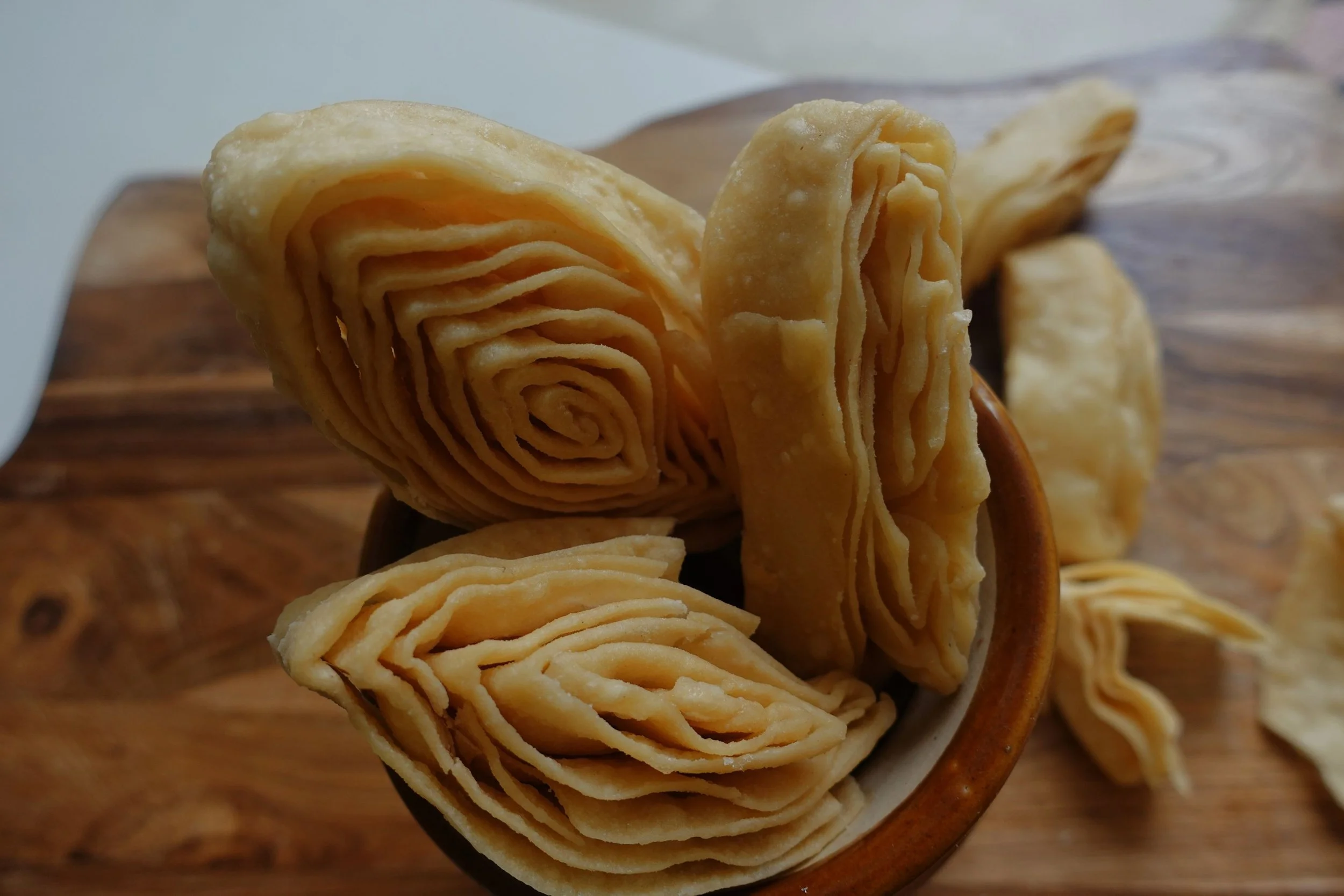
This is a crisp dessert that announces its presence in a single bite. Khaja holds a GI tag (if made in the town of Silao). It is flaky, and has lightly sweetened layers of flour that are fried and then briefly soaked in thin chashni. Khaja is exchanged between the bride and groom’s families, in every Bihari wedding.
Ras Kadamb
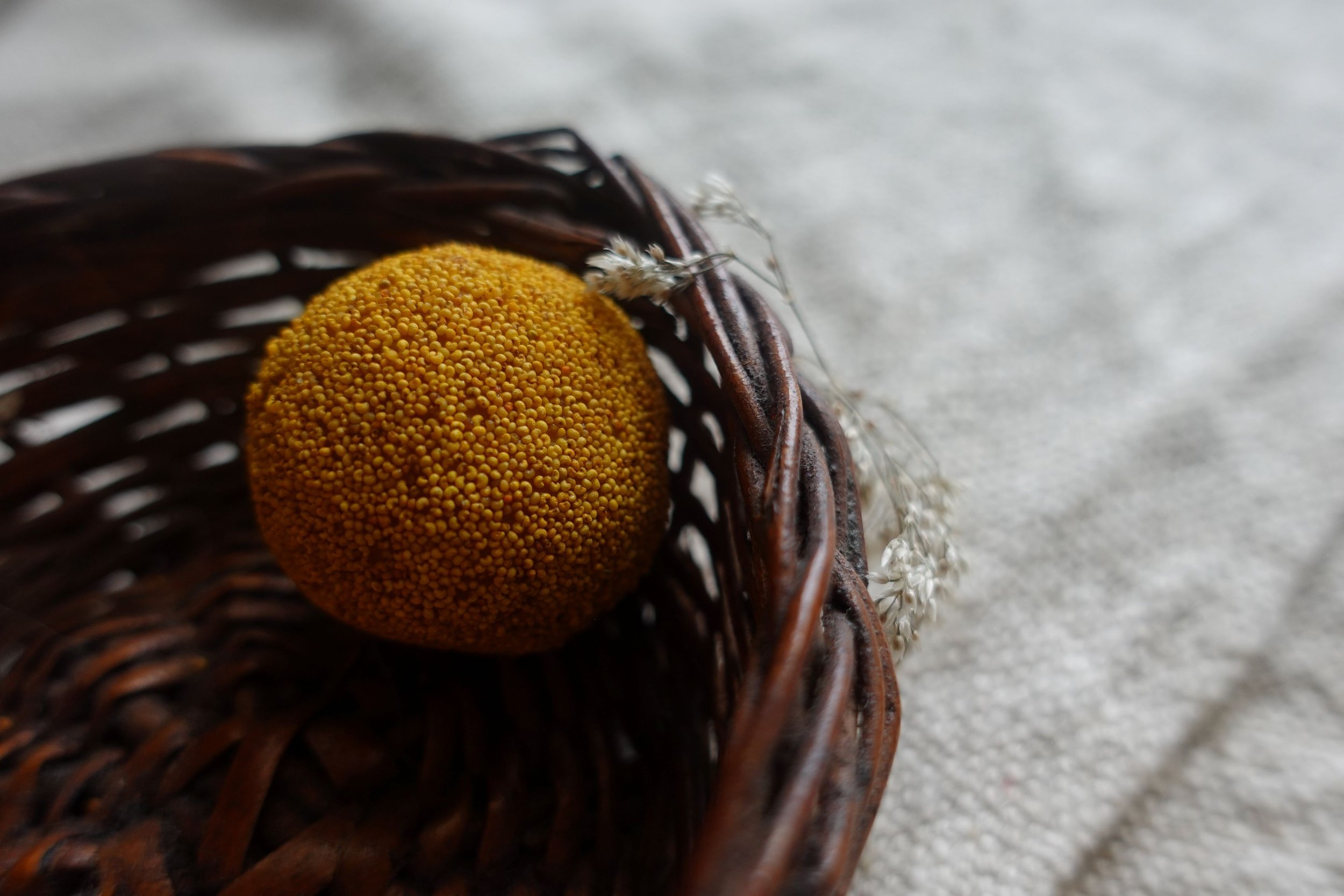
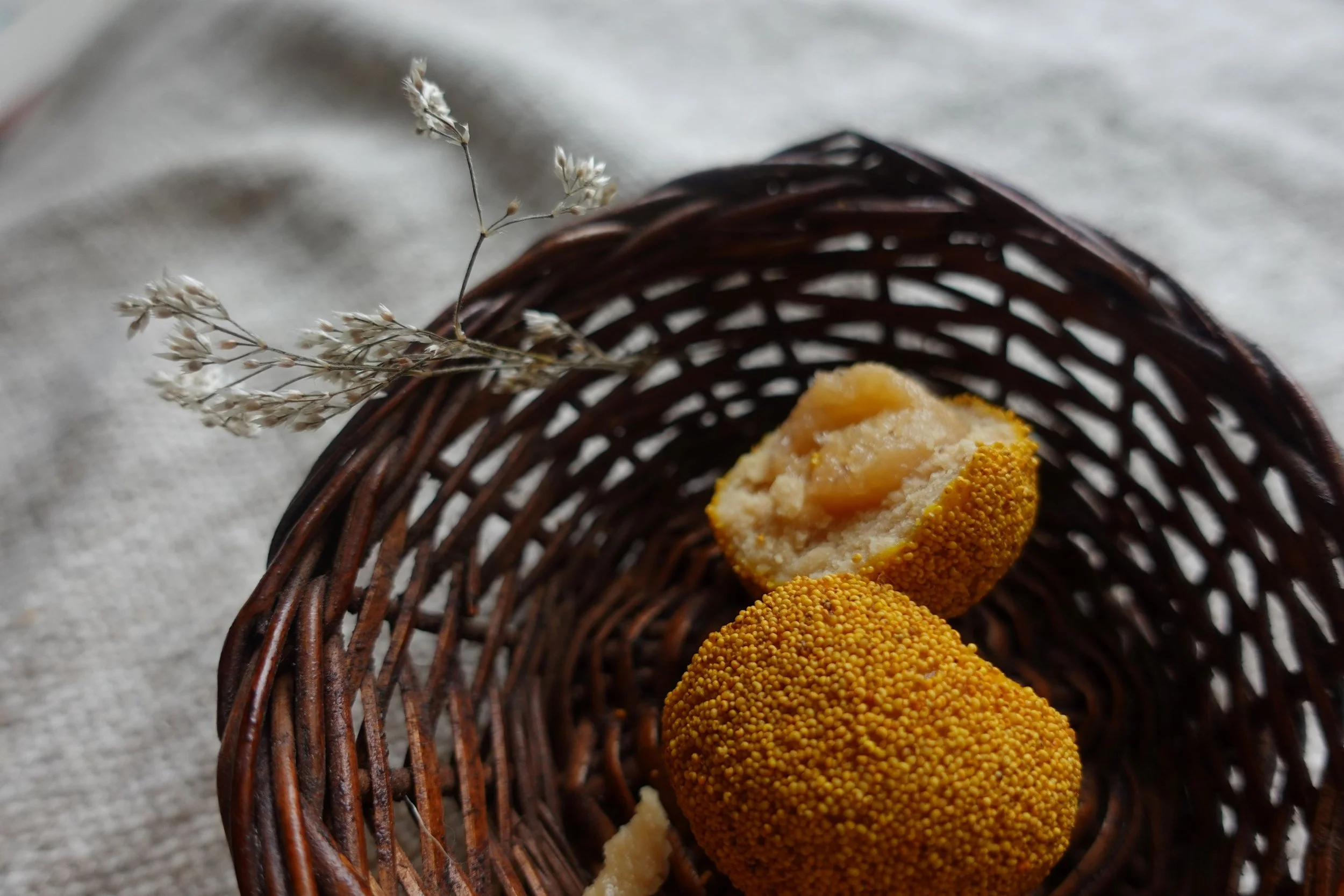
This sweet seems to have derived its name from the kadamb fruit, given its physical resemblance. Ras kadam or roshkadam looks like a ball of poppy seeds, but inside, it is stuffed with khoya and juicy chhena. It is a dessert with three layers of distinct ingredients and sweetness.
Mirjai
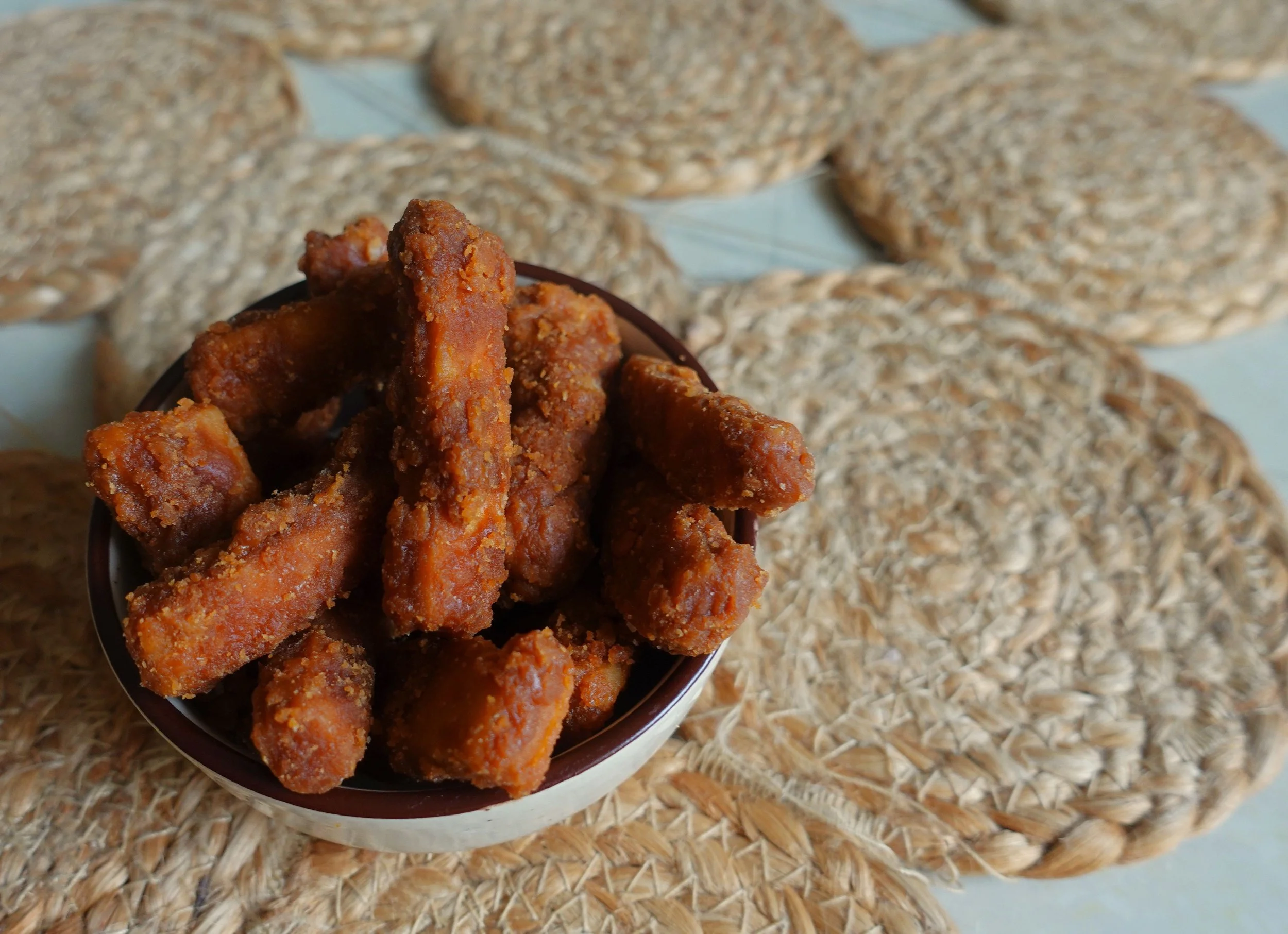
Mirjai is a modest brown colour, a little stick or square of dough, fried in ghee and coated with a blend of sugar and jaggery. It is found in the traditional shops of Fatuha, in Patna.
Chamcham
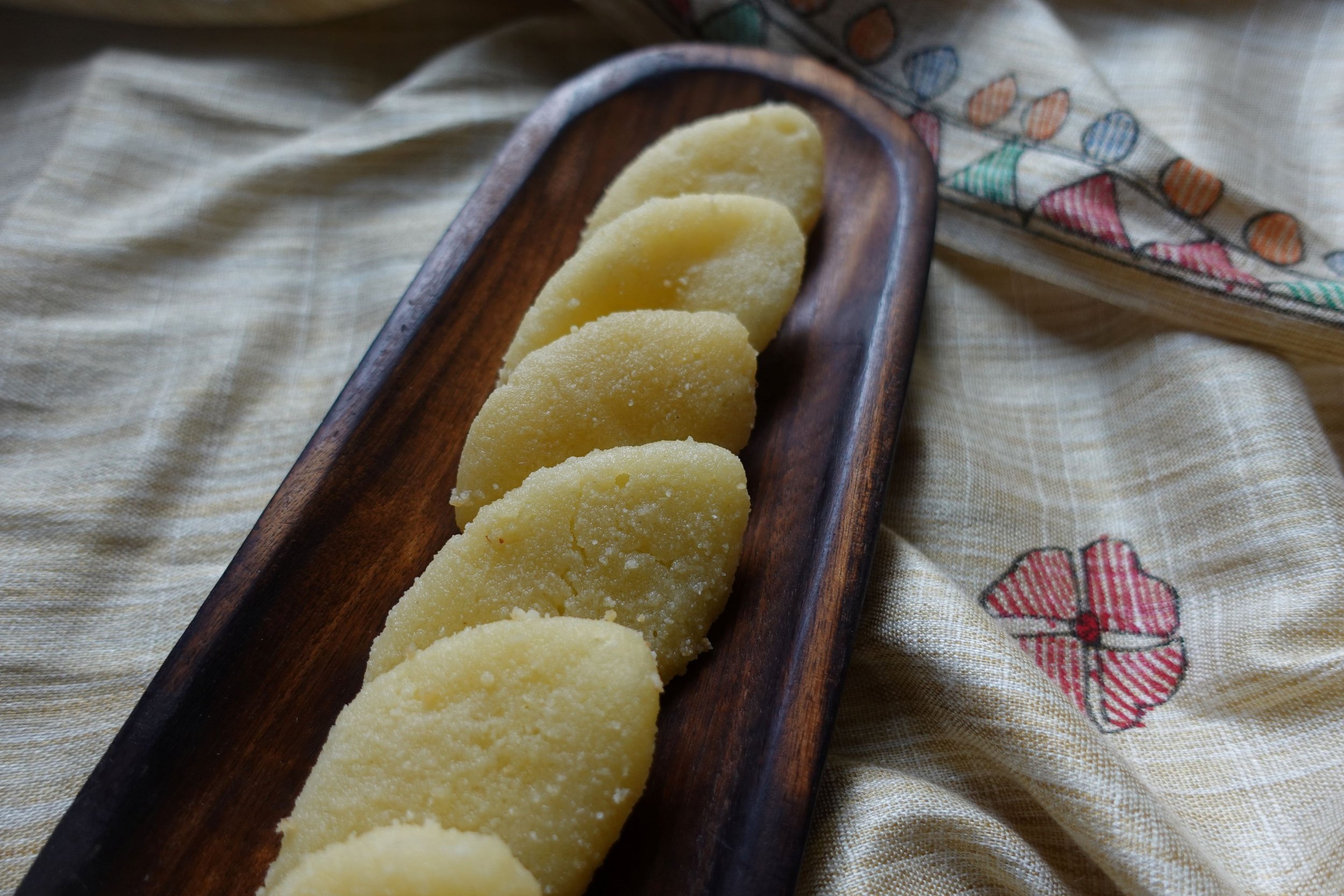
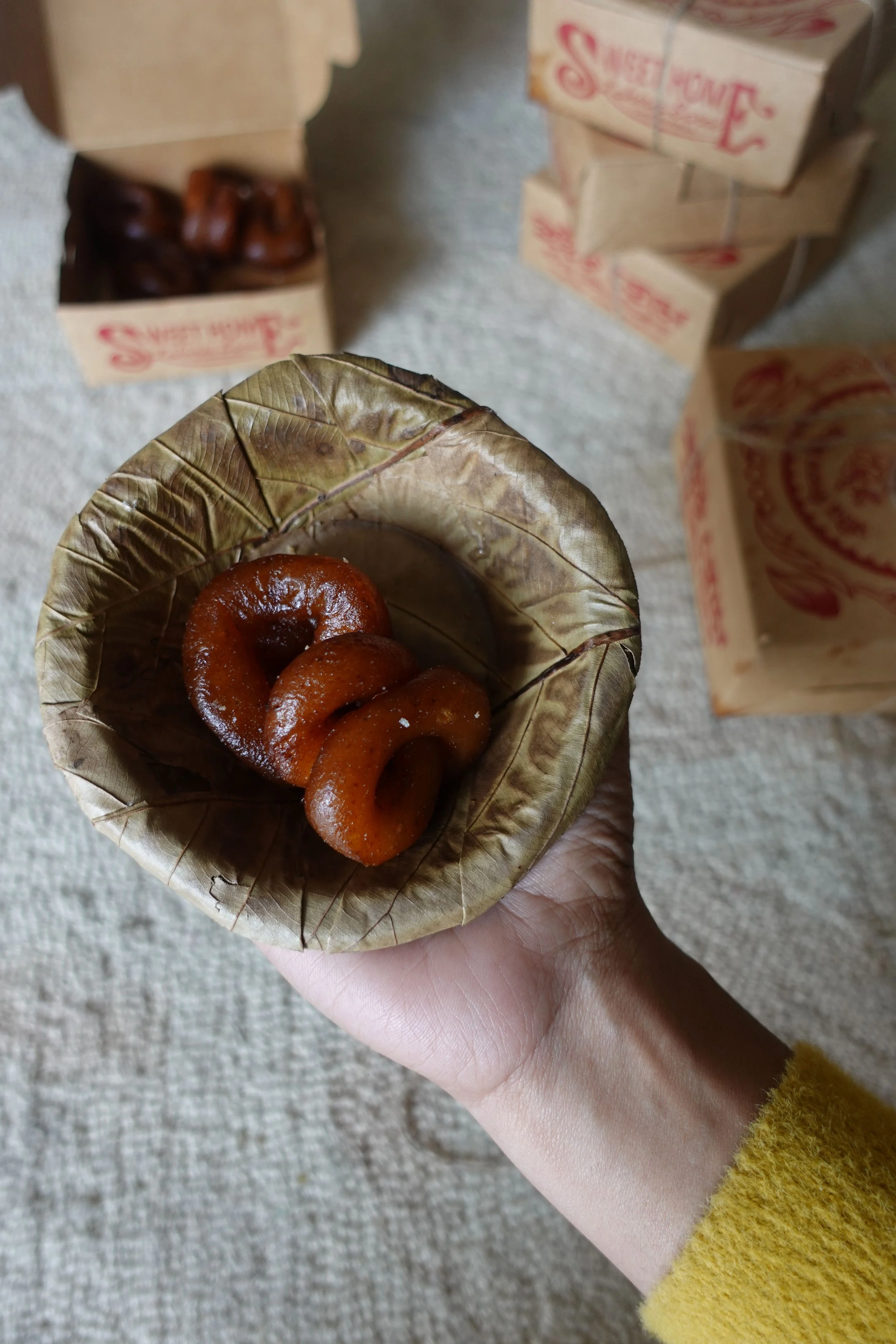
Chamcham is a semi-liquid chhena dessert, but with less chashni and a coating of coconut. Traditionally, its shapes vary from oval to cylindrical, but Darbhanga’s Sweet Home sells it flattened, in the shape of a bagiya.
Gur-Chhena
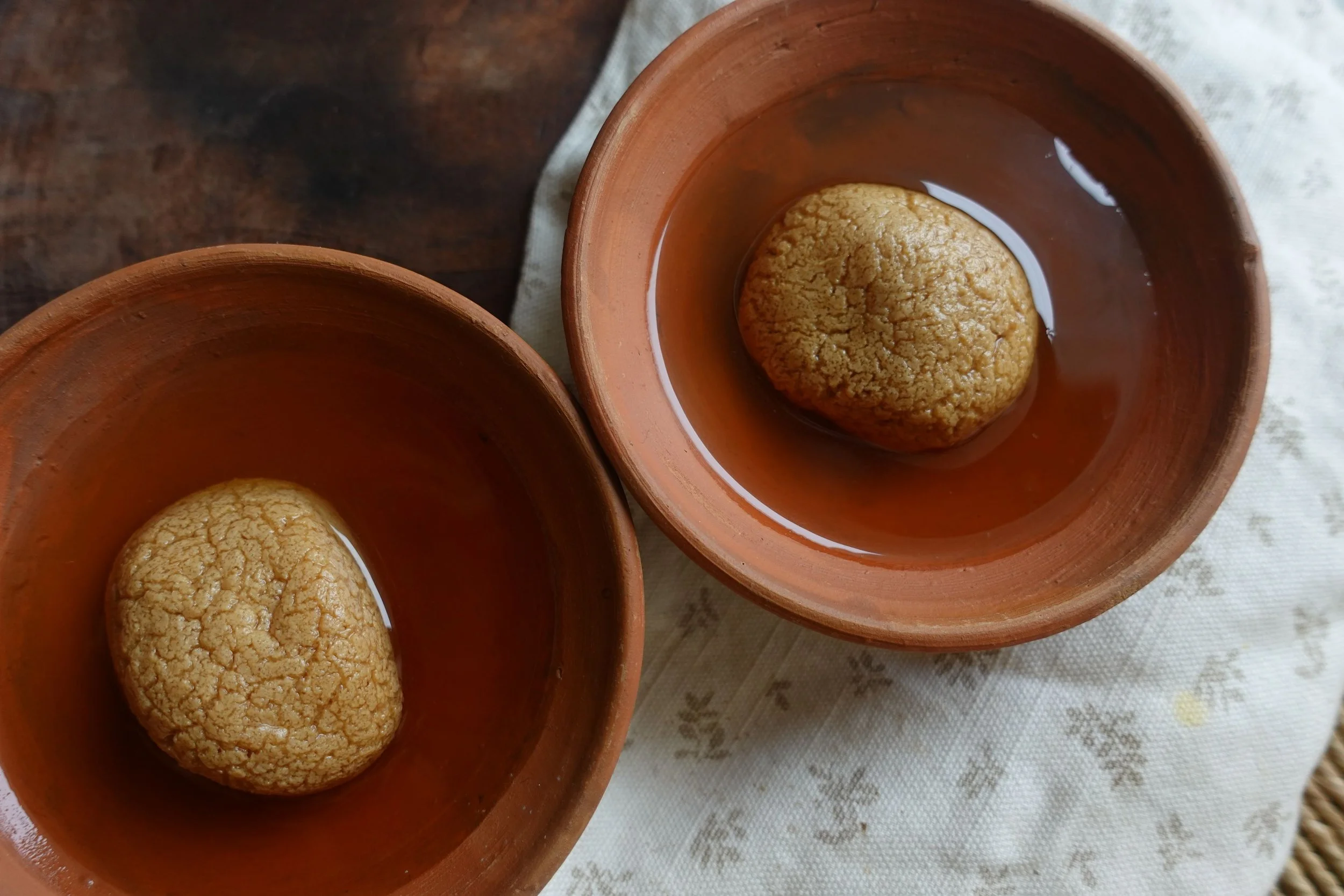
Unlike the sugar-syrup used in rasgulla, this chhena is submerged in jaggery syrup, lending it a light brown hue. It is a delicious option for anyone trying to limit the intake of white sugar.
Chhena Jalebi
Chhena jalebi sounds like its cousin, the jalebi, but is much darker and thicker and with fewer coils. It is made from fresh curdled milk, kneaded with all-purpose flour or rice flour, then manually piped and dropped in the oil. The fried jalebi is then soaked in chashni and garnished with dry fruits. It tastes like a blend of gulab-jamun, rasgulla and jalebi.
Jigyasa Mishra is an independent journalist and artist who works across various mediums with a wide lens of human rights, gender, health, environment, culture, food, art and their intersection. She also experiments with art and design, and hosts a monthly supper club in Lucknow.
All images courtesy Jigyasa Mishra.
ALSO ON GOYA