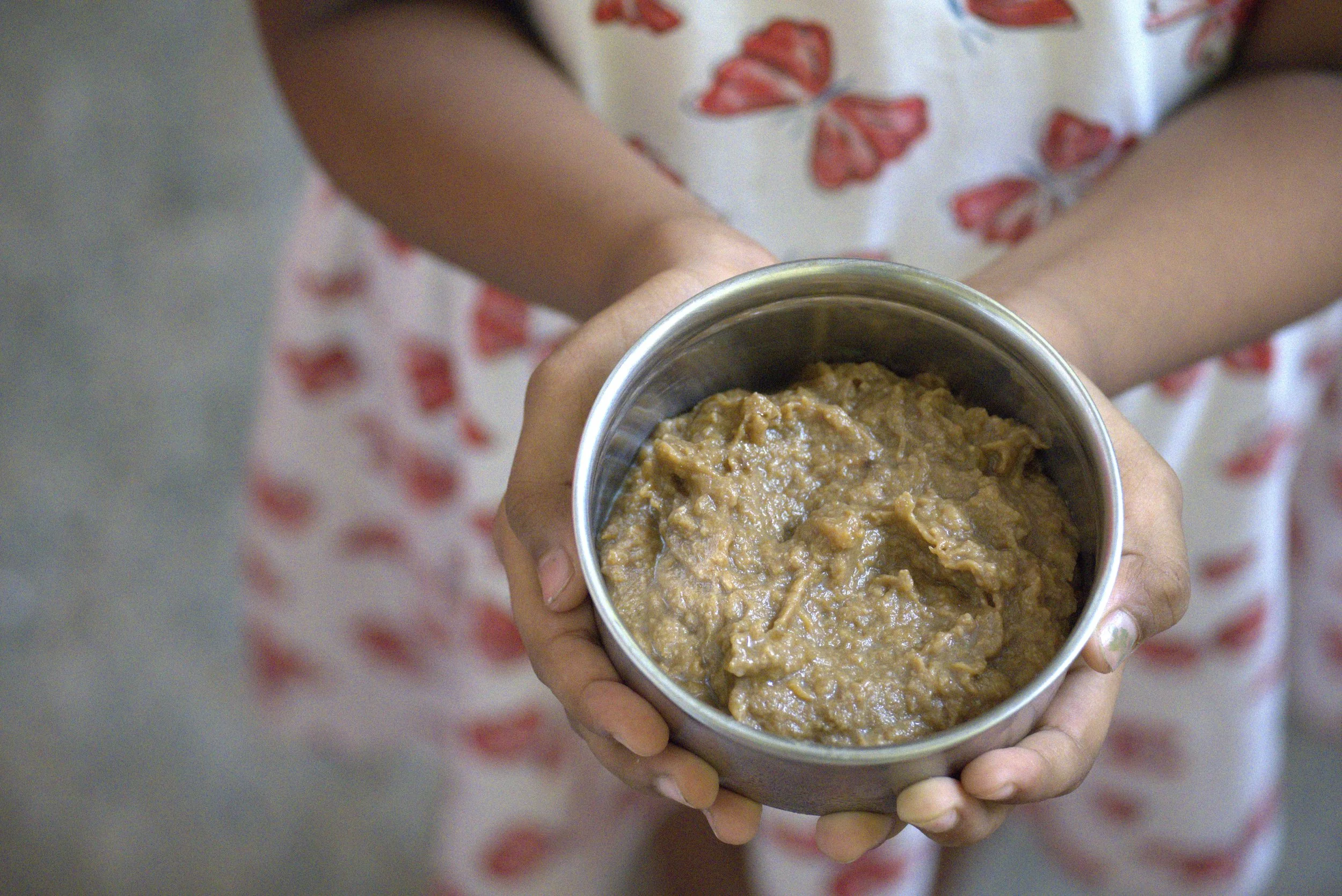
Neem Flowers and the Ritual of a Bitter Beginning

Joyadrita Chatterjee grew up in a family that had many widows. Among their many teachings were the use of edible flowers like neem. Here, she shares a family recipe for neem shukto.
My culinary teachings span both East and West Bengal. Being brought up under the influence of the ghotis, the natives of West Bengal, and the Baangals, the ones who relocated post-Partition, I have learned from both halves.
One of this teachings has to do with falgun flowers, or the edible flowers that are specifically harvested for their medicinal properties, during the months of February, March and April. These flowers are believed to ward off ailments that follow a seasonal change (like measles, chicken pox, and flu-like symptoms). They are light on the stomach, and cleanse the palate after a fever or any other minor ailments. Some of the commonly used edible flowers during this time are sojne phool (drumstick flowers), jukti phool (green milkweed climber) and neem phool.
Neem (scientifically known as Azadirachta indica) is revered throughout India; its young leaves are commonly used for consumption in Bengal’s curries, stir fries and stews. Given its high medicinal value, the leaves are often steeped in bathing water as an anti-allergen or anti-septic. Neem leaves are clumped in bunches and hung at home entrances to ward off mosquitoes and other insects. The flowers are an essential feature in Bengal during Poila Boisakh, the onset of Bengali New Year; considered auspicious, they herald the new year with a focus on health, purity and cleansing.
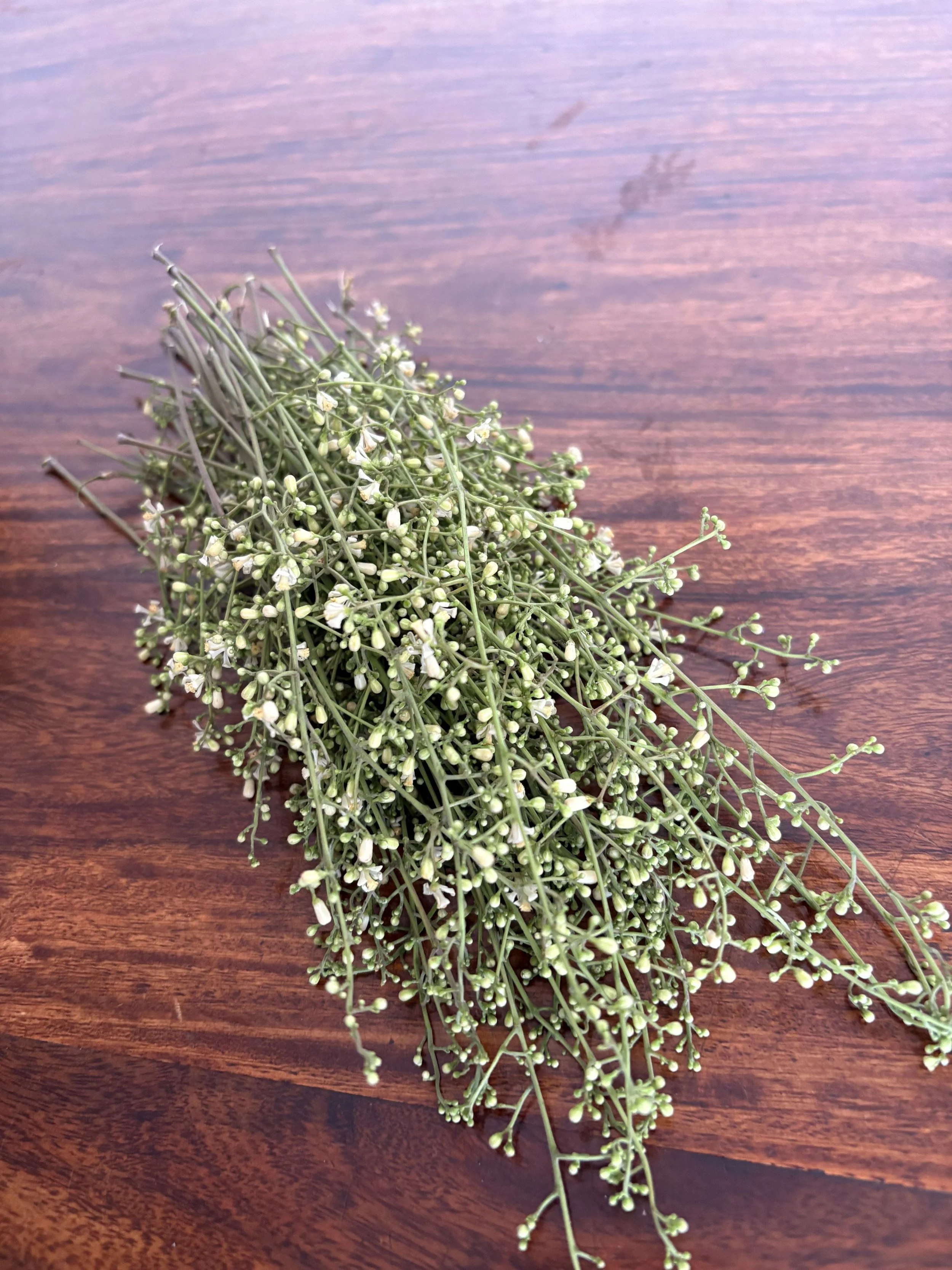
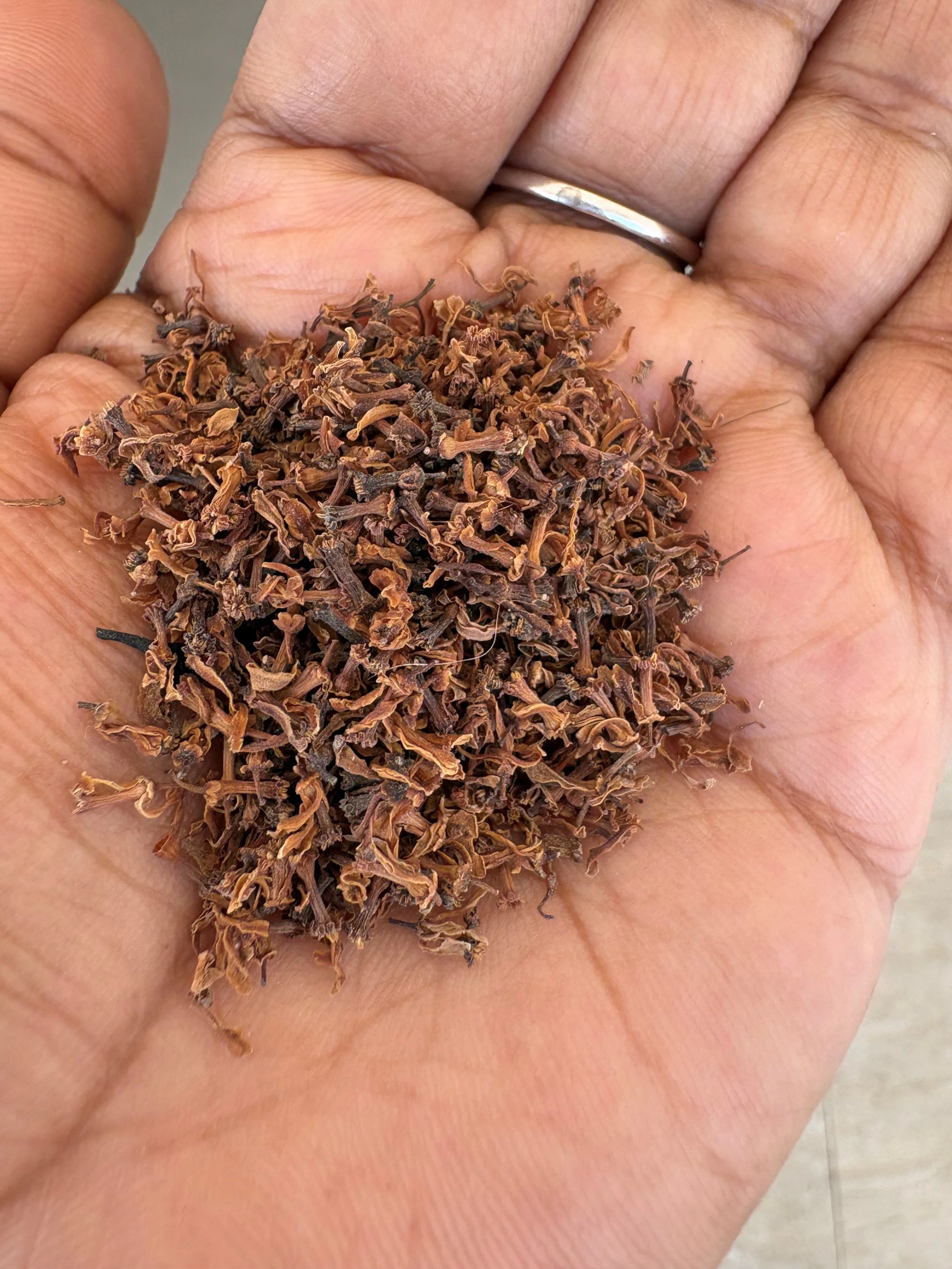
Neem flowers are considered a superfood too, helping with gut management issues during the transition from summer to spring. Served at the beginning of a Bengali meal, the bitterness from the neem flowers and leaves are known to balance the body’s digestive system, especially with the onset of summer.
I grew up in an extended joint family that housed a number of young and old widows (widows of Bengal are known to have contributed immensely to the cuisine of Bengal) — my great grandmother, my grandfather’s sisters. We had a neem tree in our backyard, and its flowers and leaves featured in many dishes. My numma (paternal grandmother) used neem a lot — neem phooler shukto, neem begun (neem leaves stir fried with brinjal), neem-er jhol (a light stew with neem leaves and vegetables), dry roasted or fried with boiled potatoes, and sometimes cooked along with its summer-spring contemporary, drumstick.
Shukto is a quintessentially Bengali vegetarian delicacy, eaten at the beginning of the meal; a delicate bitter beginning. Our table always had vegetables, and it was mandatory for us to eat what was cooked for the day. So, as a child eating a five-course meal that often began with a shukto was quite common — only the seasonal ingredients kept changing.
This here is my family recipe for neem phooler shukto.
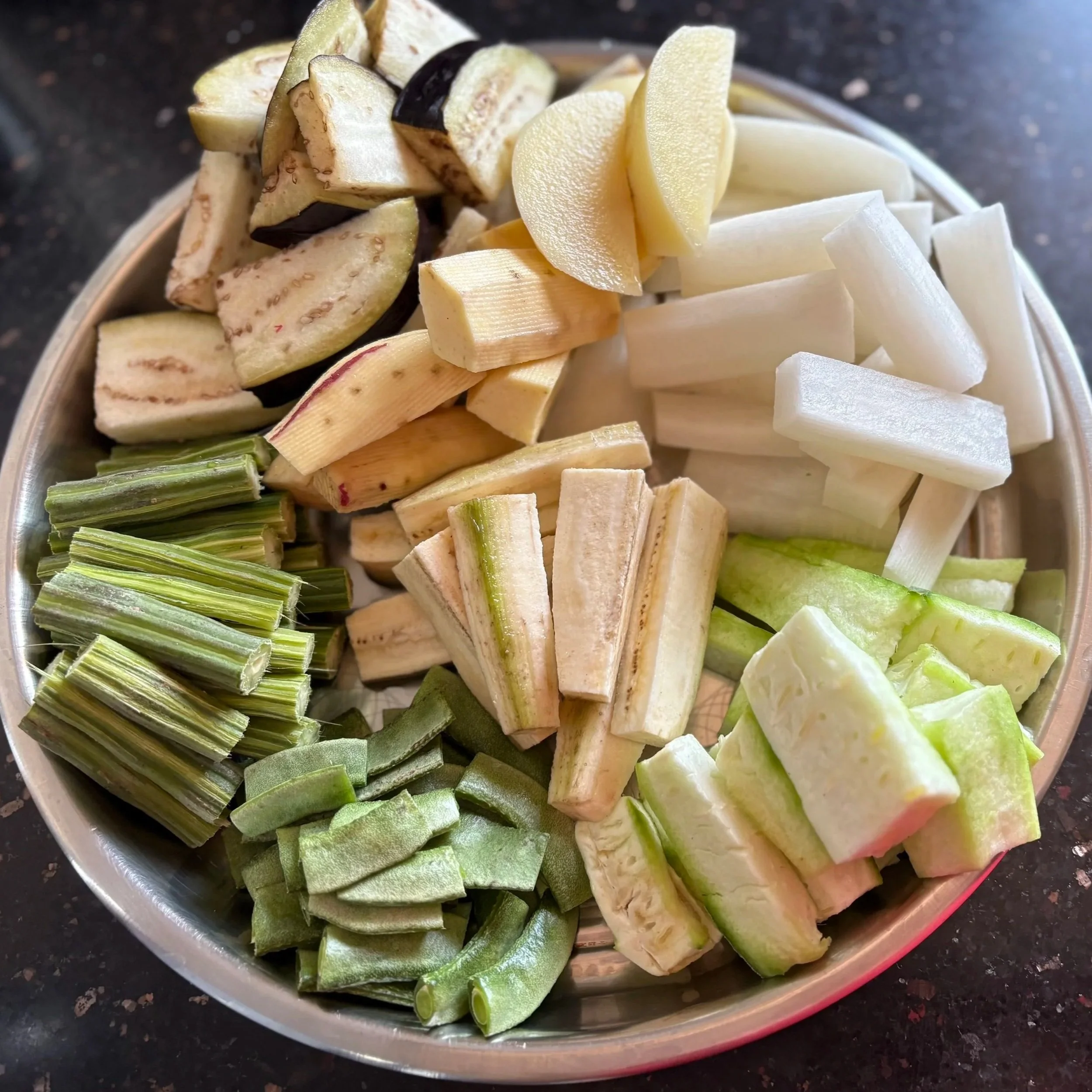
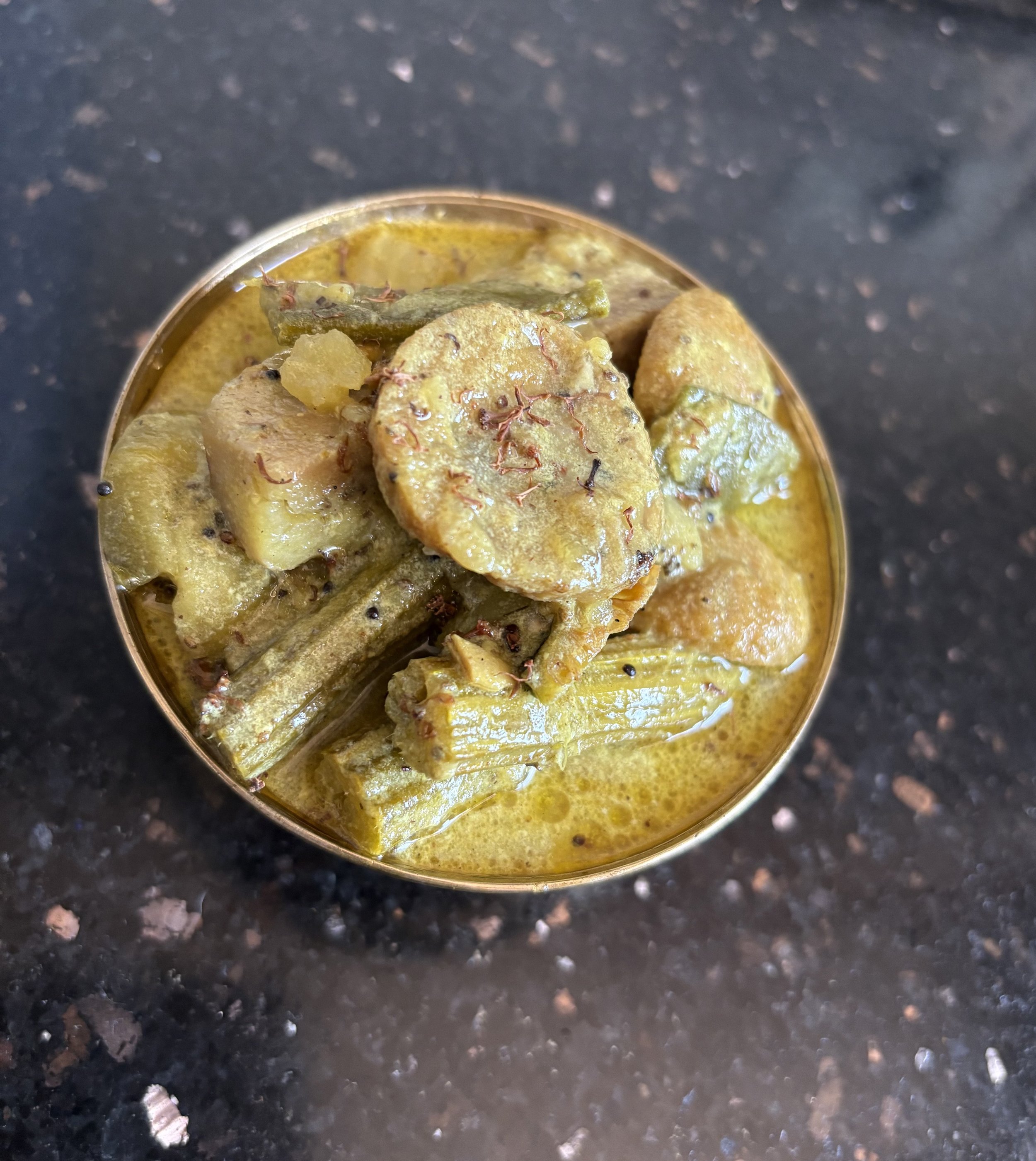
RECIPE FOR NEEM PHOOLER SHUKTO
Serves 7-8 people
Preparation time: 10 minutes
Cooking time: 20 minutes
Ingredients
3 tbsp fresh neem flowers or dried ones
2 large potatoes cut into thick wedges
1 big sweet potato
2 drumsticks, cut into medium size
1 big ridge gourd
Half a brinjal
1 raw banana
2 medium sized radishes
Mustard oil
Ghee
Salt and sugar, to taste
1/2 tsp turmeric powder
Mustard seeds
2 bay leaves
2 tbsp radhuni or celery seeds
1 small piece ginger
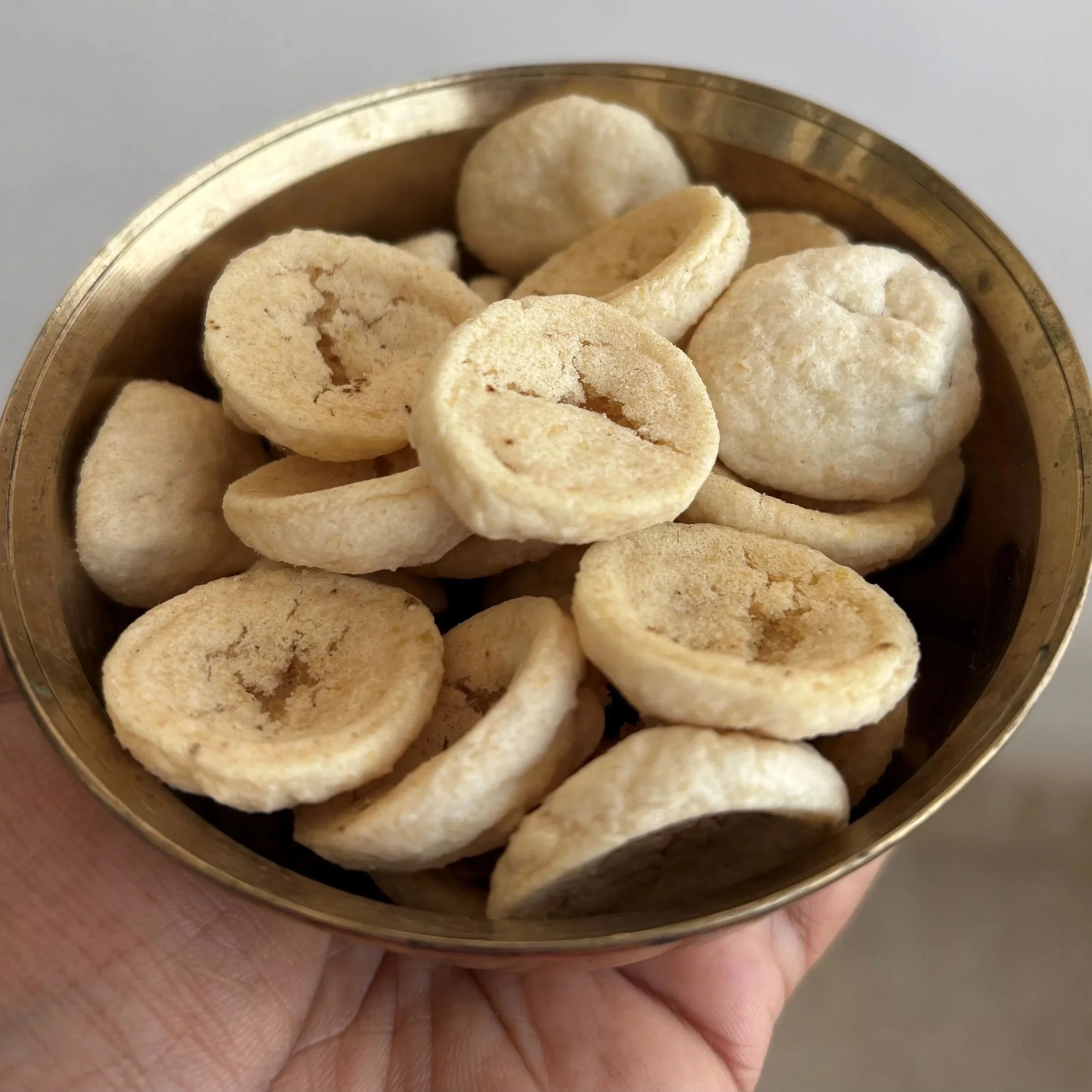
10 to 15 fried and kept aside iuli dal er bori (sun dried urad dal dumplings)
Half a cup milk (should be at room temperature)
For shukto moshla/masala:
2 whole red chillies
1 tbsp panchphoron
1 tbsp mustard seeds
Method
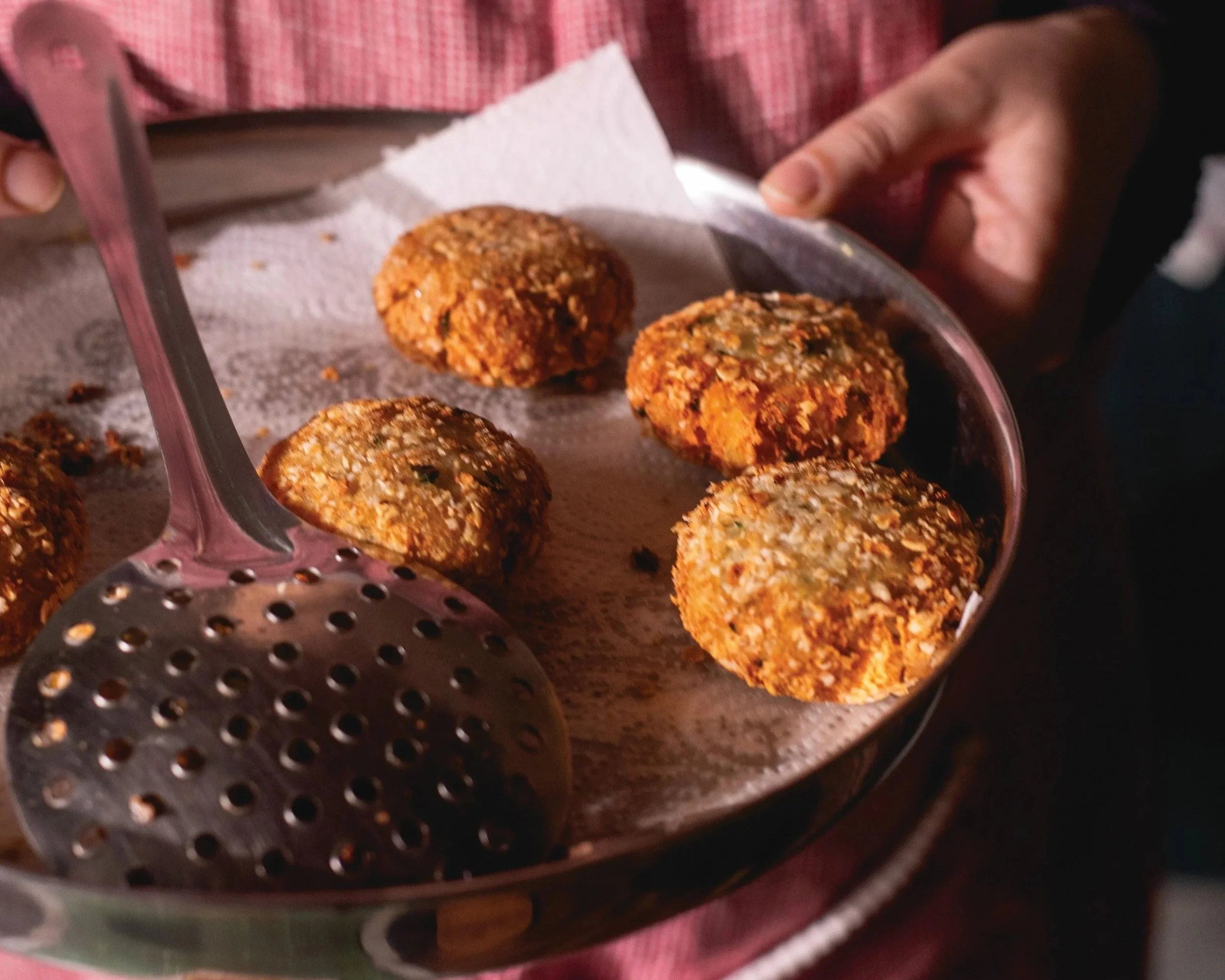
Treat the neem flowers first: Once freshly procured, sieve it carefully, remove the stems completely and then wash it multiple times. If procuring dry flowers, then just sieve well and use. Fry these in 2-3tbsp of mustard oil and drain them on an absorbent sheet.
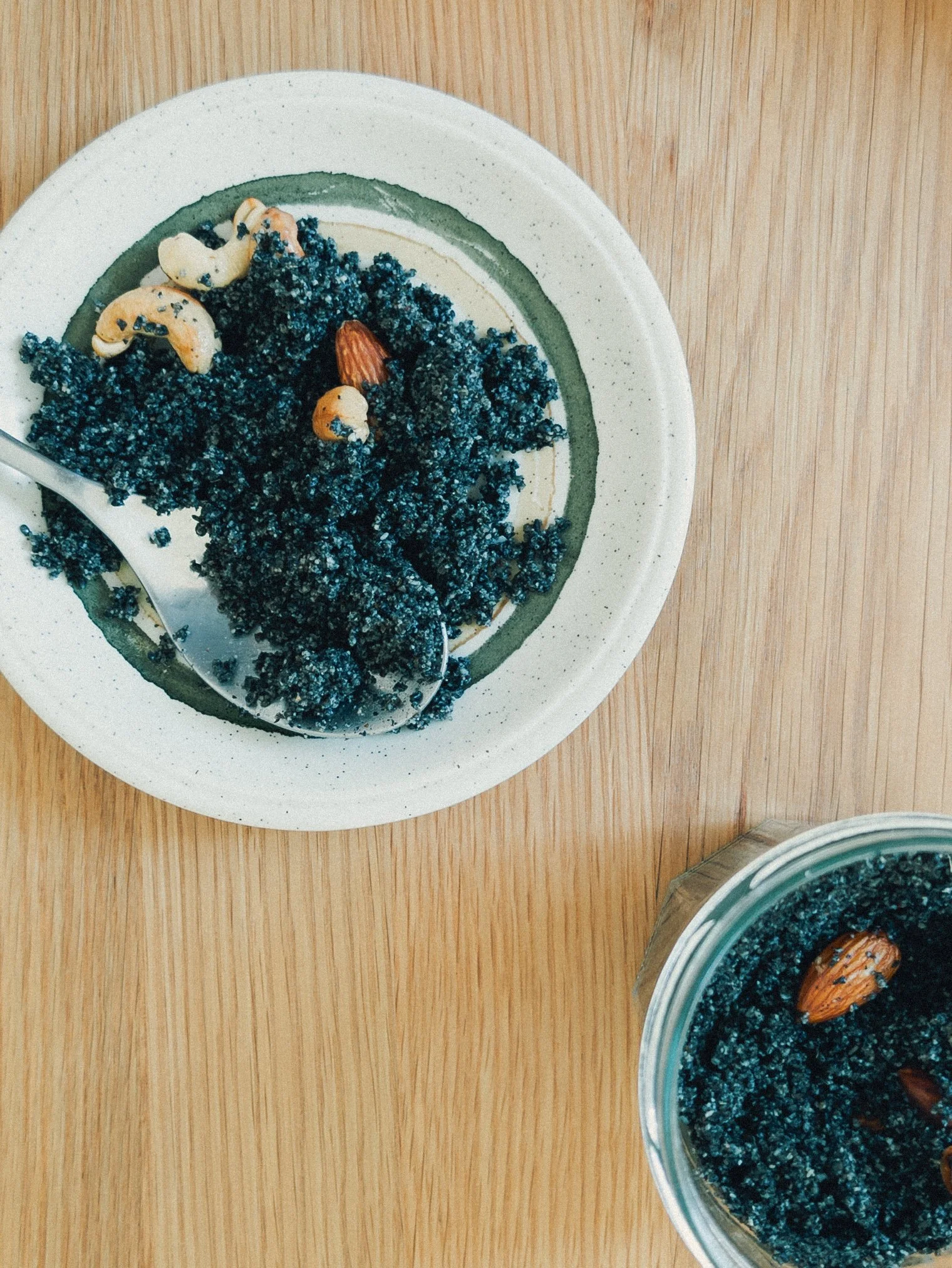
Roast all the shukto masala ingredients and grind it to a fine powder. Cut the ridge gourd, brinjal, banana and radish into long and thin wedges (they should be the same length and thickness for uniform cooking). Grind the radhuni and ginger into a fine paste with little water.
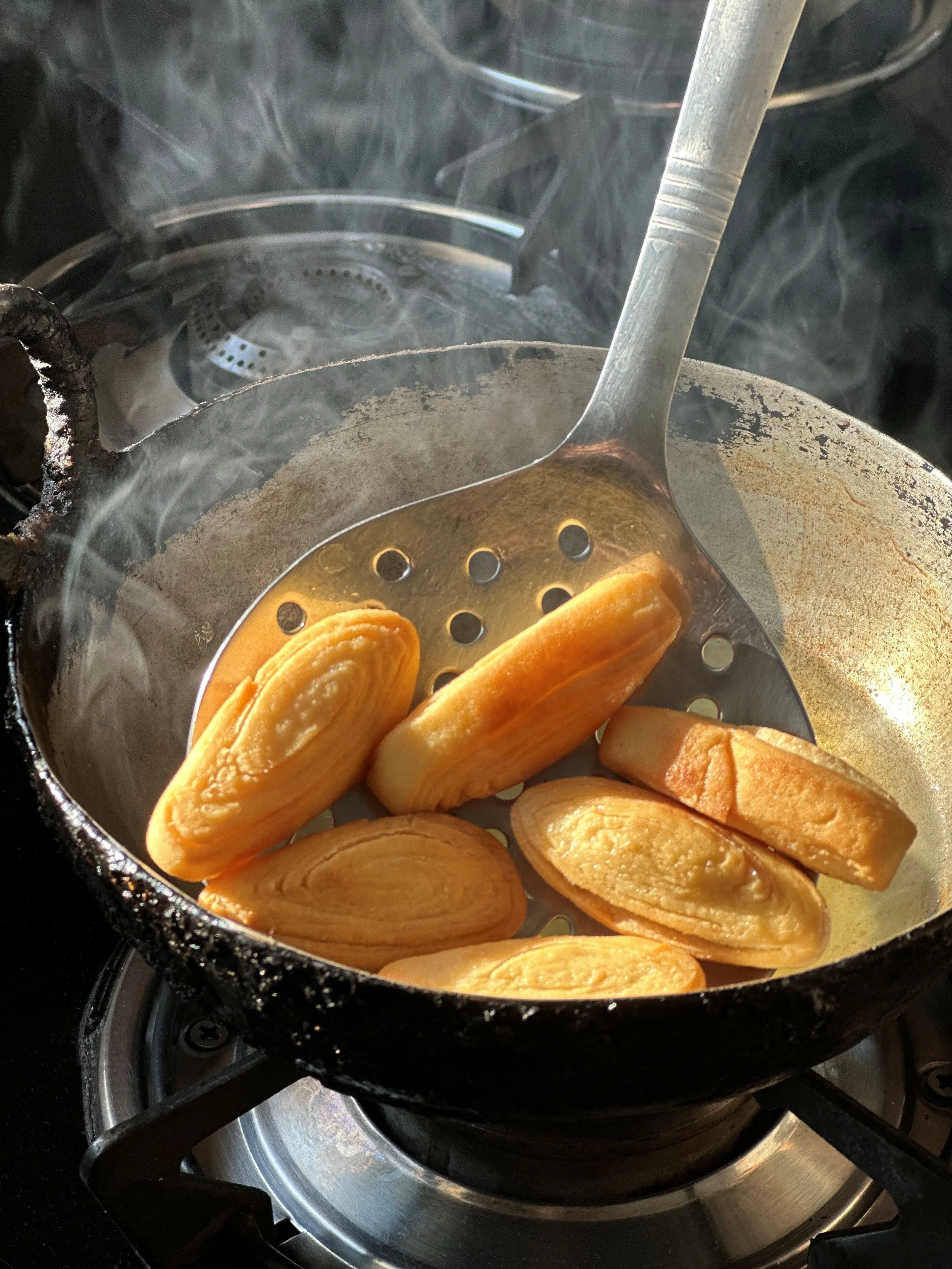
Heat mustard oil, fry the dal bori and keep aside.
Temper the same oil with bay leaf and mustard seeds. Add the harder vegetables first, followed by the softer ones — drumstick, raw banana, potato, sweet potato, radish followed by brinjal and ridge gourd.
Cover and let it soften for five minutes. Then add the radhuni and ginger paste.
Adjust salt and sugar as per your taste (shukto should have a rounded off flavour of saltiness, sweetness and bitterness). Now add turmeric powder.
Fry until oil separates.
Add adequate hot water for the vegetables to cook but not get mushy.
Once the vegetables are cooked, add the fried neem flowers, dal bori (adding them before will break them) and milk. Let it simmer for sometime.
Finish off with ghee and shukto moshla/masala.
Serve hot with plain, steamed rice.
Joyadrita Chatterjee is an ex-communication coach turned Bengali home chef in Chennai.
ALSO ON GOYA