Dry Prawns and Malabar Spinach Bhaji
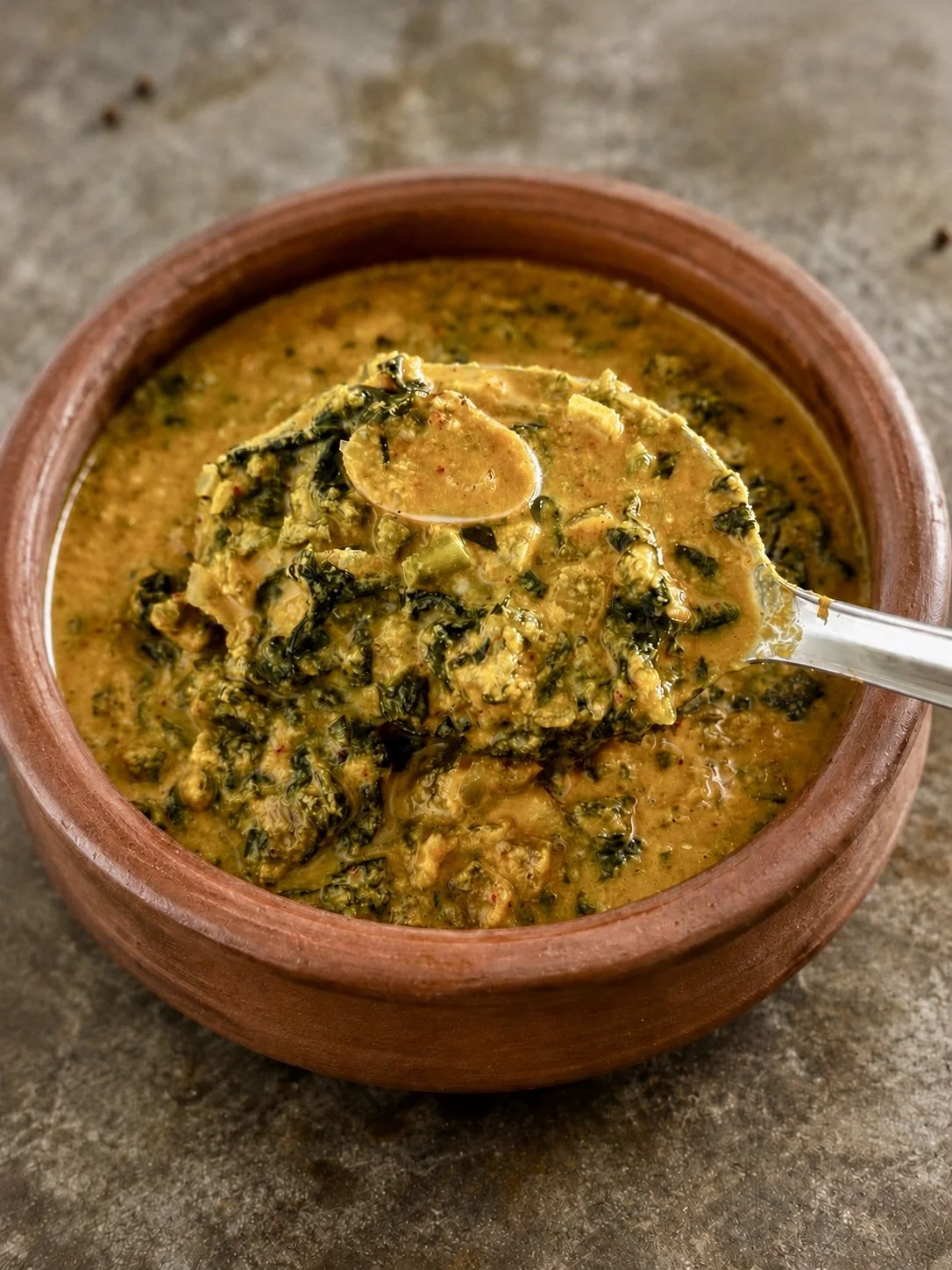
Monsoon in the Naik family in Karwar means a bounty of vegetables, especially the waali or Malabar spinach. Growing in abundance in gardens and surroundings, it found its way onto may dishes, in the form of simple fritters to this curry made with dried seafood and jackfruit seeds.
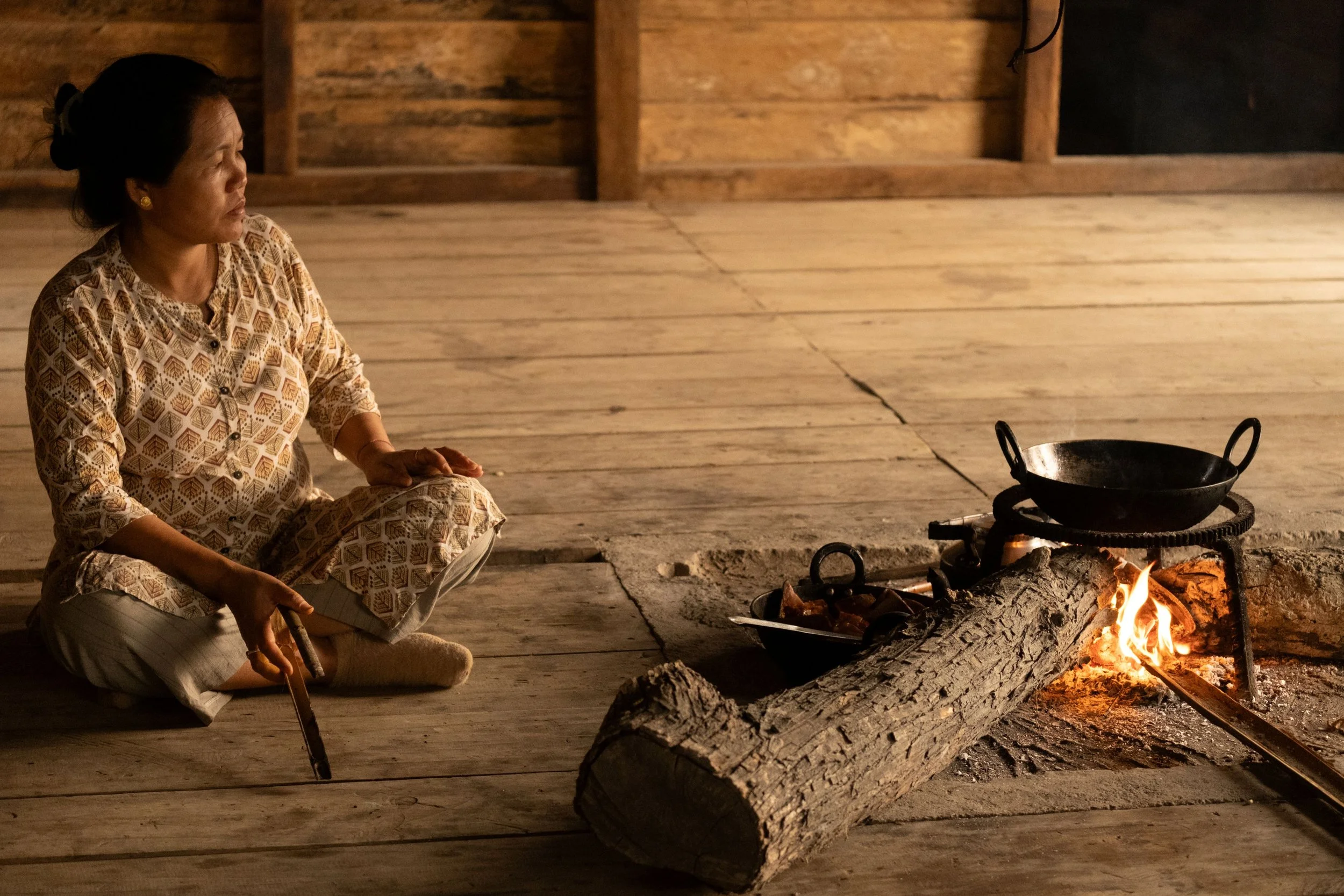
Every monsoon at my grandmother’s house in Amadalli, Karwar, brought with it a bounty of vegetables and dishes that we would wait all year to enjoy.
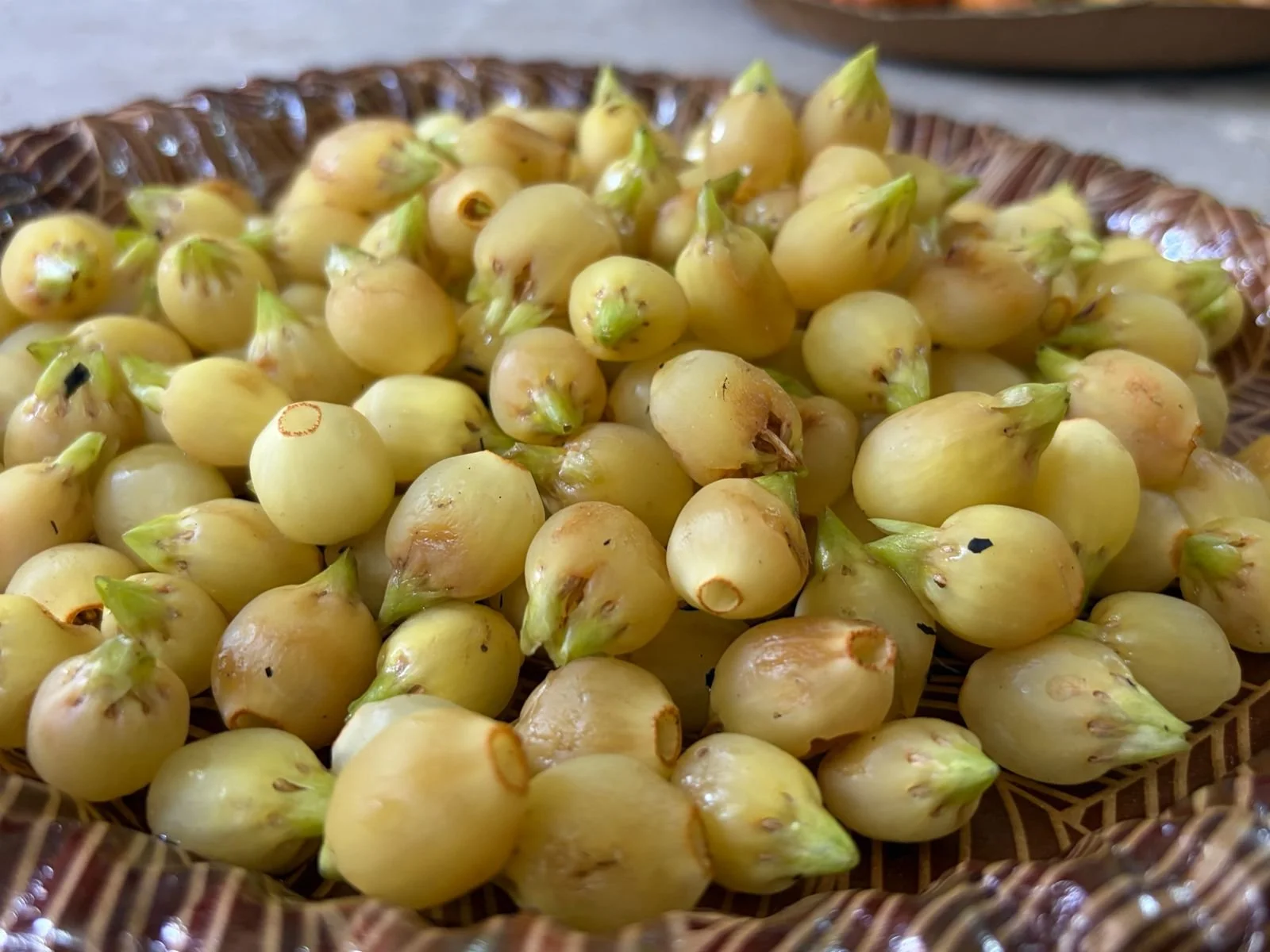
As the mango season came to an end, it made way for ripe jackfruits, neerphanas (breadfruit), gudgud aalambe (thunder mushrooms), wild mushrooms, killa (tender bamboo) and our absolute favourite, waali bhaji (Malabar spinach) all found abundantly at the markets in Karwar.
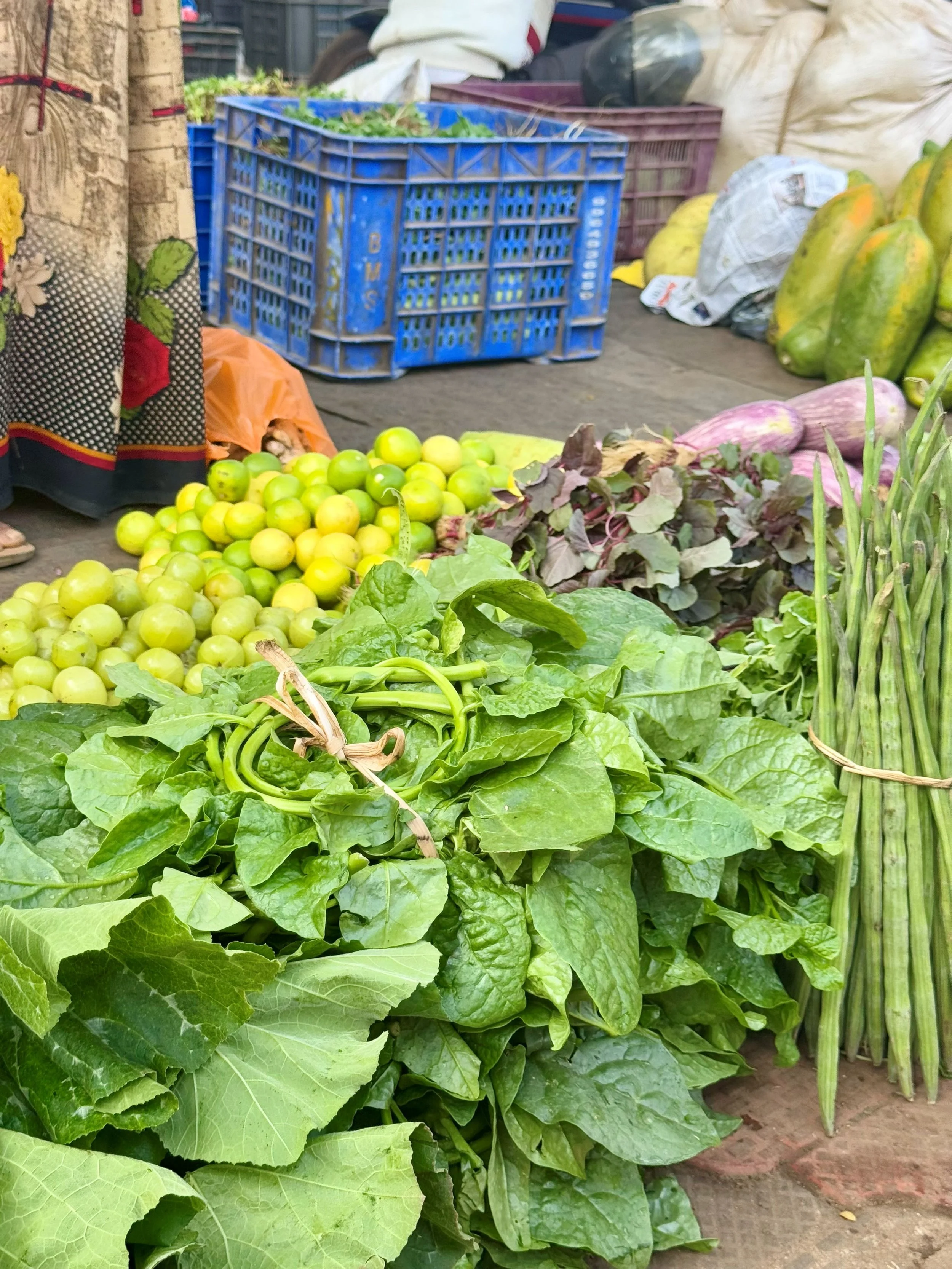
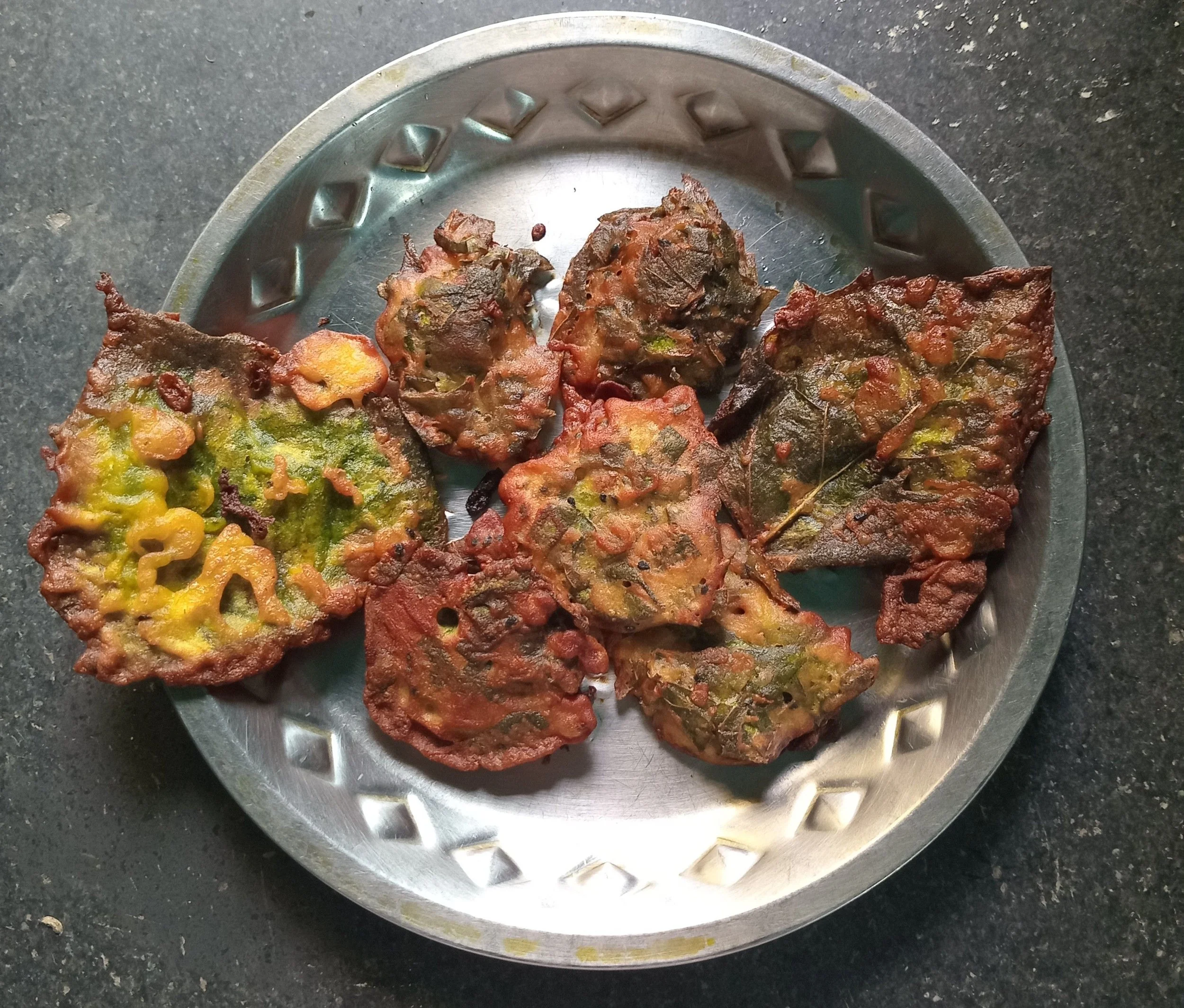
Waali bhaji grew wild all around our garden, especially in the wettest corners, giving us an endless supply of fresh leaves and tender stems through the monsoon, right at home. Being rich in vitamins and iron, it was a favourite of our mothers, who always found a way to put it on our plates in many forms — from gravies cooked with dried seafood and jackfruit seeds to simple fritters enjoyed with evening tea and kasai.
The leaves and stems would be chopped finely on an advali or adoli (traditional coconut scraper with a blade) along with onions, chillies and freshly scraped coconut. Everything would be prepared together for one of our favourite meals, usually served with hot pez (kanji) made from ukde rice.
This meal was often eaten around eleven in the morning, a few hours after breakfast and well before lunch. We never really questioned the timing. It probably came from the old farming tradition of eating something filling before heading out to work in the fields through the afternoon.
For us children, though, it felt like a treat. A bowl of steaming pez with waali bhaji, usually cooked with fresh or dried prawns, clams and a little dhonatle amli (brined baby mangoes) was pure comfort. After spending hours getting drenched in the rain, splashing through puddles and running around the garden, it was exactly what we looked forward to eating.
The meal itself was simple, but the memories around it have stayed with us for years. Even today, the taste of waali bhaji brings back images of rain soaked afternoons, muddy feet, and the warmth of my grandmother’s kitchen.
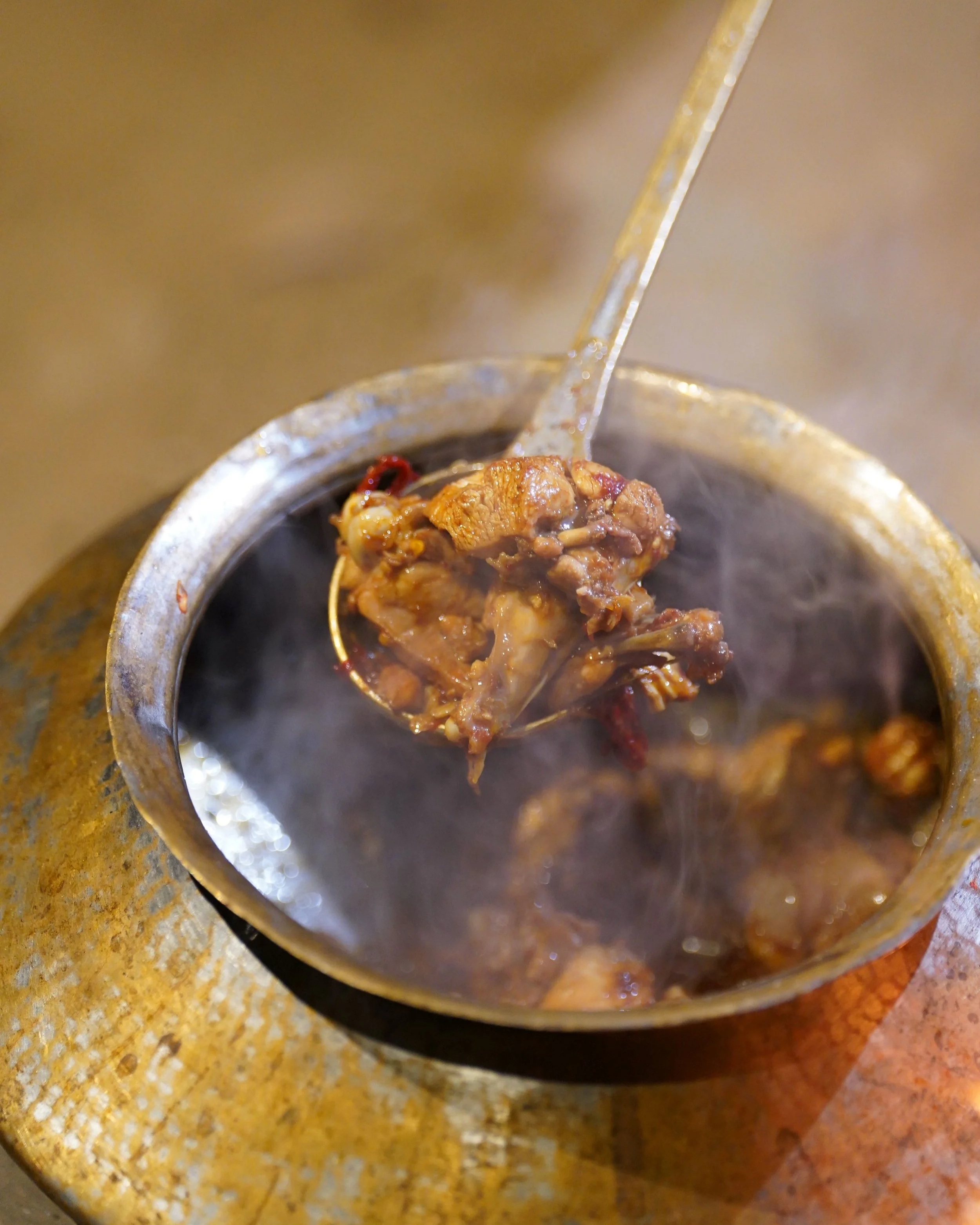
Malabar spinach is usually found during the monsoons and is eaten in most Karwari homes either on its own or with the addition of dried prawns, fresh prawns or clams. This is a simple everyday recipe that goes beautifully with hot ukde rice. It can also be made with jackfruit seeds for a vegetarian version.
RECIPE FOR SUKI SUNGTACHI WAALI BHAJI
Ingredients
¼ cup dried prawns
1 bunch Malabar spinach, finely chopped (leaves and stems)
1 onion, finely chopped
3–4 garlic cloves, crushed
1 tsp salt, or to taste
1 tsp coconut oil
For the masala:
1 cup freshly grated coconut
1 tsp raw rice
2 tsp coriander seeds
3–4 black peppercorns
2 dry red chillies
1 fresh green chilli
1 tsp turmeric powder
Method
Clean and soak the dry prawns for about 15 minutes.
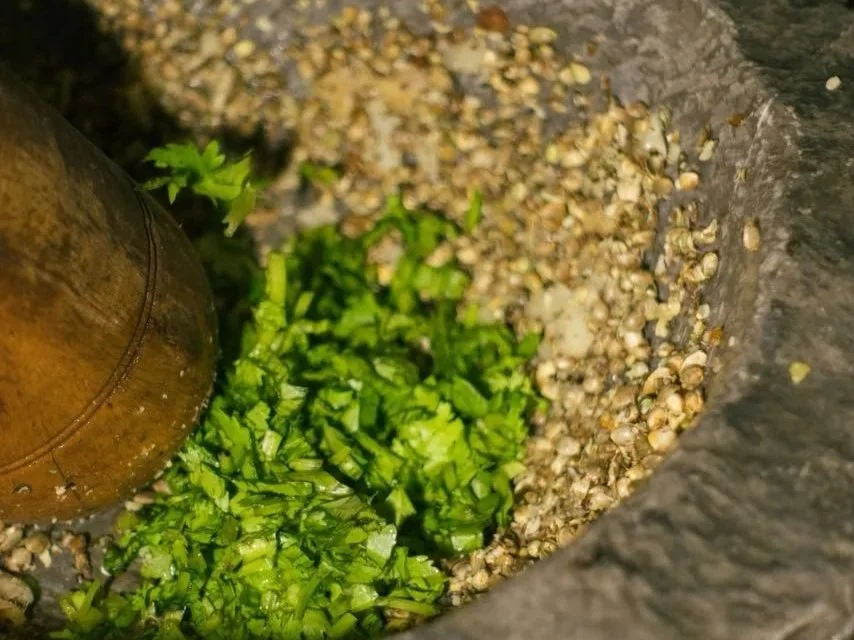
Grind the rice, coriander seeds, peppercorns, dry red chillies, green chilli and turmeric into a smooth paste with a little water. Then add the coconut and pulse it briefly so that it remains slightly coarse.
Clean and finely chop the Malabar spinach, using both the leaves and stems.
Heat the coconut oil in a deep kadai and add the onions and garlic. Sauté till the onions soften.
Add the chopped Malabar spinach and cook for a few minutes till it starts to wilt.
Now add the soaked dry prawns along with the salt and about half a cup of water. Let it cook for a few more minutes.
Add the ground masala, adding a little more water if required, and bring it to a boil.
Check the seasoning and serve hot with ukde rice or rice bhakris.
Vegetarian Version:
Pressure cook about 10-15 jackfruit seeds with a little salt and turmeric. Once cooled, peel off the skin and cut them into 1 or 2 pieces. Add the jackfruit seeds at the same stage as the dry prawns and follow the rest of the recipe as above.
Arati Naik is a restaurateur, entrepreneur and a supper club host passionate about preserving and sharing the culinary heritage of the Karwar coast.
ALSO ON GOYA