Sonam Wangchuk’s Fast Reveals that Food has Always Been Political
Why is an empty stomach is more dangerous than one filled with crumbs: Namita Krishnamurthy explores the intersection of political dissent and bodily autonomy through the metaphor of food and the use of hunger as a radical weapon challenging authoritarian control.
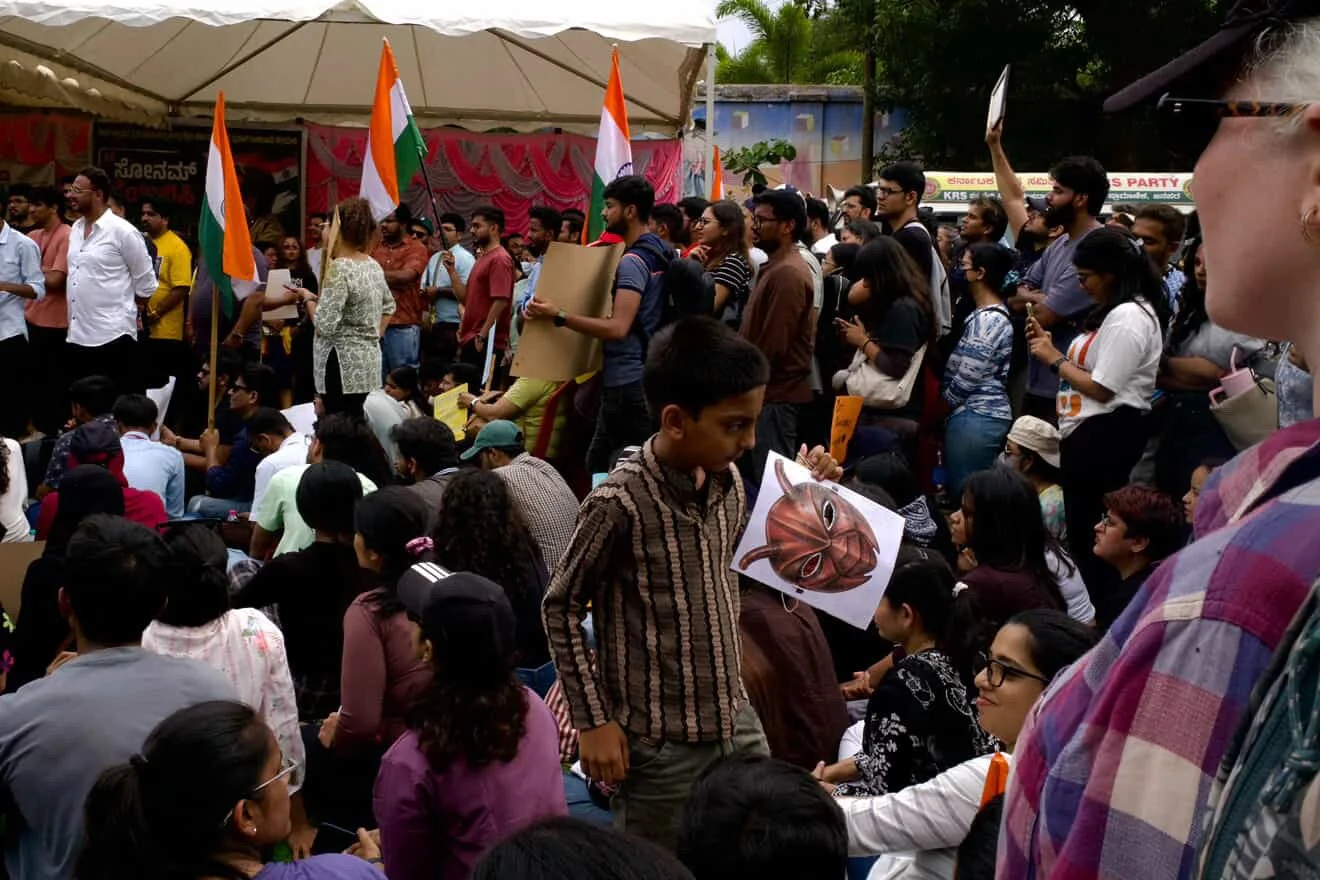
On May 15, the Chief Justice of India, Surya Kant said during an open court hearing that “parasites” were attacking the system. “There are youngsters like cockroaches” he said, who “don’t get any employment or have any place in the profession. Some of them become media, some of them become social media, RTI activists and other activists, and they start attacking everyone.” As the comment gained traction, drawing considerable ire from the younger generation, Abhijeet Dipke wrote on X, “What if all the cockroaches came together?” The following day, the ‘Cockroach Janta Party’ or the CJP was born.
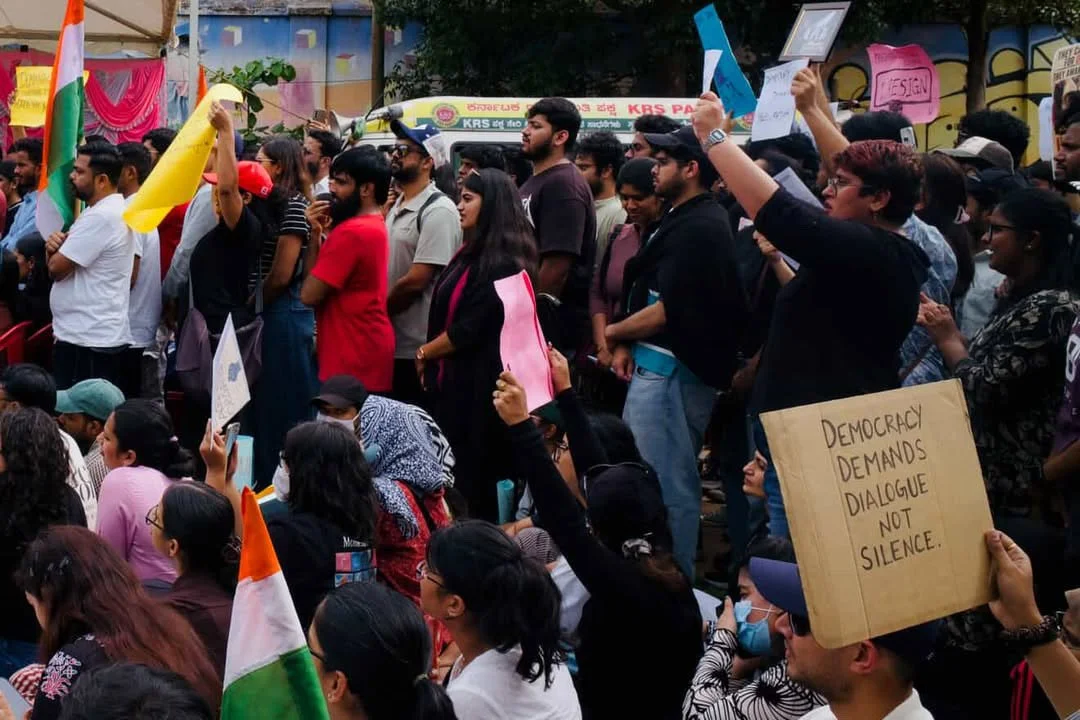
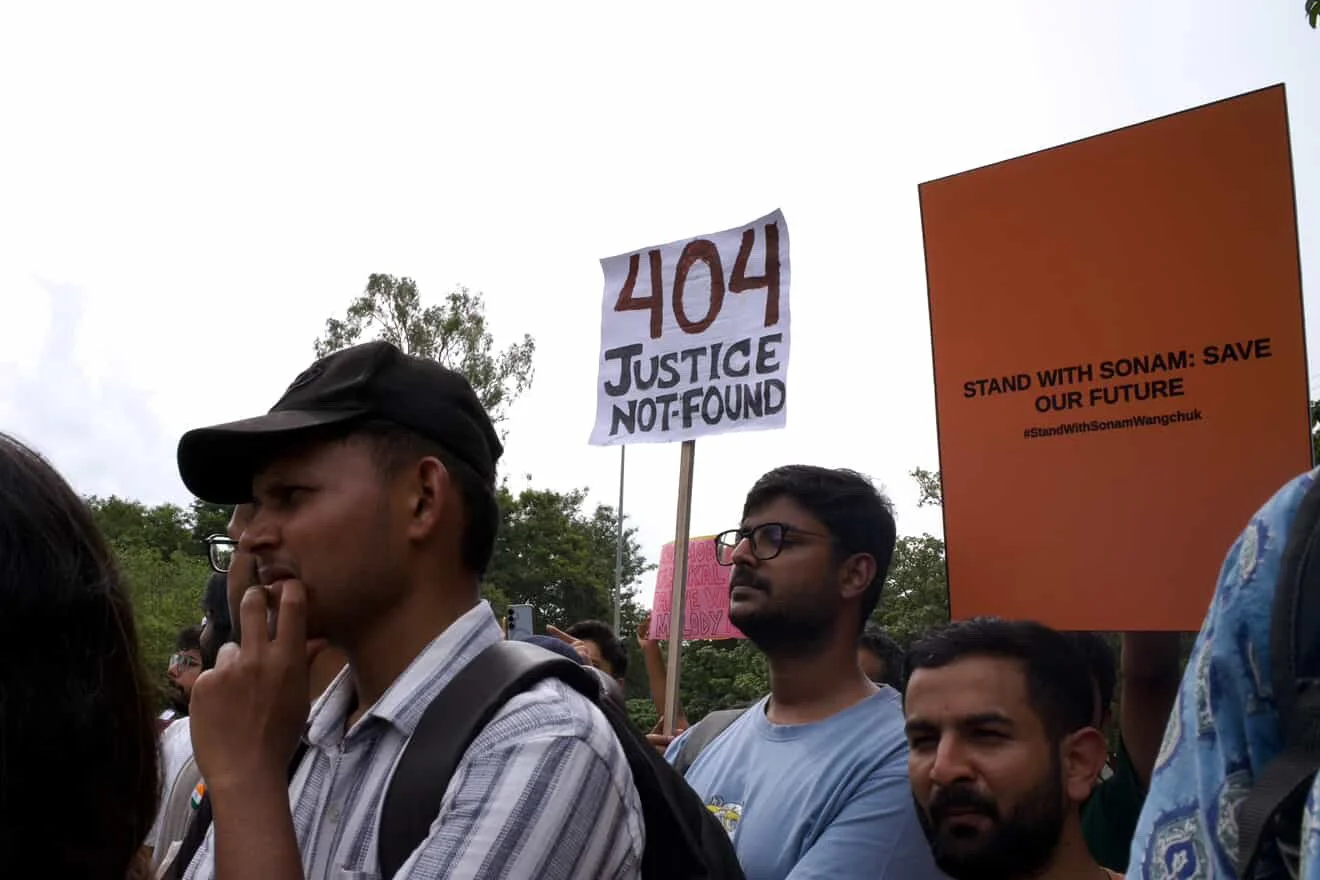
Kant's insult and Dipke’s reclamation both land with force because it draws on the most fundamentally human metaphor — food. Parasites exploit a large and healthy host. Cockroaches lurk in corners scurrying for crumbs. Both imply that a healthy system is already in place in which individual dissenters are exceptions who either exploit it, or feign for scraps. Surya Kant’s comments imagine the state as a benevolent patriarch, a provider that lays an orderly and sumptuous table; but also one which decides who gets a legitimate seat. But what does it mean when the table no longer serves us? What indeed happens if all the cockroaches who have “no place in the system” were to come together? It is no coincidence, then, that the CJP's first major act of protest is the hunger strike.
As I write this, Sonam Wangchuk, who has been demanding wider exam reforms and accountability over the NEET-UG paper leaks, has been forcibly removed from Jantar Mantar on the 20th day of his fast. After weeks of repeated ignorance from the state, he was carried by cops under the cover of a white bedsheet, shielded from onlookers and the camera. One cannot help but wonder—if the “cockroaches” were indeed scurrying for crumbs, parasites feeding on the blood of an orderly system—why does their refusal of food provoke such urgency? Why is an empty stomach more dangerous than one filled with crumbs?
The hunger strike is not alien to the Indian imagination. As a zillennial, I grew up watching Irom Sharmila’s steady physical and mental decline as she was force-fed through a nasal tube, protesting the AFSPA (Armed Forces (Special Powers) Act) in Manipur. I witnessed Anna Hazare and the AAP in their nationwide anti-corruption hunger strike while preparing for my board exams. On the DVDs I frequently rented from my local library, I rewatched The Legend of Bhagat Singh, (2002, dir. Rajkumar Santoshi) several times — it showed the Lahore Central Jail protests where prisoners fasted for over 100 days until they earned their right to books. Hunger strikes, in that sense, reinforce something deeply integral to the collective national imagination — it takes nourishment, the most basic human need, and turns this fragility into political language. It puts an empty plate before a denied citizen, and renders in visible form the social and political starvation imposed by the state (Aitchison 2021).
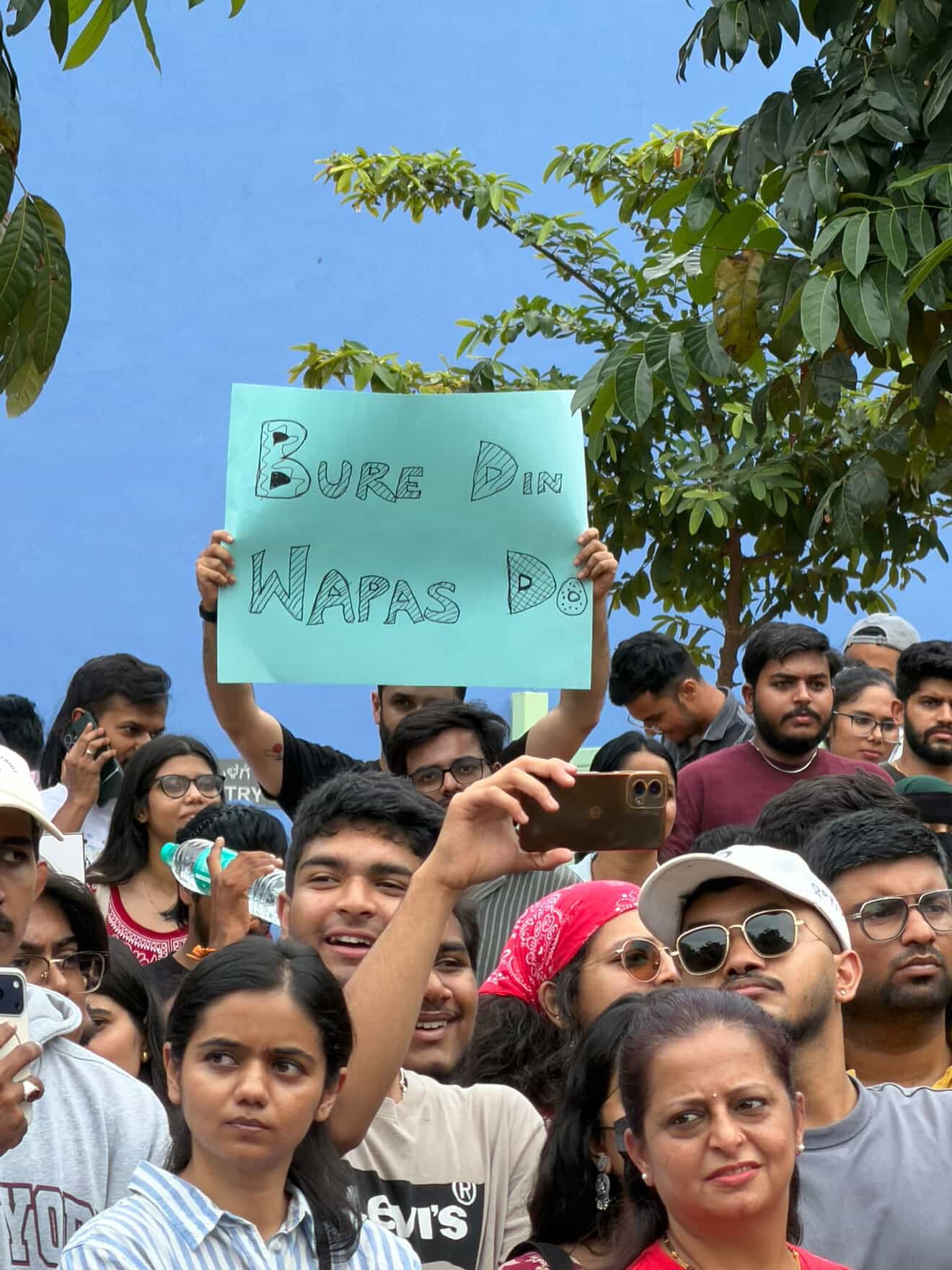
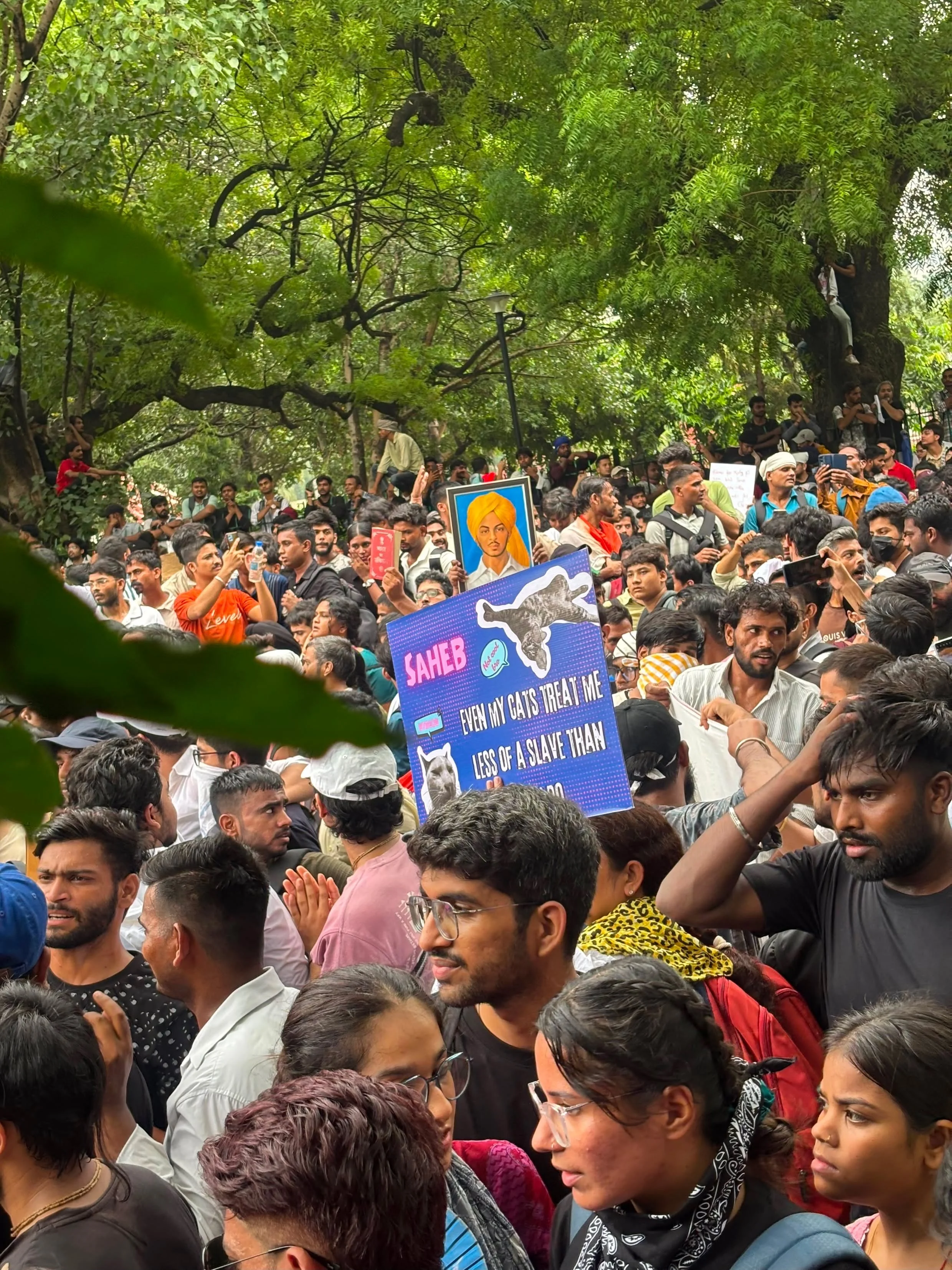
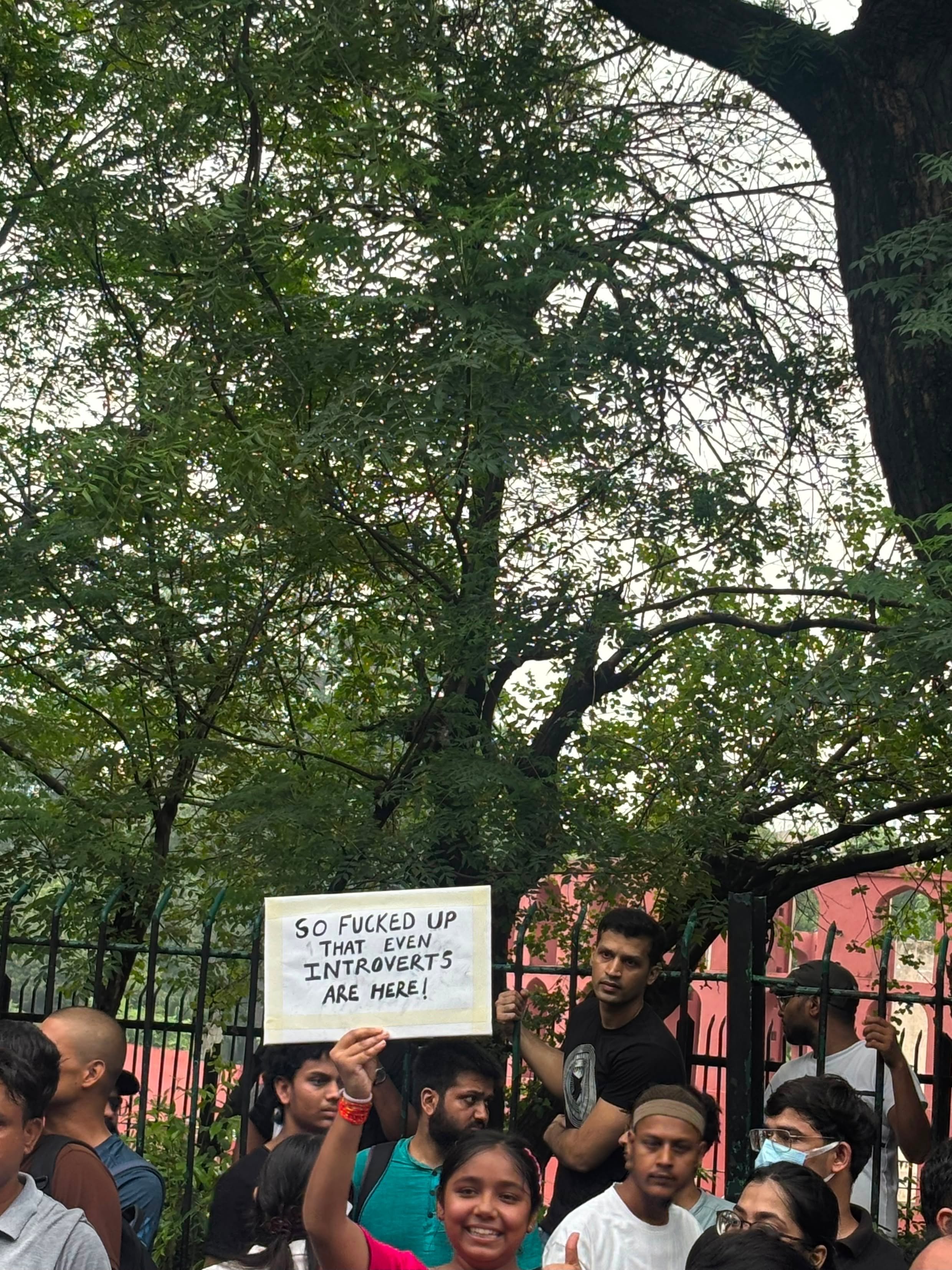
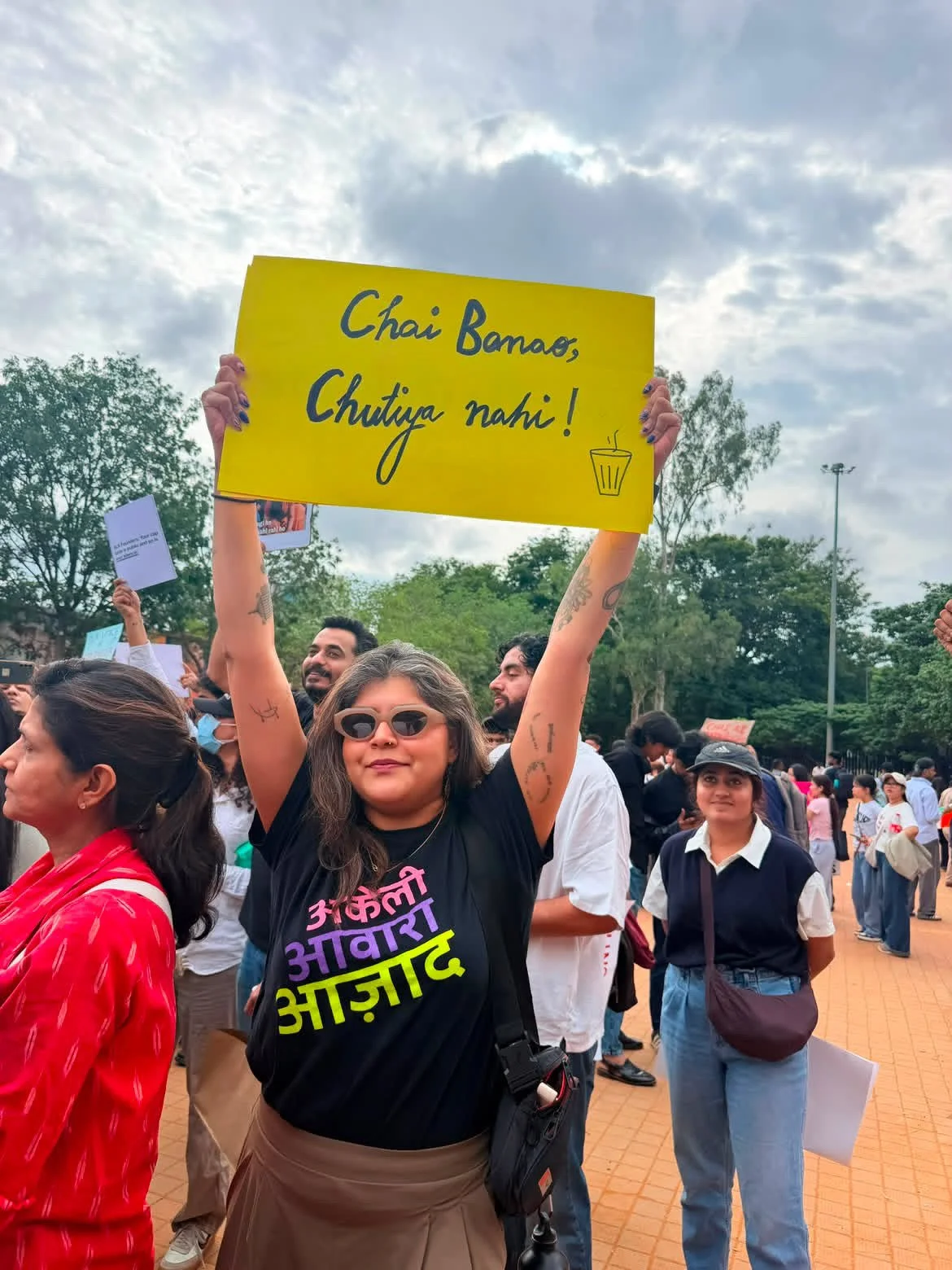
Food has always been political; and Sonam Wangchuk’s strike reminds us of this fact in the direst sense. It weaponizes food itself. A government’s job is to sustain life — through grain, subsidies, ration cards, school meals. To feed is to govern. The hunger strike disrupts this relationship. It rejects simple nourishment until recognition precedes it. Wangchuk’s fast and current hospitalization have also led several other youngsters including CJP founder Abhijeet Dipke to go on an indefinite hunger strike. Wangchuk continues to be on strike despite being removed from Jantar Mantar. Protests have erupted countrywide. The message is clear: no matter whose body, there is something truly radicalizing about an empty plate.
The reason hunger strikes are so immediately legible to the Indian imagination is because fasting already occupies a moral vocabulary in our country. In India, religious fasting, or the “giving up” of food is akin to discipline, penance, and spiritual redemption. It was through this lens that Gandhi preached civil disobedience, recording eighteen fasts during the Independence movement. Fasting is ascendent, moralistic. It is a tactic of coercion, but one that directs violence inward rather than outward. It disobeys the state but punishes one’s own body. At a time when we are preoccupied with food as abundance, community, taste, and identity, fasting provides an interesting, and perhaps even terrifying counterpoint: food is at its most political when it is absent, or in this case, deliberately kept absent. It takes the most autonomous thing a person owns — his body — and provides a physical site for all he is “starved of”.
Wangchuk’s forceful removal from the protest site and his subsequent hospitalization is the state’s way of removing this autonomy from the public gaze. Irom Sharmila’s force-feeding is a removal of this autonomy too. It is authoritarian power at its cruelest, reminding the protester and the witnessing crowd that the subaltern has no power even and especially over his own body. Though different in scale and circumstance, Israel’s deployment of mass starvation in Gaza and the Indian state’s forced removal of Sonam Wangchuk reveal a similar logic; of authoritative control over the autonomous body. Both reveal that food is not merely humanitarian; it is political. Whether a state compels nourishment or withholds it, the struggle is ultimately over who decisively has authority over it.
In “The Hunger Artist”, Kafka describes an invented spectacle of professional fasting. The hunger artist is a performer that invites large crowds from across the country, who sit from morning till night watching him in the cage. He describes suspicious night watchers who would sit outside the cage all night, waiting to see if the artist would quietly nibble at his private stash of food. They would jeer and tempt him with large breakfasts, inherently suspicious of his hunger. Kafka writes, “Nothing annoyed the artist more than these watchers; they made him miserable; they made his fast seem unendurable; sometimes he mastered his feebleness sufficiently to sing during their watch for as long as he could keep going, to show them how unjust their suspicions were. But that was of little use; they only wondered at his cleverness in being able to fill his mouth even while singing.”
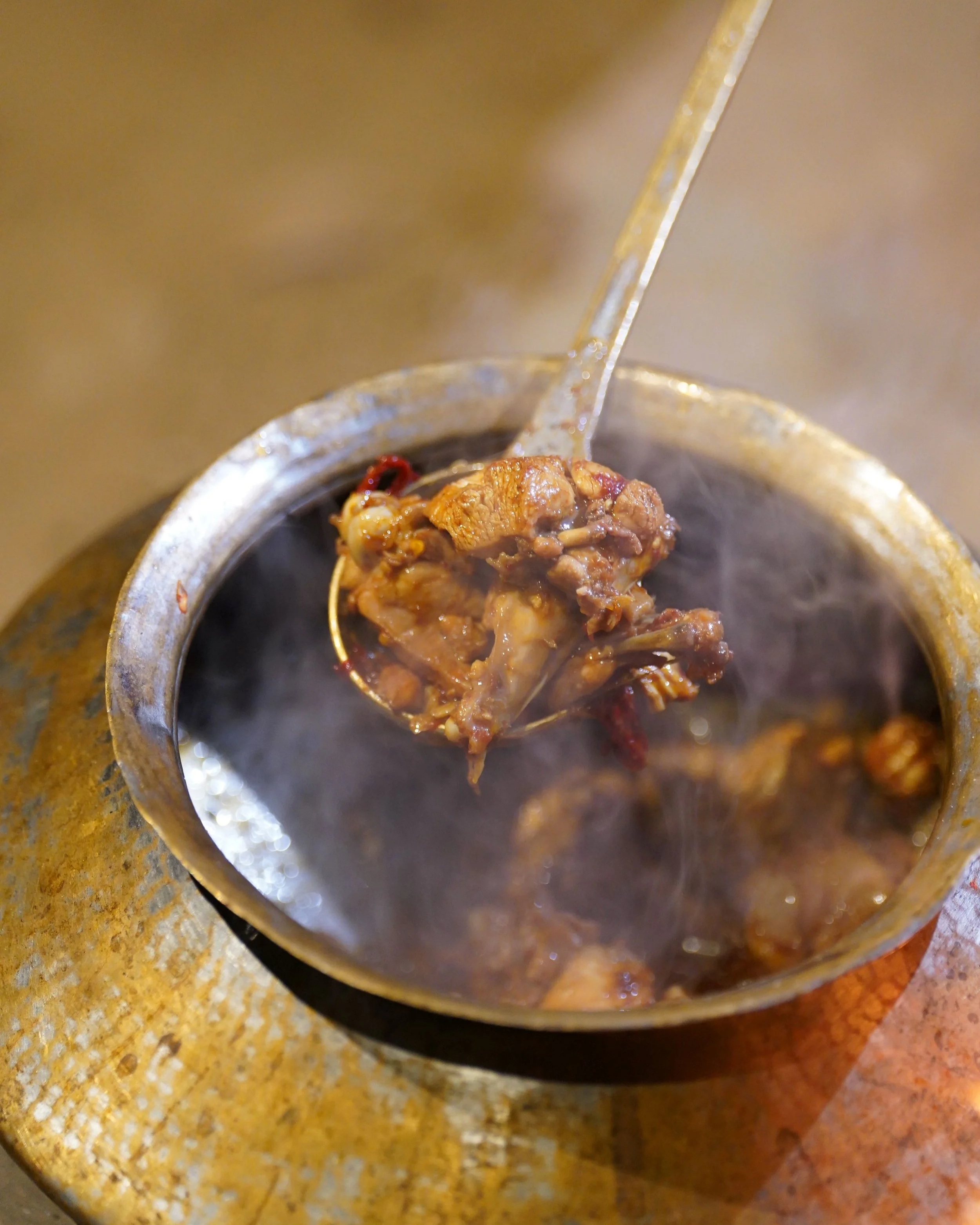
Today, when I watch videos of Sonam Wangchuk accused of smuggling chicken soup into his water bottle, it reminds me of the inherent suspicions in watching a man so admirably fight for the youth’s dignity. In response to these claims Wangchuk said on camera, “Even if I die, they will say it was for my selfish needs.” It echoes the dismissive, almost painful response the night watchers have to Kafka’s hunger artist. But the suspicion is unavoidable. One’s own hunger is certainty, but to hear about another’s is doubt. This very suspicion is perhaps the reason hunger strikes continue to unsettle us. It urges us to confront food at its most radically political; not when it is served, but when it is deliberately refused.
REFERENCES:
1. Abrahamsson S, Danyi E (2019) Becoming stronger by becoming weaker: The hunger strike as a mode of doing politics. Journal of International Relations and Development 22(4): 882-898.
2. How Delhi Police removed Sonam Wangchuk from Jantar Mantar.
3. ‘Cockroach Janta Party’: Top Indian judge’s comment sparks satire, protest.
4. Aitchison, G. (2022), Fragility as Strength: The Ethics and Politics of Hunger Strikes*. Journal of Political Philosophy, 30: 535-558. https://doi.org/10.1111/jopp.12261
5. Scarry, Elaine. The Body in Pain: Making and Unmaking of the World. Oxford University Press, 1983.
6. Kafka, Franz (1981), translated by J. A. Underwood. Franz Kafka: Stories 1904-1924. Great Britain: Macdonald & Co.; also published in 1995 by Abacus, p. 242.
7. Al-Naji, Hala (2025). The Culmination of Policy: Israel’s use of starvation in Gaza. Al-Majalla
Namita Krishnamurthy is an actor and writer from Chennai, India. Her work has appeared in Hammock India and Strange Horizons among others. She enjoys cooking, writing, and thinking about food, almost all the
time.
Images by Caroline Zeliang.
ALSO ON GOYA