Cannabis and the Taste of an Uttarakhand Kitchen
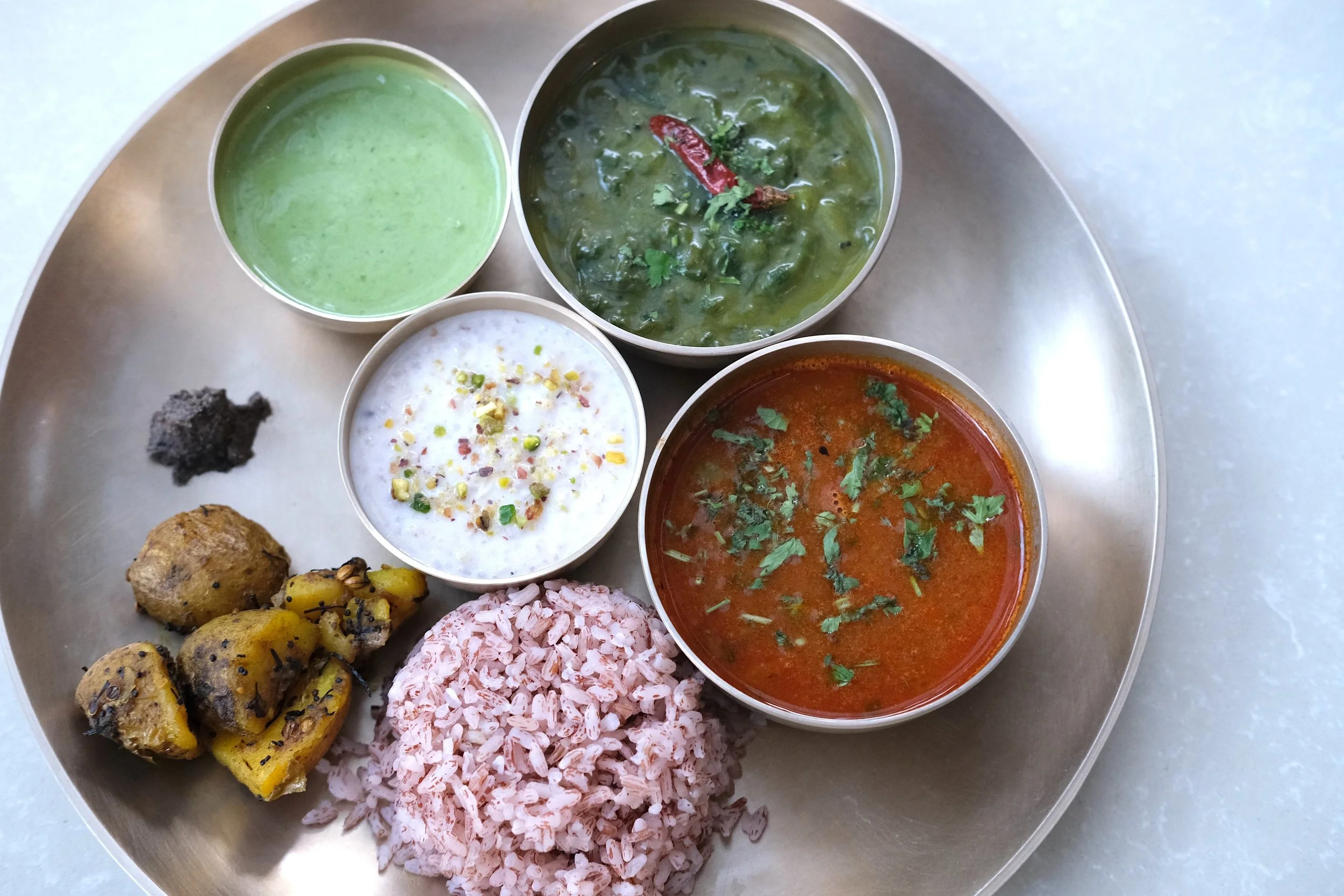
No matter the interpretation of the cannabis plant, to the people of Uttarakhand, its seed is a superfood that boosts their immunity and keeps them warm through long winters. Back in college, professing that you’ve grown up in a culture that uses cannabis liberally as an ingredient almost felt like coming out, but today, Shikha Tripathi finds herself a proud flagbearer of the flavours that she first sampled in her grandmother’s kitchen.
The grandmother I spent every winter holiday with was a tough cookie. Kamala Tripathi was the quintessential family matriarch who ruled with an iron fist. The one place that we were truly glad she reigned supreme was the kitchen. It was not only a place of immense creativity and joy, but one in which I first tasted cannabis chutney, her signature dish that sealed my love for mountain food.
The modern world has a very delicate relationship with the cannabis plant, its positives subsumed by the questionable image it has accrued over time in urban India. But with a better understanding of my own roots in Uttarakhand, what initially felt like a guilty secret spurred me on a journey of decoding Indian highland culture through that most powerful of human senses — taste.
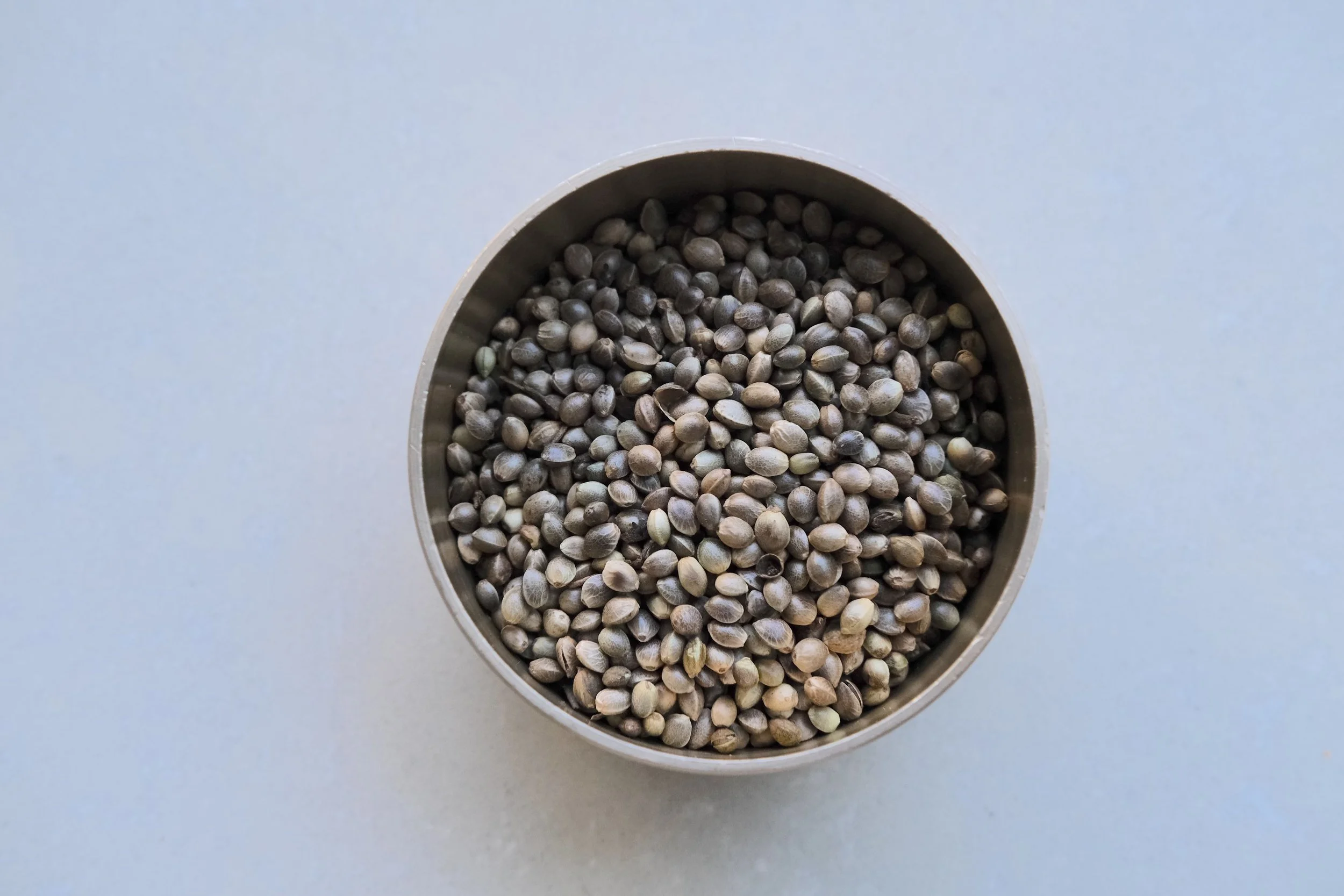
Bhaang seeds,
Recreational marijuana — which includes bhaang, an intoxicating paste of cannabis leaves and stems that is used in drinks and sweets — is different from the non-intoxicating bhaang used in this cooking. With varying amounts of tetrahydrocannabinol or THC, what we loosely call marijuana (which causes a high) is different from hemp (which is largely used for fiber and other applications) which refer to various cultivars of the same species, Cannabis Sativa. Hemp seeds, or bhang beej, are used liberally in Uttarakhand’s mountain cuisine, but are harvested from cannabis cultivars that contain negligible THC, and do not cause intoxication. Cannabis grows wild in the Kumaon region, the eastern foothills of the Himalayas where I grew up. The plant plays a star role in the local cuisine by virtue of its immense nutritional value, which also makes it an integral part of mountain kitchens.
A Glimpse into Uttarakhand Cuisine
The cuisine of Uttarakhand is an acquired taste. It was born out of the need to combat harsh climatic conditions and low nutrition levels. According to Uttarakhand-based author and cultural expert, Ashok Pande, when the British first came to the area in the 1800s, they found nothing worthwhile for nearly a decade. “There was no spice or component that could be taken from here without the knowledge of its superpower and how to extract it. The ingredients that grow in the mountains are like a Rubik’s cube — ordinary on the outside, their potential unlocked only by those who know how to solve it. It was the reason why Bishop Heber, widely considered one of the earliest tea pioneers in Kumaon, introduced tea cultivation here, but that’s another story”, he quips.
Uttarakhand’s hardy cooking always focused more on what the body needed and less on what the tongue favoured. Over time though, what emerged is a beautiful tango of the two, marrying sustenance with taste.
My grandmother’s cooking is testimony. One of the few things that was complicated to grow and which she purchased from her trusted grocer was cannabis seeds for bhaang chutney. To make up for the blasphemy of buying instead of growing it, she went the extra mile to crush the seeds by hand on a traditional grinding stone instead of using a blender. She did the same for her series of dubkas, pulverised lentils cooked in traditional herb laden gravies, and the bhaanghalis, winter preparations of cannabis milk infused vegetables. For that effort alone, her cooking stands out in my memory.
In the coming years, as more and more native people migrate to cities for better livelihood opportunities, the cuisine has remained confined to the kitchens of the depleting community of residents; the unavailability of high-altitude ingredients and traditional vessels outside of the geographical region is a major limitation to the travelling of the cuisine, and with growing migration patterns, it is bound to dissipate.
Cannabis on the Menu
One of the biggest reasons for the lack of knowledge of Uttarakhand’s cuisine is its absence in mainstream menus, including at local restaurants. The trend is changing though, with some restaurateurs bringing it back, sometimes in new avatars.
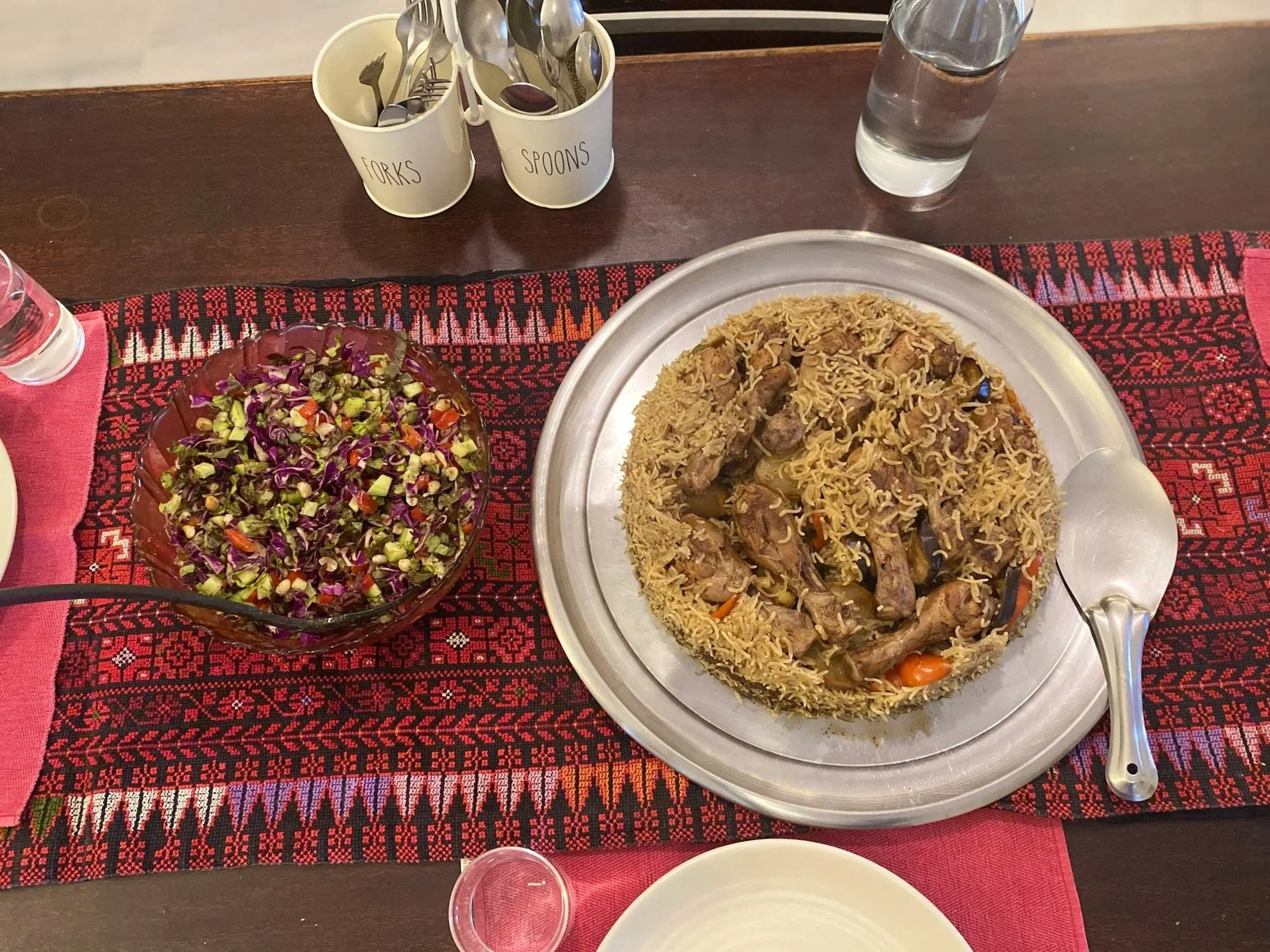
Monsoon in Dehradun is dedicated to regional dishes, and some more unfamiliar dishes. The bhaang chicken gets the popular vote, as does their thali. “Cannabis as an ingredient is definitely a big draw. It births curiosity, and leads people to dig deeper into the cuisine,” says Shruti Gupta, who co-founded Monsoon with her husband, Abhishek.
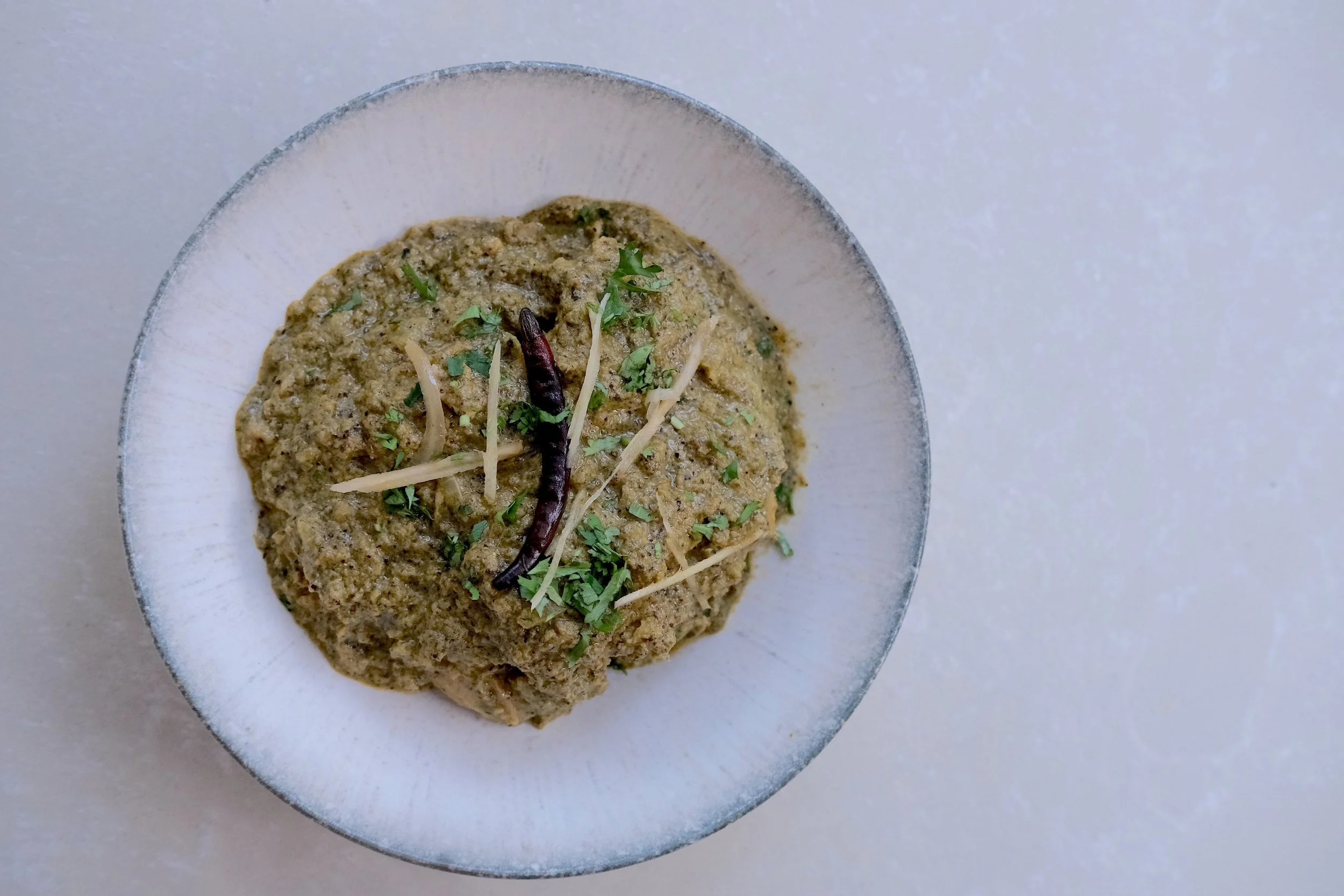
Bhaang chicken at Monsoon.
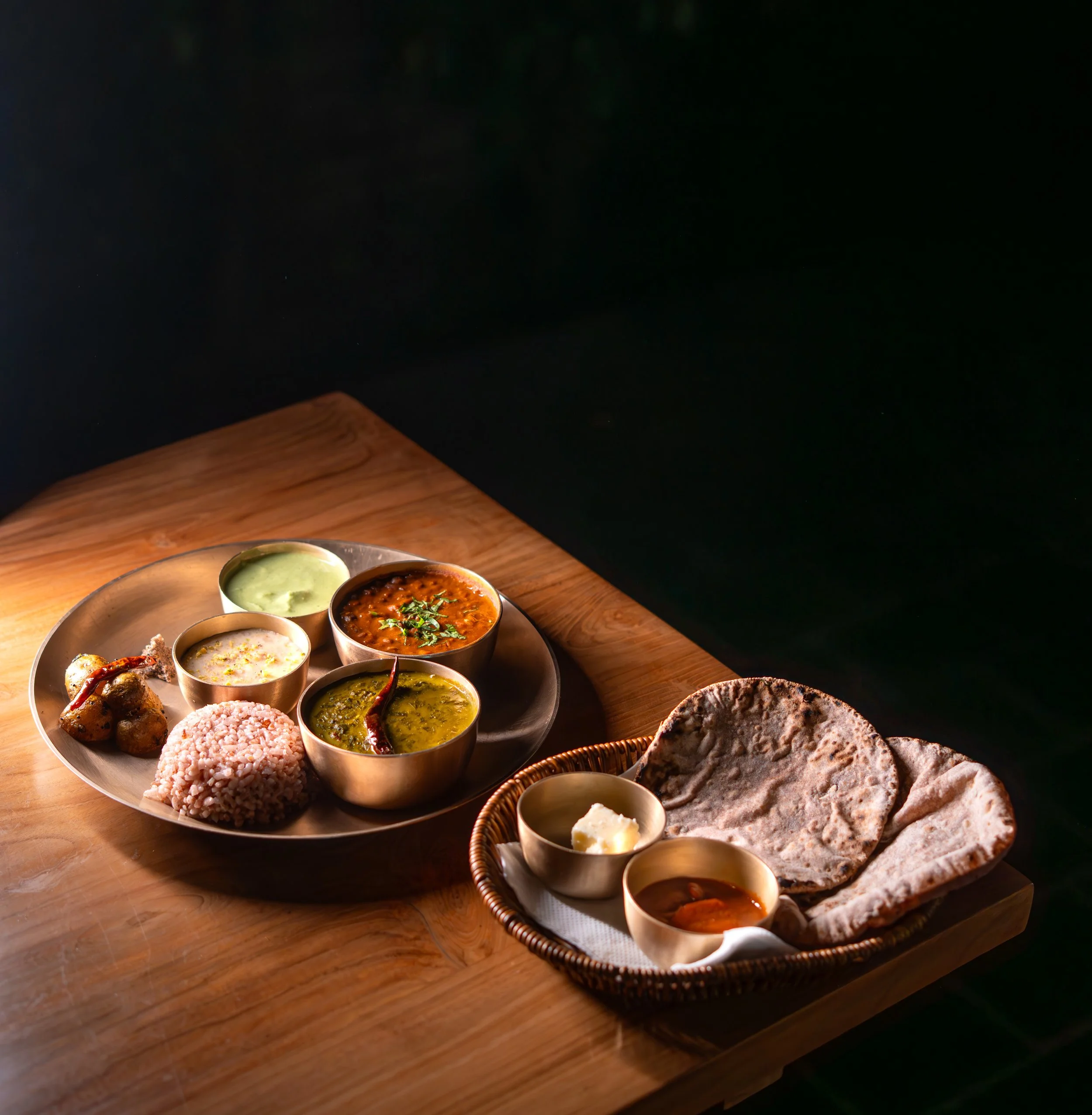
The thali at Monsoon.
Experimental joints like Metok Coffee Roastery which specialises in Himalayan coffees also pays homage to the cannabis, serving it as a condiment in its fusion foods menu, pairing it with sandwiches and even dosas. Abhay Khatri, an architect whose foray into coffee led him to co-founding Metok, focuses on these mountain ingredients in a bid to be as origin-specific as possible.
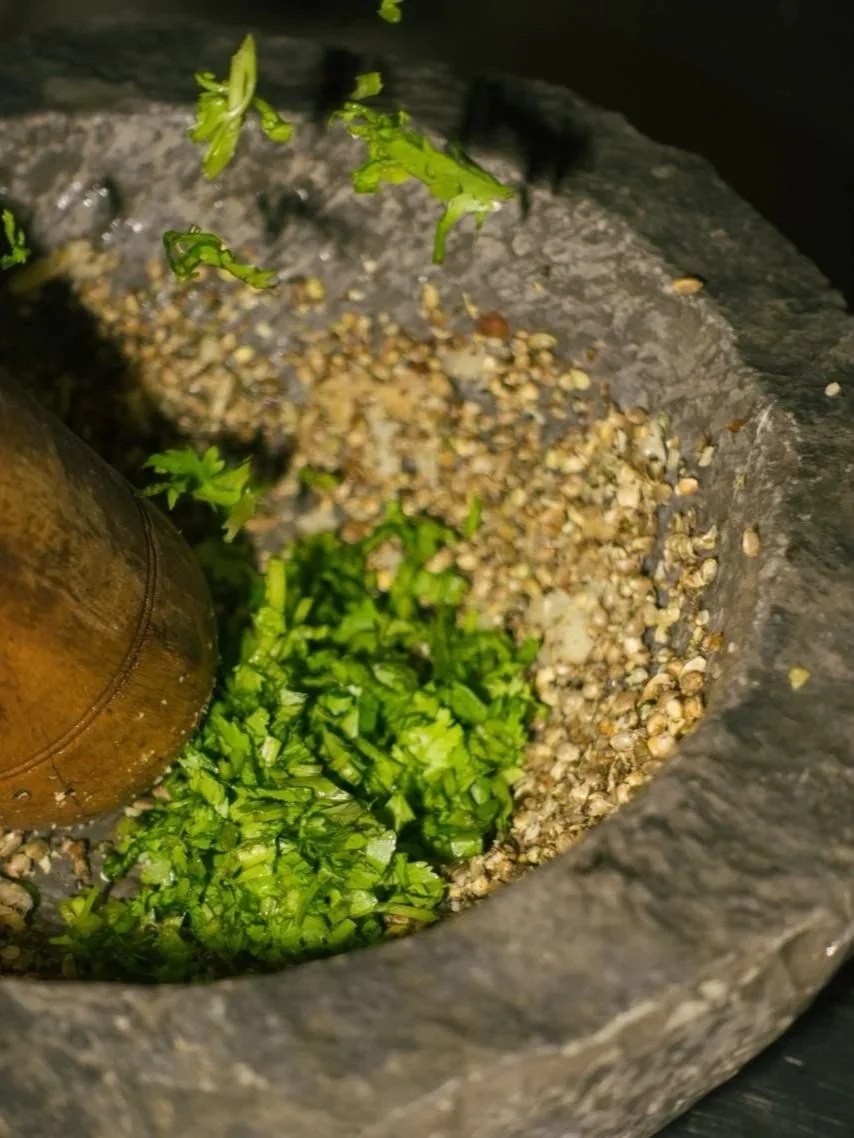
Bhaan chutney in the making at Metok.
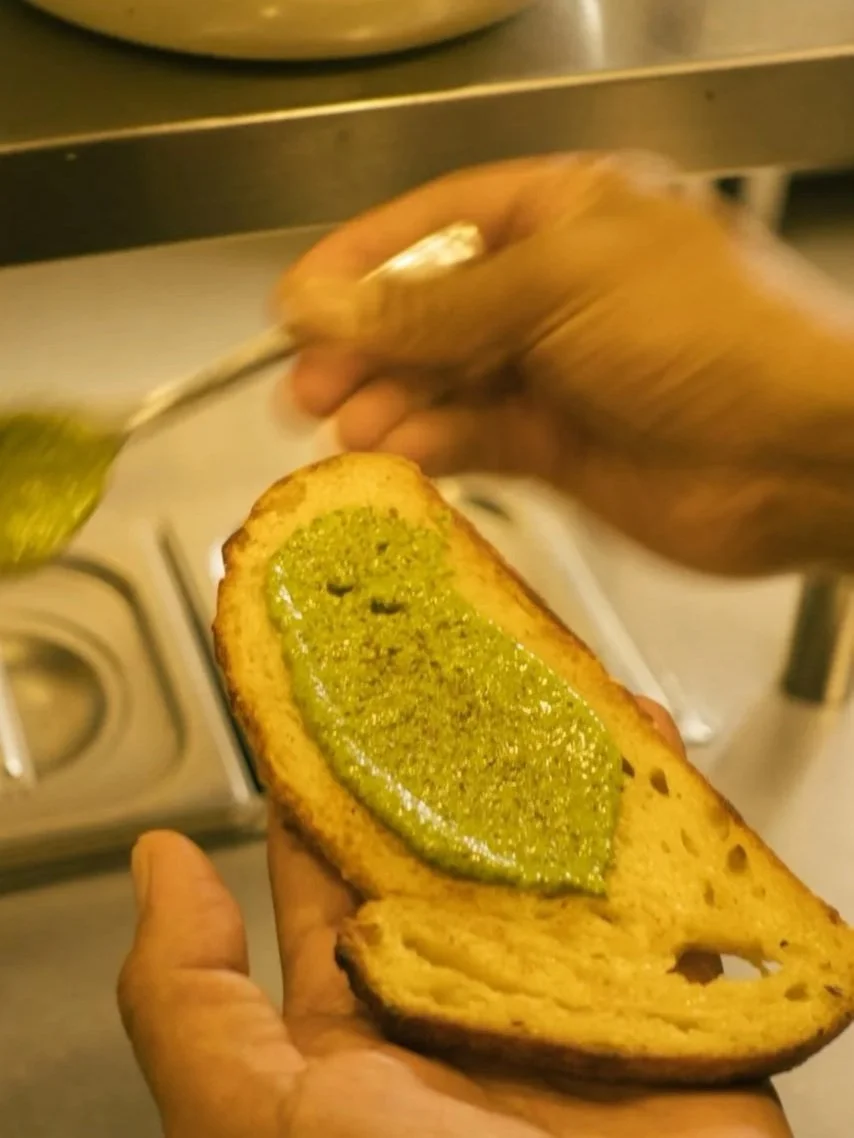
Bhaang chutney on sourdough at Metok.
Hills-e-Ishq, a blink-and-you-miss-it eatery in the tranquil Jabarket extension of Mussoorie, is the underdog with its (seasonal) cannabis ice cream. “The idea was to create dishes for people living here as much as for travellers, because we may not want to eat traditional food all the time”, says Ashu Jain who grew up eating Garhwali food and decided to start a cafe that balanced tradition with innovation. Their nettle kebabs are a huge hit, pivoting from the nettle leaves vegetable or bicchu booti saag which traditionally was a prominent source of iron for hill women prone to anaemia. Jain also makes and sells small batches of her famous bhaang chutney.
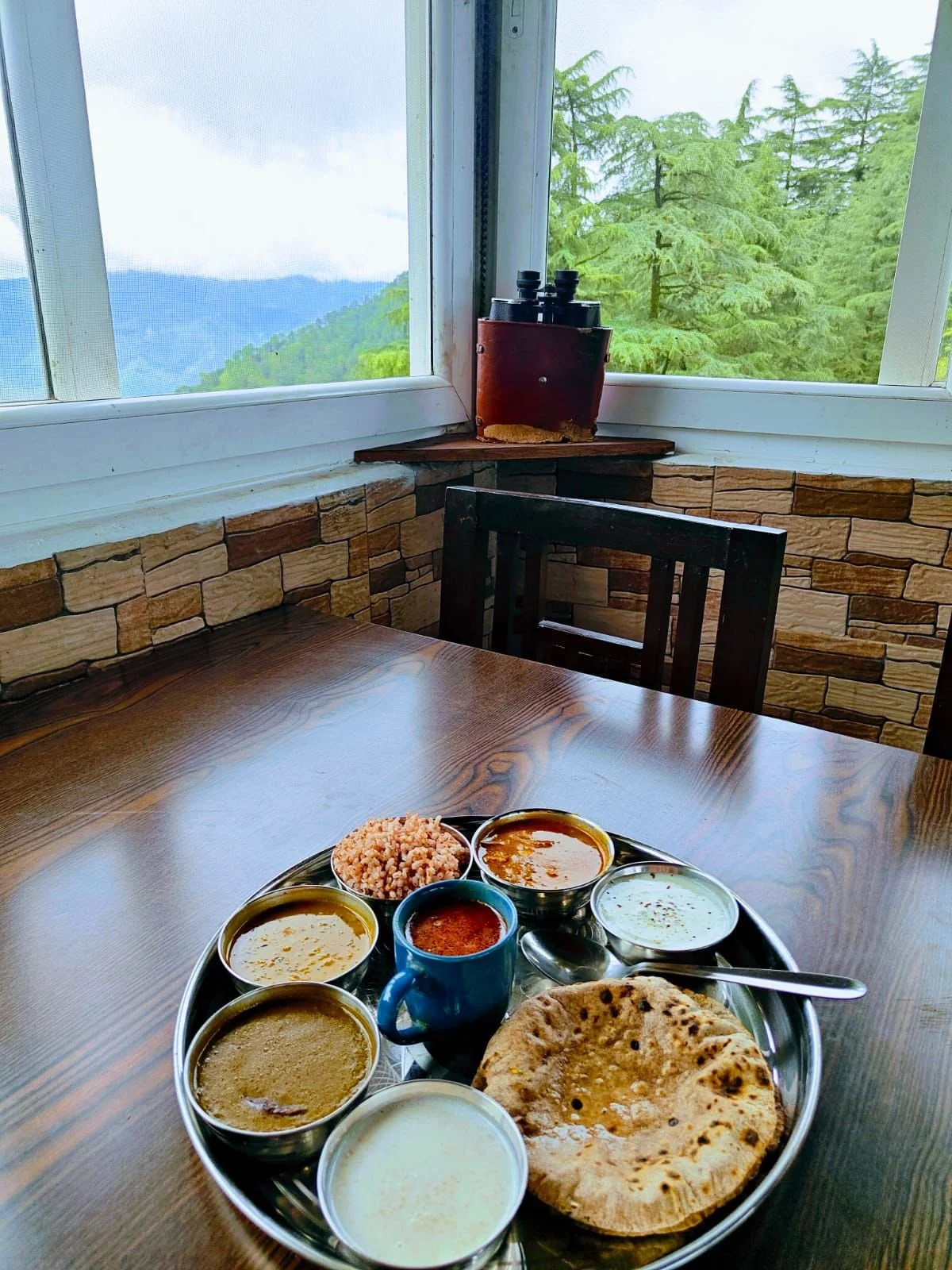
Thali at Hills-e-Ishq.
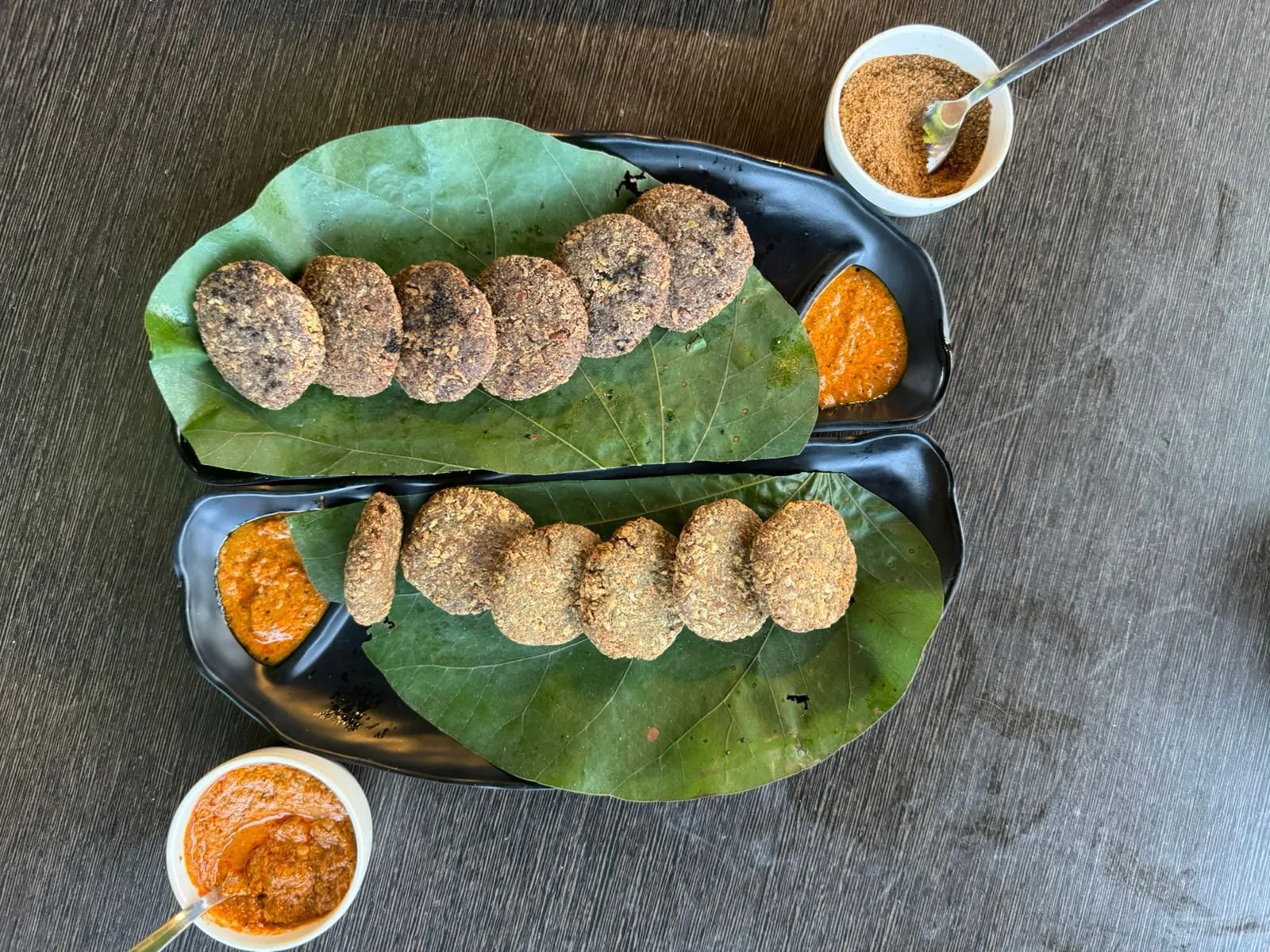
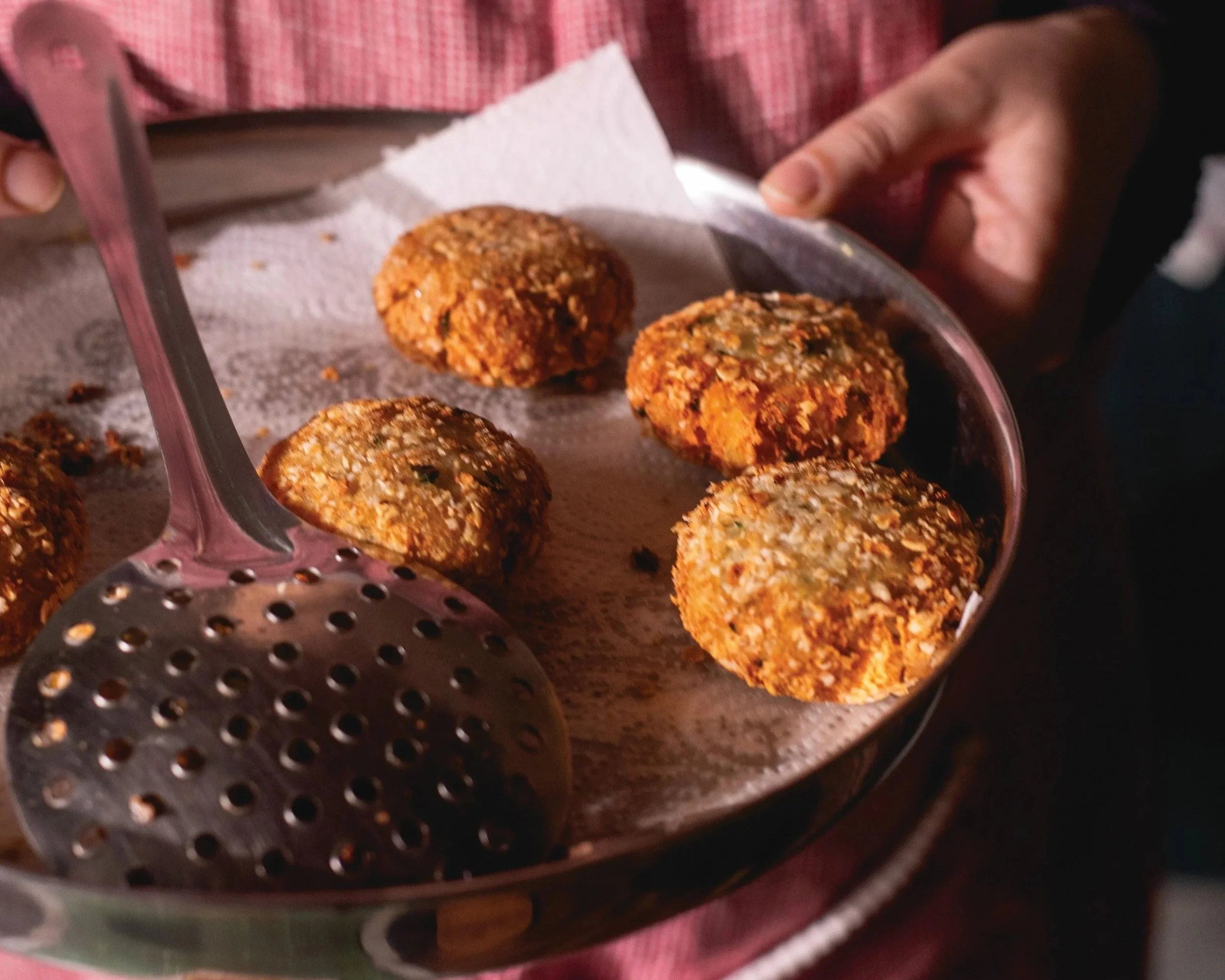
Nettle Kebabs at Hills-e-Ishq.
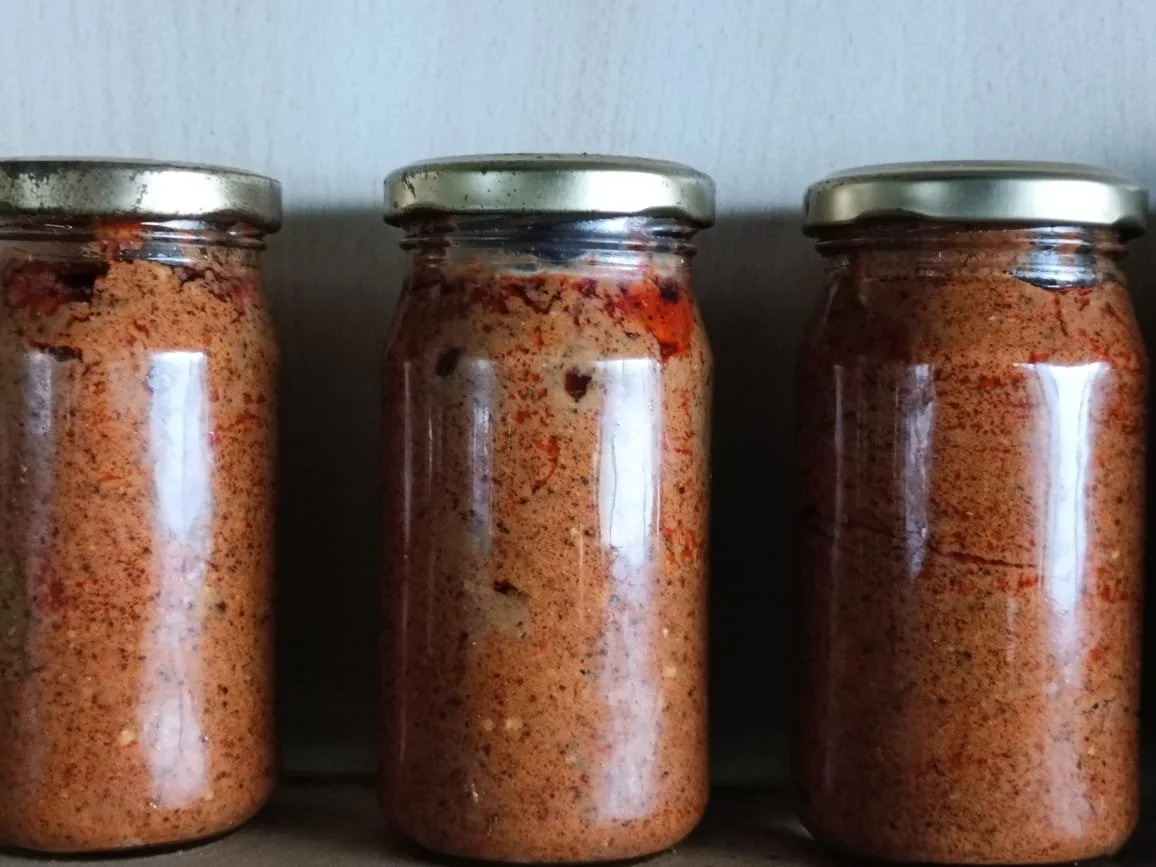
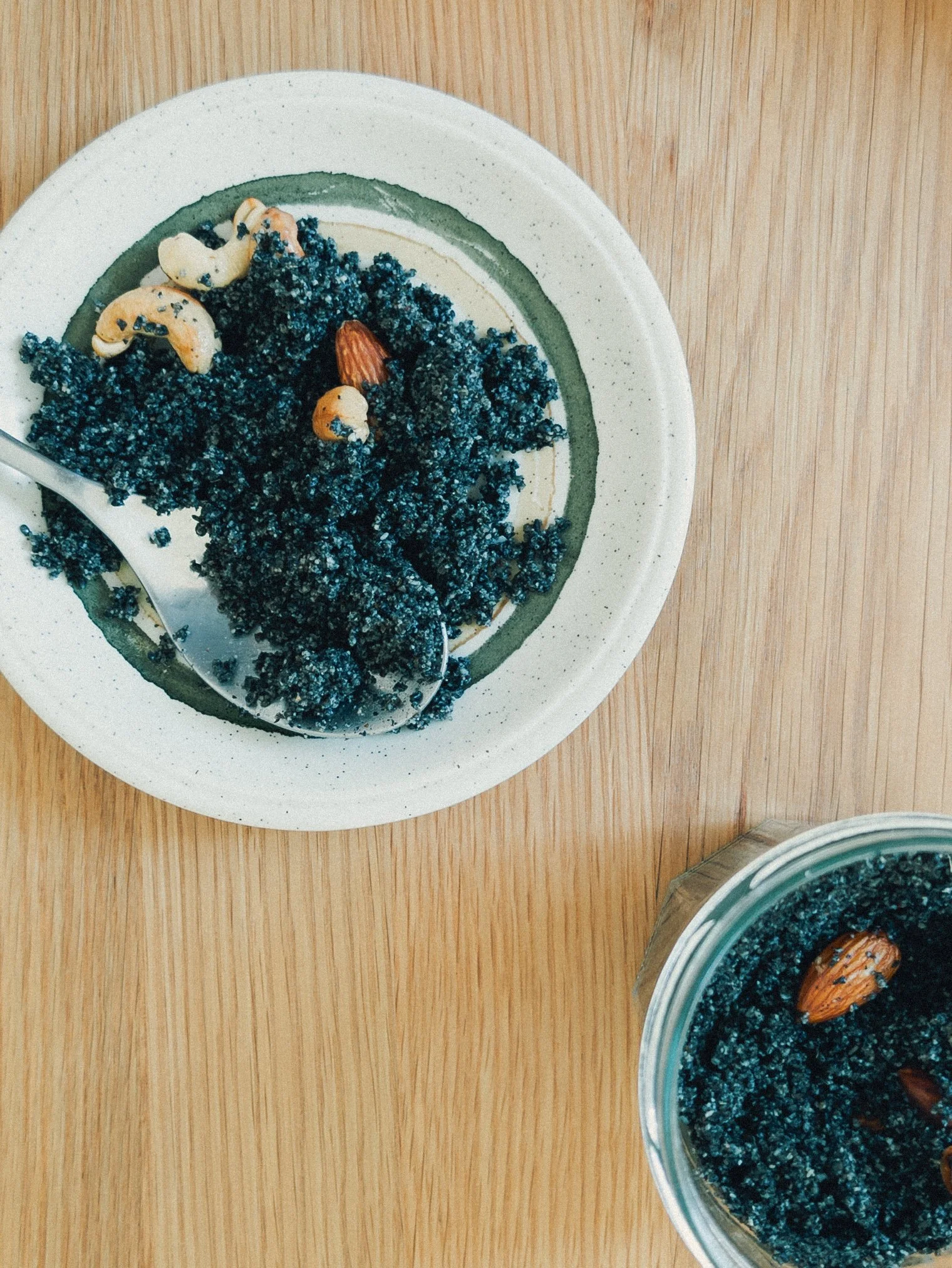
Bhaang chutney at Hills-e-Ishq.
Central to these mountain flavours and its explosion in the culinary scene is the cannabis seed, which by virtue of being controversial, first sparked interest in the cuisine of Uttarakhand outside the state
Abha Godiyal Kakar, popular online as Insta Aunty, calls herself ‘a vintage store of pahadi cooking and stories’. According to her, cannabis is one of the region’s most dynamic ingredients. “It takes the flavour of a dish to another level. Few know that it can even be roasted and had as a simple snack; it is an energy powerhouse. Other than the classic bhaang chutney, I use the seeds to marinate some of my preparations, including fish.”
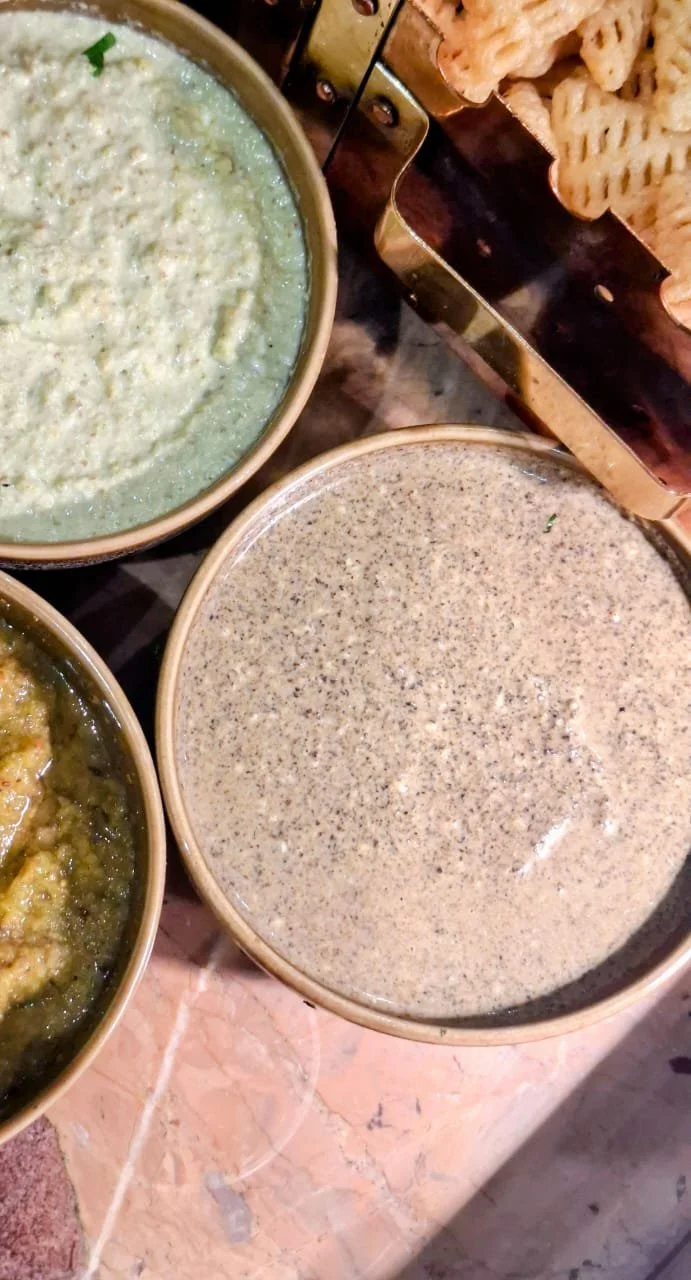
Bhang chutney by Chef Yojna.
Travellers may have tasted the quintessential chutney at certain hotspots, but some dishes remain off the menu and are a reward for those who are privy to the home kitchens of Uttarakhand: the cannabis infused bhaanghali vegetables, the winter favourite neembu saan (hill lime dunked in spiced yoghurt mixed with crunchy cannabis seeds), or the dry chutney dumcha.
My favourite is the meetha bhang kaddu or sweet cannabis pumpkin, a Shivratri special. The sweet and sour preparation of ripe, yellow hill pumpkin cooked with cannabis seeds, spices and jaggery is an homage to the Hindu god Shiva’s fondness for cannabis. My grandmother always paired it with millet pancakes to form a delicious, tangy and healthy combination.
Home chefs like Dehradun’s Yojna Khanduri Chaudhary aka The Himalayan Rasoiya bring the taste of their childhood to the world via home dinners, workshops and pop ups, serving the meetha bhang kaddu among other rarities. “Every ingredient has a story behind it, and more than just serving a dish, I want the story behind that flavour to reach people,” she says.
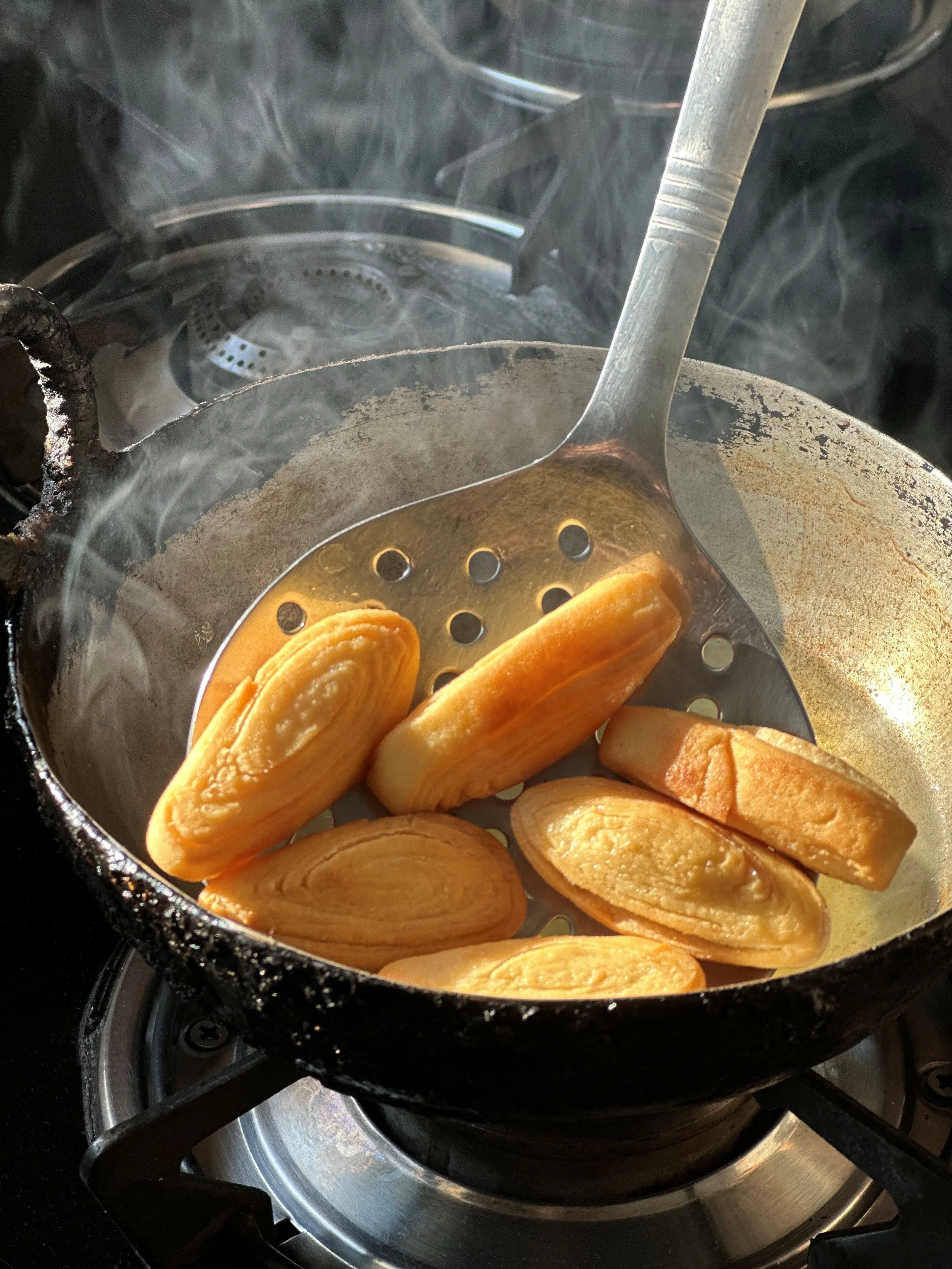
Nearly all dishes that originate here have piggybacked on the popularity of bhaang chutney. Despite having many of them on my list of favourites too, the ones featuring bhaang beej stand out for me as well. Apart from her fantastic puas, semolina fritters that my grandmother made with perfection without using a measuring cup, I would look forward to the tangy, granular, cannabis condiment she made, so unique to the mountain culture of Uttarakhand. Sitting in the winter sun, savouring the remnants of bhaang chutney off my lunch plate while Kamala Tripathi sized up her garden making mental notes, is how I remember her.
Shikha Tripathi is a travel writer with an added interest in all things mountain, from climate change and sustainability to culture and food. Born and brought up in the Himalayas, Shikha is a guidebook author who also runs her outdoor venture Snowfox Escapes.
ALSO ON GOYA