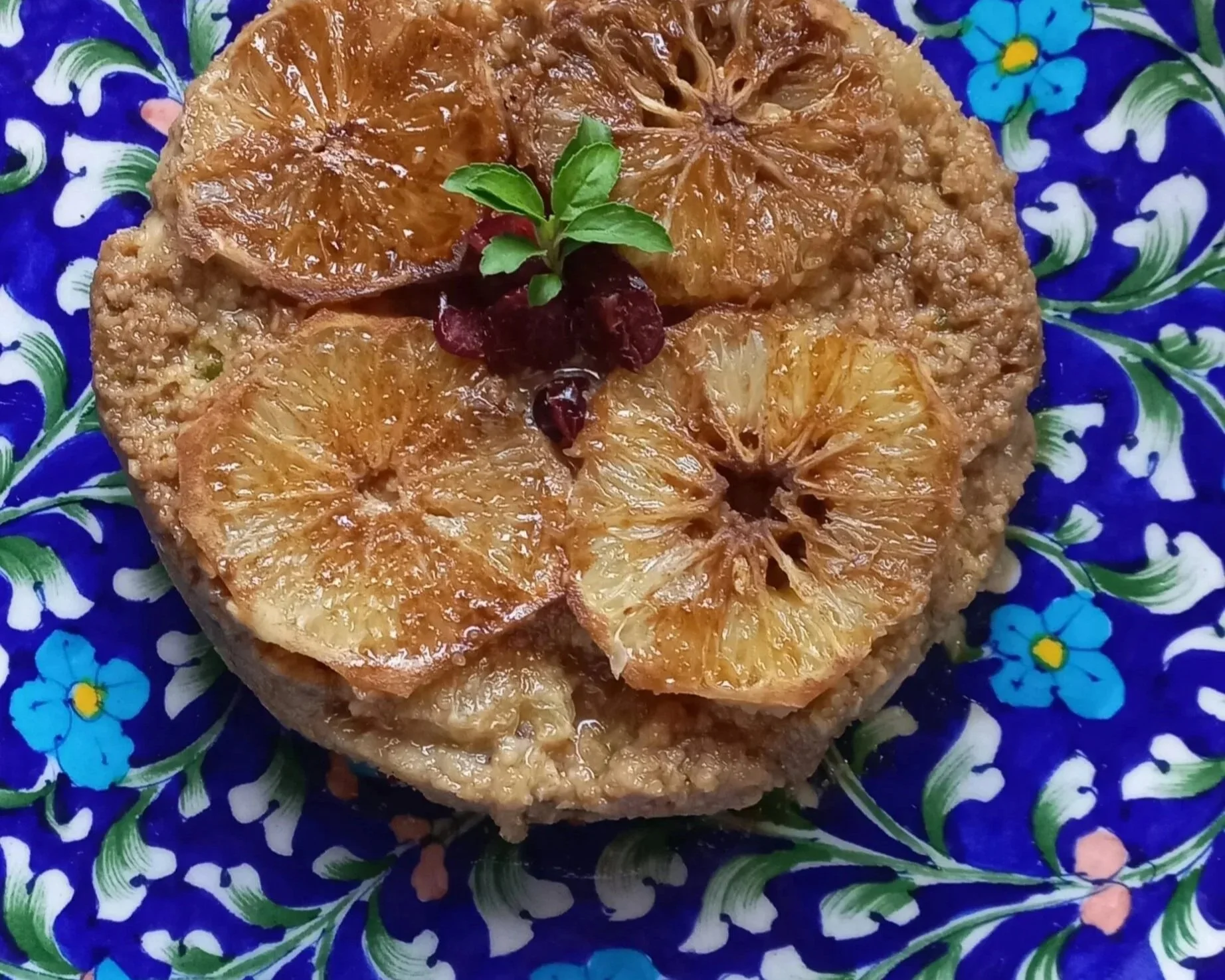
Floral Feasts of Sikkim and Darjeeling

Edible flowers have been an important part of Indian cuisine. In the eastern Himalayas, across Sikkim and Darjeeling, a variety of edible flowers — both flowers and inflorescences — are used in traditional cooking. Kesang Bhutia unwraps that boquet.
When you hear edible flowers, what do you think of? Maybe a warm cup of chamomile, the deep blue of butterfly-pea tea, a tangy hibiscus drink, or saffron threads turning kheer orange. If you look it up online, you’ll find nasturtiums and violas on salads, rose petals in candy, and whole flowers frozen in decorative ice cubes.
In fact, Indian cuisine has always used edible flowers to enhance taste and flavour. For instance, saffron (Crocus sativus) lends kheer its delightful colour and aroma, while my father’s favourite, kewra (pandanus flower extract) adds a luscious touch to mutton curry when he’s in the mood to make it. Rose extract (gulab jal) is not only popular as a beauty product but also finds its way into dishes like kheer, biryani, sweets, and even paan, where it is known as gulkand.
Indian cuisine has many tasty dishes that use flowers as ingredients — pumpkin flower pakoras and banana flower chutney. My personal favourite is stir-fried banana flowers, which I enjoyed during my MSc. years in Kolkata. The mere recollection sets my mouth watering. Moringa flowers are also cooked as sabzis, fritters, and even tea, making for healthy and flavourful meals.
Edible flowers in Eastern Himalayas
I have always loved flowers, perhaps because of my mother. Even after a long day, she always found time for her garden. I remember her mixing soil in the dark holding a torch between her teeth. As a child, I thought flowers were only for admiring, not for eating. After finding out that some of her bitter dishes were made from flowers, I have not looked at them the same way.
In my region, a variety of edible flowers — both flowers and inflorescences — are used in traditional cooking. In the eastern Himalayas, across Sikkim and Darjeeling, one popular dish is sisnu ko phool ko dal, a broth made from the flowers of stinging nettle (Urtica dioica), a native plant known locally as sisnu. Sisnu jhol can be prepared with just the leaves, a mix of leaves and flowers, or solely the flowers. When using only flowers, the delicate, greenish-brown drooping spikes are harvested, dusted with flour to coax out any insects, and then rinsed gently over a sieve. They are then simmered in mustard oil with salt, ginger, garlic, and onion. This grainy vegetarian broth is comforting and flavourful. Sometimes, the nettle flowers are simmered in beef broth with meat to create a heartier soup, which is ideal for colder months.
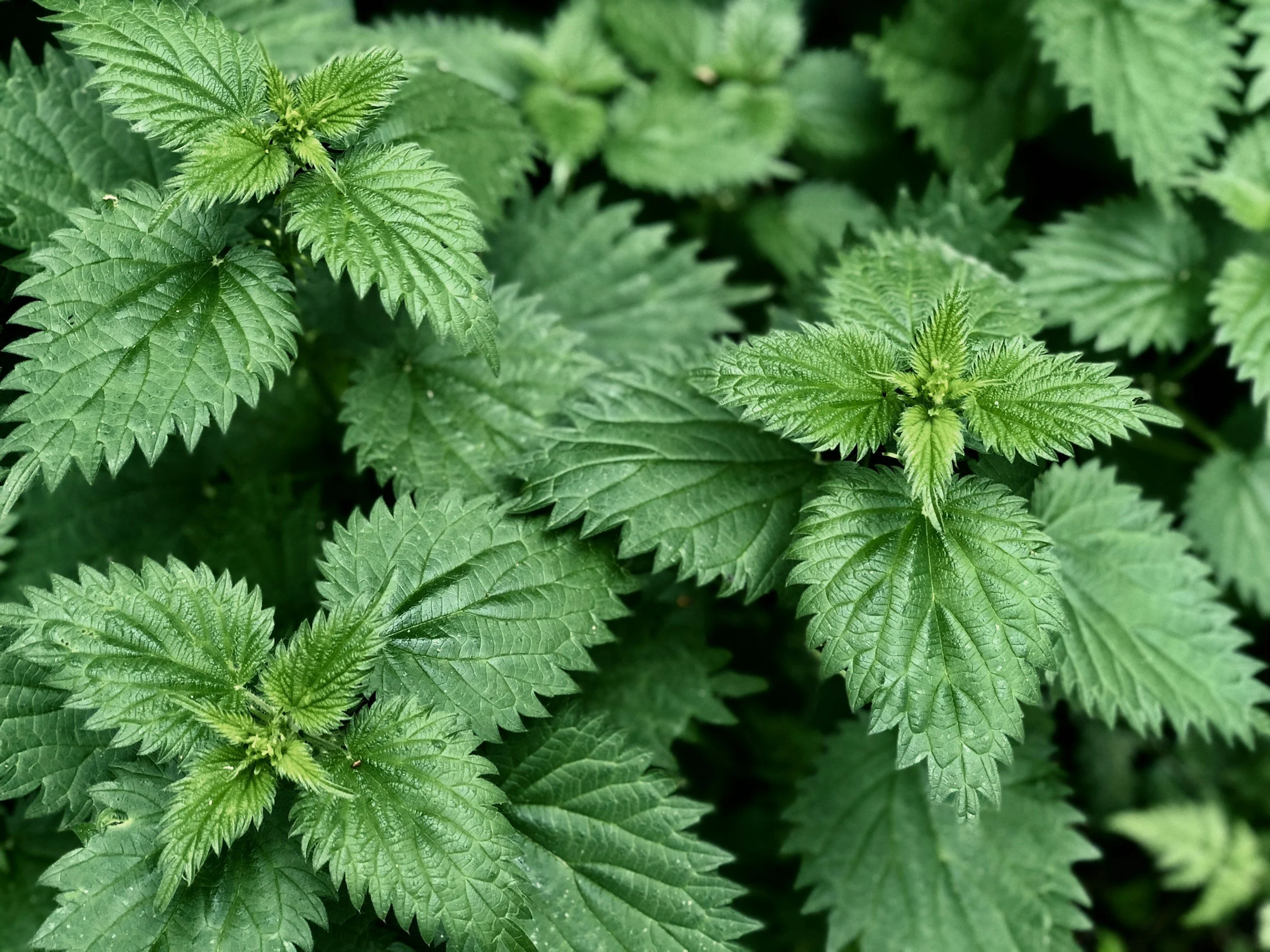
Stinging nettle or sisnu. Stock image.
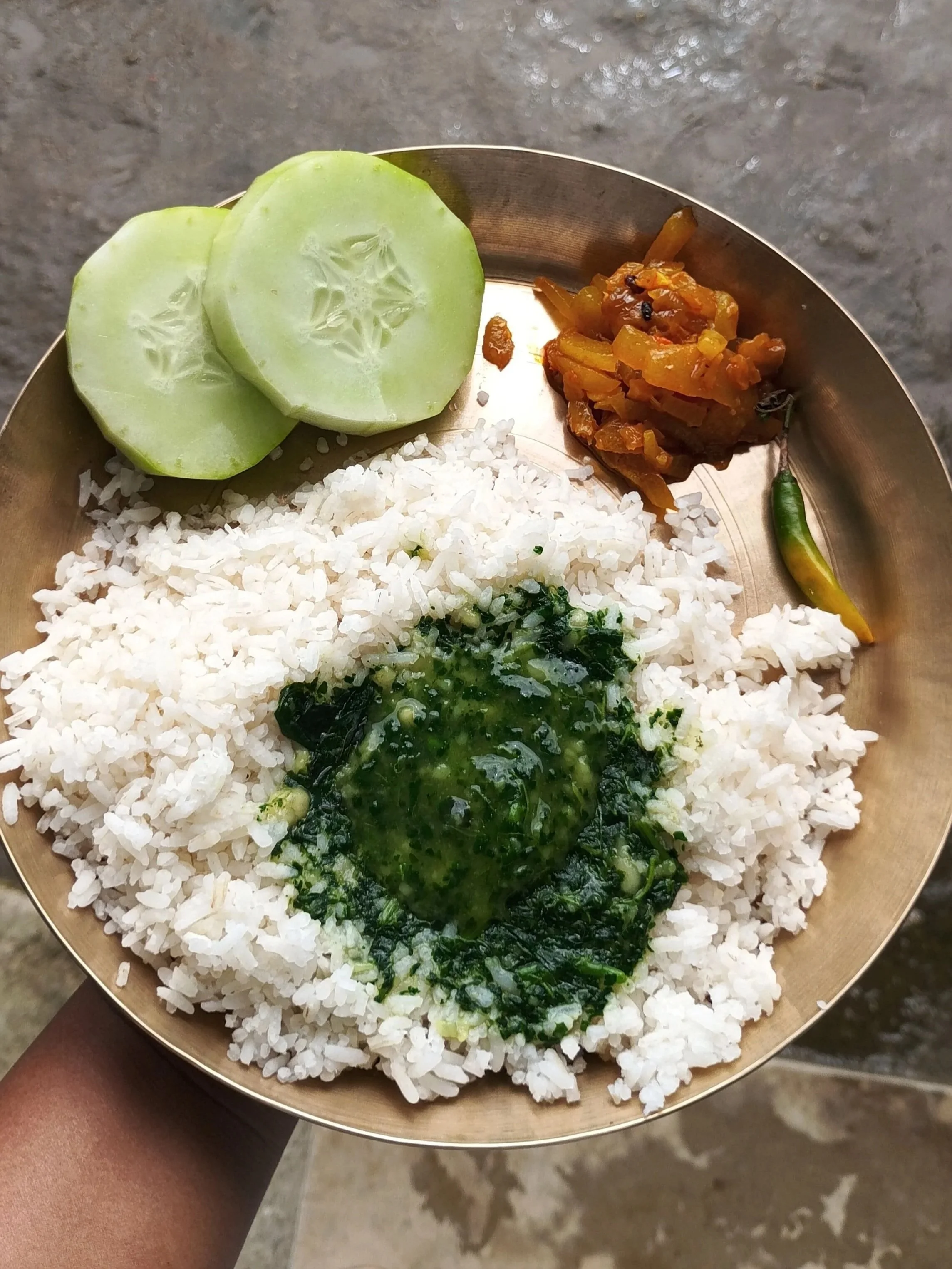
Sisnu broth.
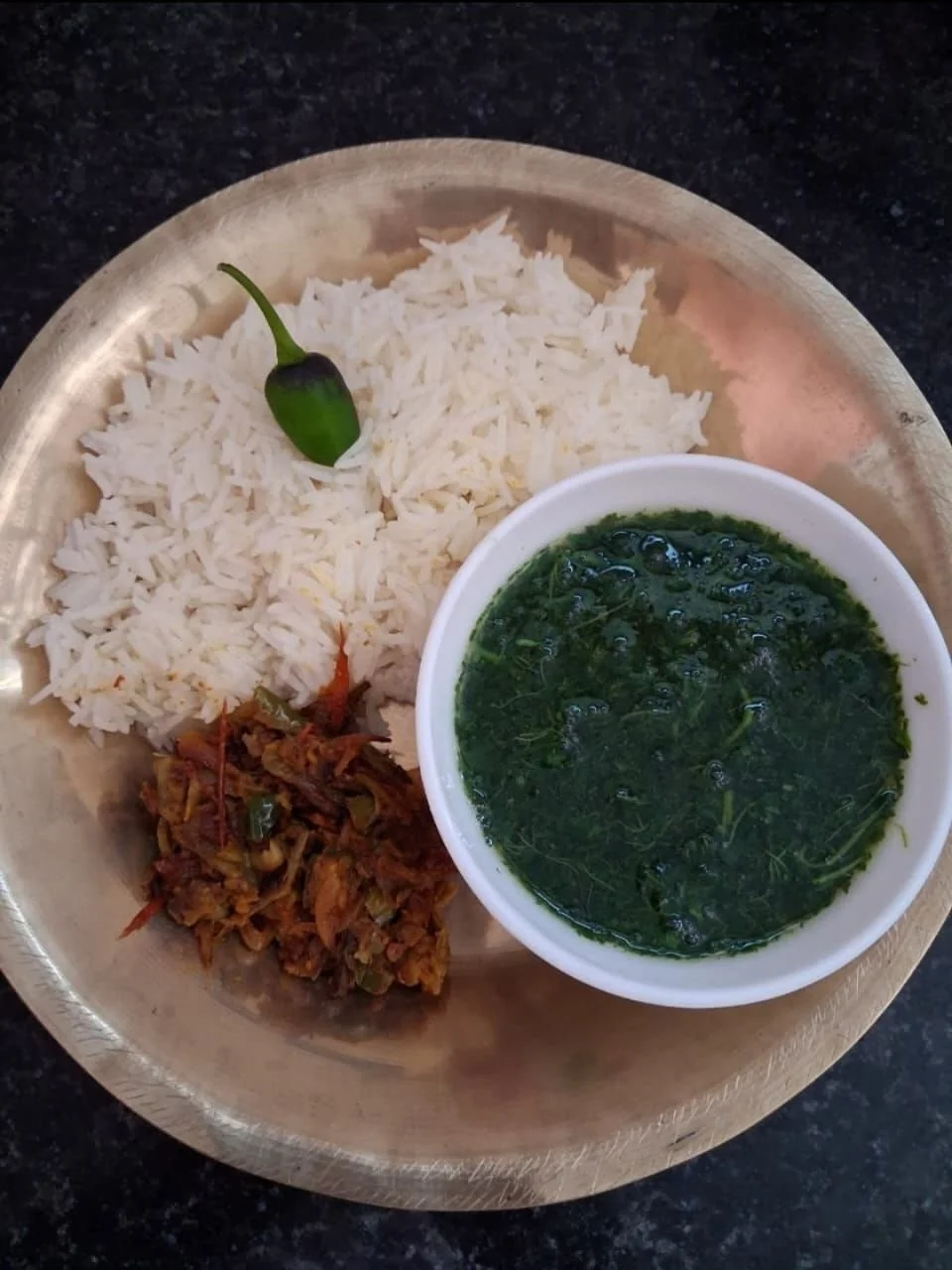
Sisnu with rice and dalley chilli.
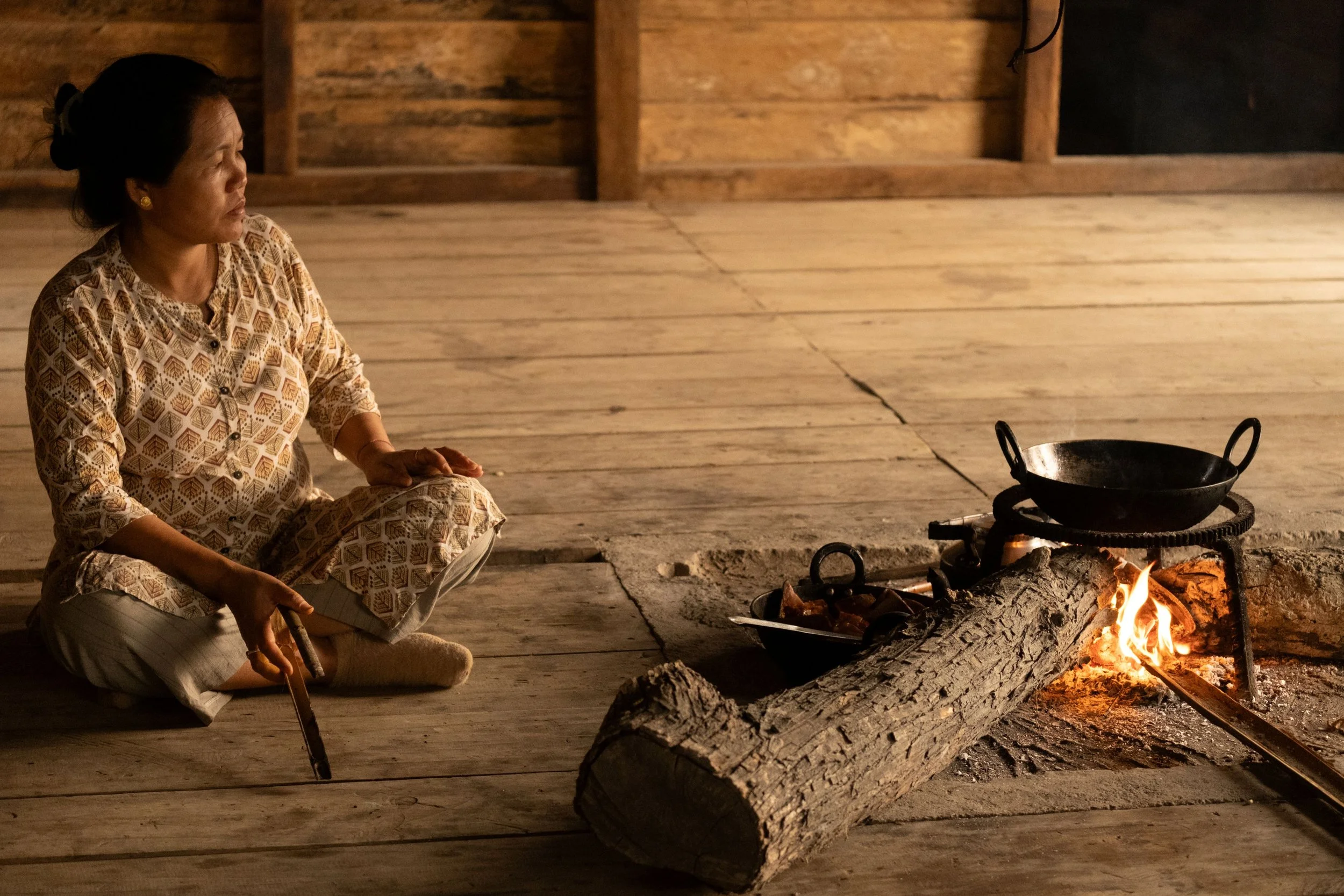
Sisnu ko phool holds a special place in my mother’s heart, standing out among all the edible flowers of our region. Its popularity stretches far beyond our home, making it one of the most widely traded blooms. My friend and colleague, Deeke Doma Tamang — a fellow PhD student at ATREE who studies the use and trade of bioresources in the Sikkim Himalaya — shares that these delicate flowers are sold in small packets of 200 to 300 grams, fetching around 30 to 40 rupees each.
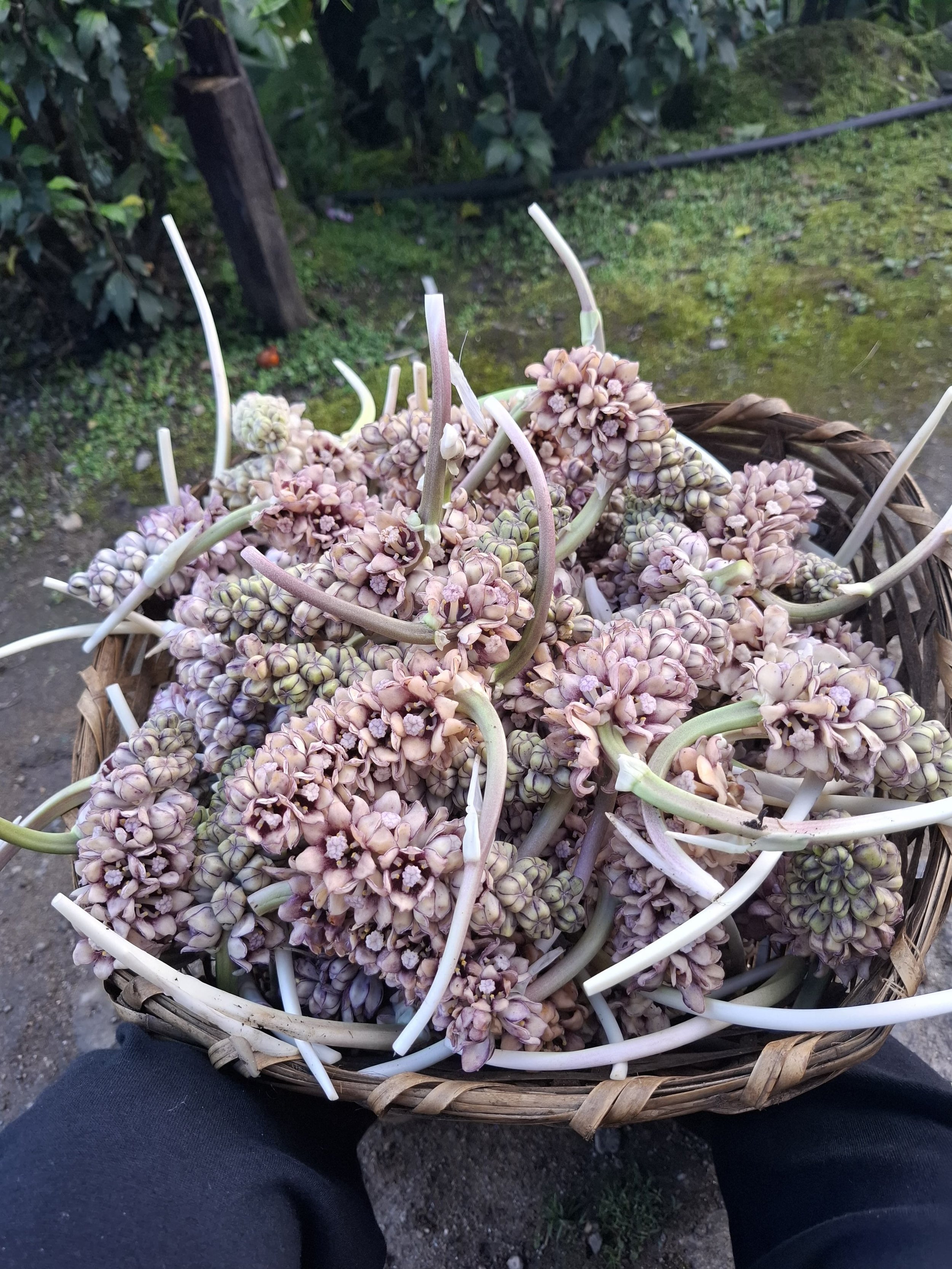
Nakima or tupistra nutans is an expensive flower.
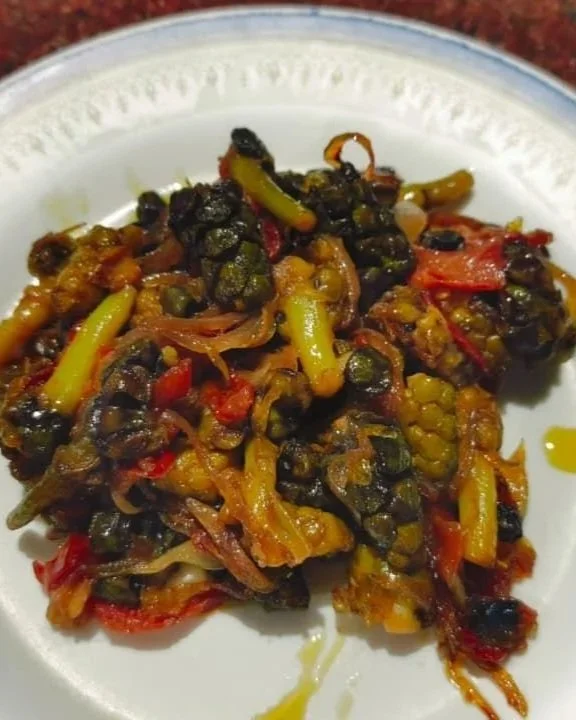
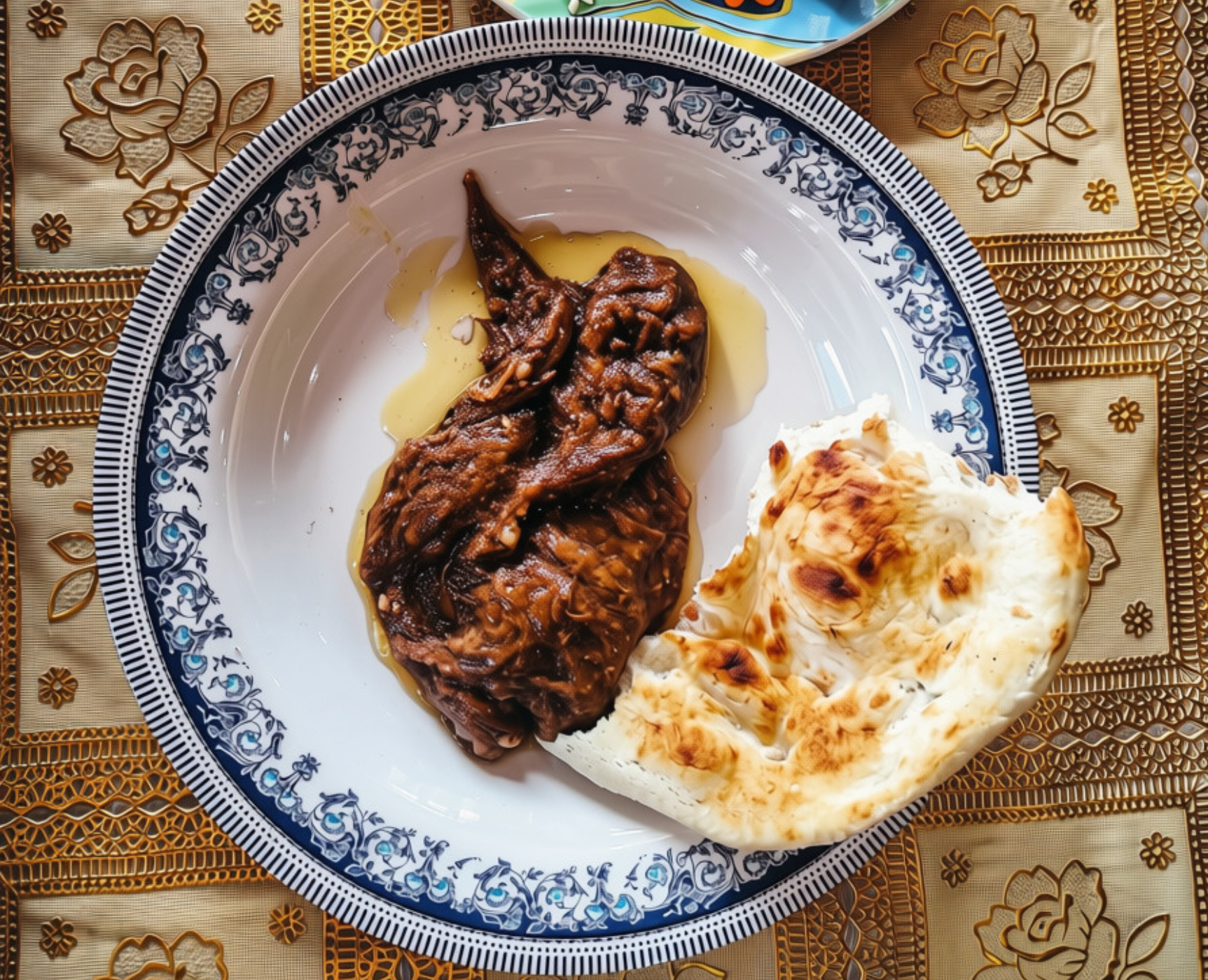
Nakima sabzi.
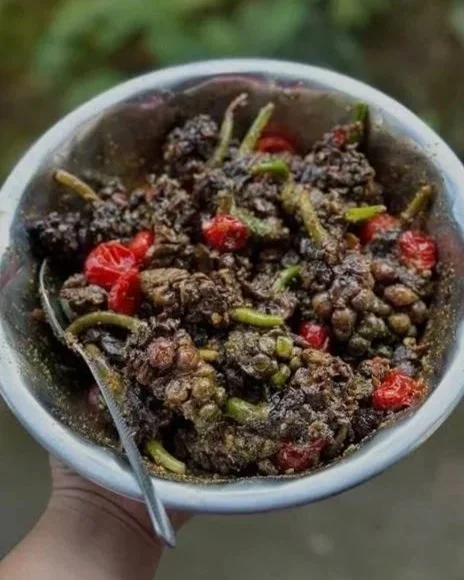
Nakima achaar.
Beyond the humble sisnu, lies nakima (Tupistra nutans), the most expensive of all the flowers mentioned in this article. Native to the Eastern Himalayas, it blooms in cylindrical clusters of many small, tubular flowers that are pale green to creamy-yellow, textured like little corn cobs and marked with delicate purple or maroon veins. The flowers are first blanched in salted water, then tossed into a sizzling stir-fry with mustard oil, onions, ginger, garlic, and tomatoes, finished with a fiery kick from our beloved Himalayan cherry chilli, Dalle Khursani. Alternatively, they are added to pork curry — an exquisite combination of flavours that is my personal favourite. Others prefer them as crisp fritters, blanched flowers coated in chickpea flour, salt, and fragrant spices before being fried golden; these pleasantly bitter fritters are best paired with a spicy Dalle Khursani ko achar.
Nakima graces our tables from early September, but its season is fleeting, gone by November. Thankfully, its unique bitterness can be savoured year-round as a tangy pickle. My mother recalls that Nakima was more difficult to obtain during her childhood because it grows at higher elevations. Today, she observes that people cultivate it in their home gardens for sale. Mrs Kamala Gurung, proprietor of the Alishka Gurung Homestay in Labdang, Sikkim, mentions that she occasionally serves nakima to guests from across the country. “We should safeguard our traditional knowledge, and I am proud to serve traditional food to my guests.”
The next culinary delight on my list is koiralo ko phul (Bauhinia Variegata). I can’t hear the name without picturing the actress Manisha Koirala, whose looks, to my mind, rival that of the flower. As with nakima, preparing bauhinia flowers involves preliminary blanching in hot water. Subsequently, one can opt for a simple stir-fry, incorporating onions, tomatoes, ginger, garlic, a hint of turmeric, chilli powder, and of course, salt. Alternatively, the flowers can be transformed into a tantalising achar by infusing them with an array of spices, salt, Dalle Khursani, and mustard oil. My mother says it tastes like mushrooms and cooks it just as she does mushrooms — a simple stir fry using garlic and tomatoes. The season is between April and June.
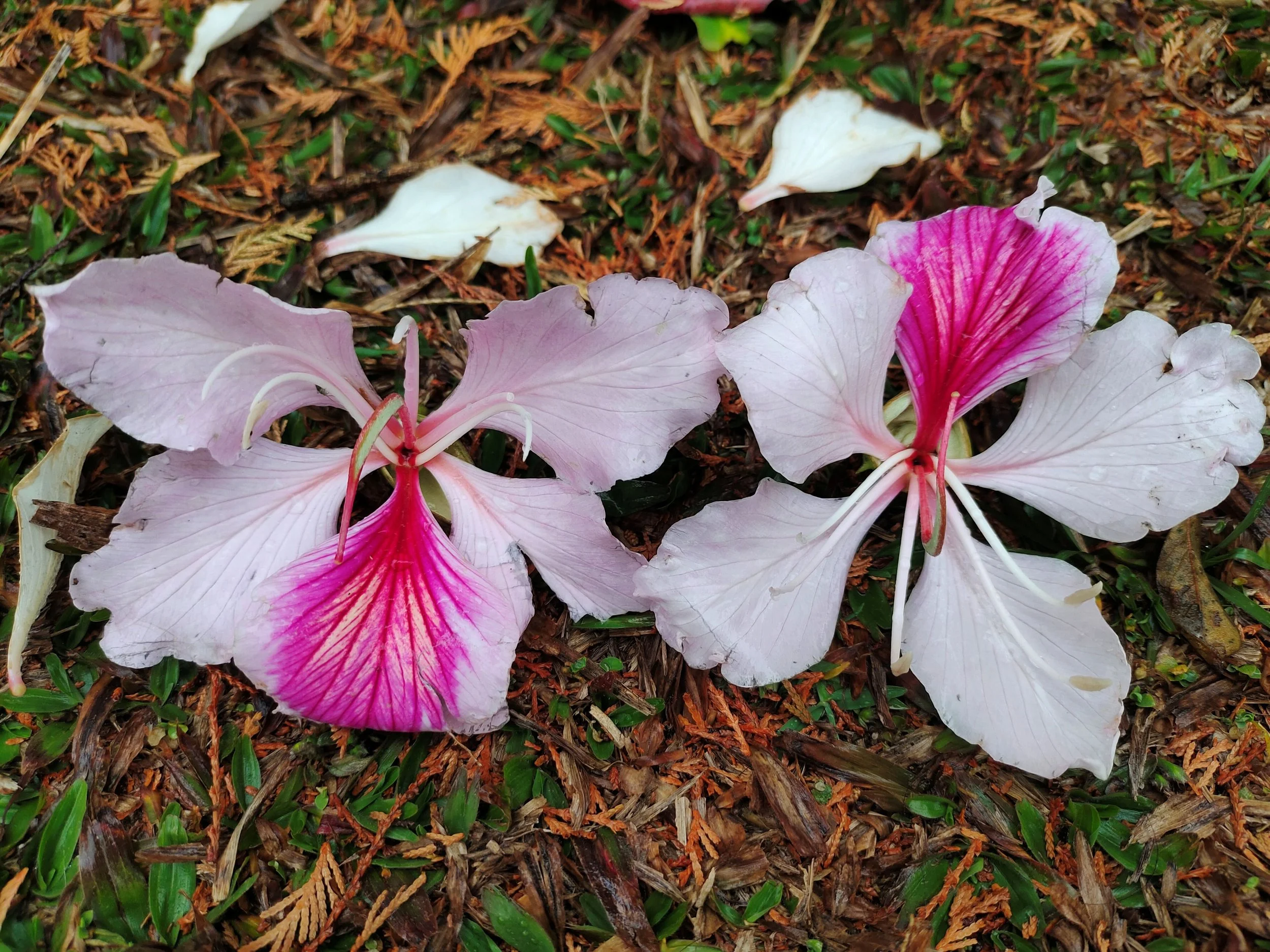
Bauhinia variegata or koiralo ko phul. Photo credit: Dorjee Yonzon
Among all the edible flowers, totola ko phul (Oroxylum indicum) stands out as the most fleeting and holds special meaning in the communities of Sikkim and Darjeeling. People use its delicate, papery seeds in rituals for marriages, births, and deaths. The flowers bloom only at night and fall before morning. According to legend, the totola flower once boasted of her beauty so a divine curse made her bloom alone, hidden from human eyes in the quiet of the night. After the flowers fall, they are collected, gently washed, and blanched in boiling water with a little salt, and then quickly stir-fried. These floral delicacies are also known for their medicinal benefits.
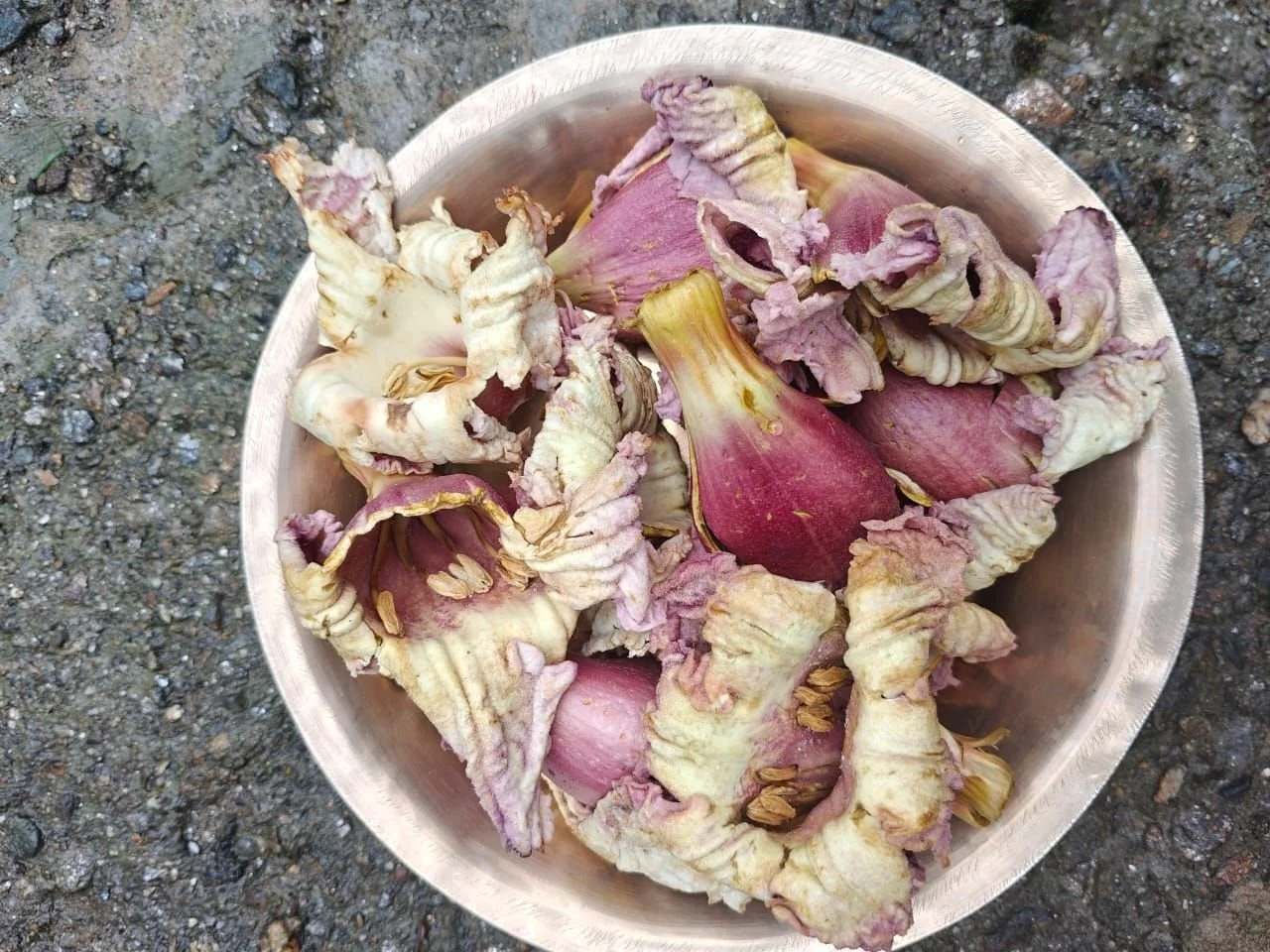
Oroxylum indicum or totola ko phul.
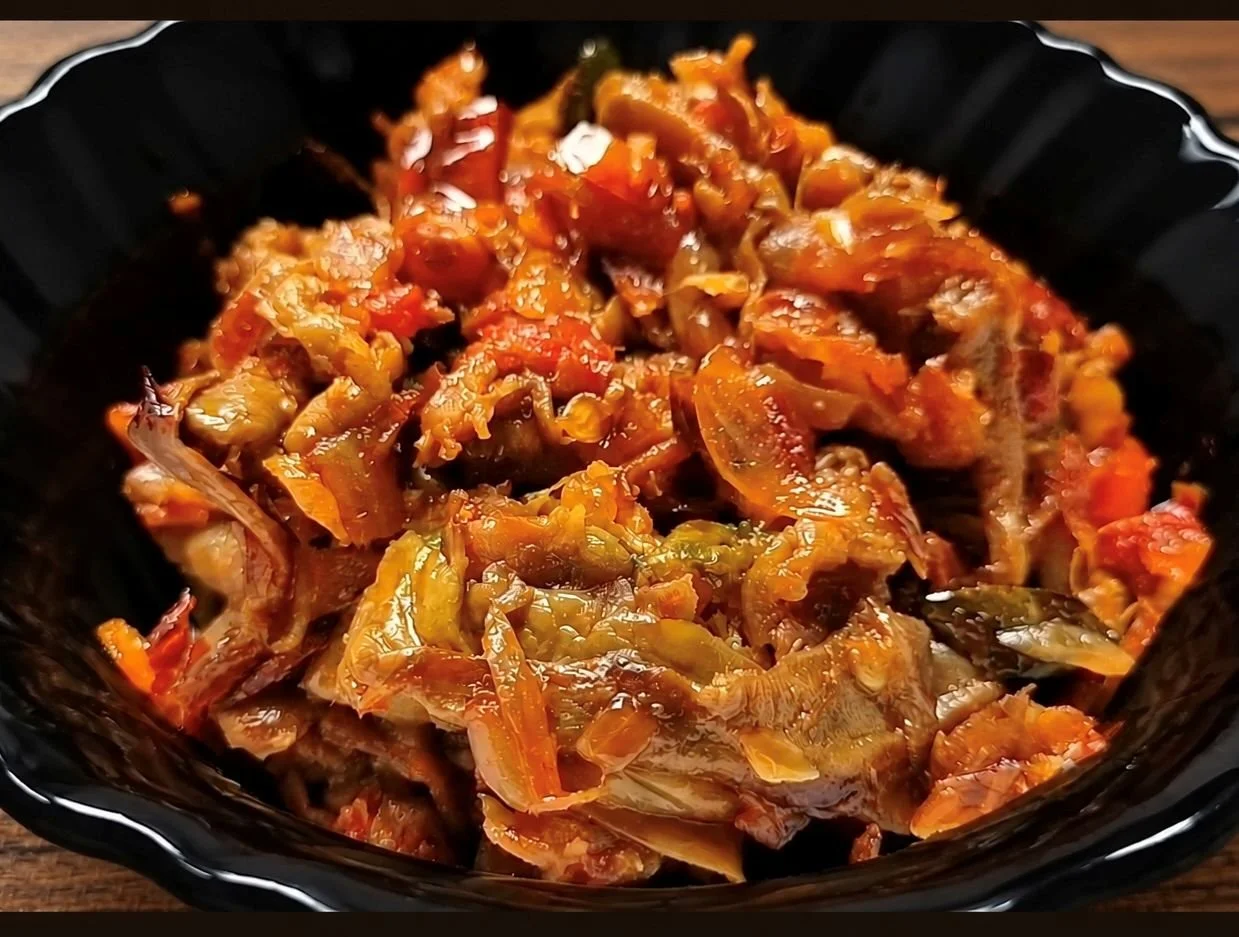
Totola ko phool sabzi.
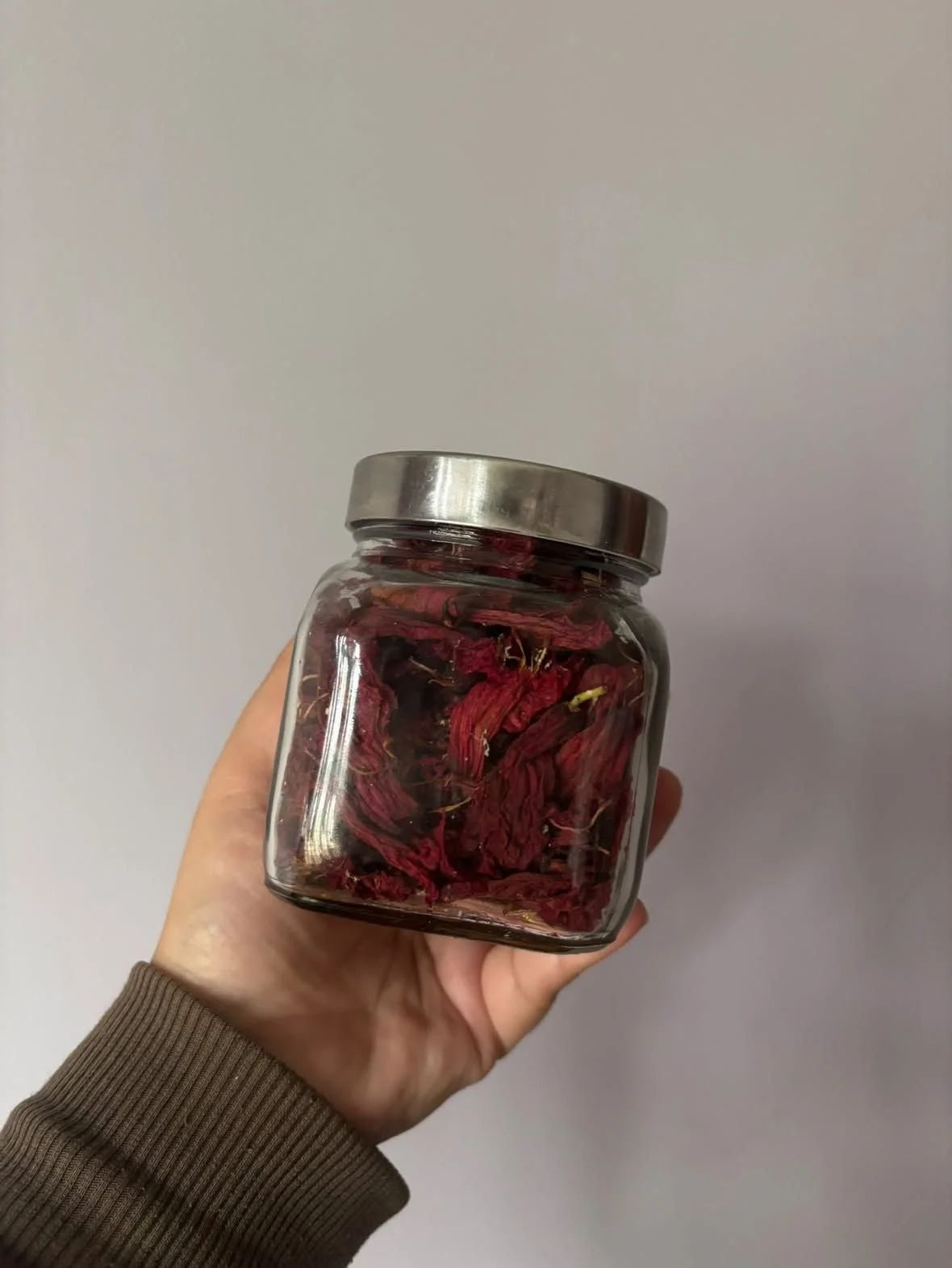
People often ask, “What’s in a name?”. With Titay (Phlogacanthus thyrsiformis), the answer is everything. Its Nepali name, meaning bitter, truly captures its essence. The plant’s vibrant red blossoms are boiled fresh or dried. Its crimson hue blends into the water, resembling a tea-like infusion — often preserved, it is served as a tonic for those battling jaundice. Once blanched, the flowers are tossed with onions, tomatoes, ginger, garlic, and a generous helping of fiery Dalle. Served alongside steaming rice, this stir-fry is simple, bold, and utterly satisfying.
Deeke adds that titay is often bought to be dried and kept at home, ready to be added to dishes or steeped into a decoction through the year. In the Kulung Rai community of the Eastern Himalayas, titay is known as the Damlapa flower. Once dried and ground into powder, it becomes the key ingredient in the rice dish, Bungchipa.
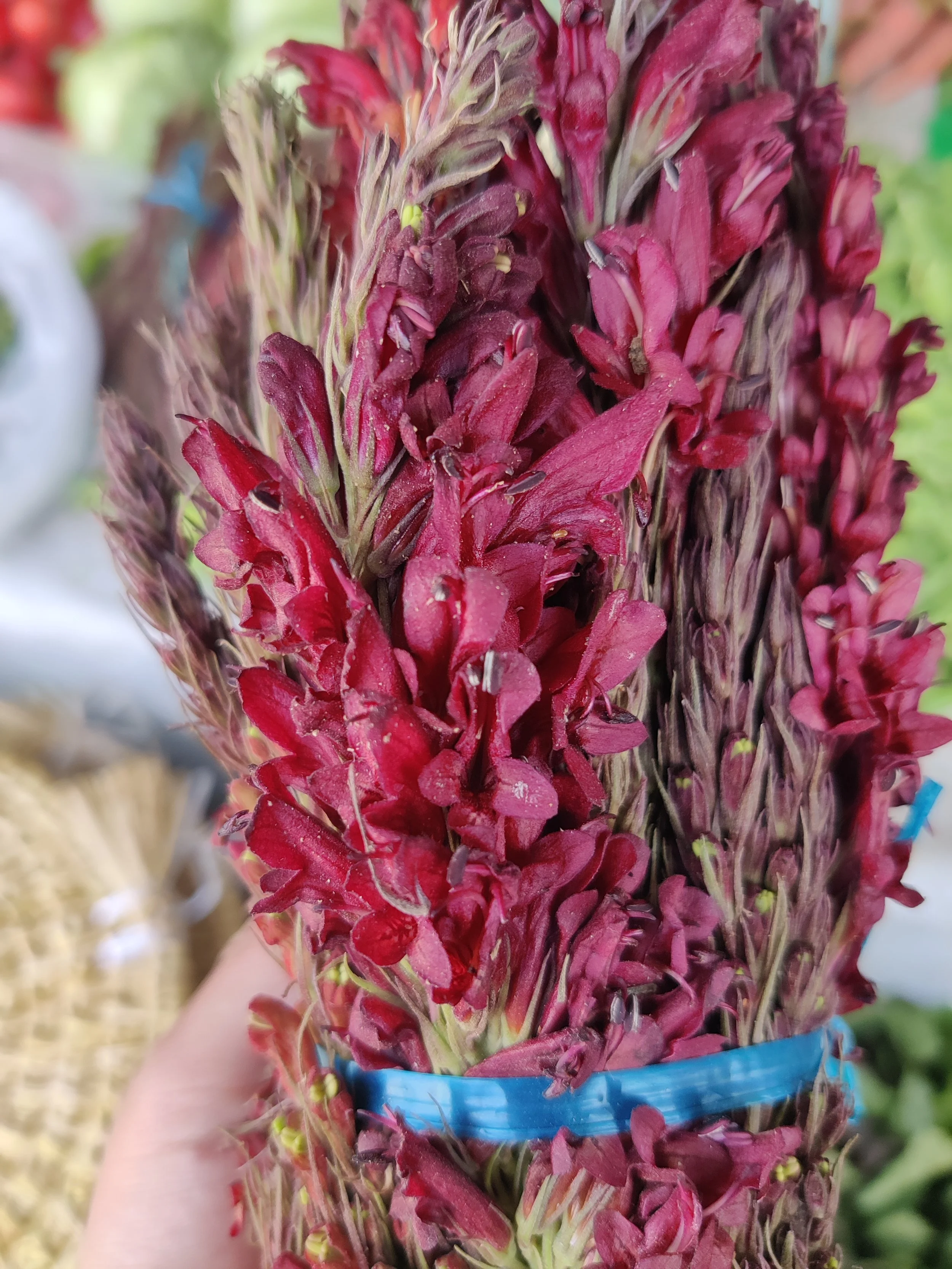
Titay or Phlogacanthus thyrsiformis) have vibrant red blossoms are boiled fresh or dried.
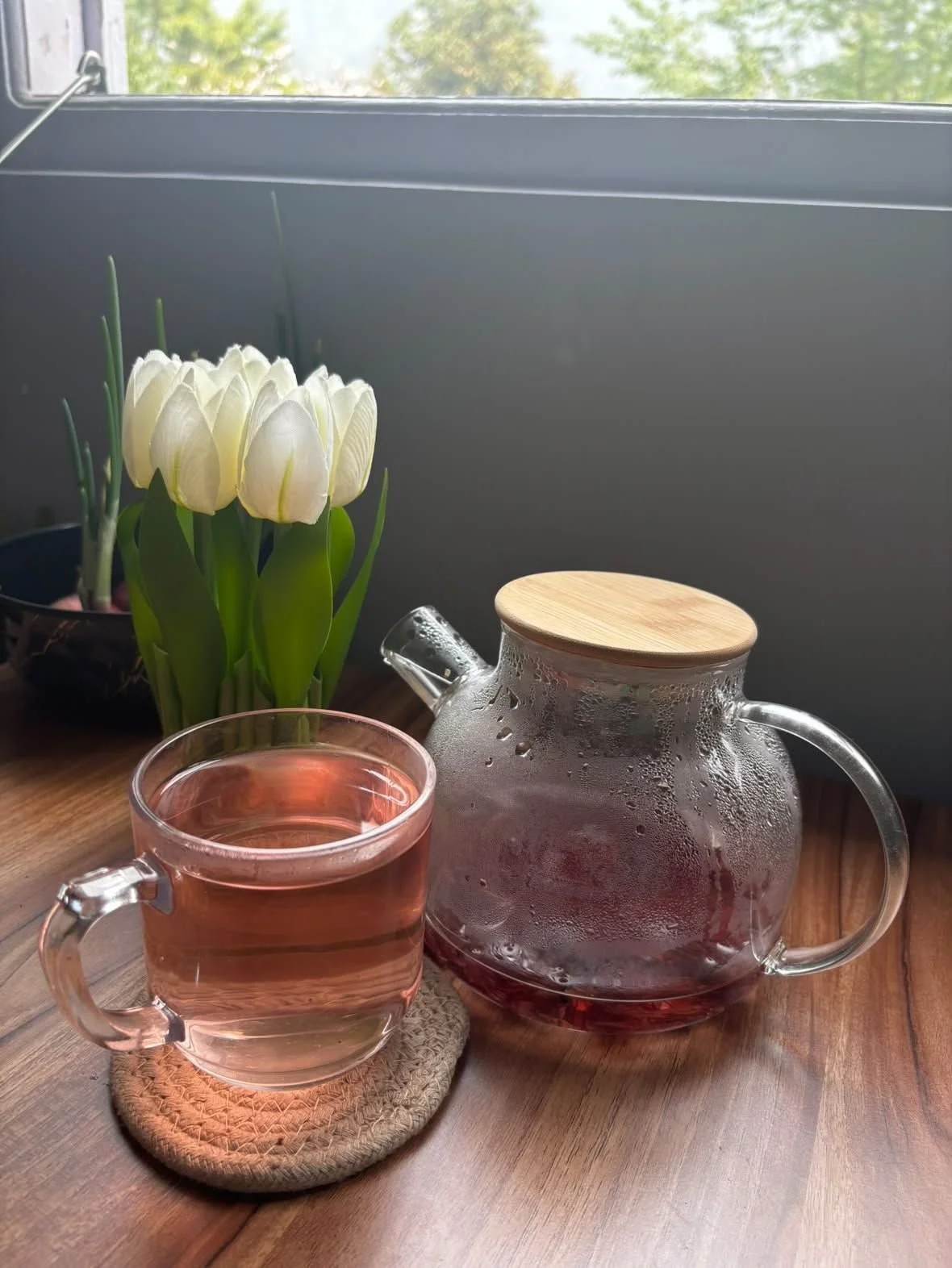
No journey through Darjeeling and Sikkim’s edible flowers is truly complete without celebrating our beloved lali guras (Rhododendron arboreum). This vibrant red bloom is the heart of some of the region’s most iconic culinary creations, like the famous rhododendron wine, or guras ko raksi. Locals crush the flowers with yeast and cooked rice or millets, then let them ferment before summer, when the hills are full of these colourful blooms from February to April. The flowers are also made into Rhododendron Jam and sweet red Rhododendron Juice, bringing a floral touch to local dishes.
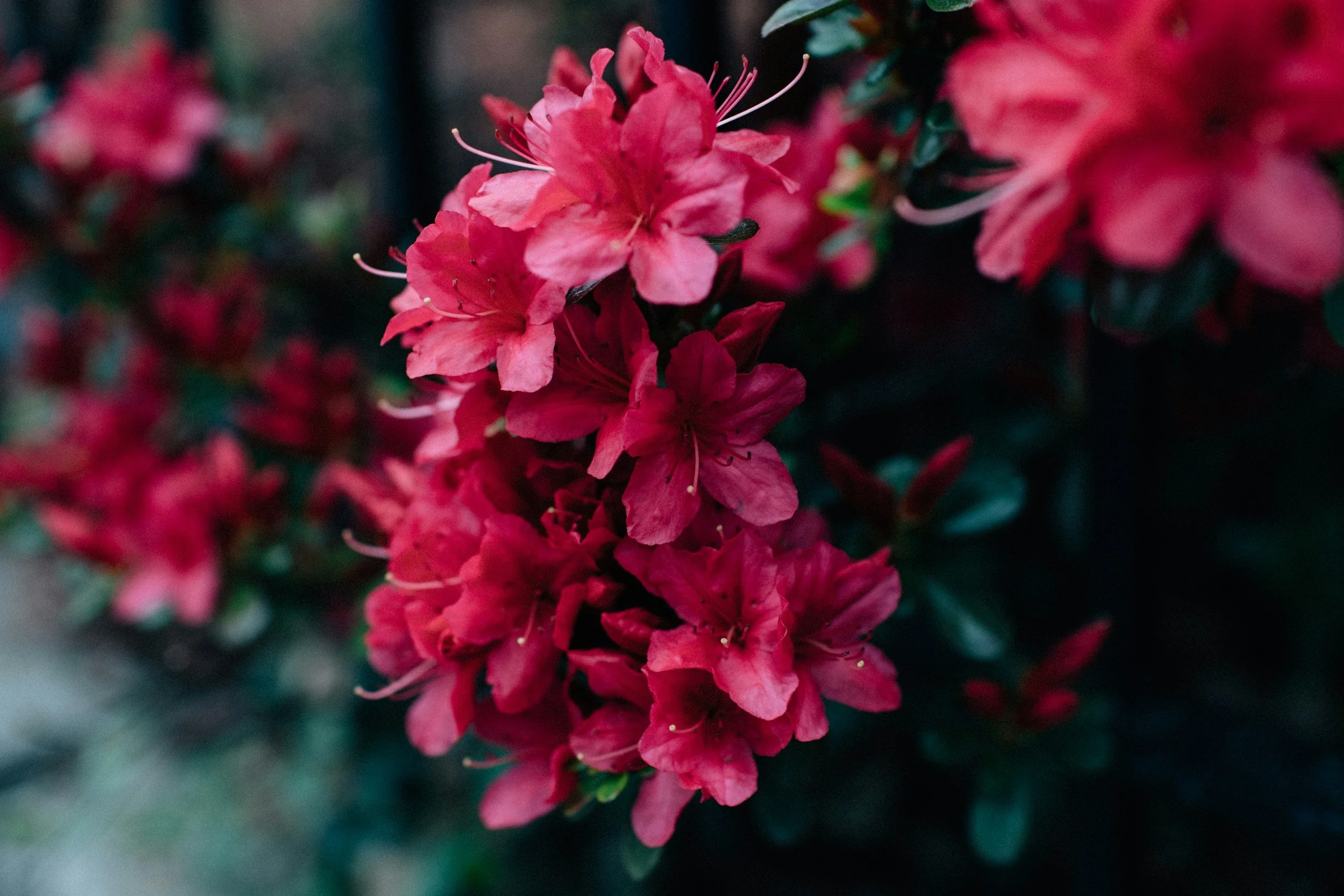
Rhododendron. Stock image.
Rhododendron tea.
Rhododendron tea.
Native Resources
The edible flowers of Sikkim and Darjeeling are more than just local delicacies. They are native resources with important ecological and cultural roles.
Today, as we face environmental degradation and declining dietary diversity, this traditional knowledge, especially among youth, is fading. Native plants are also at risk because of habitat loss and deforestation. These food traditions are thoughtful ways of living with nature that modern food systems have not matched.
“These flowers remain part of our meals because they are seasonal. They are available only for a short time each year, which makes them special and connects them to ideas of good health and long-held beliefs about their healing properties. Their continued use is tied to something bigger: to protect nature and conserve our forests, we must also conserve our traditional knowledge, for it is that knowledge which, in turn, safeguards the very forests from which some of these bioresources are harvested,” says Deeke.
The next time you find yourself in Sikkim or Darjeeling, seek out these edible flowers; perhaps as a guest at Mrs. Kamala's ‘Alishka Gurung Homestay’ in Labdang or explore the floral cuisine of your own region. In doing so, perhaps you will discover something more than just flavour.
Photo credits: Sailendra Dewan, Anushka Gurung, Barsha Sonar, Kesang Bhutia, Dekee Doma Tamang, Dorjee Yonzon.
ALSO ON GOYA