The Women Preserving Flavours of the Anglo-Indian Kitchen

Across India, a new generation of Anglo-Indian women is quietly preserving heirloom recipes and reviving a cuisine born from railway colonies, khansama-fronted club kitchens and family tables, finds Raul Dias.
Much like that lingering trace of a loved one’s signature fragrance on a piece of clothing long after they have left, there are certain dishes that remain inextricable from the people who cooked them. Growing up with a half Anglo-Indian mother meant our family table was perfumed by a phalanx of flavours that felt resolutely distinct from the food around us. There was pepper water — a sharp, restorative rasam riff heavy with black pepper and tamarind, yellow rice anointed golden with turmeric, country captain chicken heady with curry leaves, and ball curry, where spiced meatballs simmered in a comforting coconut gravy. Friends often looked puzzled when they heard the names of these dishes, but to me they were as familiar as dal (dhol curry, to Anglos!) and rice.
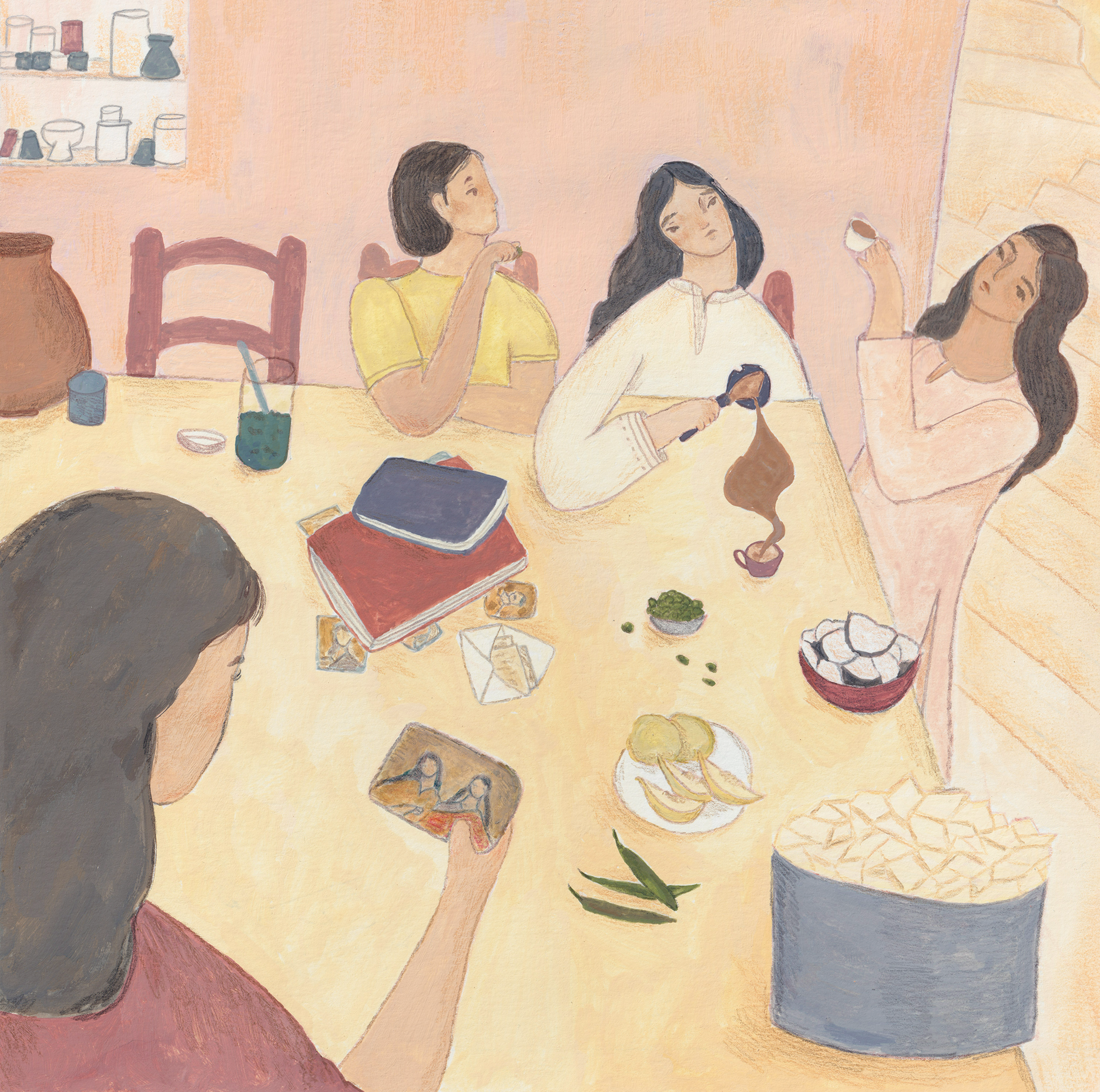
Lately, I have found myself returning often to the notebooks Mum and I once sat over together, documenting her recipes before they slipped into the silence that aging kitchens so often leave behind. She passed away recently at the age of 73, making those afternoons spent poring over old notebooks and fading recollections all the more precious. We would debate now archaic measurements once described casually as “half tipri (around 225gm) rice flour” or “two chataks (around 120gm) meat”, translating sheer instinct into something future generations like Mum’s now-adult grandchildren could follow. Looking back, I realise that those conversations became far more than recipe writing. They were an inheritance of taste. And they also made me recognise something that would have delighted Mum as it does, me.
Across India, younger Anglo-Indian women are preserving these food traditions in their own ways — through pop-ups, home kitchens and catering businesses. At a time when hyper-local Indian cuisines dominate conversations around food, there is something viscerally reassuring about seeing a micro community like the Anglo-Indian one fight to keep its culinary identity alive.
Karen Maria Martin, Bengaluru
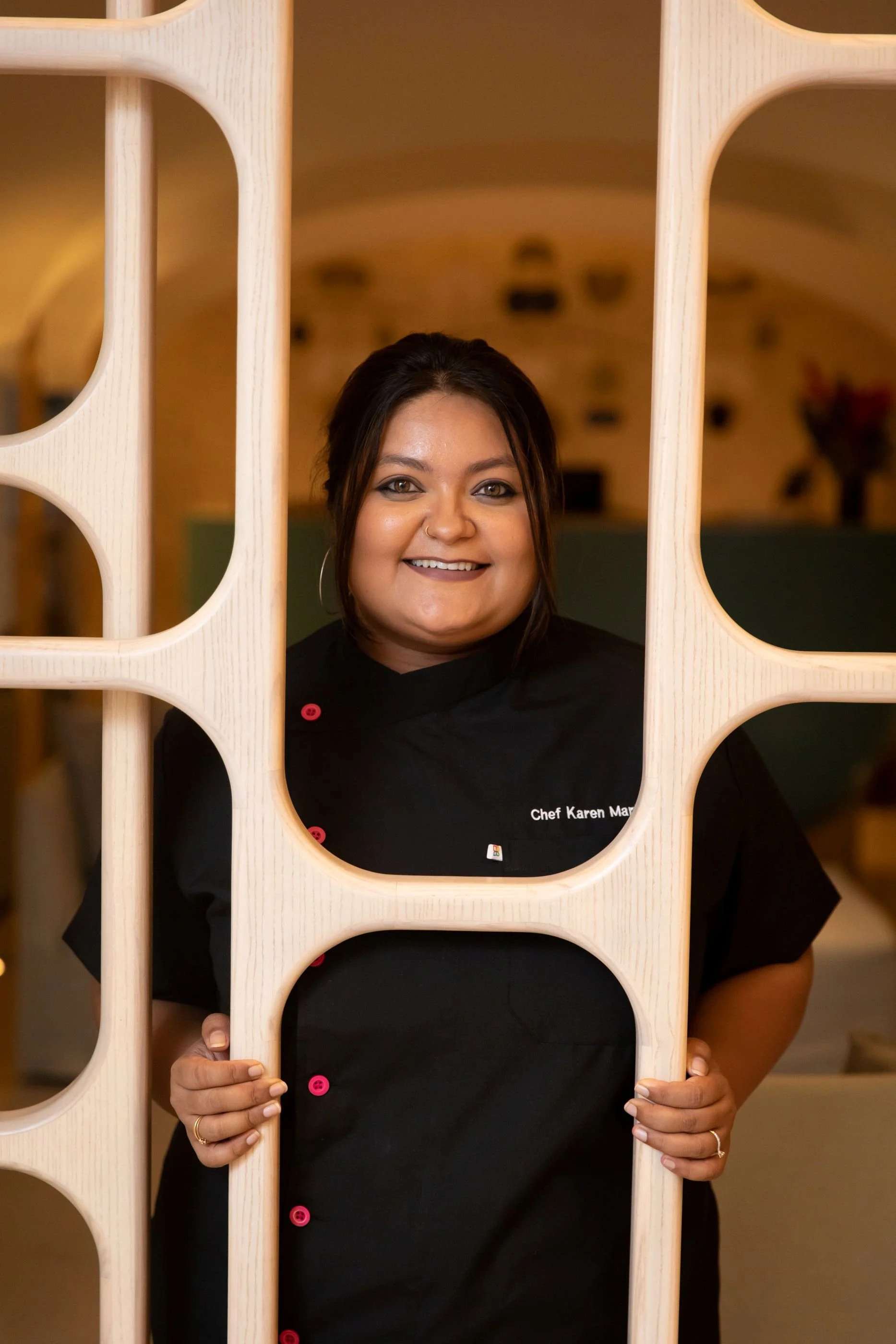
At 28, Bengaluru-based Karen Maria Martin belongs to a younger generation of Anglo-Indian cooks reintroducing the cuisine to an audience who may never have encountered it before. Her venture, House of Anglo, began during the Covid lockdowns, when she started taking limited pre-orders through Instagram while carefully maintaining the home-style quality of the food she grew up eating.
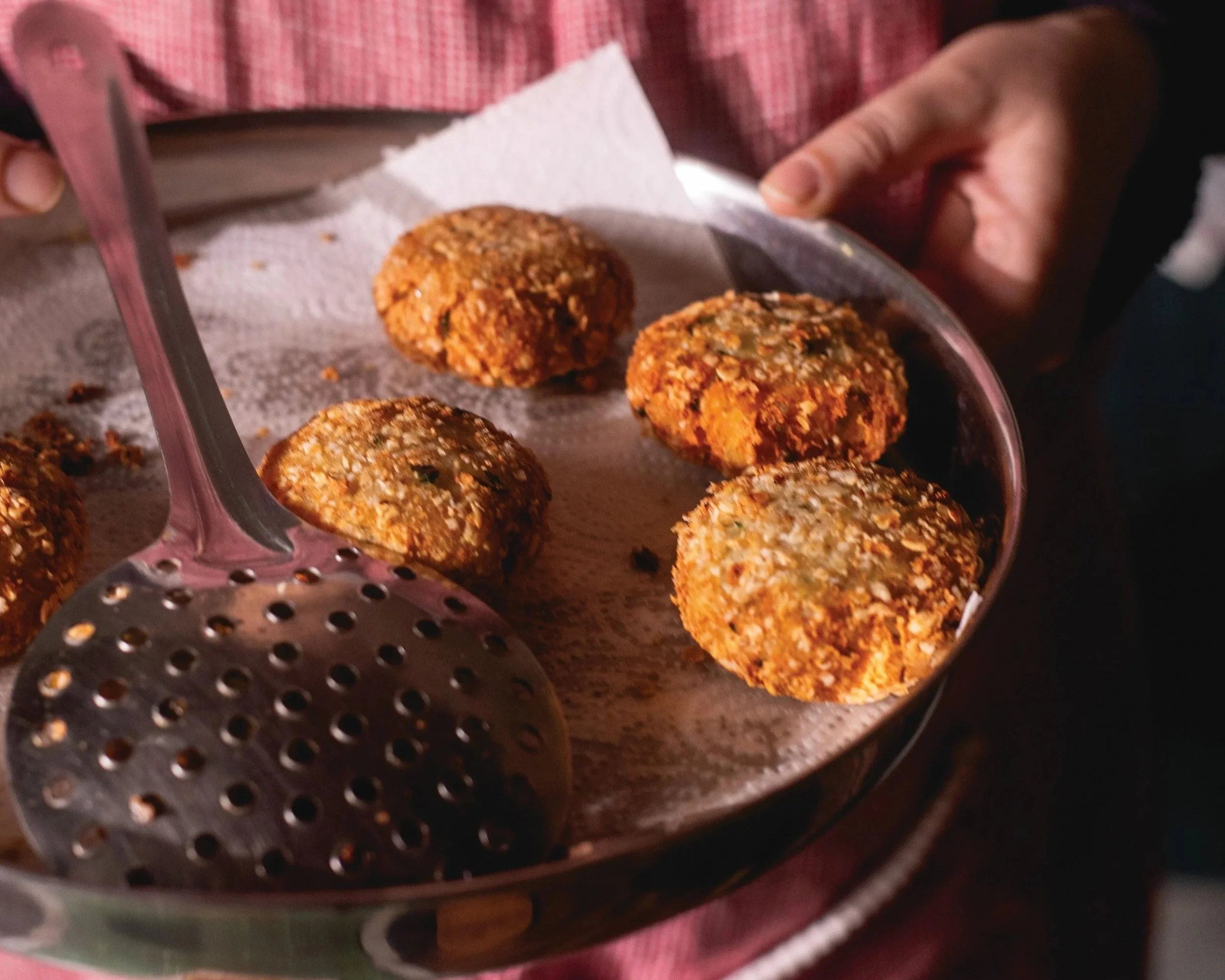
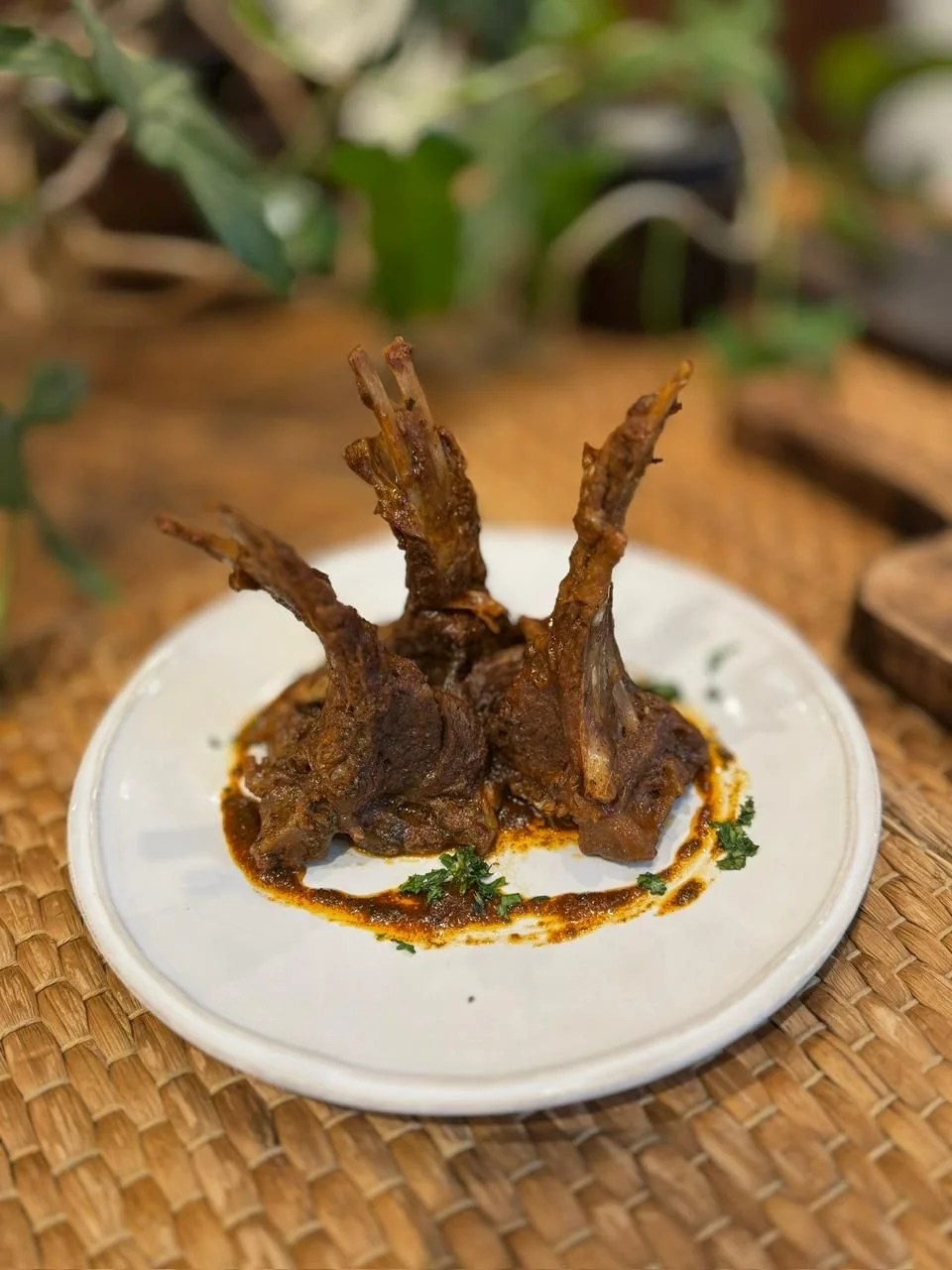
Most of Martin’s recipes come from her maternal grandmother, an Anglo-Indian lady from Kolar Gold Fields in Karnataka whose cooking reflected the practical, intensely flavourful food common to Anglo-Indian households. “Most of the food that was cooked by my grandmother was simple, quick to make, home-style food,” Martin says, recalling dishes like ding ding — strips of salted, sun-dried meat fried crisp and eaten with rice and pepper water — alongside Anglo-Indian meat fry, ball curry, dhol khichiri made with lentils and rice, and the aforementioned sharp “mother-in-law” chutney.
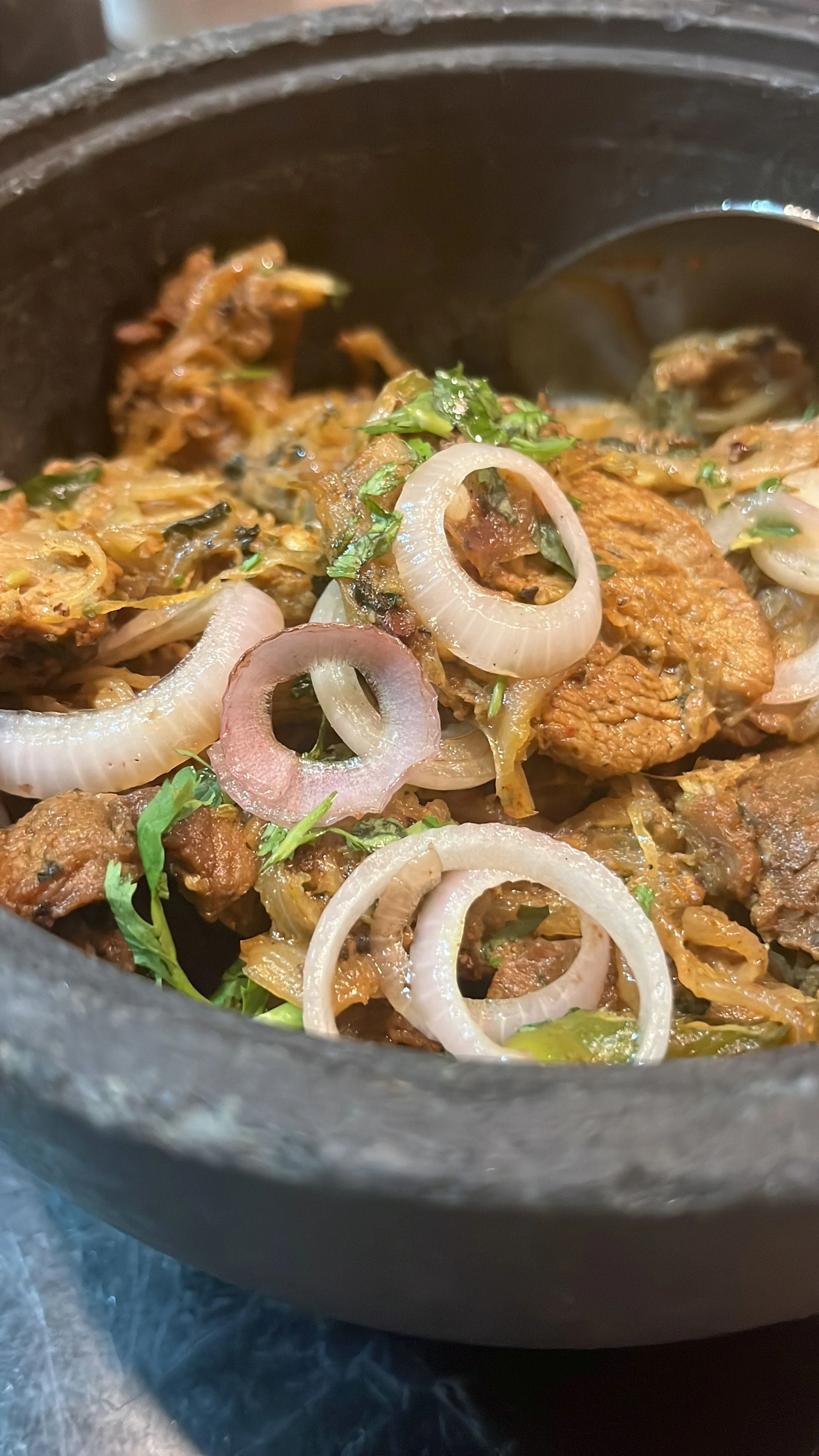
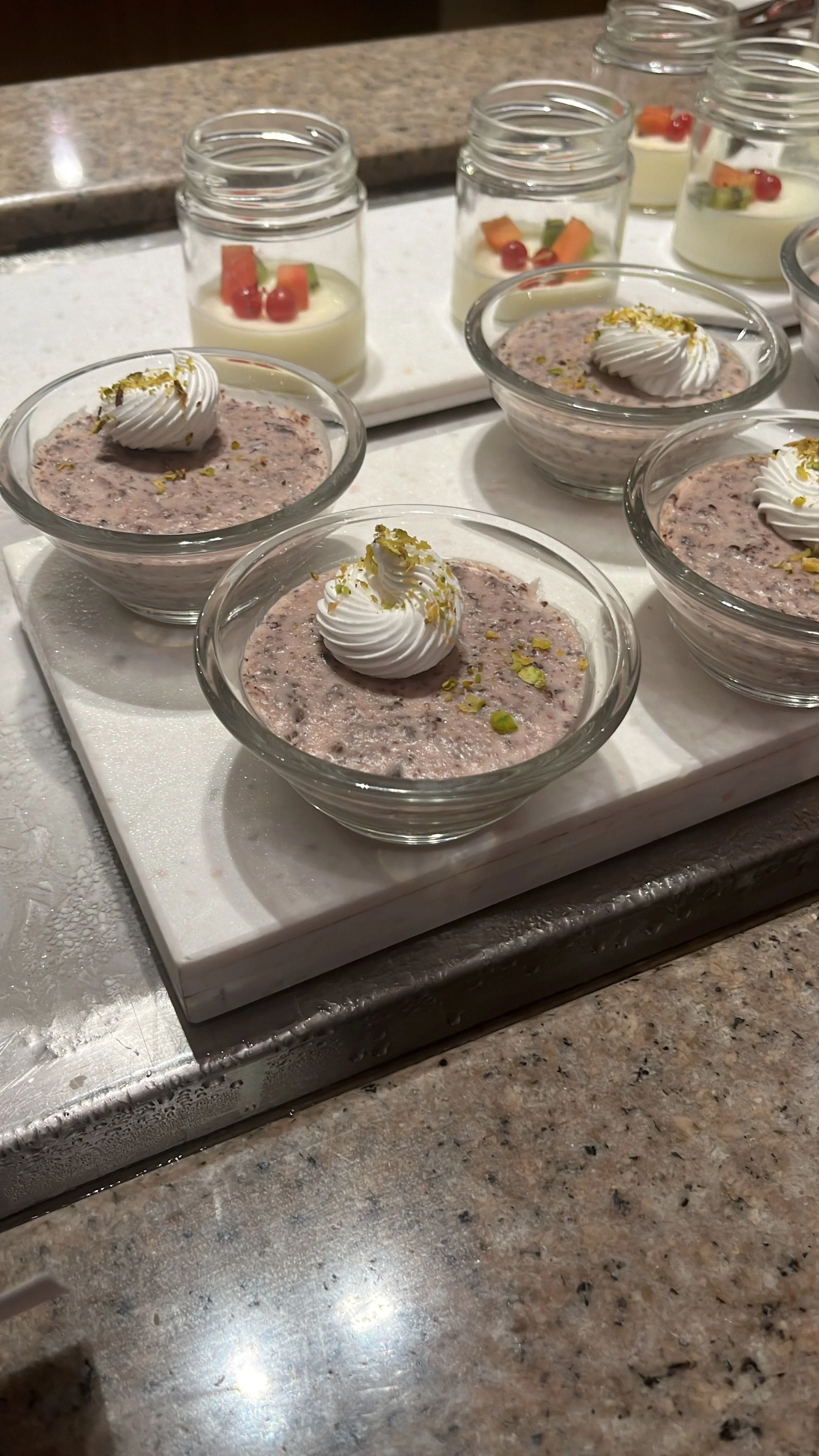
What fascinates Martin most are the details surrounding the food itself. “I would often hear her give measurements of one jam tin of sugar or rice,” she says, remembering recipes passed down by rote learning rather than written formally. She also recalls stories of ingredients like Bovril, a meat based Vegemite-like paste once commonly used in soups and roasts but now rarely seen in Indian kitchens. “My family’s way of eating and cooking was simple but delicious,” she says. “The ingredients really were the star of the show because of their freshness.”
Her menus today reinterpret those flavours for a newer audience without losing their essence. Ding ding appears in a pomelo salad while liver pepper fry becomes pâté piped onto toast points. Yet even with these updates, Martin’s work remains moored in preservation. “Preserving family recipes is quite an emotional thing,” she says. “There are days when I think of food my grandaunts cooked for us and then I remember I have documented a few recipes from them, so I have a chance to relive those moments through food.”
Ruth Phillip, Faridabad
For Ruth Phillip, 47, Anglo-Indian food became a way of holding on to family long after loss changed the course of her life. Her businesses, Ruth’s Anglo Kitchen (a cloud kitchen) and Ruth’s Table (curated and hosted dining experience) grew gradually from Christmas catering done alongside her mother into full-fledged outfits across Delhi and Gurugram. “It all began in 2011 when my mum fell ill in December and couldn’t handle the Christmas catering,” Phillip recalls. Years later, after losing her mother in 2018, she found herself cooking the dishes her father missed deeply — food that soon became central to family gatherings once again.
The recipes Phillip cooks today come from a handwritten family cookbook passed down from mother to daughter. “When I began cooking, I used her book to create my own version,” she says. “As I started cooking professionally, I refined the recipes by adding precise measurements to ensure consistency and preserve the authenticity of our family’s Anglo-Indian flavours.”
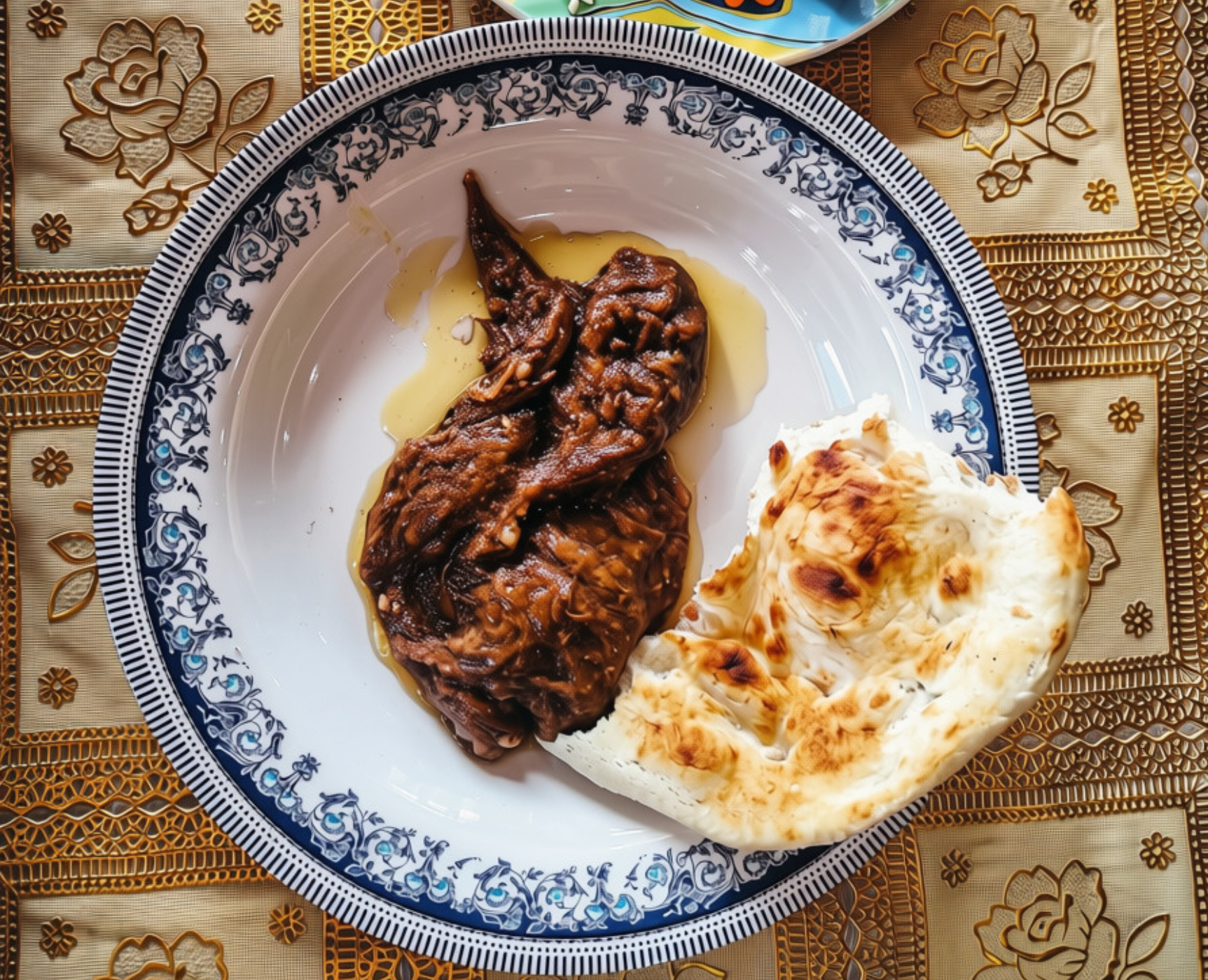
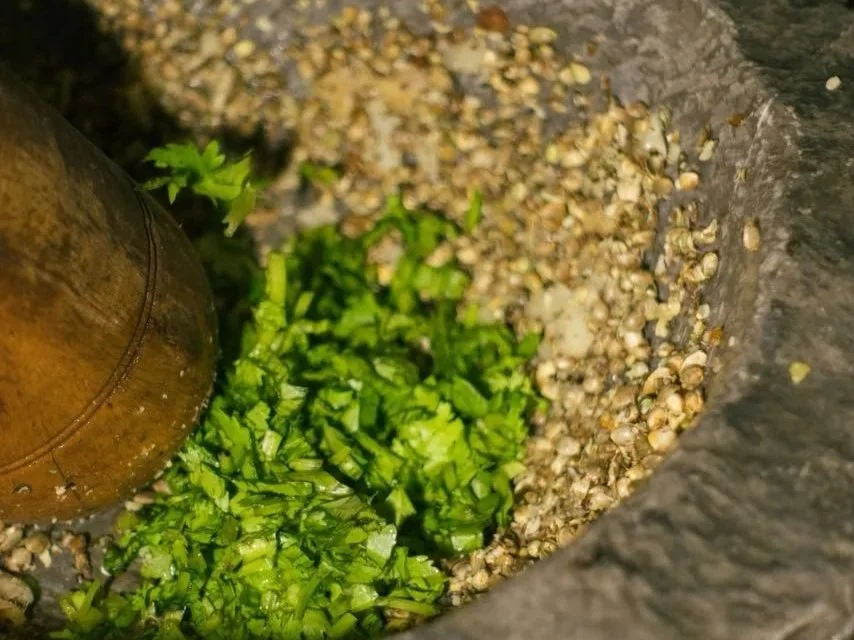
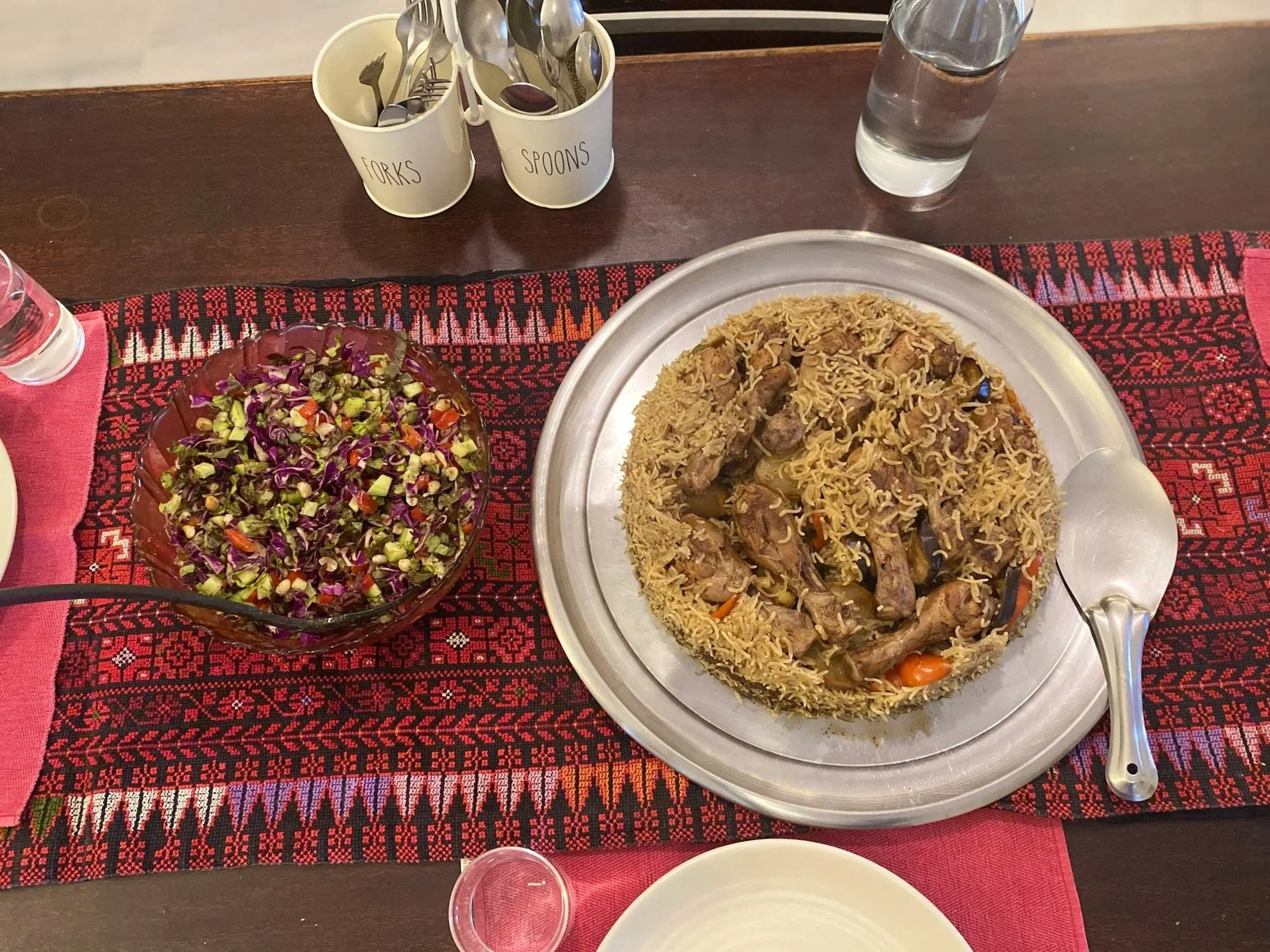
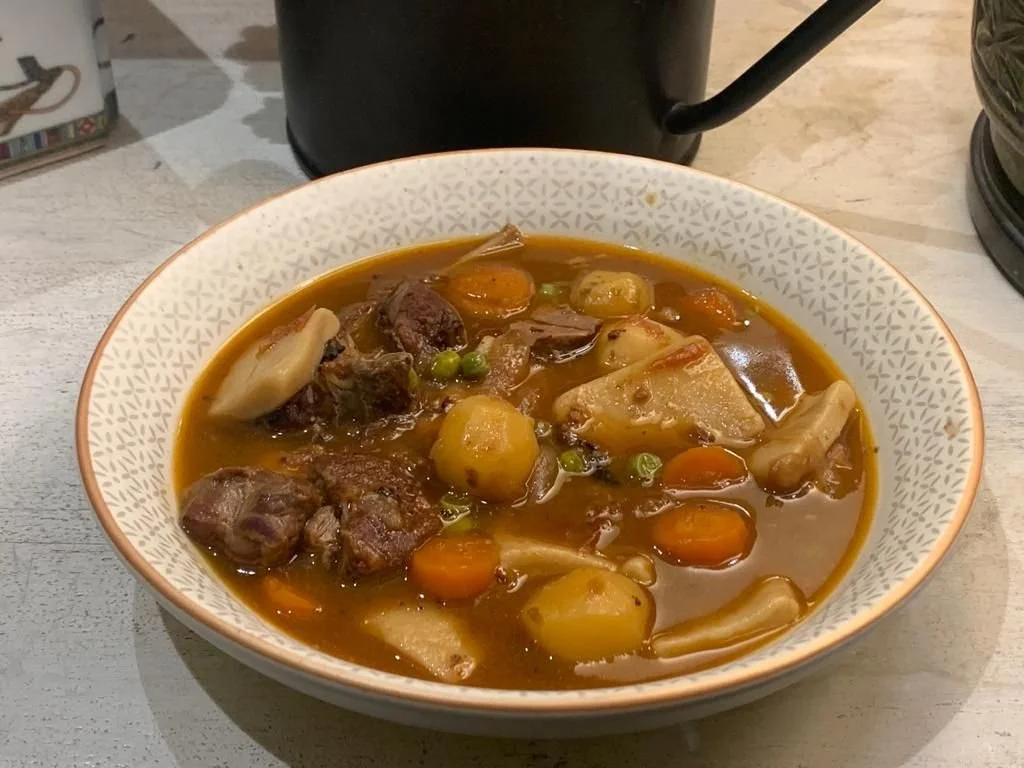
Her menus carry the unmistakable imprint of Anglo-Indian home kitchens: junglee pulao fragrant with spices and served with devil chutney, a sweet-spicy relish of dates, raisins and chillies (often naughtily called “mother-in-law chutney”), railway mutton curry slow-cooked until smoky and unctuous; and Irish stew enriched with coconut milk, reflecting the Indian adaptations that gave form to so many Anglo-Indian dishes. Phillip also speaks fondly of preparations like burnt custard, bread pudding and crumb-fried (beef) cutlets that once appeared regularly at railway institutes and club tables. “The use of pepper, curry leaves and vinegar in mildly spiced gravies shows the khansama-inspired adaptation of European recipes to Indian tastes,” she says, referring to the Indian cooks employed in colonial clubs and railway kitchens who helped give definition to the cuisine itself.
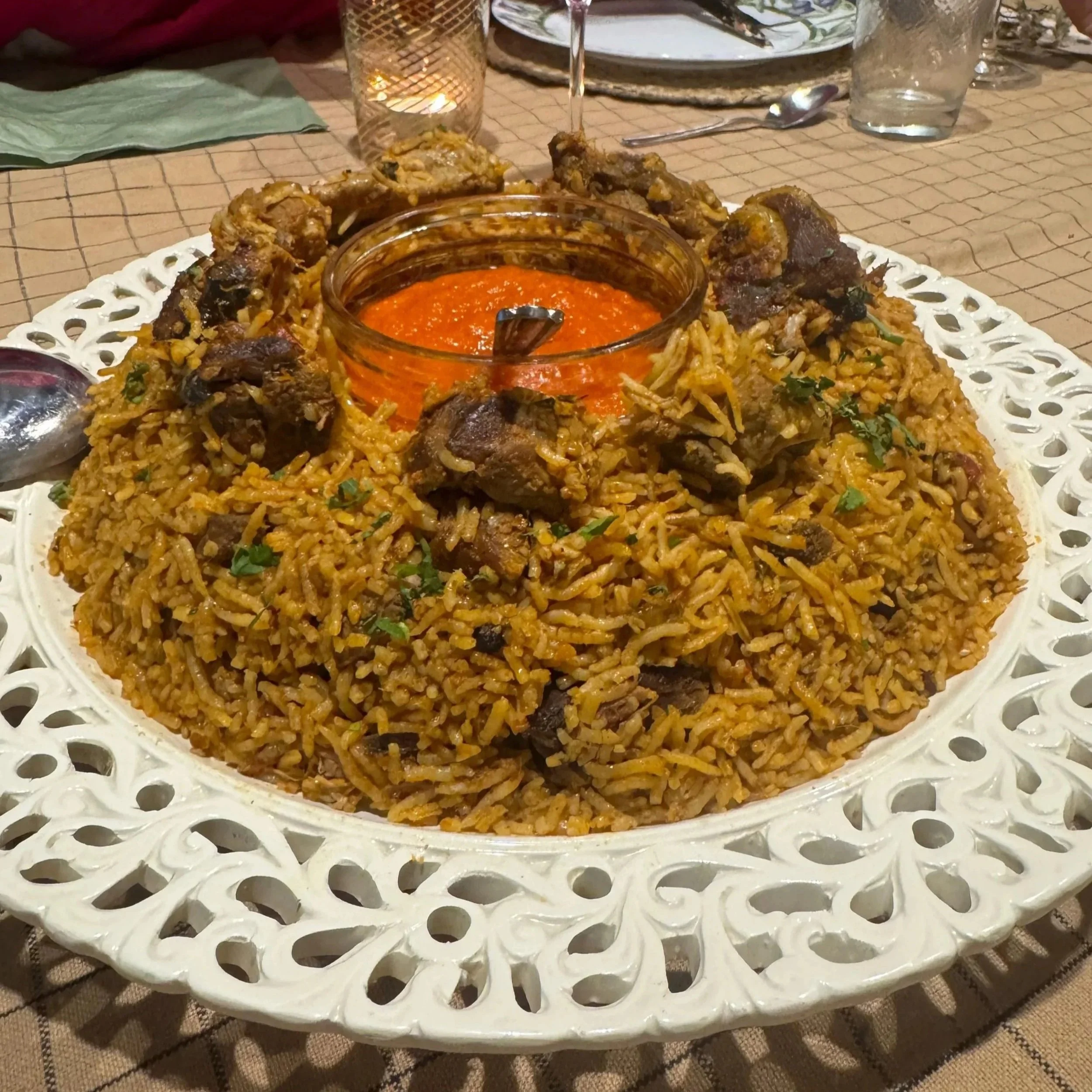
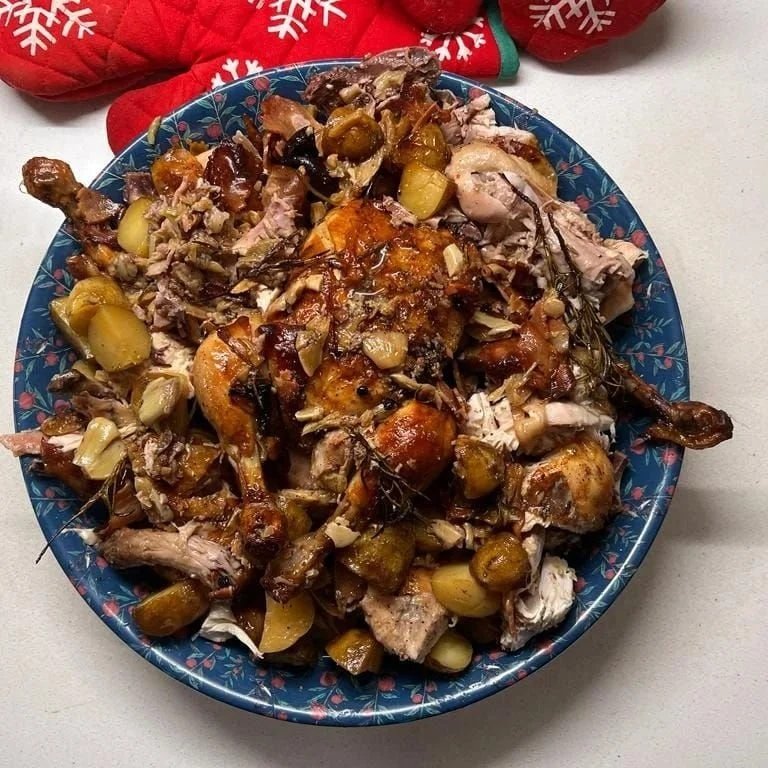
What Phillip preserves extends beyond recipes alone. She speaks warmly about growing up in Rajasthan’s Abu Road with her five sisters, where Christmas traditions stretched across days of carol singing, picnics, dancing and family meals. “I wanted people to experience not just the food, but also the joyful, carefree spirit that defines our culture,” she says. “These traditions allow the younger generation to witness and cherish the customs we grew up with.”
MaryAnne Pinto, Mumbai
Preserving Anglo-Indian food traditions for 46-year-old MaryAnne Pinto, began with watching her mother cook in Kolkata. This, long before social media turned regional home food into a viral trend. Pinto remembers a fragile recipe notebook inherited from her great-grandmother, its pages yellowed with age, filled with recipes that travelled through generations of Anglo-Indian kitchens. “My culinary skills have been largely acquired through watching my mother cook,” she says.
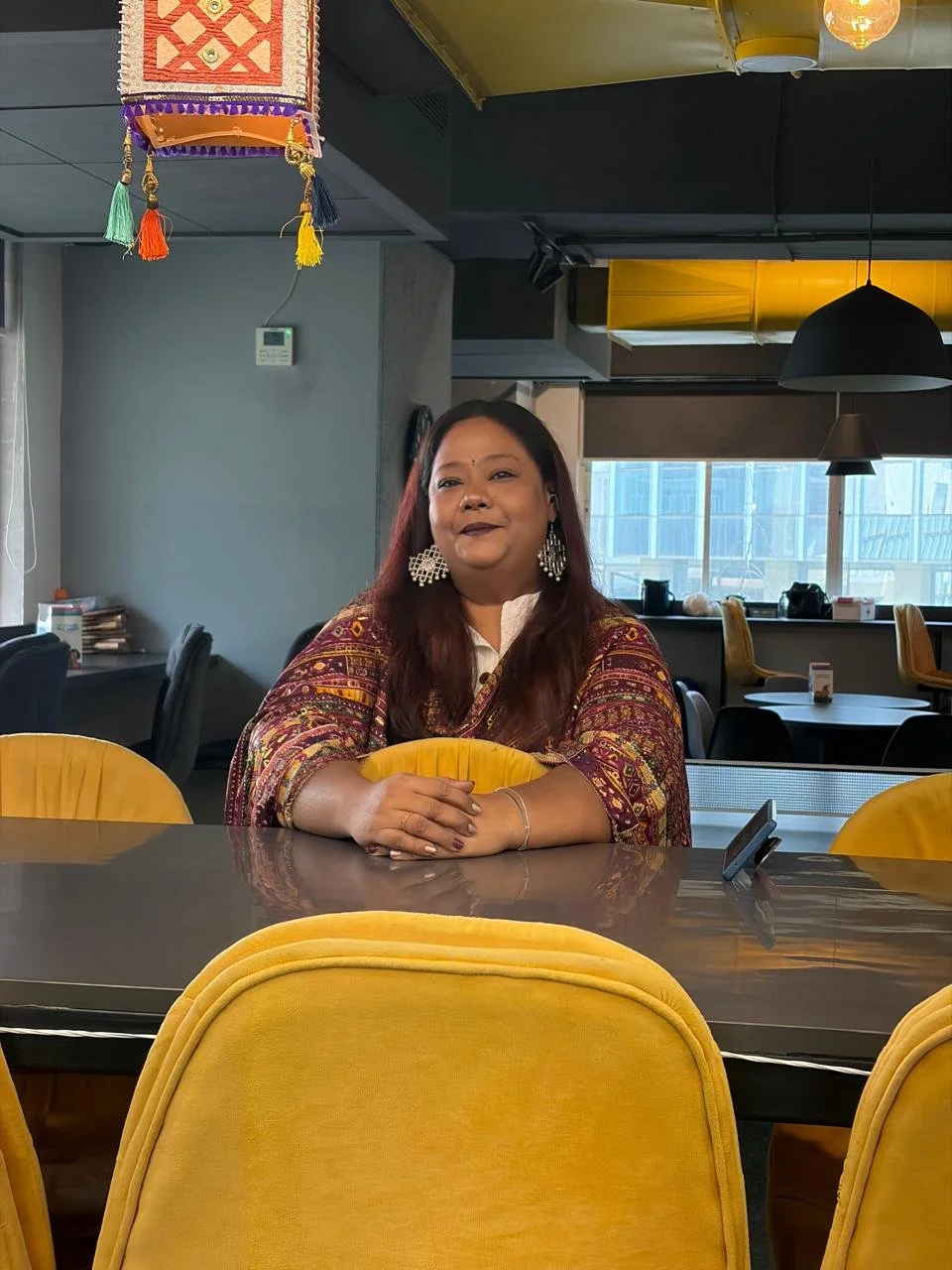
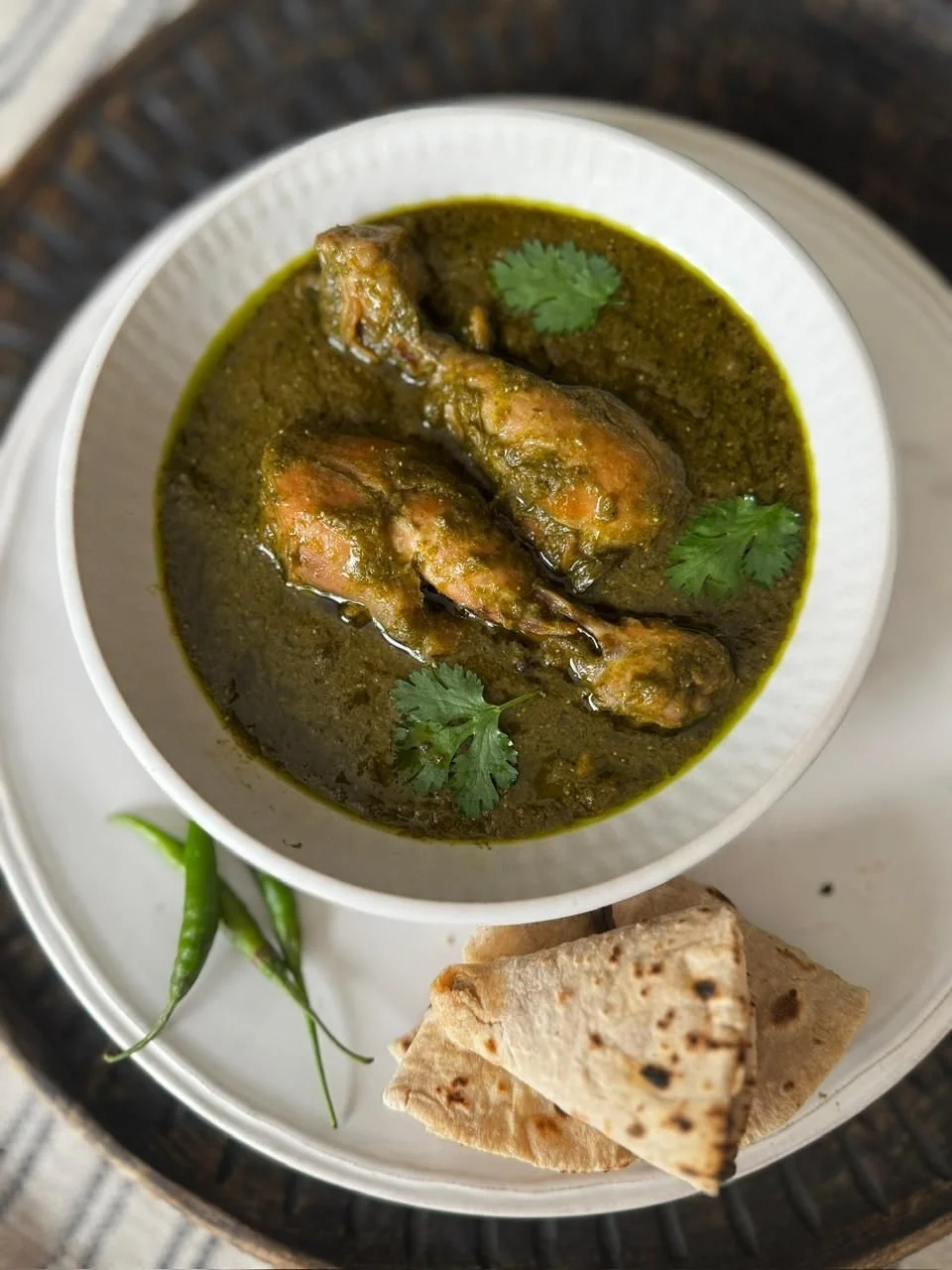
Her business, MaryAnne’s Food, first began in 1995 as a small catering venture run with her mother before expanding over the years across Mumbai and Kolkata. At the heart of it remained the food she grew up eating: jhalfrezi bright with peppers and onions, bhuni meat slow-cooked with whole spices, hussaini dishes rich with gentle Mughlai influences, and khowsuey adapted through Anglo-Burmese family connections. “Characterised by limited ingredients, minimal spices and exotic flavours — these were the culinary traditions we grew up with,” Pinto says.
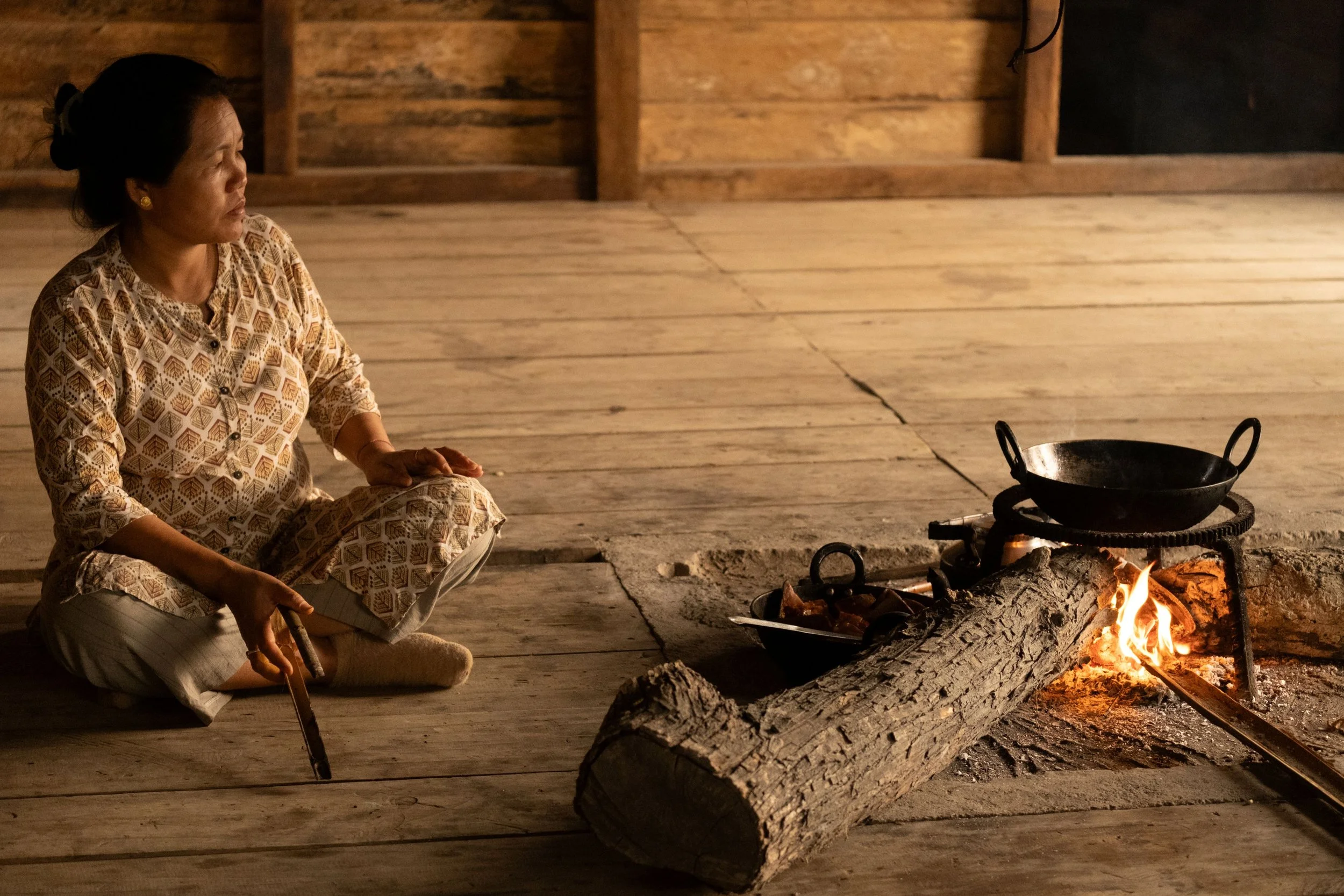
She also speaks vividly about the resourcefulness of older Anglo-Indian kitchens where coal fires and kerosene stoves steered the flavour of everyday cooking. Empty cigarette tins doubled as measuring cups while recipes relied on instinct, often shunning exact measurements. “Only a few households continue to cook using traditional recipes,” she says, worrying that many restaurant interpretations lose the balance that defines home cooking. “Home cooks ensure the preservation of the dish’s authenticity.”
Today, Pinto’s cooking stays close to family recipes while allowing wiggle room for small personal adaptations. More than anything, she sees her work as continuation — carrying forward a soothing culinary lullaby learnt from mothers and grandmothers who cooked without acclaim, but with instinct that rarely failed them.
Raul Dias is a Mumbai-based food and travel writer whose work can be found at raulontheprowl.blogspot.in
ALSO ON GOYA