Baking Bread in Majorda with Joao Godinho
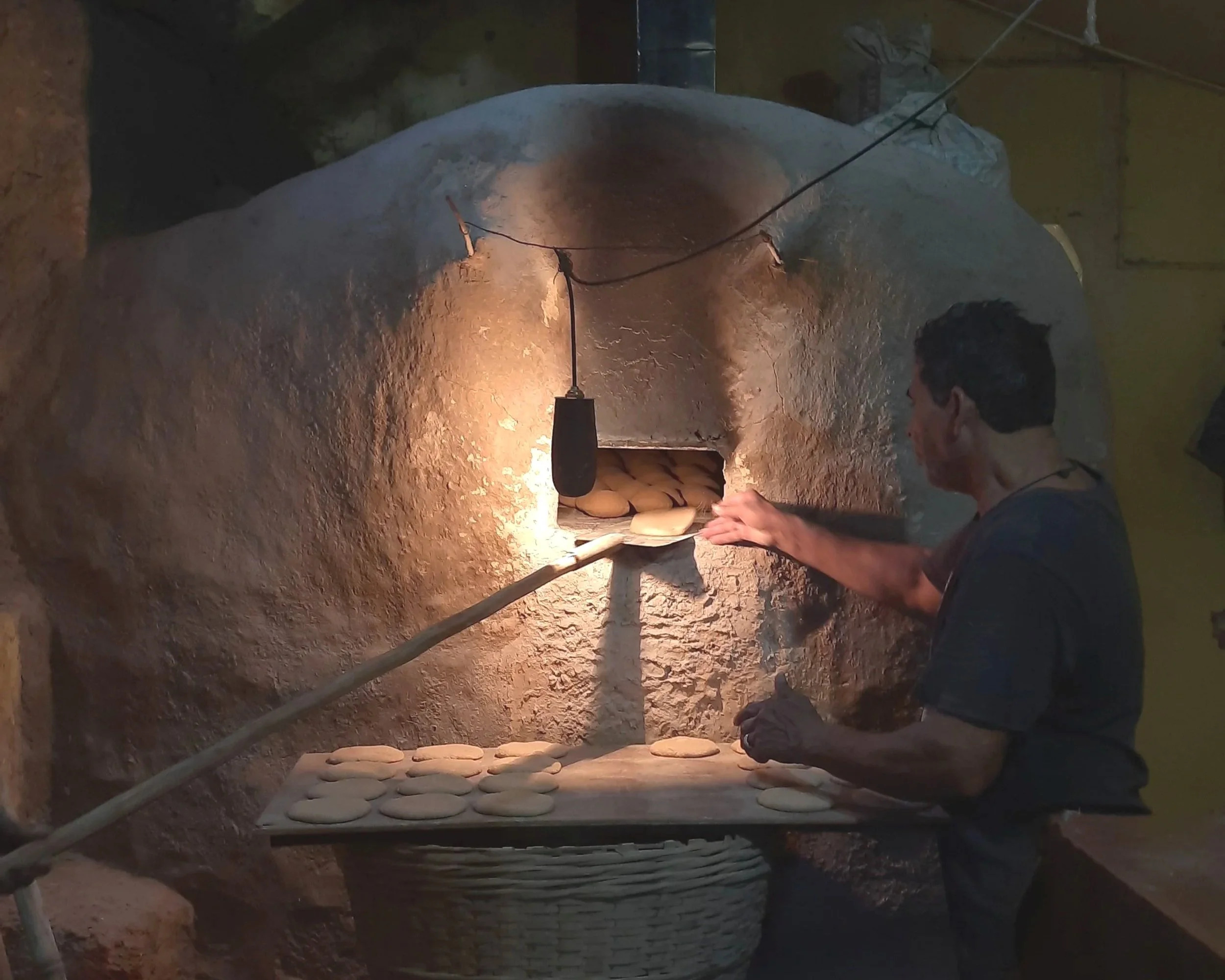
Krystelle Dsouza spends an afternoon at Godinho Bakery, learning to bake bread and dipping into the state’s fascinating history of bread making.
I love a good adventure as much as the next person; I will go to great lengths for it. On a hot afternoon in Goa, I voluntarily put myself in an oven. What followed was a fascinating date with poi, a traditional flatbread made with whole wheat flour and occasionally maida, during which I learnt about Goa’s breadmaking history. Tradition is baked into the state’s culinary scene.
The tale of Joao Godinho
If you’re from Majorda in South Goa, you’re probably familiar with the Godinho Bakery. Despite the stifling heat inside, Joao, 80, doesn’t break a sweat.
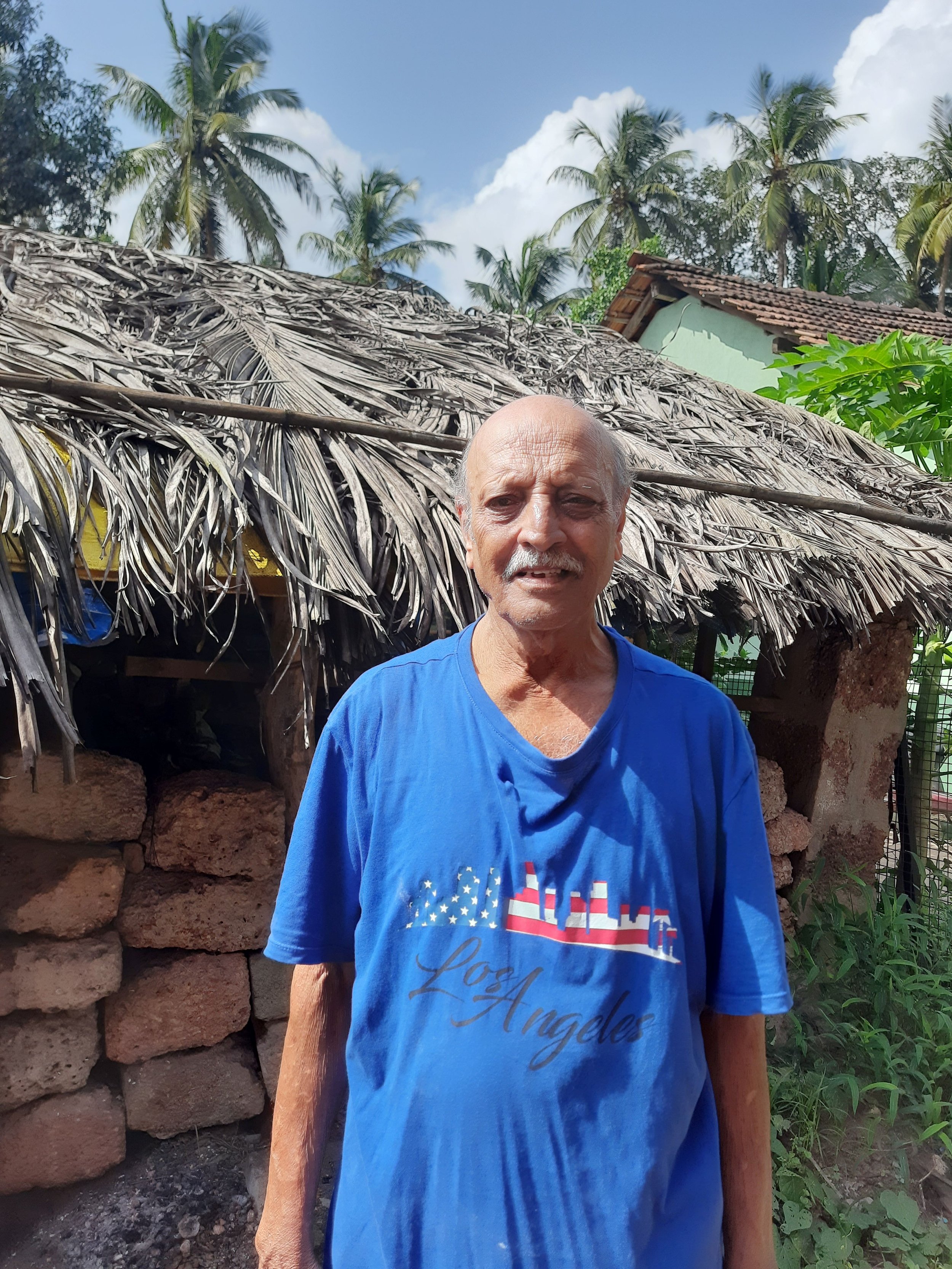
Joao Godinho (80) has revived his family’s Godinho Bakery.
His father, Joaquim, ran the bakery for years. When it came to choosing a career for himself, Joao chose the Department of Health Services. But in 2005, after a retirement following a long career, he decided to revive the legacy.
We cluster around the room watching his aides, Diniz and Valerian, shaping the dough, readying them for the oven. “I joined my parents baking bread at the age of 14. I worked with them until I completed my studies. At 24, I got a job and worked in the government sector for 35 years. Once I retired, I thought about what I could do instead of sitting at home. I decided to renovate the oven,” he explains.
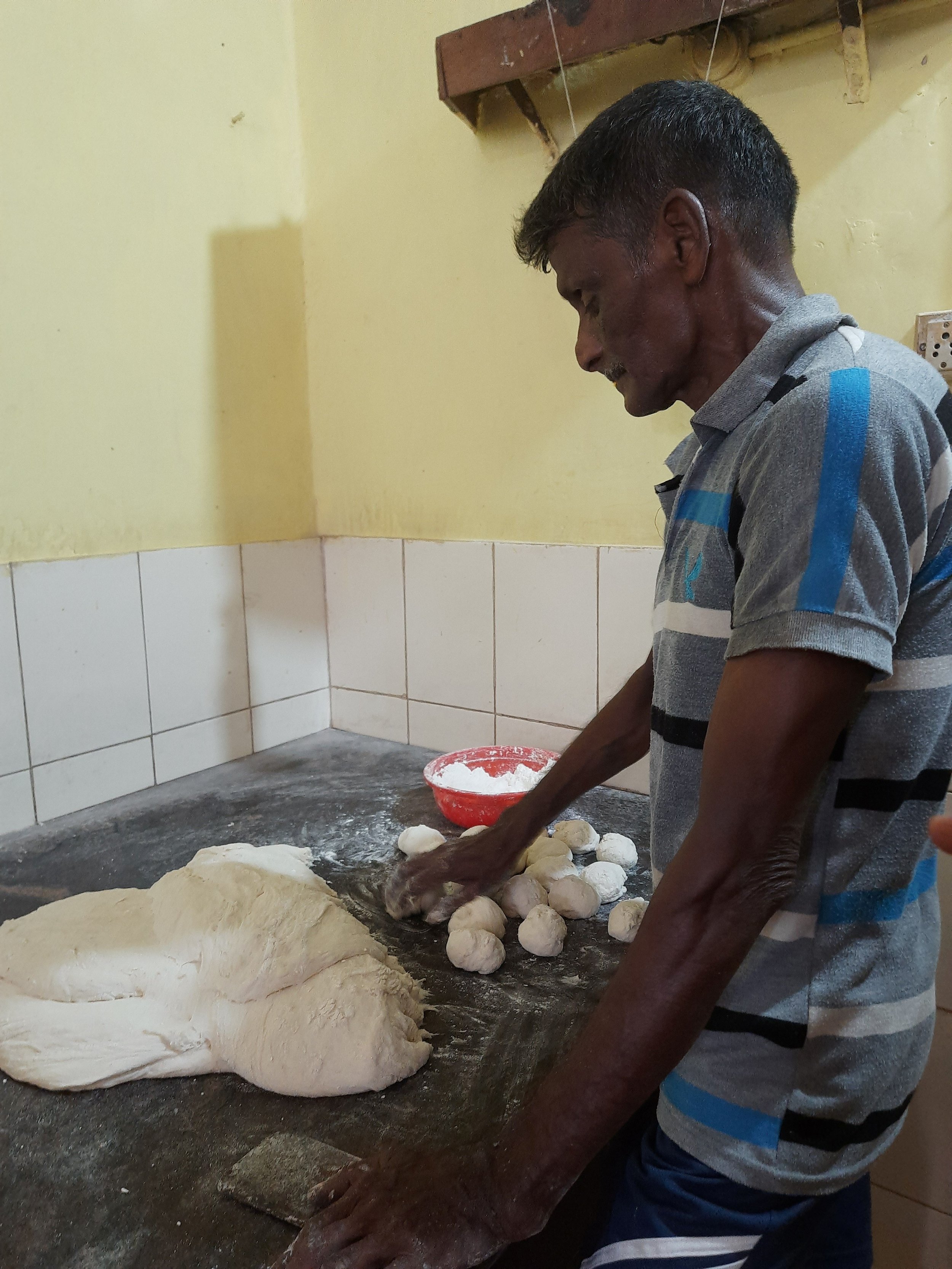
The dough is kneaded in the morning.
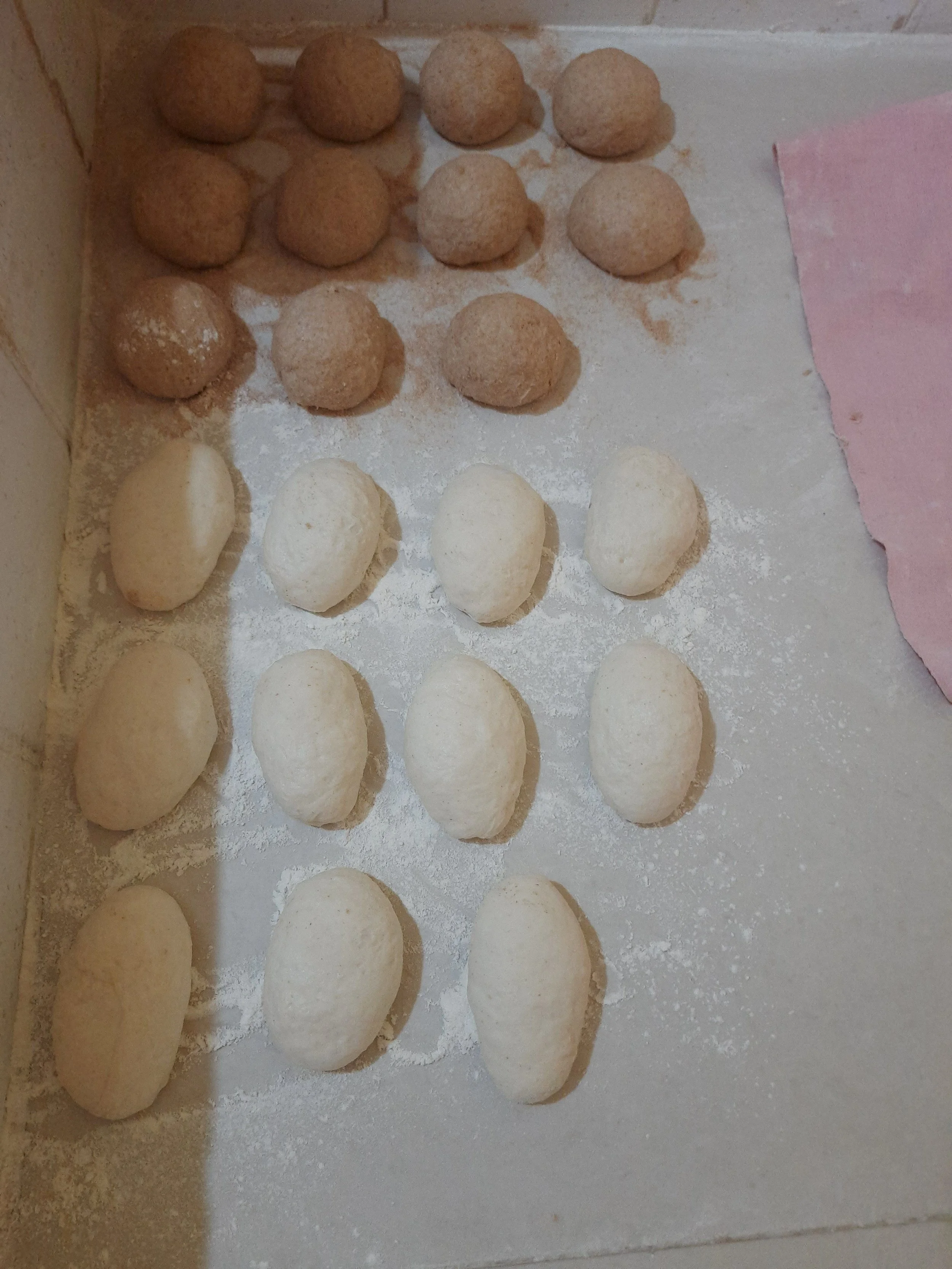
The brown dough is the poi; the white is the loni.
The bakery had been in a stupor for over a decade, following the passing of Joao’s parents. The roof had given way; the brick oven had collapsed. Finding someone who had the know-how to repair an oven of this kind — one made of laterite rock — wasn’t easy. “Repairing it wasn’t possible. I had to remake it. After a long search, finally I found one person who could. But halfway into the process, he got ill. So then things stopped again.” Eventually Joao managed to get it done. An effort to sustain not only his own family’s legacy, but also Goa’s.
The loaf that shaped Majorda
Right opposite Godinho Bakery is Majorda Railway Station. Not nearly as populated as other stations like Madgaon and Thivim, its sleepy demeanour is deceptive. Beneath this unassuming station is the beginning of a story that shapes Goa’s most beloved culinary staple: bread.
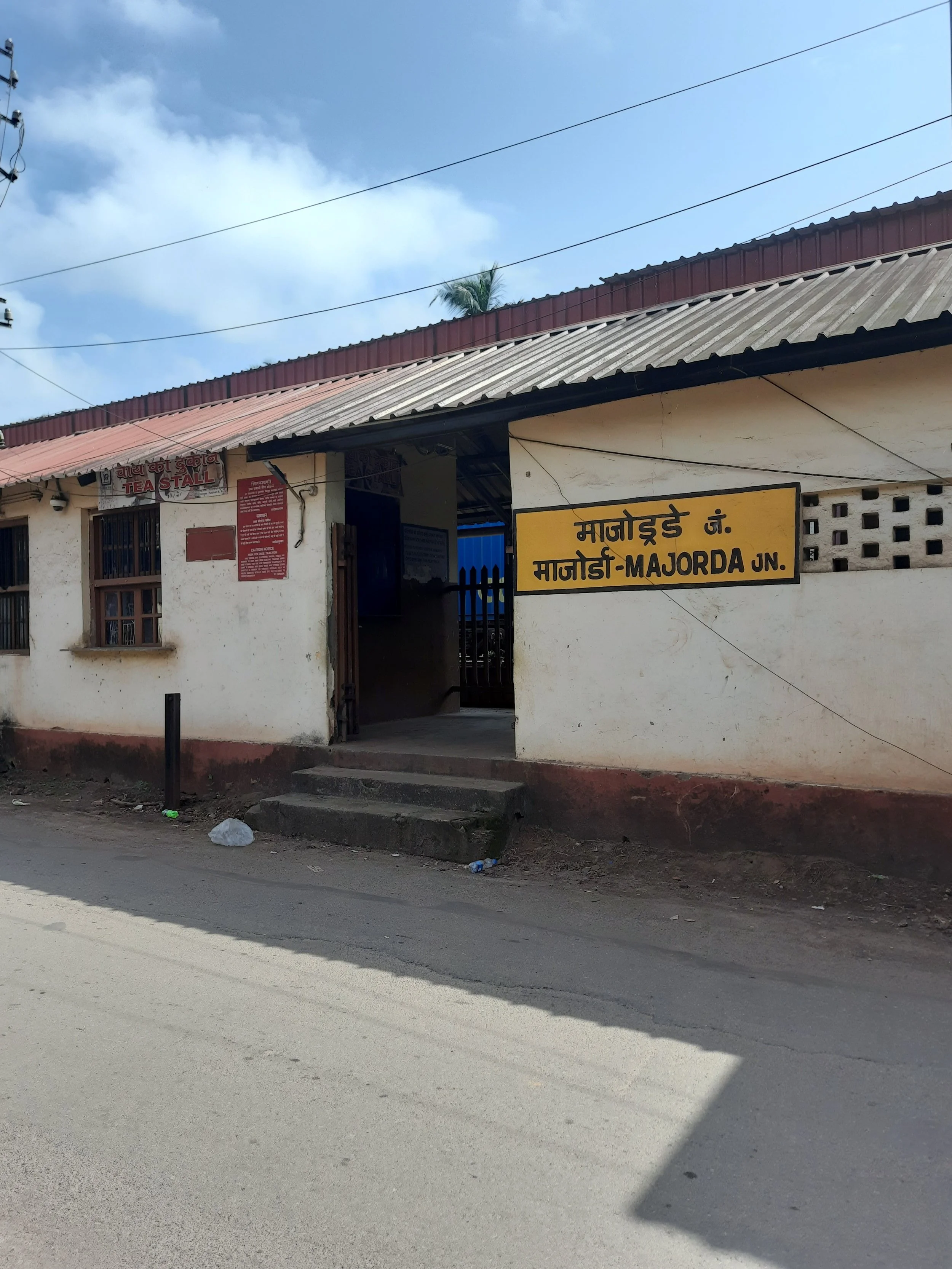
Majorda is of significance when it comes to Goa’s bread history.
Goan guide, Medora Fernandes (23), who belongs to Majorda, explains that the Portuguese were keen on introducing bread to Goa. But the question was who would make the bread?
Majorda was chosen because of the quality of her coconut trees. What does that have to do with bread, you wonder? Toddy, made from fermented palm sap, was used for fermentation. Today, most bakers use yeast. However, Joao is a loyalist and continues to use toddy.
History and Medora remember that bread’s role went beyond gastronomy. The community in Goa was used to eating Indian bread or chapati. Bread was brought here by the Portuguese and was not to be eaten by Indians who were vegetarian by caste. Once they ate it, it was seen as an acceptance of a different food tradition. Those who touched the bread could be ostracised by their community. Caught between the two communities, some found themselves without a clear place of belonging. The Portuguese offered to welcome them into their faith, and many eventually embraced Catholicism.
The Portuguese sought to expand the reach of Christianity in Goa, and bread became part of the complex social and religious dynamics of the time. “They would throw bread into the wells of Hindu families. If anybody consumed the water from the well, it was believed that they had accepted Christianity,” Medora says.
Sanjeev V Sardesai, who started Hands On Historians, a forum to promote the heritage of Goa, shares a more nuanced interpretation. “The majority of people who embraced Christianity were from Tiswadi, Bardez and Salcete. When the Portuguese came to Goa, along with priests, they wanted spread the word of the Christian faith. His Holiness had tasked them with building a church to the king of Portugal.”
Pankaj Kamble, 25, recalls the story of his family. “During the time the Portuguese were telling the story of Christ, if family had two sons: one, not wanting to lose the ancestral land, would remain in Goa and accept the new faith, while the other would take the family deity and move out of Goa to preserve their religious practice.”
His mother’s great-great-grandfather was a Desai before embracing Christianity, following which their surname changed to Fernandez. Other surnames also emerged during the Portuguese period. “Among the different castes (the traditional Hindu social structure divided society into the Brahmins, Kshatriyas, Vaishyas and Shudras), the Kshatriyas were known for their hygiene. The Portuguese liked the bread they baked so much that they gave the task of bread-making to them,” says Medora. In time, families from this community came to be associated with surnames such as Andrade and Godinho.
It seems like all roads lead to Godinho Bakery.
The secret ingredient
The dough has been shaped into little balls, each precisely the same size. While we exchange pleasantries, Joao explains that the kneading of the bread is done in the morning. In the afternoon, it is shaped, after which the breads go into the oven.
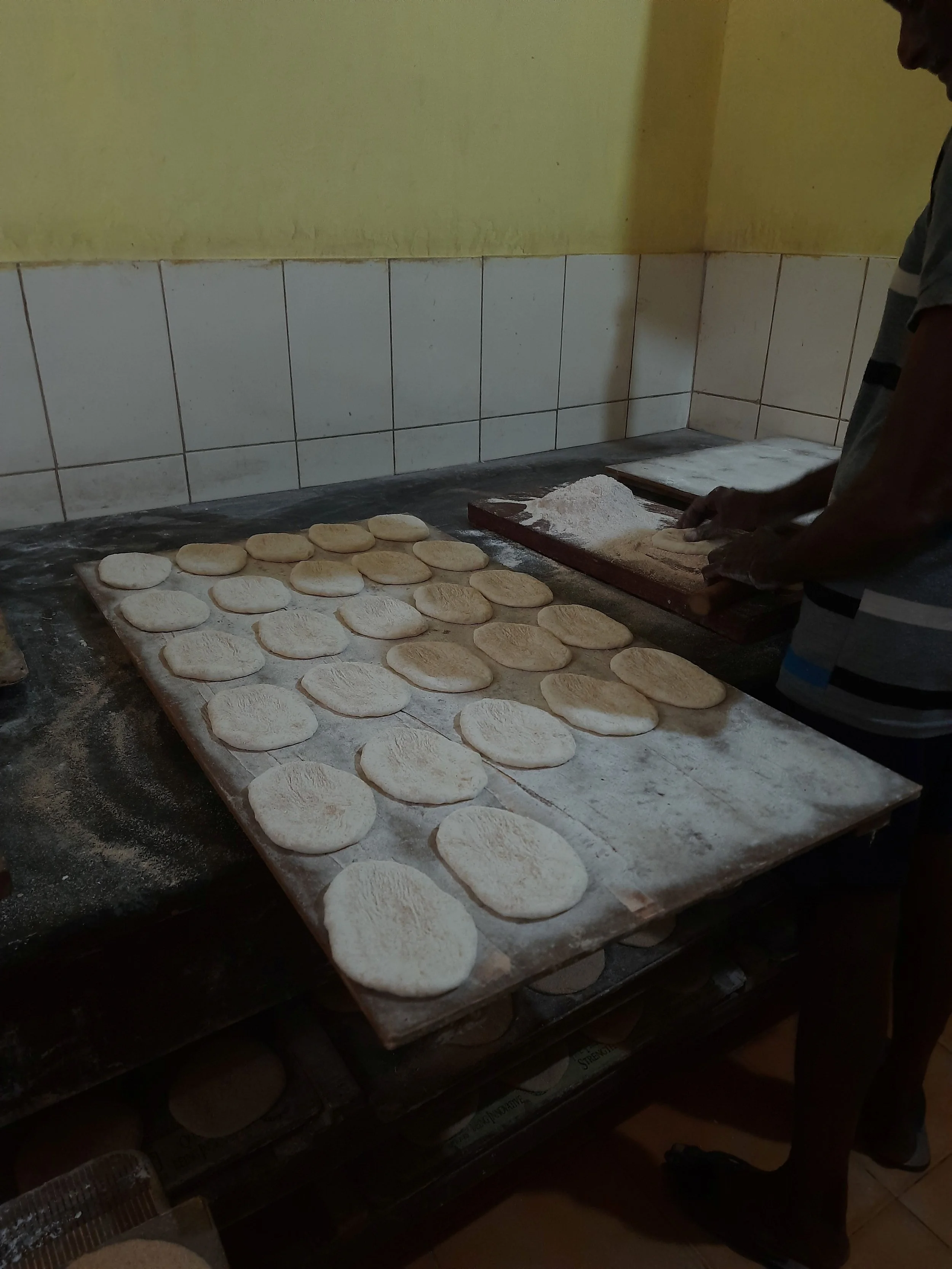
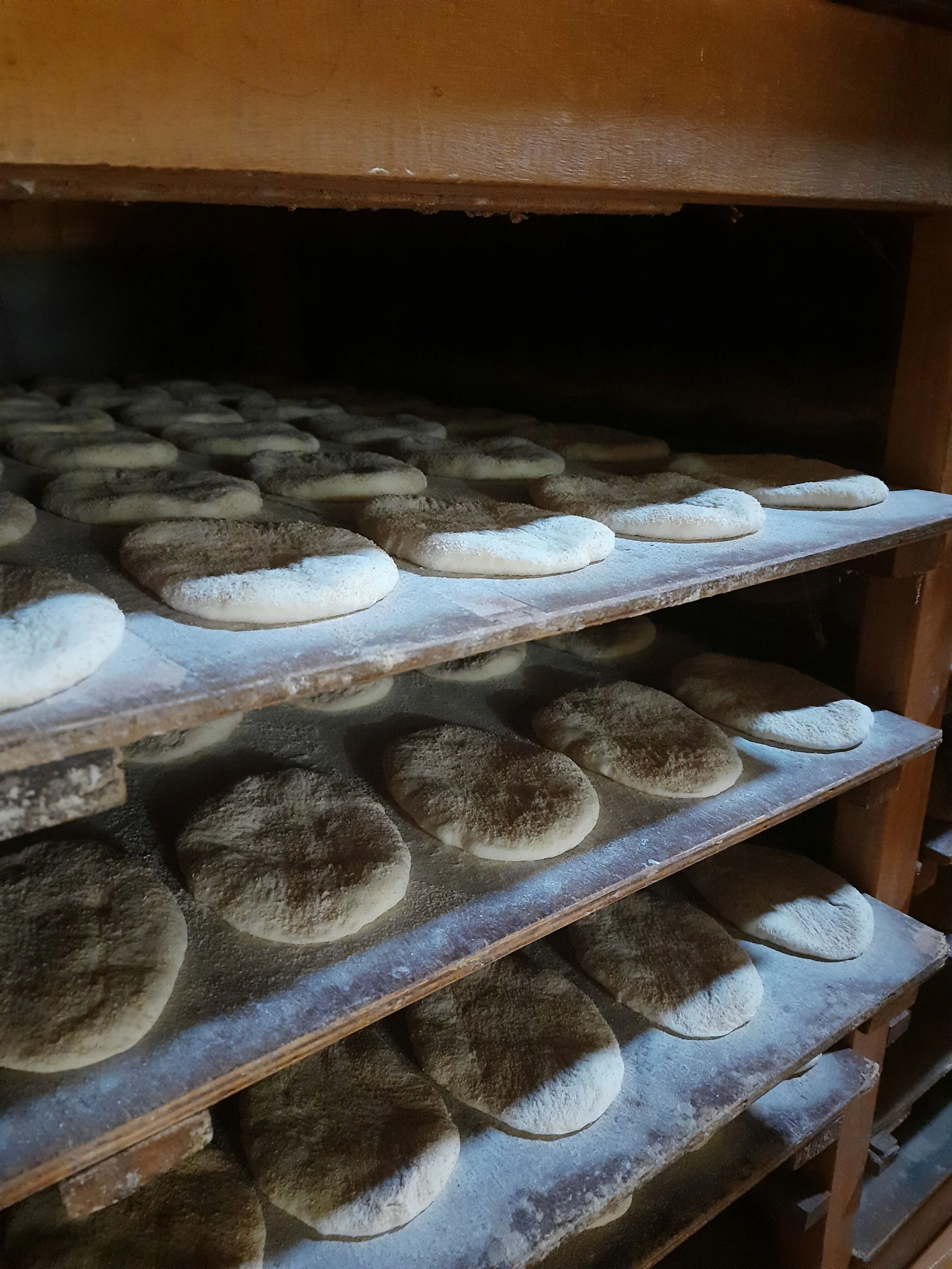
While I tried my hand at shaping a ball of dough into a perfect circle, I was outdone by Diniz and Valerian. For every one ball I shaped, they managed a dozen. Years of consistent practice will do that to you, Joao observes. It’s also what he credits for the bakery’s sustenance. The second magic ingredient is toddy.
Food author Saee Koranne-Khandekar writes in her book ‘Crumbs: Bread Stories and Recipes from the Indian Kitchen’: “The first Goan pao were legendary in that they were made using local toddy as a source of natural yeast; this gave the bread a distinctive character that is quite impossible to replicate with any other kind of yeast. The last few bakeries that use toddy to leaven their bread are struggling to keep the tradition alive, while most have succumbed to the use, and more predictable uniformity, of commercial yeast. Toddy itself is hard to find now, and fresh yeast is easier to procure and more stable.”
Toddy and Goan bread is a subject that has intrigued many. In fact, there’s even a research paper written on the subject. In ‘Toddy Fermentation in Goan Breadmaking: A Cultural and Scientific Perspective’, Curie Fernandes, Mala Kharkar and Gurunath Pandit spotlight the role of toddy as a natural leavening agent. Being rich in natural microorganisms, it makes for an excellent choice, the paper explains.
According to the study, toddy fermentation is driven by the naturally occurring yeast and bacteria in the sap. As these microorganisms break down the sugars, they produce carbon dioxide, which helps the dough rise, and ethanol, which gives the bread its distinctive aroma. The paper points out that, unlike commercial yeast, toddy produces a slower, gentler rise, giving the flavours more time to develop.
But don’t let toddy hog all the limelight. Joao’s oven too deserves some credit.
The poster boy of the bakery: poi
The red gleam of the embers indicate that it is show time. We’re standing in front of a giant oven made of laterite rock. There’s a small opening in the dome, through which the stage is visible. Medora explains there is a science to the oven design. The choice of laterite is because of its soft nature, which allows it to bind with other materials. In this case, these materials are tonnes of salt, pieces of glass, and pebbles that capture the heat. “The oven is coated with ash, cow dung and sand from the sea,” she says, adding that the red glow is provided by terracotta tiles, which capture heat. “Since this is a pre-heated oven, there are almost nine logs of hardwood which have turned into ash. Before the bread is put into the oven, it has to be cleaned thoroughly. First, the charcoal is scooped, then a dry mop is used, followed by a wet one to clean the base,” she explains.
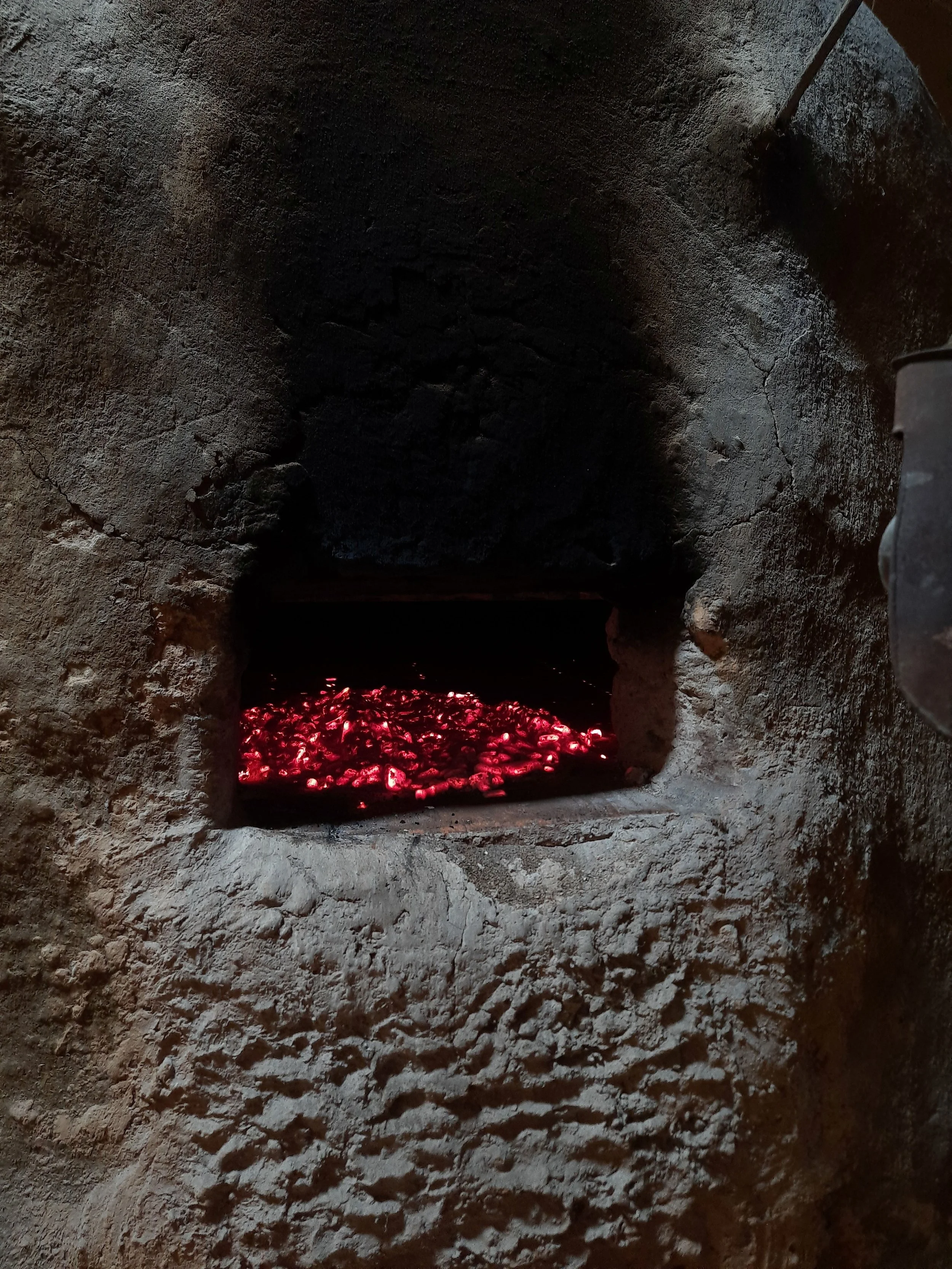
The laterite oven being readied for the baking of bread.
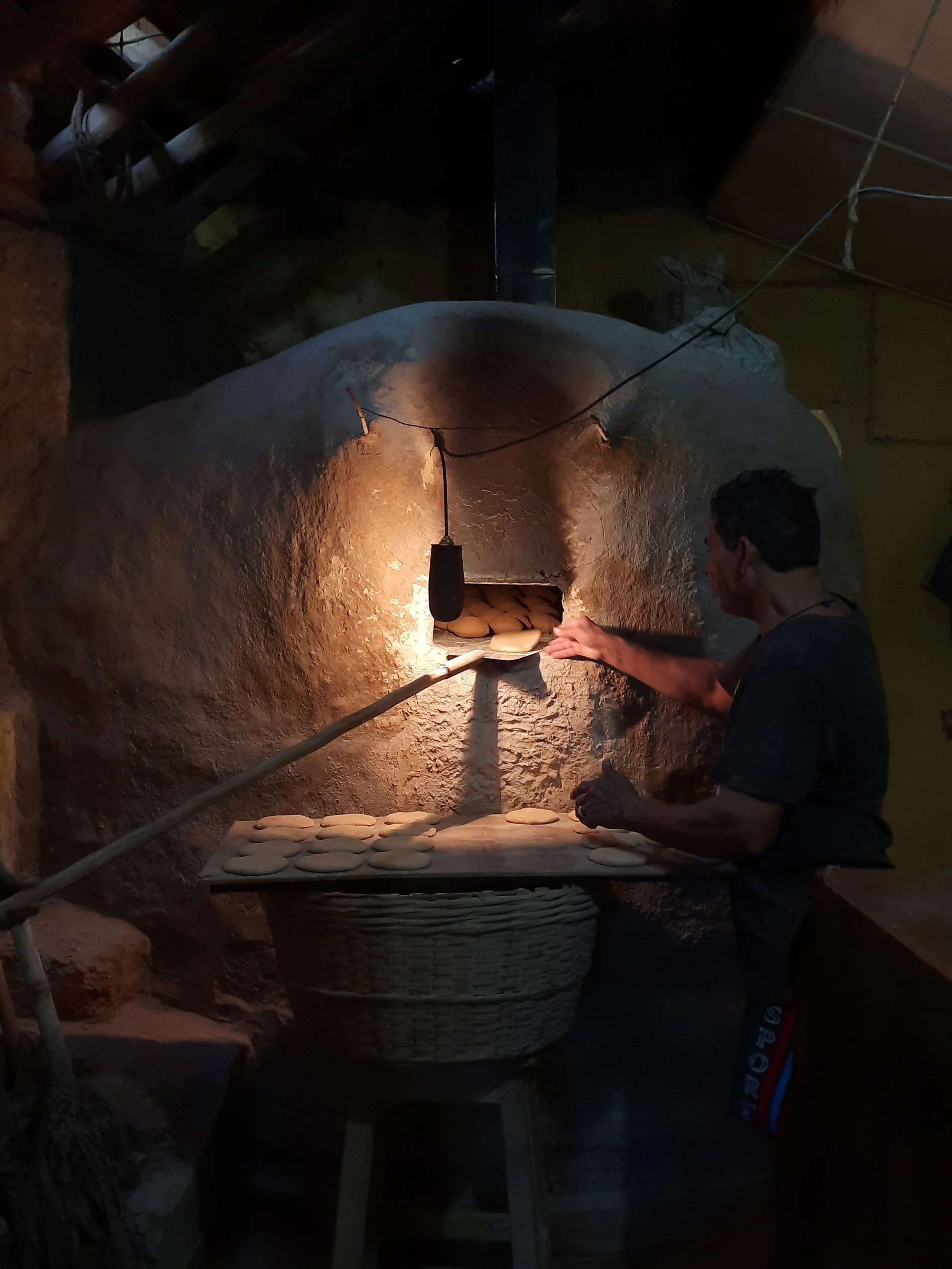
The poi goes in first, then the loni.
Then the bread is placed within. First, the poi goes in: it needs the highest temperature. It is almost cathartic to watch the flat circles rise. Two minutes later, they’ve risen and are scooped out. Then goes the loni made with maida. It’s left to bake for about four minutes. Then finally, in goes the pao.
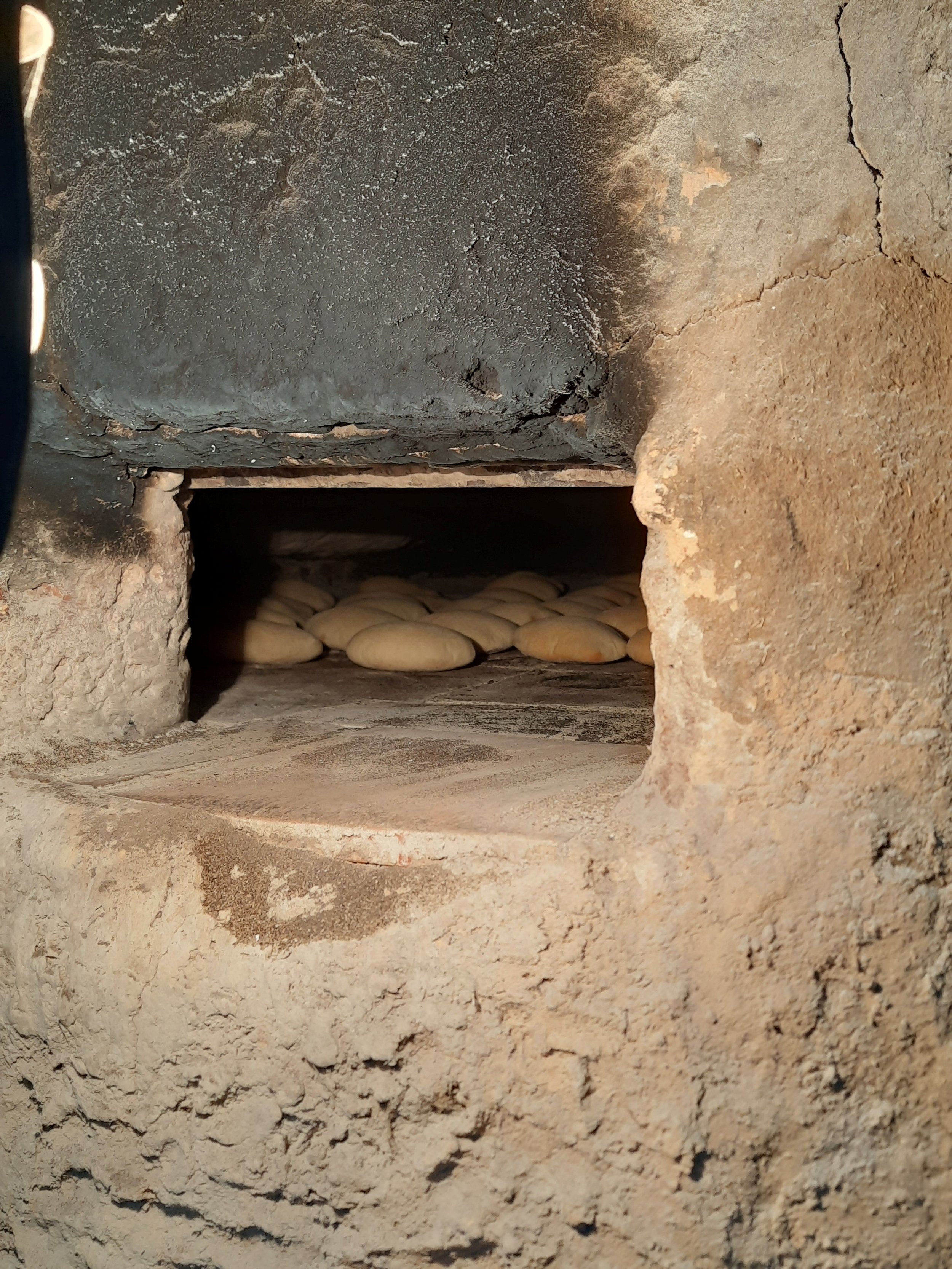
While Goa has given India numerous varieties of bread, the cult favourite seems to be poi. “I think every Goan remembers the poder (traditional village baker) waking us up every morning with his honking. In the evenings, coming home from play, there was nothing better than warm bread with butter,” says Kiyara Dacosta (23). When Kiyara moved to the UAE for work, that’s what she missed the most.
Another poi lover is Michelle Mendonca Bambawale. Michelle grew up in Pune, but every year she looked forward to spending the summer in Goa; waiting for the poder and eating fresh poi for breakfast, smeared generously with butter, was always a highlight.
After living around the world, she now lives in Siolim, in the same house where she spent those early summer vacations. While she’s always loved poi in its traditional form, these days, in keeping with the times, when she eats poi for breakfast, she adds sliced avocado. Recently, for her 60th birthday, her friend Lee Lobo put together a grazing table and a ‘make-your-own sandwich station’, where poi was the hero. Its co-stars were fillings like Goan choris (spicy pork sausage), sardinhas à portuguesa (Portuguese-style sardines), chicken salad, sautéed peppers, and pesto.
While poi has been typecast as emblematic of Goa’s bread scene, there are numerous other breads to try out too. Kiyara names two: “School tiffin was always pao with salami. I love cutlet pao too.” Then there’s also the katre pao. Interestingly, it is called katre pão because scissors are used to shape the breads; kator is the Konkani word for scissors, and the act of cutting.
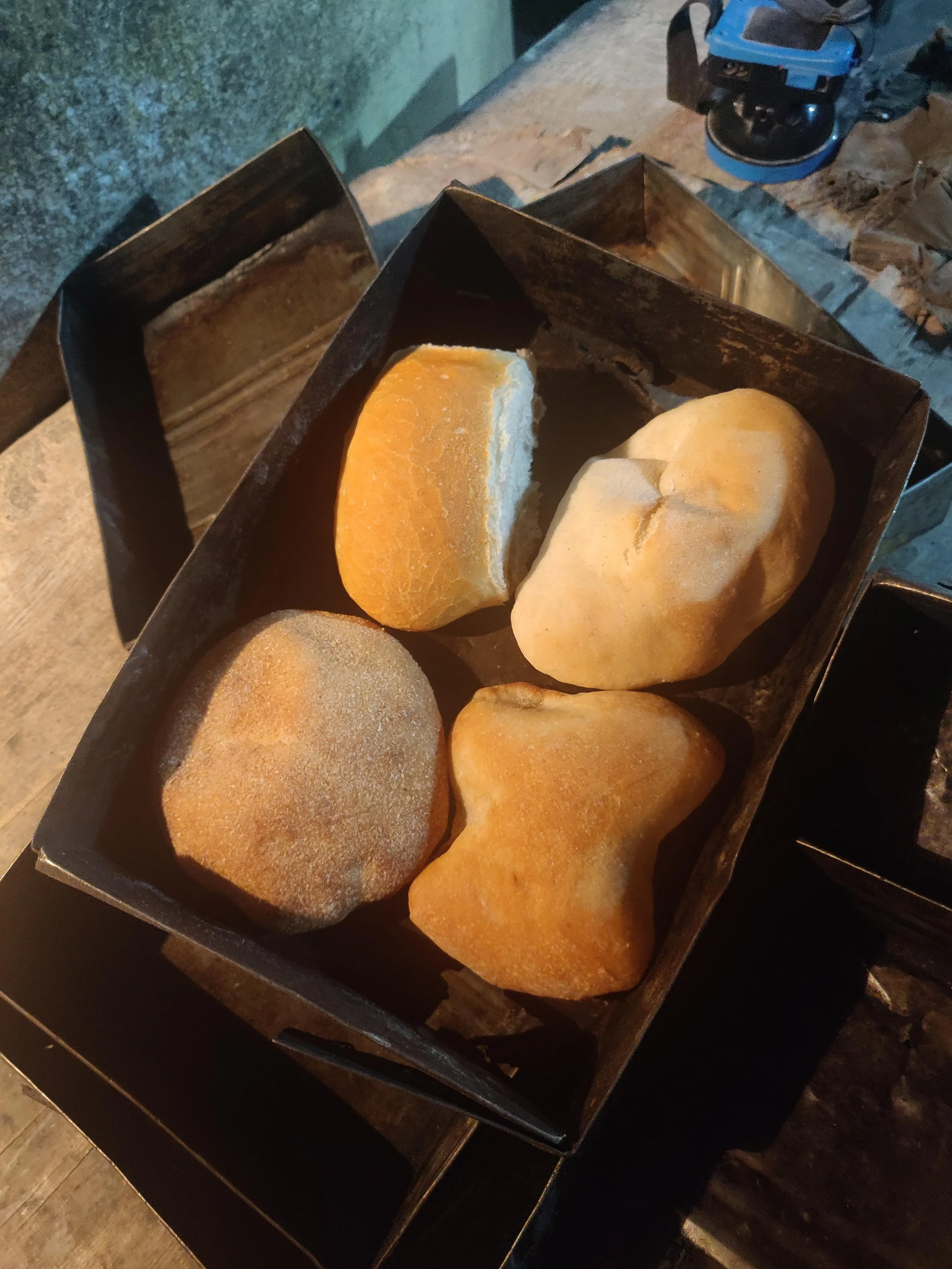
Pao, poi, katre pao and unndo at another bakery.
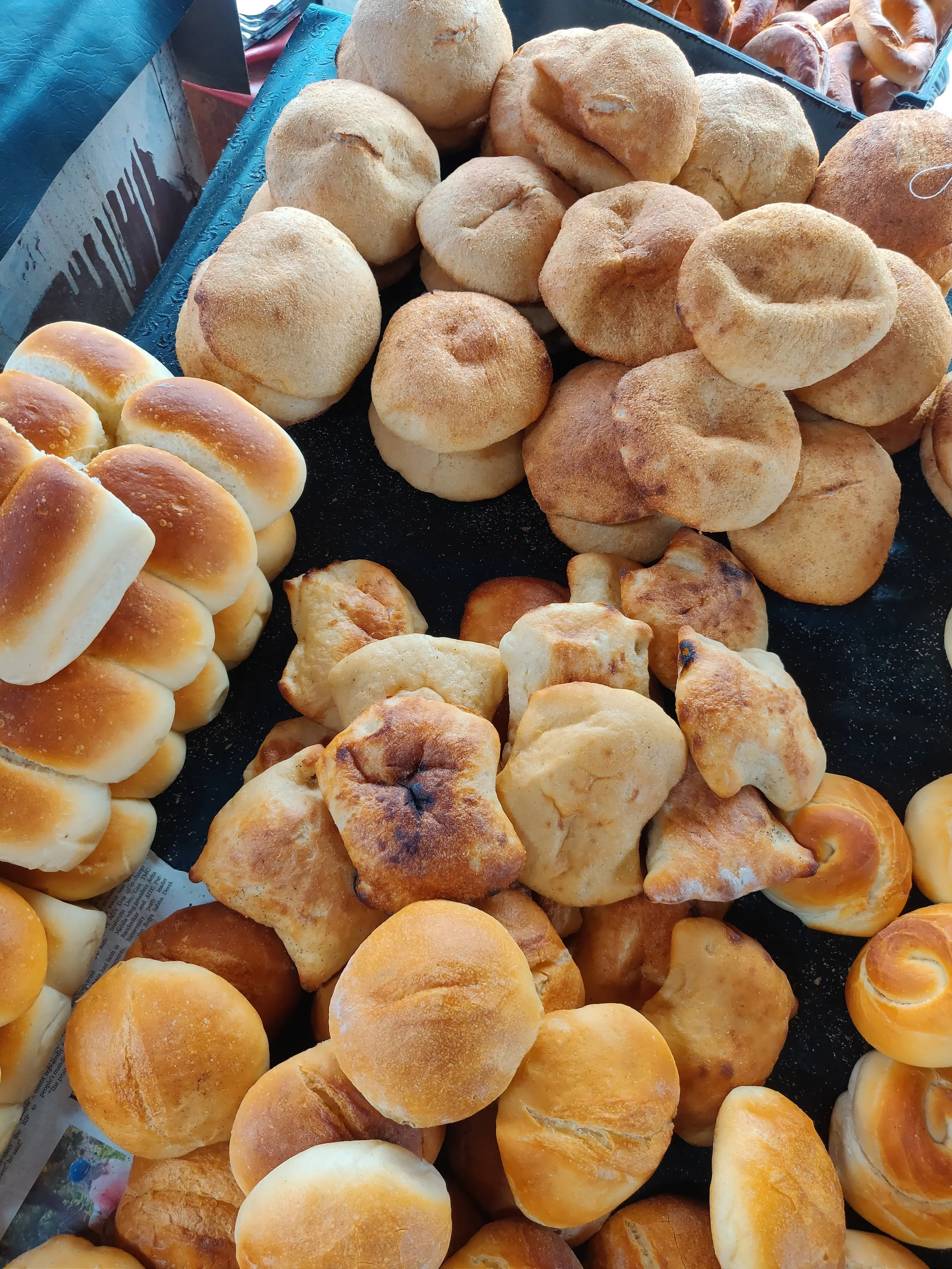
Assortment of breads in Mapusa Market.
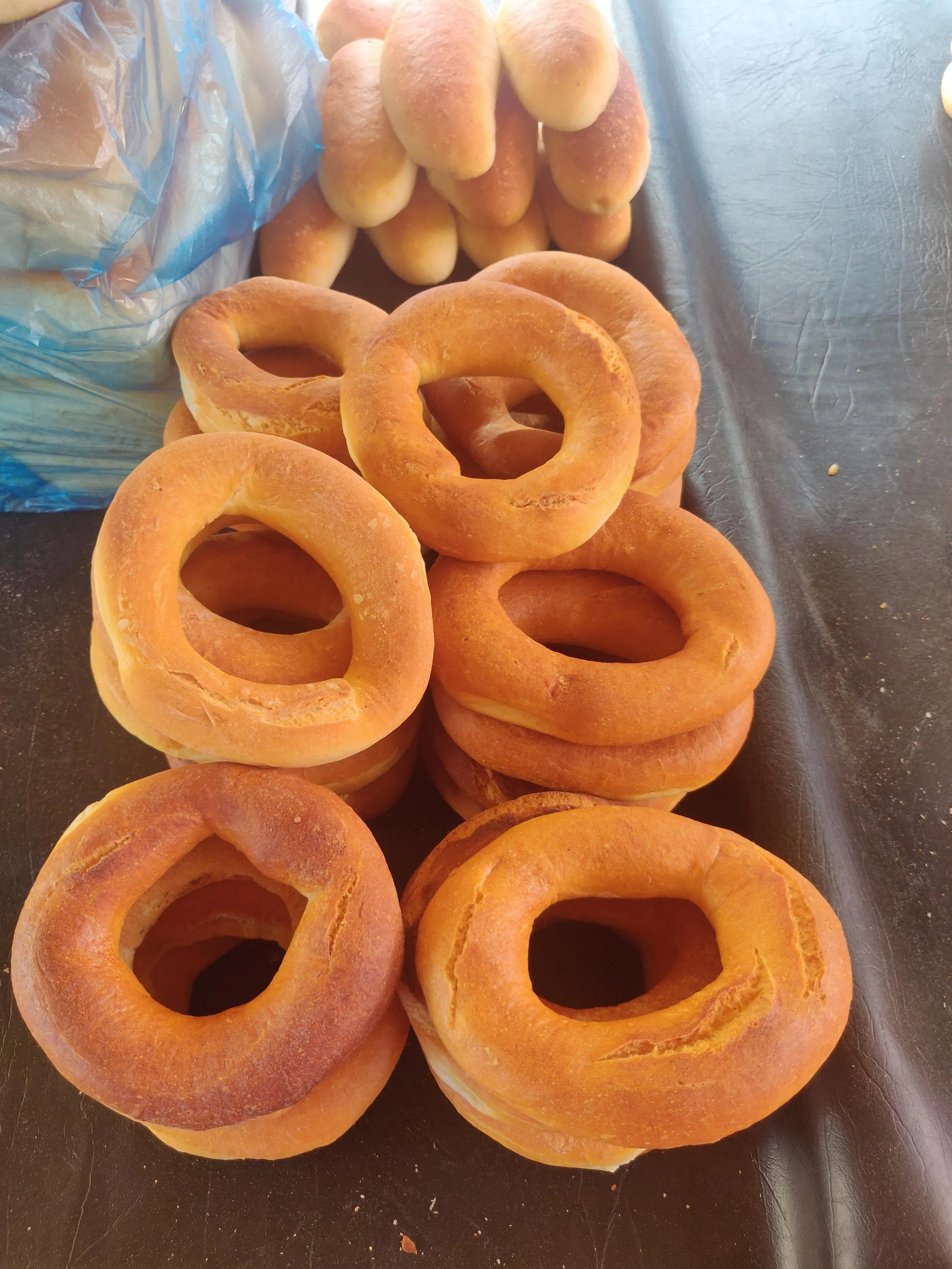
Kankon in Mapusa Market.
Then there is also undo, or pokshe, best eaten with xacuti (spiced Goan curry), choris or vindalho (tangy pork curry). And there’s kankon, shaped like a bangle.
While we’ve been having this slice of history, our loni has baked.
A time-tested tradition
In this world of instant everything, you can’t hurry bread. It demands that you wait with it until it has risen. While the residents of Majorda flock to Joao’s bakery for their daily bread, he admits that the breads of today taste very different from those his father baked.
He shares, “In the old days, wheat was processed by grinding it yourself. You didn’t have separate wheat flour or wheat husk. You simply ground the whole wheat and used it to make bread. Now, nobody grinds wheat anymore. Everything is available ready-made. That makes a difference to the flavour.”
They use coarse flour and add bran to it, which lends the bread more fibre. That is especially useful for people with diabetes. While running a bakery at 80 certainly comes with its challenges, Joao isn’t slowing down. He is, quite literally, still taking a big bite out of life.
As I walk away with my bread, I smile to think that it is indeed possible to bake your bread and eat it too.
If you’d like to try the breadmaking experience, you can check out Soul Travelling’s Life of Pao here.
Krystelle Dsouza is a Mumbai-based journalist drawn to stories that emerge from the margins and to ideas that translate into scalable impact. She believes in the ripple effect every idea and initiative has and strives to capture that sentiment in her stories.
Photos credit: Krystelle Dsouza, Joanna Lobo
ALSO ON GOYA