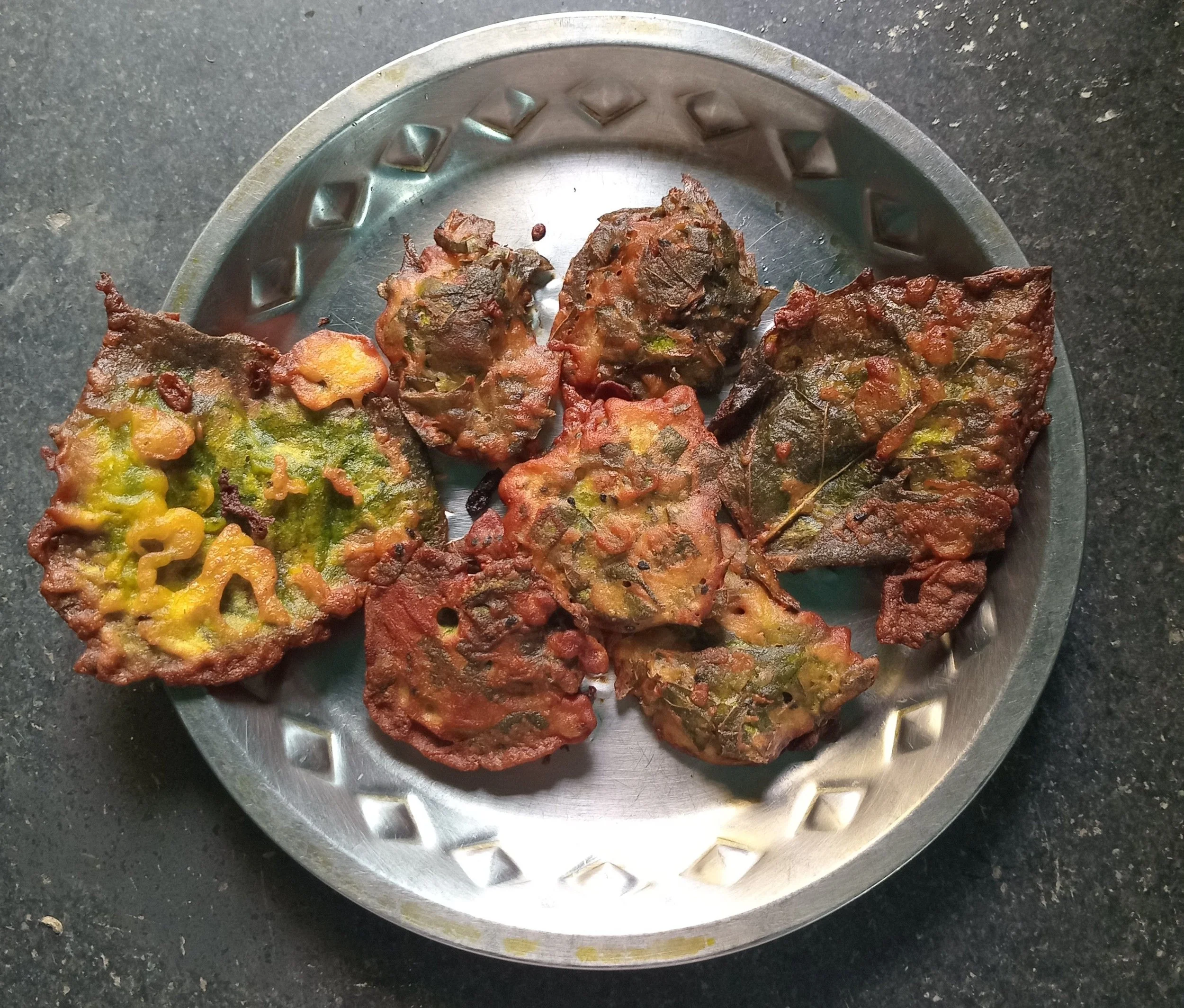
Spiced Rice and Lentil Dumplings for Diwali
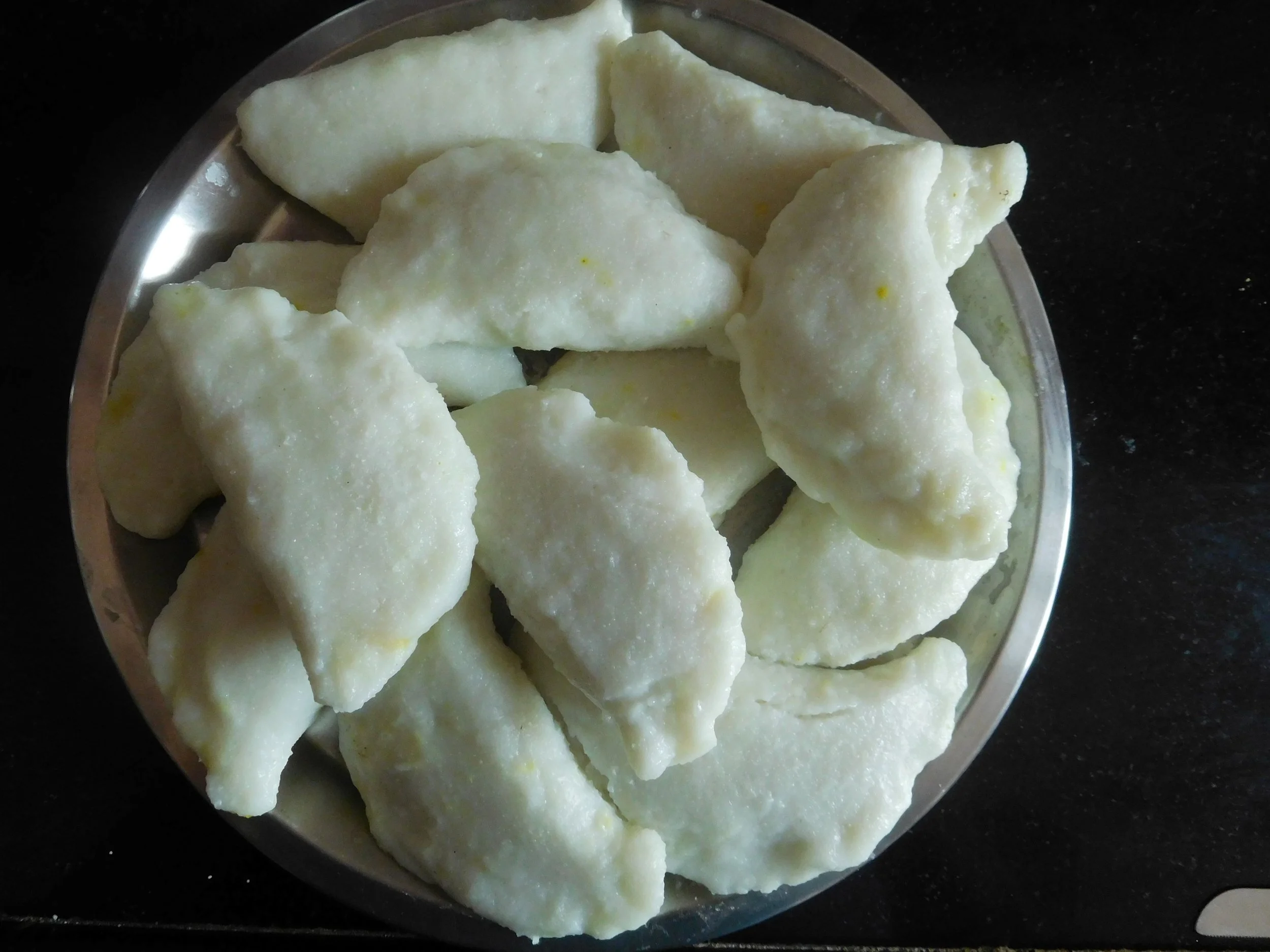
In Paridhi Sinha’s home, the days following Diwali were filled with rituals. The one memory that has always stood out for her was the making of dal pitha, steamed rice lentils with a spiced lentil filling, which was a specialty at Bhai Dooj.
My fondest memory of Diwali, as a child, is accompanying my mother to make cotton garlands for my brothers. I watch the women make shapes on the ground and perform rituals, which they tried to guide my confused and half-asleep self into following. But honestly, they only managed to get my full attention when they brought out the food.
It was piping hot dal pitha served with chutneys and spicy vegetable curries. I decided then that it was a feast worth waking up early. Later that evening my mother decided to introduce me to the version of dal pitha she grew up eating — using leftover, cold dal pitha, cutting it into bite-sized pieces and deep frying them till crispy and golden brown. Just like her, I grew up with crispy fried dal pitha with ketchup being one of my favorite childhood snacks.
Bhai Dooj is celebrated across many regions of India. The ritual usually remains more or less the same — the brother visits his sister’s home for a meal. The brother may give his sister gifts while she prays for his long life. Unlike the much more popular Raksha Bandhan, the onus of providing protection lies upon the sister instead of the brother.
The way Bhai dooj is celebrated in Bihar is a beautiful reminder of an almost forgotten agrarian world. The ceremony is called Godhan puja (cow/ cattle wealth worship). On this day the women gather together in an open area, a courtyard, a garden or even someone’s terrace. On the ground are figurines made using cow dung, which represent Yama — the god of death, scorpions, snakes or anything else representing an entity seeking to harm the women’s brothers.
The women share folklore about Yama and his sister, Yami, and make cotton wreaths for their brothers. These wreaths must be long to represent the brother’s long life. They also curse their brothers, wishing them ill health, calling them names and even wishing for their death. These wishes tend to get quite graphic and creative and sometimes include very detailed descriptions of how a disaster should befall the said brother/s. This is all done to ward away Yama as he is said to target people who are too good and never get cursed by anyone. After the women are done cursing, they symbolically pierce their tongues with thorns as a punishment for the curses.
At the very end, the women use a long wooden pestle called a moosal to crush the figures on the ground, while declaring that they are crushing their brother’s enemies. Afterwards, they return to their homes awaiting visits from their brothers. The meal prepared on this day is specially cooked for the sibling. A common dish cooked across homes is dal pitha.
Dal pitha is a simple dish, rice dumplings with a spicy lentil stuffing. In many smaller towns, it is easy to find a group of women sitting together making this very Bihari version of dumplings.
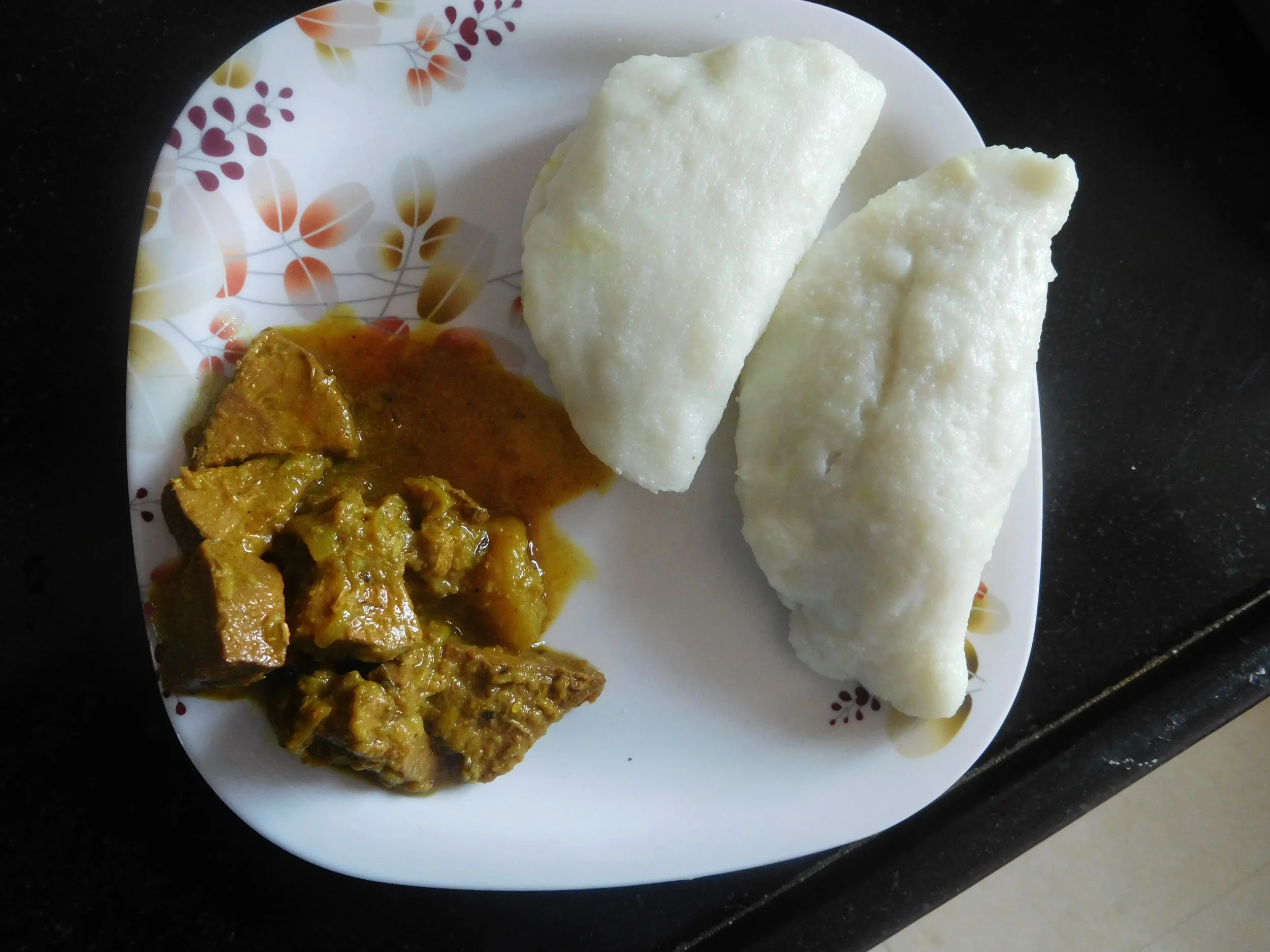
A RECIPE FOR DAL PITHA
Ingredients
1 cup flour (either wheat or rice)
2 cups split chickpeas or yellow gram
1-2 tsp ginger-garlic paste
Green chillies, to taste
Turmeric powder, a pinch
Fresh coriander leaves (optional)
Carrom seeds (optional)
Salt
Method
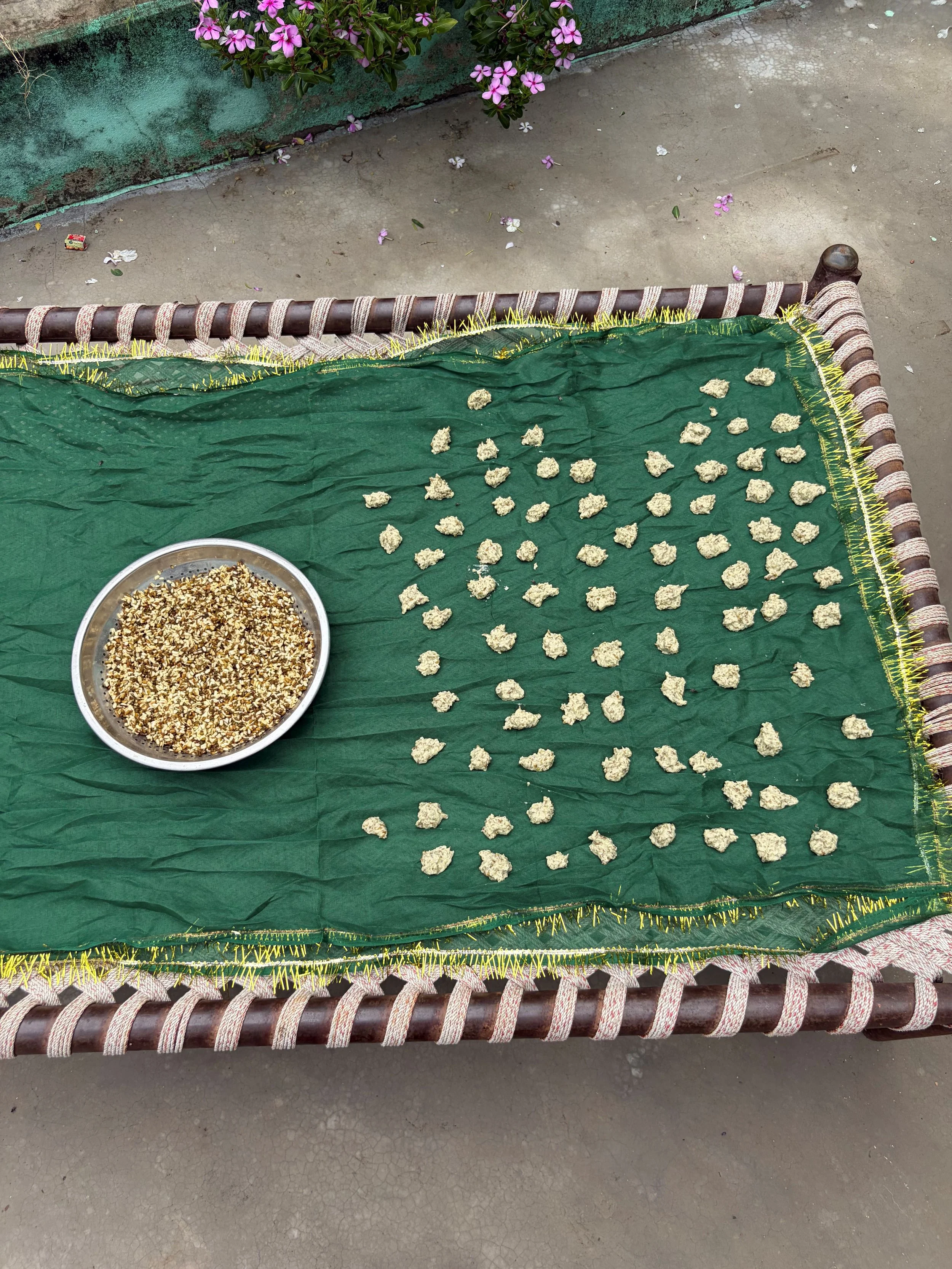
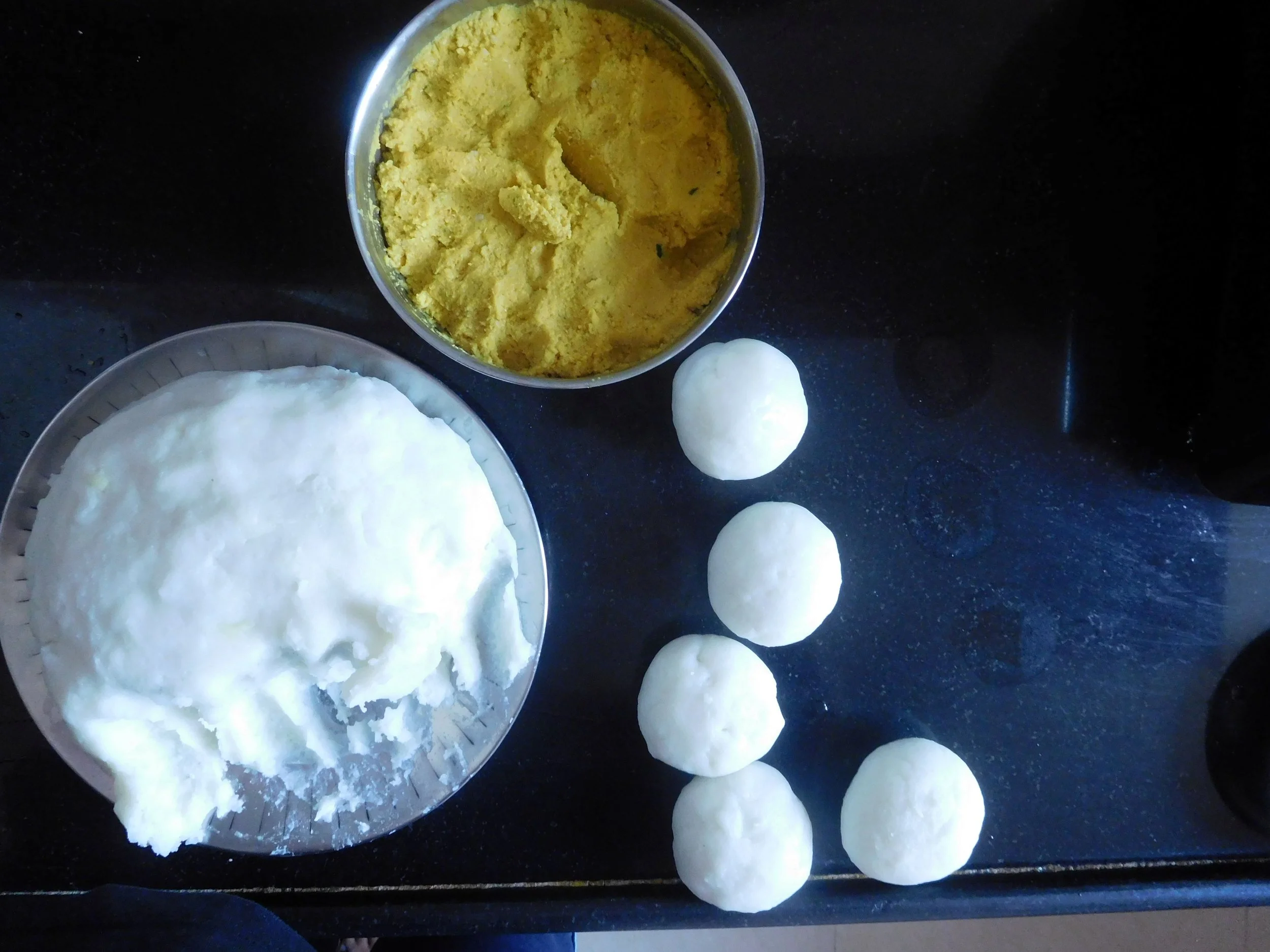
Clean and soak the yellow gram for at least 6-7 hours or overnight. Drain the excess water and add the dal to a grinder. Add salt as per taste and a pinch of turmeric. Add the ginger-garlic paste and one or two green chilies. You can adjust the ratio as per your own taste.
Now grind the dal using as little water as possible. The dal paste should be thick and slightly coarse. At this point you can add some chopped coriander leaves in the dal paste.
Knead the flour after adding a pinch of salt and carrom seeds (optional). If you are using rice flour, it is suggested that you use warm water or heat up the rice flour and water mixture over the stove before kneading it. Wheat flour is easier to handle and therefore more commonly found, but the rice flour dal pitha tastes better.
Divide the dough in small balls and flatten them into discs. Put in a few spoons of the dal paste in the center and fold the flattened dough wrapper over it. Seal the edges by pressing them with your fingers, giving them a half-moon shape.
Once you have filled and shaped your pithas, you can cook them. The more traditional way of cooking them is by simply dropping the pithas in roaring boiling water. Let the water boil over with the pithas in it till they are thoroughly cooked. The cooking time varies depending on the size of the pitha. Also, for this method you should ensure that your dough wrapper is slightly thick and sealed really well. The other and easier way is to use any steamer and steam the pithas till cooked thoroughly.
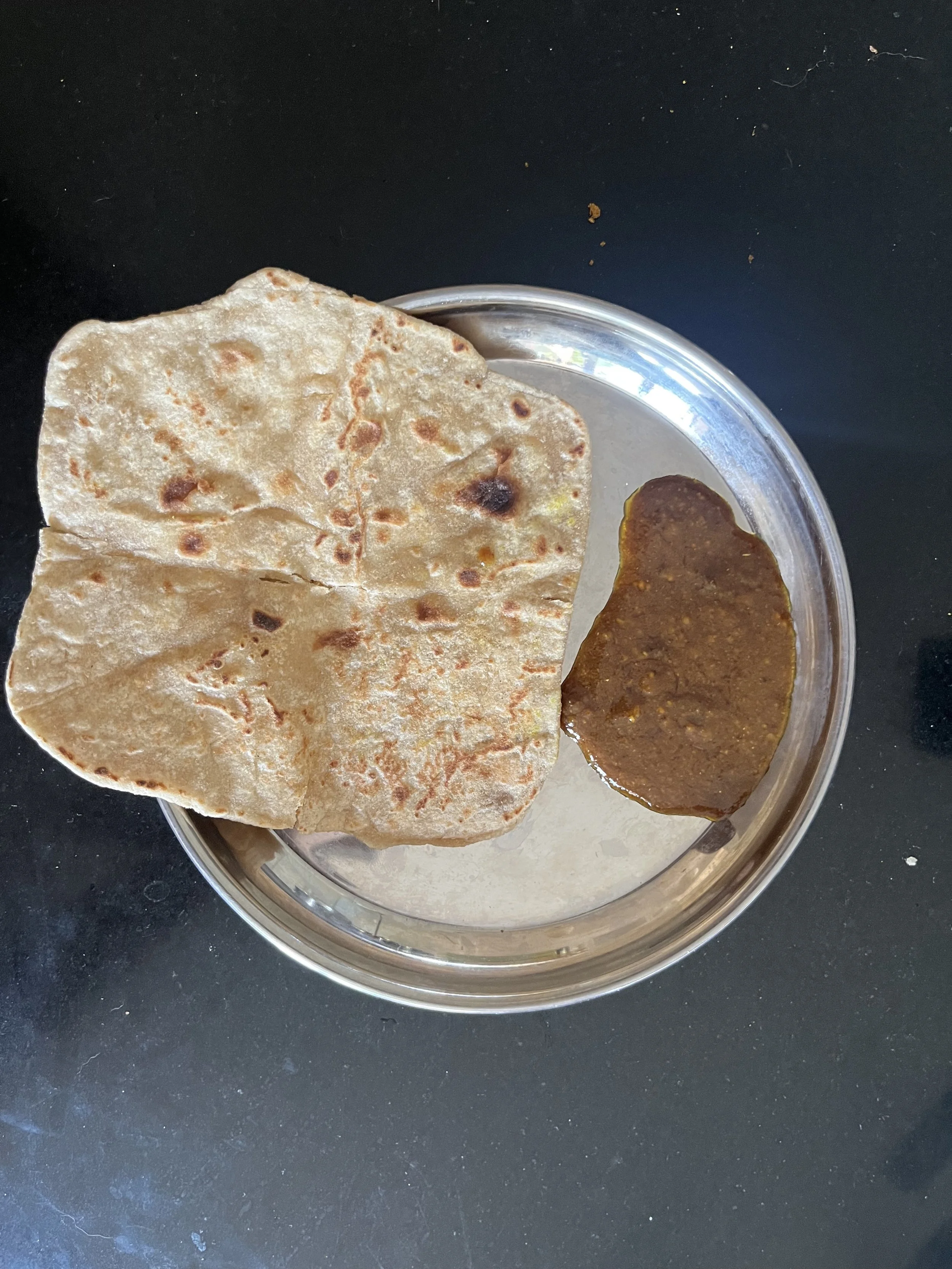
You can have the pithas as it is or serve them with some chutney or spicy vegetable curry. You can even fry the pithas once they have cooled down for the extra crunch.
Paridhi Sinha is a lawyer based out of Patna who is deeply interested in history and culture.
ALSO ON GOYA