#1000Kitchens: Monalisa Baruah's Masor Tenga Anchored her North Eastern Dream in Goa
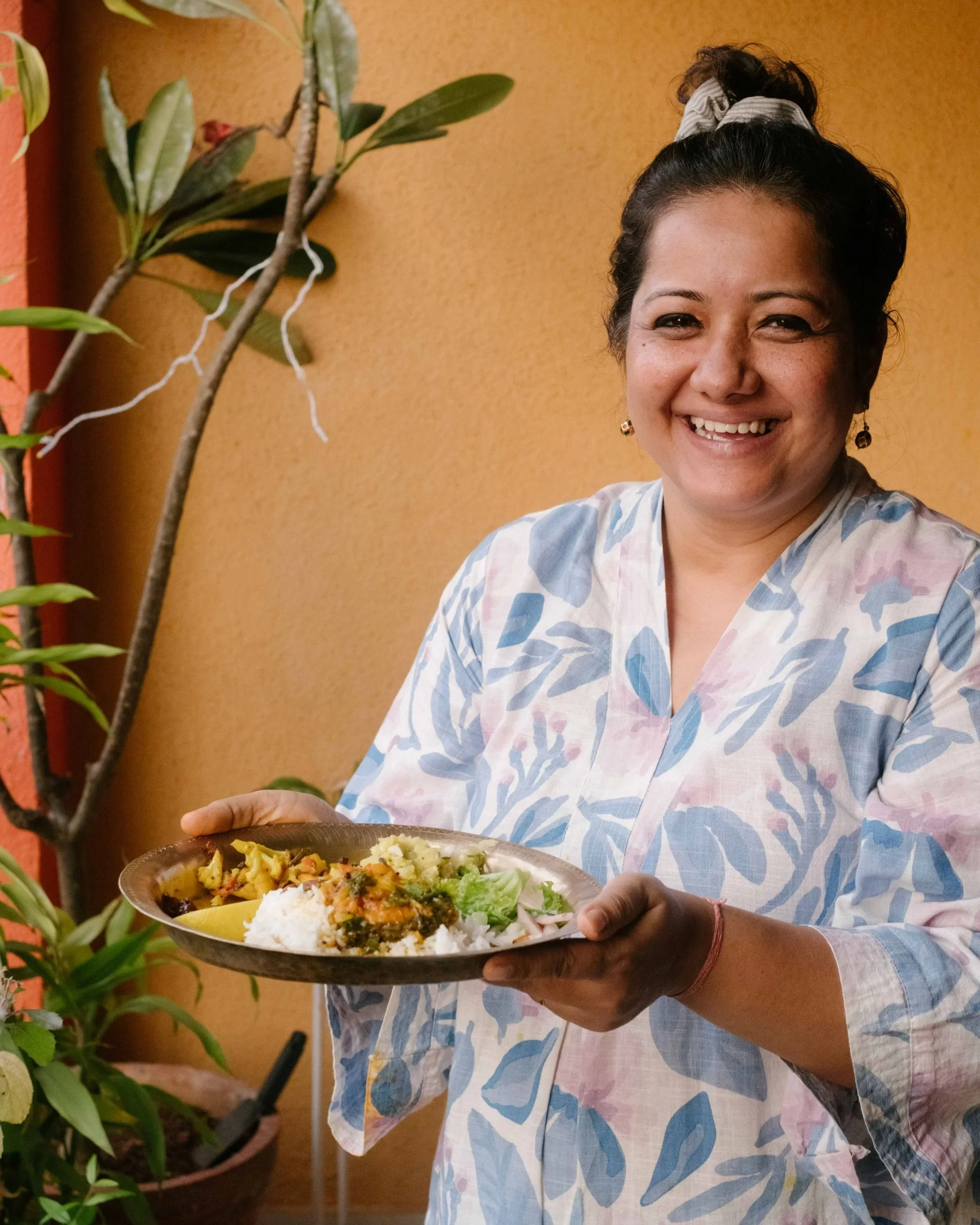
At Goya, celebrating home cooks and recipes have always been at the heart of our work. Through our series, #1000Kitchens, we document recipes from kitchens across the country, building a living library of heirloom recipes that have been in the family for 3 generations or more. In this edition, Monalisa Baruah shares a recipe for masor tenga, an Assamese fish curry that contains within it memories of her home, and her family, and is the anchor for her Northeastern restaurant in Goa. This season’s stories are produced in partnership with the Samagata Foundation—a non-profit that champions meaningful projects.
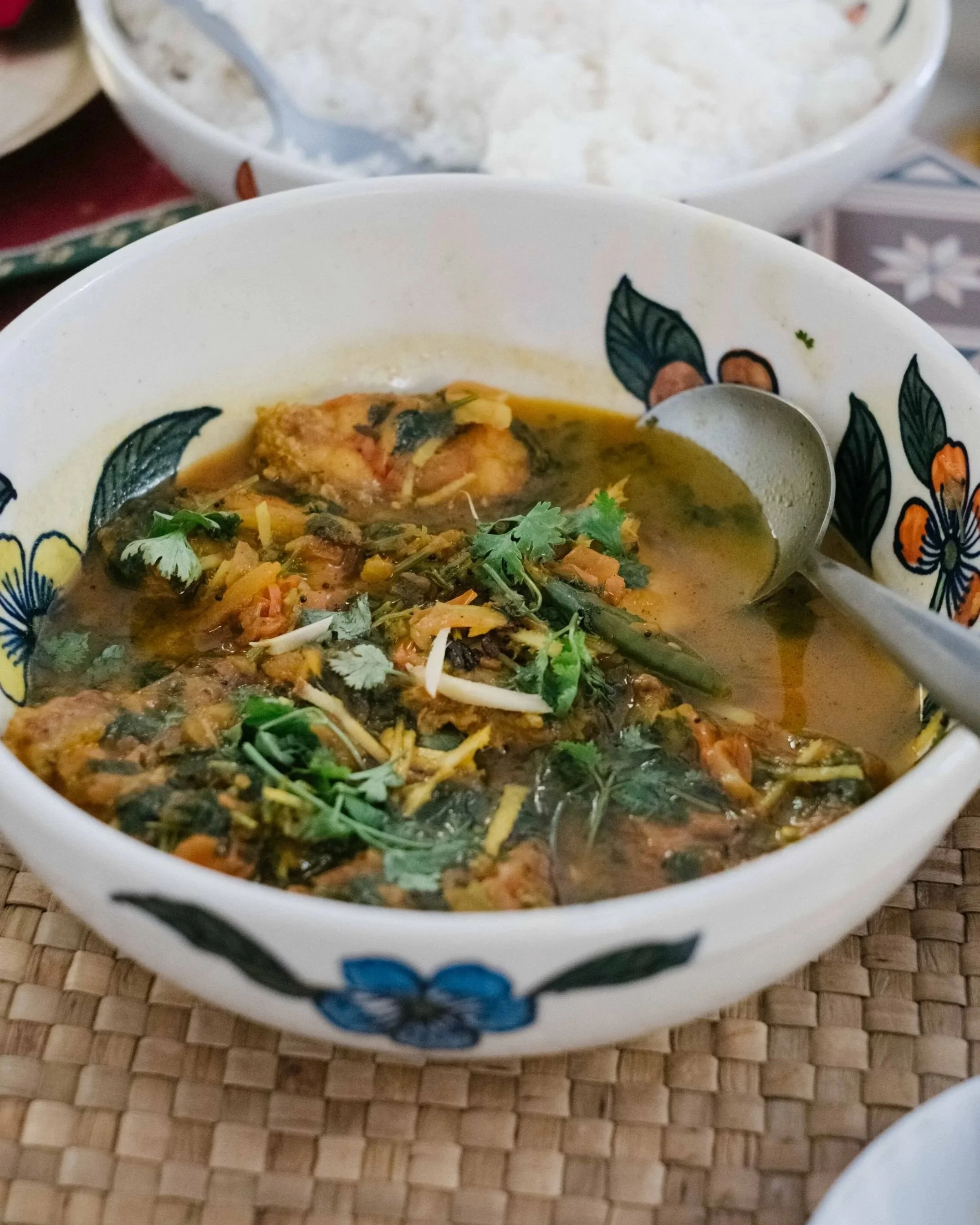
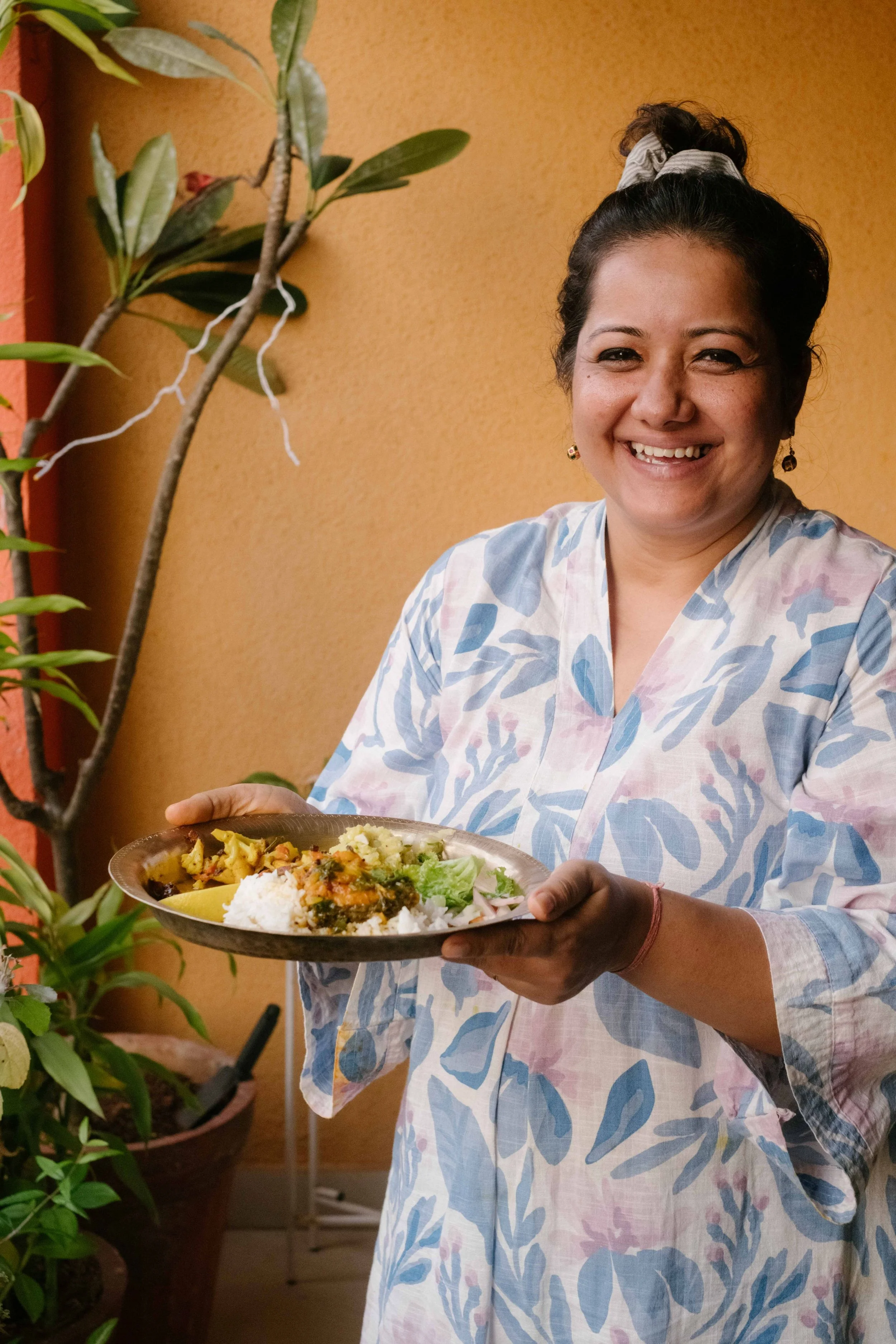
From the fourth-floor kitchen of a beautifully curated house, with paintings dotting the walls and artefacts from Assam overlooking Panjim city, the aroma of masor tenga, a tangy Assamese fish curry, fills the room. Within it, Monalisa Baruah moves with intuitive ease between pots and pans carefully carried from Assam. Assamese music plays gently in the background as she prepares the dish that carries her deepest memories. Masor tenga is more than a recipe for her; it is memories of childhood, family, home. It is this very dish that has quietly shaped Monalisa and her husband, Saurav Baruah’s journey of bringing Northeastern cuisine to Goa through their restaurant, Soul Chef: Feasts From The North East.
“My childhood memories are woven with masor tenga,” Mona says. In summers, her mother would prepare the curry with fresh rohu fish, tomatoes, ginger and Assamese lemon called kazi nemu. It was always paired with Joha rice. Joha rice is a famous aromatic rice variety from Assam, known for its natural fragrance, delicate texture, and slightly sweet taste. It is considered one of the finest indigenous rice types of the region. “When we come home for vacations from our hostels, we’d be playing outside, and when the fragrance of Joha rice filled the neighbourhood, that’s how our lunch was ready.”
Her grandmother was meticulous about the recipes — the fish must not be over-fried; once placed in the curry, it must not be stirred; the tomatoes must soften slowly; the ginger must release its flavours adequately; and the lemon must have time to blend its sourness into the curry. “Every household’s masor tenga tastes different.”
For Saurav, the dish is equally sacred. “In Assam, no meal is complete without masor tenga. Even if there are ten other dishes, we end with it. When I return home from hostel, I'd call my mother and ask her to keep masor tenga ready. Every home’s version tastes different, and your mother’s will always be the best.”
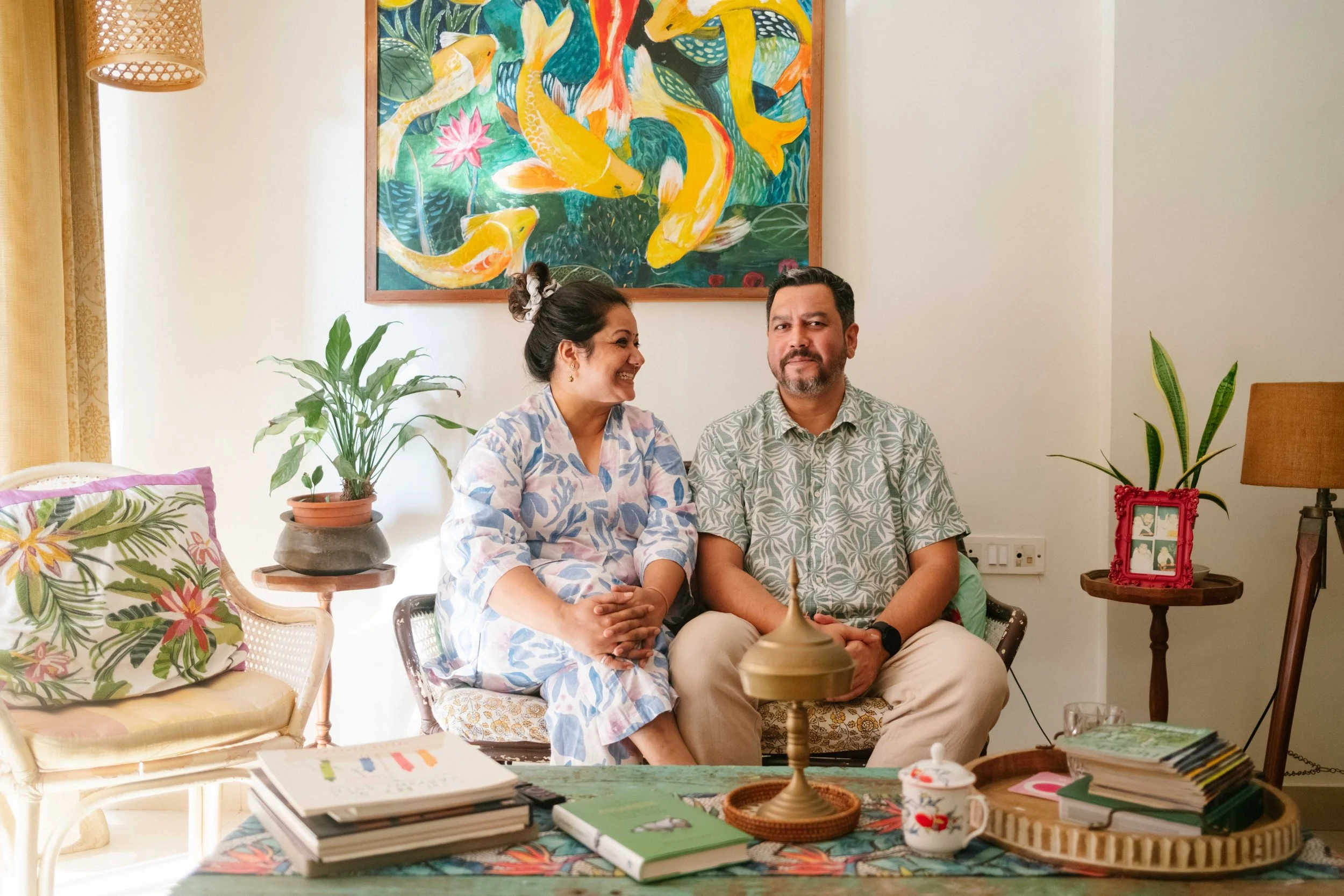
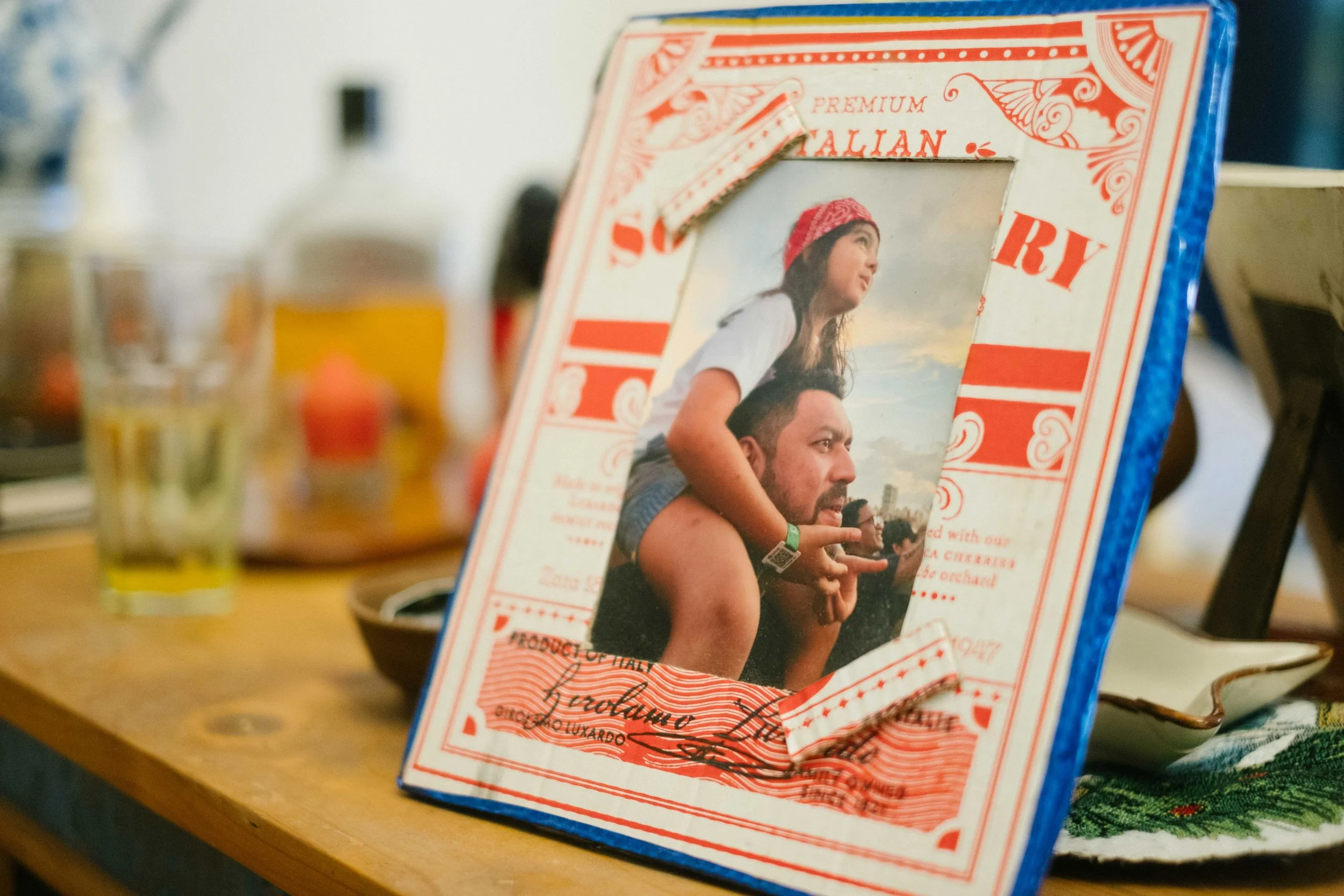
“Food has always been important in my family”, says Mona. Her lineage is steeped in culinary traditions. Her parents ran a restaurant over 35 years ago; her grandmother had her own food stall; her aunt ran a cafe long before cafes were fashionable. “My grandma was known for her breads,” she smiles. “I grew up in this background, just like how my daughter is growing up in a restaurant.”
Planning meals was a ritual for the couple. “Saurav and I would plan a menu a month in advance if someone was visiting us,” she laughs. “We both love cooking. We even fight about who gets to cook.”
When they first moved to Goa over a decade ago, they stumbled across a space that felt right, even though they had no capital. “I told the owner I had no money. He said, ‘I have the money. Let’s be partners’. And so, the foundation of Soul Chef was laid in 2015.
As they began building Soul Chef, they quickly realised that Goa was not familiar with North Eastern cuisine. “People did not know our food,” Mona says. “I used to call it flavours from the unexplored paradise.” Their first menu was a single page of North Eastern dishes. Many tourists would peek in, search for dal makhani or paneer, and walk out. So, they offered a multicuisine menu with the Northeastern dishes tucked into a corner, hoping someone might be willing to explore new flavours. Saurav says, “What startled us was that in any restaurant you go, you'll find Punjabi, Gujarati, South India, Chinese, even Thai food on the menu, but nothing from the North East. We wanted to change that.”
They also found themselves correcting misconceptions. “People would sell momos and call it Northeastern food. But that’s not the whole picture,” Mona explains. Their work soon grew to include educating customers about the diversity of North Eastern cuisine through Soul Chef, and how the region's cuisine features a range of wild greens, fresh water fish, mutton and duck.
Slowly, through word of mouth, people began coming in for them. Goans in particular, embraced it, and North Eastern flavours slowly began finding a place in Goa’s food scene.
Over the years, Mona and Saurav noticed growing awareness and acceptance. “There was a time when someone asked me if North Eastern people needed a visa to come to Goa,” Mona recalls. “Today, people know more. Social media has changed the narrative to a large extent. Their daughter is affectionately recognised at school as “the Assamese girl who speaks Konkani”.
To them, the region’s food mirrors the culture — simple, slow-cooked, unhurried. Just as Goa lives by susegaad, Assam lives by lahe lahe (take it slow). “Our food uses no heavy masalas. It relies on slow cooking, fresh ingredients and letting the flavours do their magic,” she says.
Mona learnt masor tenga from watching her mother and later perfected it under her mother-in-law's guidance. One misconception they often confront is that Assamese food is very spicy. “It isn't,” they chime in. “We just used one chilli for flavour. Coriander and ginger are quintessential in any Assamese kitchen, and they make masor tenga what it is.”
Recreating the exact flavour of home wasn’t easy. For years, they sourced ingredients directly from Assam, despite the high cost. Today, an emerging Northeastern community in Goa makes sourcing easier.
And through it all, masor tenga continues to be the quiet thread holding the narrative together. A dish that travelled from Assam’s kitchens to a small restaurant’s menu in Goa, carrying with it heritage, nostalgia, and the taste of home.
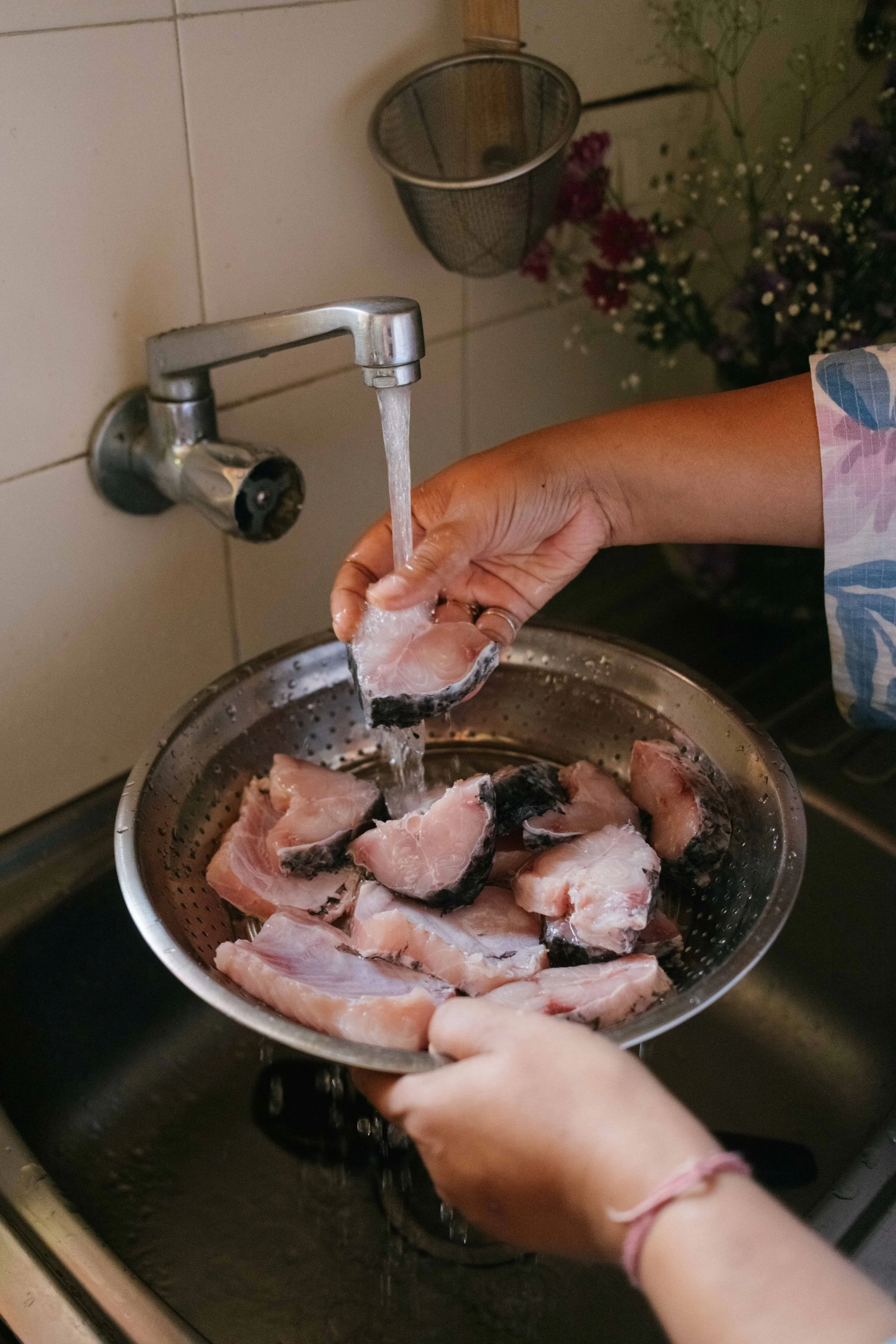
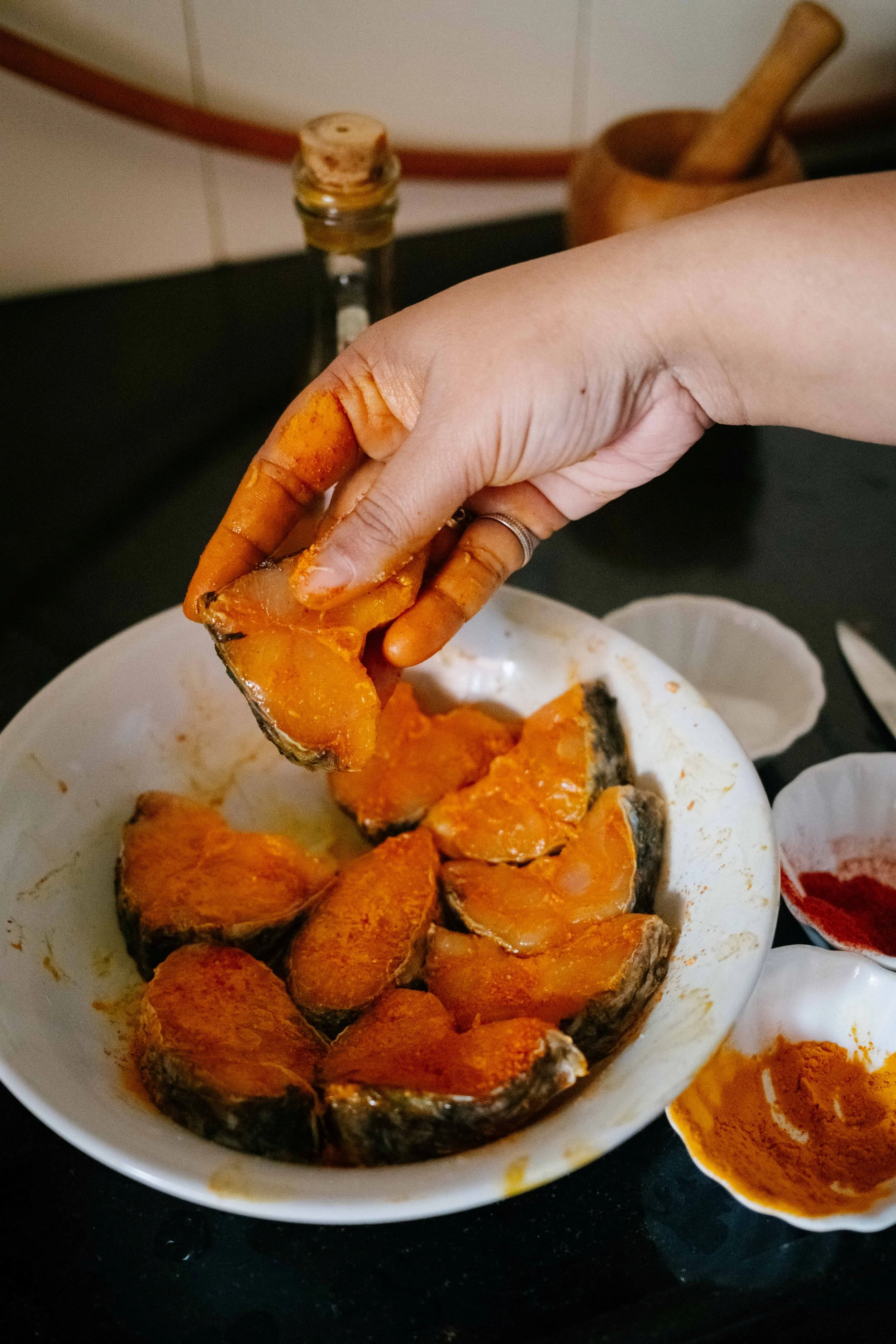
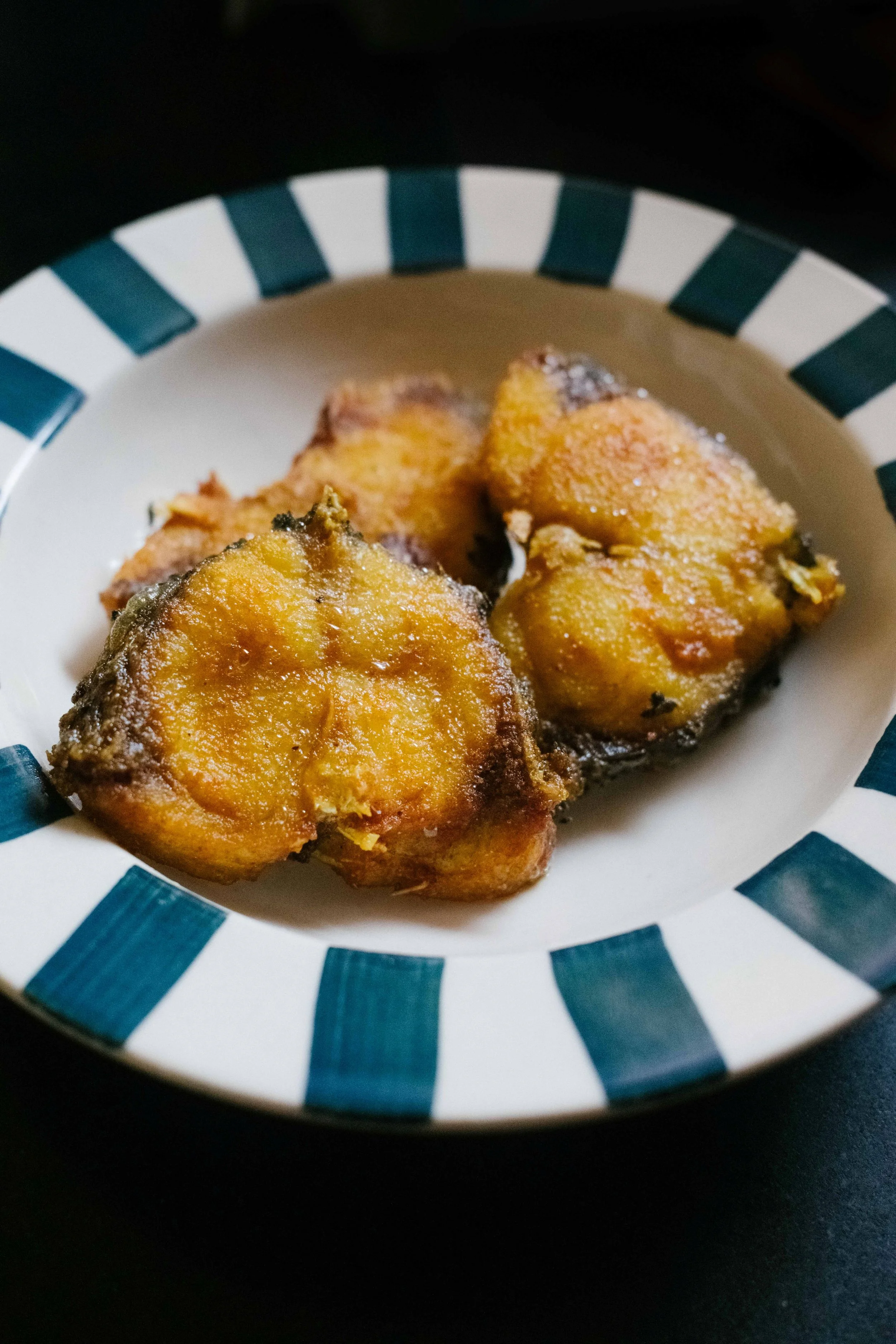
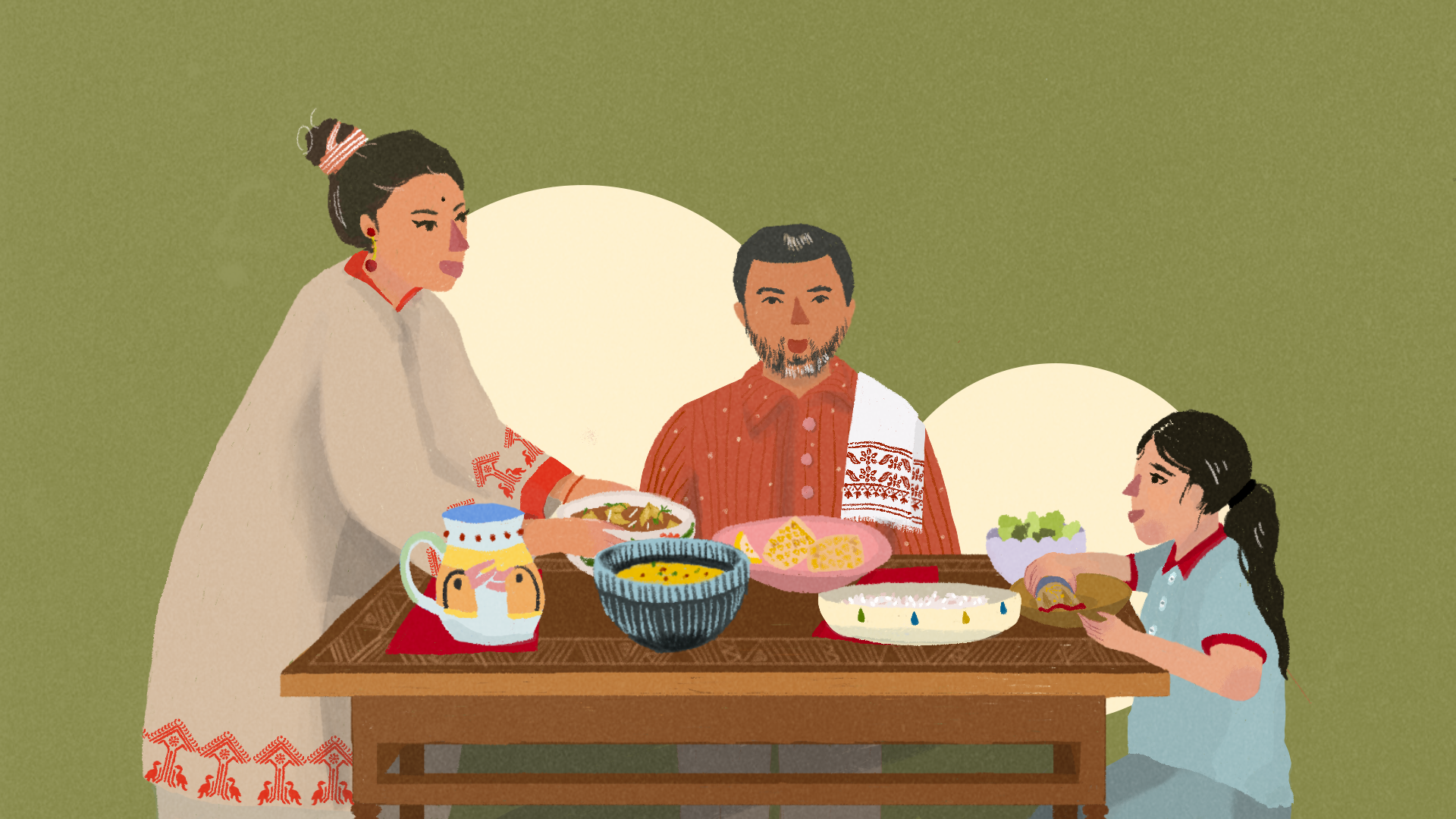
At their home, Mona serves her masor tenga with warm rice, alu pitika (mashed potatoes mixed with chopped onions, chilli and coriander leaves, with a generous drizzle of mustard oil), and a potato-and-carrot stir-fry. The fish, first fried in mustard oil and then cooked in the tangy sauce, absorbs a subtle sourness that seeps into each piece. The dish is simple in its ingredients and cooking method, yet complex in its layers of flavour — the sourness of cooked tomatoes, the tanginess of lemon squeezed in at the end, the gentle heat of julienned ginger, and the sweet earthiness of the freshwater rohu fish, which they had sourced from a nearby supermarket as freshwater fish is not easily available in Panjim city.
Saurav teases her: “It’s not like my mother’s.” But she responds, “Our daughter loves it. And that’s enough.”
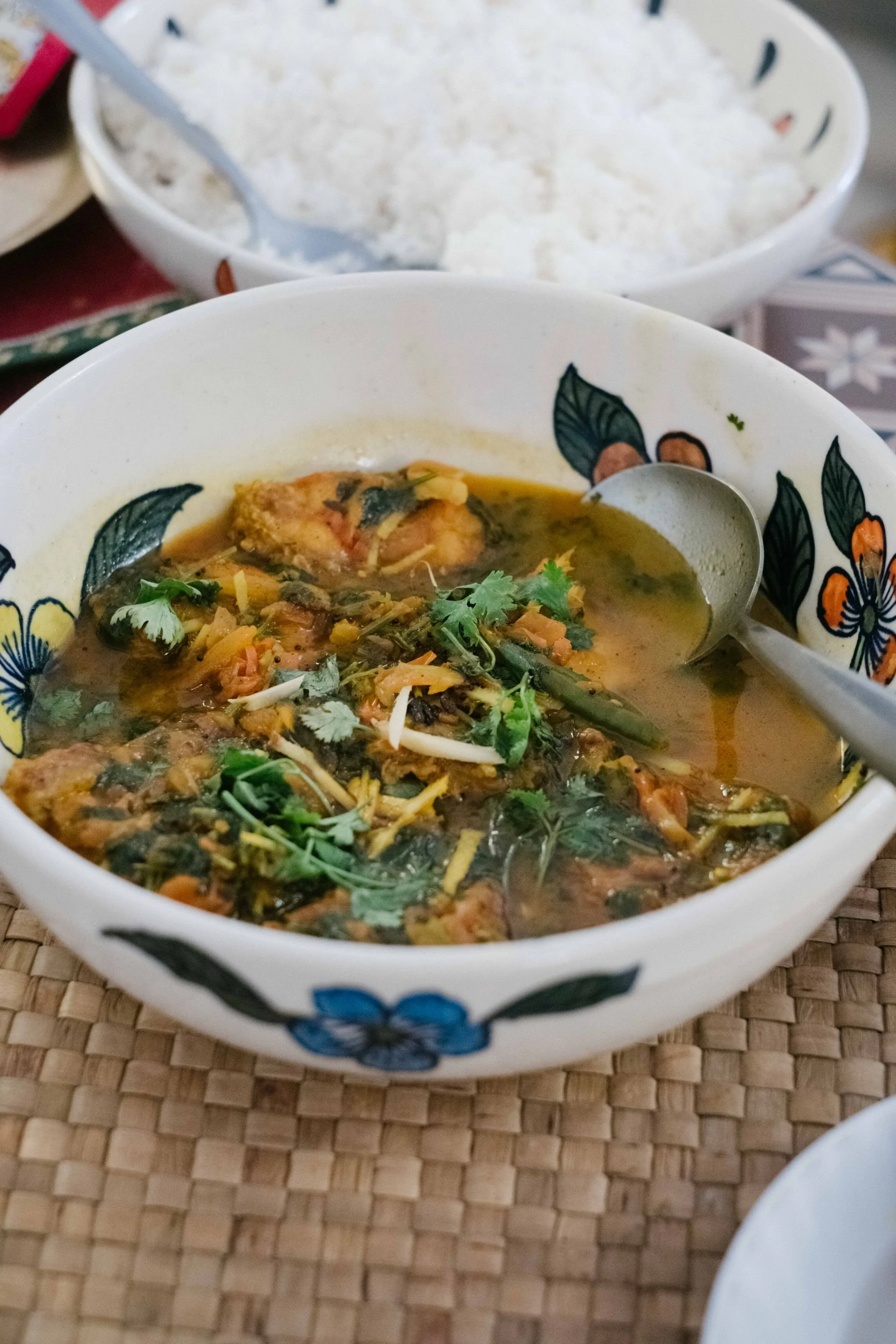
RECIPE FOR MASOR TENGA
Ingredients
For frying the fish:
4-6 pieces of fish (Rohu/CatIa/any freshwater fish)
1 - 2 tsp turmeric powder
2-3 tbsp mustard oil
A pinch of red chilli powder
Salt
For the curry:
2 chopped tomatoes
1 lemon (or 6-7 pieces of ou tenga or 2-3 pieces of thekera according to availability)
2-3 green chillies
1 tsp turmeric powder
1-2 tsp mustard seeds fenugreek seeds
1-1.5 cups water
Handful of chopped coriander leaves
Ginger, a few pieces, julienned
Salt
Method
Wash the fish and marinate with a pinch of chilli powder, salt and turmeric.
Heat mustard oil until it smokes slightly. Fry the fish lightly until golden on both sides. Keep aside.
In the same oil, add mustard seeds & fenugreek seeds.
Add chopped tomatoes, and cook until tomatoes become soft.
Add turmeric and salt.
Pour water and bring it to a boil.
Add the souring agent: choose between lemon juice (add at the end), ou tenga (add while boiling) or thekera tenga (to be soaked in warm water and added while boiling).
Let it simmer for 3-4 minutes.
Gently place fried fish pieces into the curry. Cook on low flame for 5-7 minutes so the fish absorbs the tangy flavor.
Add the chopped coriander and ginger julienne.
If adding lemon juice, add it just before turning off the heat.
Garnish with coriander leaves (optional).
Serve hot with steamed Joha rice.
Words by Shruti Tharayil. Images by Daniel D’souza. Art by Hayaan Naim.
Special thanks to our partners.
ALSO ON GOYA