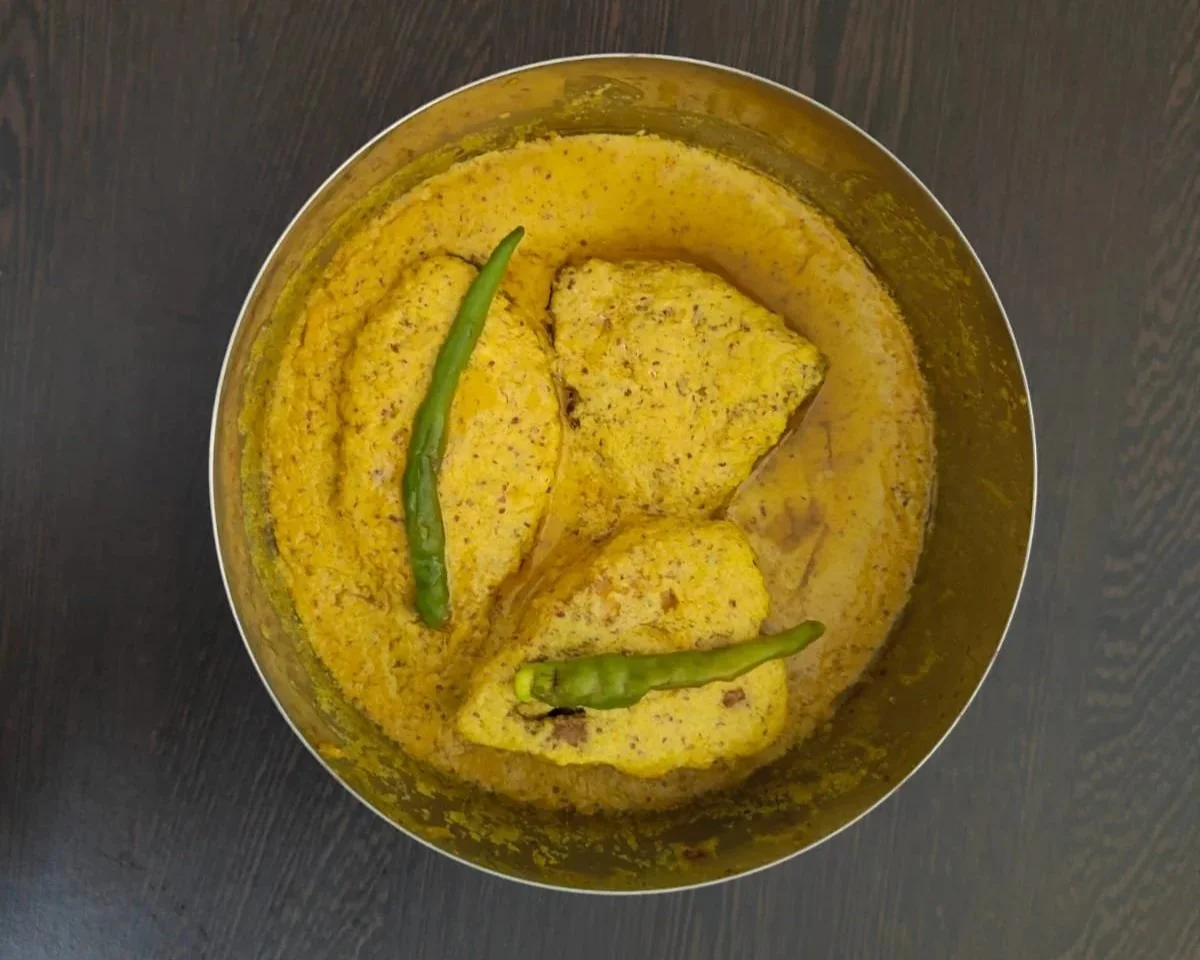
Bajra nu Lilva Dhoklu, with Pearl Millet and Green Pigeon Peas
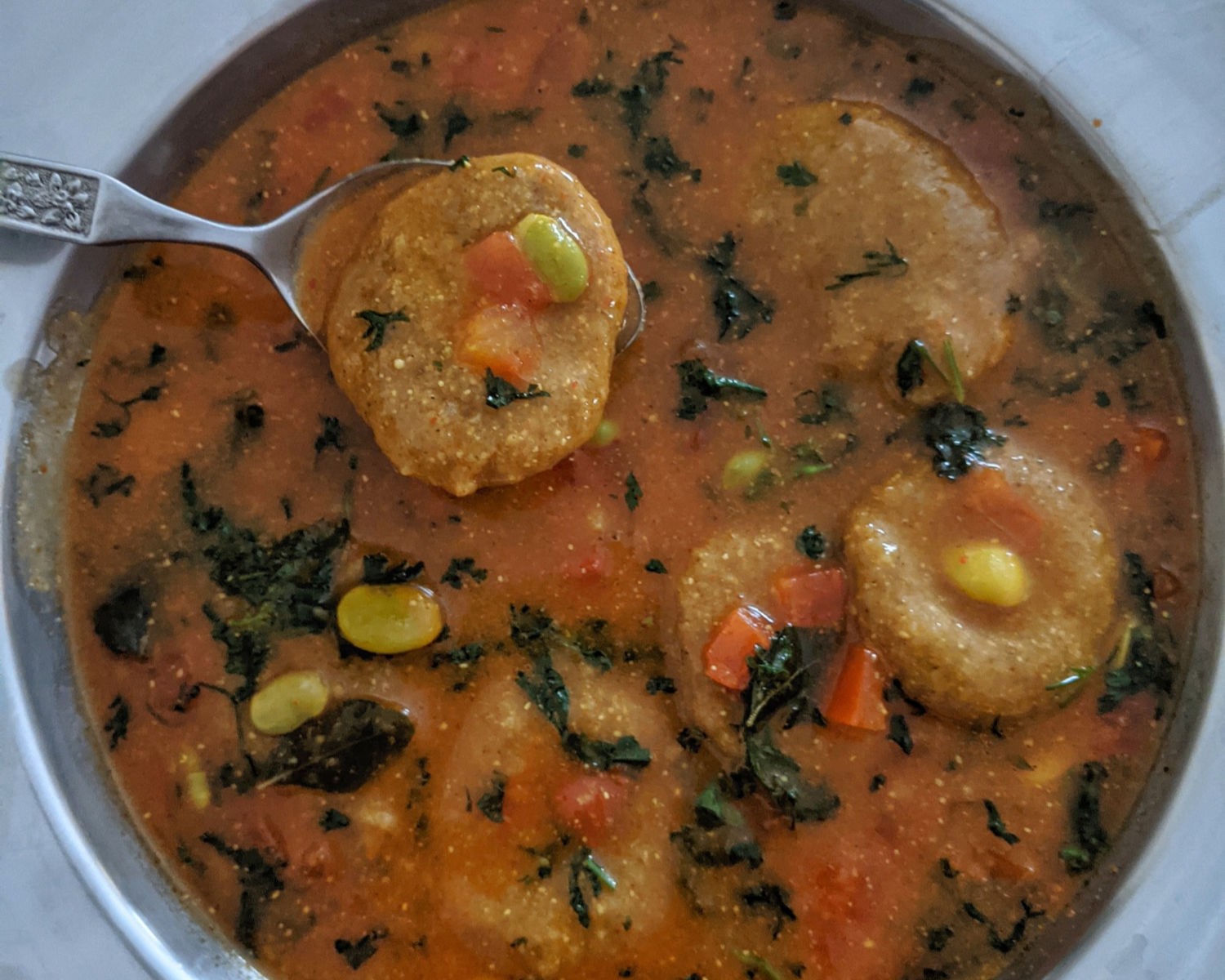
In the region of Palanpur, at the border of Gujarat and Rajasthan, a beloved winter delicacy is prepared using two seasonal ingredients — the millet bajra, and green pigeon peas. Kairvi Mehta shares a family recipe that has been made over generations.
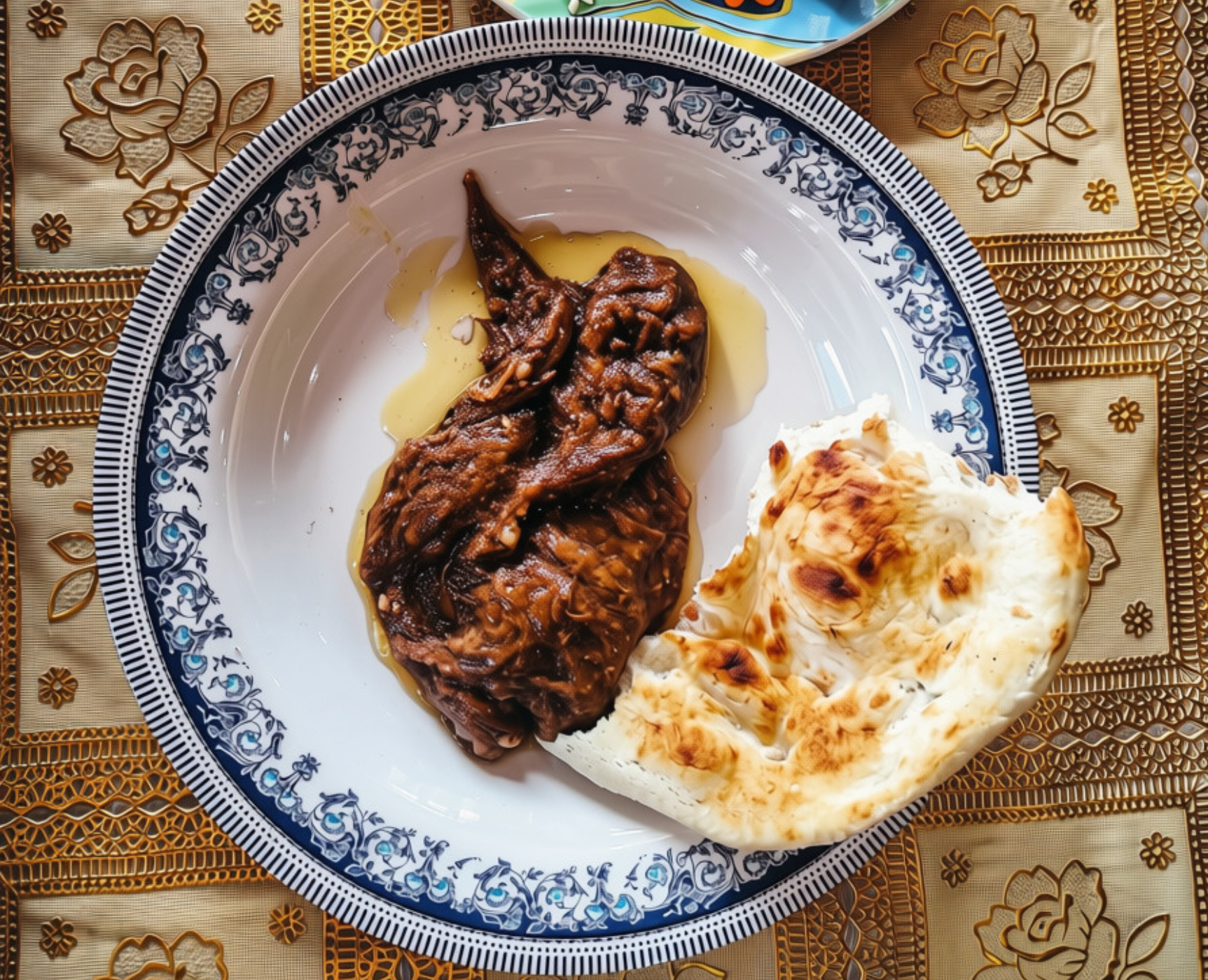
Bajra nu lilva dhoklu is a winter staple in many Palanpuri Jain homes, made when bajra is at its best — warming, earthy, and sustaining. It combines two quintessentially winter ingredients: bajra flour, and winter beans like green pigeon peas.
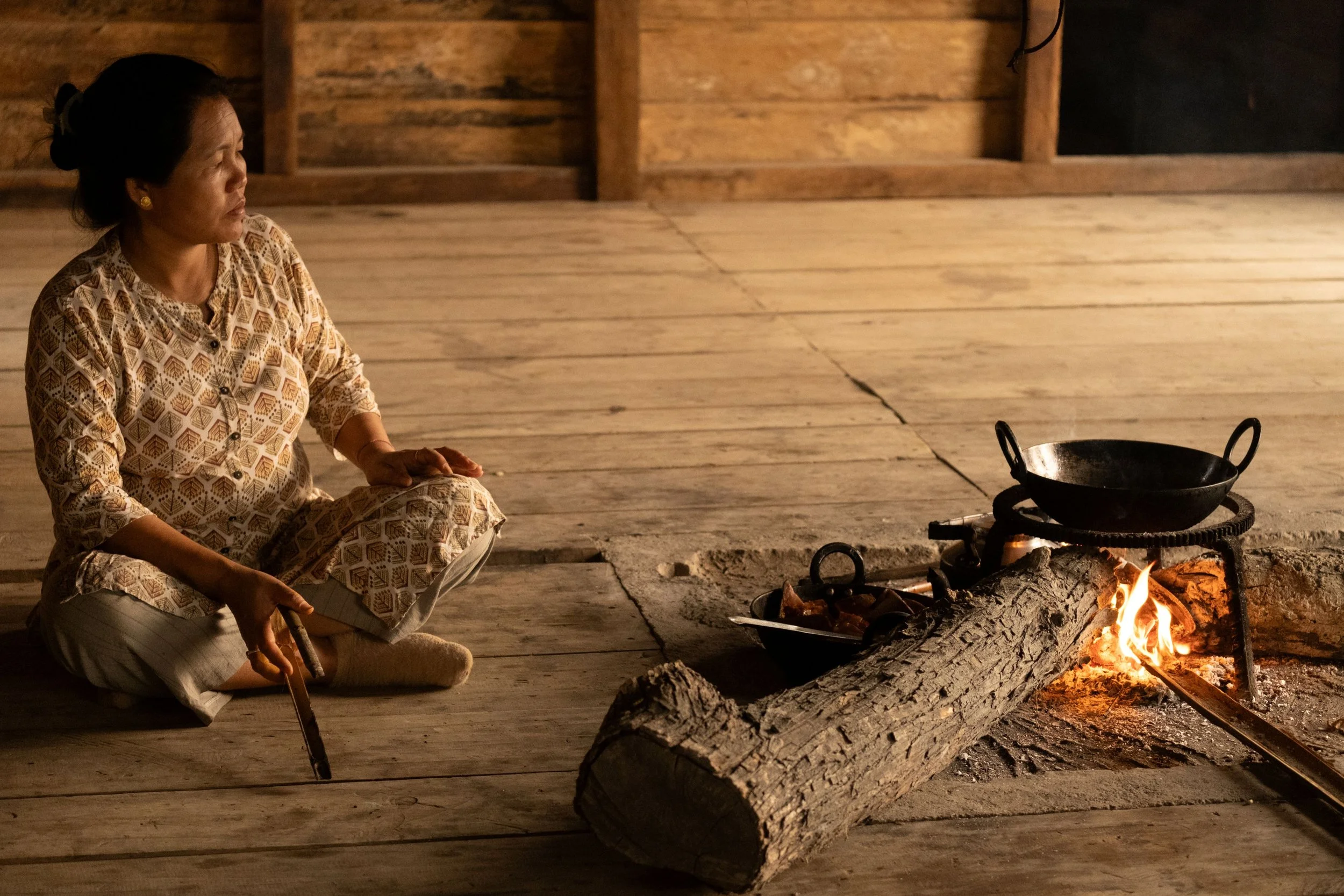
This hearty one pot meal is modest, but packed with nutrition. It is made in larger quantities during winters, and traditionally cooked in an iron pan over woodfire, and served with a generous topping of ghee.
Palanpur is a region bordering Gujarat and Rajasthan, and our community has been cooking this dish for several generations now. Both my maternal and paternal grandmothers would make this for us, and today, I follow the same recipe they did, albeit on a gas stove.
This dish is traditionally eaten fresh, hot off the fire, on cold winter evenings, often accompanied by plain chaas.
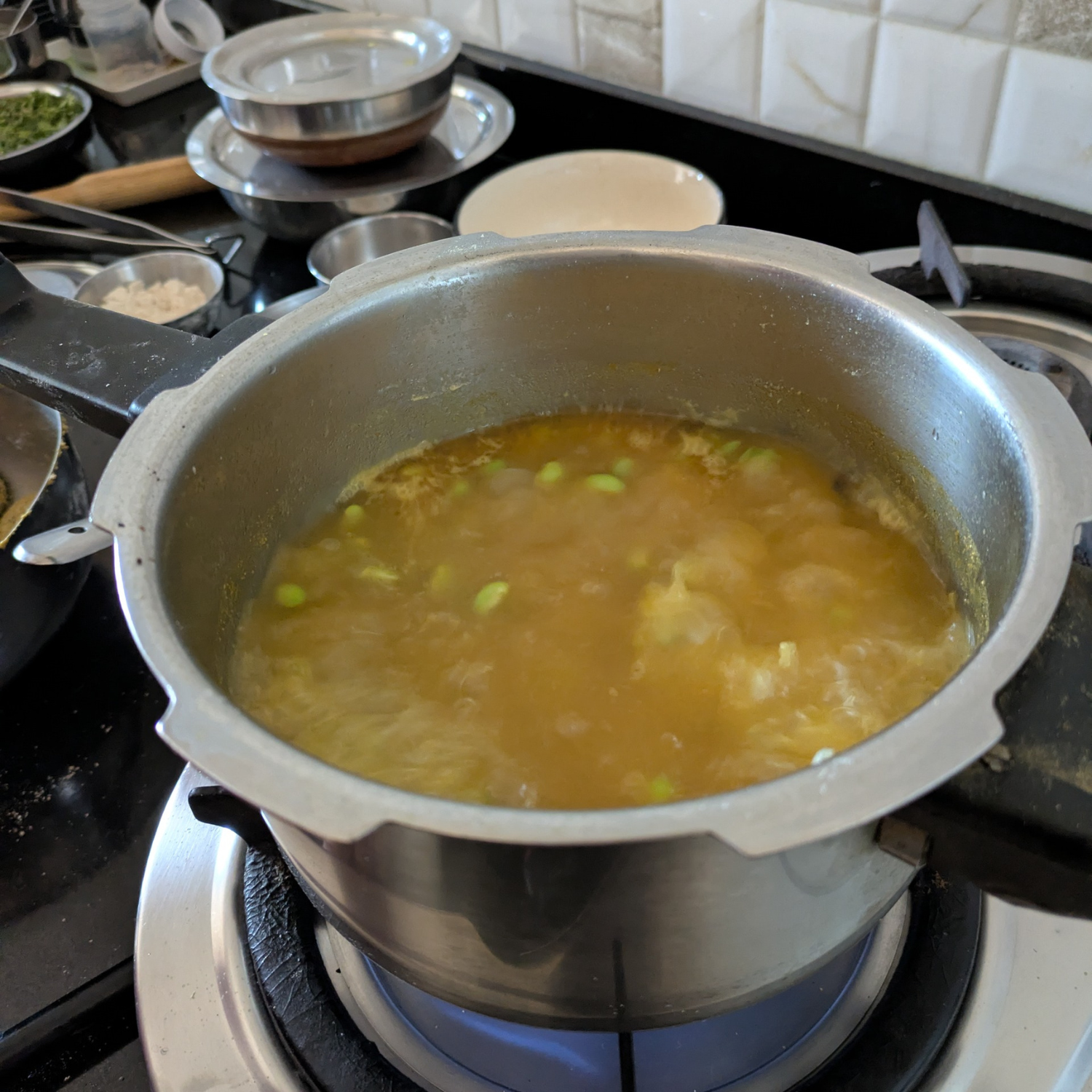
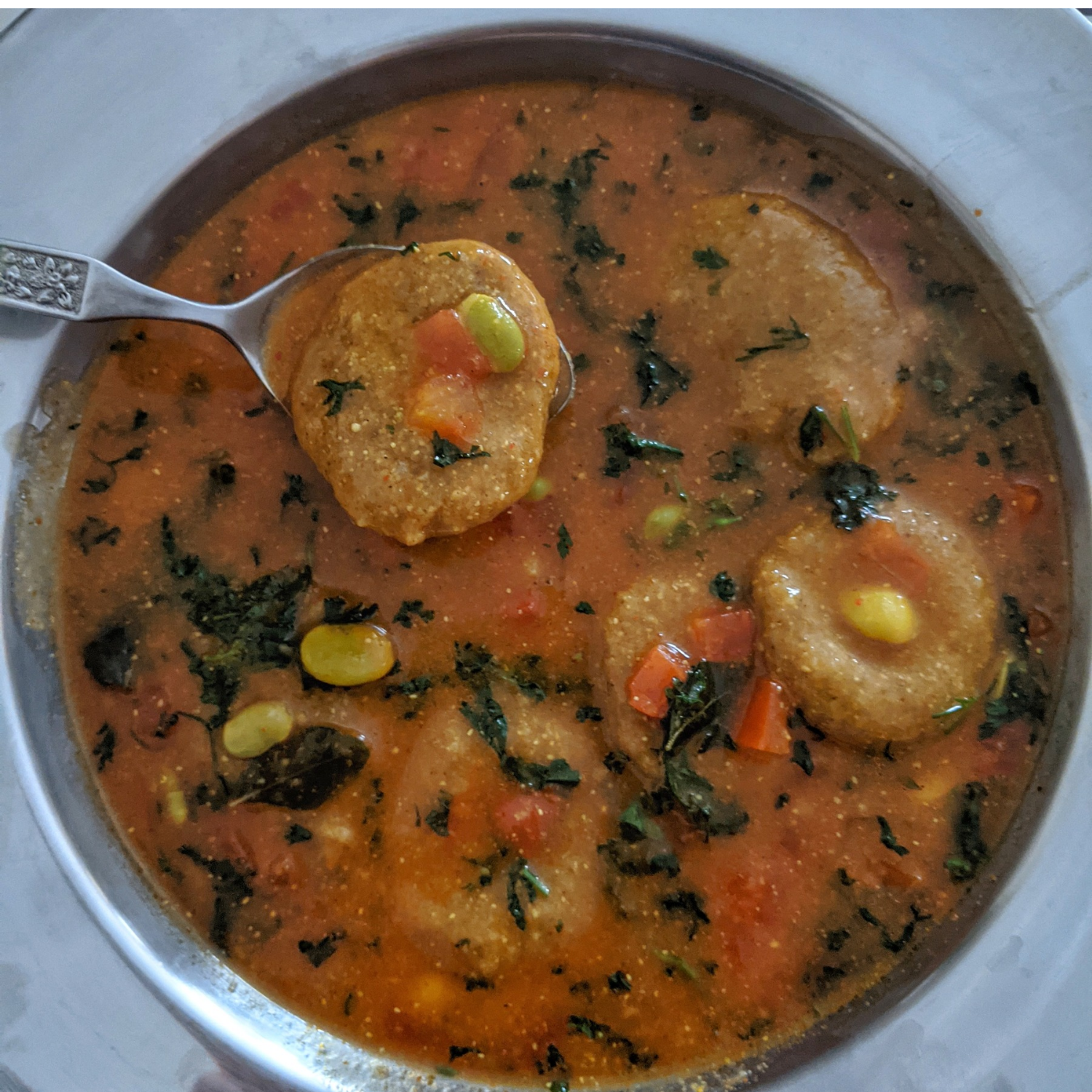
The chaas that is typically consumed with the dish is sometimes added to it, for some body.
RECIPE FOR BAJRA NU LILVA DHOKLU
Ingredients
1 cup bajra (pearl millet) flour
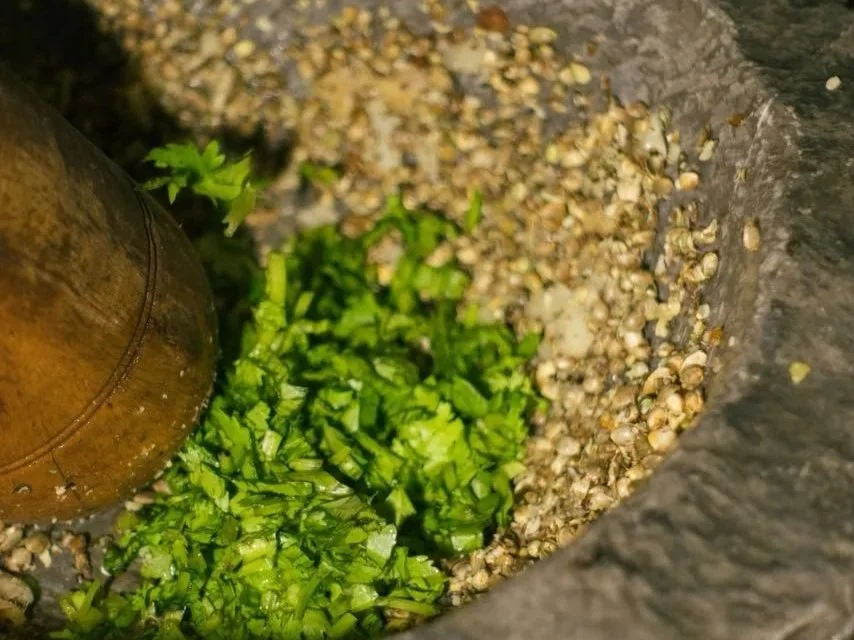
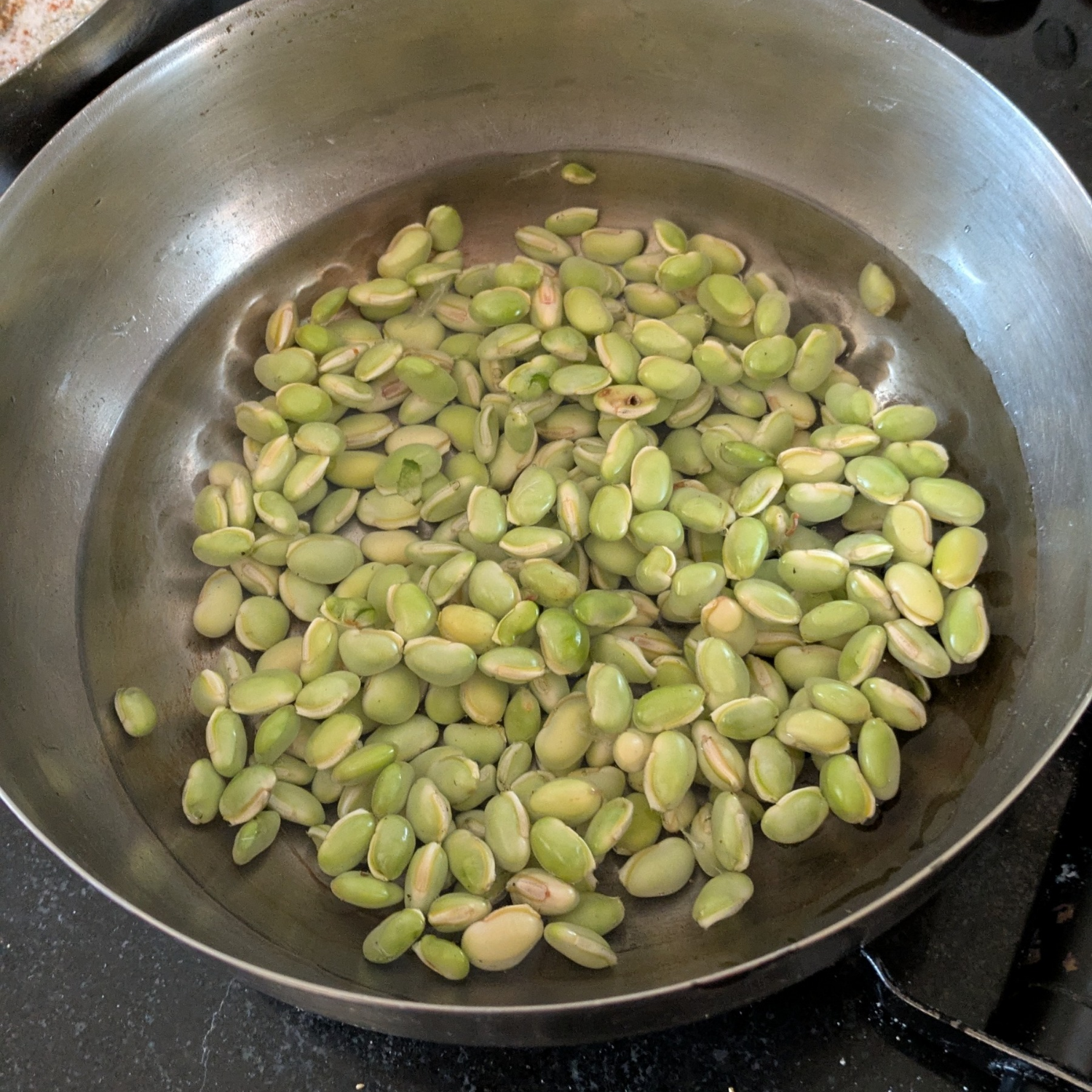
¾ cup fresh lilva (green pigeon peas), coarsely crushed
1 tsp ginger paste
½ tsp (optional) green chilli paste
½ tsp ajwain
1 tsp cumin powder
Asafoetida, a generous pinch
¼ tsp turmeric
Salt, to taste
1 to 1½ tbsp oil
Water, as required, to form a thick batter
For tempering:
1½ tbsp oil
1 tsp mustard seeds
1 tsp cumin
1 tsp sesame seeds
Asafoetida, a pinch
Curry leaves, optional
Method
Coarsely grind the fresh pigeon peas; we want to retain texture, not create a smooth paste.
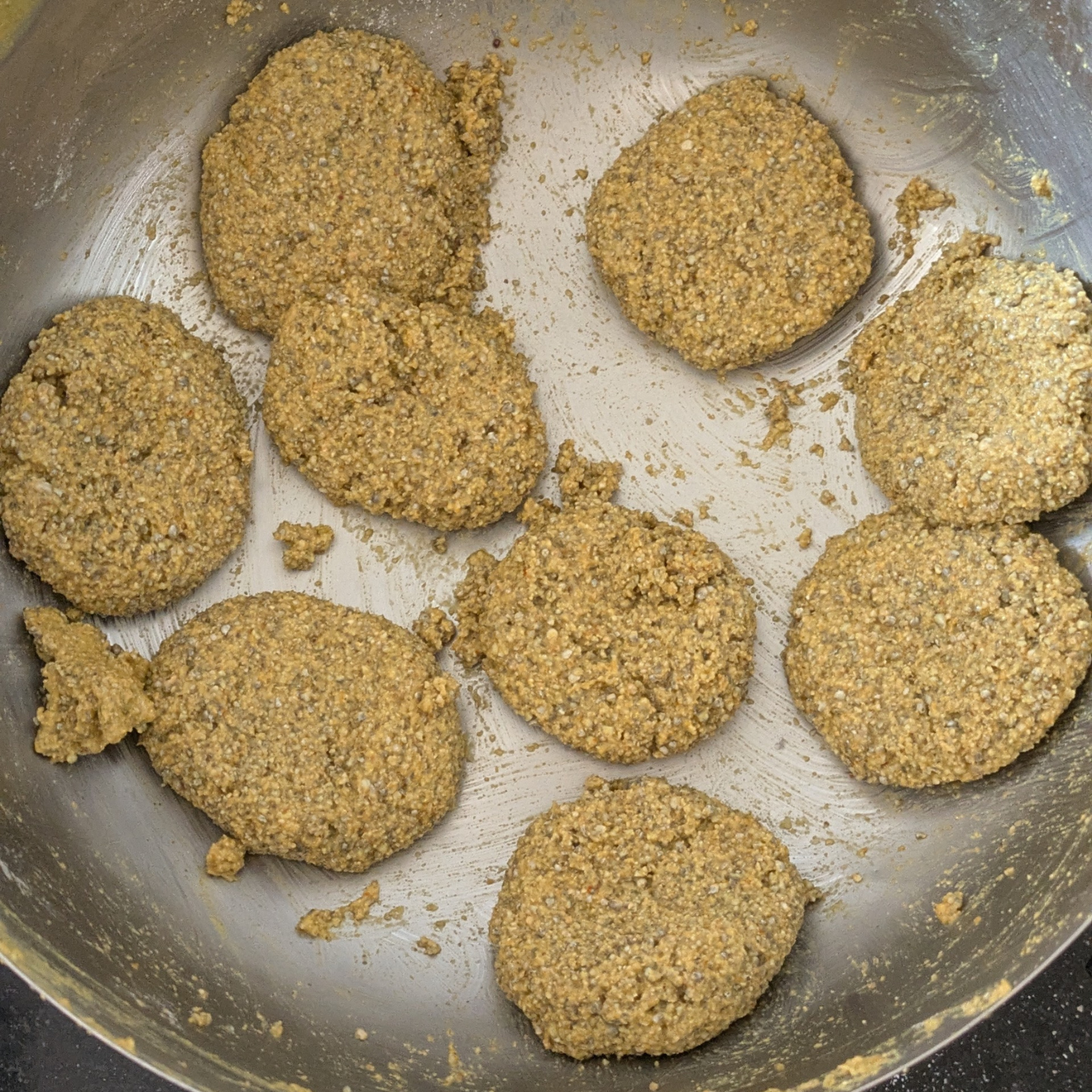
In a bowl, mix the flour, crushed lilva, ginger, green chilli (if using), ajwain, cumin, asafoetida, turmeric, salt, and oil. Add water gradually to form a thick, spoonable batter.
Rest the batter for 10–15 minutes to allow the flour to hydrate.
Grease a plate, pour the batter evenly, and steam on medium heat for 25–30 minutes, or until cooked through.
Prepare the tempering by heating oil and adding mustard seeds, cumin, sesame seeds, and asafoetida.
Pour the hot tempering over the steamed dhoklu and cut into pieces.
Kairvi Mehta is a professional chef and a twin mom. She shares her journey on Instagram.
ALSO ON GOYA