Is the Polish Pierogi Related to the Indian Samosa?
On the surface, the Polish pierogi and the Indian samosa may seem poles apart. Yet, their histories are connected. On a visit to Poland, Riyanka Roy finds that these pockets of dough from the dumpling family have much more in common — being versatile comfort foods, amenable to variations, and an important part of family meals.
I arrive in Poznań on a bright summer afternoon, hungry but a little clueless. After leaving my luggage at the hotel, I text Katarzyna Stachyra, my Polish friend, almost immediately: “What should I definitely eat while I’m here?” The response is pat. “You have to try the pierogi. They are like samosas, so you’ll love them.”
It makes me curious.
A Stuffed Dough, But Make it Polish
Italian, Spanish, and Greek food have all found their way to India, and we seem to have embraced them very happily. But Polish food still feels like a bit of a mystery to us. In my 30 years of life, I have never come across a Polish restaurant in India.
So, I walk into a little café in Poznań's Old Town Square, and order a plate of pierogi ruskie, the traditional Polish pierogi. “You want it steamed or fried?” the lady asks with a big smile. I choose the steamed version.
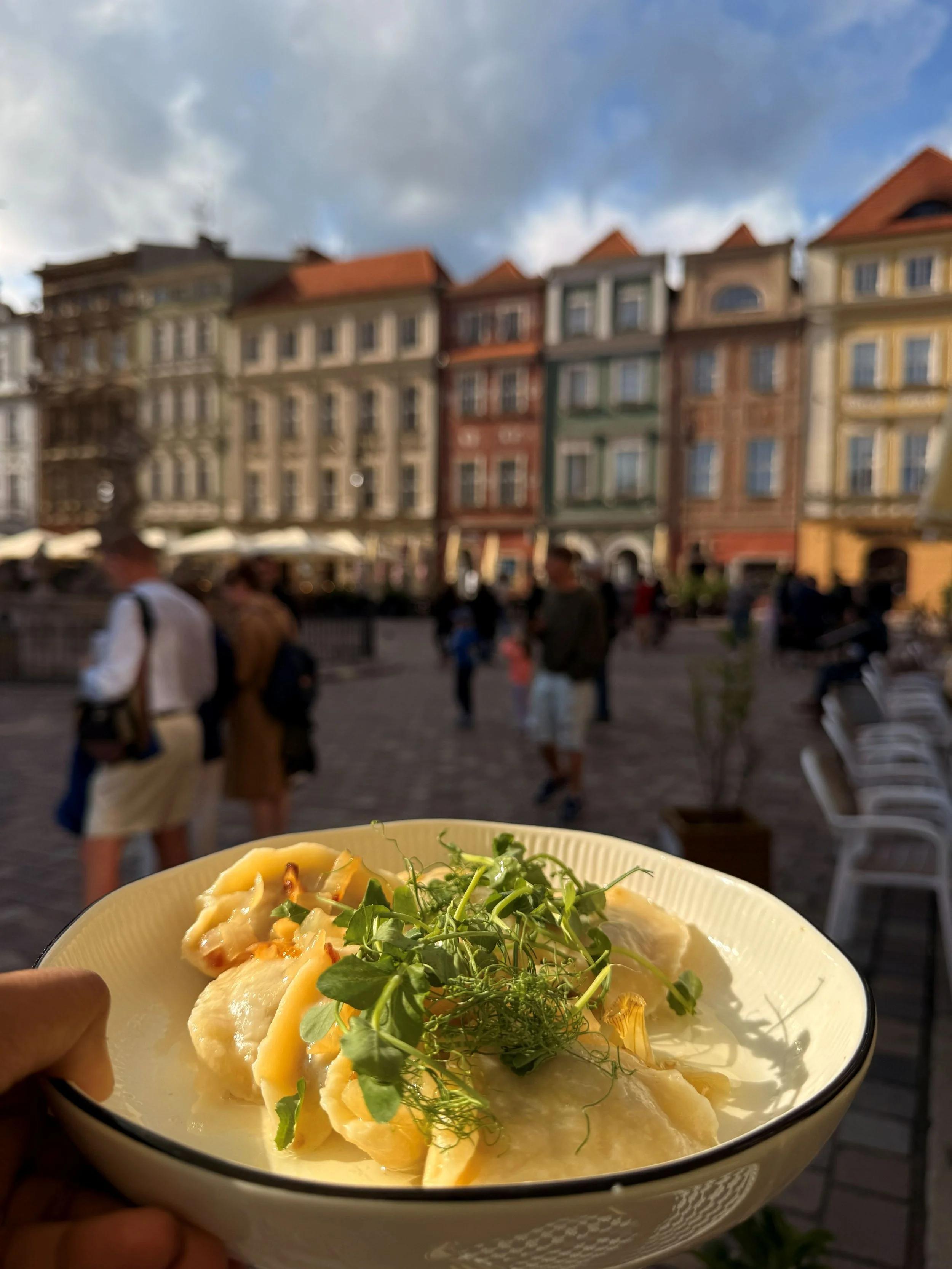
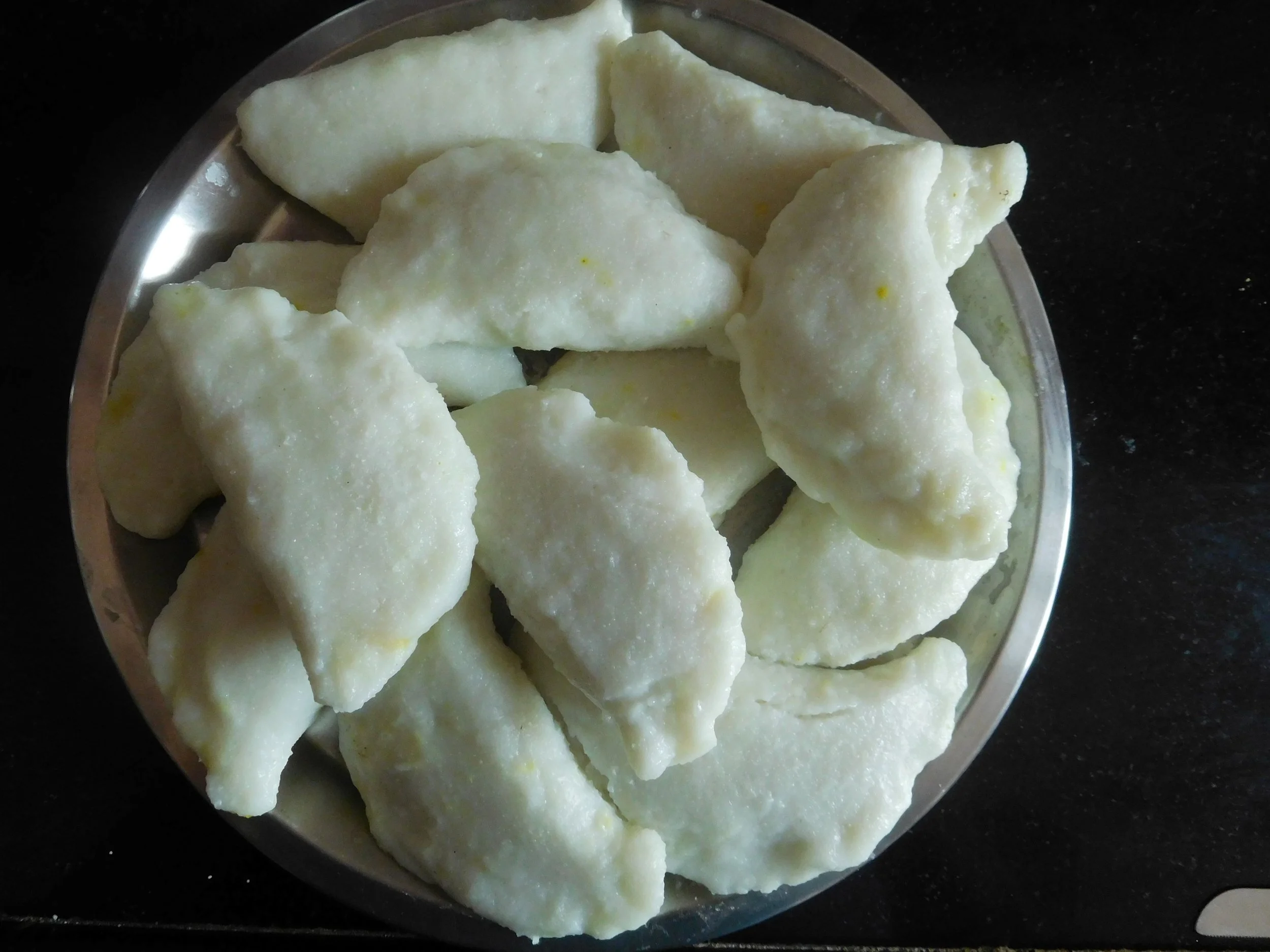
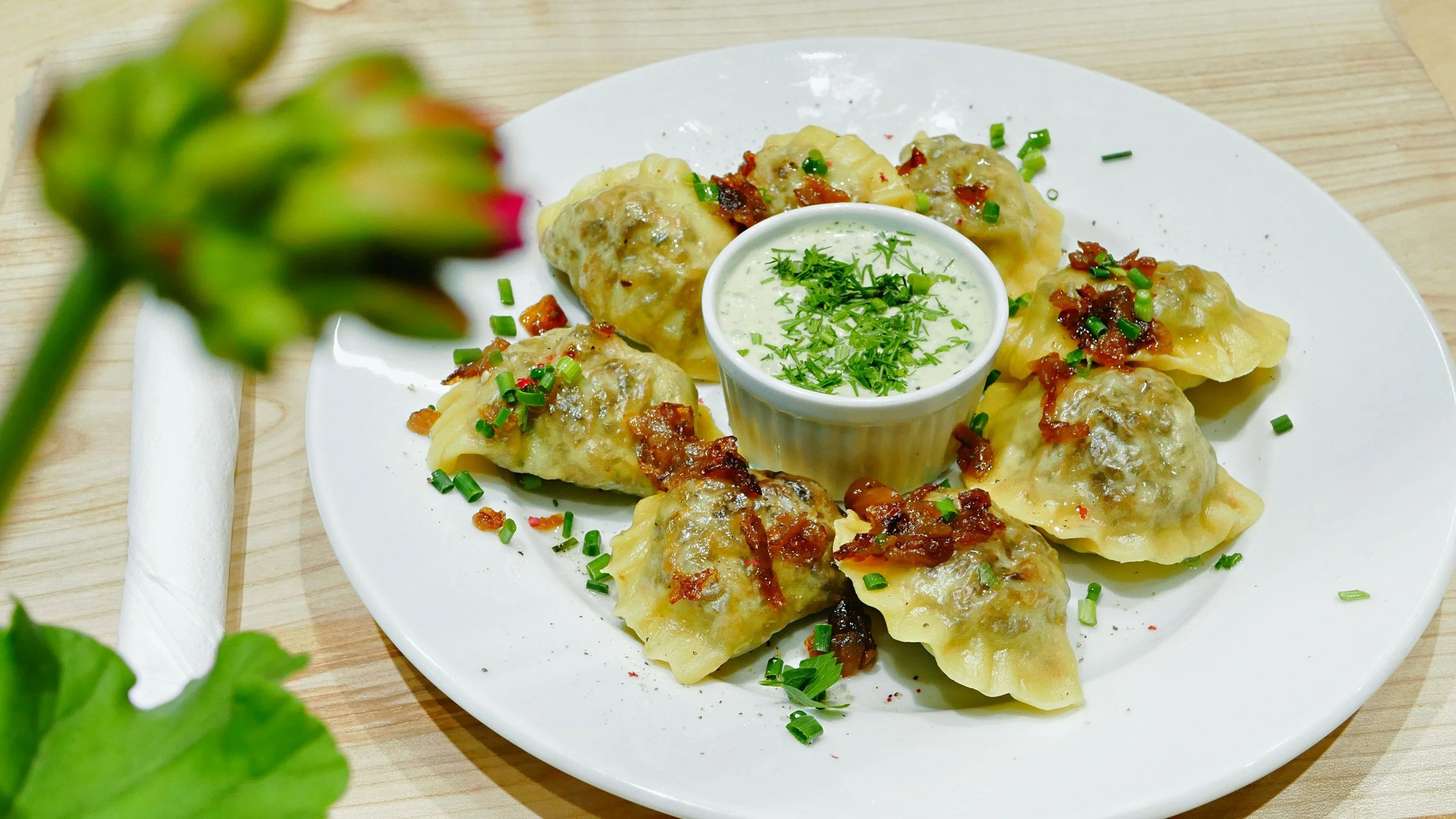
It arrives as a plate of dumplings, warm and glistening, with a drizzle of oil and fried onions on top. These are shaped differently from the dumplings I know, and yet, are familiar. I take a bite while they were still steaming, and there is a burst of flavours, of cheese and potato, in my mouth.
It is delicious but has me confused. Somewhere between the first and second bite, my brain is trying to place this food: is it a momo, a dumpling, a dim sum? I decide it belongs somewhere in that wonderful, broad family of stuffed dough, with a Polish personality. I take another bite. The soft potato, the salty cheese, the tender dough, and the sweet fried onions makes perfect sense together.
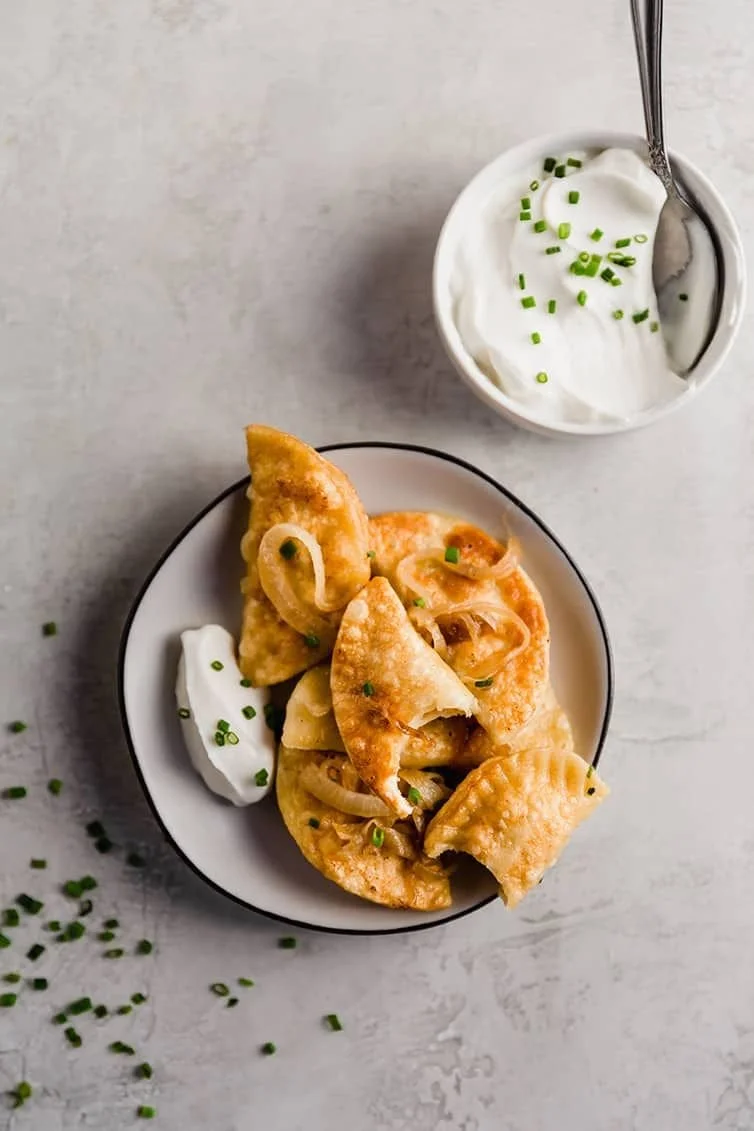
“Would you like to try a plate of pierogi smażone?” the lady is back with another question. The word smażone has my attention, and I wonder if this was the version Katarzyna had in mind when she compared pierogi to samosas. So I order a plate. Minutes later, I have a plate of fried pierogi stuffed with mushrooms, potatoes, and sauerkraut (fermented cabbage). The crisp outside, the soft and hearty filling, the earthy mushrooms, the potatoes, and the tang of fermented cabbage — it has the kind of comfort I associate with a good samosa, especially when eaten fresh and hot.
I sit there wondering how this Polish delicacy had such a familiar place in my palate, and yet is somehow such a mystery in India.
The History of Pierogi
The exact origin of the pierogi is still debated. There is no single, definitive answer to where these little dumplings first came from. It seems that the dumpling traditions travelled from Asia to Europe over centuries, with different cultures developing their own versions along the way. Some stories connect pierogi to the Silk Road and the journeys of Marco Polo from China, while another popular Polish legend credits Saint Hyacinth of Poland with bringing them from the Far East through what was then Kievan Rus. Another legend says, during a famine in Poland, Saint Hyacinth encouraged people to make pierogi using whatever ingredients they had available — thus, making pierogi a dish that sustained people through a difficult time.
Even the name itself has an interesting story. Pierogi is believed to come from the Proto-Slavic word pirŭ, meaning ‘a feast or celebration’, which gives the humble dumpling a rather fitting connection to gathering around a table. The earliest written record of a pierogi recipe in Poland appears in Stanisław Czerniecki’s Compendium Ferculorum, albo Zebranie potraw, published in 1682. And the pierogi described in those early recipes looked quite different from the potato-and-cheese versions I have eaten in Poznań. Historical fillings included chopped veal kidneys, fat, greens, and nutmeg. Potatoes, which today seem almost inseparable from Polish pierogi, came much later.
Like much of food history, the story of pierogi also tells us something about class. During the 17th and 18th centuries, wealthier households could afford elaborate fillings made with exotic fruits and expensive spices. For peasants, pierogi were a more practical food, made with ingredients that were readily available.
I soon discover that pierogi has an entire world beyond the savoury parcels I had first tasted in Poznań. There are dumplings filled with meat, cheese, spinach, mushrooms and cabbage. Potatoes and cheese remain among the most beloved fillings, while sauerkraut adds a lovely sourness to many traditional versions. A cabbage and mushroom pierogi is a Polish Christmas Eve staple. There are sweet ones too, filled with blueberries (a popular summer dessert in Poland), strawberries, apples, plums, peaches, and apricots, as well as dried fruits. I can well associate the apricot and dried fruit pierogi with gujiya (half-moon shaped pastry stuffed with dried nuts).
Polish Traditions and ‘Pierogi Pairings’
“Every time I take a bite of potato and cheese pierogi, I’m transported back to my grandmother’s home in Piekary Śląskie,” says Katarzyna. For many Poles, pierogi are more than just a traditional dish. They carry memories of home, family kitchens and meals shared around the table. Every holiday in Poland had its own pierogi, and families would come together to make the dumplings. In fact, there is a whole ritual around how they are eaten, what they are served with, and the memories they carry from one generation to another.
Katarzyna also introduces me to pierogi pairings — what you put alongside your pierogi matters almost as much as what goes inside them. “A classic plate of pierogi ruskie, filled with potato and cheese, pairs beautifully with caramelised onions. Their sweetness brings out the savoury richness of the filling, while adding another layer of texture to the soft dumplings,” she says. A meat-filled pierogi can be served with a silky garlic butter sauce, which adds a rich, aromatic note to the dish. And my favorite, blueberry pierogi, tastes delicious with cream cheese creating that lovely balance between the tartness of the berries and the richness of the cheese.
Pierogi With A Modern Twist
During my stay in Poland, I get the chance to visit the annual Pierogi Festival in Krakow. Local cooks and restaurants set up stalls around the Old Town, each offering their own versions of the Polish favourite. By then, I had gone from knowing almost nothing about pierogi to being thoroughly invested in them.
The Polish have been giving pierogi a modern twist, playing around with ingredients and taking cues from cuisines beyond Poland. Spinach and feta have become a popular pairing, while seasonal versions feature chanterelles, and more contemporary menus sometimes include fillings such as salmon and white fish. With plant-based cooking gaining ground, vegan pierogi are also appearing with fillings of tofu, fava beans, millet and pumpkin, replacing the more traditional meat and cheese.
A plate that had begun as a recommendation from a friend has somehow opened a small door into Polish history, migration, memory, and the curious ways food travels. It carries geography, history and generations of habit in something as humble as a piece of dough folded around a filling.
Here is a recipe for the traditional pierogi from Katarzyna’s mother.
IRENE STACHYRA’S RECIPE FOR PIEROGI RUSKIE
Serves: 2 people
Time: 50 minutes to 1 hour, with minimal effort
Ingredients
For the dough:
300 g all-purpose flour
Salt, to taste
Warm water, as required
1 tbsp melted butter or vegetable oil
For the filling:
2 to 3 medium potatoes, boiled
100 to 150 g cheese, preferably Polish twaróg, or cheddar/cottage cheese as an alternative
1 onion
Salt and pepper, to taste
1 tbsp butter or oil, for cooking
Method
To make the dough, add the flour and a little salt to a large bowl. Gradually add warm water and knead until you have a soft, smooth dough. Add the melted butter or oil and knead for another minute. Cover the dough and let it rest for about 20 minutes.
Mash the boiled potatoes while they are still warm. Crumble the twaróg or grate the cheese and mix it with the potatoes. Season with salt and plenty of freshly ground black pepper.
The next step is to get the onions right! Finely chop the onion and sauté it in butter or oil until soft and lightly golden. Let it cool slightly, then mix half of it into the potato and cheese filling. Keep the remaining fried onions aside for serving.
Divide the dough into smaller portions and roll each one out thinly on a lightly floured surface. Using a round cookie cutter or a small bowl, cut out circles.
Now is the time to stuff the pierogi. Place a spoonful of the potato and cheese mixture in the centre of each circle. Fold the dough over the filling to form a half-moon and press the edges firmly with your fingers. You can also use a fork to make little marks along the edges.
Finally, it’s time to boil. Bring a large pot of salted water to a gentle boil. Drop the pierogi in batches. Once they float to the surface, let them cook for another 2 to 3 minutes. Remove them with a slotted spoon.
Place the warm pierogi on a plate and spoon the fried/caramalized onions over them. If you want them fried, simply cook the boiled pierogi in a little butter or oil until golden and crisp on both sides.
Riyanka Roy is an independent travel journalist drawn to stories where food, culture, and history intersect.
ALSO ON GOYA