The Mangalorean Catholic Rituals of Confinement, Care & Postpartum Food
The post-partum care of babies in the Mangalorean community is serious business. It involves a balnti posteli or a post-natal caregiver, who guides the new mother through recovery through a regime of rest, recipes, massages, warmth, and rules. Niviya Vas takes us into this practice that has healed Mangalorean mothers for generations.
I come from a Mangalorean-Catholic family, but I’ve spent only six years of my life in Mangalore. Nonetheless, my family made it a point to practise our traditions every chance we got. Our Sundays and celebration days were built around specific tastes: dukhra maas (pig meat) and sannas showing up often enough to feel like staples, breakfasts of sweetened coconut milk and sheviyo (string hoppers), and, in the week of Monthi Fest, the unmistakable routine of showering the Infant Mary’s statue with flowers, followed by the finale — bowls of warm vorn (payasam) sprinkled with new and blessed paddy, and an elaborate vegetarian meal served on a plantain leaf.
When I became an aunt, I wasn’t surprised that my parents planned my sister-in-law’s postpartum care with great seriousness. If my nephew took nine months to arrive in our now-blended Mangalorean–Malayali home, his mother’s recovery would have been on the family calendar for just as long.
Shobha was the plan. Shobha arrived on the day of the delivery, a woman in her early fifties and confidently in charge. She looked like someone who would not be rattled by a newborn’s cries, a mother’s exhaustion, or a household full of anxious relatives.
Shobha, I soon learned, is a balnti posteli (the Konkani name for a traditional Mangalorean post-natal caregiver), a live-in confinement nurse whose job is to guide a new mother through recovery. In our home, her arrival marked the resurrection of a village tradition: six weeks of baintik poschem — a regime of rest, recipes, massages, warmth, and rules that have healed Mangalorean mothers for generations.
Within hours of her arrival, my brother’s kitchen looked like it belonged to someone else. Shobha didn’t ask permission to rearrange things; she has been doing this for 30 years. She unpacked her precious cargo: spices and ingredients brought from Mangalore, distributed into labelled boxes.
Over the next few weeks, she would prepare several dishes for the new mother. Each dish had a place in a carefully sequenced menu of warming and cooling foods meant to heal the uterus, restore strength, and support lactation. This was wisdom passed down through mothers and grandmothers, and guarded by women like Shobha and Rosie — the caregiver who looked after my cousin a year later.
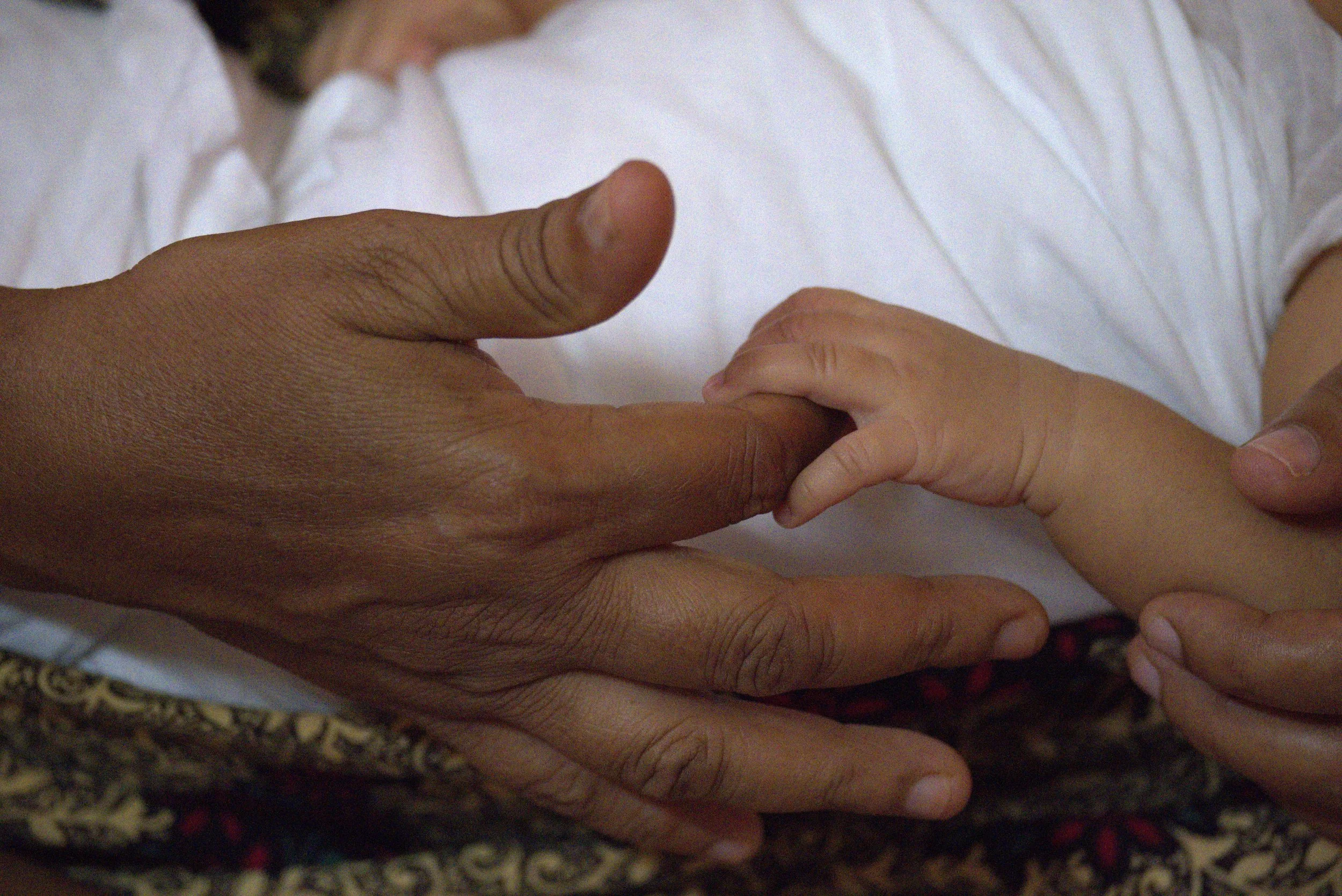
The First Forty Days
Postpartum rituals vary across cultures and faiths, but the underlying understanding is that the postpartum body is tender, and it needs to be protected, fed, and held.
In many Indian traditions, postpartum confinement lasts forty days. The ‘why’ is sensible: recovery takes time, there is a risk of infection, and the mother’s body needs steady support as she establishes breastfeeding and heals from labour. Across regions, communities emphasise warm, digestible foods, respite from work, daily oil massages, warm baths, and sometimes belly binding.
Traditionally, Mangalorean postpartum confinement begins the day the baby is born — six weeks of rest and care in which the mother is not meant to leave the house. Village elders mentioned that for women whose lives were otherwise filled with heavy labour — working in open paddy fields, cooking for families, and endless household work — confinement felt like a luxury; an ironic all-expense-paid vacation. Today, with several families living beyond the borders of Mangalore, one craves the warmth and comfort of home when they’re most raw. Some plan months ahead. Some expecting mothers return to Mangalore. Other families fly caregivers in.
Shobha and Rosie have travelled across India, Dubai, and Singapore to render their services to Mangalorean mothers who desire the care of home.
The Caregiver’s Duties
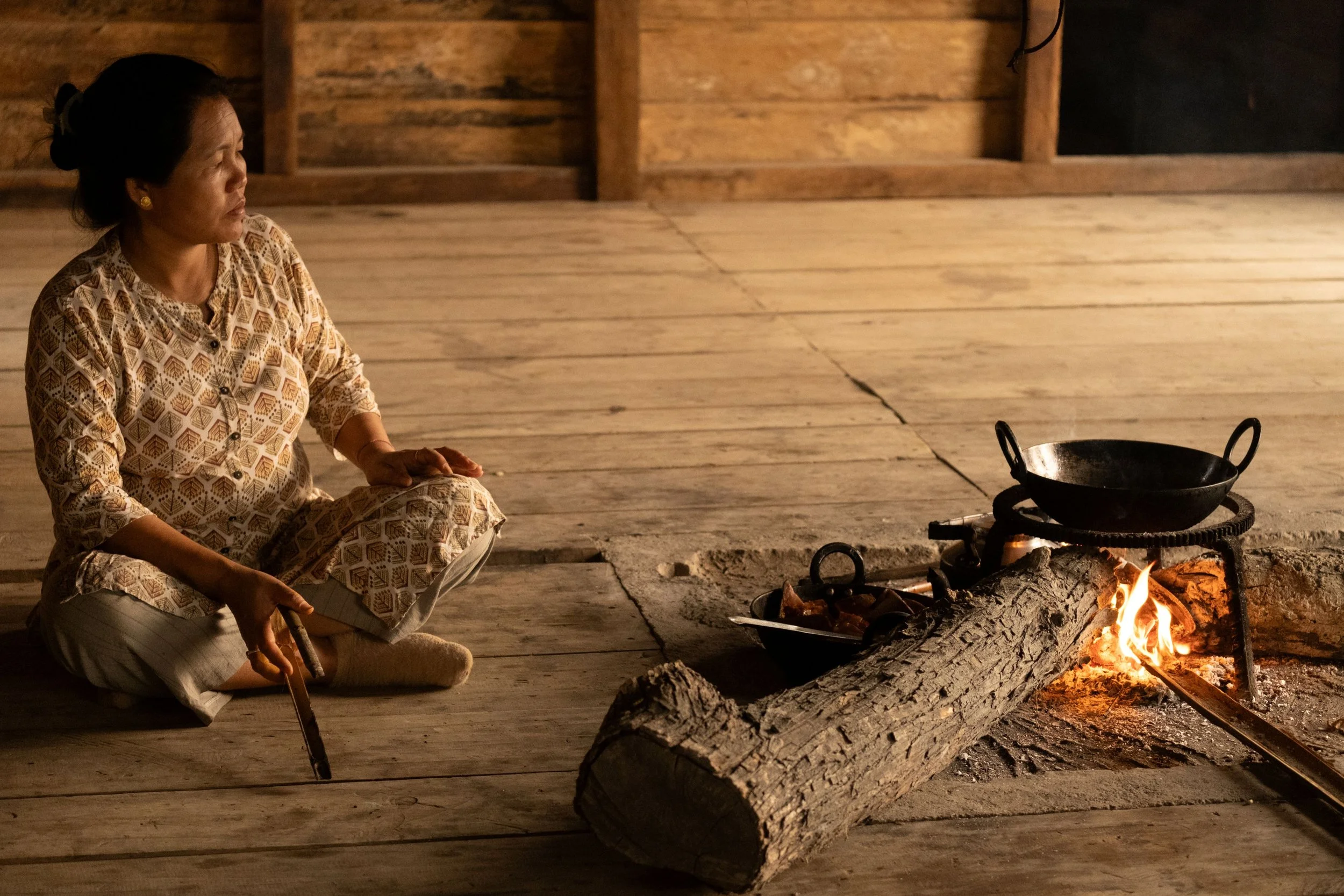
A balnti posteli is not a nurse in the medical sense. She arrives with years of experience, a deeply internalised schedule of postpartum care, and an oral archive of healing recipes.
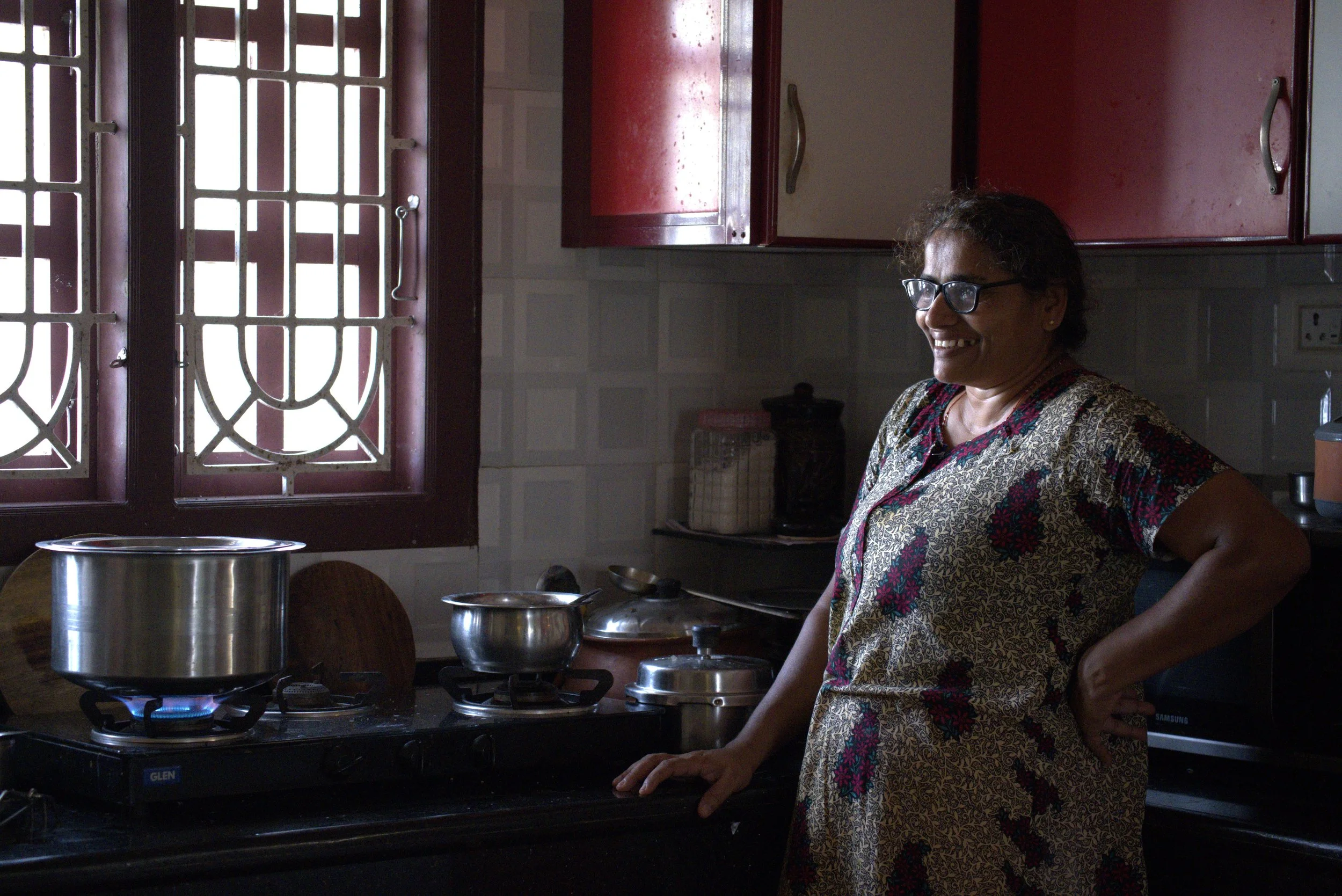
Rosie is a caregiver, who brings with her a schedule of postpartum care, and an oral archive of healing recipes.
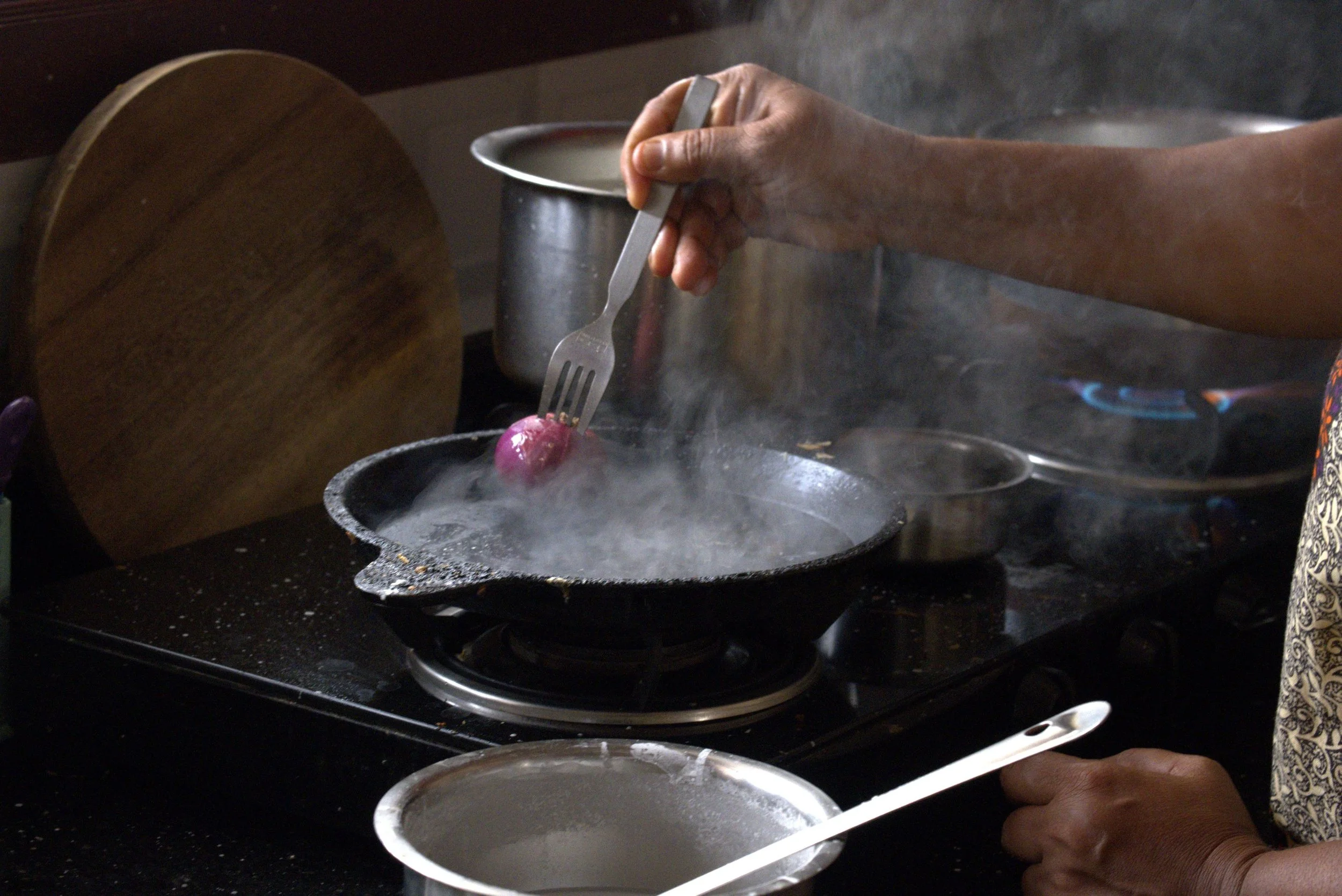
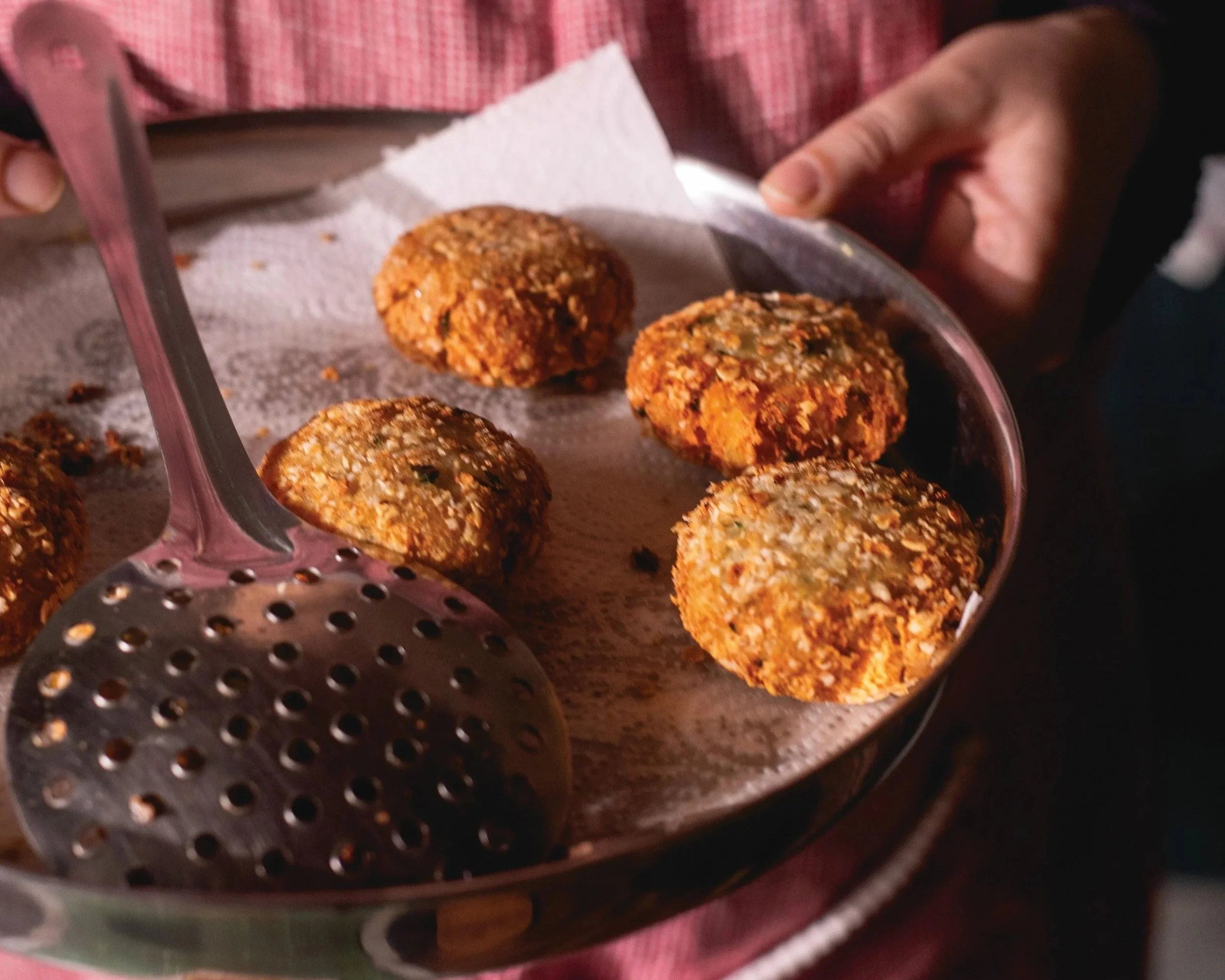
Rosie making dosas for the family.
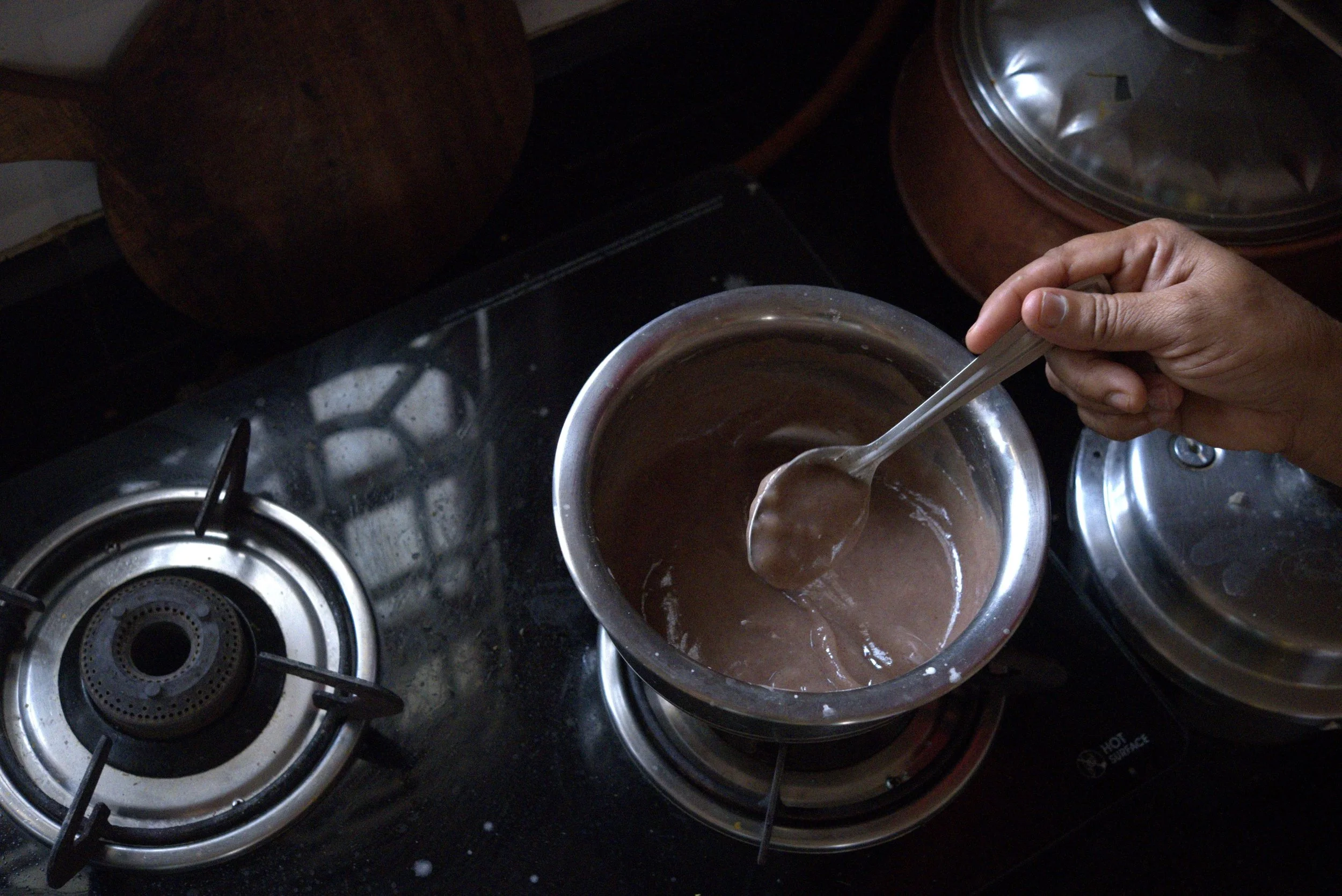
The making of ragi porridge.
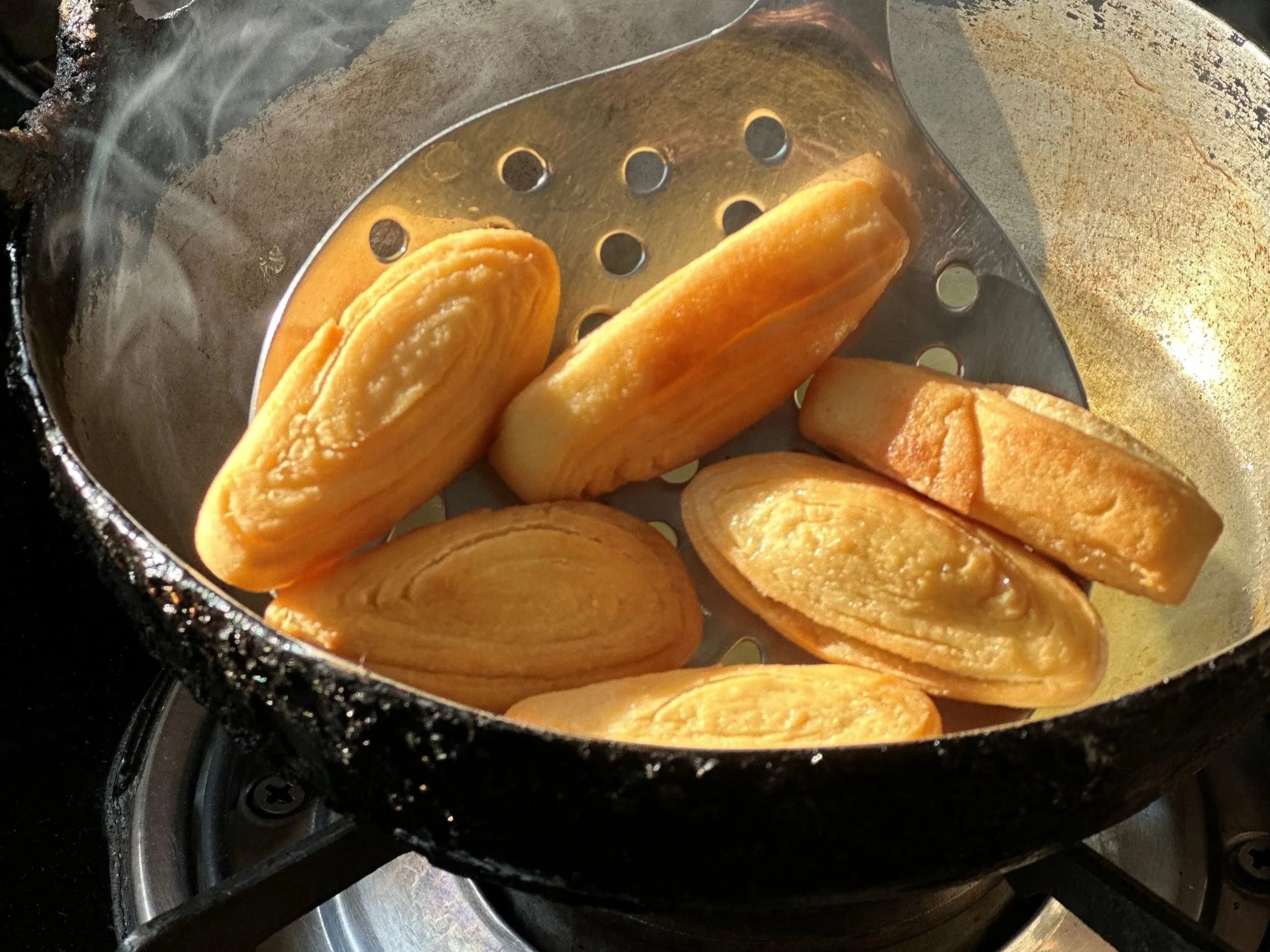
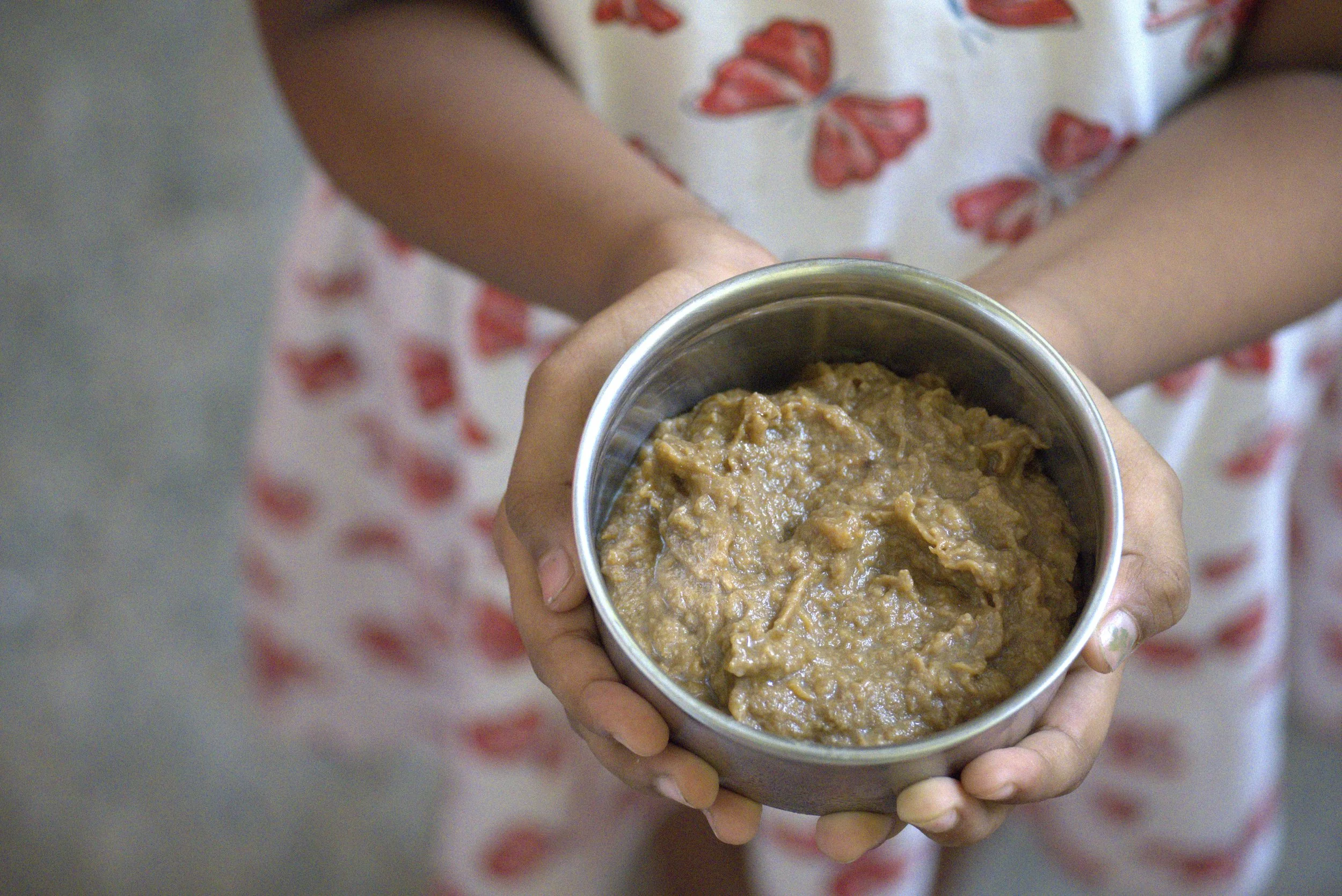
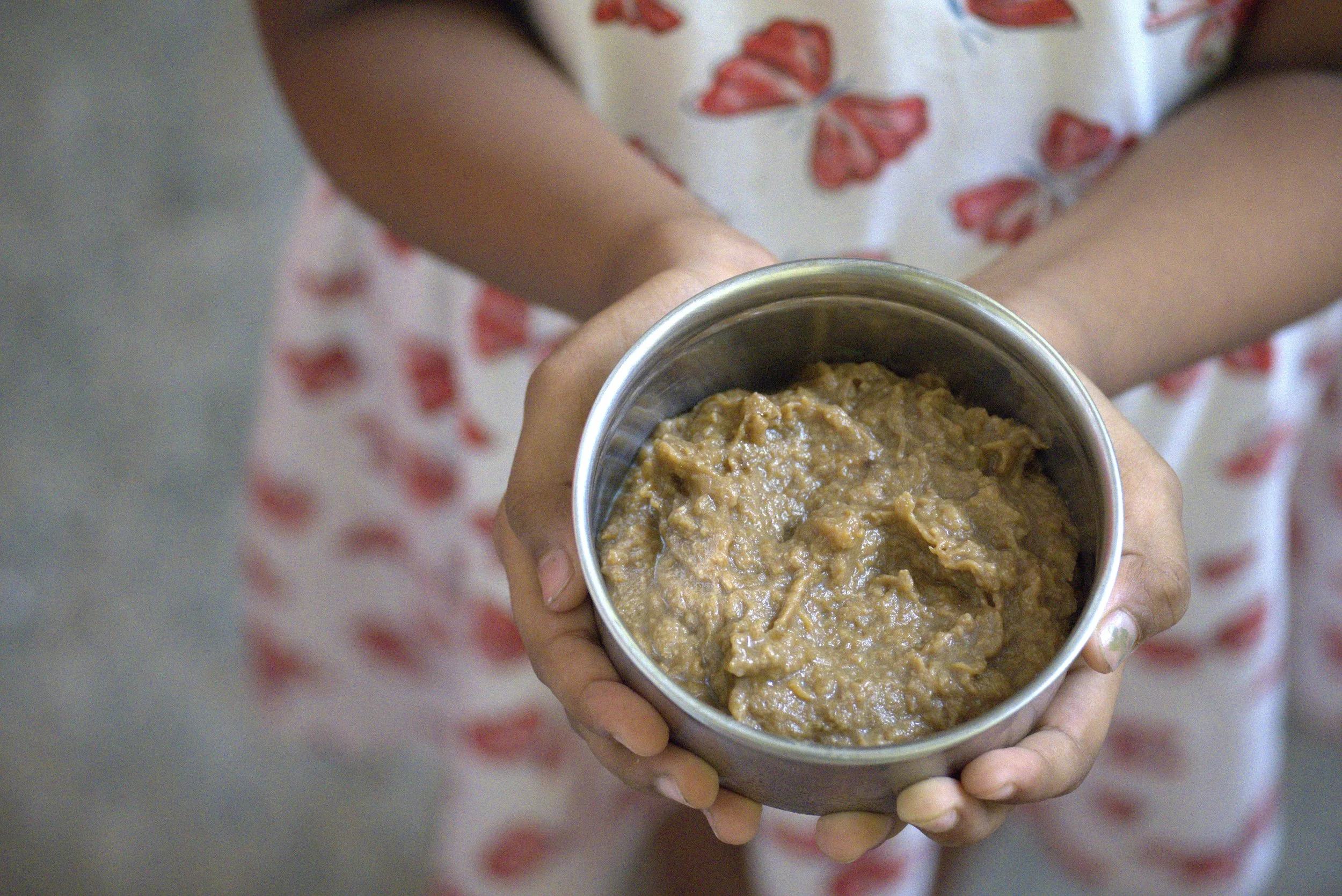
Her tasks include preparing traditional homemade medicines and foods considered safest during confinement. These include randho, a jam-like preparation infused with dry fruits, nuts, and spices; thiklem or suko randho, a dry version of randho; nivol, a thick coconut-based curry with peppercorns, ajwain, and kokum; methi paez, fenugreek seed porridge; ajwain paez, carom seed porridge; and kasai, herbal teas or potions.
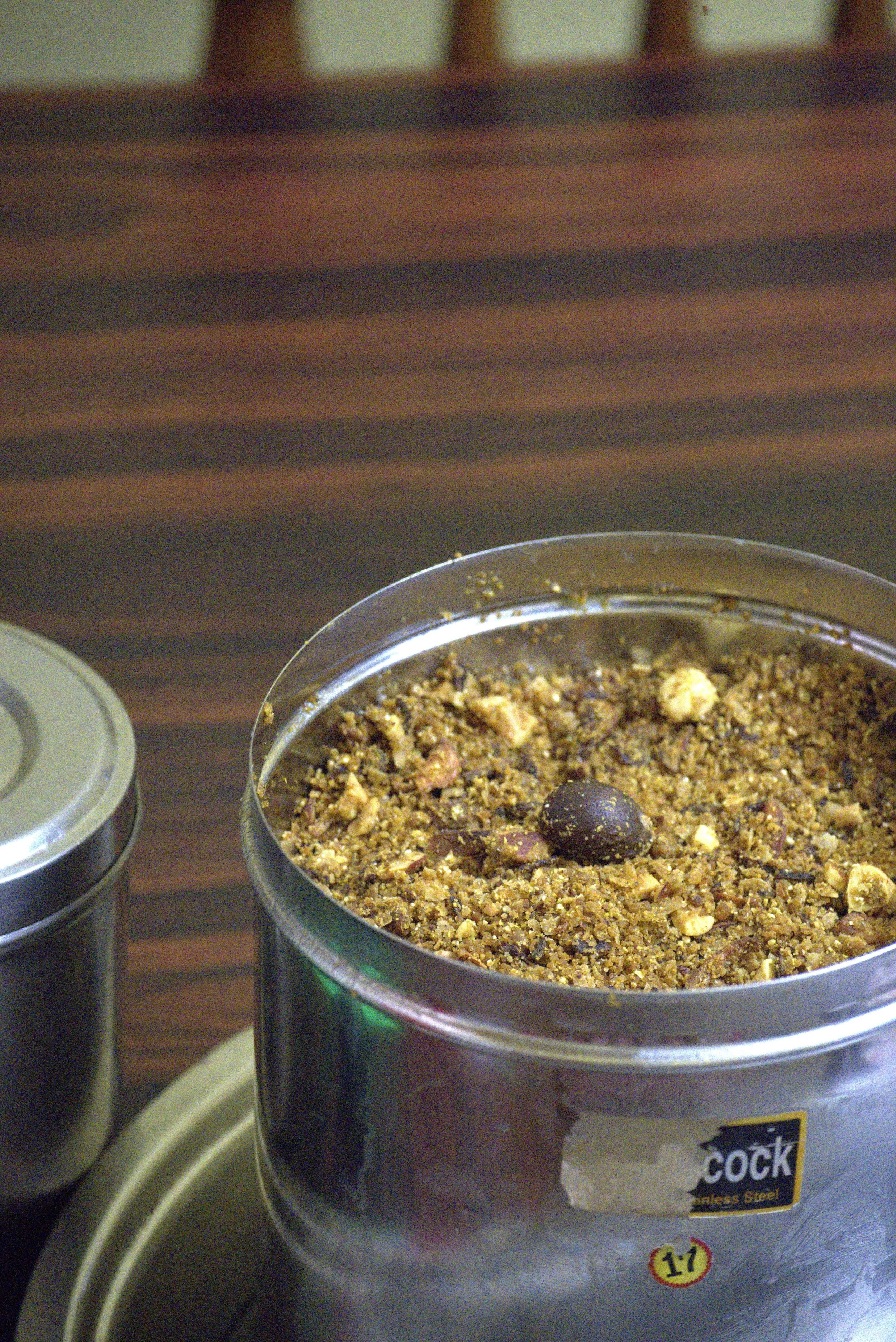
Thiklem is the dry version of randho, a jam-like preparation infused with dry fruits, nuts, and spices.
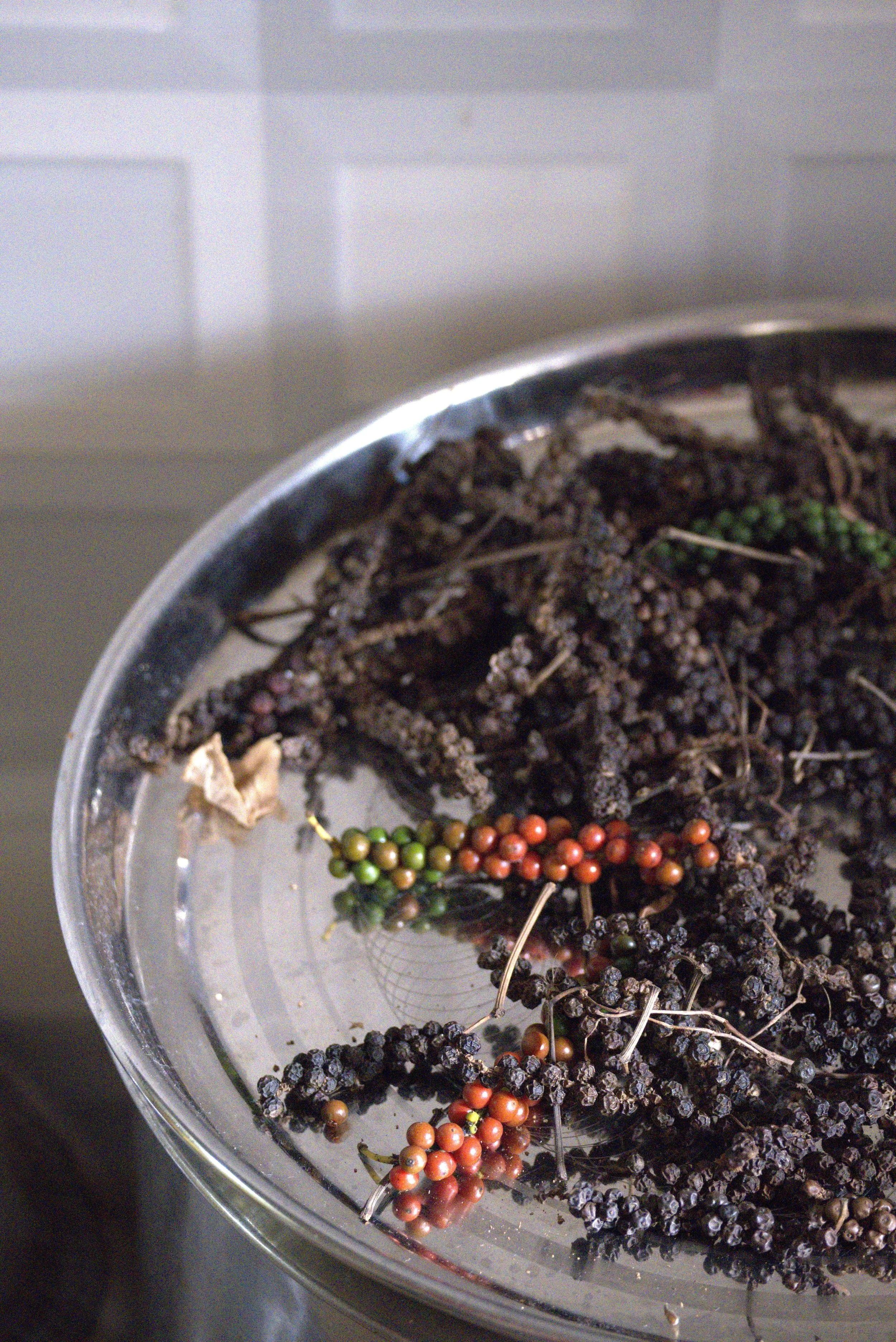
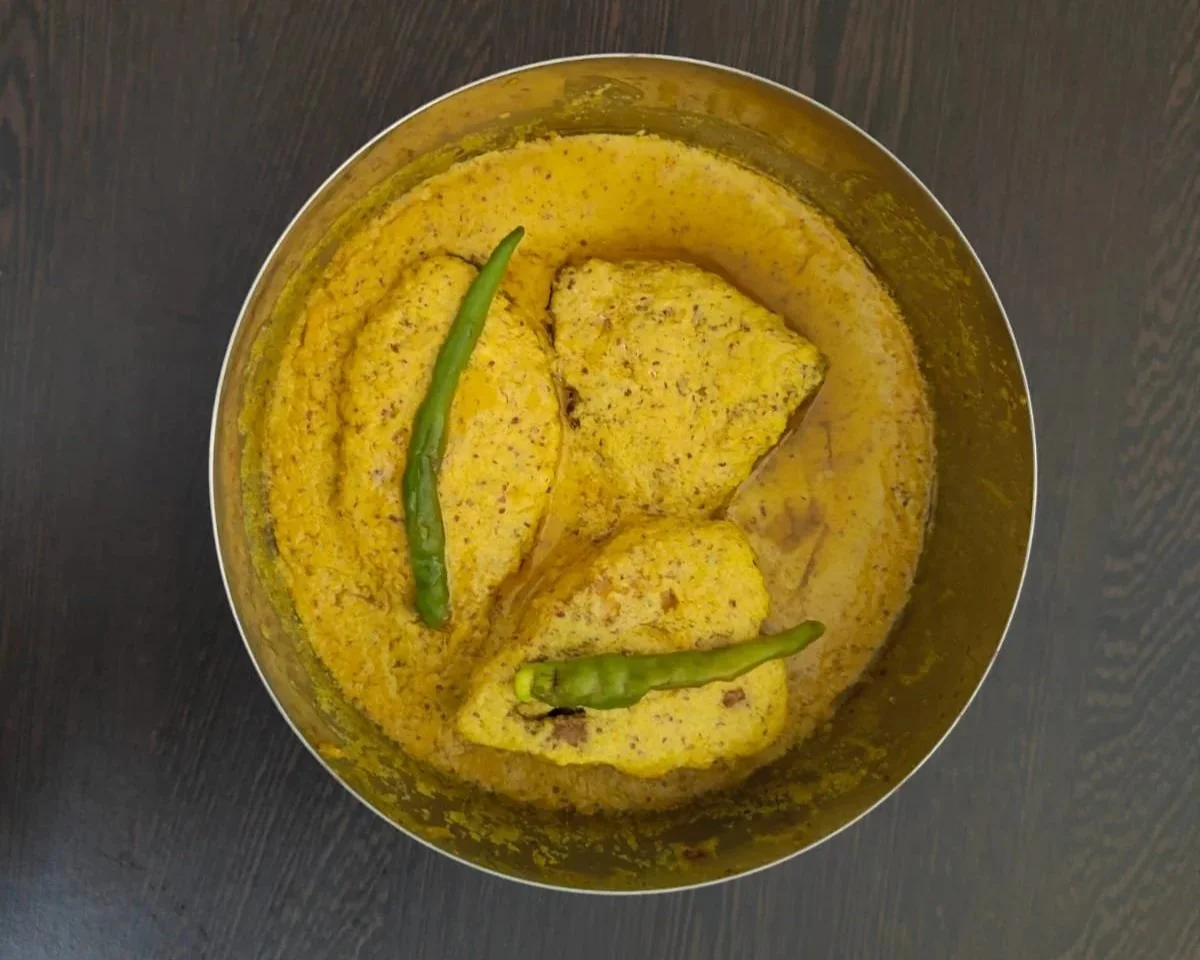
Fresh pepper from the farm finds it way into a thick curry called nivol.
Caregivers are fiercely protective of these prized recipes — this knowledge, after all, is their livelihood. In a world that’s always looking for quick hacks and tips, guarding a recipe is a form of self-preservation. Many of these women come from economically weaker backgrounds; some are school dropouts who have built a profession out of a skill learned through community transmission; an inheritance of knowledge from mother to daughter.
The baby is tended to with deliberation. Within days of birth, warm coconut oil massages begin using oil that is either pressed at home or sourced from small shops in Mangalore that prepare it specifically for newborn care.
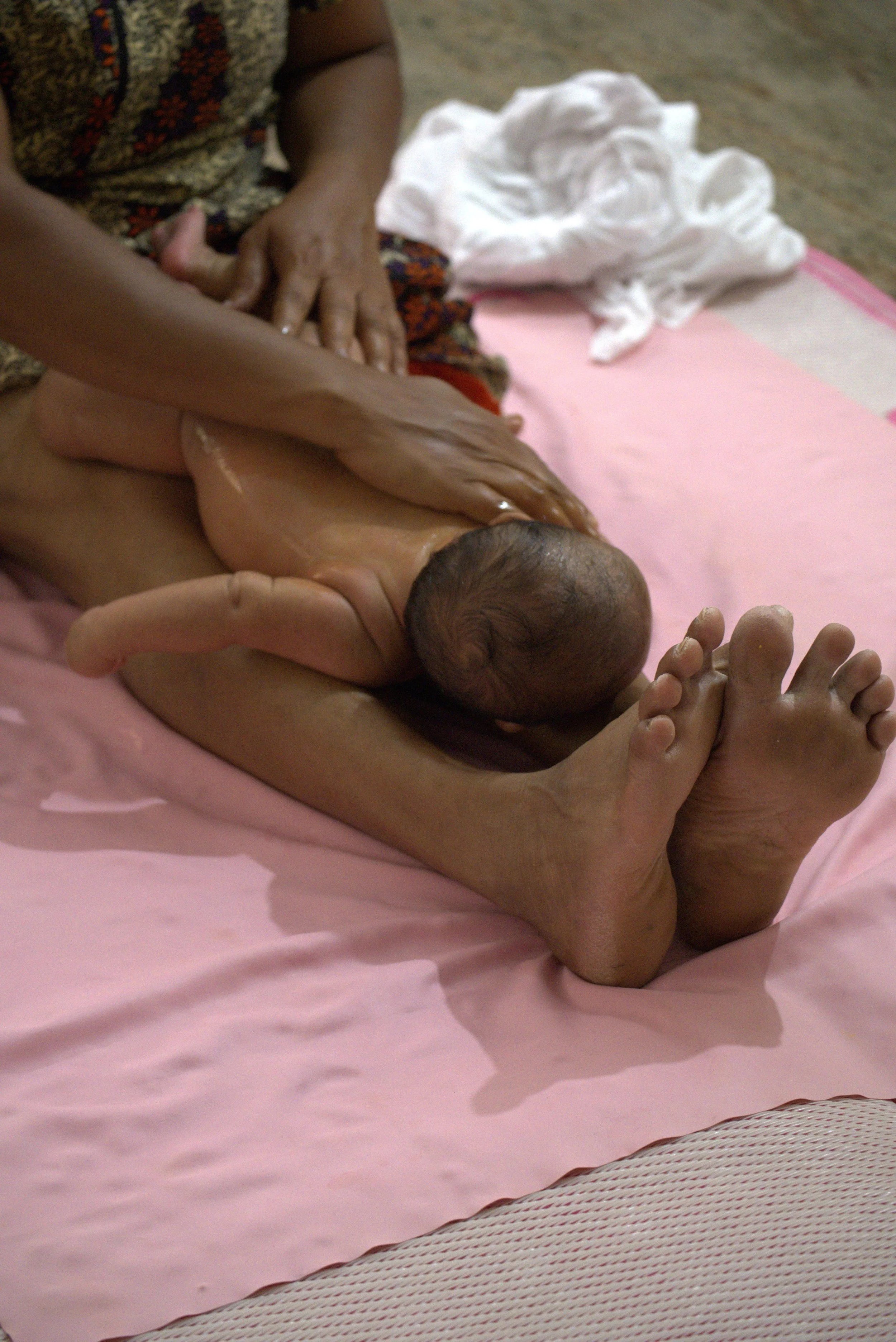
Within days of birth, warm coconut oil massages begin, using oil that is either pressed at home or sourced from small shops in Mangalore that prepare it specifically for newborn care.
Food is the Remedy
Both Shobha’s and Rosie’s cooking follow a sequence. It should be noted that these foods are rooted in tradition and are not medically approved or disproved.
For the first few days after delivery — if mother and baby are stable — the new mother begins her mornings with kaljire (iron weed) kasai, a bitter herbal decoction taken on an empty stomach with a piece of pele god or palm jaggery. It’s believed to cleanse the body and guard against post-delivery infections, a practice from a time before easy access to antiseptics or antibiotics. On the fourth day comes a preparation of alun dento, black colocasia stems, considered ‘heaty’. This is balanced with guliyanchi kheer, a rice dumpling kheer, to cool the system, alongside fish curry. The kheer returns a few times a week through the confinement period.
The sixth day sees no massage or bath for mother and baby. Shobha mentioned that this is the day believed to mark the writing of a child’s destiny, similar to sixth-day beliefs in other Indian traditions.
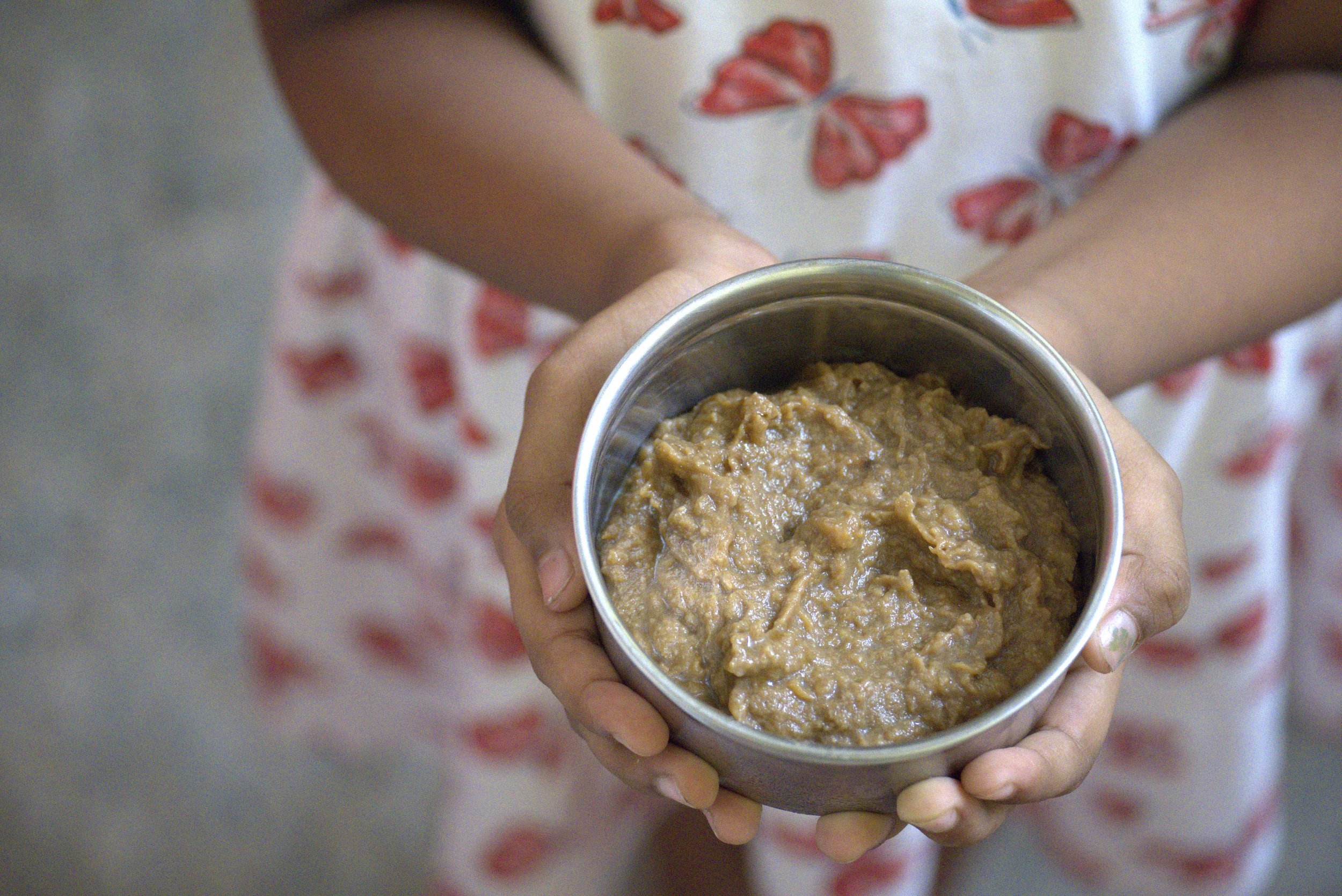
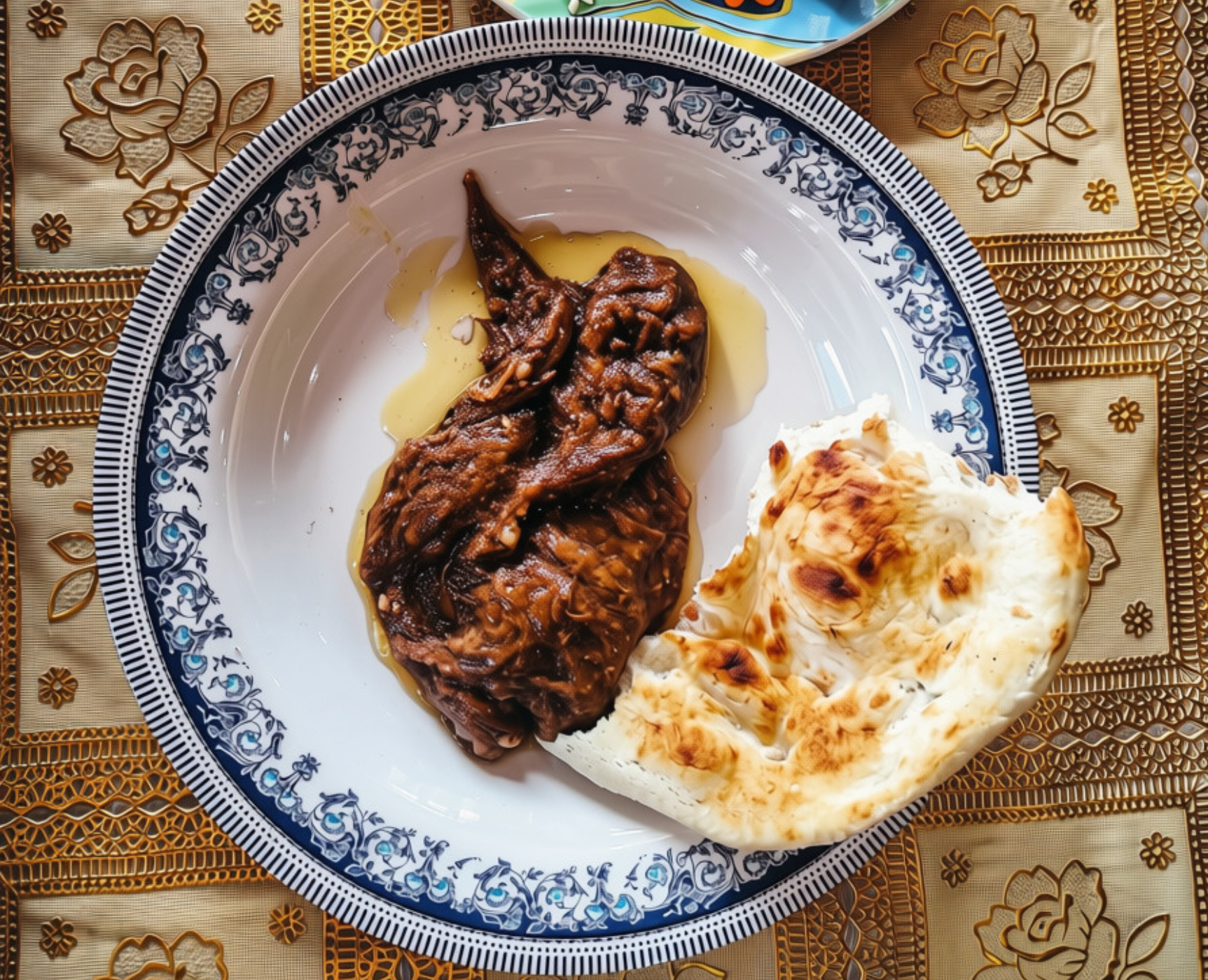
Losun is a ground garlic preparation cooked with jaggery, coconut milk, and ghee.
After the first week, the menu grows richer. Losun, a ground garlic preparation cooked with jaggery, coconut milk, and ghee, enters the diet, its warmth balanced by methi paez. The heat of nivol is tempered with boblen, bottle gourd kheer. By the tenth day, milk and methi-and-dry-fruit laddoos follow the mother’s daily massage and bath.
Around the fifteenth day, if the baby is doing well, kaldh, a light chicken broth, is introduced, sometimes repeated through the weeks that follow. Mutton soup may appear once a week for added strength. Leafy greens like shepia baji (dill leaves) are introduced early on to support lactation, and methi baji through the weeks to aid digestion for both mother and baby.
Past the twentieth day, coconut roce (milk) kheer makes an appearance, followed a couple of days later by thiklem, the dry, spice-forward version of randho, often preferred by those who find randho too intense. By the thirtieth day, coconut roce finds its way into bath rituals for mother and child.
Underlying this entire regimen is logic: feed the mother warm, digestible foods that restore without overwhelming. Ingredients like fenugreek, garlic, and ajwain are valued for their role in digestion and lactation. Warmth is treated as protection — against weakness, imbalance, and slow recovery, while cooling foods are introduced in alternation, as the body regains steadiness. More intentional than indulgent, the meal plan is built on the belief that recovery cannot be rushed.
Postpartum Care as a Social Act
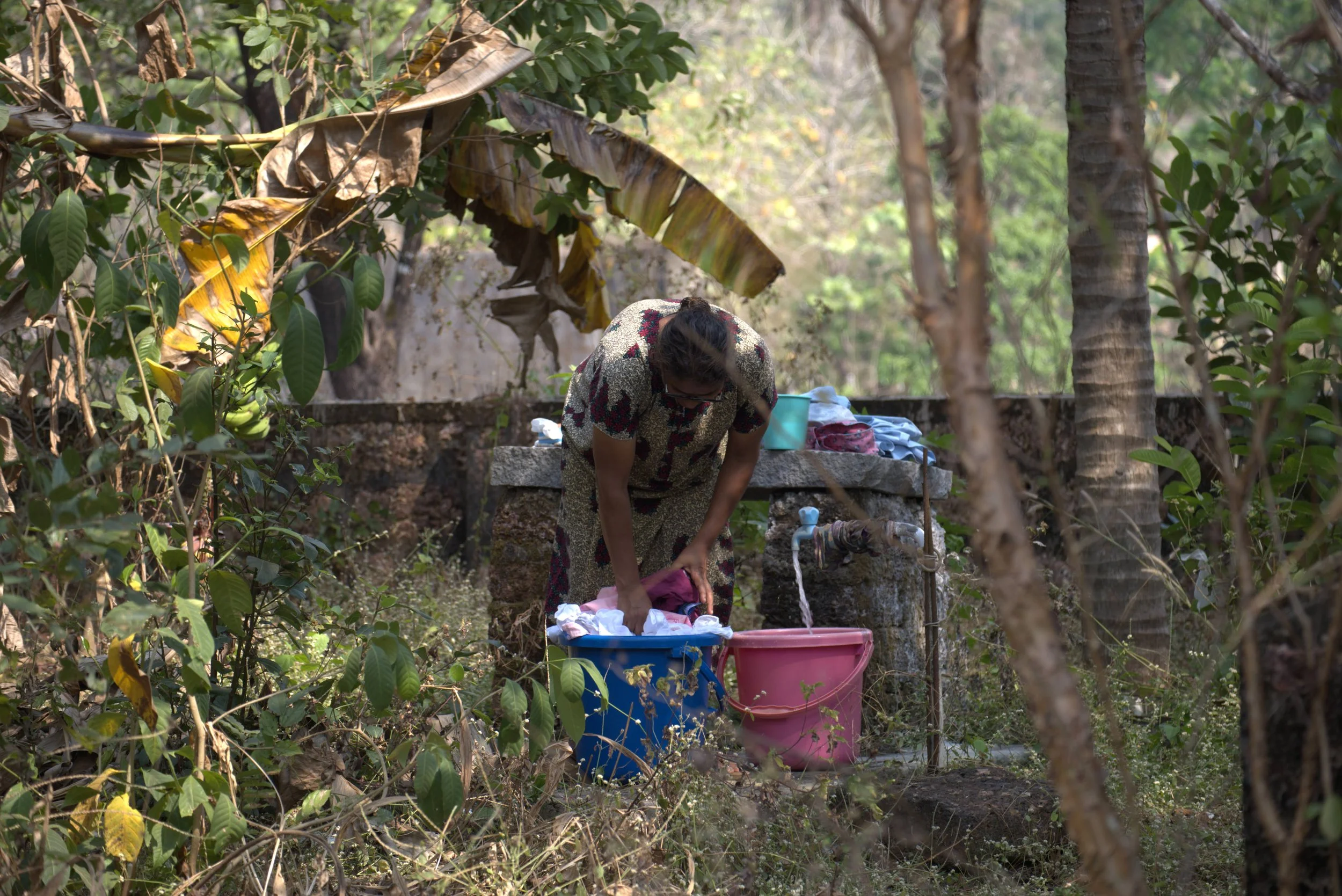
As she is washing the baby’s clothes, I ask Rosie what she wished people understood about caregivers like herself.
“Just do a good job. Don’t hurt the baby or the mother, even with your thoughts. This work needs patience. A fussy baby and a nervous mother are not easy. Don’t do it for money, do it with love. And once you begin, don’t leave before the confinement is over, no matter what,” she said.
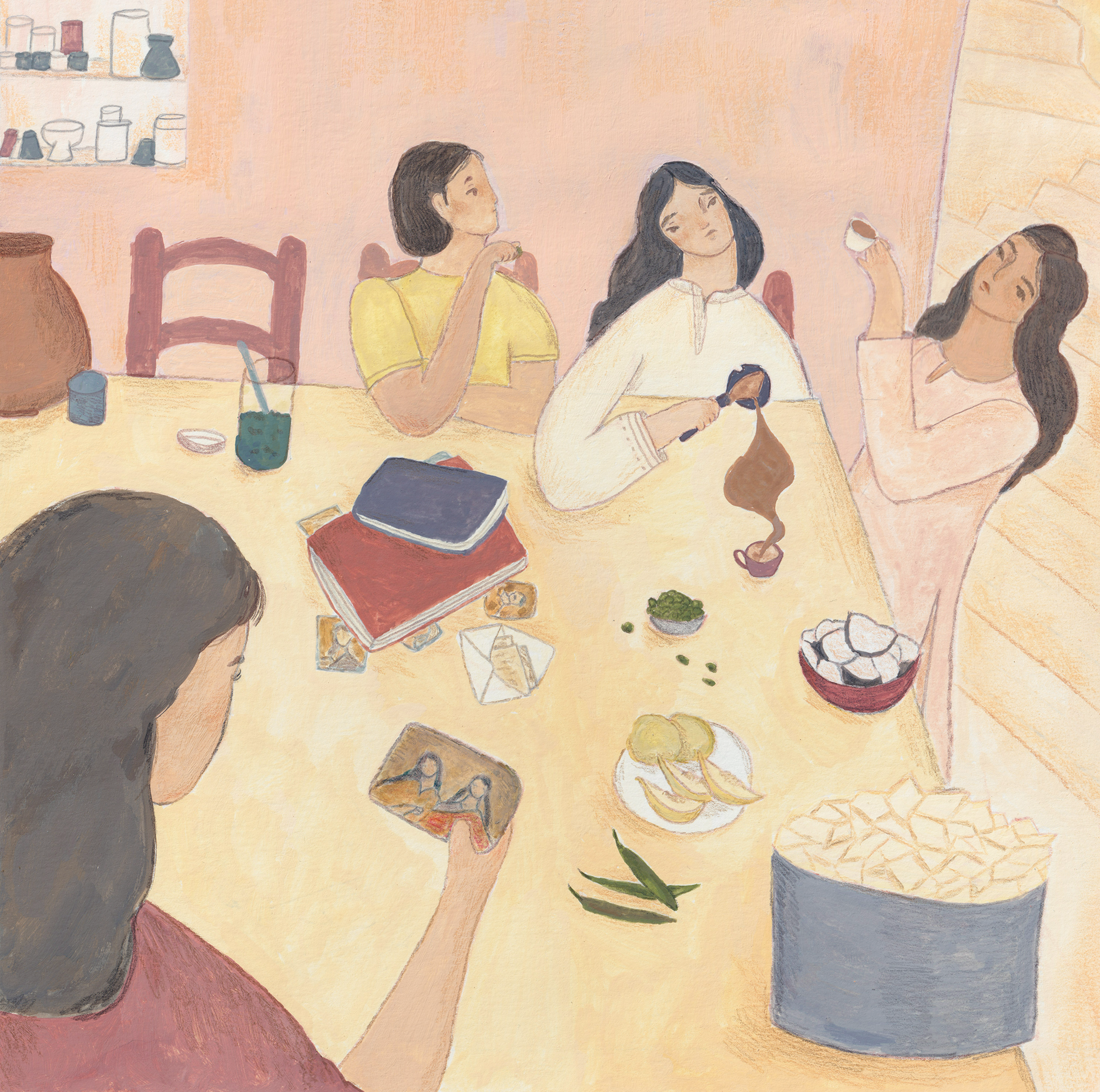
I watch Rosie lean over my niece and murmur, “Tun muzho bangaraso kudko.” You are my little piece of gold, and “tun devaso mogaso” — you are God’s favourite. I hear Shobha’s low lullabies in the next room as she rocks my nephew so his mother can sleep a little longer. Both kitchens smell of roasted spices, aromatic concoctions, coconut oil, and simmering broths. Lines of washed baby clothes dry in the sun. The day’s schedule bends around massage times, feeding times, and nap times. Nothing is rushed.
Some of these traditions may soften or shrink. Some have already given way to modern medicine and convenience. Such is the nature of living traditions.
But traditional postpartum care is a social act. It redistributes labour so a mother can heal. It says, in practice, that her recovery matters; that she doesn’t have to do it alone. This is the real inheritance: not just recipes or rituals, but the insistence that healing isn’t solitary.
Food is the most portable part of this tradition. Here’s a recipe for making nivol, sourced from a Mangalorean recipe book from 1983.
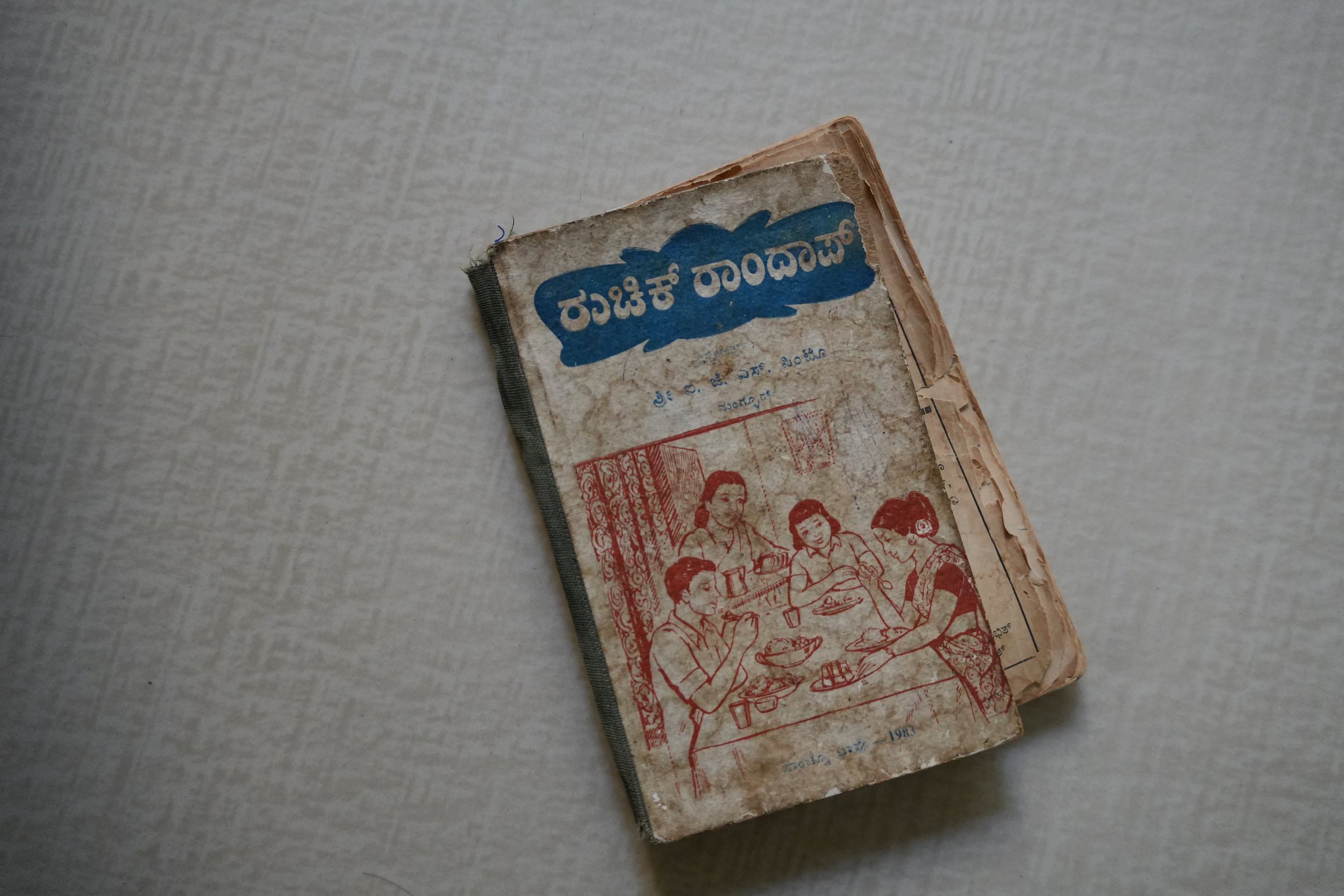
A family heirloom is the 1983 copy of Ruchik Randap.
RECIPE FOR NIVOL
Ingredients
2 tbsp coriander seeds
20 peppercorns
1 pinch of jeera/cumin seeds
1 piece of turmeric
1 teaspoon of mustard seeds
1 teaspoon of ajwain/carom seeds
1 small dried red chilli
2 pieces of tamarind
2 pods of garlic
½ cup of grated coconut
1 medium-sized onion, sliced, for the paste
Half an onion, sliced, for tempering
Method
Dry-roast all the spices and seeds.
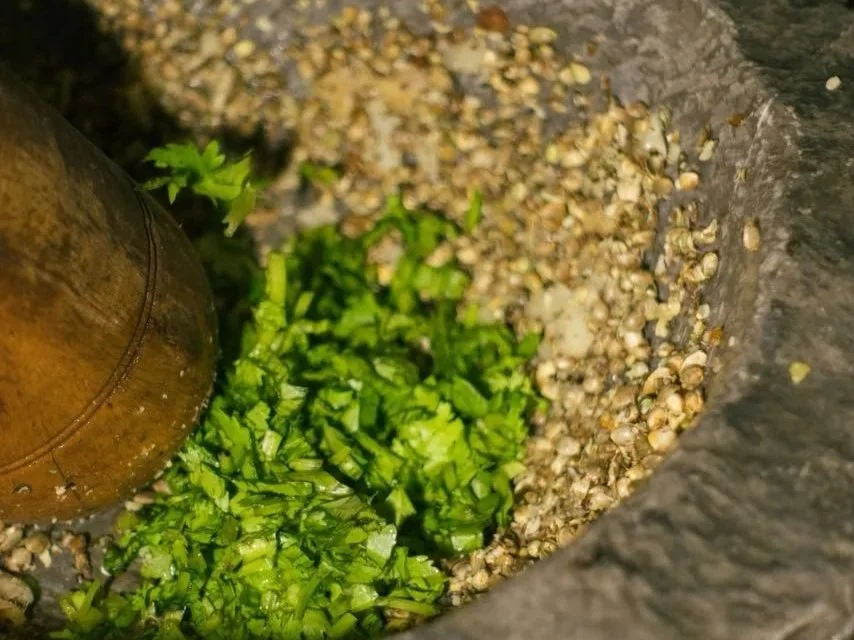
Powder them, then add the grated coconut, onion, garlic, and tamarind; grind into a fine paste.
Slice half an onion and fry it in a tablespoon of ghee till light brown.
Add water to the masala paste to make a semi-thick gravy.
Add salt to taste.
Heat the gravy till it simmers.
Add the ghee-fried onion to the gravy.
Niviya Vas is a copywriter by profession, and a travel-rooted writer by passion. She writes on topics and perspectives that put people, places, and cultures at the heart of it all. She also shares her travel experiences on her blog, Commoner's Causeway.
Images credit: Niviya Vas
ALSO ON GOYA