Entomophagy in Bastar: Making Chapda Chutney with Weaver Ants
Long before the world’s most expensive restaurants discovered the culinary potential of insects, India’s tribal communities had already been turning them into food, medicine and a means of sustainable sustenance. Shilpa Gupta journeys into Bastar to explore the tradition behind a fiery chutney made with live red weaver ants, and the deep-rooted knowledge it carries.
Early in life I had decided that I would never be a girlie girl; not become a tomboy either, no, but definitely not a simpering, squeamish, priss.
Yet, there I was in a tiny Bastar village, being exactly what I didn’t want to be. Grossed out by the sight of hundreds and thousands of red weaver ants strewing all over the ground, wriggling on the stick that had been used to break their nest atop a tree, squirming on the hands and clothes of the harvester — stinging in anger, crawling in fear, escaping in hope — I was recoiling, jumping and squealing in revulsion, in full public view. Clearly, I was out of character.
Minutes later, however, this would get more anomalous as I, a sworn vegetarian, would feast on a chutney made of the same red ants, called chapda. With that, I’d be joining a legion of people who eat insects as food. The word for them: Entomophage.
Entomophagy is not new. In fact, it is rather old; predating even the pre-historic, as evidenced from cave paintings and fossilised human waste. Aristotle wrote about eating cicadas. Our ancestors likely evolved on a healthy diet of hymenoptera like wasps, ants and bees. Back then, of course, insects made for perfect survival food. But in Bastar, now?
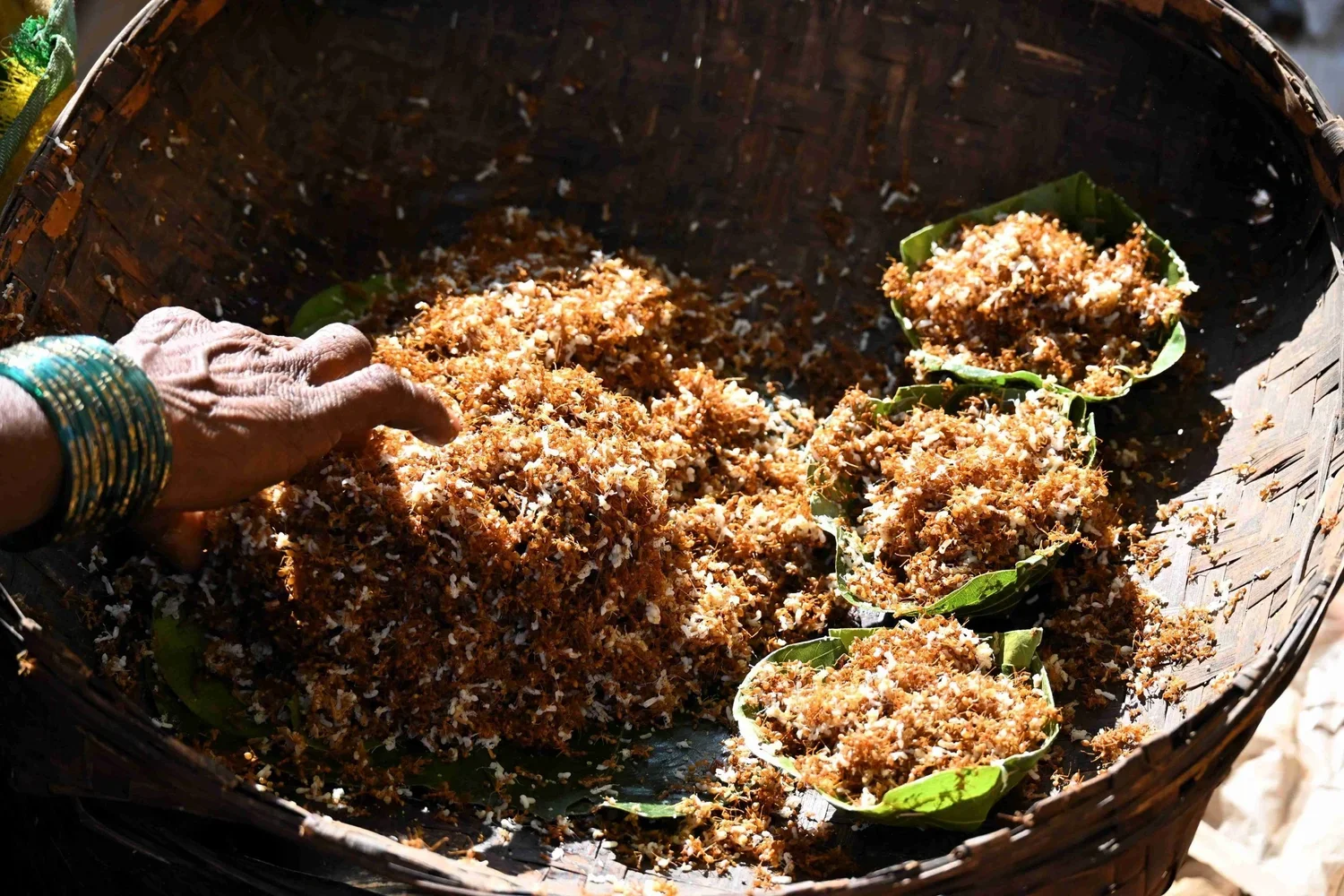
When we chose to explore the region considered the cultural heart of Chhattisgarh, it was to understand its largely rural and tribal communities, the incredible art and craft cultures like pottery and bell-making, their accepted beliefs that stress on the supremacy of jal-jameen-jungle over all else, and to appreciate the pristine natural beauty of the region, as yet unaffected and uncorrupted by tourists or commercialism. We waded into streams, learnt about memorial pillars, drove through forests, rafted on bamboos, manoeuvred the labyrinths of caves, interacted with natives, ascertained the ghotul system (a social, cultural and communal institution for unmarried youth, gender no bar), and strolled through neighbourhood haats that sold wares without weighing scales or metric systems. Women were the primary sellers and buyers, and haats had everything a household could need: From vegetables to utensils, and clothes to footwear. Local alcoholic drinks like sulphi (like toddy), suraam (a wine-like drink), landa were ubiquitous. So was chapda (scientific name, Oecophylla Smaragdina).
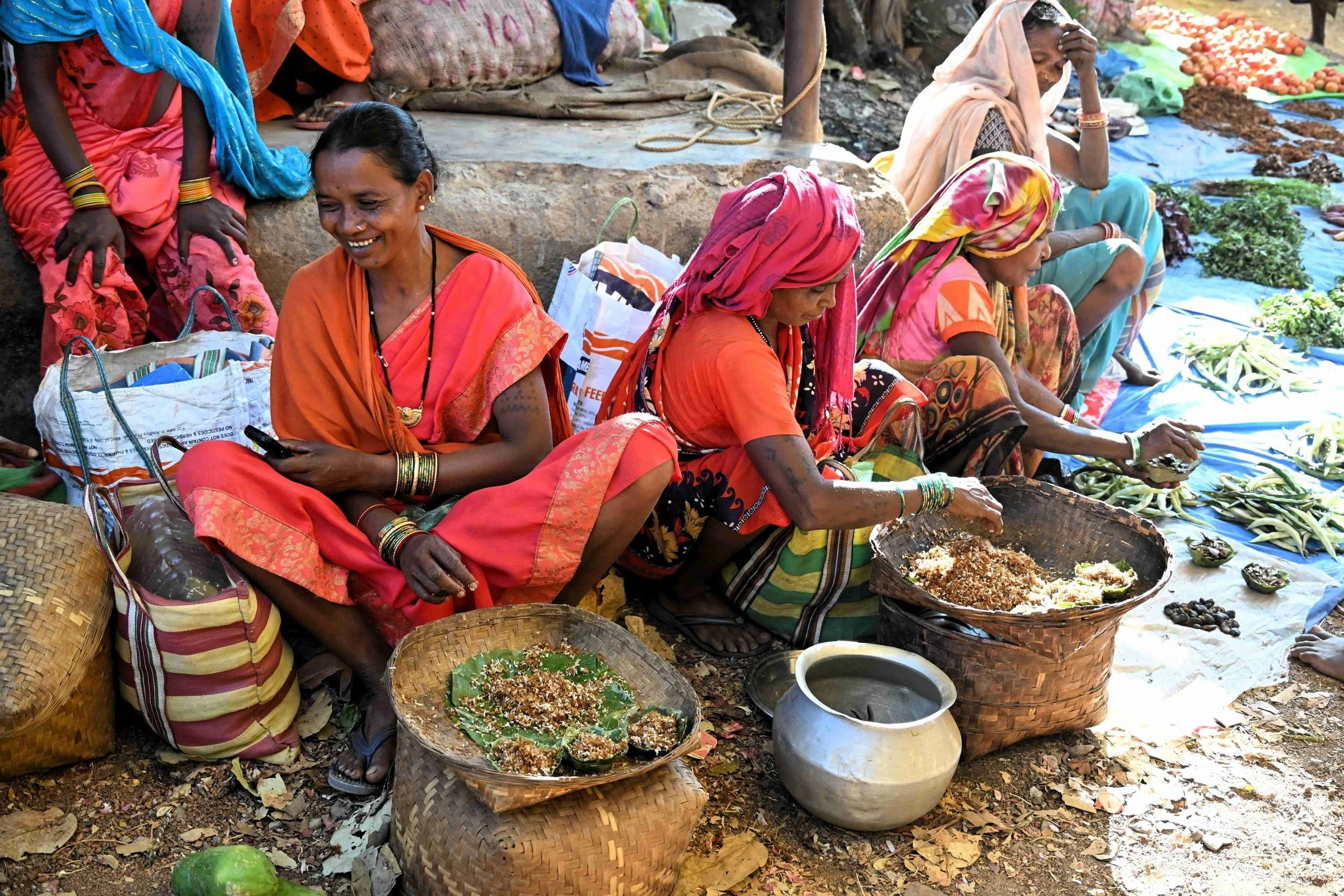
Women in Chingitarai Haat selling chapda.
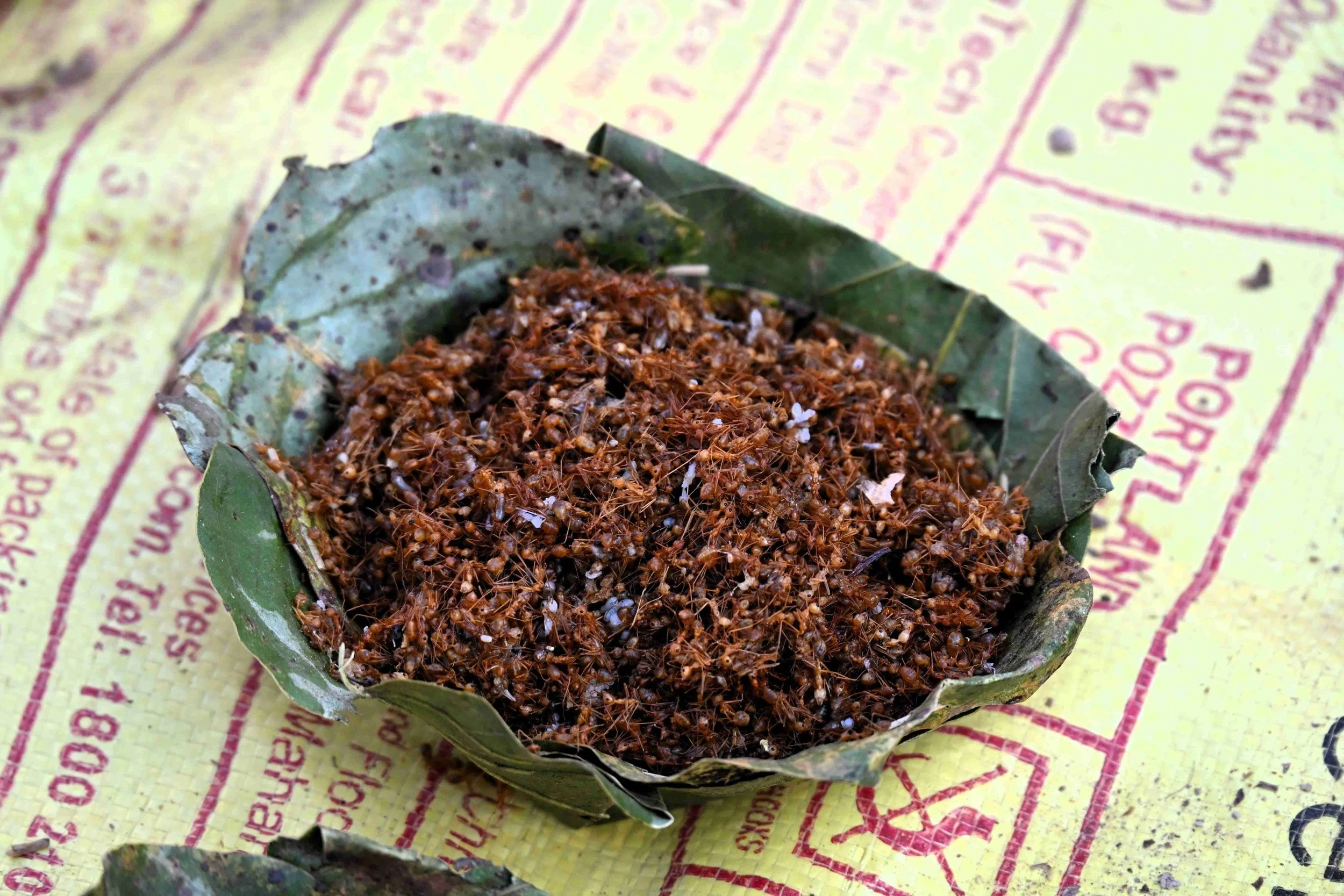
Chapda is typically sold in woven leaf baskets.


In the states of Chhattisgarh, Jharkhand and Odisha, chapda chutney is a staple (Odisha owns the GI tag). ‘Eating local’ is obviously not a new mantra. “The hallmark of tribal food is its simplicity and the use of available resources,” says Dr Alok Kumar Sahu, an environmental activist, a votary of immersive travel and co-founder-director of Raipur-based Agora Eco-Tourism Pvt Ltd.
It’s the same for other ethnic communities. Walk into a market in north-east Indian states like Manipur or Nagaland, and you’ll get a taste of the smorgasbord of insects (and reptiles) consumed by humans: grasshoppers, crickets, silkworms and their larvae, red ants. Across the country, several insect species are consumed. India, however, is not an exception. The Japanese use locusts as a condiment. Ugandans eat nsenene, long-horned grasshoppers, as a snack. Mexicans relish toasted grasshoppers called chapulines.
In the village of Muchnar, we walk into the courtyard of Roshan Oyami’s house-cum-homestay. Merely 25, he wants to rewrite how the region is viewed and make tourism more inclusive. Determined to let traditions continue undiluted, he, his wife Rohini (both of the Maria tribe) and a small band of friends, invite guests into their home, with the caveat that simple, traditional ways be respected, and ‘urbane’ demands not be made while in Bastar.
Rohini, 25, washes our feet by way of welcoming (a Maria custom) and then the two, along with our guide and other family members, take us to a ground a few steps away.
Roshan and Rohini belong to the Maria tribe in Bastar.
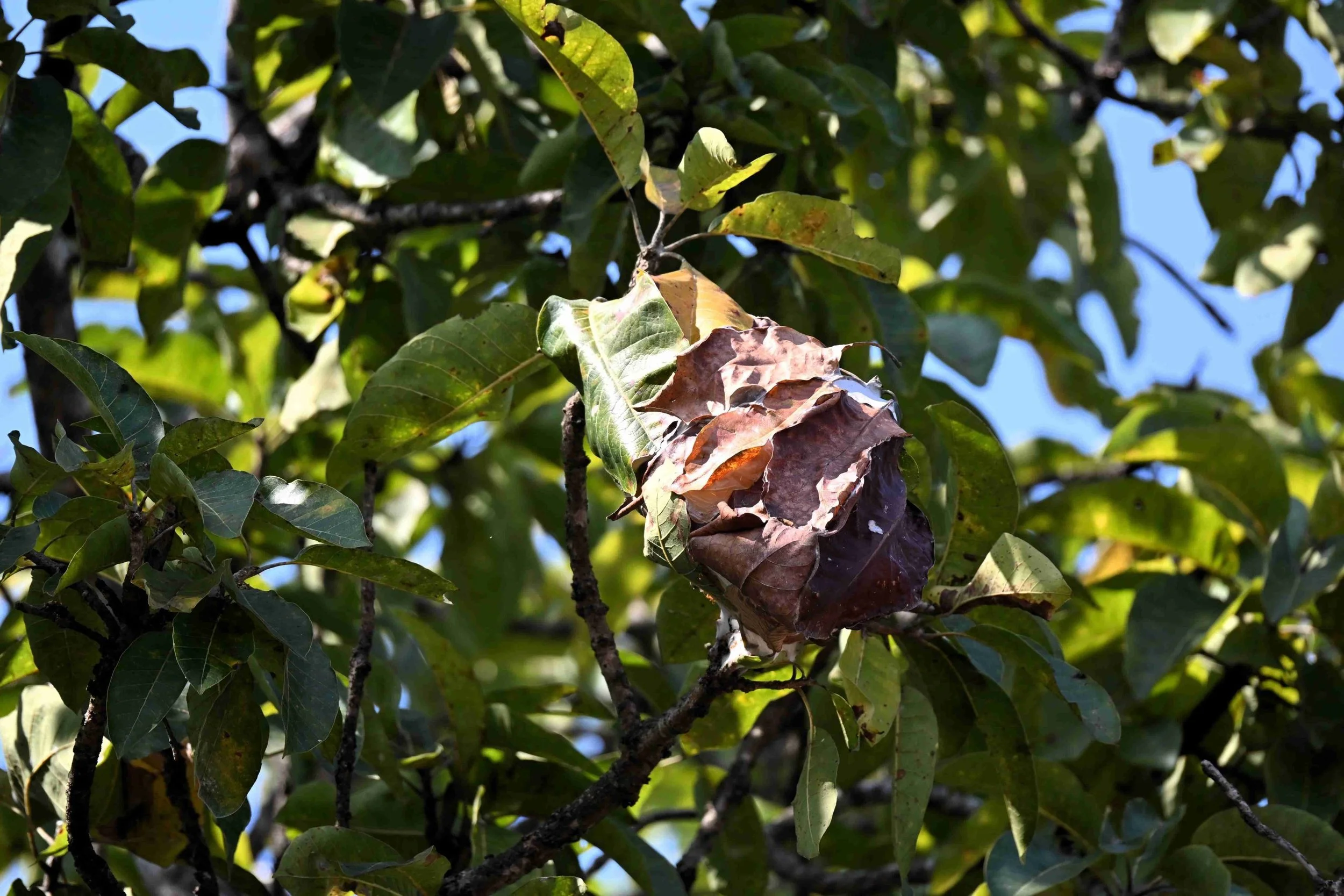
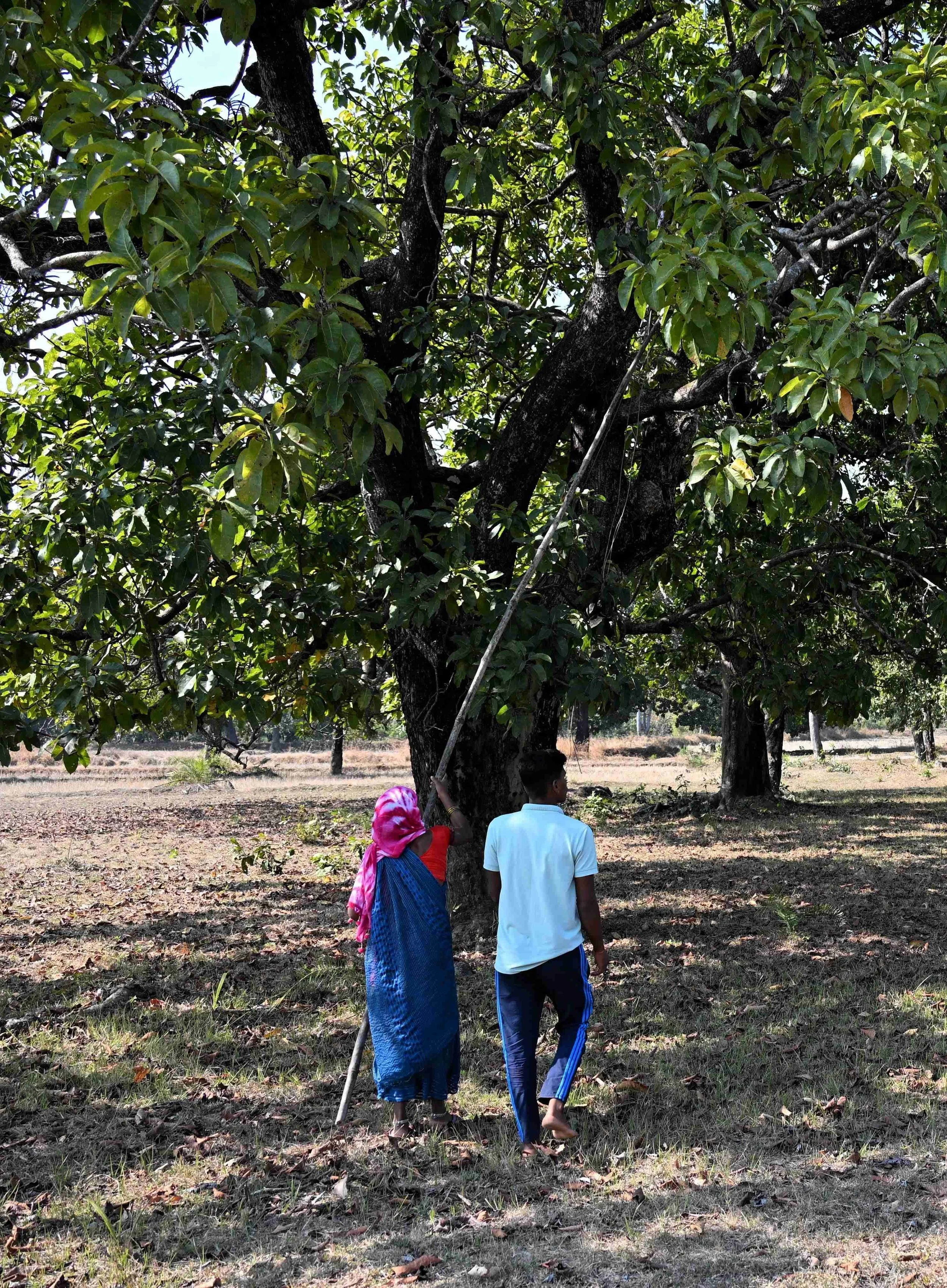
A weaver ants’ nest in the tree.
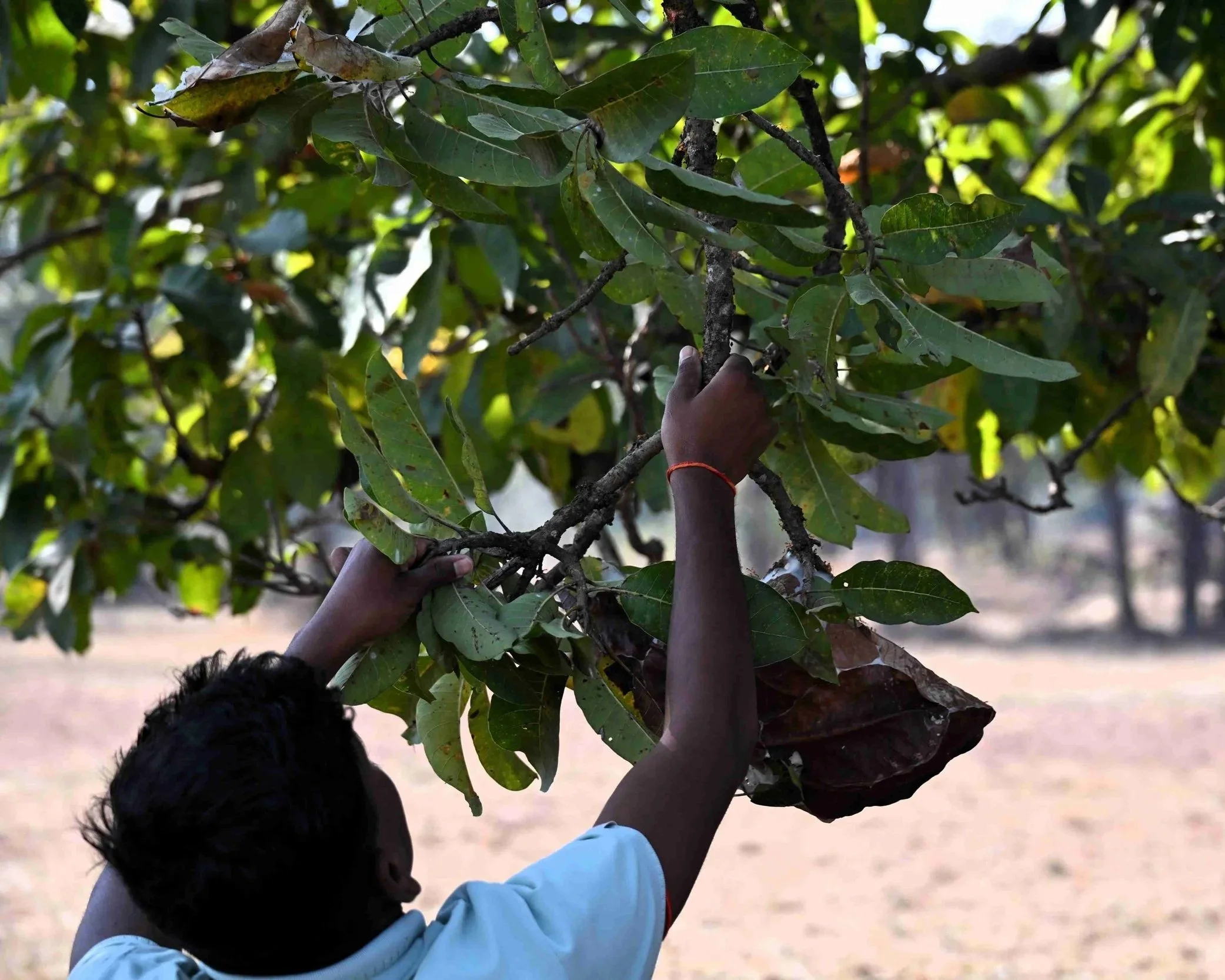
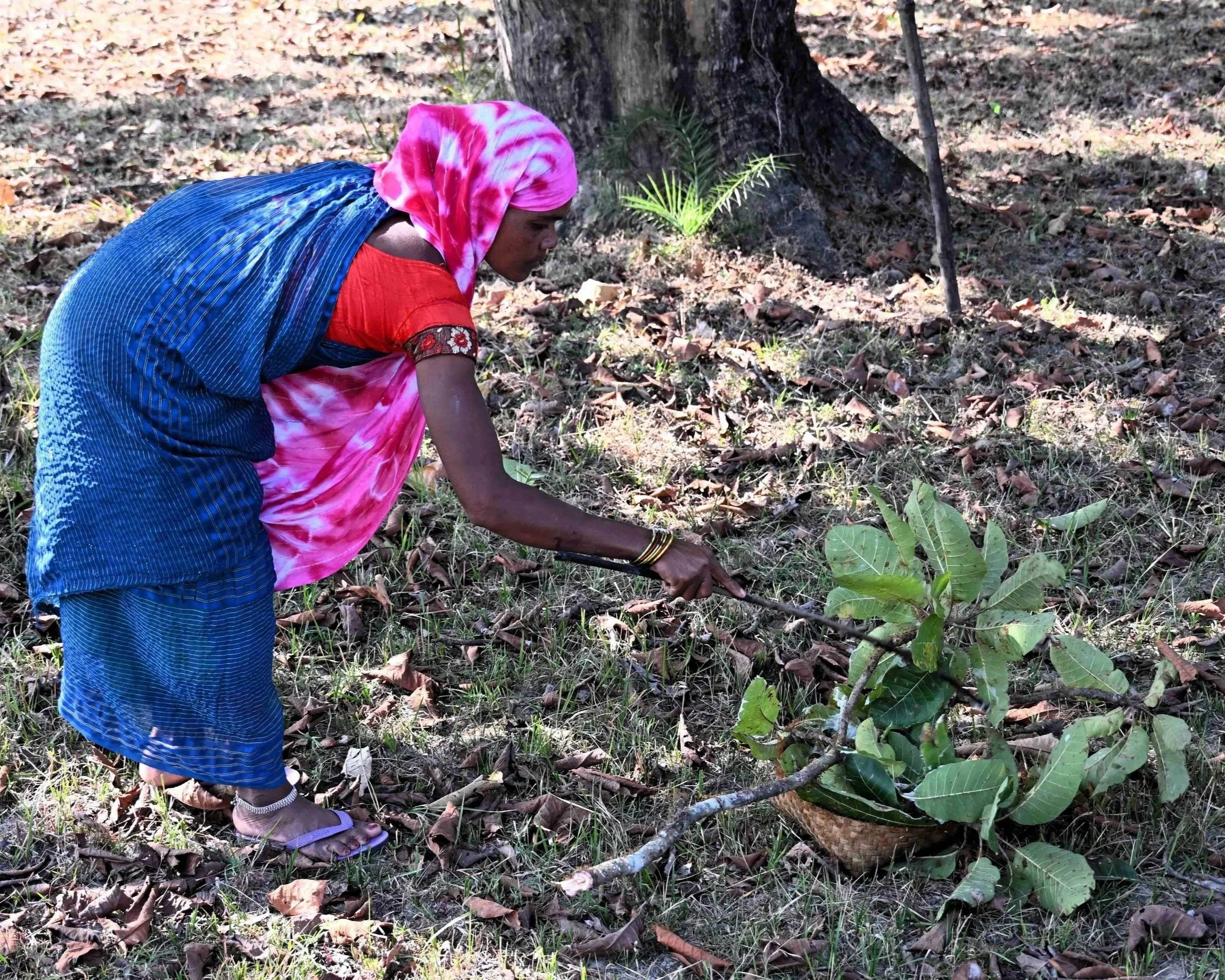
A weaver ants’ nest has already been identified and unless I had been told, I wouldn’t have figured that the uneven ball of leaves is a nest. Roshan nimbly climbs up the tree. Someone hands him a long stick. With three quick blows, the nest breaks off the branch and falls to the ground, enraging the ants. Immediately, there is a melee: countless ants and larvae scurry all over, and tiny white eggs spill out. Roshan’s cousin bravely flaps the leaves on a bamboo basket in an effort to collect them even as the ants sting viciously. “You have to keep swirling the basket,” explains Rohini, “that renders the ants dormant.” It is here that I went au contrarian to myself. Still shaken from the sight and experience, we return to the house. Rohini washes the ants and then, in the courtyard before our eyes, she sits on her haunches to grind the condiments before proceeding to add the ants.
For Bastariyas — and all ethnic communities of the world — entomophagy is not a mere dietary choice; they know the benefits. Many insects, such as crickets and mealworms, are rich in protein. They are also a good source of healthy fats, essential micronutrients like iron, calcium, magnesium, and vitamins. Chapda chutney too has many benefits. Red ants and their eggs are rich in protein, antioxidants, vitamin B12 and folic acid, and help in digestive issues, stomach pain and infections. Alok explains, “It improves the taste buds during fever. Ants are immunity boosters, and their sting is a potent antidote to fever like malaria. During cough and cold, rubbing red ants between the palms and smelling is also a cure.”
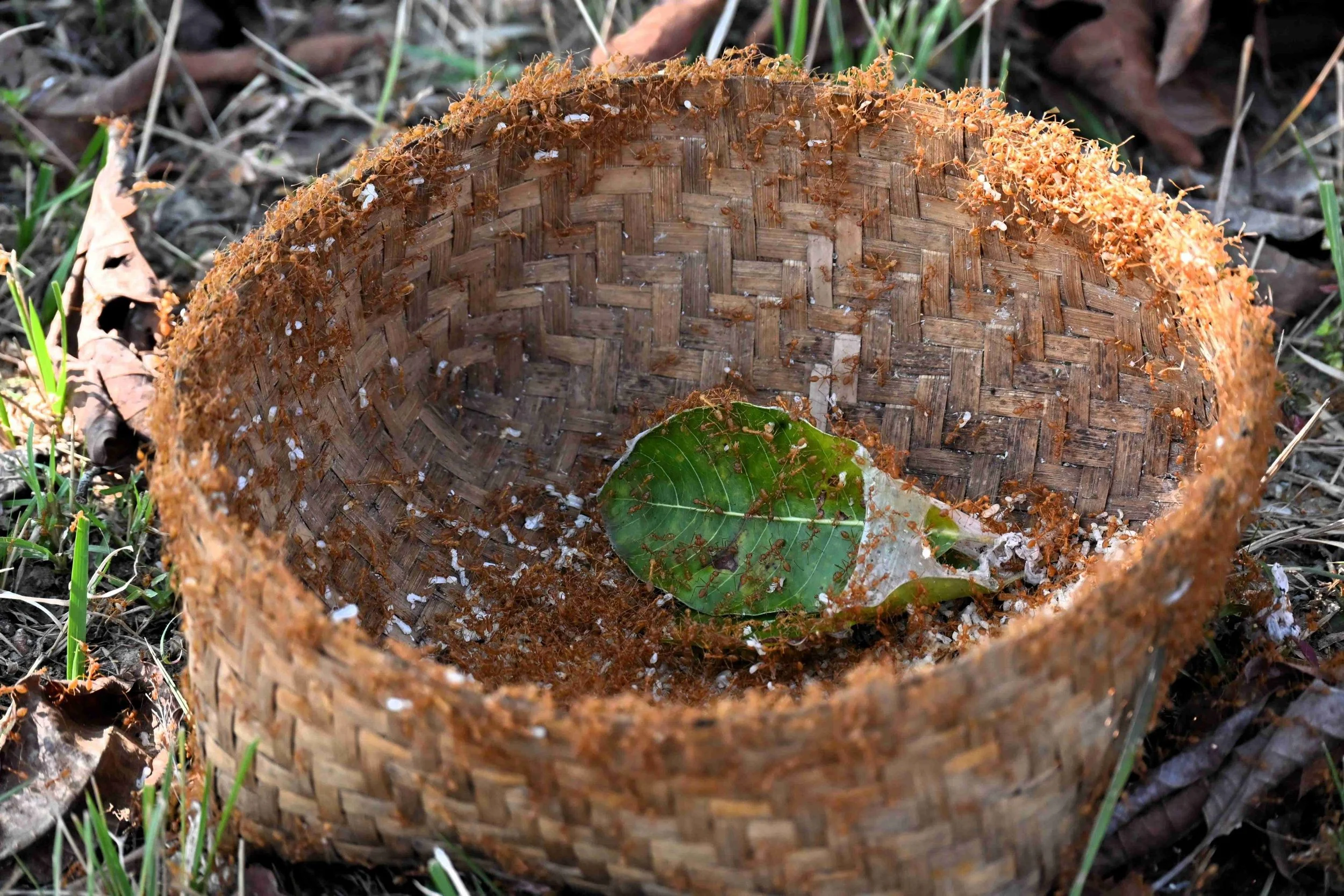
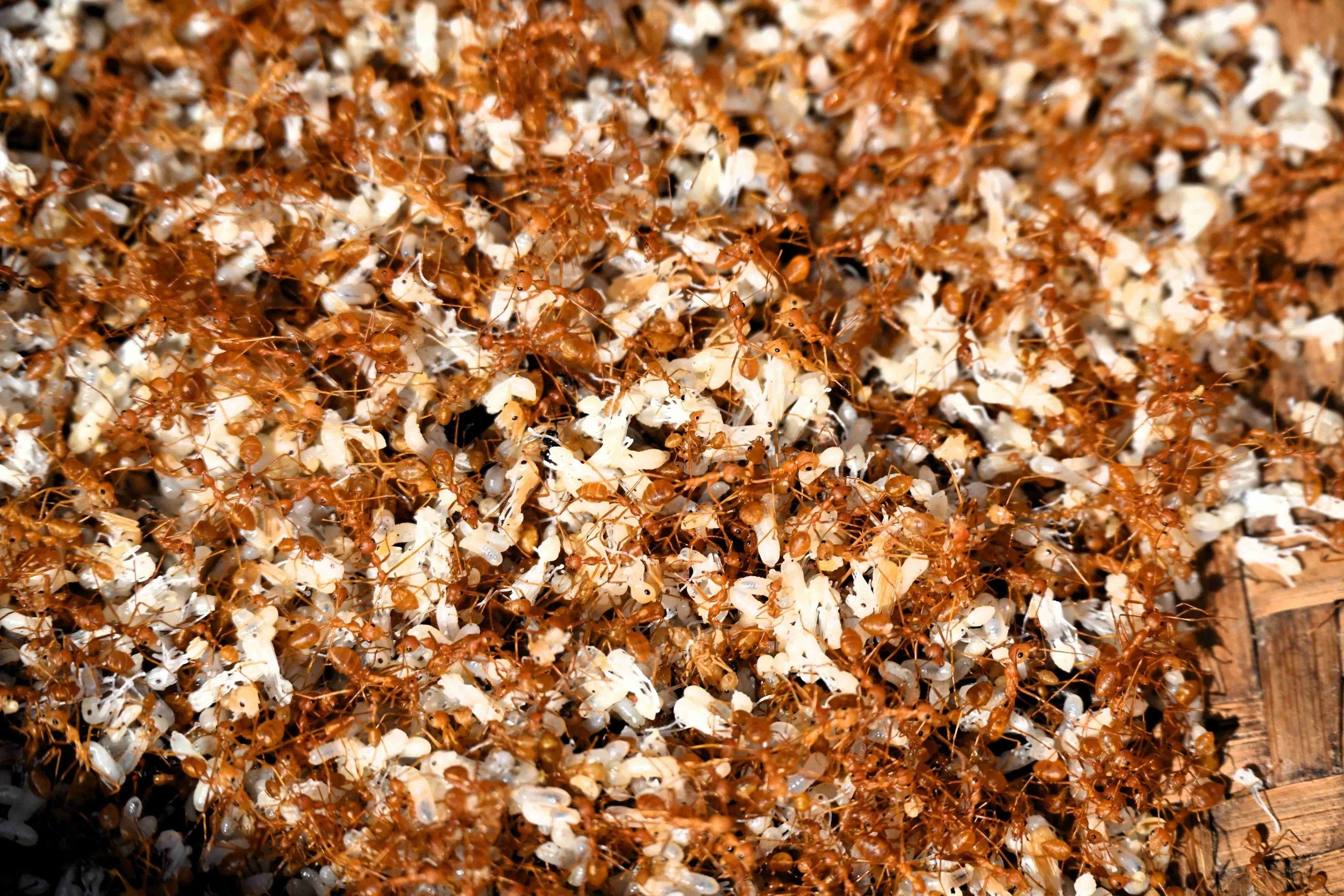
In Bastar, the collected chapda is sometimes dried and stored to be added in aamat (a veg stew that is Chhattisgarh’s version of sambar).
In the past couple of decades, entomophagy has taken on a more sophisticated sheen. The citrusy, earthy and nutty flavours that insects impart to dishes have made them a popular ingredient. Rene Redzepi of Noma, Copenhagen, voted the world’s best restaurant many times over, is credited with pioneering the trend of using insects in fine dining. Hooked as soon as he tried American ants that tasted like lemongrass and kafir lime, Redzepi experimented with bee mayo, crème fraiche with live ants, fermented cricket paste, salted larvae and even an ant gin made of red wood ant, among other ingredients. Calling insects “a new toolbox of flavours” — a way of iterating how insects alter and enhance the taste profiles of foods — he wrote the book On Eating Insects. Soon, other accomplished chefs and illustrious restaurants were on it too, in search of varied textures and nutritional benefits: From hummus with mealworms at the tony Grub Kitchen, UK, to silkworm pupae chocolate mousse at Brooklyn Bugs, US, and even a seven-course gourmet meal featuring insects at Inoveat, France. Insect protein bars, cricket flour orange ginger cookies, grasshopper sushi, waxworm tacos are also in demand.
Taste and nutrition aside, the growing interest in edible insects can be assigned to sustainability. Rearing animals like goat, sheep and cattle places a burden on land, water and feed. Insects, however, are an eco-friendly option as they require far less water and land and can be raised on organic waste materials. Moreover, insect farming produces fewer greenhouse gases than cattle. What gave a farther fillip to the trend was the United Nations Food and Agriculture Organisation calling edible insects ‘the food of the future’.
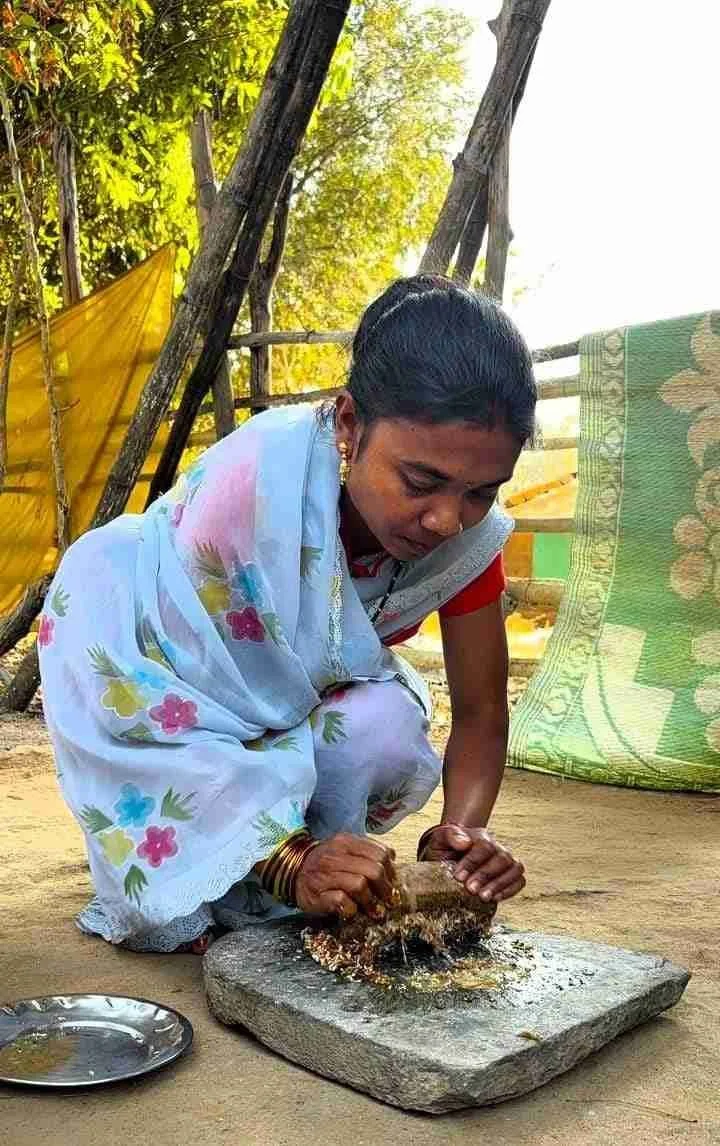
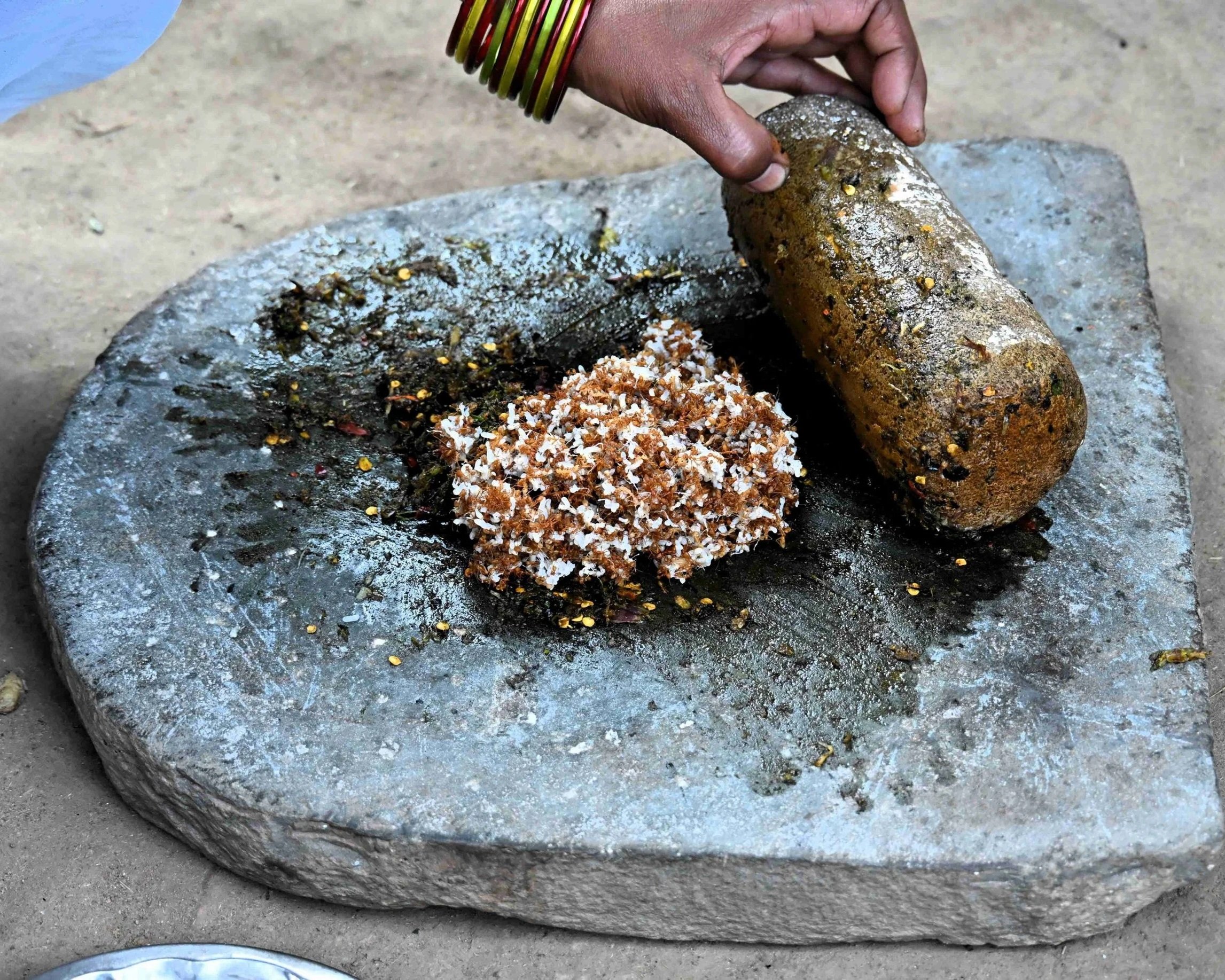
In Bastar, chutney is not the only thing chapda is used for. It is sometimes dried and stored to be added in aamat (a veg stew that is Chhattisgarh’s version of sambar). “The chutney itself cannot be stored for long,” Alok says. But in Rohini and Roshan’s house, the chutney is fresh and ready. Rohini wants me to taste it before we sit down for lunch. I vacillate for many long seconds. Then, out of nothing more than polite courtesy, I decide to take the proffered chutney on my right palm and — I lie not — reluctantly, apprehensively, disgustedly marry the tiny lump with my unsure mouth. As the tongue and palate realise what’s happening and the heap dissolves, there’s magic. Lo, my eyes first snap shut then widely open, my lips spread into a beam, and my horror turns into a happy culinary adventure as the flavours implode in my mouth. Tarty. Fiery. Tangy. Piquant. Zesty. No repulsive odour, not a hint of non-veg, no gamey taste. Just plain sensational.
In that wee moment I may well have been chef Gordon Ramsay who famously remarked after tasting Bastar’s chapda chutney, “That’s what you call a chutney.”
That’s what.
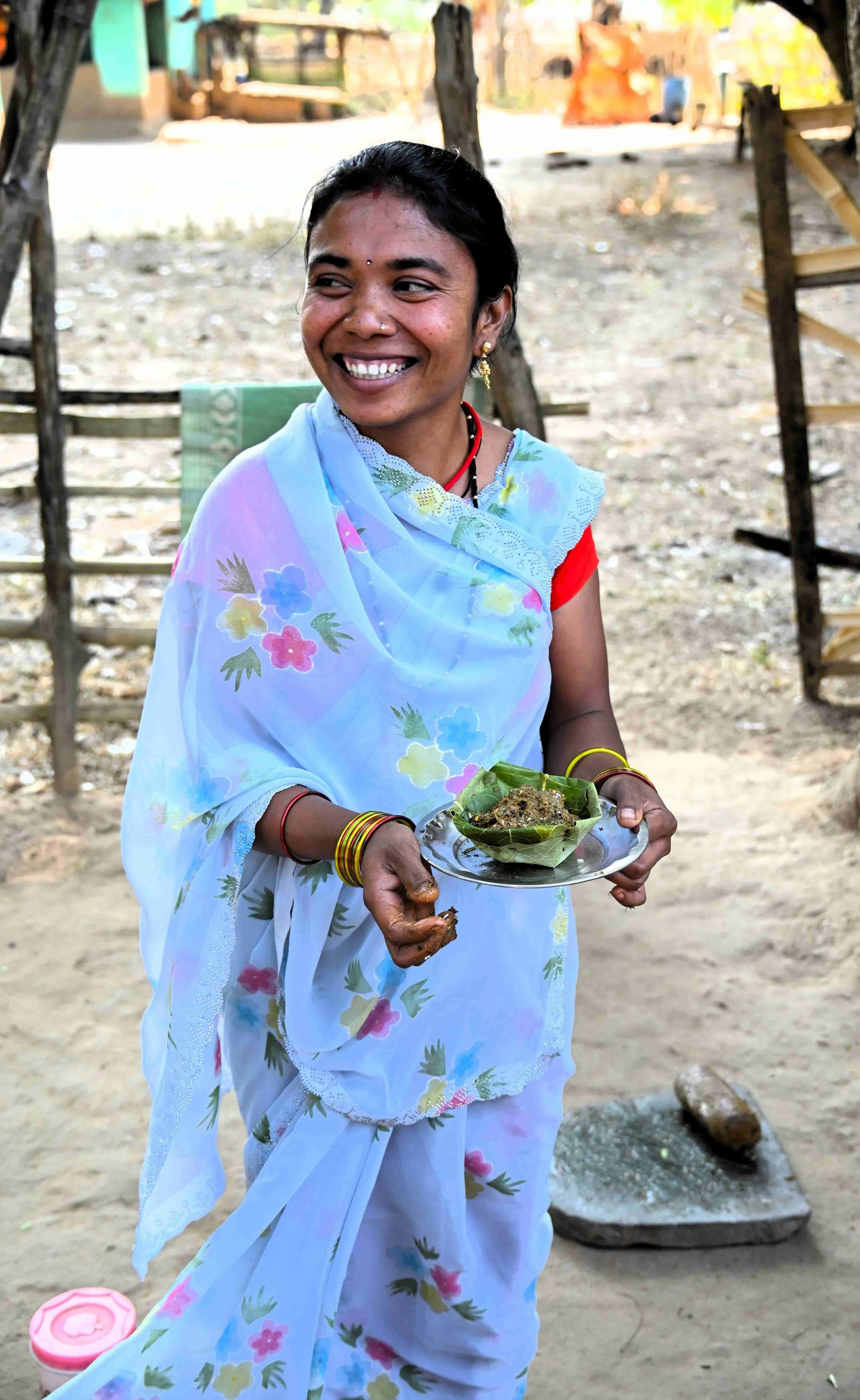
Rohini Oyami with the chapda chutney.
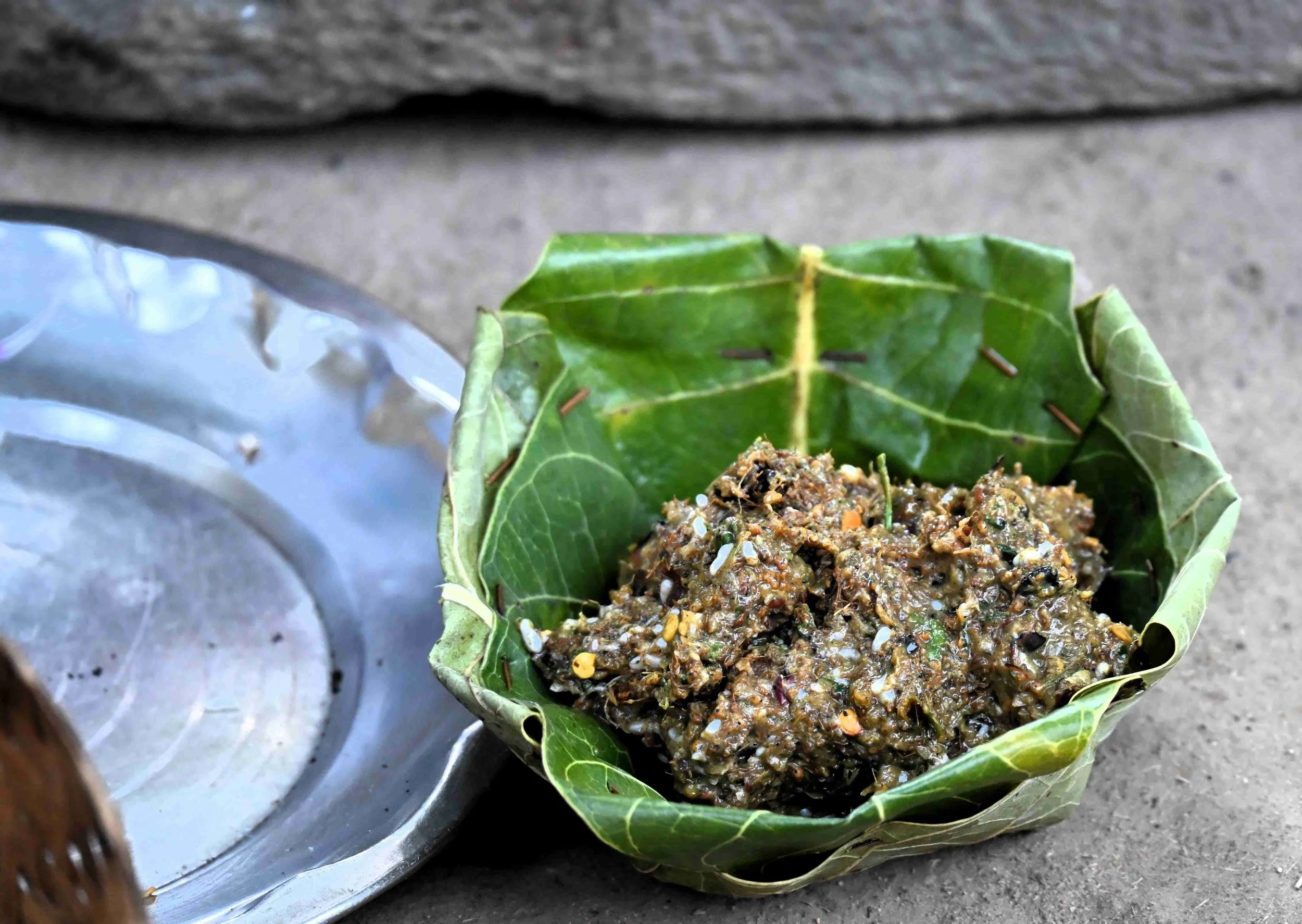
ROHINI OYAMI’S RECIPE FOR CHAPDA CHUTNEY
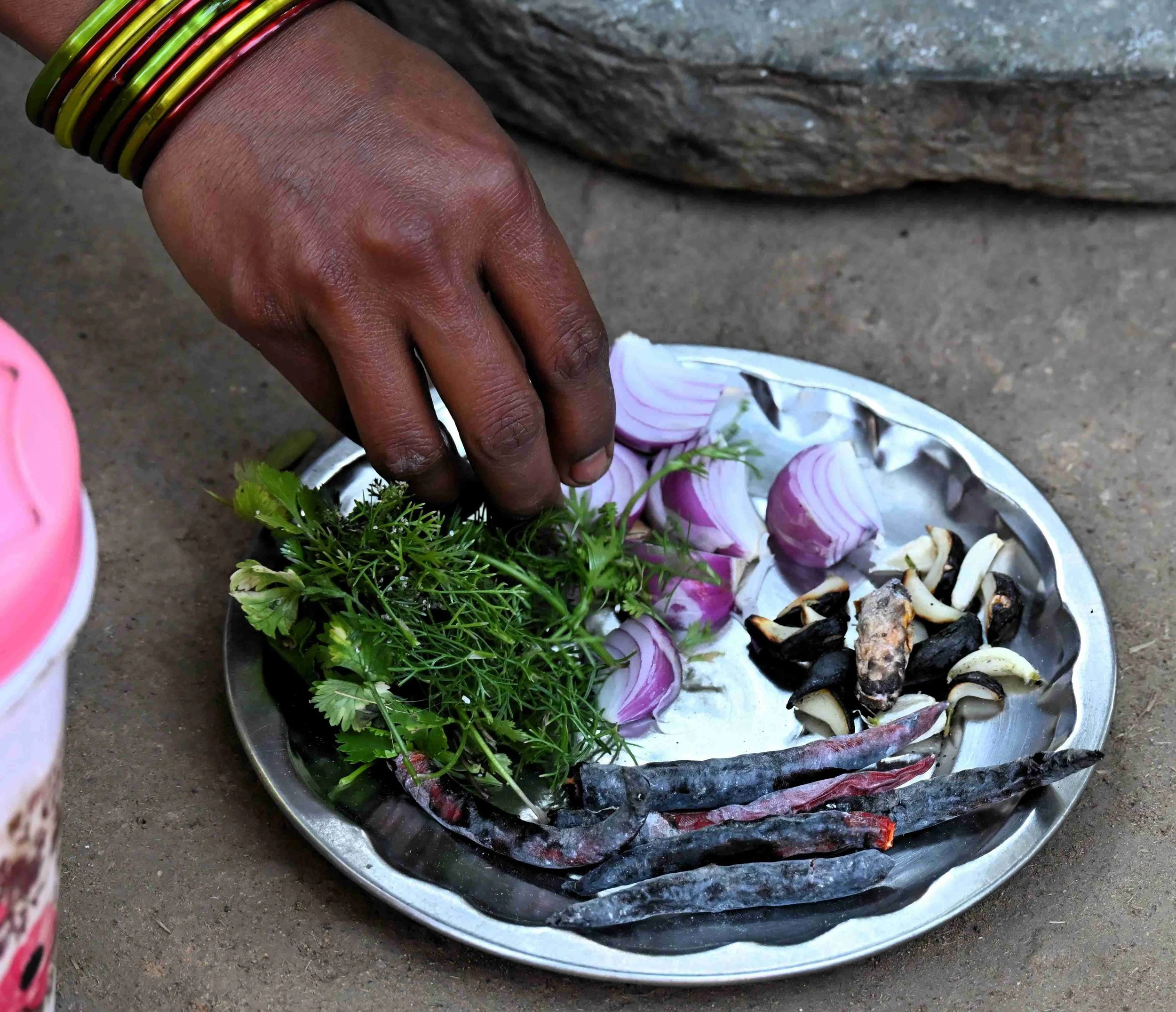
Ingredients
1/2 onion
3-4 garlic cloves
3-4 red chillies (or according to taste)
1” piece ginger
1” piece raw turmeric
Coriander leaves, optional
Chapda 1 portion (a leaf bowl of ants with larvae AND EGGS)
Salt as per taste
Method
Dry roast the ginger, raw turmeric and red chillies. Cool.
Grind — preferably on a stone grinder for the right texture — onion, garlic, red chillies, ginger, raw turmeric (and coriander leaves, if using).
Add the chapda and grind everything into a homogeneous paste.
Lastly, add salt. Mix.
Best had with rice and aamat, a tangy veg stew that’s Chhattisgarh’s version of sambar.
Shilpa and Mukul Gupta are two hodophiles dedicated to slow travel. Together they make a dependable team of photographer-writer with contributions in several publications including South China Morning Post, Khaleej Times, The Nod, Thai Airways, Deccan Herald, The Tribune, among others.
Photo credits: Mukul Gupta.