Mamak Stalls: Where Kuala Lumpur Eats Around the Clock
Mamaks, Tamil Muslim eateries, are an integral part of Malaysia’s culinary fabric. They are open around the clock and welcome customers across ages and social hierarchies, steadfastly holding a spot in this fast-paced city, with simple but distinctive food. Ruth D’Souza Prabhu explores these fascinating kitchens.
I have 48 hours to myself in Kuala Lumpur, before I spend three days immersed in fintech sales and marketing presentations. The touristy stuff is done so my intention is clear: to explore the food of this vibrant city, and eat like the locals. At the top of my list are mamaks, round-the-clock eateries, whose name interestingly, is drawn from the Tamil word mama, meaning uncle.
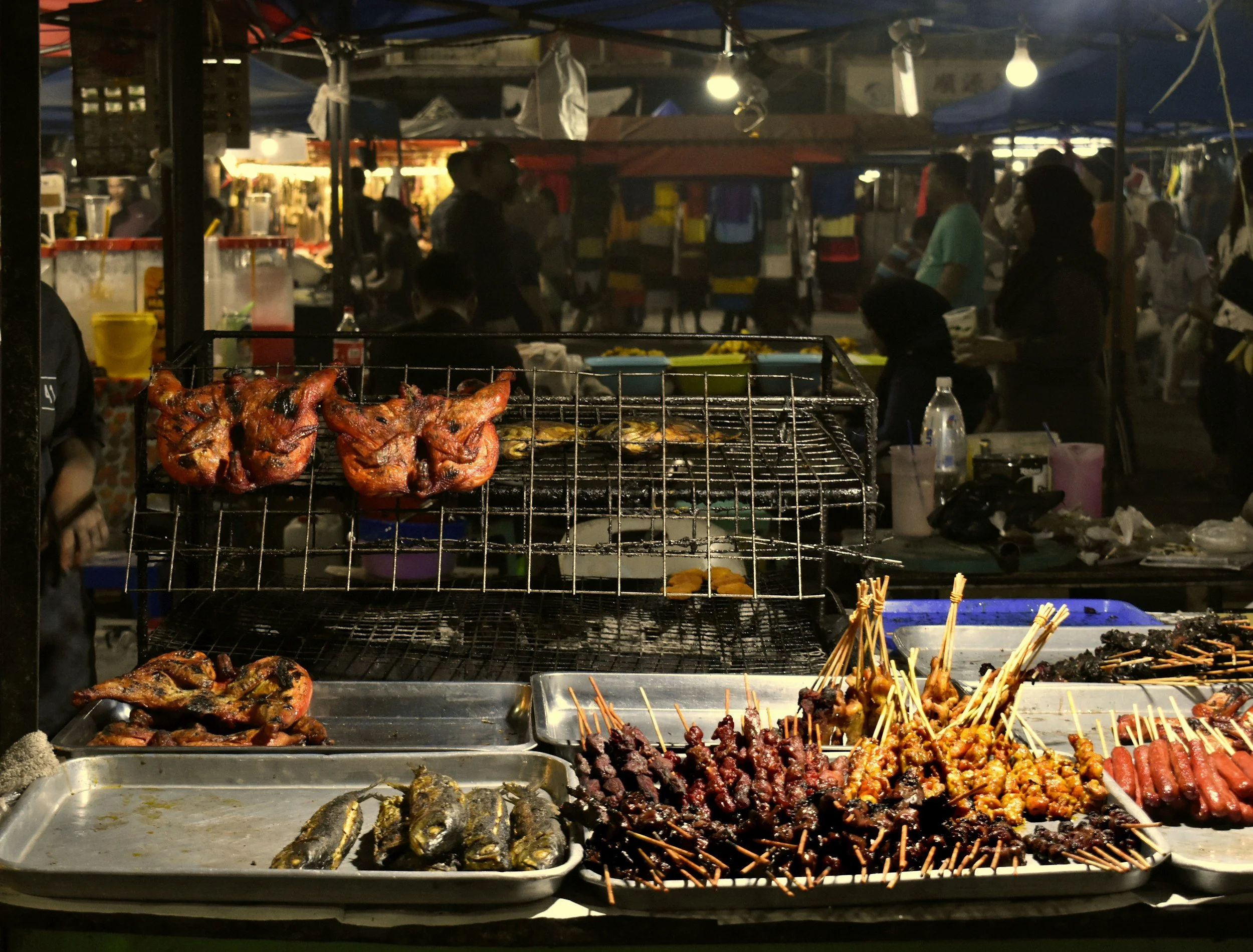
Malaysian food culture is shaped by Indian, Chinese, Indonesian, Arab and colonial British influences. Mamaks draw from these influences while grounding everything in South Indian technique and dishes. I get my first taste of mamaks at Chow Kit Market, among one of the largest wet markets of Kuala Lumpur. I walk past stalls stacking whole and sliced durian, open carts with bundles of petai (Parkia Speciosa) or stinky or bitter beans, and shops with rows of trays loaded with mangosteen, rambutan and snake skin fruit. Around me are stalls selling satay, ice creams, nasi lemak, and fritters of every kind.
Soon I am enveloped by delicious aromas — of familiar coconut milk curries, and the smell of chillies and mustard on hitting hot oil. I follow my nose on Jalan Raja Bot and find myself standing in front of the blue and yellow signboard of Restoran Anj Najas Maju. This mamak is bustling with activity: a live counter on one side has a cook busy rolling and flipping parottas in the air before slapping them onto a hot, oiled griddle.
I try Roti Canai, parotta served with three accompaniments: a spicy chicken gravy, a milder dal curry (as it is called) and a fish curry. Usually a breakfast dish, it is now eaten through the day. Considering the hot weather, I opted for Cham, an icy mix of strong coffee and milky tea.
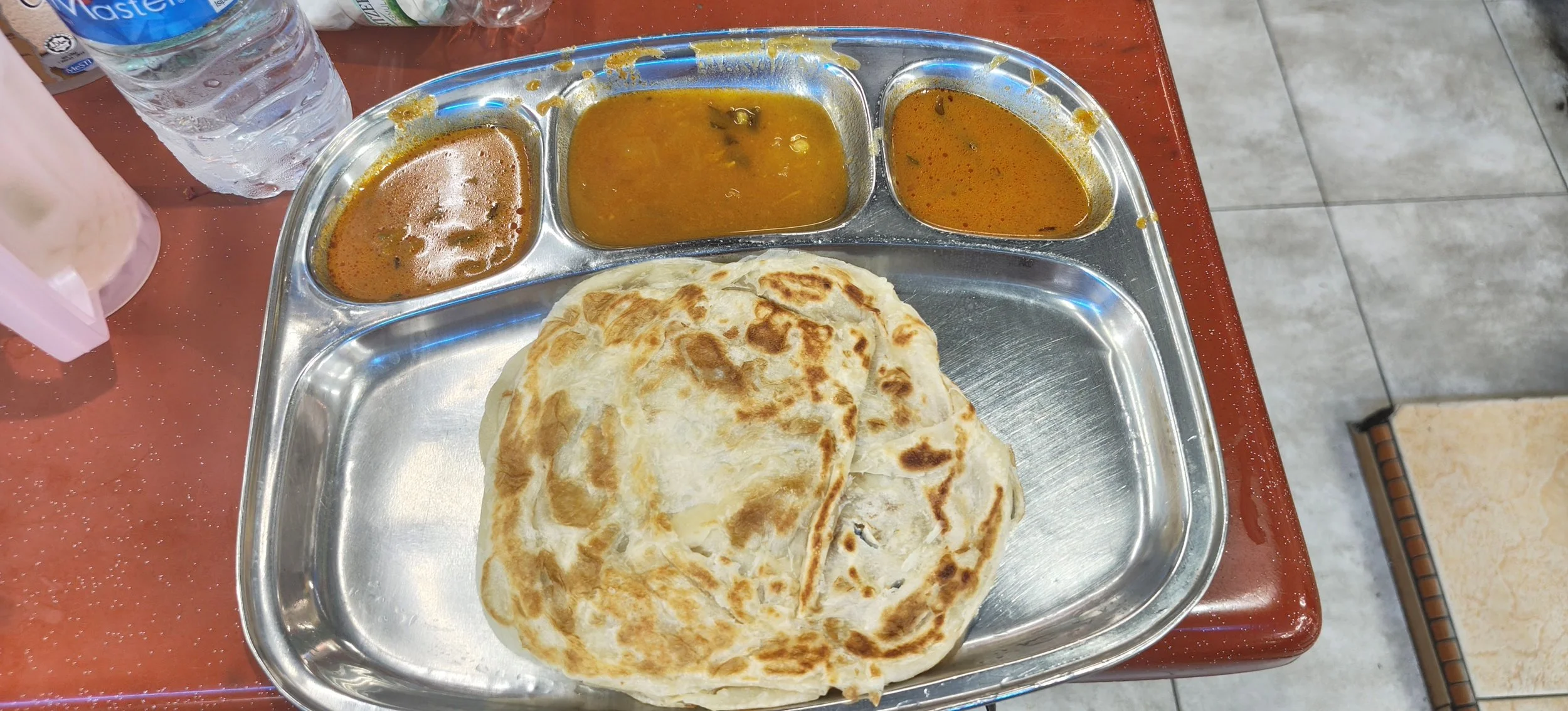
Roti Canai is parotta served with three accompaniments.
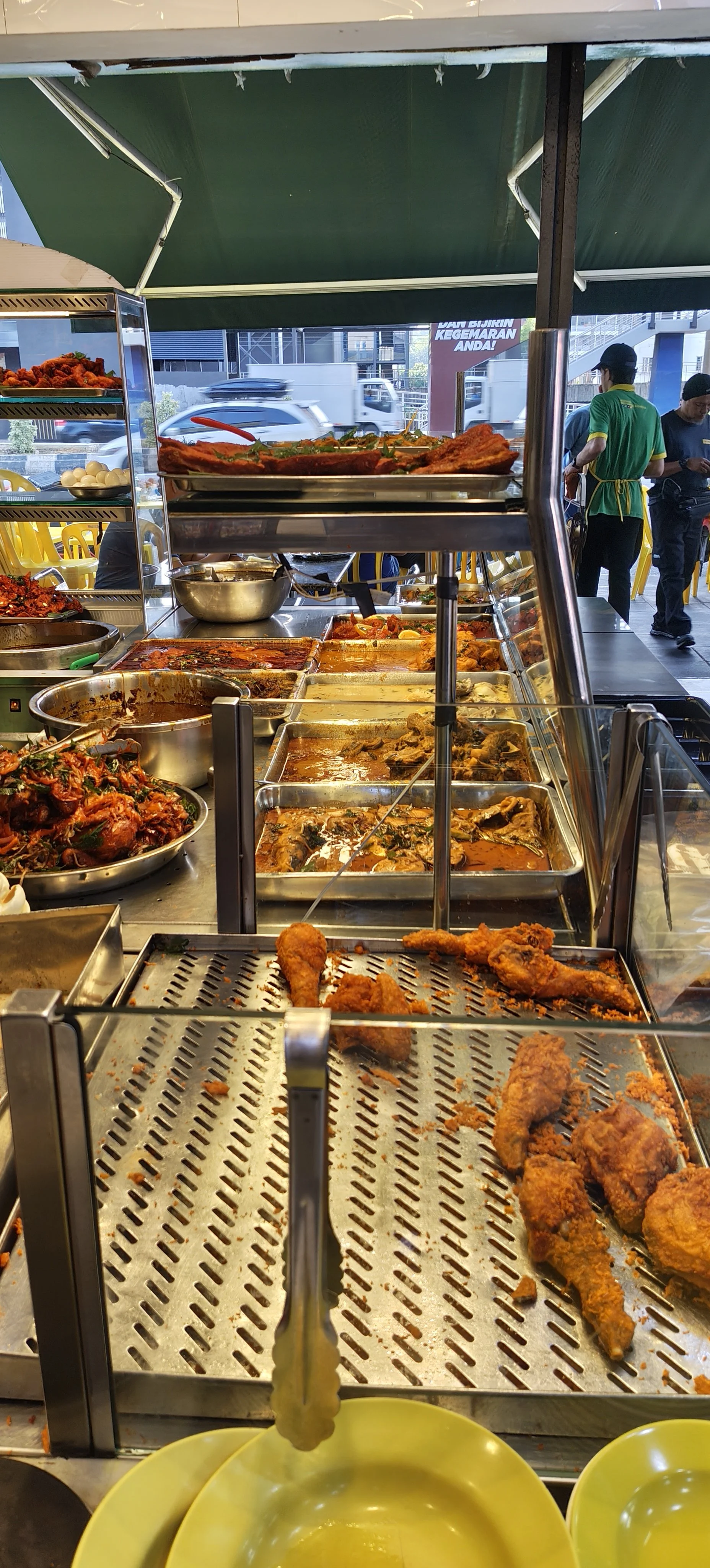
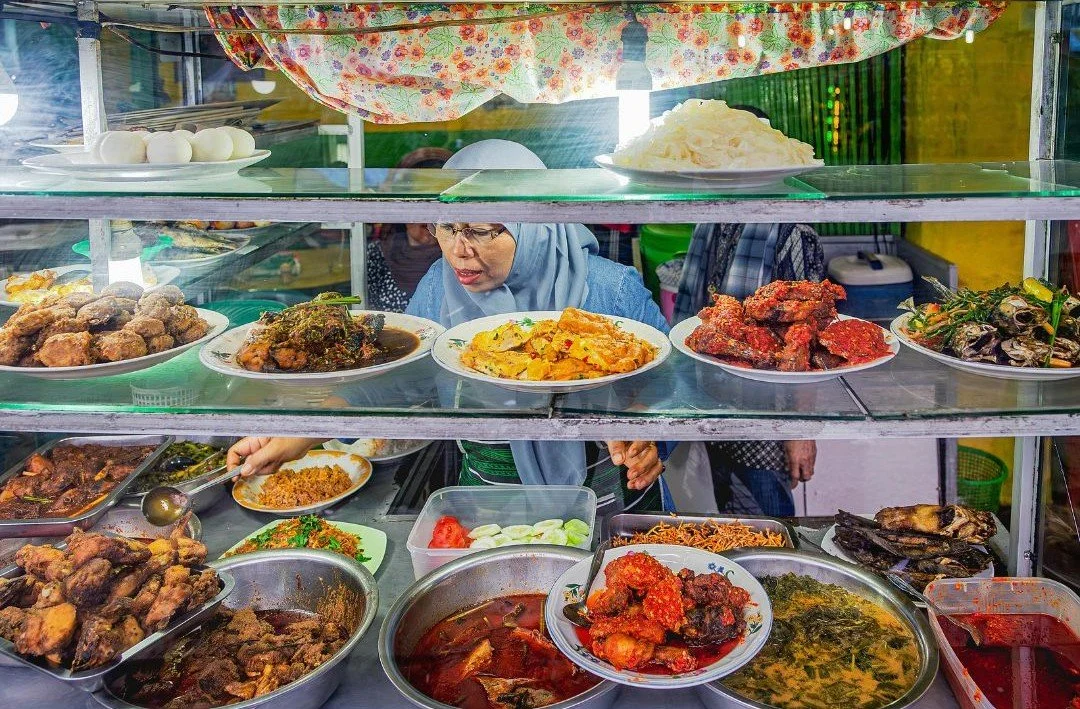
This restaurant also had everything set out for Nasi Kandar, a popular meal where you point to dishes that you want piled onto your mound of rice. A glass display of bain-marie trays keeps an assortment of fish, meat and vegetable curries and dry dishes warm.
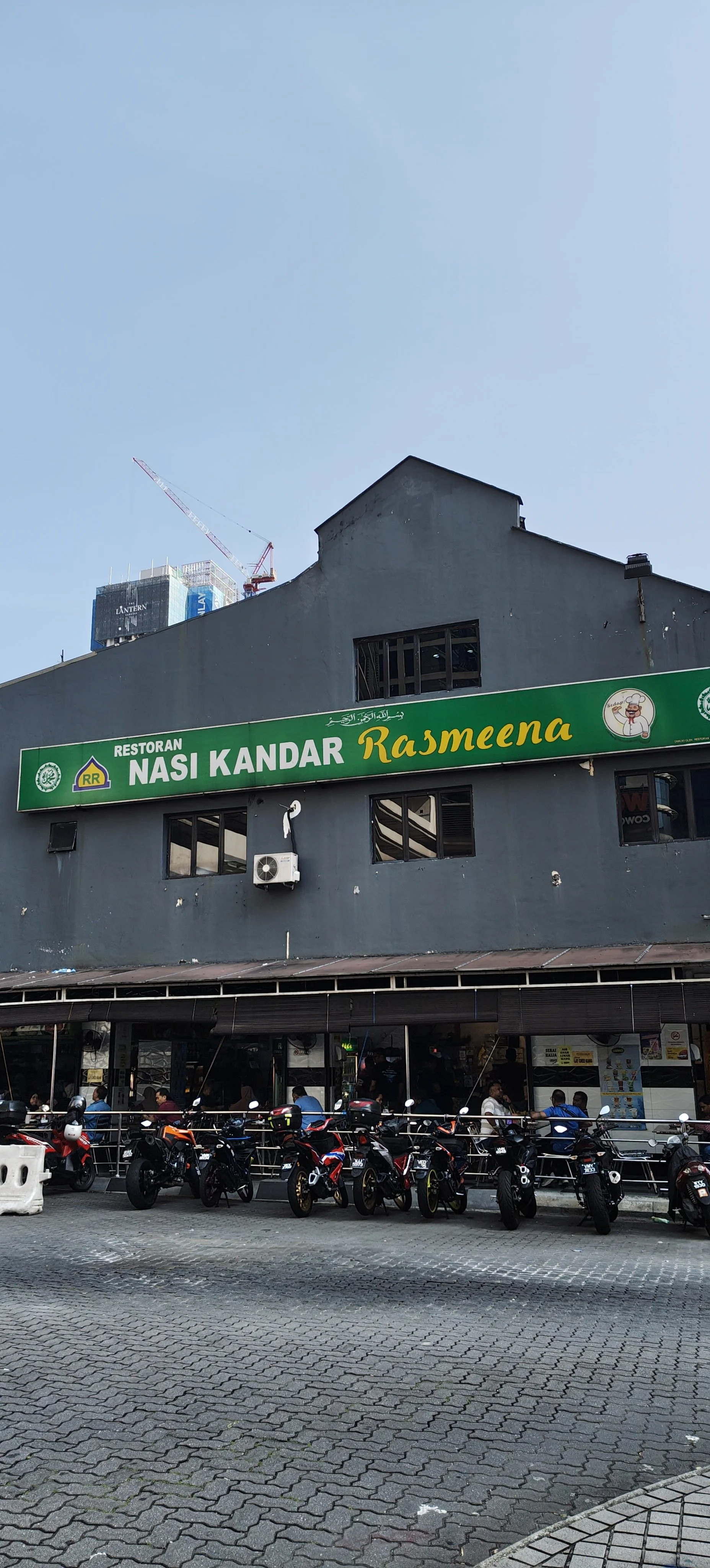
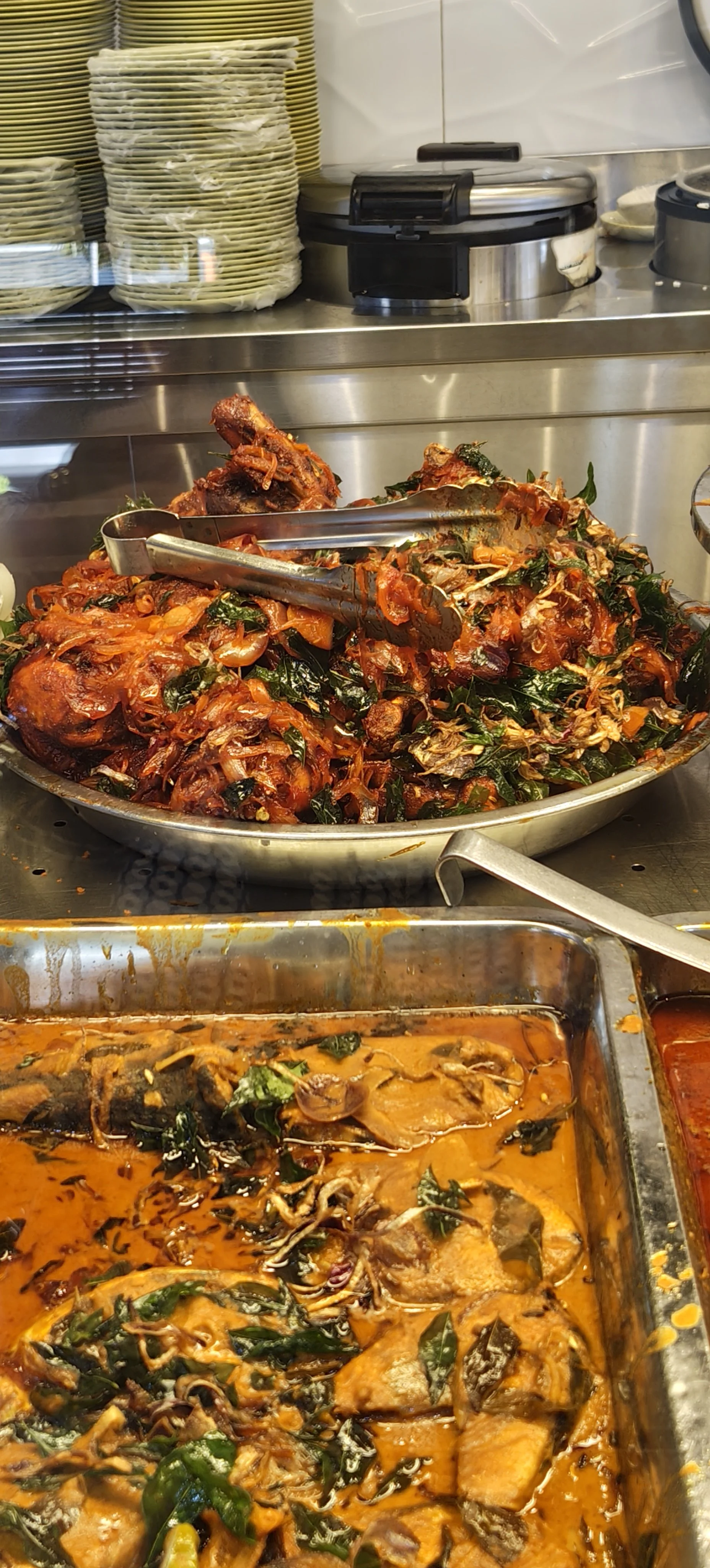
I tried Nasi Kandar at Restoran Rasmeena in Bangsar. How it works is simple: the server begins with an upturned bowl of rice on a plate. I point to whatever catches my fancy in the trays, and he piles it on the plate. I choose some kari ayam, reddish-brown with bone-in chicken pieces; kari ikan, thinner, deeper in colour with fish steaks; and kari daging, darker, thicker, with chunkier cuts of beef. Behind them, darker sambals — anchovies, squid, and boiled eggs. And lastly, a generous helping of stir-fried cabbage.
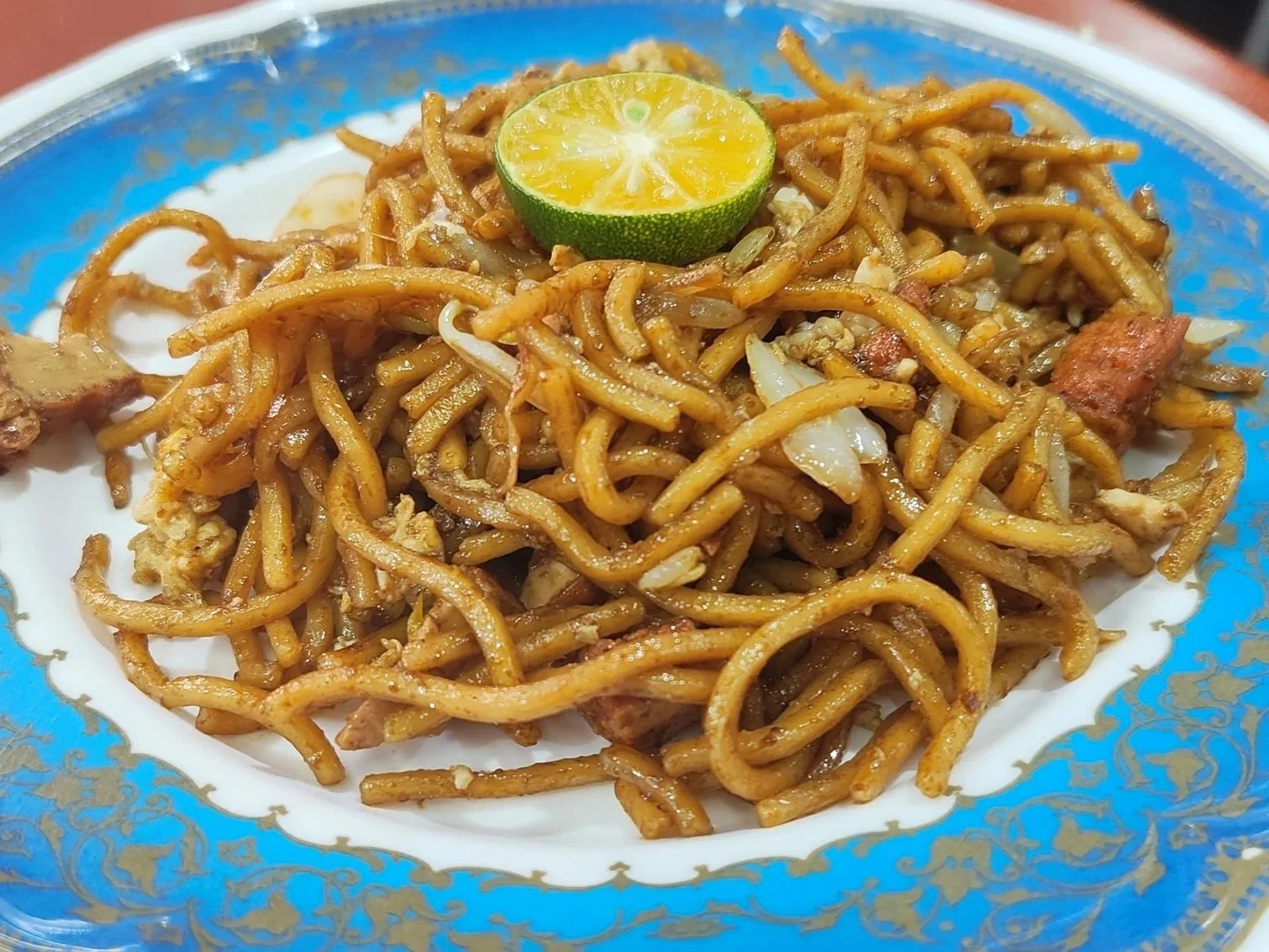
Mee Goreng Mamak is a classic mamak dish that looks like Chinese-style fried noodles.
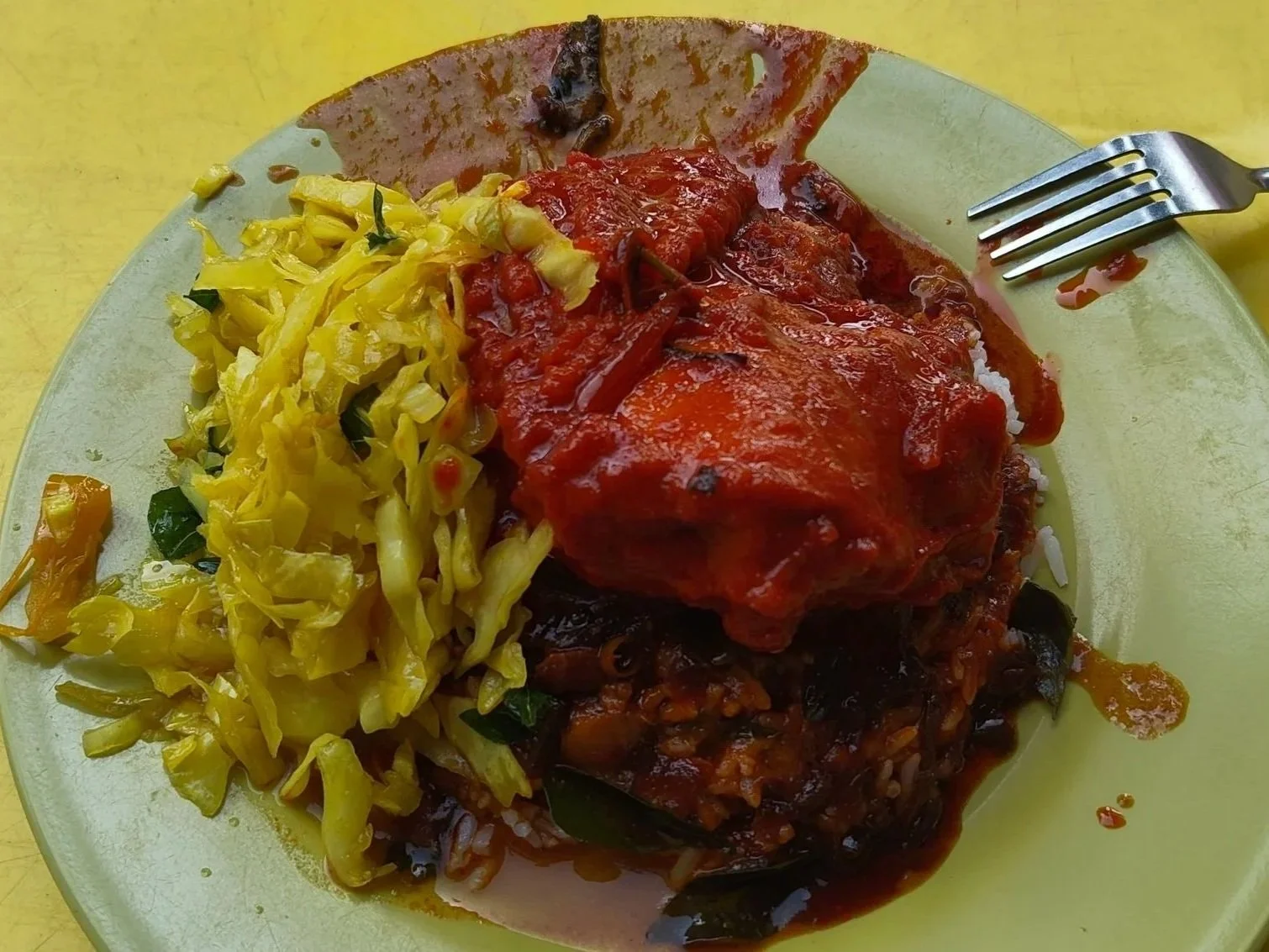
Nasi Kandar, a popular meal where you point to dishes that you want, and they are piled on rice.
And then I asked him to banjir (flood) my rice. With a ladle, and completely by instinct, he dips into some of the fish curry, a bit of the chicken and some other gravies and drapes my plate with it. The rice soaks in everything, and the excessive gravy pools around the rice. He suggests some Calamansi lime juice to help me wash down my spicy meal, so I take him up on it.
The Mee Goreng Mamak is a classic mamak dish that looks like Chinese-style fried noodles. Wheat noodles are tossed with onions, tomatoes, different chilli sauces, sprouts, tofu and meats. It is rounded out with a generous squeeze of Calamansi lime and topped with a fried egg. It instantly reminds me of the fried noodles many of us have eaten in our homes after school. There is a Maggi noodles version of this dish that is equally synonymous with the mamak. I have my share of both at Nasi Kandar Pelita in Kuala Lumpur City Centre (KLCC), close to the Petronas Towers.
The History of Mamaks
Mamaks emerged in Penang, Malaysia, powered by two waves of Tamil Muslim migration. The first wave in the pre-colonial era was between the 12th and 15th centuries as part of thriving Indian Ocean trade routes in Kedah and Malacca. And the second was with British colonial control of the region, which led to the expansion of the port economies of Penang, Malacca and neighbouring Singapore. Over time, they spread to other cities in the country, including Kuala Lumpur.
In his book, Yearning to Belong, Patrick Pillai traces the roots of mamak culture and explains that this wasn’t a movement of labour but more of traders, who wanted to make a name in growing urban economies. Food occurred naturally. Positioned within petty trade and everyday commerce, Tamil Muslims turned to cooking as a practical, low-barrier way to serve a mixed, moving population. What they cooked shifted constantly, absorbing local ingredients and styles, while holding on to South Indian techniques, especially in the use of spice. Over time, this constant adjustment moved their food beyond the community, into the everyday — shaping dishes, habits, and ways of eating that now feel distinctly Malaysian. And the spaces that held this food followed a similar arc: informal, open, easy to enter and even easier to stay in, at all hours of the day.
Today, mamaks have a combination of standing and seating options, depending on how much of a hurry you are in. Some are air-conditioned spaces, others simply put out large floor fans, and you sweat it out. They sit easily within high footfall areas, in markets, around KLCC, or tucked into makeshift food courts between office complexes, where a blue tarpaulin is often the only cover. Every locality has several, and each has its loyal clientele.
Most mamaks are open 24 hours, and so the crowd is constantly shifting. Students come in for early breakfasts, standing beside party-goers, grabbing a bite before calling it a night (or a day). Families stop in between errands, office-goers with their ties slung over their shoulders, and women in high heels and pencil skirts tuck into banjir nasi kandar at lunch. One evening, I see a group of senior citizens nursing glasses of teh tarik, deep in conversation — most of them still in the same seats when I crossed again a few hours later.
The Democratic Nature of Mamaks
“Growing up, going out to eat was a treat, but in college, mamaks were where everything happened,” says Dr. Shamini Devi, a Malaysian-Indian, now based in London. “We’d all go together and sit for hours, moving from roti canai banjir soaked in dal to mee goreng, sometimes Maggi goreng, or even a quick plate of wantan mee. You could go in the morning, come back for tea, and end up there again at midnight. There was always that mix of people, that hum of conversation — it felt alive. And no one ever hurried you. It didn’t matter who you were or how long you stayed, there was always a place for you at the table.”
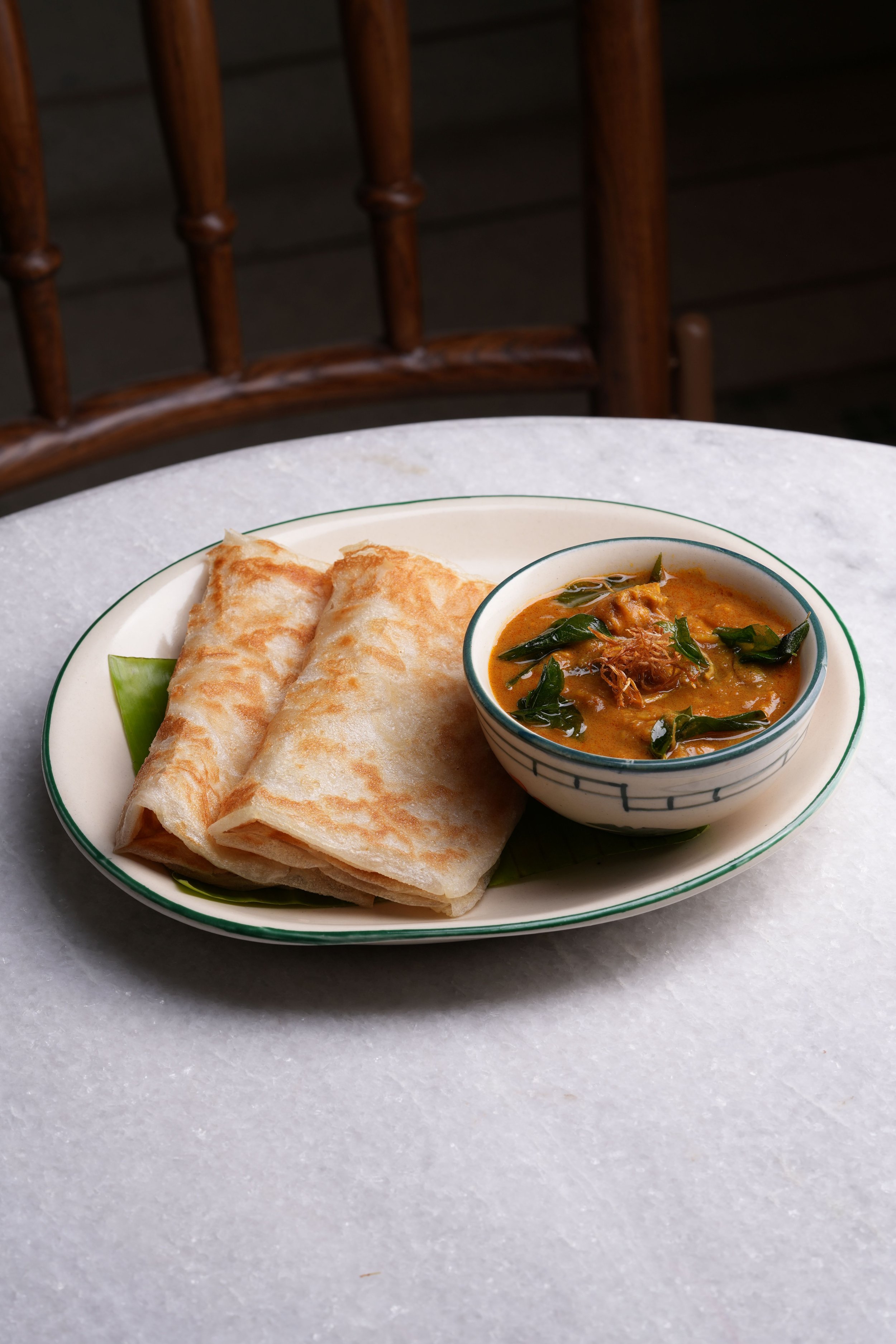
Roti Canai with Mama’s curry at Kopitiam Lah.
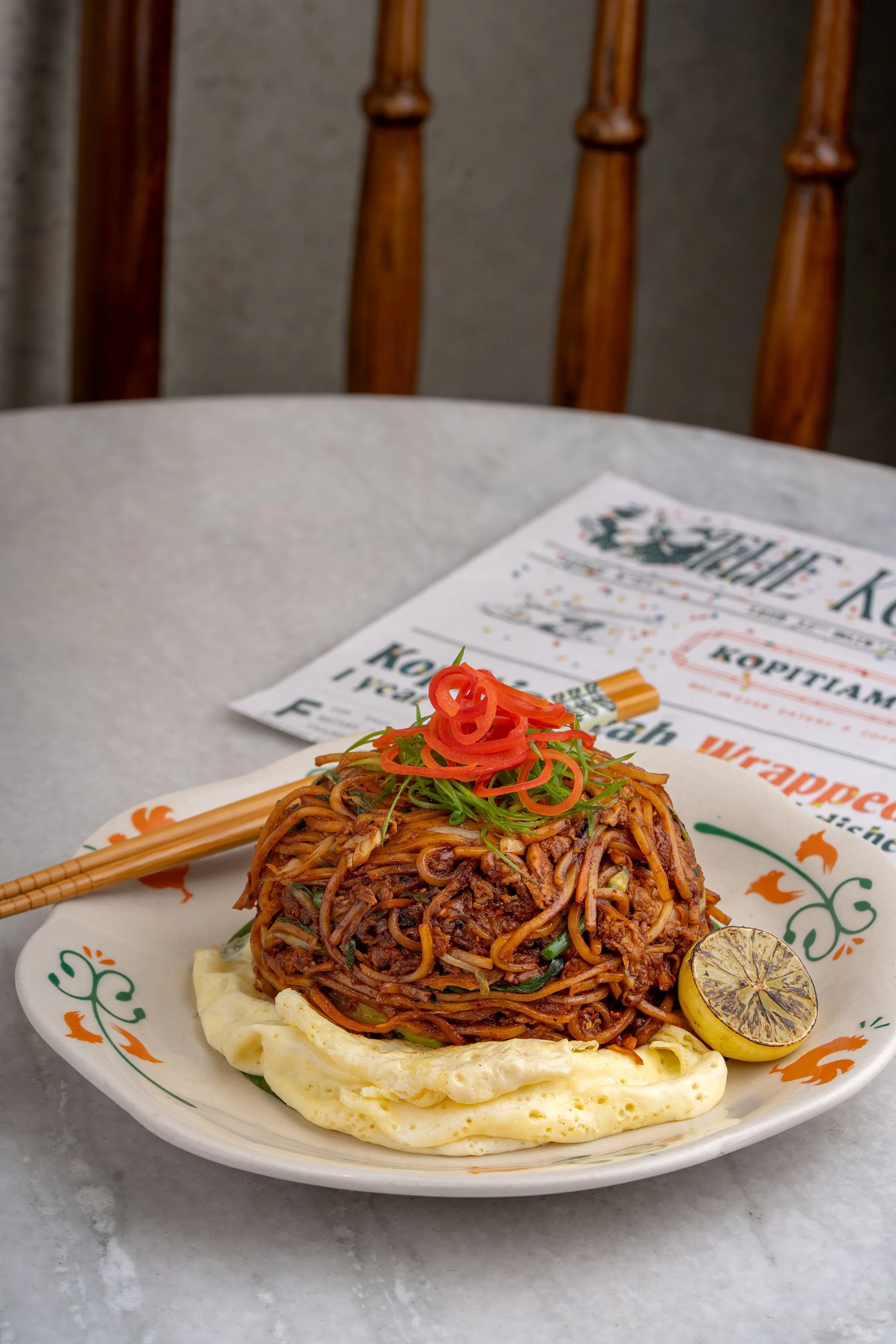
Penang Fried Noodles Chicken at Kopitiam Lah.
That sense of ease and shared space is not incidental. In the 2013-14 dissertation paper, A Night at the Mamak: The Labour of Conviviality, Kathia Sya describes mamaks as sites of everyday coexistence, where people across communities gather without formality. What appears effortless is, in fact, constantly produced through small adjustments — time stretching, tables expanding, conversations folding into one another, creating a space that feels open, inclusive and democratic in how it is lived rather than declared.
“As a Malaysian, mamak stalls were just part of daily life,” says Joonie Tan, Team Lead, Kopitiam Lah, Bengaluru's first Malaysian Kopitiam. “You don’t really remember names, you just remember the neighbourhood mamak — the one you go to without thinking. Mamaks have bright lights, plastic tables, are slightly messy and have people from everywhere sitting together. You hear plates, people talking loudly, orders being shouted, the sound of the spatula on the griddle and teh tarik being pulled. The smell is curry, fried noodles, butter, a bit of smoke — all of it is strong yet comforting. You sit down, order something small, and just stay. That was normal.”
That comfort, as the research paper, Consumers’ Attitude Towards 'Mamak” Food in Malaysia by Kartina Abu Bakar and Abdul Ghani Farinda (presented in 2012 at the 3rd International Conference on Business and Economic Research in Indonesia) suggests, is precisely why mamaks endure. The study finds that service, in the conventional sense, is not what draws people back — delays, informality, even a lack of polish are largely irrelevant to the experience. Instead, it is familiarity, affordability and the freedom to linger that define these spaces, where being able to sit, return and belong matters far more than how efficiently you are served.
What I enjoyed about my few mamak experiences was the instant familiarity and trust. If I opt for a nasi kandar, I am told to eat first and pay later. Families offer me a seat at their table in packed mamaks. People of all ages and strata of society sit and ate together. Some diners zoom in and out for quick meals, others linger on. What remains constant is that sense of comfort and the gratification of a great meal that is part of everyday life.
Ruth Dsouza Prabhu is an independent features journalist based in Bengaluru, India. She has been writing on food for almost two decades. Her work has appeared in New York Times, Al Jazeera, Mint Lounge, and Conde Nast Traveller, among others.
ALSO ON GOYA