Eating the Landscape: Bamboo and North-East Indian Identity
The bamboo plant is is inextricably linked to the Northeastern India’s culinary milieu. The edible young shoots are eaten — fresh, dried, fermented, and extracted — in salads, pickles, fish and meats. Monalisa Borkakoty examines this culturally and gastronomically significant food.
In Northeastern households, no ingredient is held in higher esteem than bamboo shoot. This culturally and gastronomically significant ingredient appears in everyday meals, festive dishes, and even traditional medicine.
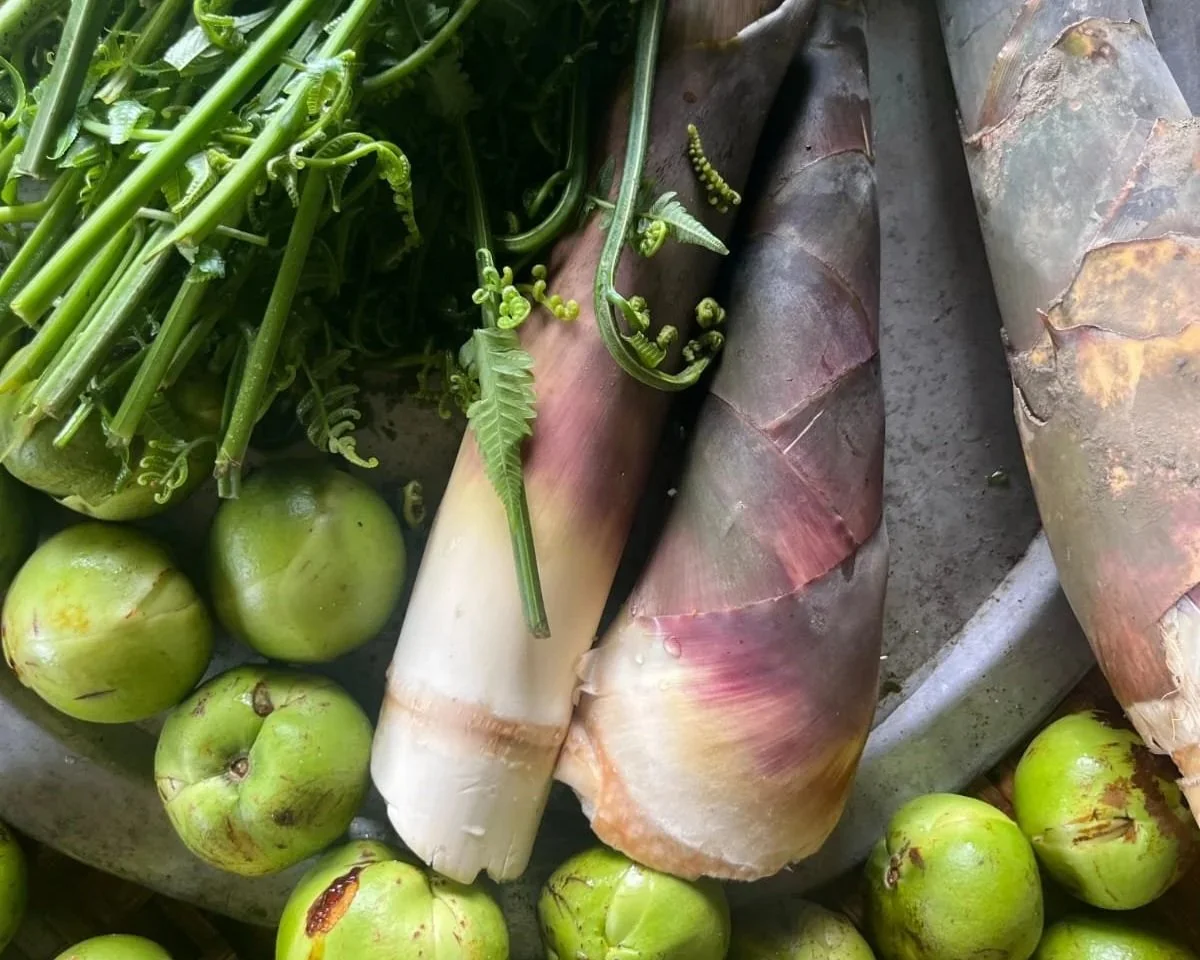
Bamboo is harvested typically during the early monsoon. From June to August, bamboo shoots are carefully harvested, with the young, tender shoots measuring only 10-20 cm being the most prized. Its outer hard layers are removed, and only the inner flesh is retained to be cooked.
Bamboo shoot with dekia or dumb cane.
Ubiquitous but Unique
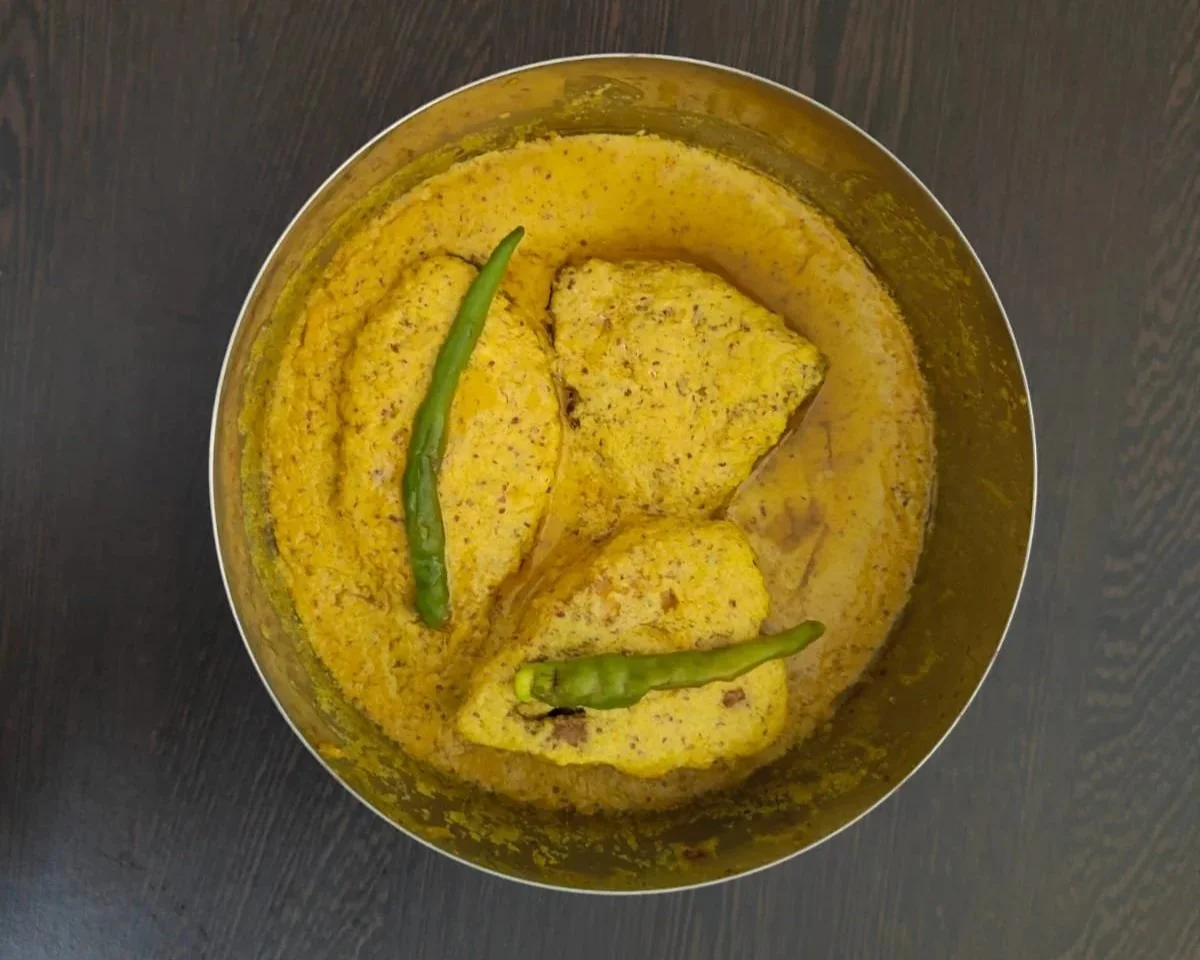
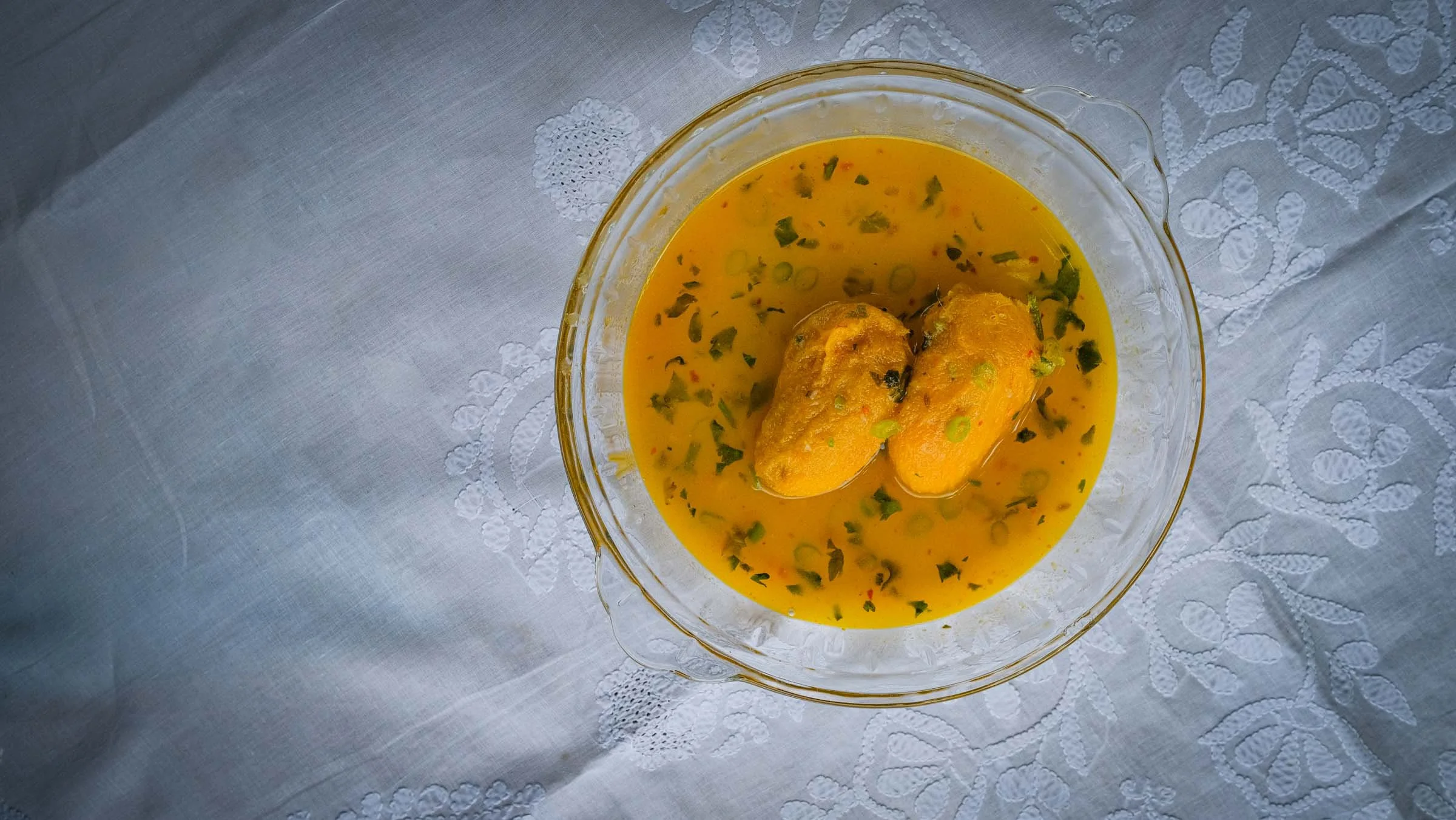
Every state has its own signature methods for preserving fermented bamboo shoot. In Assam, this preparation is called Khorisa or Bah Gaj, made by fermenting shoots in pits or earthen pots. The resulting ferment has a sharp, tangy aroma. A popular Assamese recipe for fish involves wrapping pounded fish and bamboo shoot within bamboo leaves, then steaming to perfection.
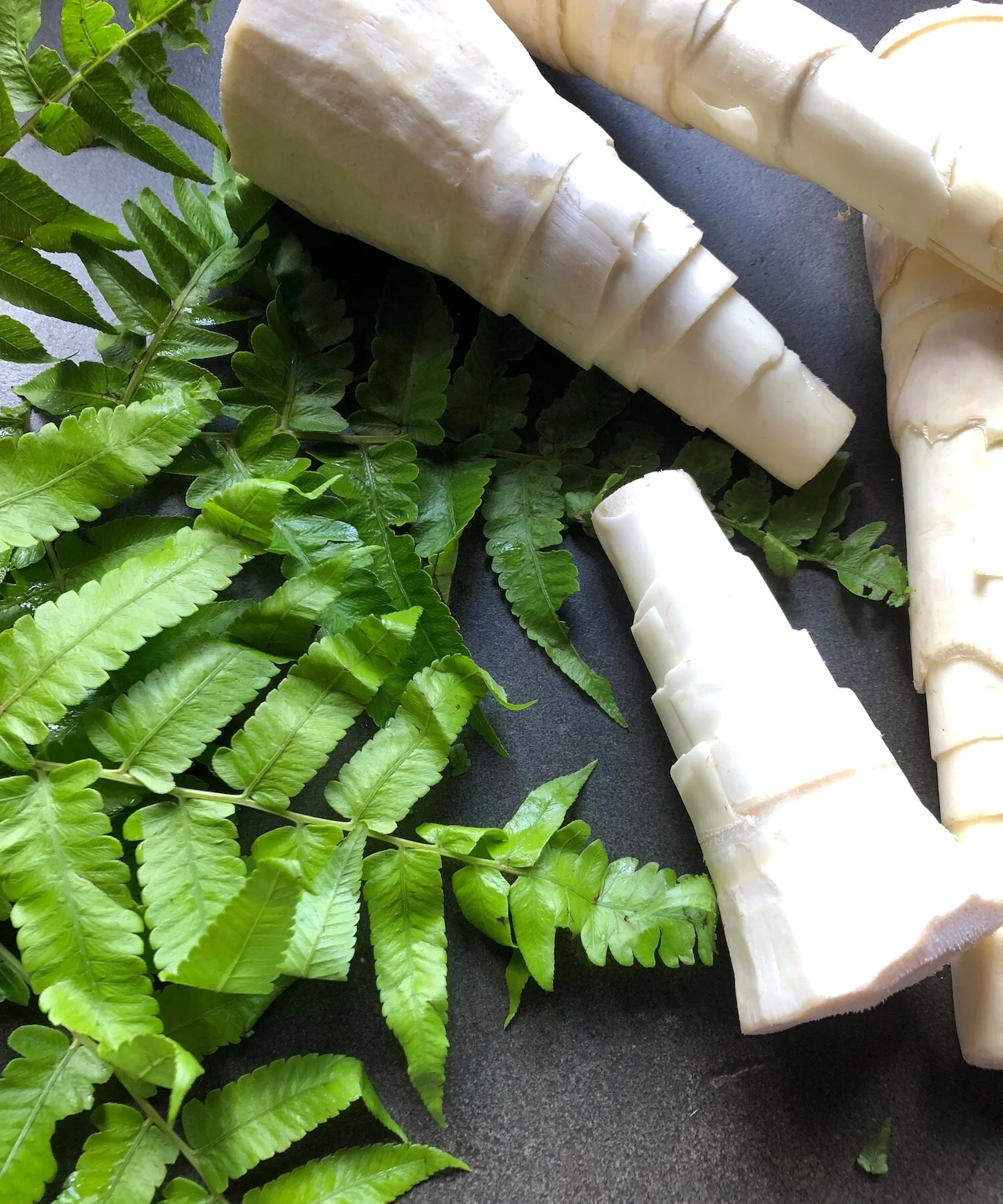
Fresh bamboo shoot
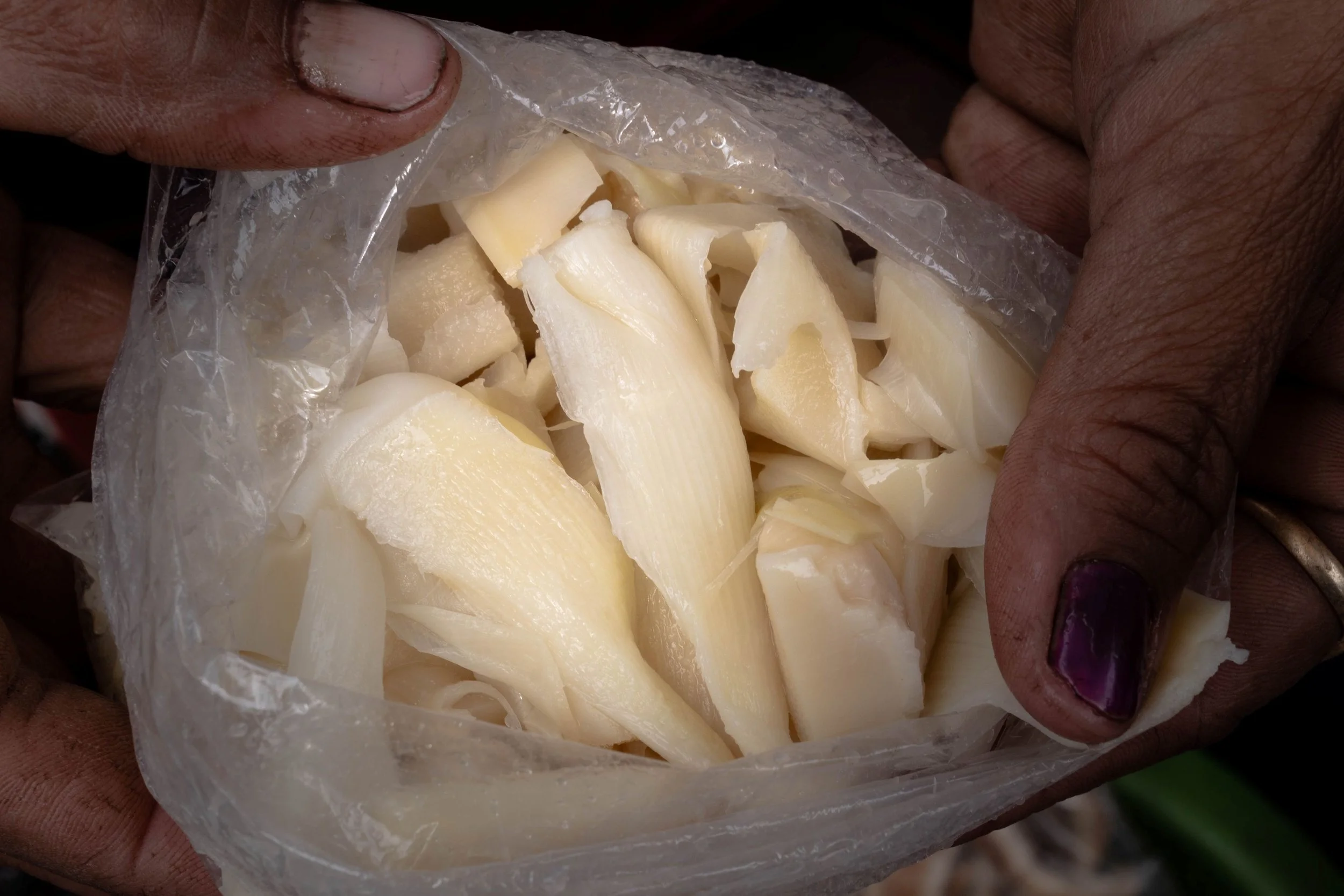
Fresh bamboo shoot
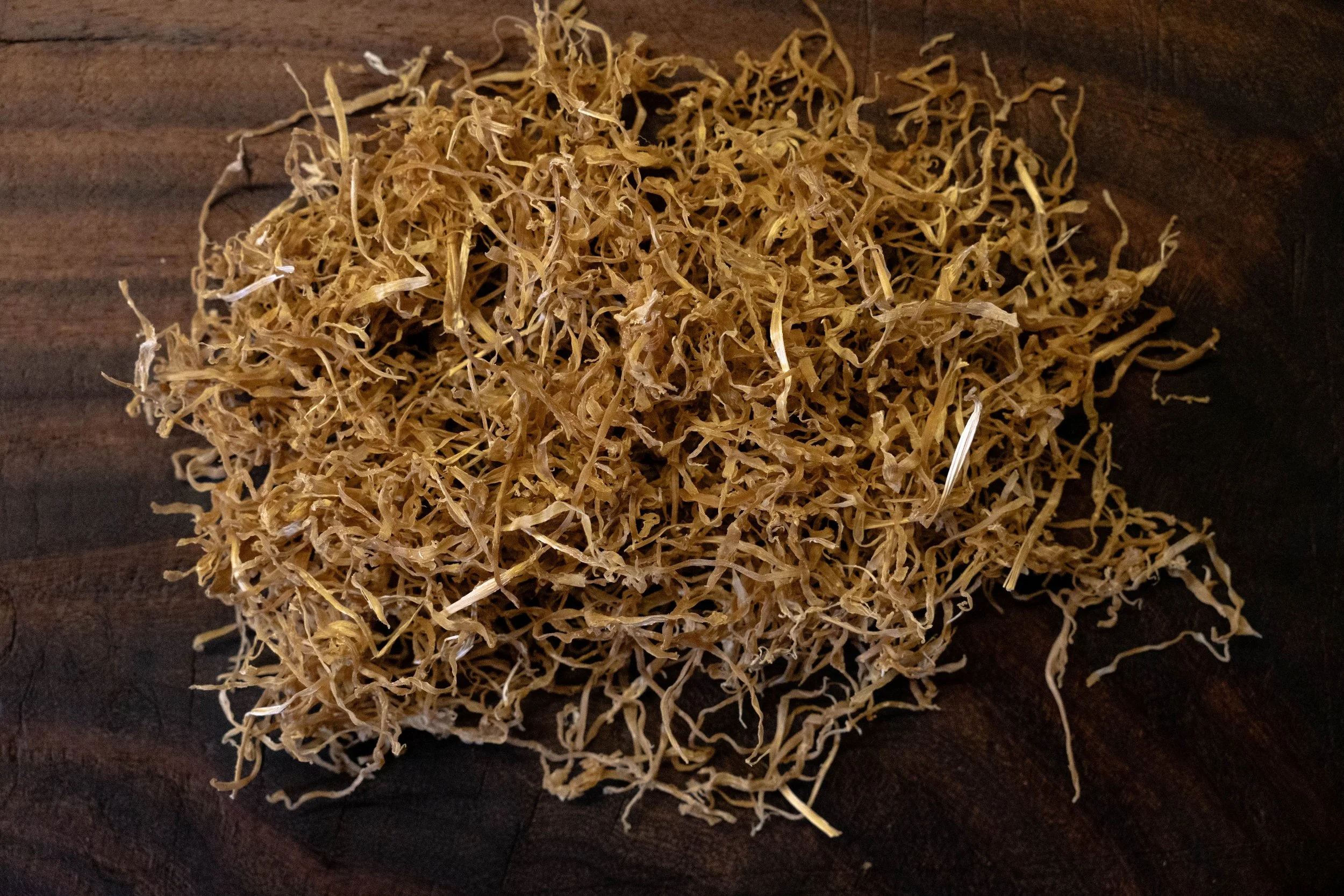
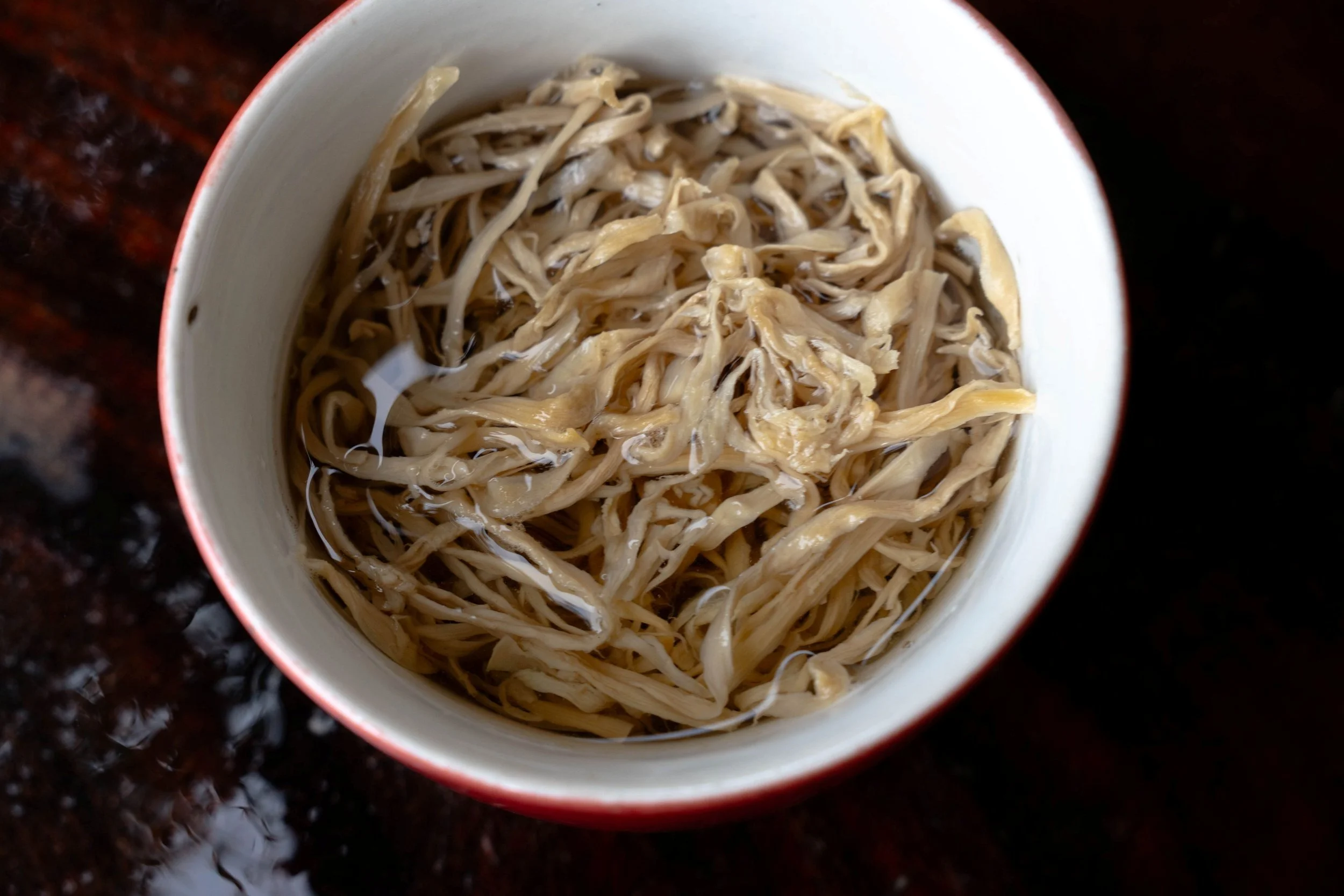
Dried bamboo shoot. Credit for above three imagesL Chinmay Kalita
In Manipur, it is called soibum and is a much sought-after ingredient in local cuisine. Here, bamboo shoots are pounded and then fermented over months. They are also used both fresh, and dried. Manipuris also have Soidon, a fermented dish made from bamboo shoot juice and mustard seeds. The region’s most popular dish is Soibum Eromba, which is fermented bamboo served with mashed potatoes and fermented fish. It is occasionally paired with pork and chicken, in vegetable stews.
In Nagaland, it is called bastenga. With a pungent aroma, it is used to flavour pork and axone dishes. The Mising Community uses two major categories of bamboo shoots. Ikung is the fresh bamboo shoot that is harvested only during early monsoon. It is cleaned, boiled, and cooked fresh. Apin/Apin Ikung is the fermented bamboo shoot, a signature Mising preserved food. With a strong aroma and sour flavour, it is made through natural fermentation and is similar in cultural importance to Khorisa from Assam and Soibum from Manipur, but with its own distinct identity.
In Sikkim, it is called mesu and is mainly prepared by the Limbu (Subba) and Nepali-speaking communities of Sikkim. It is one of the most iconic Himalayan fermented foods and an important part of Sikkim’s ethnic cultural identity. It is known for its sour and tangy flavours, and strong aroma, its crisp yet soft texture, and long shelf life. It is used both as an ingredient and a seasoning. Only made using the tender shoots of Malingo (Prepanostachyum falcatum), Bhalu Bans, Simal Bans, and Nigalo Bamboo, these species lend Mesu a mild sweetness, manageable bitterness, and a crisp texture even after fermentation; similar to Kimchi and Sauerkraut. Without the use of salt or spices, it is traditionally stored in a bamboo tube in a warm corner of the house. It is left to ferment for 7 to 15 days, sometimes even longer. Lactic Acid Bacteria (LAB), which are naturally present in bamboo shoots, initiate fermentation. After this, they are stored in bamboo tubes, earthen pots, or recently, glass jars — a more modern practice. Mesu pickles are the most popular interpretation of the ingredient — a spicy, crunchy pickle made using Mesu, mustard oil, chillies, sesame, turmeric, and salt. Also, mesu achar (pickle) with Pork and Fried Mesu with vegetables are commonly found through the state.
A Symbol Of Tribal Identity
Bamboo shoot is a symbol of tribal and ethnic identity. It grows abundantly in the hilly forested, rainfall-rich regions of North East India — Assam, Arunachal Pradesh, Nagaland, Manipur, Mizoram, Meghalaya, Tripura, and Sikkim.
For most ethnic communities, it is a foundational element; it shapes architecture for houses and fences, for making tools like fishing traps, baskets, and agricultural implements. Bamboo is used to make musical instruments like the flute and the mouth organ. It is also used to make clothing tools like bamboo looms. Bamboo is everywhere, and the young shoots are a natural extension of the ecosystem's edible archive. To eat bamboo shoots is to eat the landscape.
Bamboo Shoot’s sharp, tangy, fermented, slightly astringent flavour may be referred to as ‘pungent’, ‘strong’, or even ‘acquired.’ This becomes a taste boundary for those who grow up with it, who rarely question it, and those who don’t see it as challenging. Food anthropologists recognize this as taste-based identity formation. In the North East, this is widely seen: ingredients operate as identity markers instantly evoking a sense of place, people, a sense of peace and belonging. Bamboo shoot is foraged and not industrially produced, and links communities to ancestral land. It is seasonal, which ties people to agricultural and forest rhythms. It is also processed traditionally, creating an unbroken chain of knowledge between generations, mother to daughter, village to village.
Adapting to Modern Cuisine & Identity
Cynthia is from Majuli and runs a traditional homestay with her mother called Menam Homestay. They serve authentic tribal meals to their guests from India and abroad. Their homecooked meals earned them the title of Silver Winner at the Outlook Responsible Tourism Culture and Heritage Awards 2025, presented by Kerala Tourism. Bamboo and bamboo shoot play a huge role in maintaining the authenticity of their cuisine. Local tourism helps in the propagation of the ingredient. “Every guest more often than not likes bamboo shoot, even if it is an acquired taste. They have hesitated to have King Chilly or fermented fish, but they have always been in awe of the bamboo shoot. Even the white people,” she adds. Her pickle project, Meram, ships her mother’s pickles all over India, taking an acquired taste to the masses.
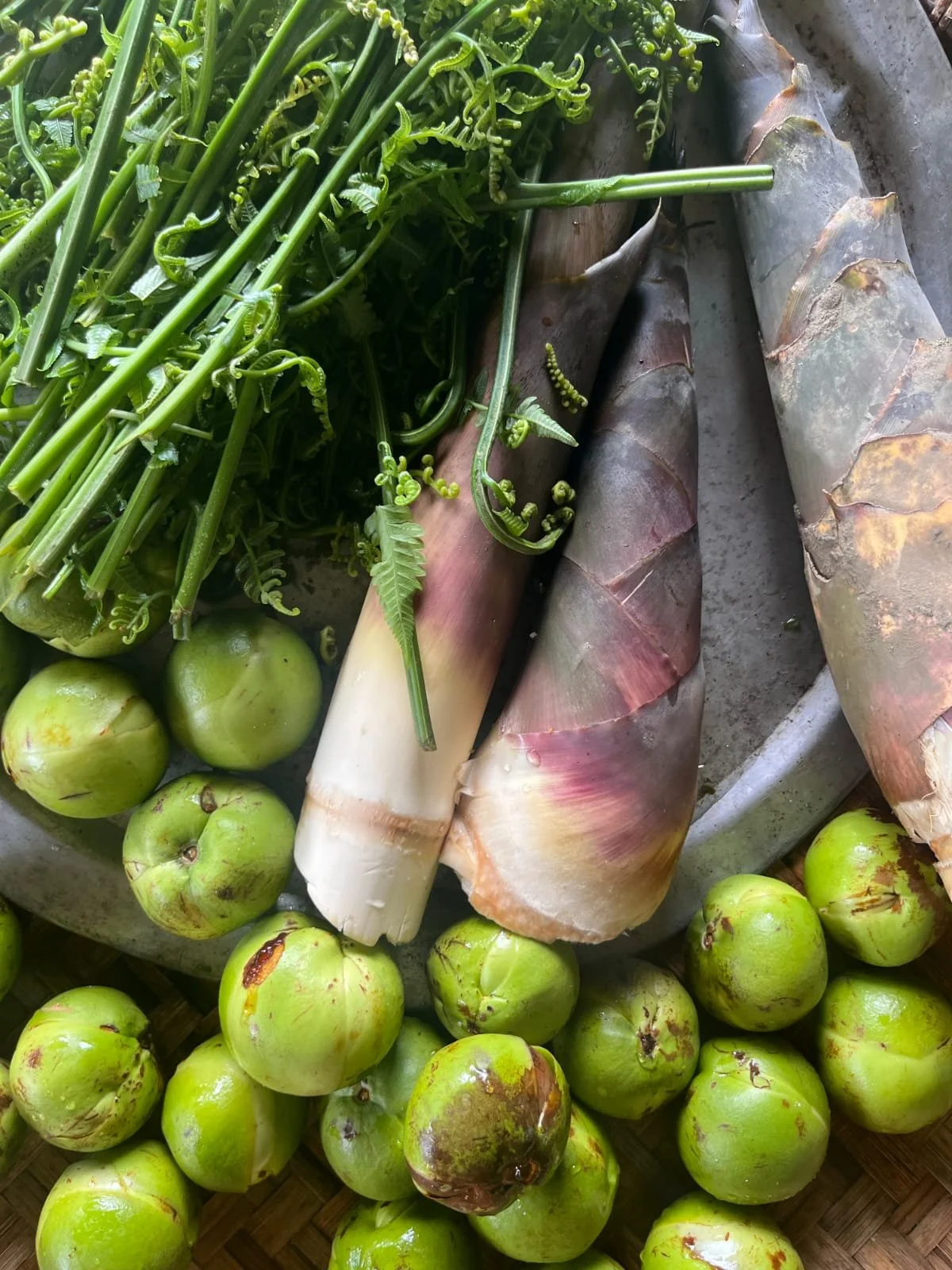
Elephant Apple and bamboo shoot in Majuli.
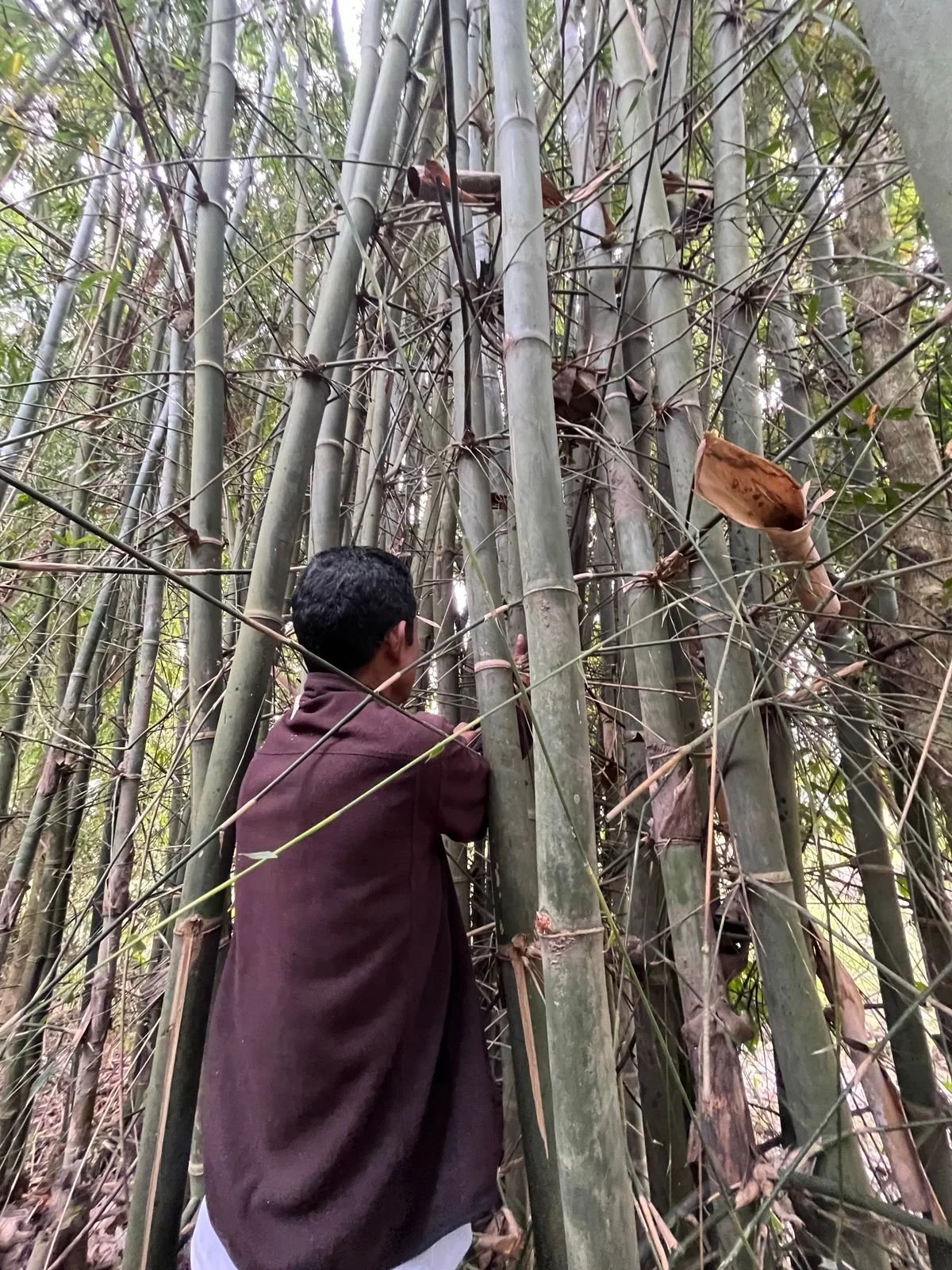
Gathering bamboo shoot.
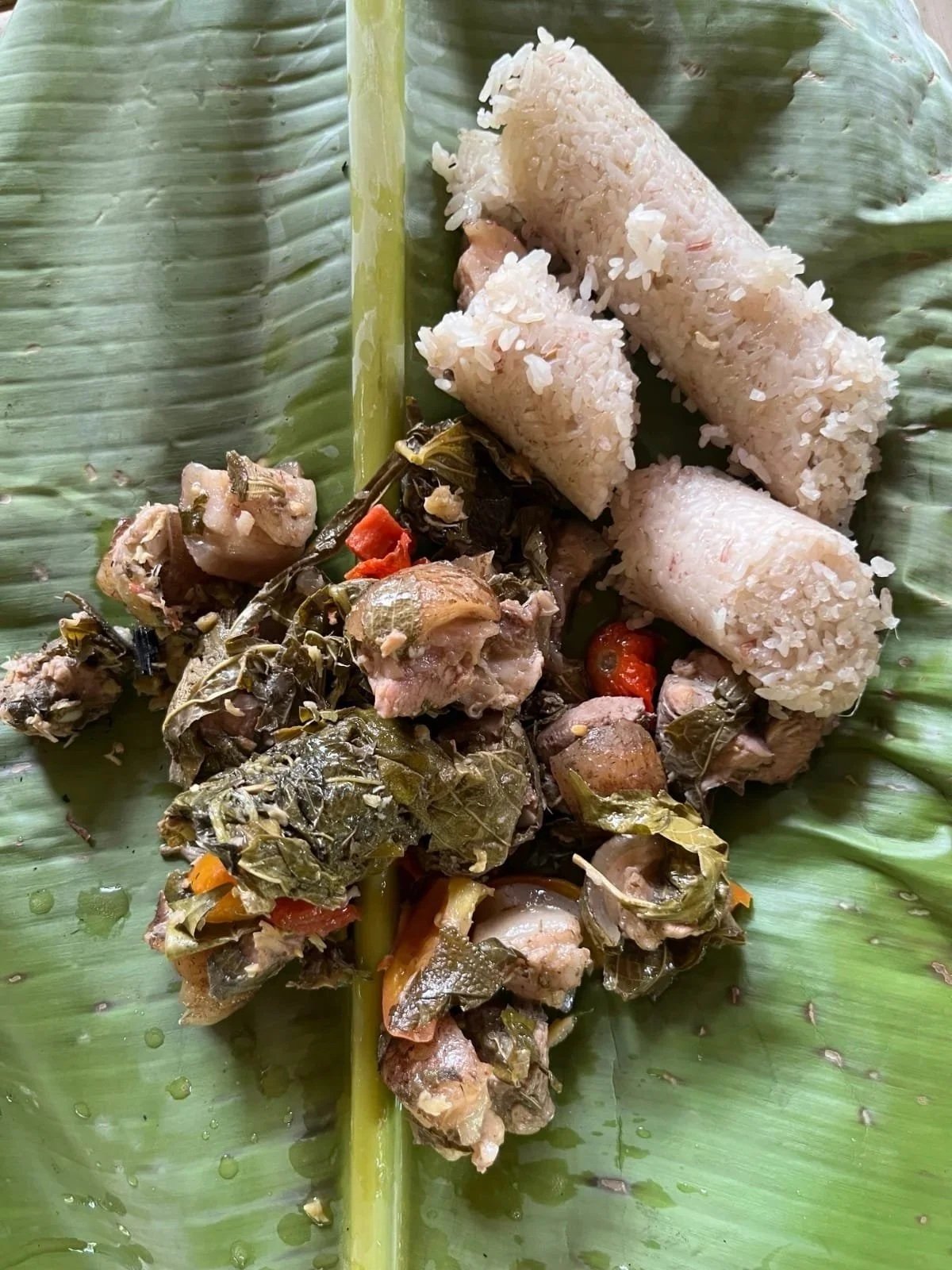
Rice cooked in bamboo tube. Images: Cynthia Doley
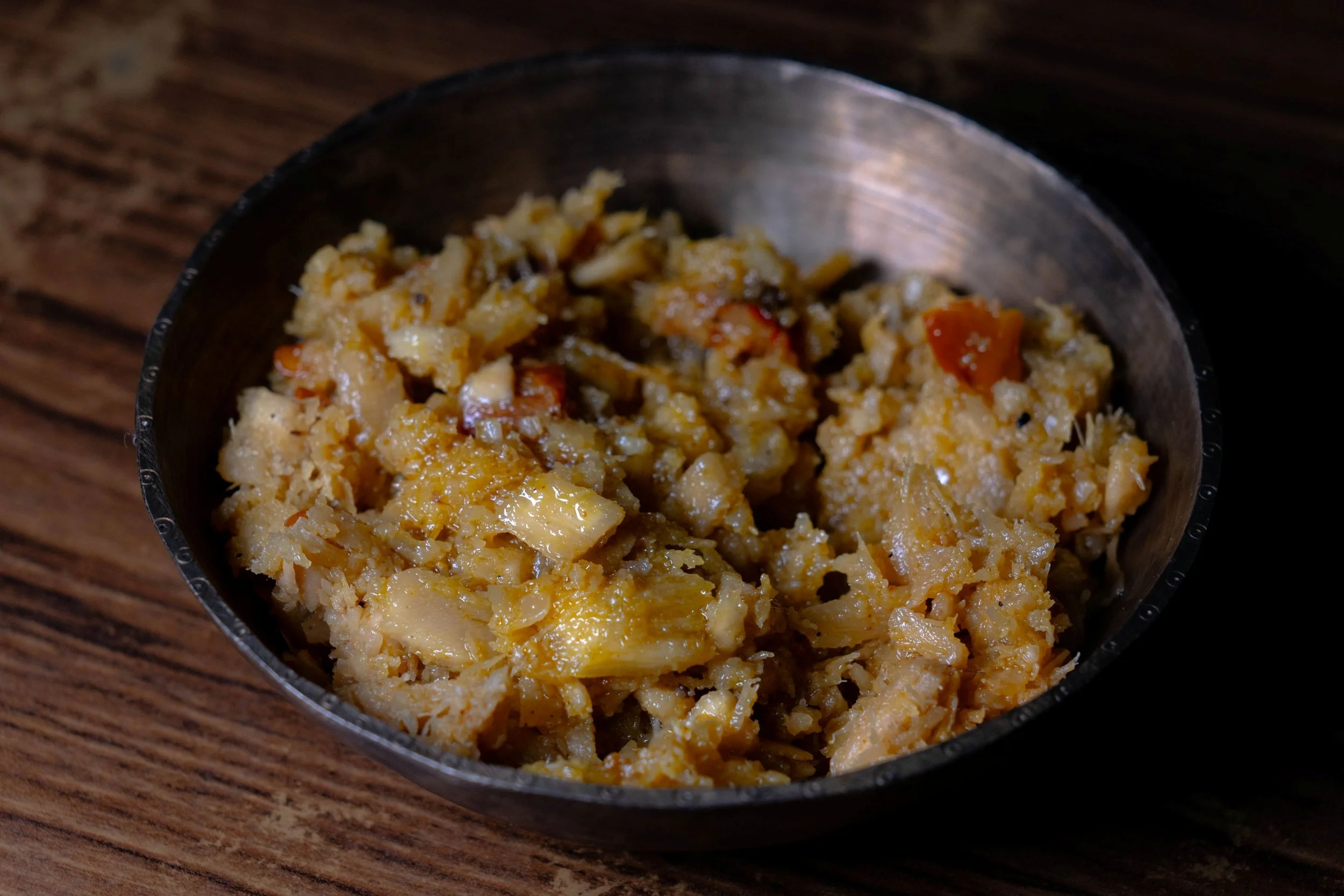
Bamboo shoot pickle. Credit: Chinmay Kalita
Karishma belongs to the Bodo-Kachari tribe and runs a restaurant serving Assamese food. Her home kitchen is heavily influenced by Naga cuisine because her father spent much time working in the state. “In our home we don’t consume dry bamboo shoot like in the hills, because of the weather, which is humid and takes time to dry. So we ferment it. It’s a time-consuming process because we want the sourness of the bamboo shoot. We carry kilos of of it from wherever we go, as it tastes different everywhere.
Monalisa Baruah owns Soul Chef with her husband Saurav Parasher in Caranzalem, Goa and serves North Eastern cuisine. She uses bamboo shoot extensively and finds her patrons have mixed emotions about it. “For the first timers, I always tell them to try the dry bamboo shoot, then slowly move to the fermented version,” she explains.
Imlitila Aier, aka Ati, owns Oya’s Umami in Dona Paula and cooks using ingredients from Nagaland. Her Naga-Style Hainanese Chicken is a crowd favourite and is her take on the popular dish from the region of Hainan, featuring bamboo shoot curry with rice and chicken. “People were just not curious about the dish on its own, but adding Naga spices and the Hainanese style of prepping it influenced patrons to be open-minded about the ingredient, and it worked”, she exclaims.
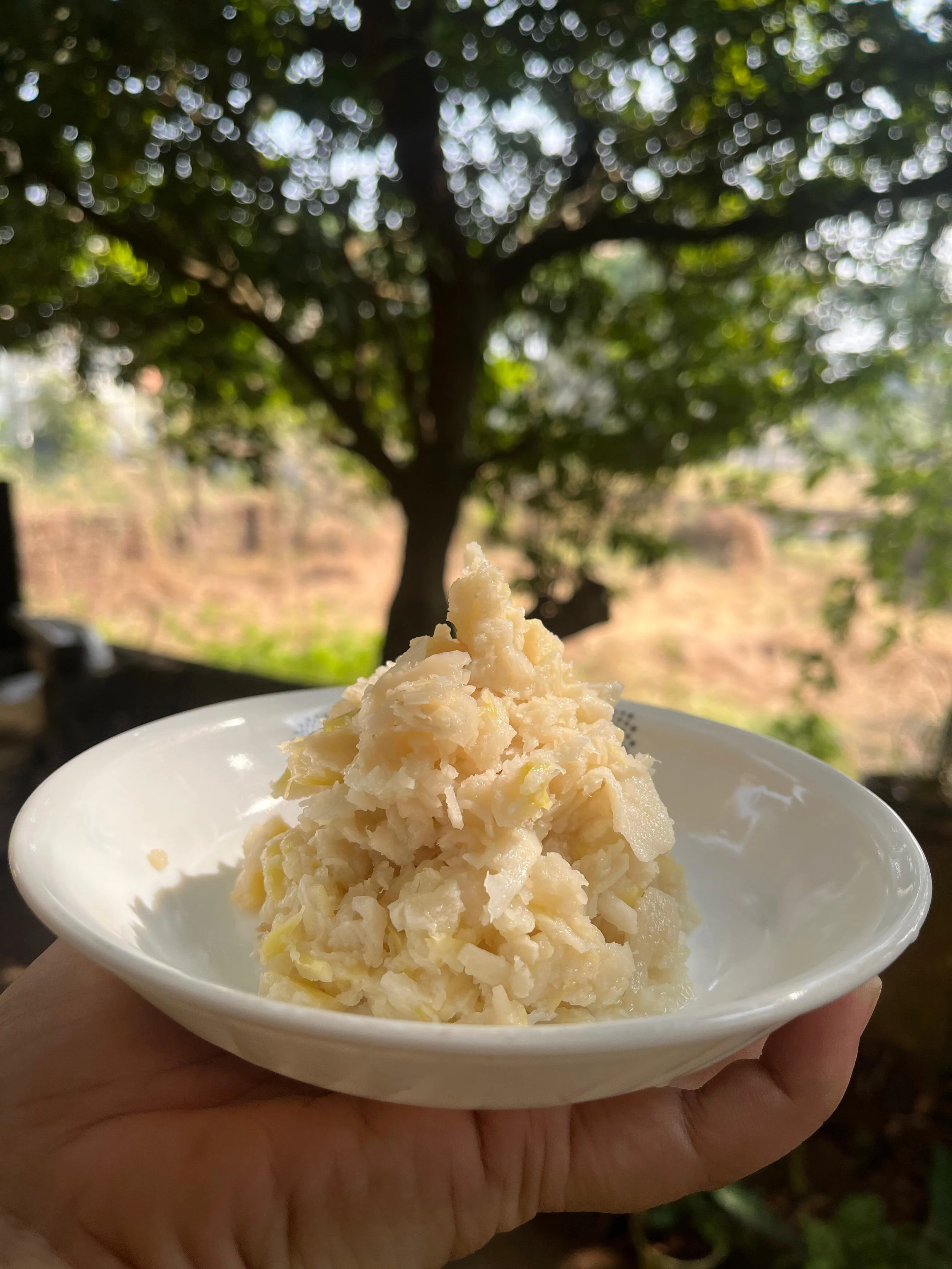
Fresh Bamboo Shoot at Oya's Umami.
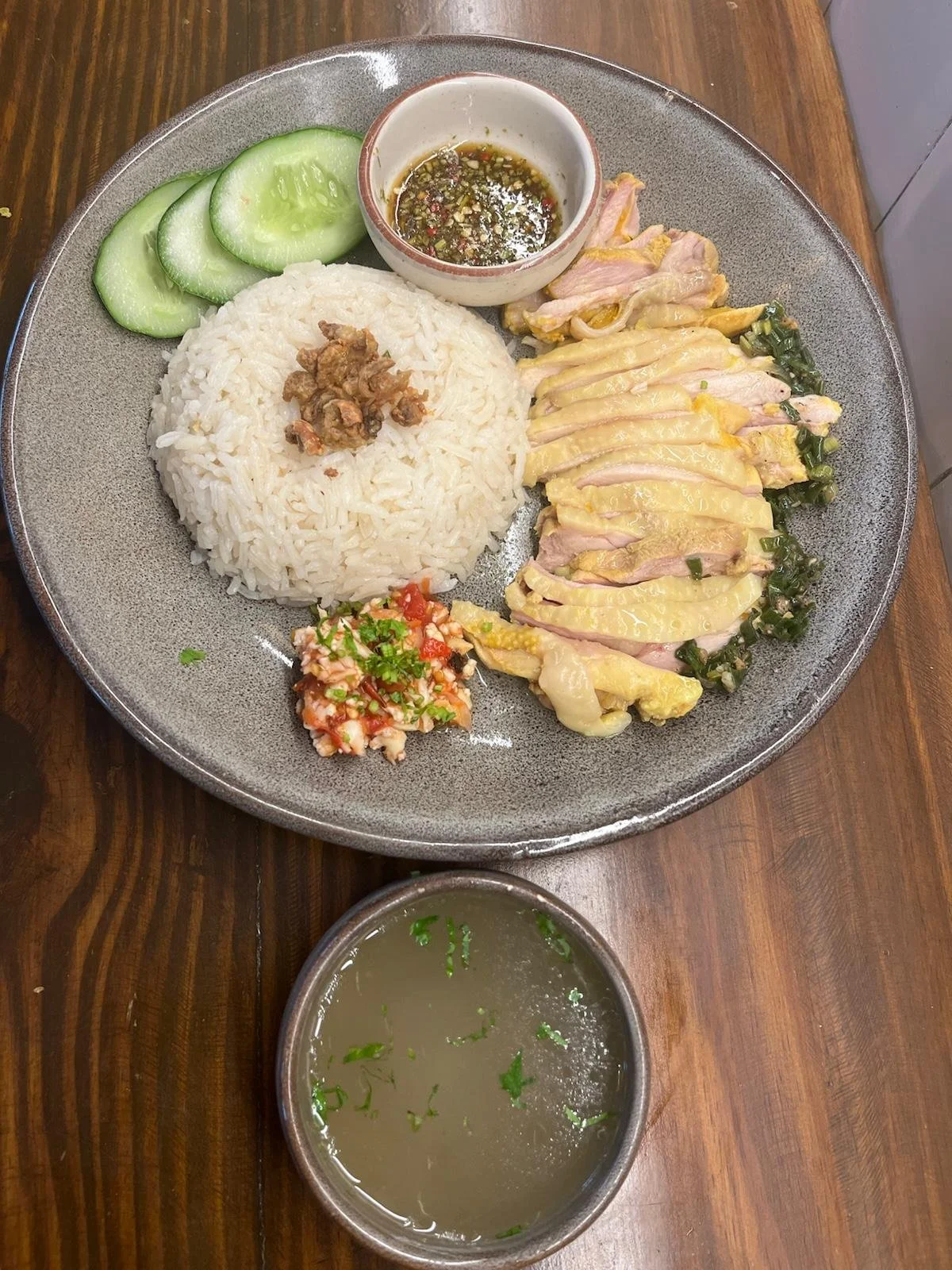
Naga Style Hainese Chicken at Oya's Umami.
Megha Agarwal is a consultant chef who studied under Alain Ducasse in the Phillippines and lived in Delhi for years promoting Assamese cuisine. “Bamboo shoot is instant flavour booster, lending tons of umami. It is also considered a signature Assamese flavour; the taste of longing and belonging,” she smiles.
Its acquired flavours are learned through culture, not biology. For decades, mainstream Indian culinary narratives have treated bamboo shoot as uncivilized, tribal, unsophisticated, and ‘forest food’. This stigma shaped ethnic identity in the North East; communities leaned more strongly into bamboo shoot as a reaffirmation of their foodways, turning a stigmatised ingredient into a badge of identity.
Monalisa Borkakoty is a Goa based Assamese writer drawn to stories of food, culture and community, inspired by over a decade of slow living on the coast.
ALSO ON GOYA