In Goa, Everything is Better with Coconut
The coconut is an important part of Goa’s cuisines, especially its sweets. Judith Maria Braganca digs into the rich, coconut-flecked dishes that make up Goa’s weddings, feasts, and funerals.
There is a sweet tradition in Goan families that is practiced on the first of August. People start the month with a handful of coconut and jaggery (often known as chunn), or sweets made with these two ingredients. This practice was to counter ‘Agosto desgosto’ (tasteless, disappointing August), named thus because of heavy rains and the limited availability of produce. Eating something sweet was a way to herald a sweet, fulfilling month. Goans would either eat the combination on its own, or make sannas with this sweet filling, called goddachim sanna; or alle belle, which are rolled pancakes crepes with coconut-jaggery filling; or patoleo, thin rice crepes on turmeric leaves, steamed with coconut and jaggery filling).
This is but one indication of the importance of coconut in the Goan life (and kitchen).
Goan cuisine isn’t the same without coconut. Whether used fresh, as in a prawn curry, or roasted for a xacuti, or milked for a mouthwatering caldin, it forms the base of most Goan meals, silently making its presence felt. Coconut is also woven into our traditions: the bride and the groom are prepped for the wedding with a coconut milk bath called the roce, a practice that is meant to rejuvenate the skin and aid in good fortune and marital bliss.
But it is in the Goan sweets and desserts, typically made by the Catholic community, that coconut truly comes alive.
Christmas Platter
The Christmas sweets of Goa are largely coconut-based, from the queen of Goan sweets, the multilayered bebinca, made of flour, coconut milk and egg yolks, and patiently baked layer by layer, to the eggless dodol, soft and fudgey with coconut milk, rice flour and jaggery. Both of these sweets are incomplete without coconut milk.
The Christmas sweet platter (consoada in Portuguese and kuswar in Konkani) is shared with family, neighbours and newly-married daughters. Consoada evolved from the word ‘console’ and is mandatorily sent out to relatives and friends in mourning.
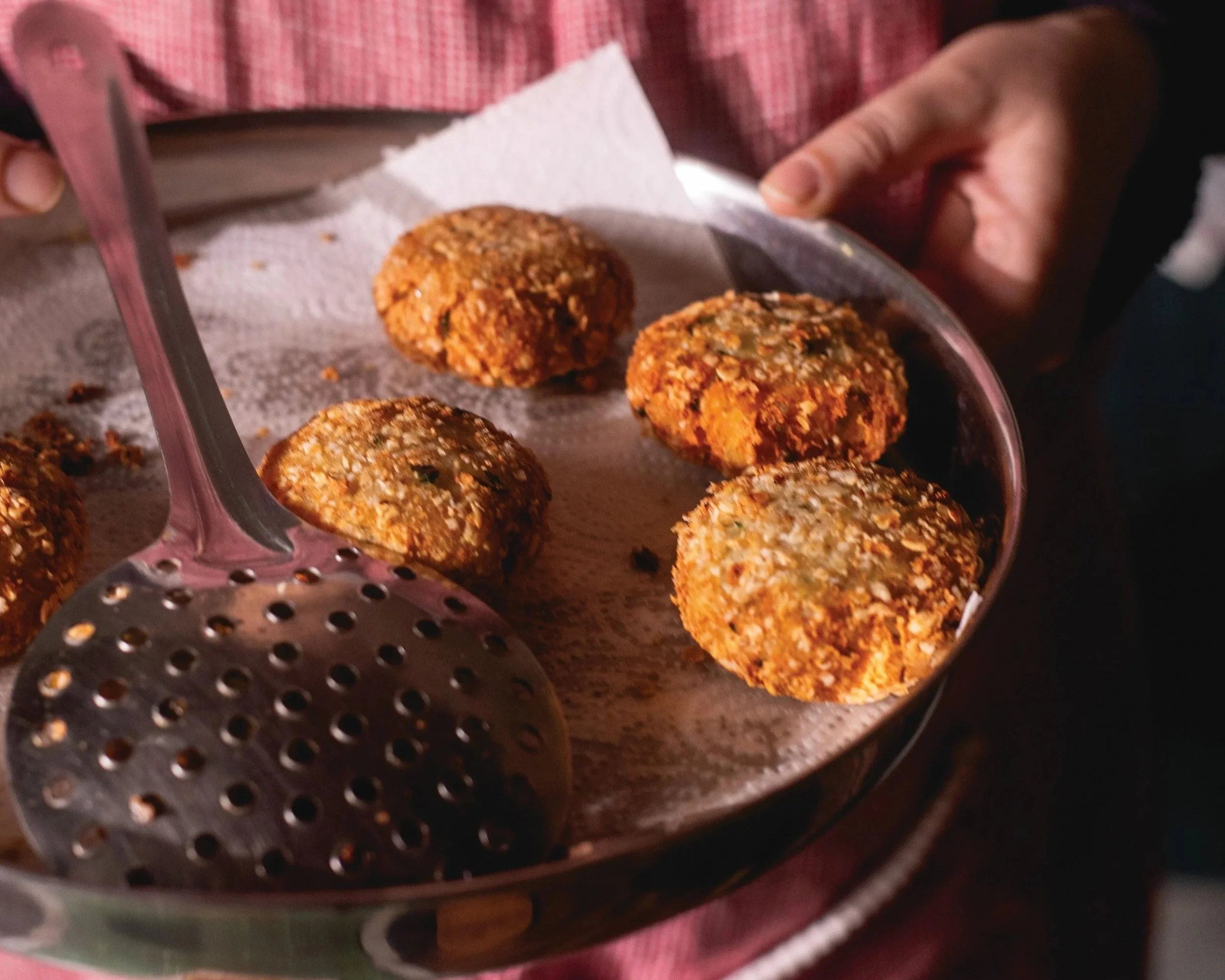
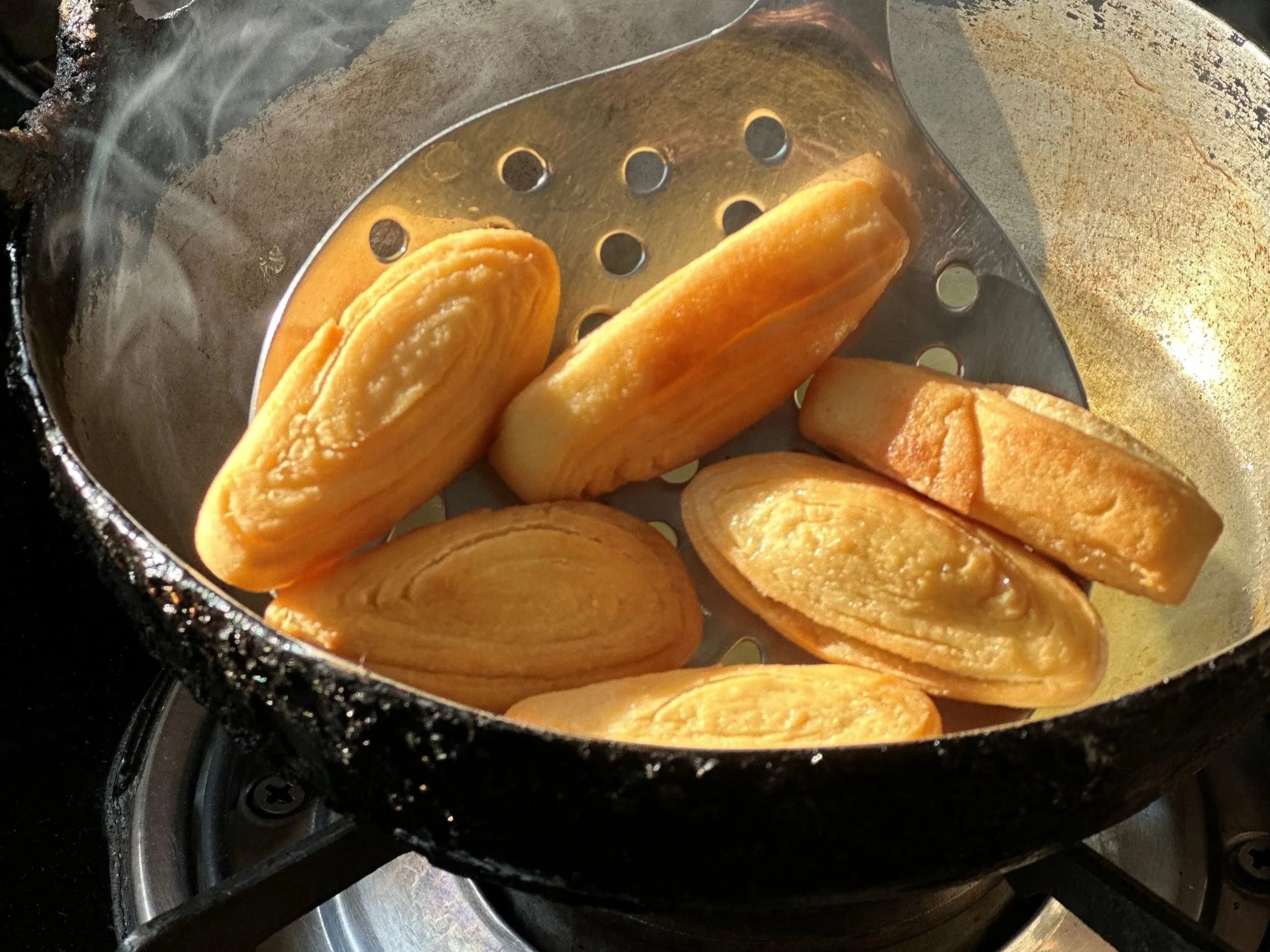
On the platter would be khatkhate, a Goan chikki made with coconut — a crunchier and stickier version of dodol; pinagre, crisp roasted rice flour, jaggery and grated coconut, shaped as elongated croquettes; gonns or cocada, teias de aranha (translating to spider web), made with sweetened coconut strips served on coloured paper, among others. Christmas or Ganesh Chaturthi is incomplete without coconut-filled neureoes, fried and stuffed crescent-shaped pies containing coconut and jaggery.
The counter to the consoada platter for other occasions is the vhojem (or basket), which is sent to the son-in-law’s house, and consists mainly of coconut and jaggery-based sweets, and fresh seasonal fruits like the beloved jackfruit.
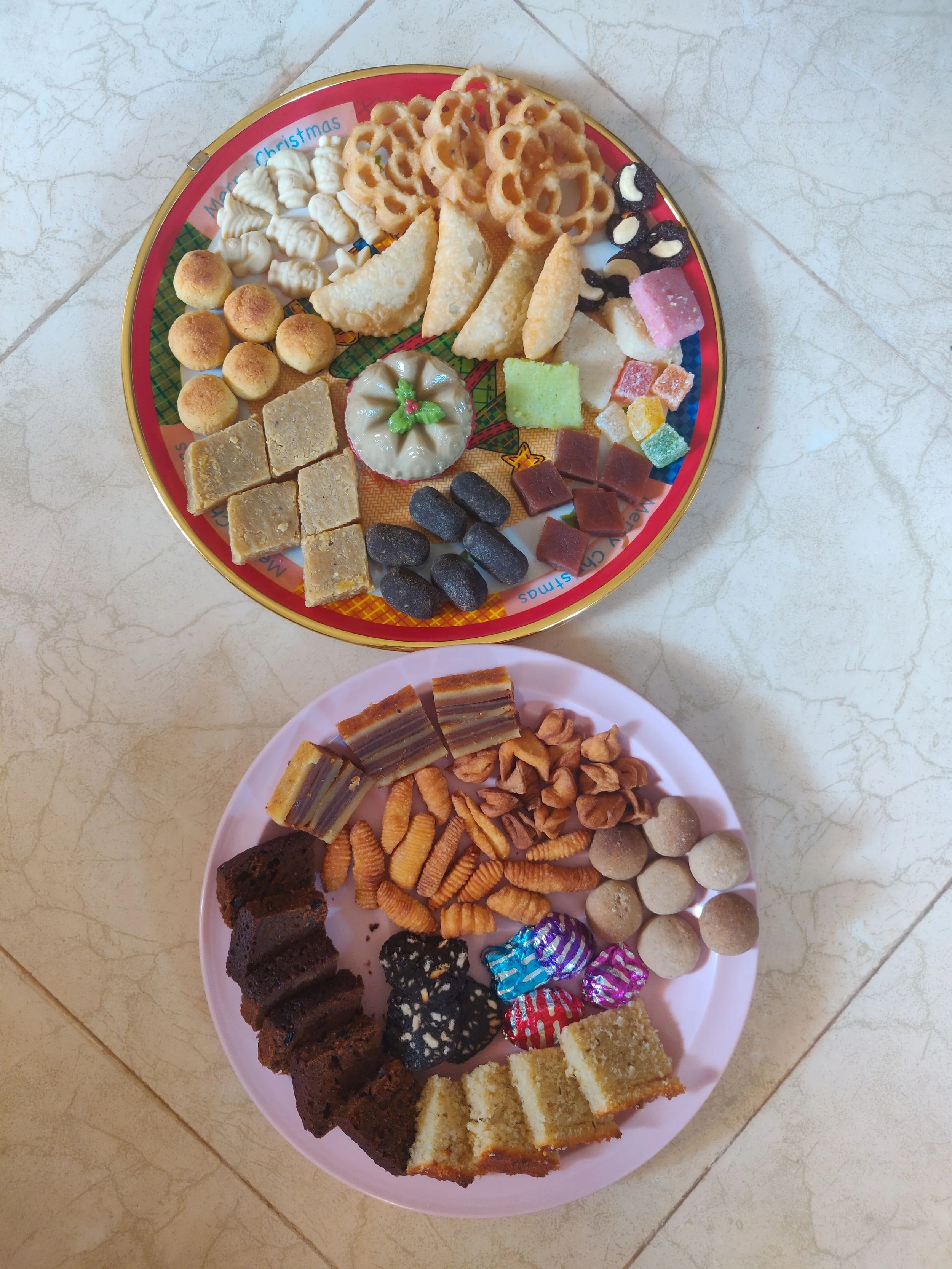
The Goan Christmas platter or consoada includes many sweets made of coconut.
Seasonal Surprises
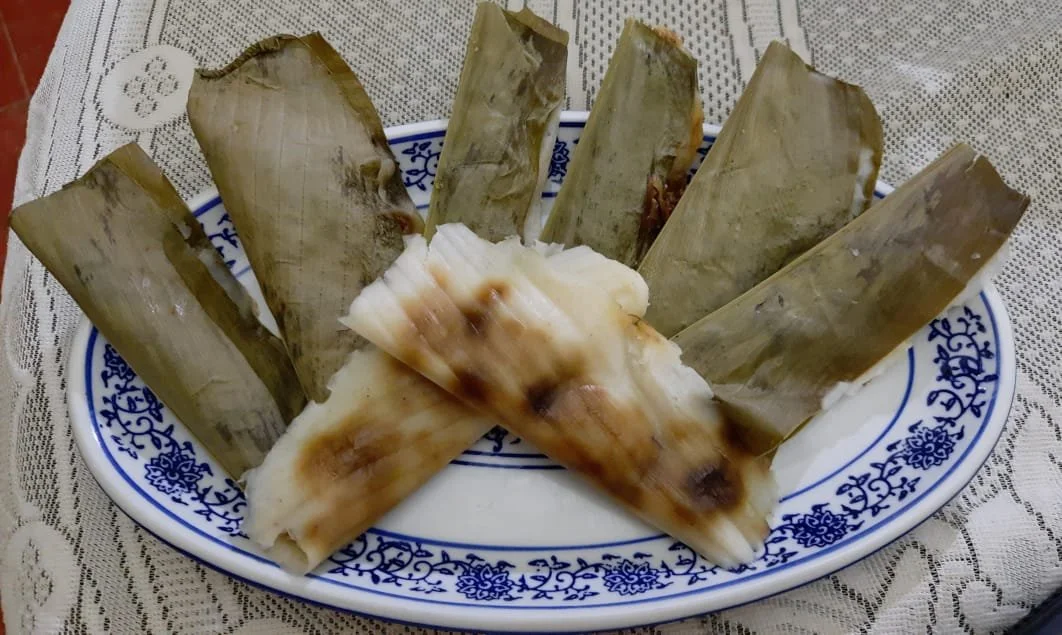
Goa also has a rich tradition of seasonal sweets, many of which are made in the monsoon. The patoli or folle, cone-shaped steamed rice dumplings on jackfruit leaves, are made for feasts like São João — the feast of St John de Baptist, celebrated in June, or for the feast of Assumption of Mother Mary on August 15. Mandos or dhonas are made of jackfruit pulp, semolina and grated coconut. Tavasali is prepared with local seasonal cucumbers, called tavshe, in September and October, with rava and grated coconut with a hint of cardamom. Mandos and Tavasali could be considered flavoured variations of the batica, and are traditionally eggless. Patoleo could well be the symbolic treat of the month, made with seasonal turmeric leaves and new paddy grains.
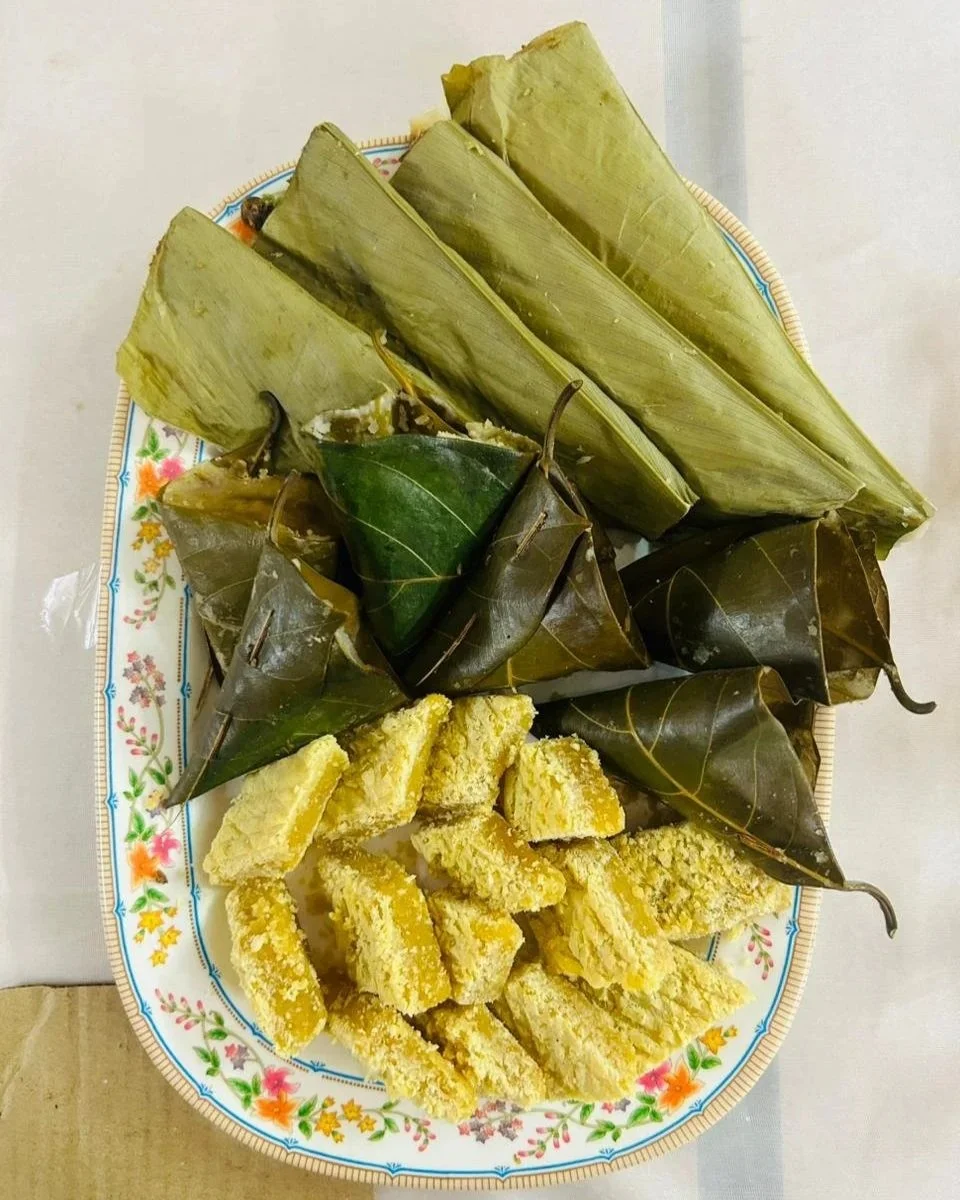
Seasonal treats: doce, folle and patoleo.
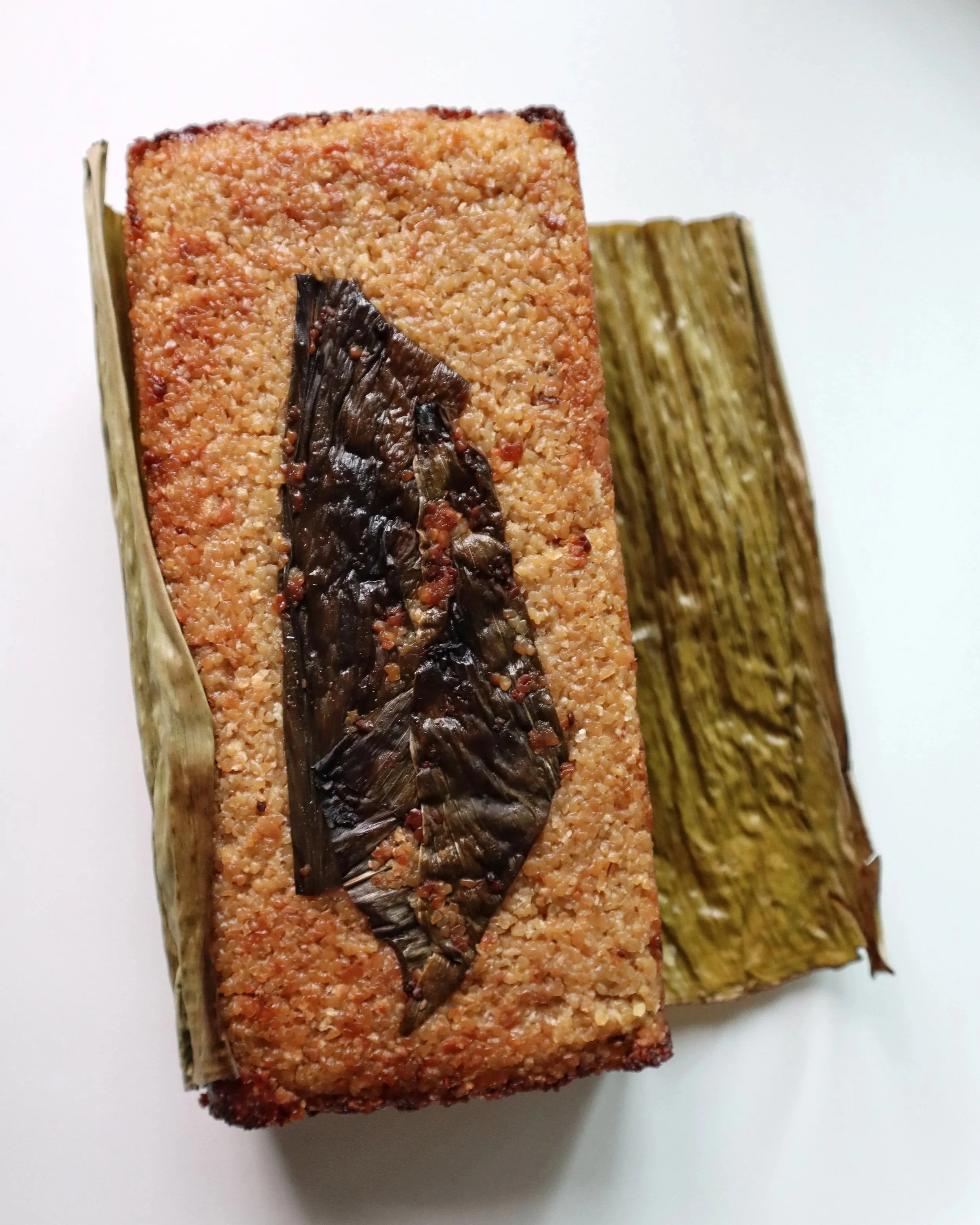
Tavasali is a steamed coconut cake with local seasonal cucumbers.
Wedding Treats
Weddings and childbirth have a number of coconut-based dishes to suit the occasion. The star food for the pre-wedding festivities is the soji/vonn, a thick gruel made with coconut milk and channa dal. Doce de grao, a coconut, cardamom and gram flour, is prepared as a special ceremony, or is often clubbed along with the roce. This doce is prepared as a large mound representing the skirt of a doll, decorated with gems to be sent to the groom’s house, while flat diamond-shaped doce is served during the lunch or the bickranche jevonn. The latter translates to beggar’s feast and harks back to a time when poorer folk in the village were treated to a lavish feast by the wedding household.
The kazaracho boll, made of coconut and jaggery, is another staple of North Goa during wedding season. The wedding buffet too will have several coconut based desserts. The especiary or letria, is a classic. It is a coconut relish adorned with egg yolk threads (or ‘lace’) made by passing the yolks through a sieve into boiling sugar syrup, known also as fios de ovos. The yolk threads are overlaid on a pudding made of coconut, cashewnut and bread. Perhaps the most authentic recipe made in our house was the one listed in Elsie Maciel’s cookbook, Goan Cookery Book. In her book, Cozinha de Goa: History and Tradition of Goan Food, Fatima da Silva Gracias states that many of the Goan sweets are yolk-based as the nuns in the Portuguese Convents would use egg whites to starch their habits, and use the surplus yolks for making exquisite confectionary.
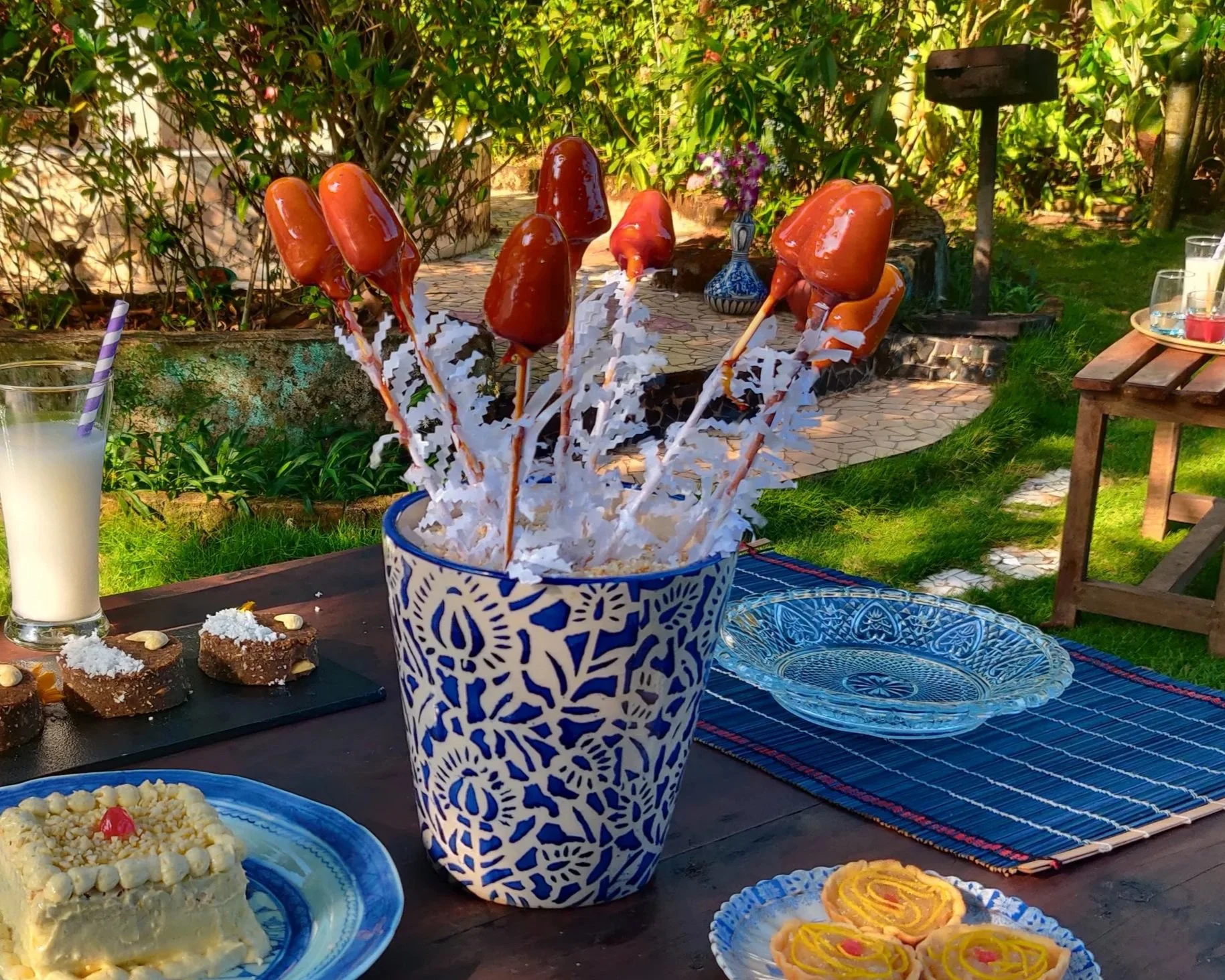
The Goan Kitchen’s sweet platter includes dedos de dama, coconut and cashewnut toffees.
Dedos de dama, or lady’s fingers, is another dish that adds an old-world charm to the festive dessert table — toffees made with coconut and cashew nut paste (marzipan) and rolled into cylindrical balls coated with caramelized sugar and pierced onto skewers. Almonds in the original recipes were substituted by cashew nuts due to their ready availability in Goa.
The oldest Goan cookbook, Goan Cookery Book or Randop Xicpachem Pustoc, published in 1917 in Roman Konkani has a recipe of coconut milk and rice blancmange, an adaptation of the French pudding made with milk and cornstarch, to suit local flavour with local ingredients.
Evening Tea Rituals
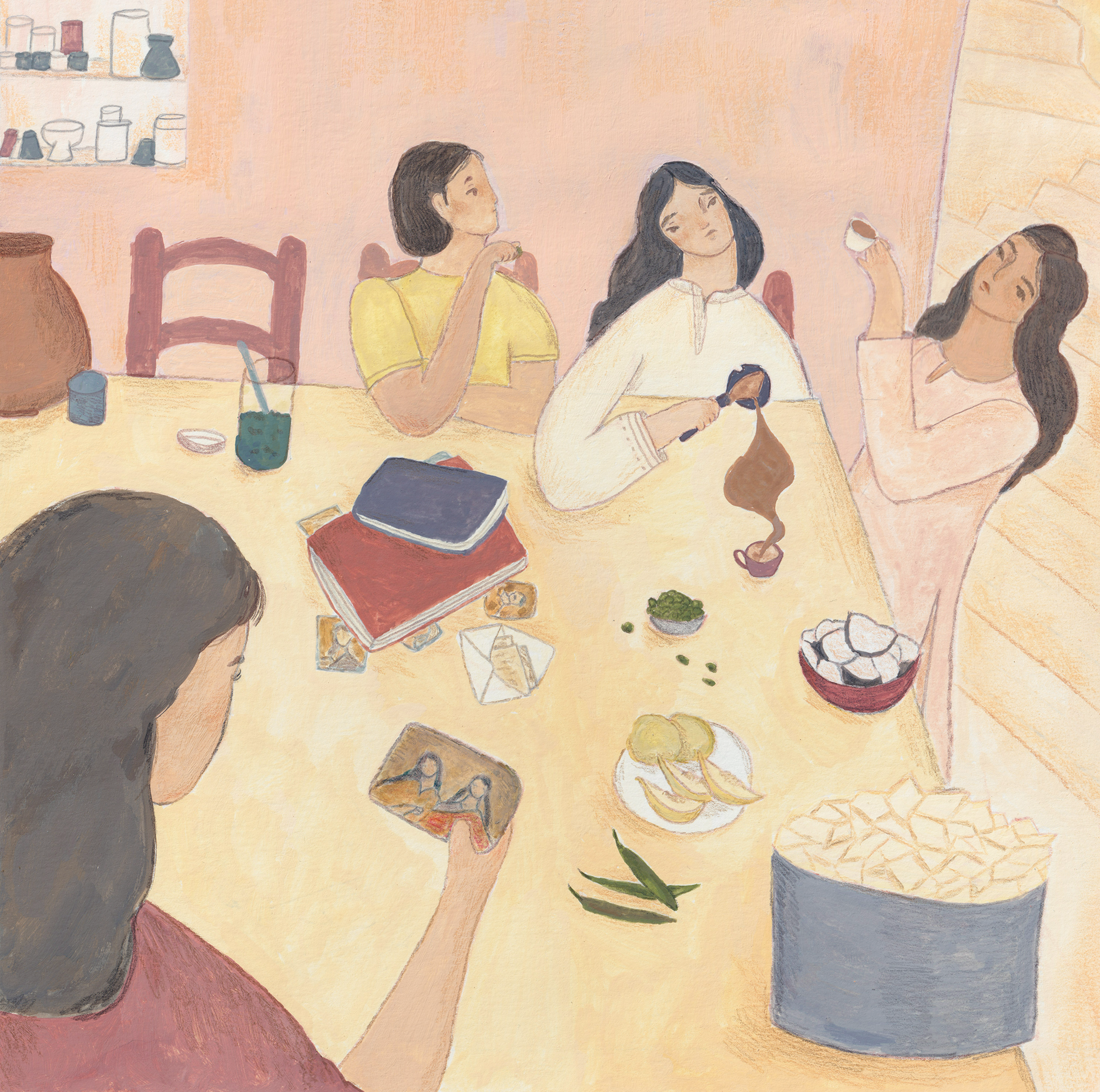
Goa’s evening tea-time accompaniments can rival the English afternoon tea. It isn’t just tea on offer but many sweet and savoury treats.
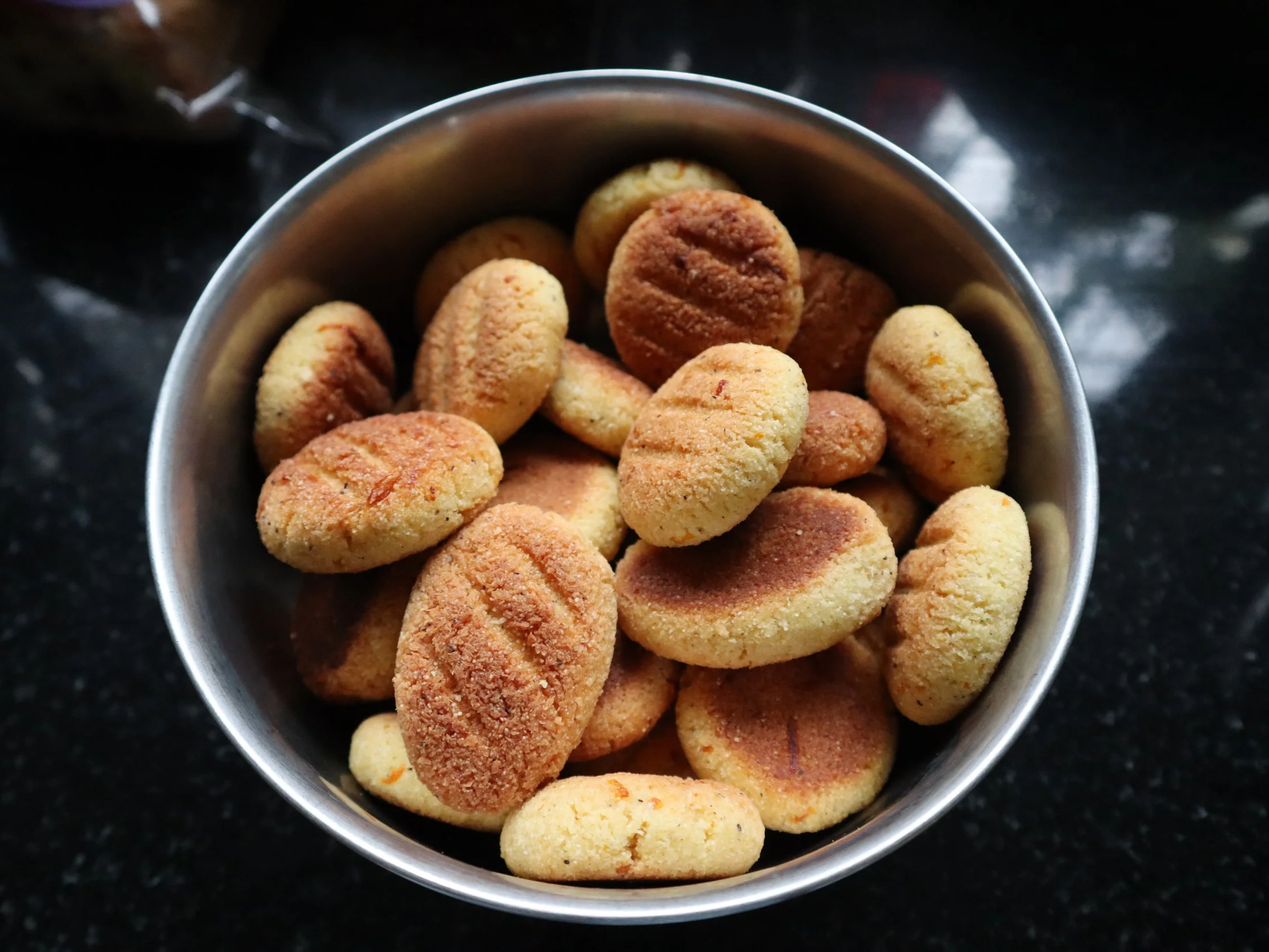
There is godshem made with moong beans and rice with a hint of cardamom, or its drier version, the atoll made with parboiled brown rice, chickpea dal and coconut milk. The version made in Bardez taluka is the doce bhaji, with broken wheat, coconut milk and garnished with cashewnuts and cardamom; it is also used for lactating mothers and as weaning food for babies. There is alle belle, goddache filoz, banana and grated coconut pancakes, and bolinhas, coconut cookies that are crunchy on the outside with a softer core, and batica, a coconut and semolina cake, that makes the perfect accompaniment for a steaming cup of rose tea.
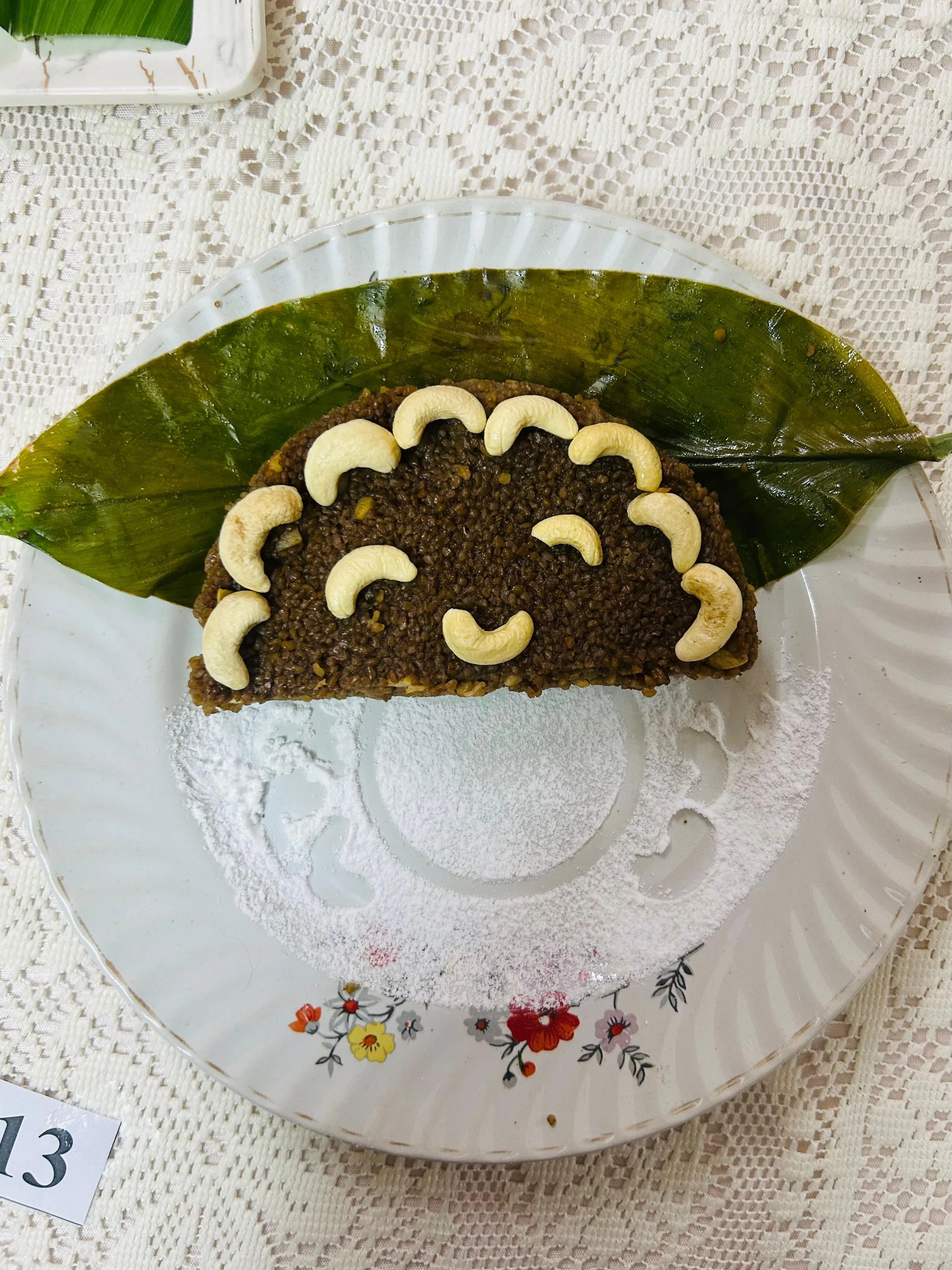
Doce bhaji is made with broken wheat, coconut milk and garnished with cashewnuts and cardamom.
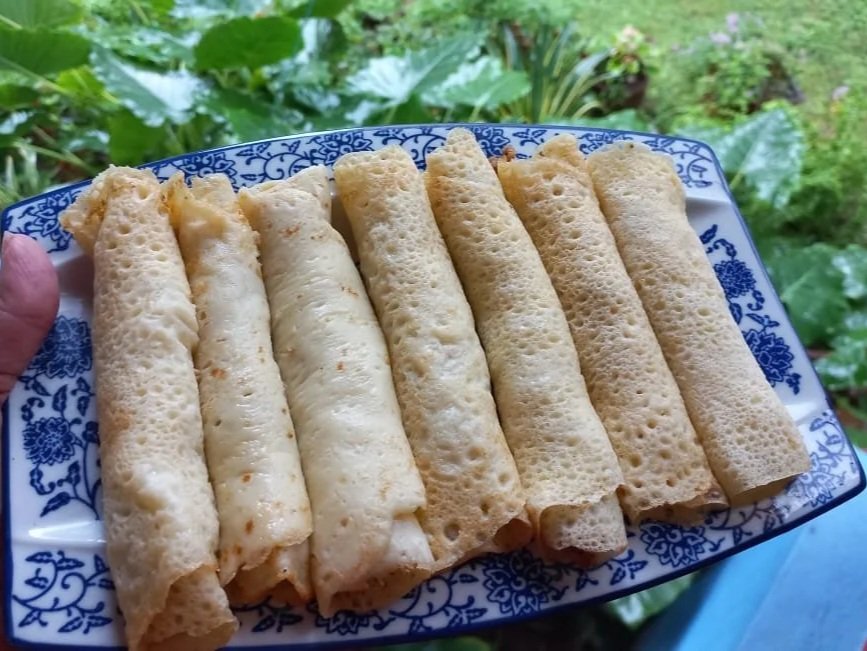
Alle belle are rolled pancakes crepes with coconut filling.
Bolinhas are coconut and rava cookies, hard on the outside and soft on the inside.
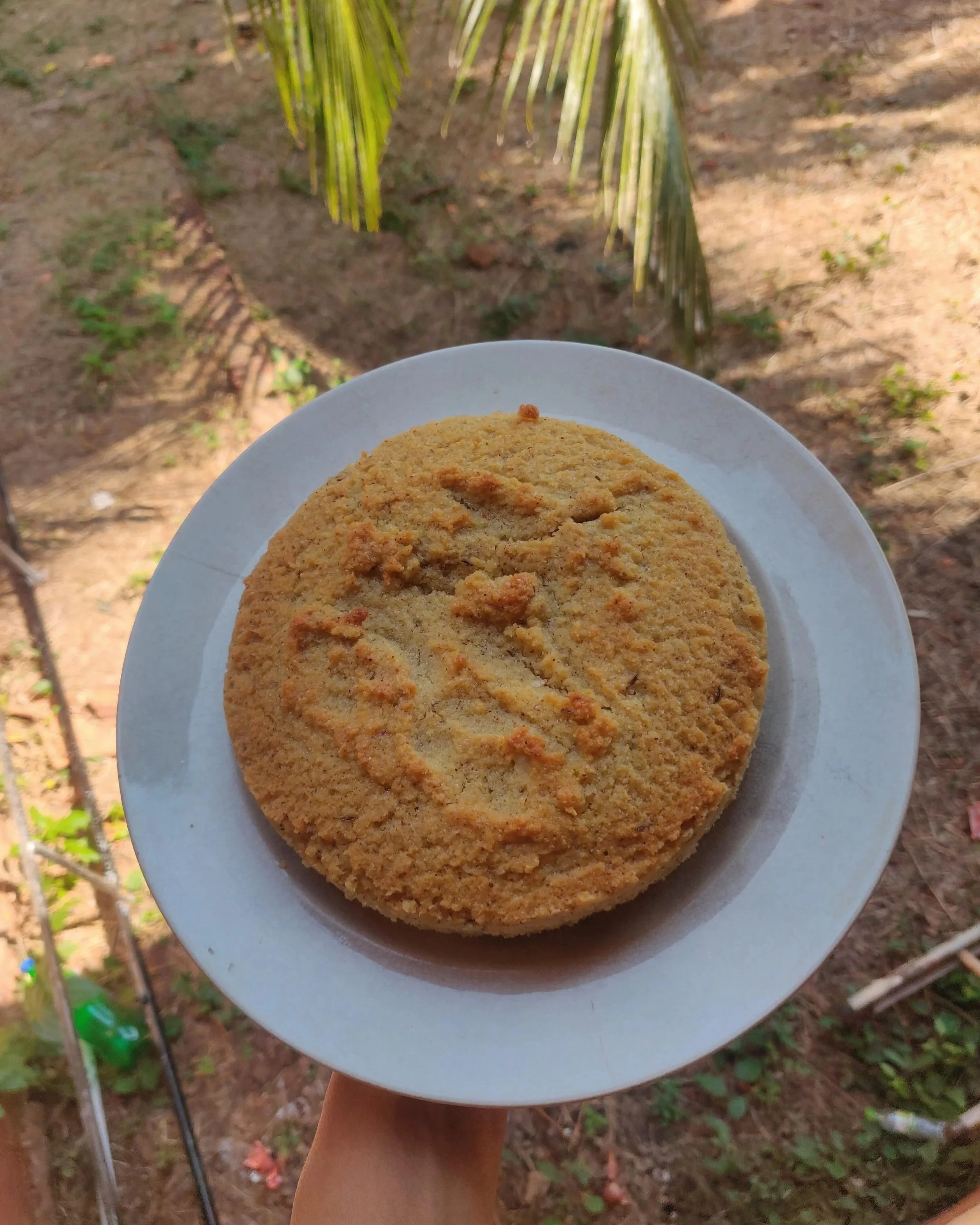
Batica is a coconut and semolina cake.
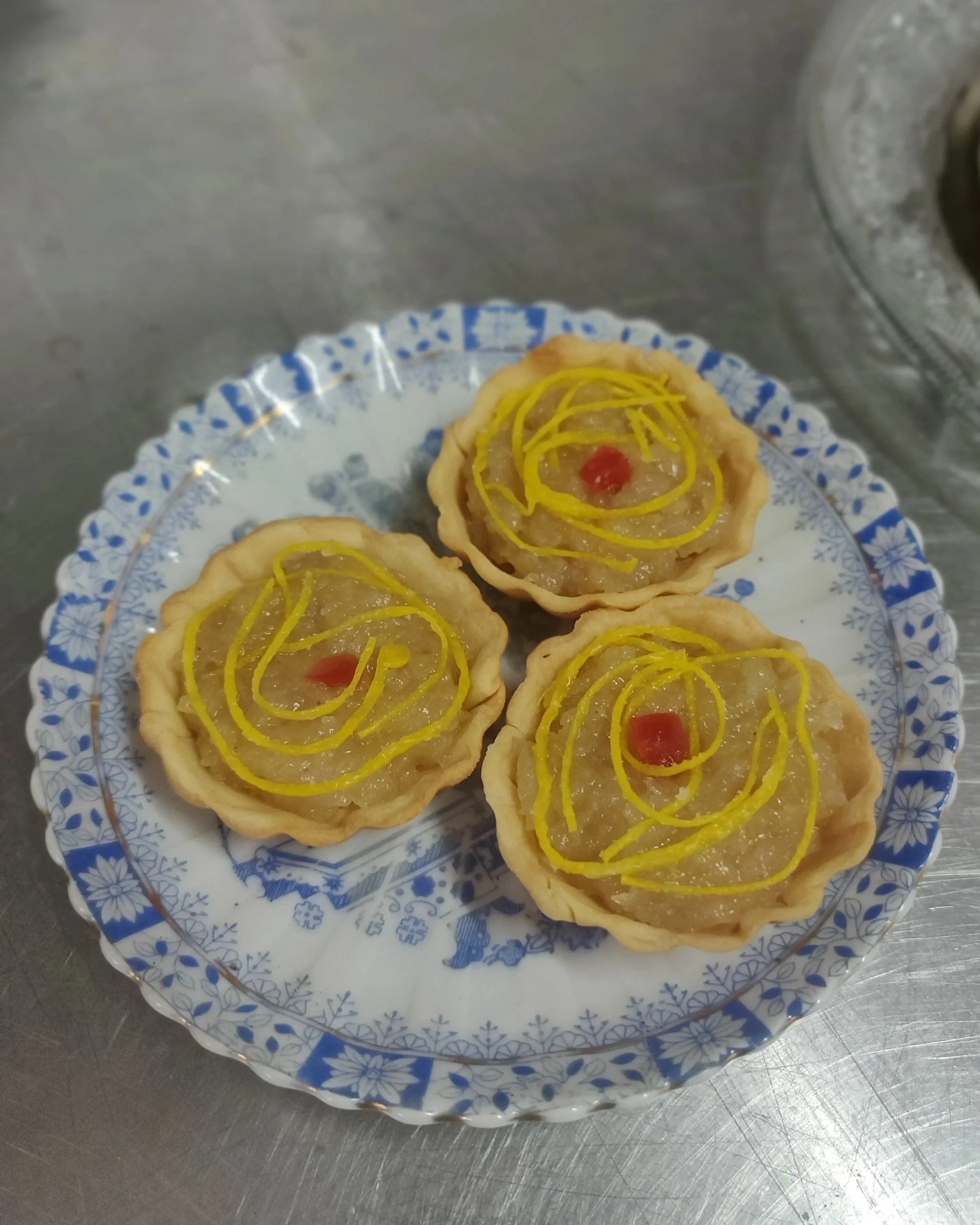
Letri is a coconut relish adorned with egg yolk threads.
Suloddis or polle are breakfast pancakes made with soaked rice and grated coconut. Nursing mothers are given a warm bowl of methi pez in coconut milk, while grandmothers will vouch for the warm bowl of chirgeancho caldo, a moong bean flowing porridge with coconut milk, for those suffering with a cold or sore throat.
In Goa, every occasion is marked with coconut.
Judith Maria Braganca is a microbiologist and enjoys exploring various cultures, in particular, her Goan heritage.
References:
Fatima da Silva Gracias (2011): Cozinha de Goa, History and Tradition of Goan Food. Broadway publishing house.
Elsie Antonette Maciel (1983) Goan Cookery Book.
P. F. J. DeSouza (1917) Goan Cookery book or Randop Xicpachem Pustoc.
Photo credits: Judith Maria Branganca and Joanna Lobo.
ALSO ON GOYA