Bari: A Little Known Wedding Ritual in Uttar Pradesh
In the Ashraf family, weddings were always characterised by a sweet, communal ritual called bari dalna. It involved the womenfolk of the family getting together to make bari or sun-dried lentil dumplings to feed a house full of people through weeks of celebration when resources did not stretch far enough for anything else. Amina Ashraf takes us through this little-known ritual.
A wedding in any ordinary South Asian Muslim household usually begins with haldi or, as we call it, mayoon. But for generations of the Ashraf family in Kichhauchha in Ambedkar Nagar, Uttar Pradesh, the wedding celebration starts nearly two weeks before with another ritual called bari daalna.
As the invitation cards reach the relatives, it begins with a question, passed from one khala to the next: Bari kab dalegi?
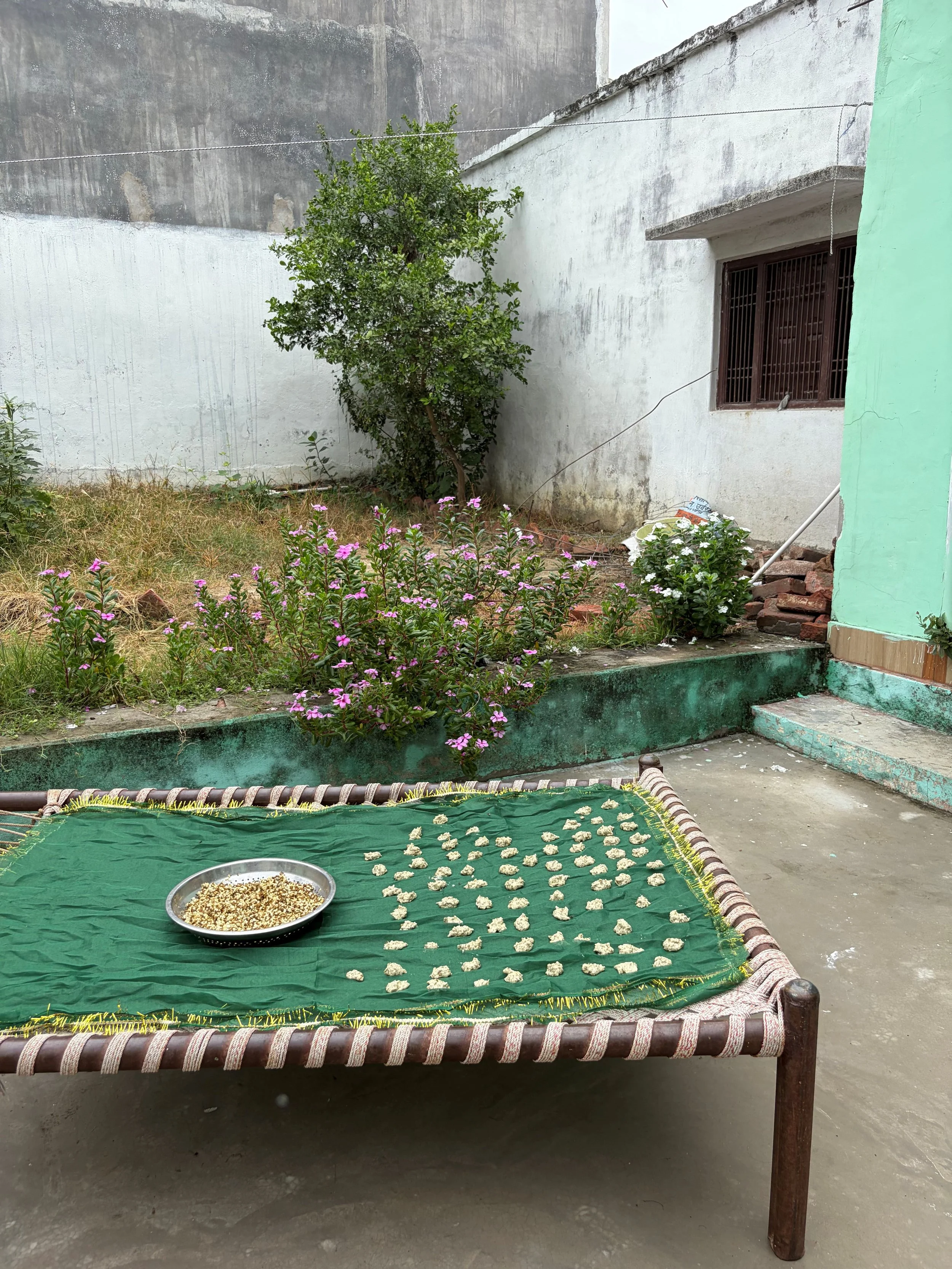
The wedding ritual is a close-knit ceremony, with no caterers and no photographers, only the immediate family of the bride or groom gathering to make bari, dumplings made from ground urad, or maash ki daal, shaped by hand and left to dry in the summer sun.
What is interesting is that the ritual has seen its invitation travel from handwritten letters, to bulawwas, where someone would personally visit relatives and neighbours to extend the invitation, to telephone calls, and now to the blue ticks of a family WhatsApp group.
As my mother, Rana Ashraf, remembers it, earlier, weddings used to be month-long affairs. “Guests would visit the shaadi wala ghar (wedding home) weeks before the wedding day. The whole house would be full. The rituals that we call culture today were simply a way of bringing everyone together under one roof. Bari daalna bhi usi se nikla."
Wedding preparations back then had a lot to do with meal preparations. In the ‘50s and ‘60s, because most families owned farms, the easiest ingredients to source were lentils, rice and wheat. Eating meat daily was not economically feasible. Meat wasn’t easy to come by, but what was available was grains, dal, rice and wheat. My aunt Naheed Ashraf or Badi Amma tells me that the ritual of bari was born out of a way to feed a house full of people through weeks of celebration when resources did not stretch far enough for anything else.
Badi Amma, now in her seventies, has overseen and made bari ka salan before every wedding in our family. “Bari is a dish born out of the same intent as every dish that came before it, which was a necessity or need, today famously plated as a cultural ritual. It was a replacement for meatballs. But making it in such colossal quantities required the community, and that is how the preparation day became a full day of celebration,” she says. Besides being a shagun ka khana at weddings, it was cooked throughout the year for special occasions. Bari ka qeema, aloo bari, and even bari gosht, made to make up for times when there was not enough meat for everyone.
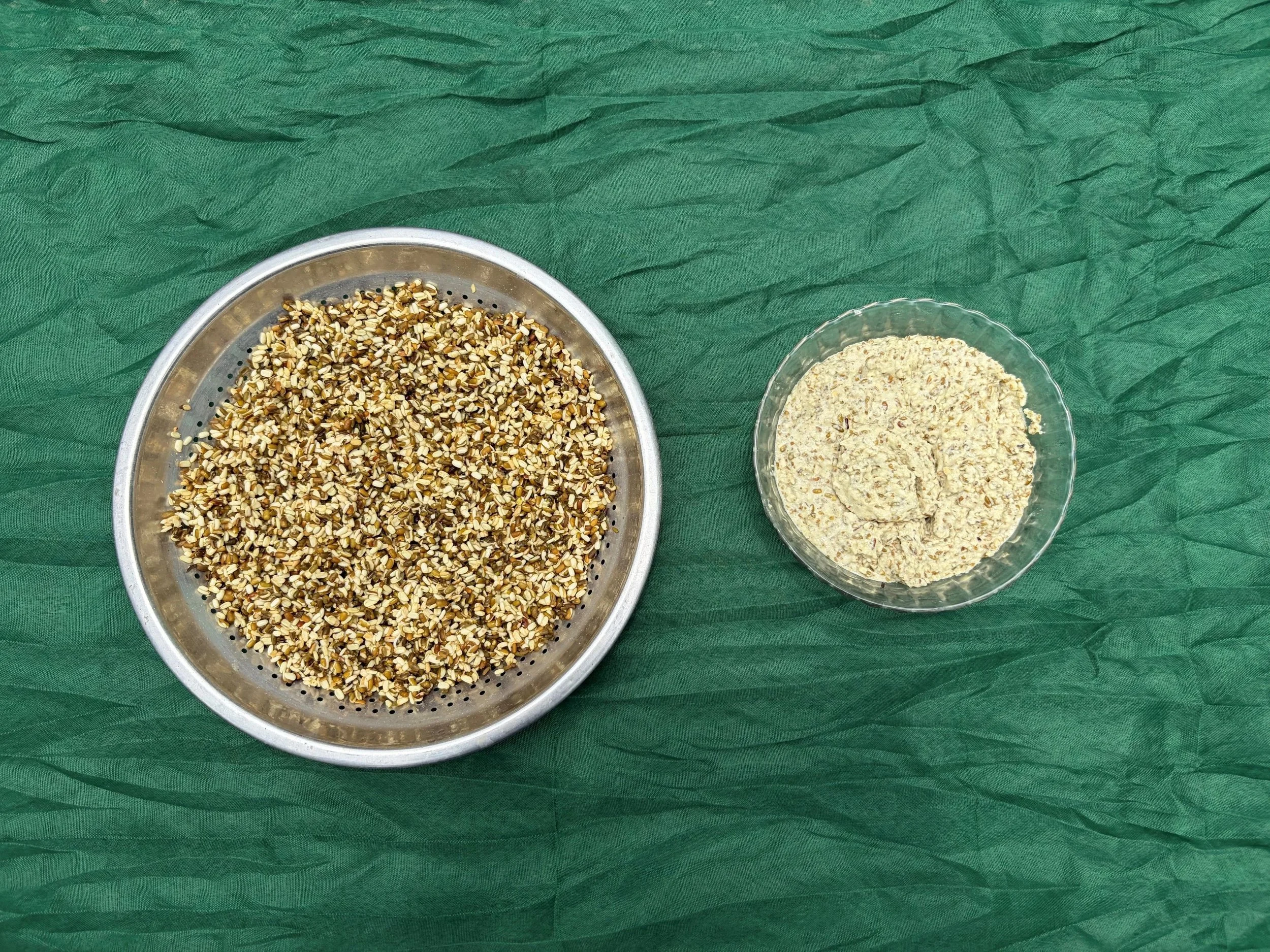
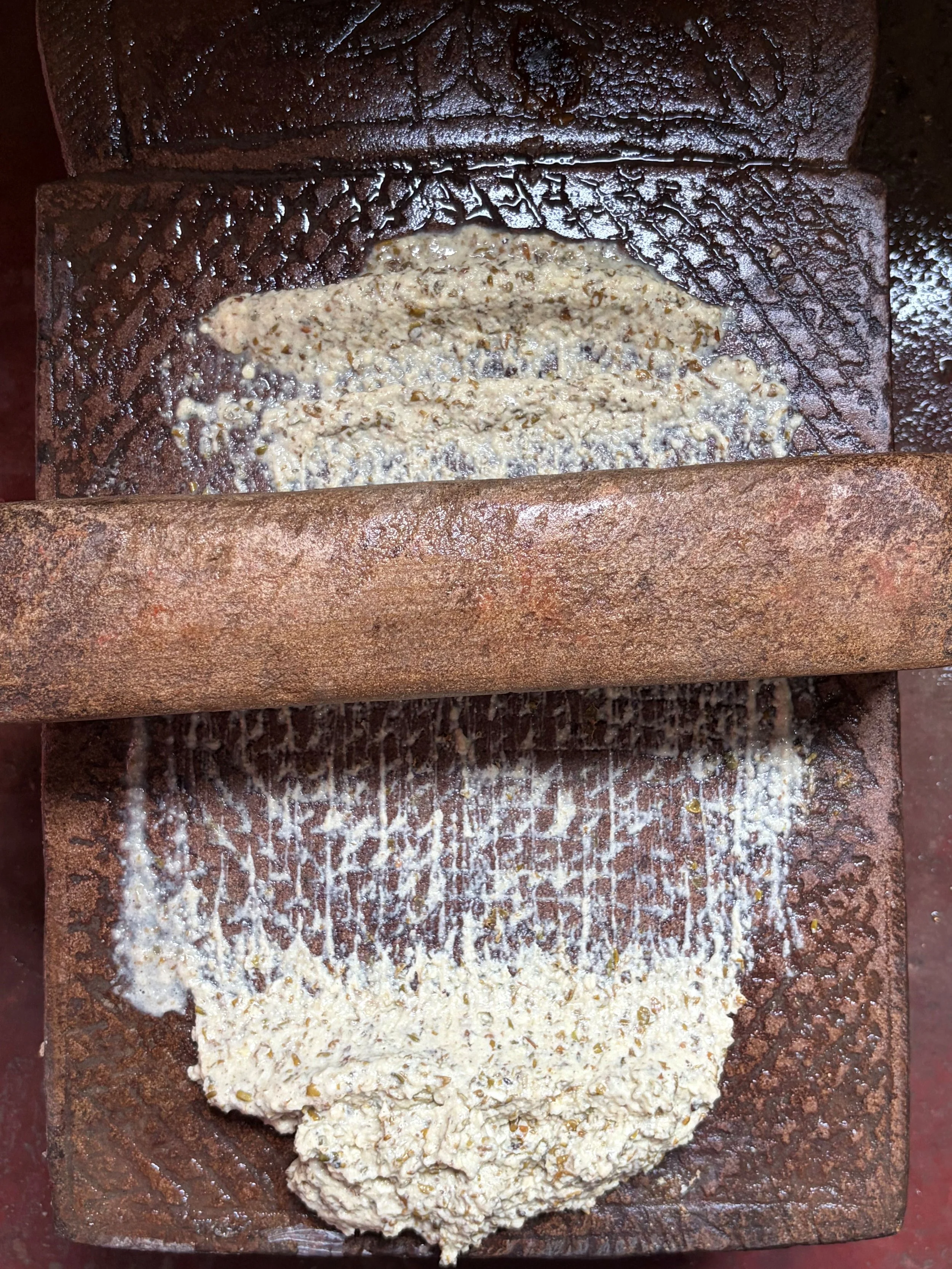
The ceremony itself begins the evening before, when the eldest member of the family soaks the urad ki dal overnight in a large cauldron. The next morning, the grinding starts on the sil batta (slab and muller), ensuring the soaked dal becomes a thick, coarse paste.
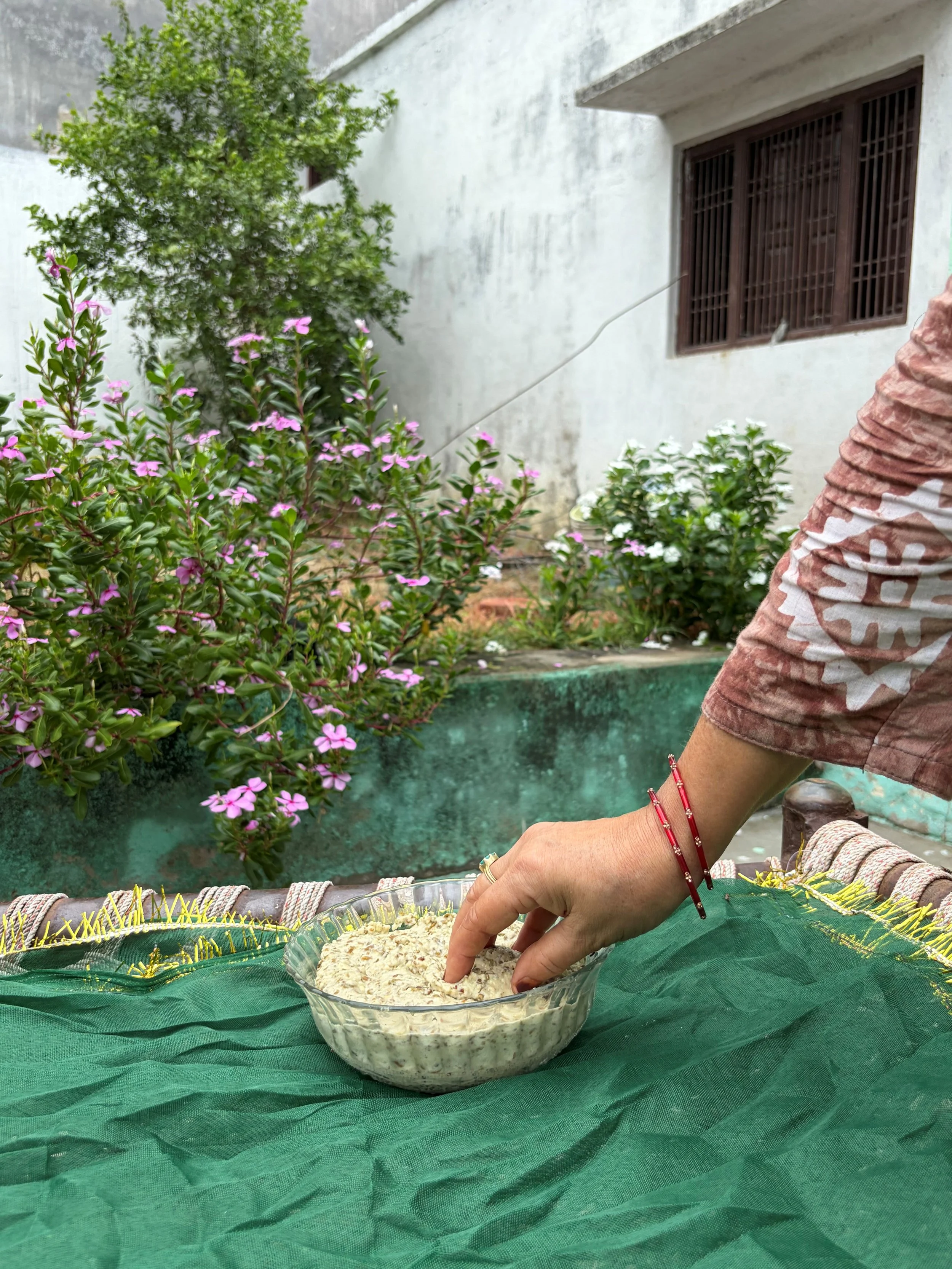
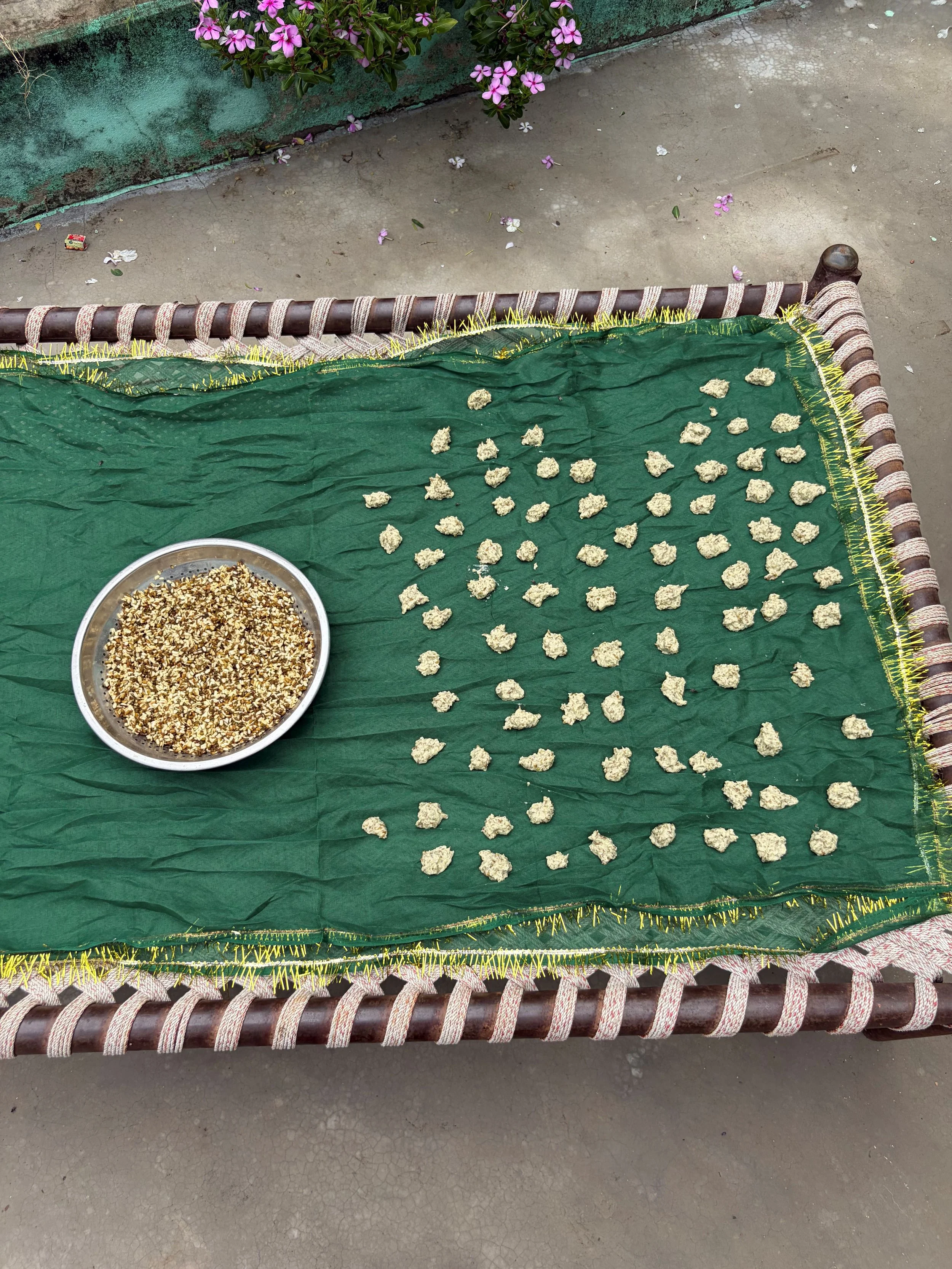
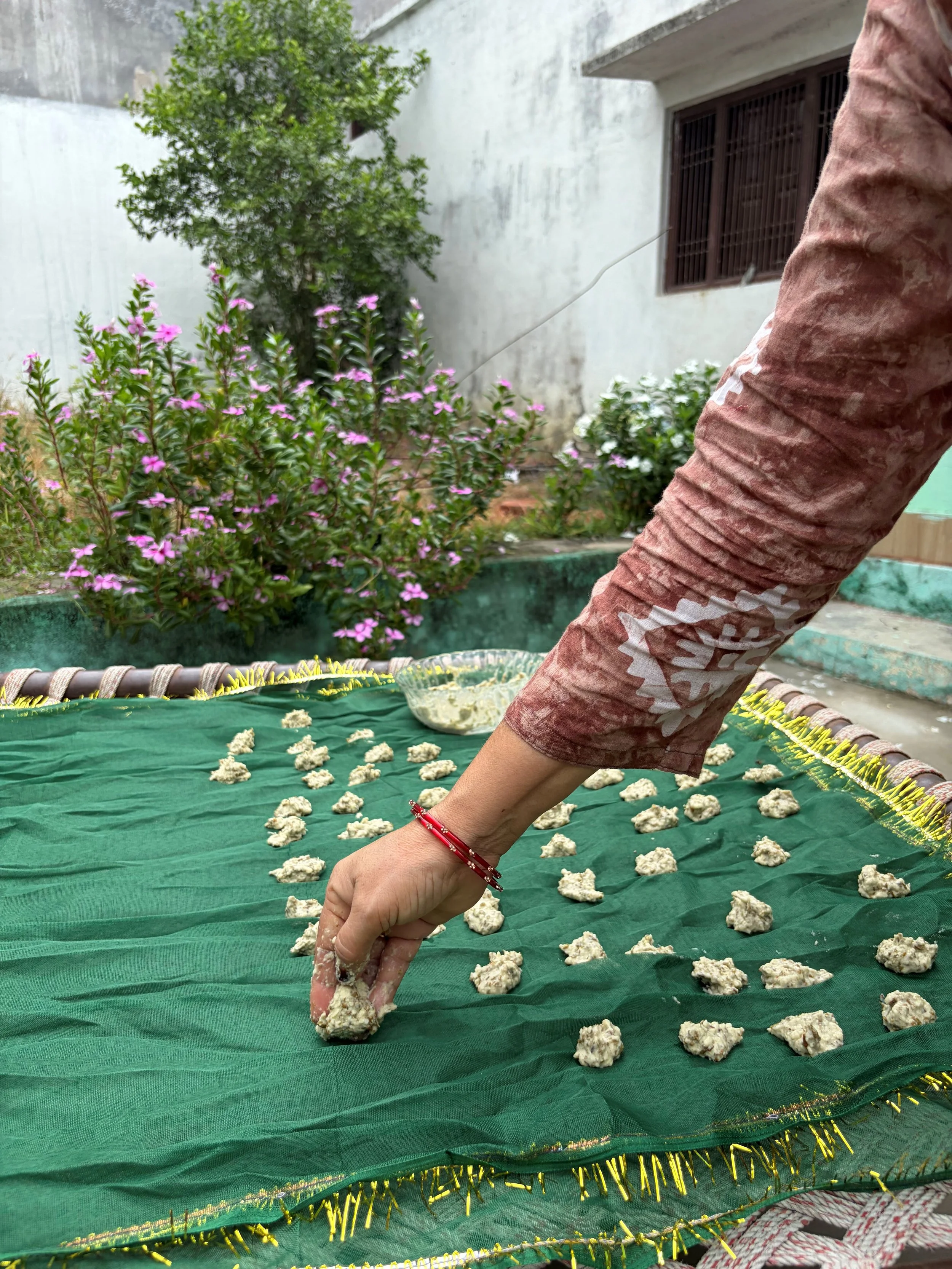
Once the paste is ready, the real ceremony begins with a special chadar (bedsheet) — made with a thin silk cloth with golden lace stitched along its edges, especially for weddings — brought out and spread over the charpai in the aangan. Traditionally, the ritual begins with five married women dipping their hands first in the bari ka paste. The aangan echoes with generations of women who once stood in the same courtyard, carrying forward a food ritual. Surrounding a charpai, these women would stand giggling, cracking jokes and shaping small dumplings with their hands. Initially, only married women were allowed to make bari. But then, as the nanis and dadis softened with age, and with rules, everyone started joining in.
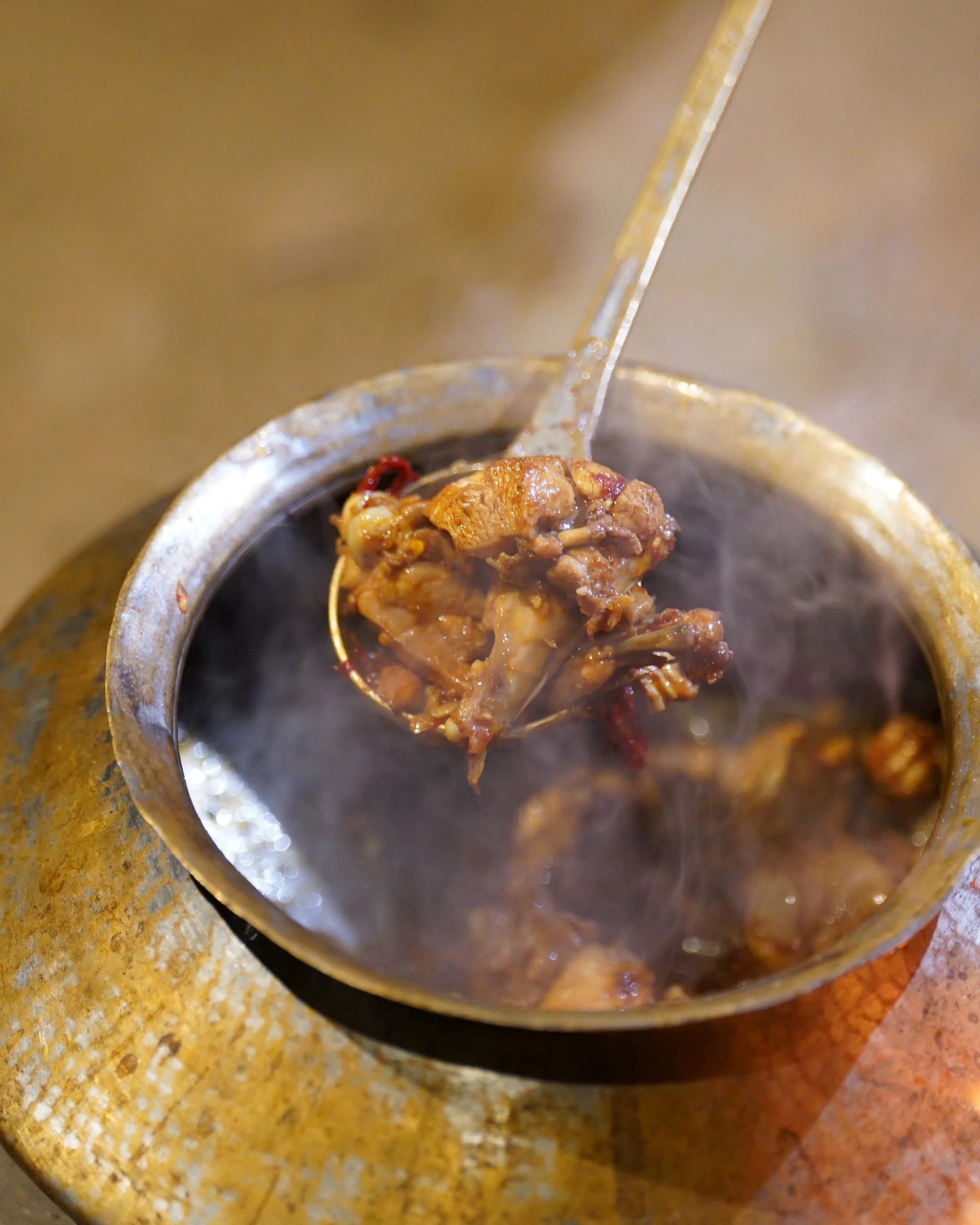
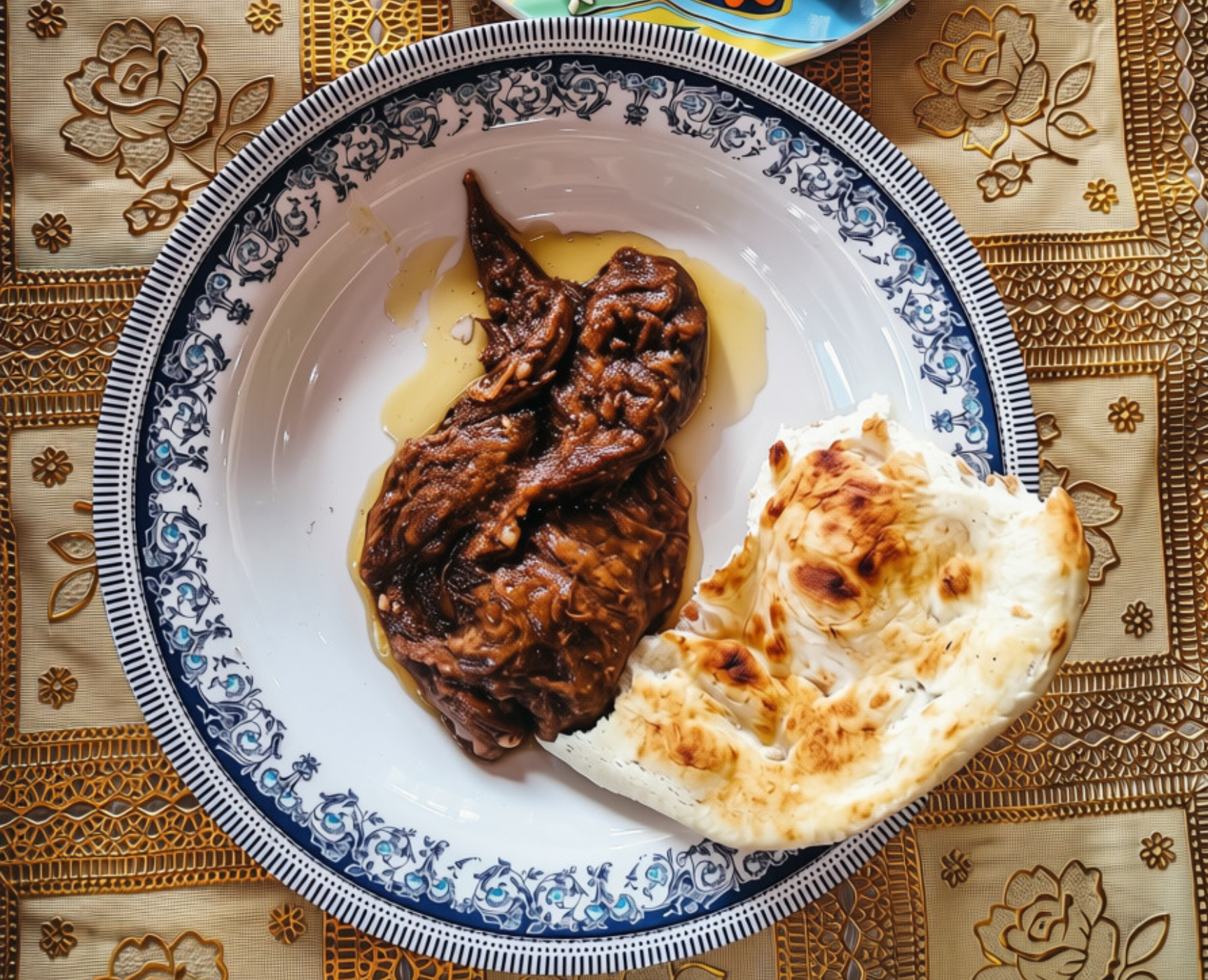
The highlight is the singing — the older women of the family sing the old Awadhi songs. Once enough baris are laid out to dry, the leftover batter is playfully smeared on each other's faces, much like playing haldi. The baris dry over the next few days and, on the day of the mayoon, they are finally cooked in a large deg (cauldron). The gravy slowly loosens what the sun had tightened, the dumplings turning soft and yielding, carrying that deep, traditional salan ka taste that you only really find in recipes made at home.
Dinner that day is served in the same aangan. Bowls of bari ka salan, rice and chapatis are spread across the dastarkhwan.
Today, the dastarkhwan looks extremely different. Bari ka salan is still there, but somewhere it has found itself sharing space with butter chicken, nihari and biryani, dishes that were once reserved for the main wedding day but have now made their way into almost every other function. The spread has become more elaborate, and in that elaborateness, bari ka salan has slowly moved from the centre of the table to the side.
In fact, during my research into this ritual, I realised that very few had knowledge of it. Rani Alam, who belongs to a prominent family in Badaun, says, “We have cooked bari as a dish many times in our family, but never as a shagun ka khana for the mayoon," she says.
The decline is already visible, even in families who continue to observe the ritual. “I remember our mothers soaking ten kilos of urad ki daal, and almost every charpai in the house would be covered with baris drying in the sun. Now barely one charpai is used. The wedding is a three-day affair now and not fifteen. And so, these collective cooking rituals are slowly witnessing a loss,” says Badi Amma.
As families move from aangans to balconies in high-rise apartments, the sun falls a little less on our doorsteps to carry these rituals forward. Perhaps this is what my aunt meant when she said the sun was gentler once. Back then, our recipes and culture were built to receive it. Today, they are not.
As I finish writing this piece, I keep returning to the question my aunt asked me at the end of our conversation, almost as an afterthought, almost as a challenge. “It will continue only if you wish to make it.”
RECIPE FOR BARI KA SALAN
Ingredients
For the bari:
2 cups dhuli maash ki daal (split urad dal) soaked overnight
Salt, to taste
A handful of fresh dill leaves or coriander leaves (optional)
For the Salan:
10–12 dried baris, depending on their size
2 medium onions, finely chopped
1 onion, made into a paste
1 tbsp ginger-garlic paste
4 tbsp oil
1 tsp haldi (turmeric powder)
1 dry bay leaf
1 tsp garam masala powder
1 tsp salt, or to taste
1 tsp red chilli powder
1 tsp cumin powder
½ tsp black pepper powder
2–3 cups water, as needed
For the khada masala:
2 whole dried red chillies
1 tsp cumin seeds
½ tsp black peppercorns
1 tsp coriander seeds
3–4 cloves
2 green cardamom pods
Method
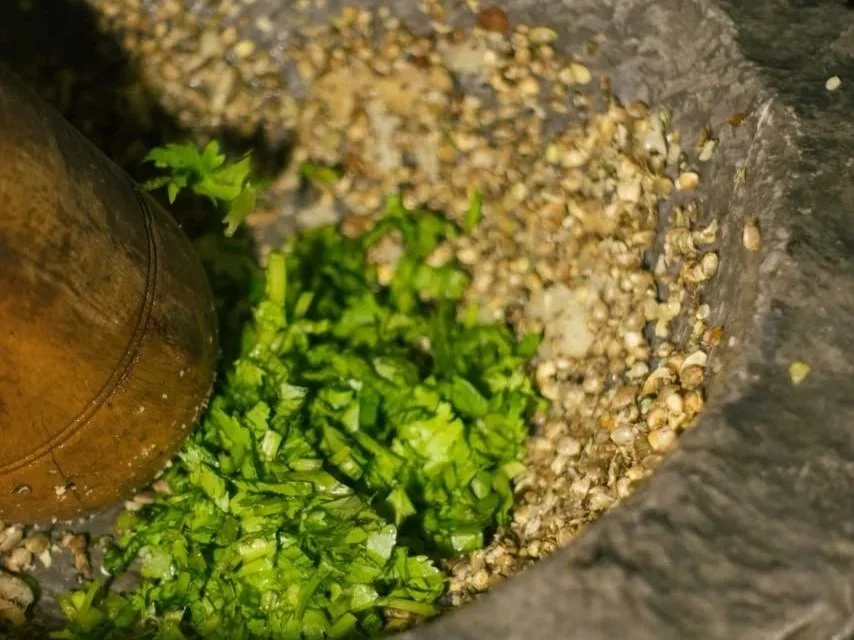
To make the bari, soak the maash ki daal overnight. Grind it into a thick paste using very little water. Add salt and mix in the dill or coriander leaves, if using.
Shape small dumplings with your fingers. Sun-dry for a week until completely hard.
To make the salan, first heat oil and lightly fry the dried baris. Keep them aside.
In the same pan, fry the onions until golden brown.
Add the ginger-garlic paste and cook until the raw smell disappears.
Add salt, red chilli powder, cumin powder and black pepper powder. Add the khada masala and bhuno well. Alternatively, you can use garam masala powder instead of the whole spices.
Add the fried baris and coat them well with the masala.
Pour in water and pressure cook for 2 whistles, or until the baris are soft and the gravy is thick and flavourful.
Garnish with freshly chopped coriander leaves or fresh soya (dill) leaves.
Serve hot with steamed rice or chapatis.
Amina Ashraf is a writer, strategist and consultant lifestyle and culture journalist based in Lucknow.
ALSO ON GOYA