Auyl: The Restaurant Redefining Central Asian Food in Almaty
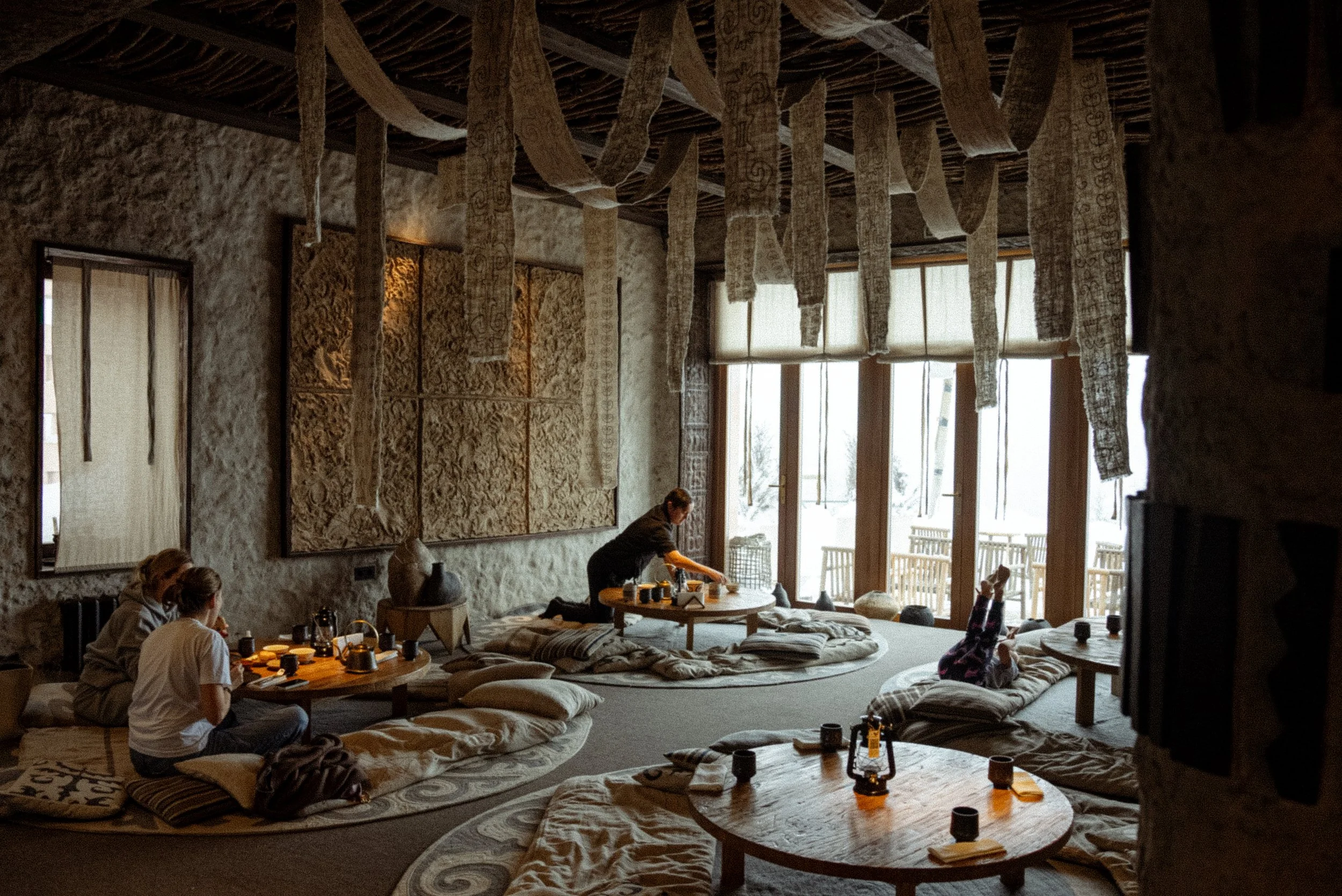
On a visit to Almaty in Kazakhstan, Terrence Manne drops into Auyl, the Kazakhi restaurant making waves worldwide for its neo-nomad cuisine and popularizing Central Asian fare.
Deep in the mountainous Medeu region of Almaty, Kazakhstan sits a restaurant that is making waves around the world. Auyl calls itself ‘an experimental’ restaurant, serving neo-nomad cuisine. Designed in a former Soviet building that was transported from Aktau to Almaty, it is a space that speaks to the harmonious blend of architects, designers, artists, artisans, designers and creative producers.
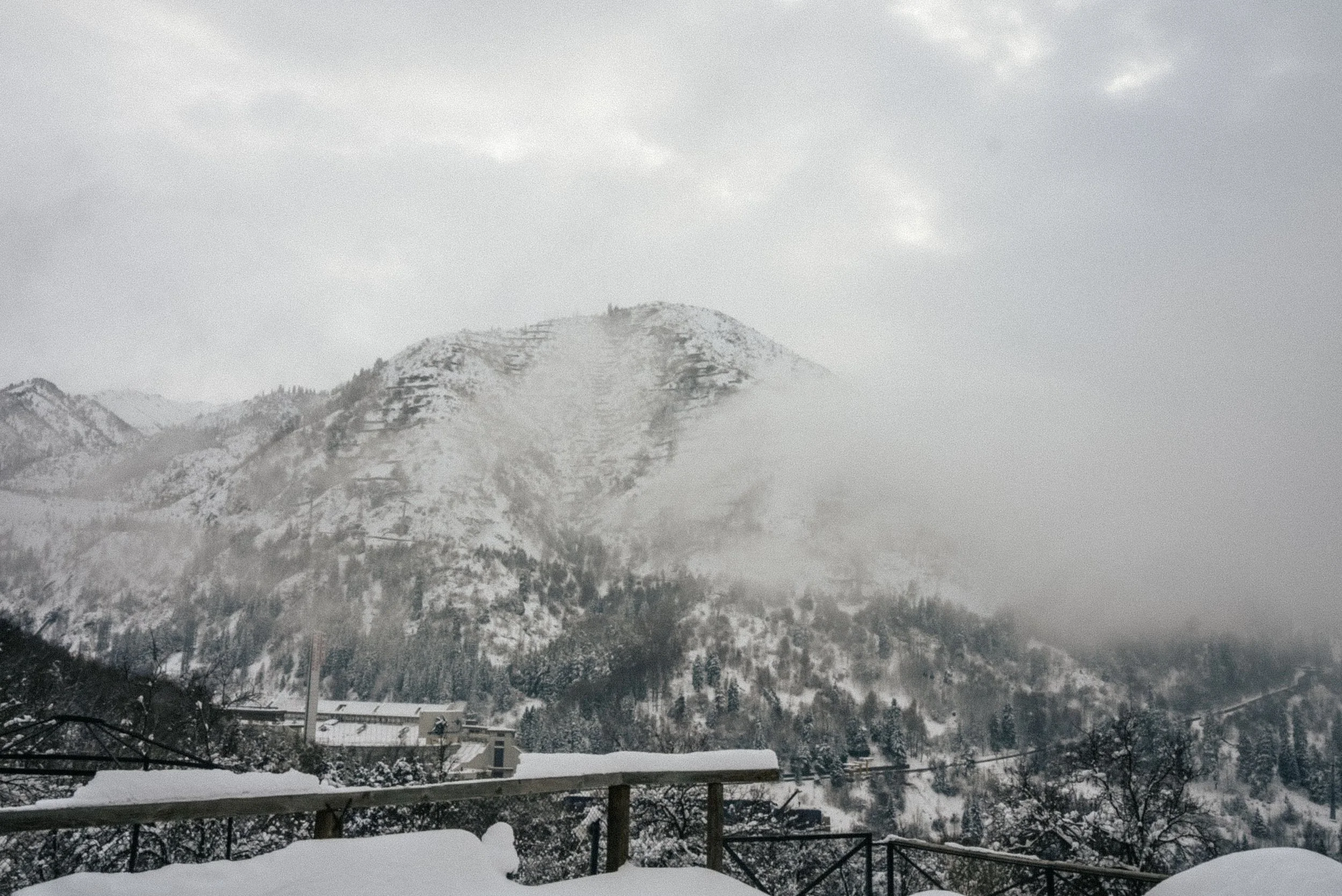
Peaks of the trans Ili Alatau mountains seen through the window.
Auyl is located in a historical building, a monument to Soviet modernism. Above the main entrance, a Soviet-era mosaic by Vladimir Anisimov depicts Kenesary Khan (the last Khan of the Kazakh khanate) on a hunt. Initially built in Aktau — it was the residence of Dinmukhamed Kunaev, a leader of the Kazakh SSR — it was later moved to Almaty.
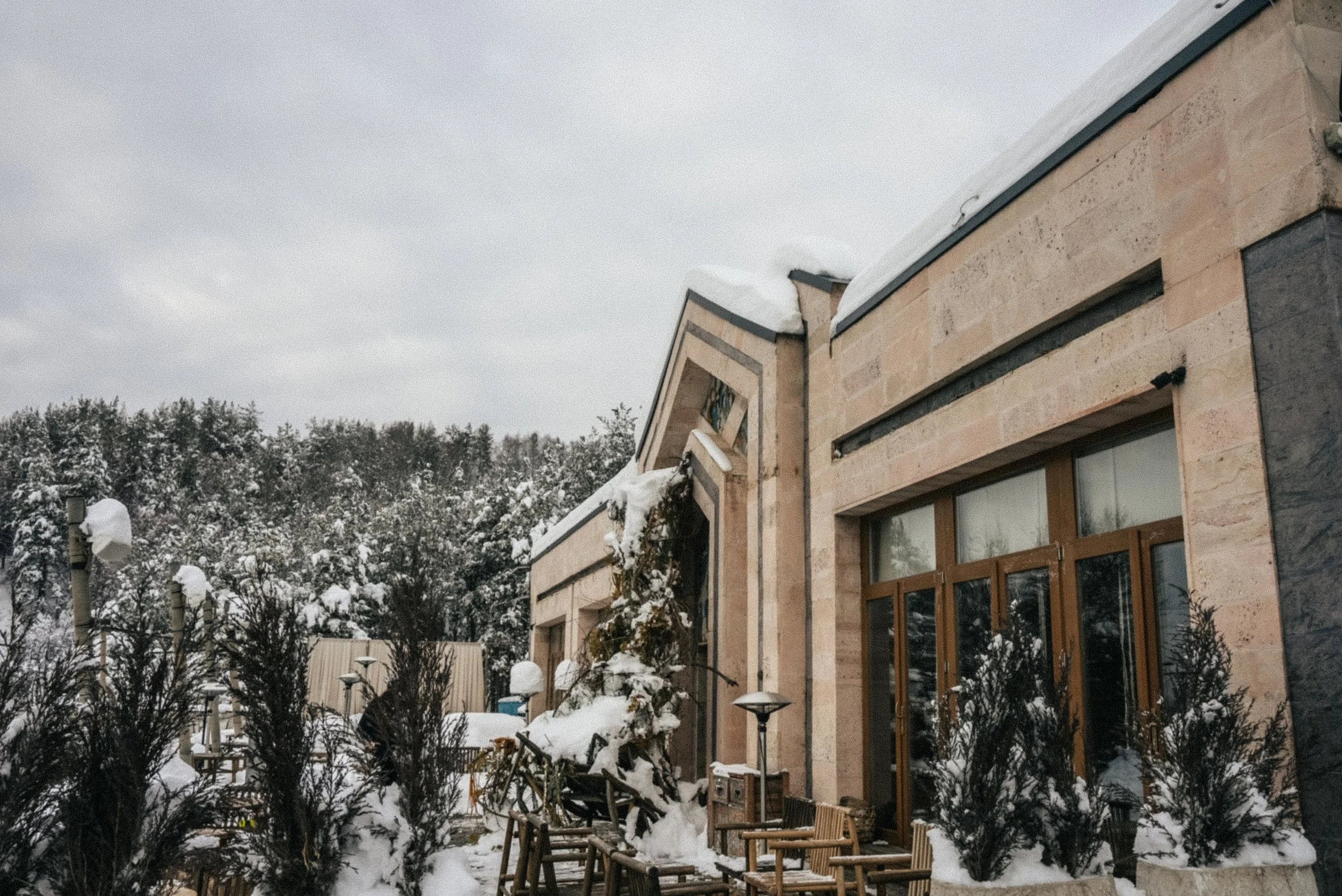
Auyl's Soviet-era facade. The entire building was transported from Aktau in Western Kazakhstan to the slopes of the Trans-Ili-Alatau Mountains.
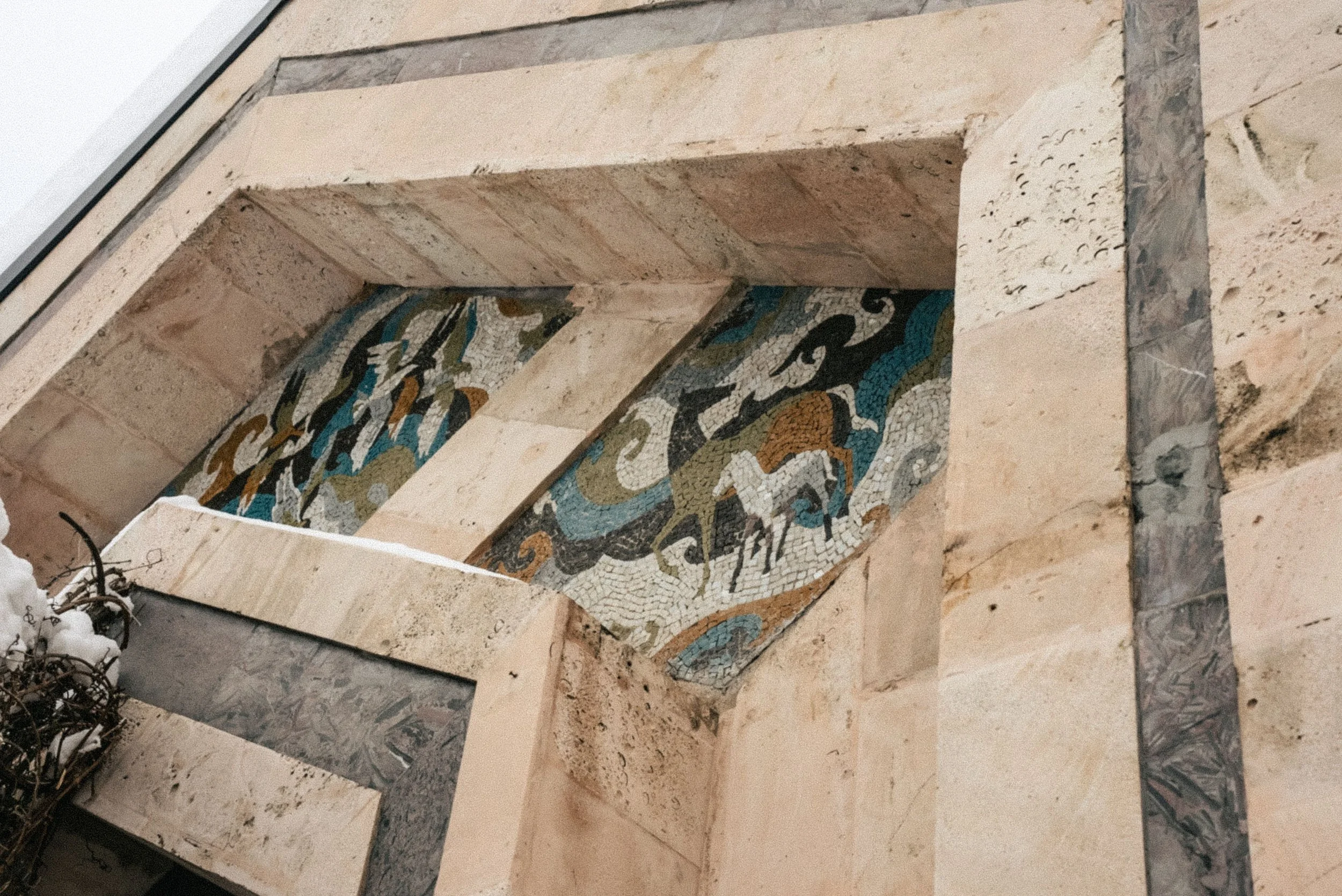
Mosaics at the entrance facade symbolizing the long standing association of the Kazakhs with the horse.
The interior design of Auyl — a collaboration between Elvira Bakubayeva and Aisulu Uali, architects and founders of the NAAW firm, and designer Assel Nusipkozhanova — was done in a manner that every guest feels like they are on the outskirts of an auyl (a small rural village).
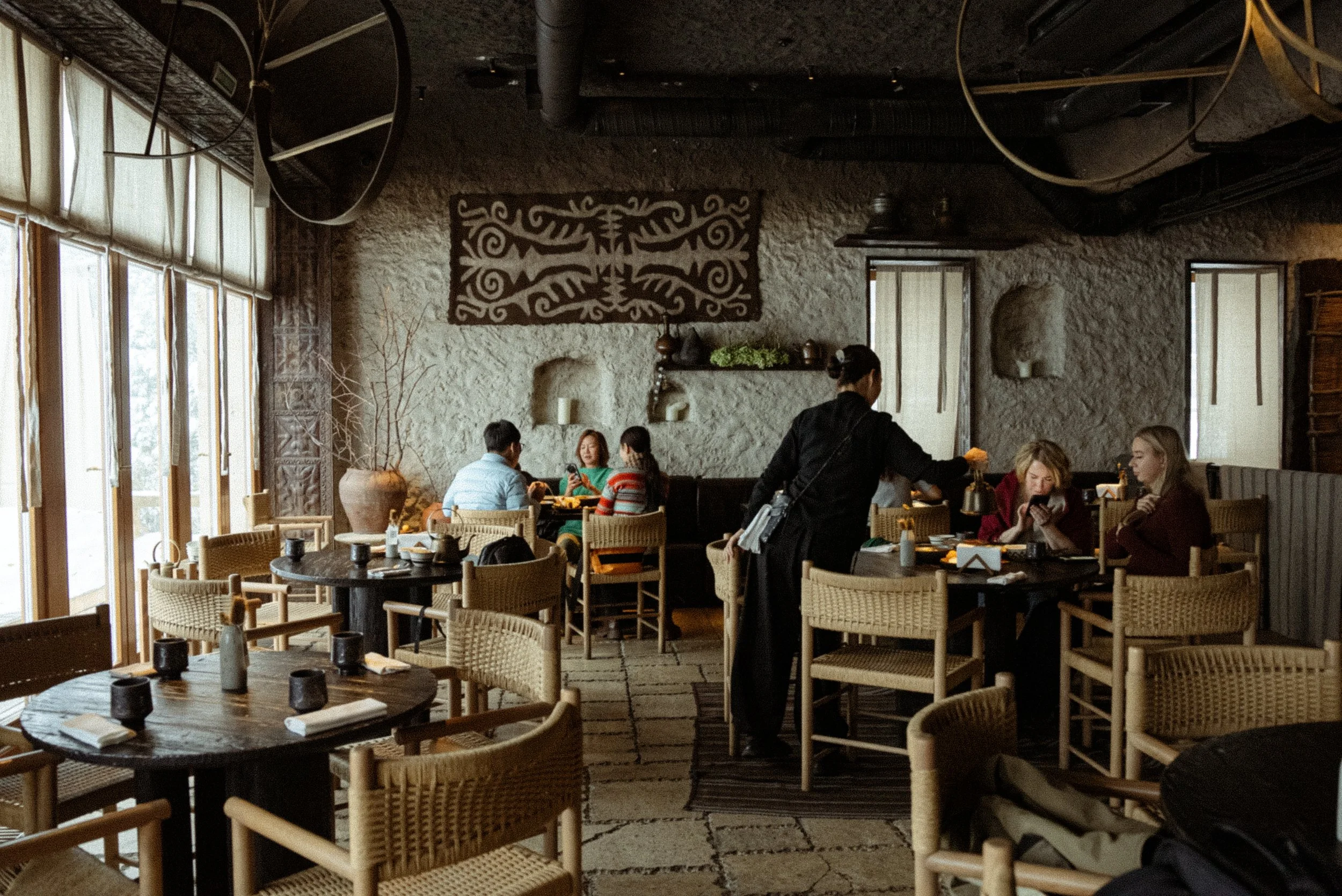
The interior design makes use of many coarse-textured materials: clay, undressed stone, oxidised copper, rough-hewn travertine, brushed wood and jute. It’s what gives it a “wild” feel.
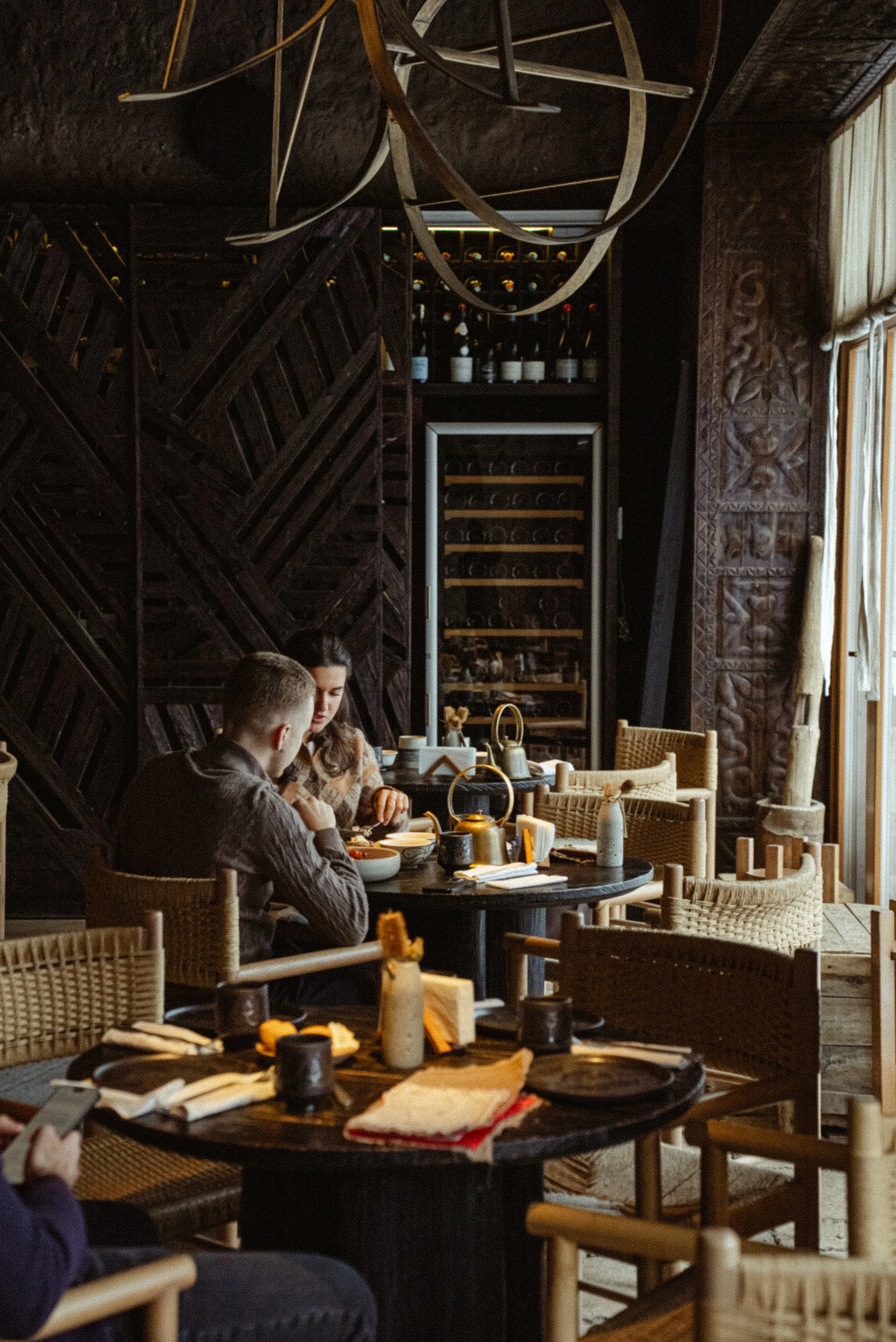
All wooden items in Auyl were assembled using square- and rectangular-shaped planks — that is, the same way they have been made since ancient times.
The restaurant is designed to echo the nation’s nomadic past. A carpet hangs on the whitewashed wall. Nails of different colours arranged in a pattern known as Koshkar Muiz form a sculpture that hangs on the wall. Cane chairs surround the tables, and nomadic utensils are perched on racks high above. The restaurant itself is engulfed in the baritone fusion of throat music and techno. The walls are painted a gradient from the colour of pale clay to that of dark soot, and the floor is made of stone tiles with rough-hewn edges.
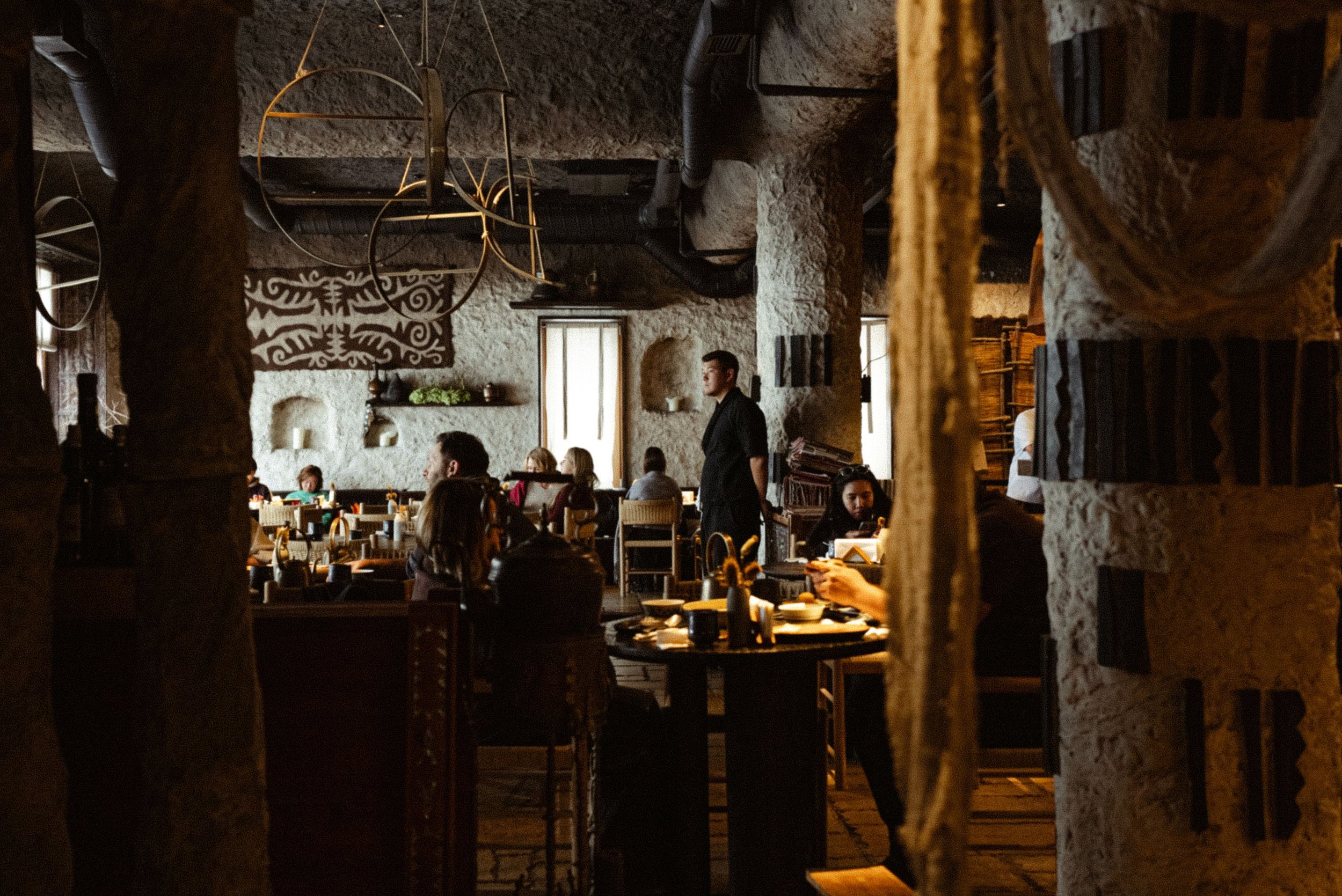
The restaurant is designed to echo the nation’s nomadic past.
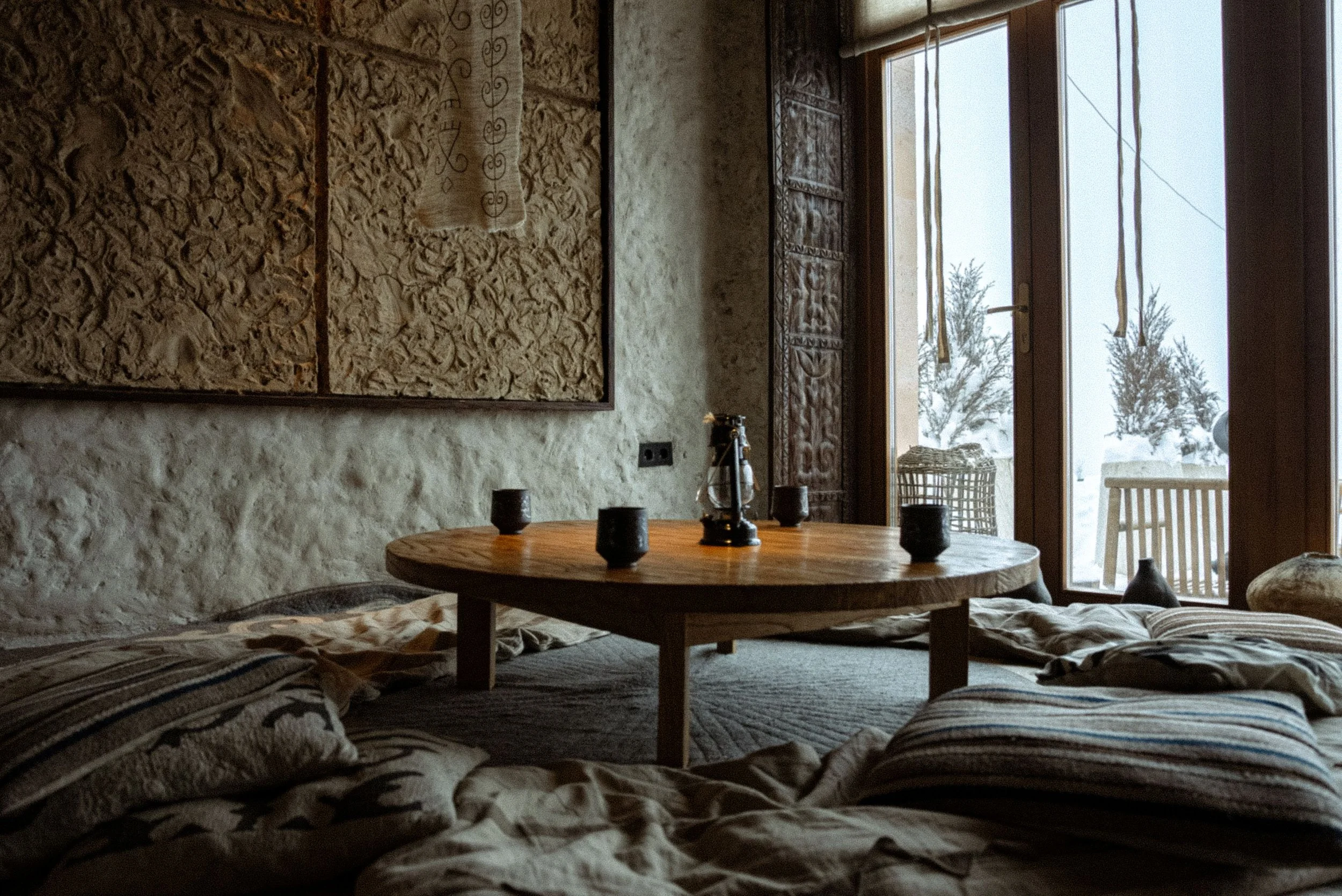
Floor seating inspired by dining traditions of the yurt.
The traditional floor seating is covered with felt shyrdak (colourful felt) floor coverings, körpe (traditional long cushions) and pillows, surrounded by fabric drapery.
There’s a proliferation of wooden elements, handmade items (from pottery to textiles) and the chairs, carpets and decorations, are treated to age naturally.
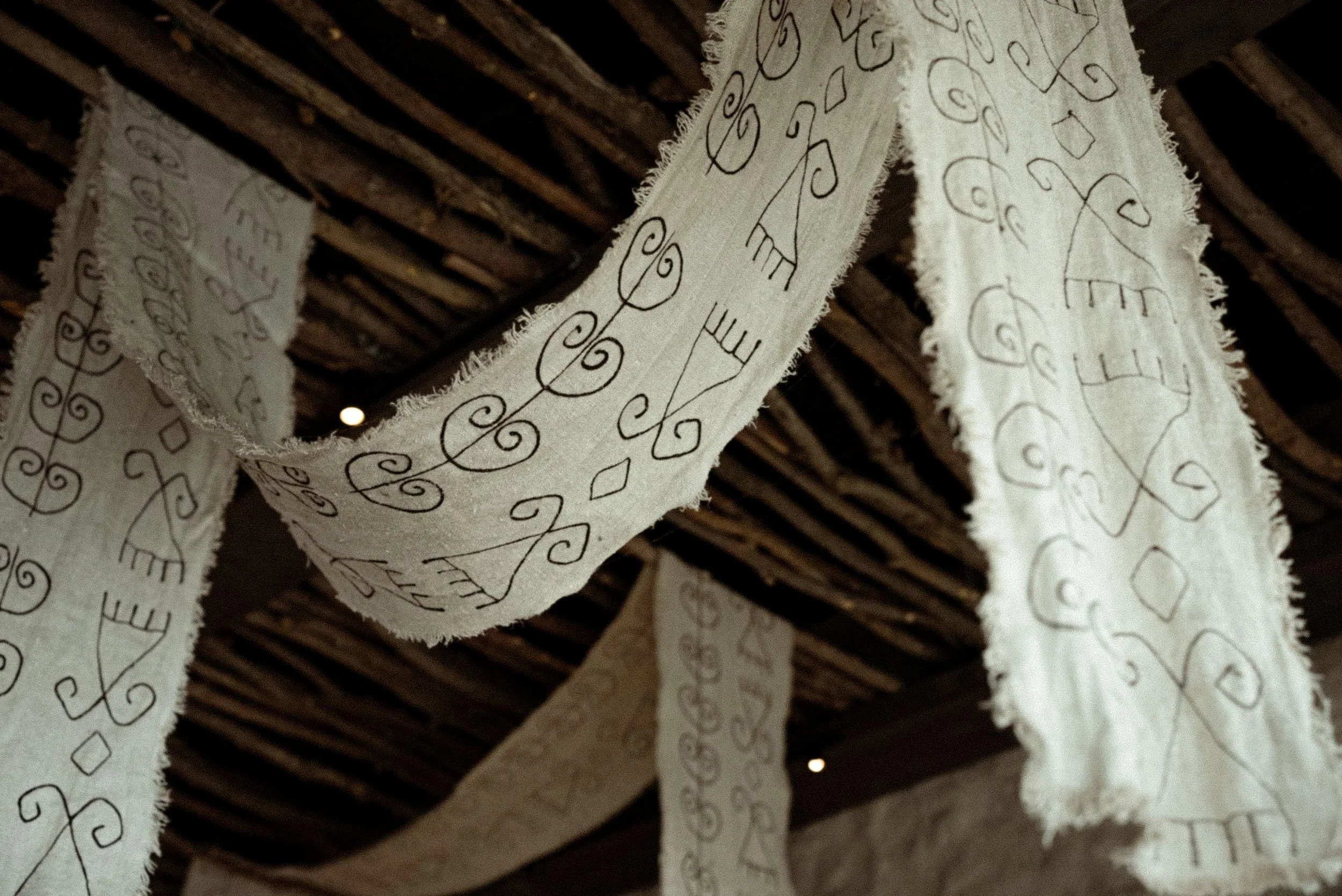
The restaurant also functions as an art museum, with iconography of the steppe cultures going hand in hand with its culinary repertoire. It contains the works of three artists.
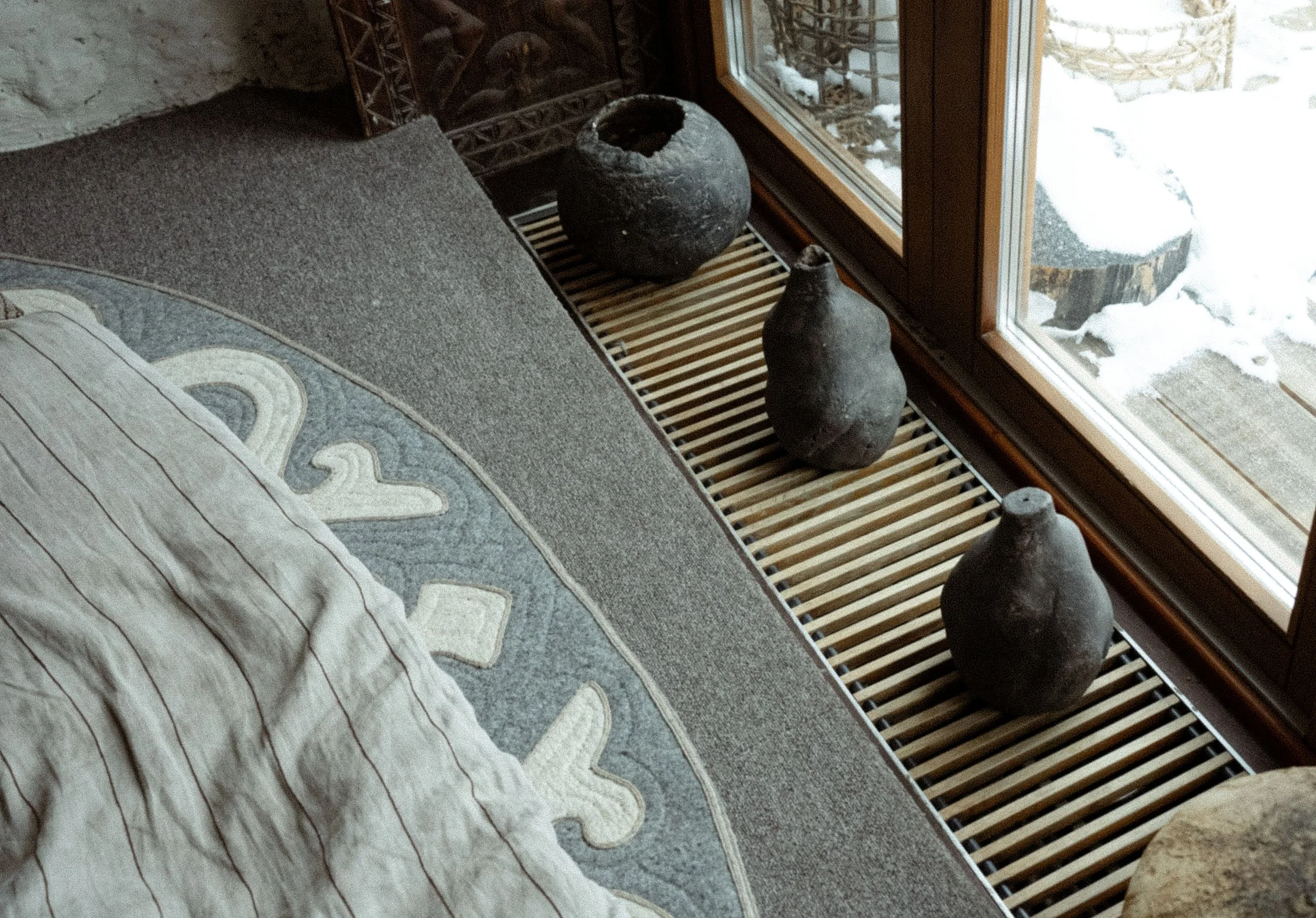
Traditional Kazakh pottery — the vases and pitchers are made of fired clay.
The Food
At the kitchen’s helm is Ruslan Zakirov, chef de Cuisine, who uses ‘familiar products but have completely changed the method of preparations’. The aim is to present Central Asian cuisine in a way that is modern, well-thought-out, so that it is interesting on an international level.
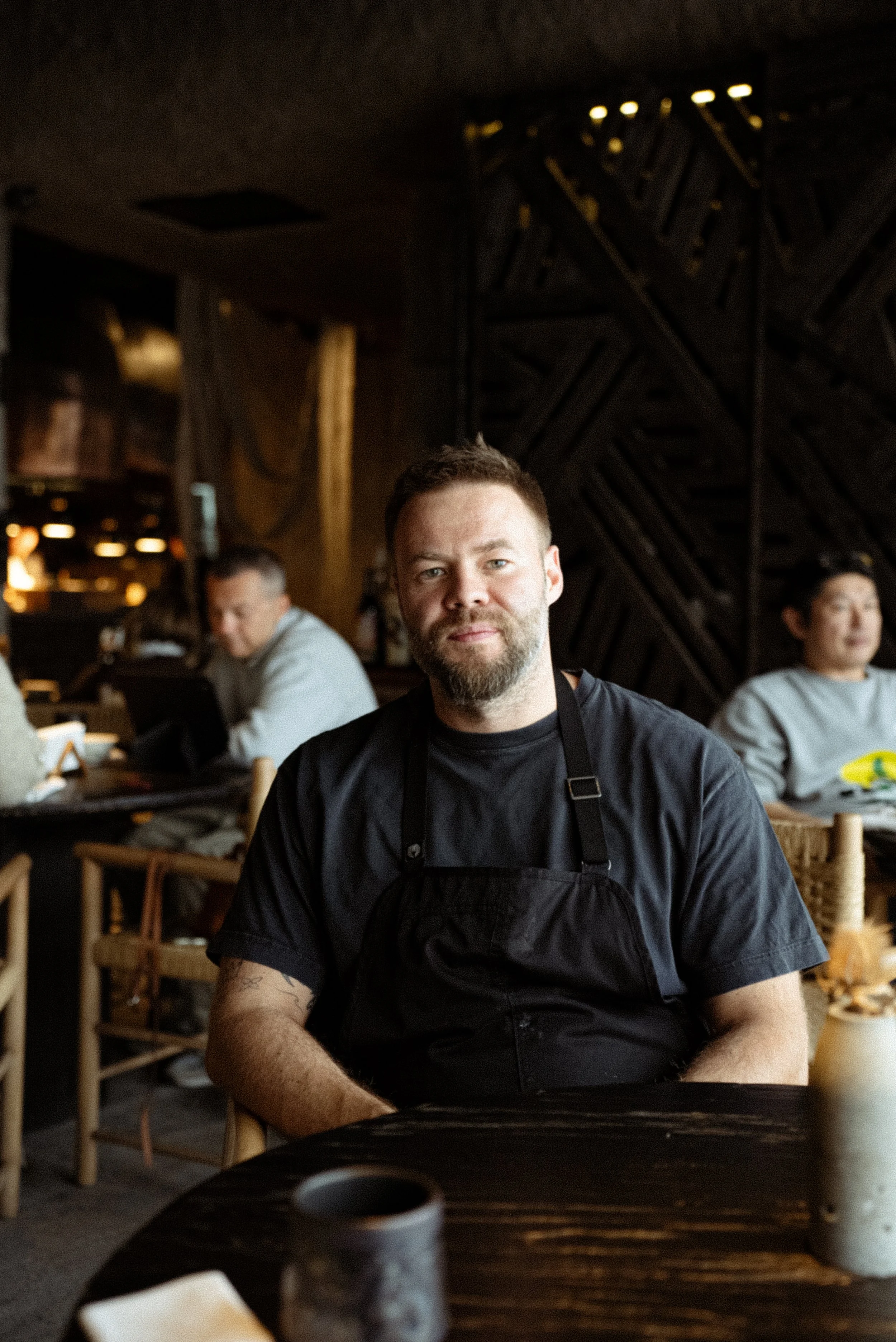
Ruslan Zakirov, the brand chef at Auyl. He looks back in time across Central Asia in search of inspiration for his menu.
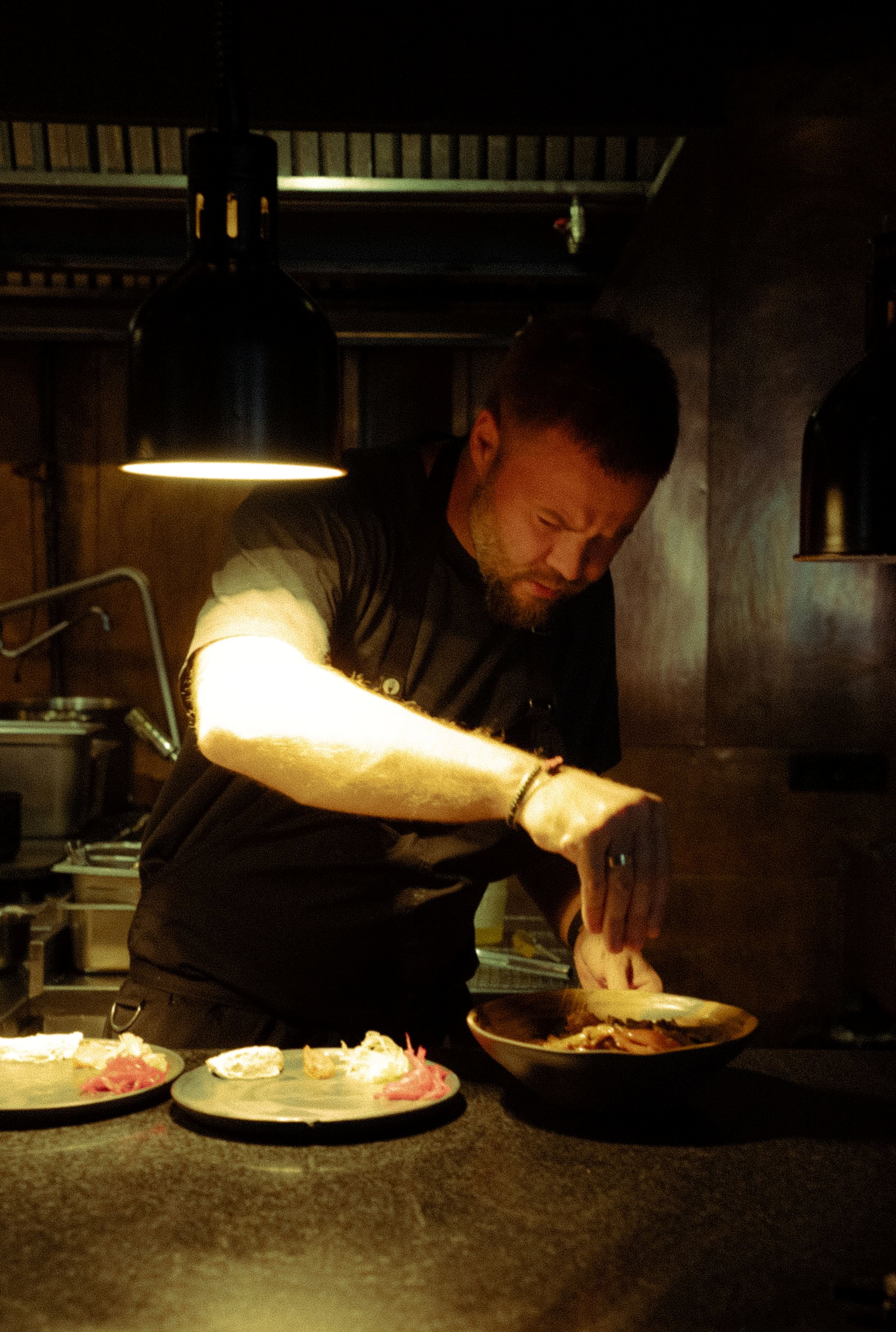
The open kitchen is hard to miss — with smoke from the tandoors and qazans (cauldron) creating a gleamy look as the fumes rise above the warm tinted lamps.
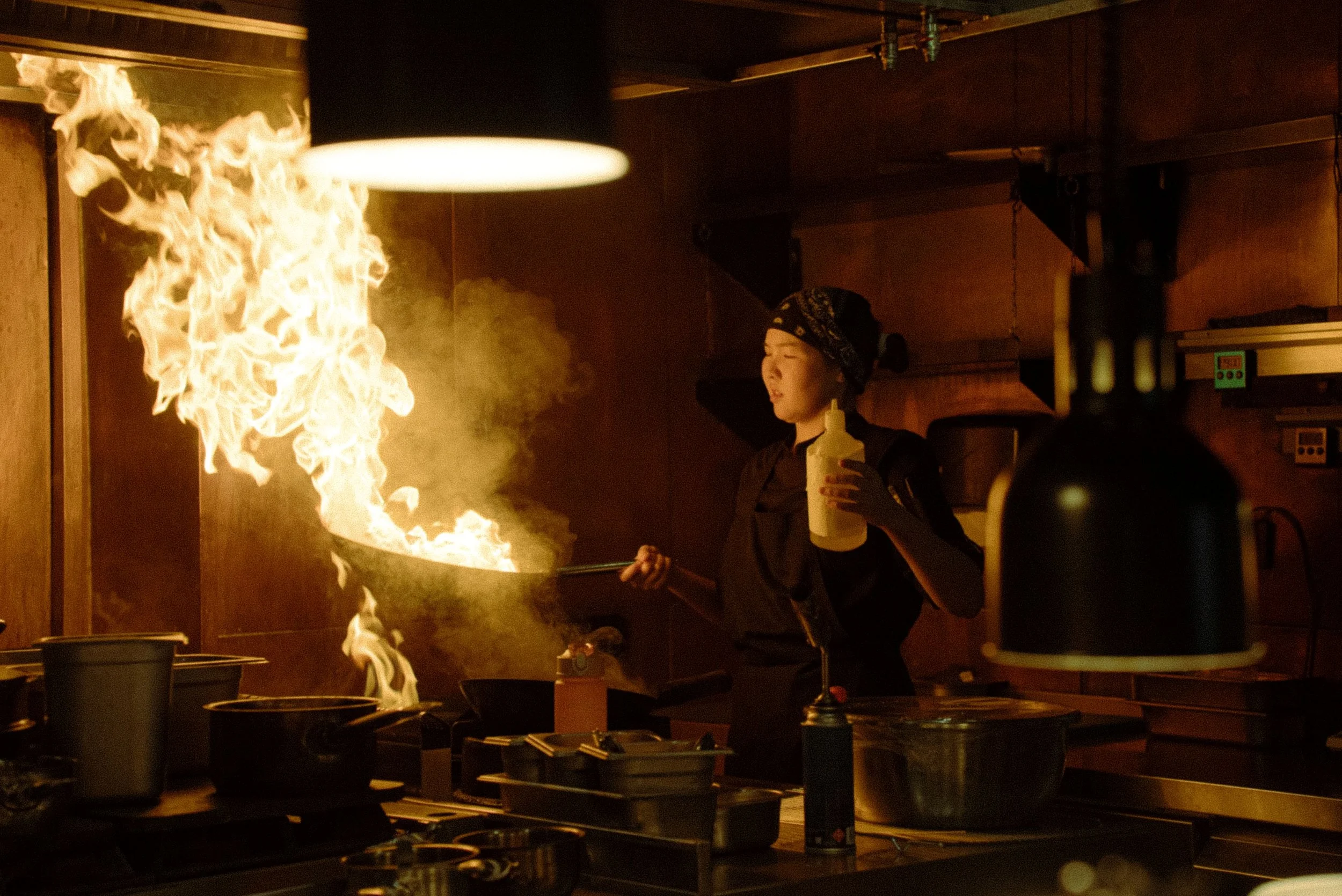
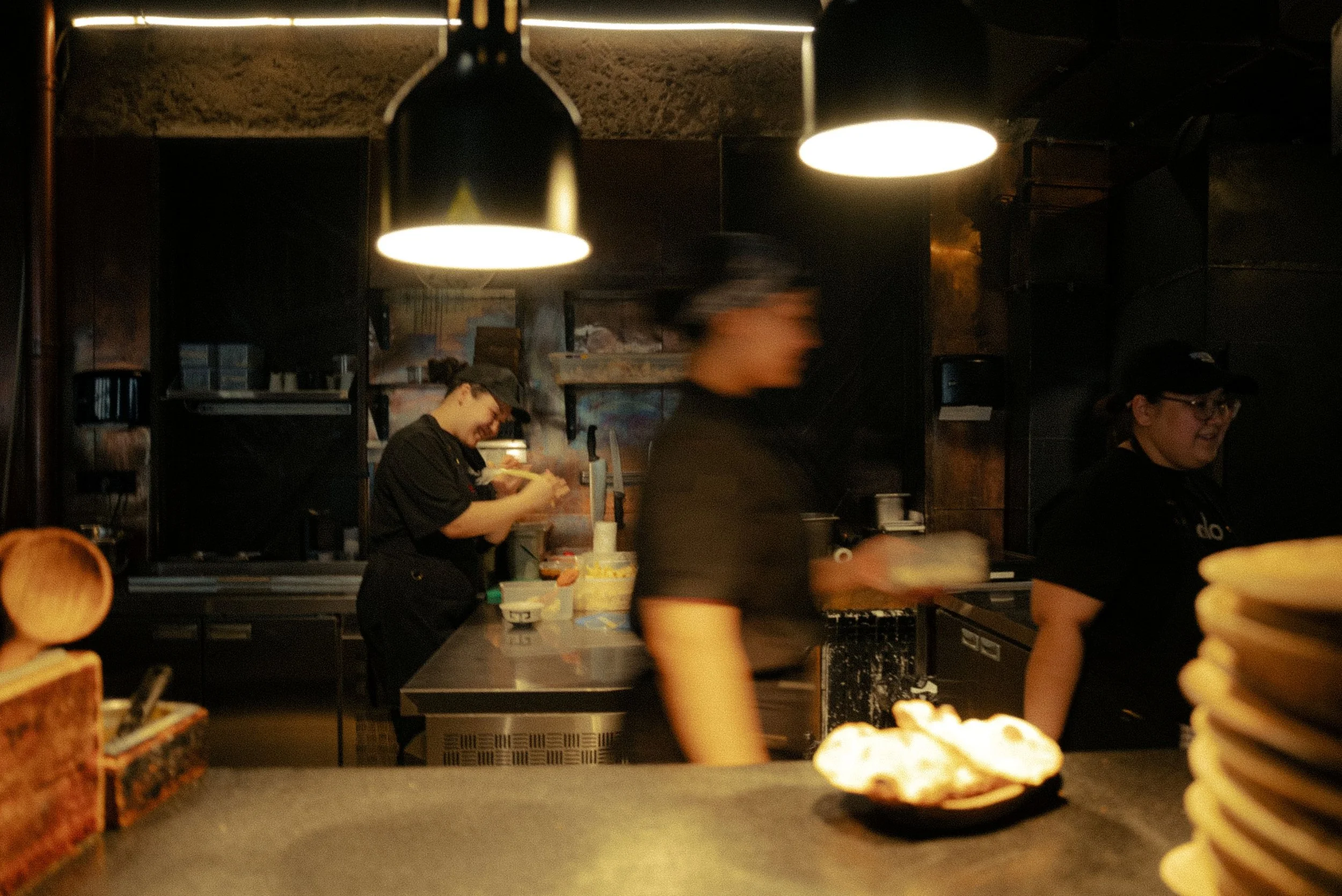
The architects chose an open kitchen restaurant so that guests can witness the entire cooking process — chefs kneading dough, churning kumys (fermented dairy beverage made of mare’s milk), baking flatbread and grilling meat.
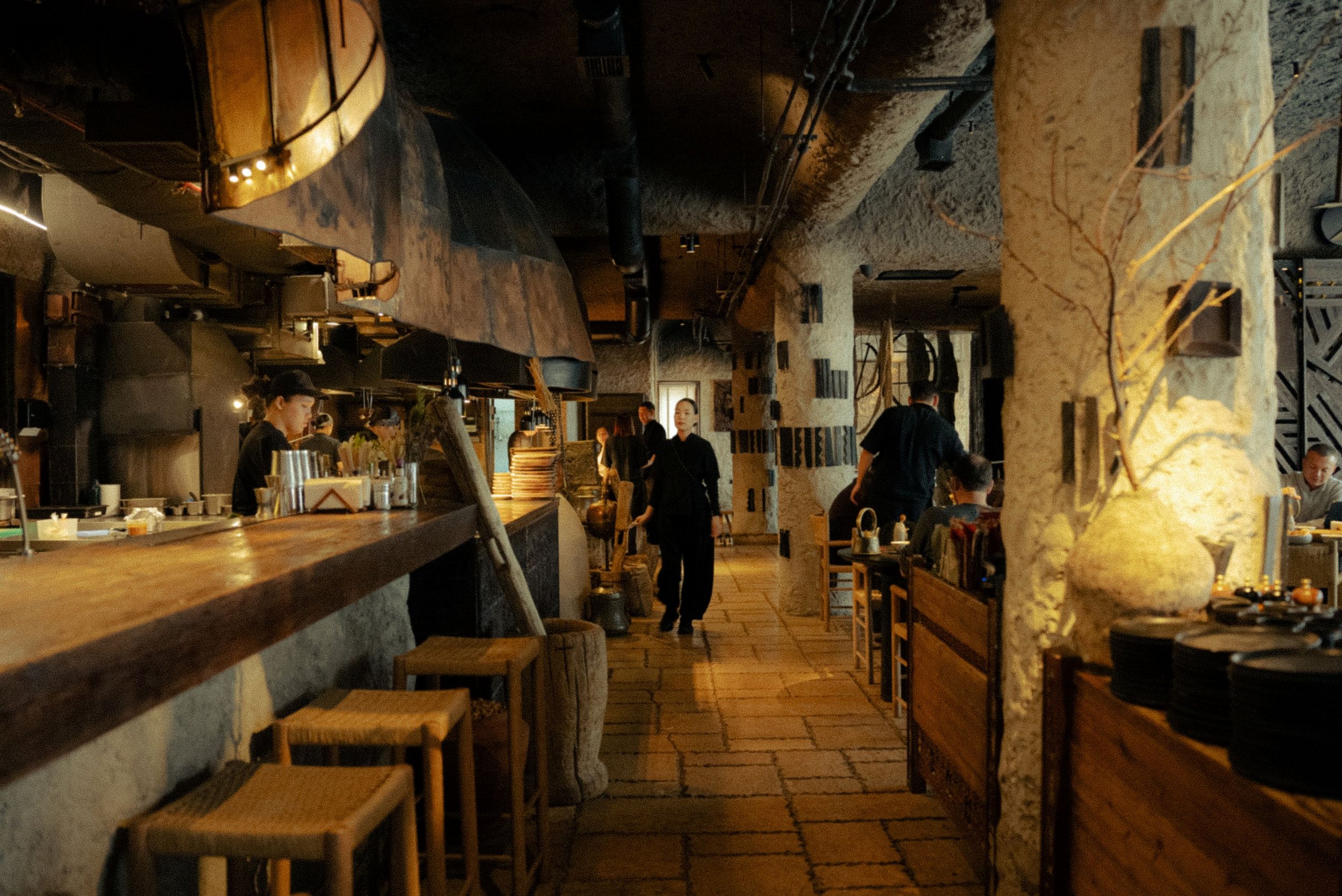
The domes above the cooking area are visually reminiscent of bowls, an important element of nomadic architecture, and work to visually demarcating the guest area from the cooking area.
Auyl is known for doing neo-nomad cuisine — inspired by the ancient culinary traditions of Central Asia with a twist.
Water, flour and meat: the three most important ingredients in nomadic cuisine are the main components of most dishes. Cooking is done over an open fire, in a qazan, on a mangal grill, and in a tandoor oven. Some produce comes from the small kitchen garden.
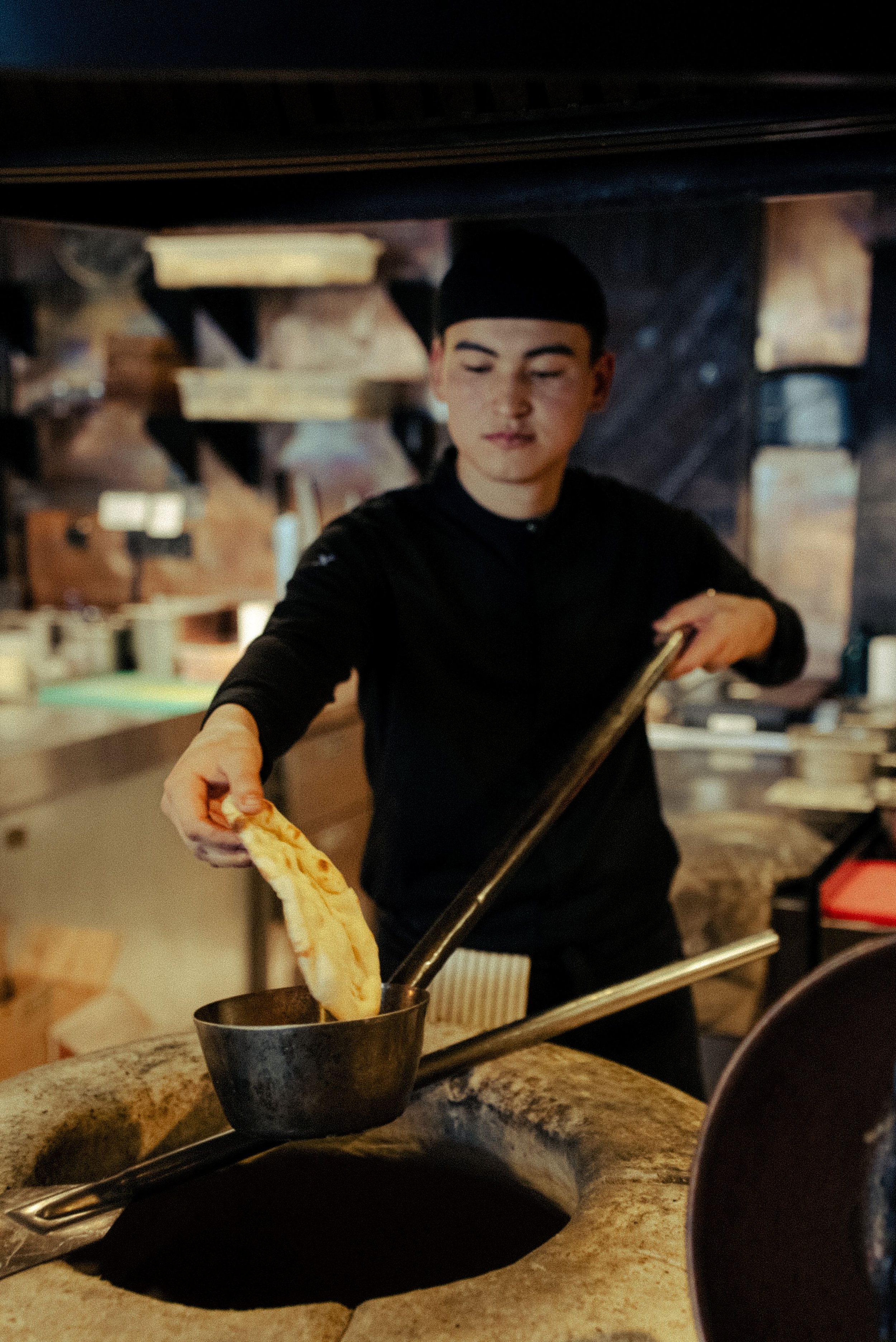
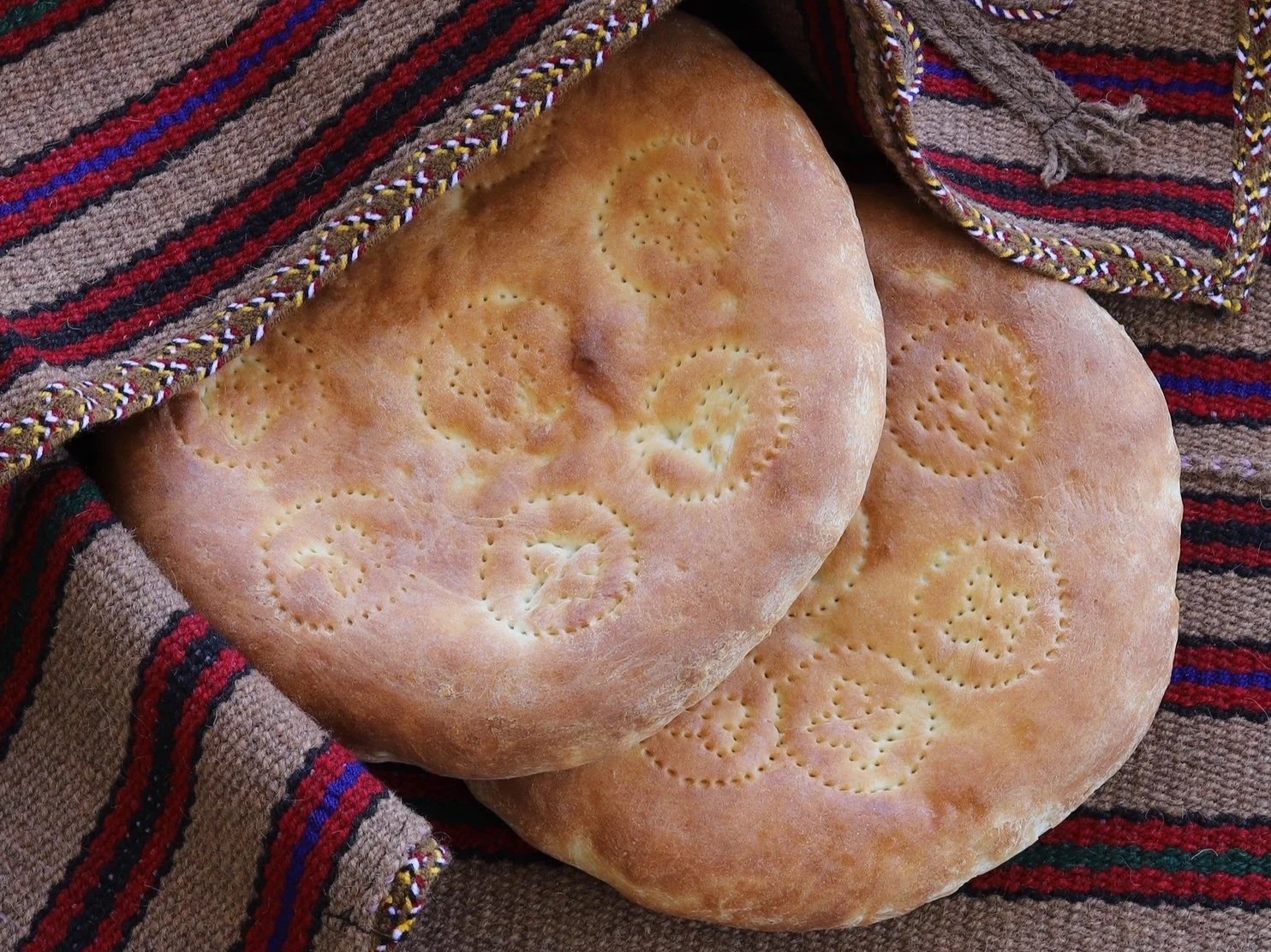
Breads baked as they would have been on the central Asian steppe.
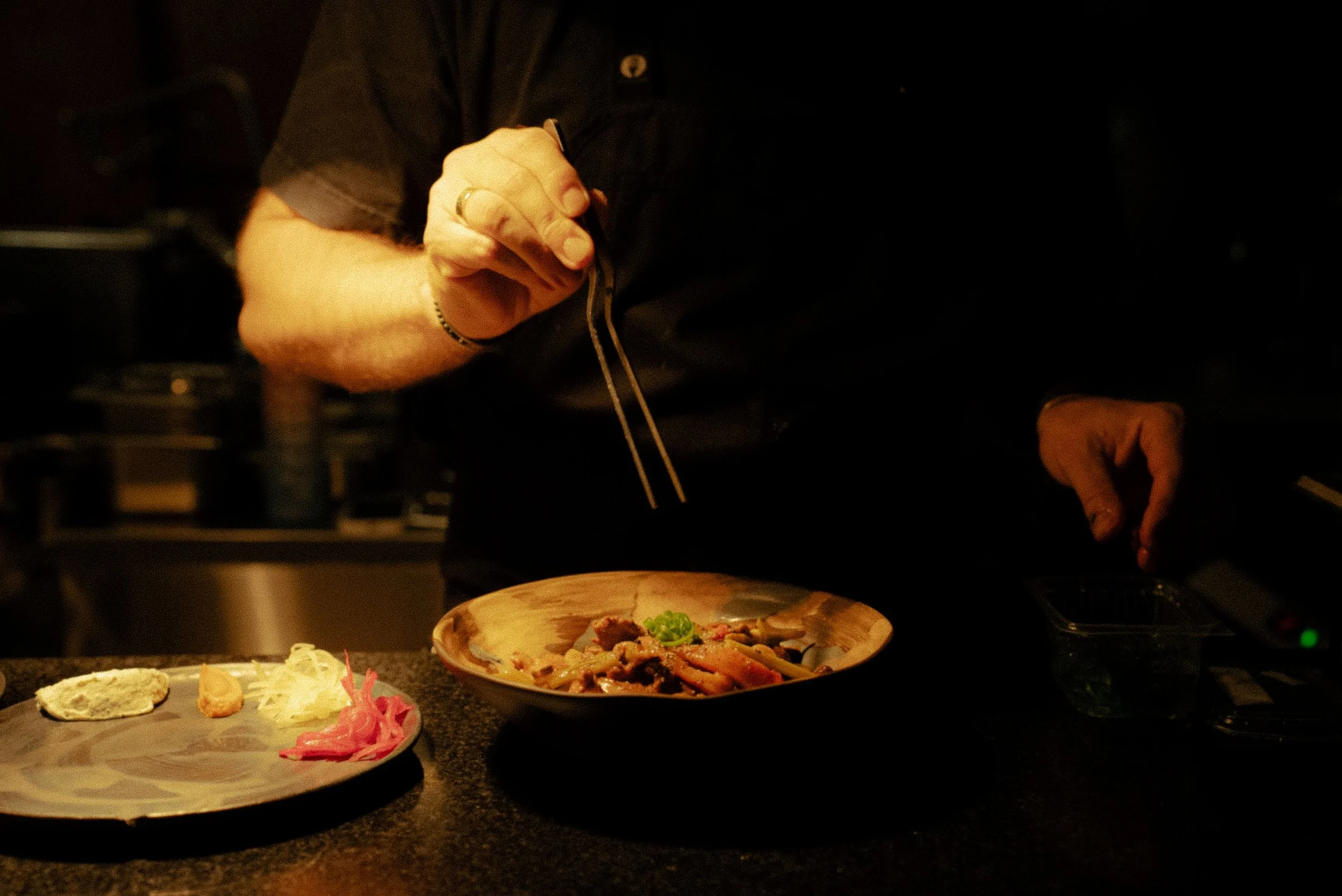
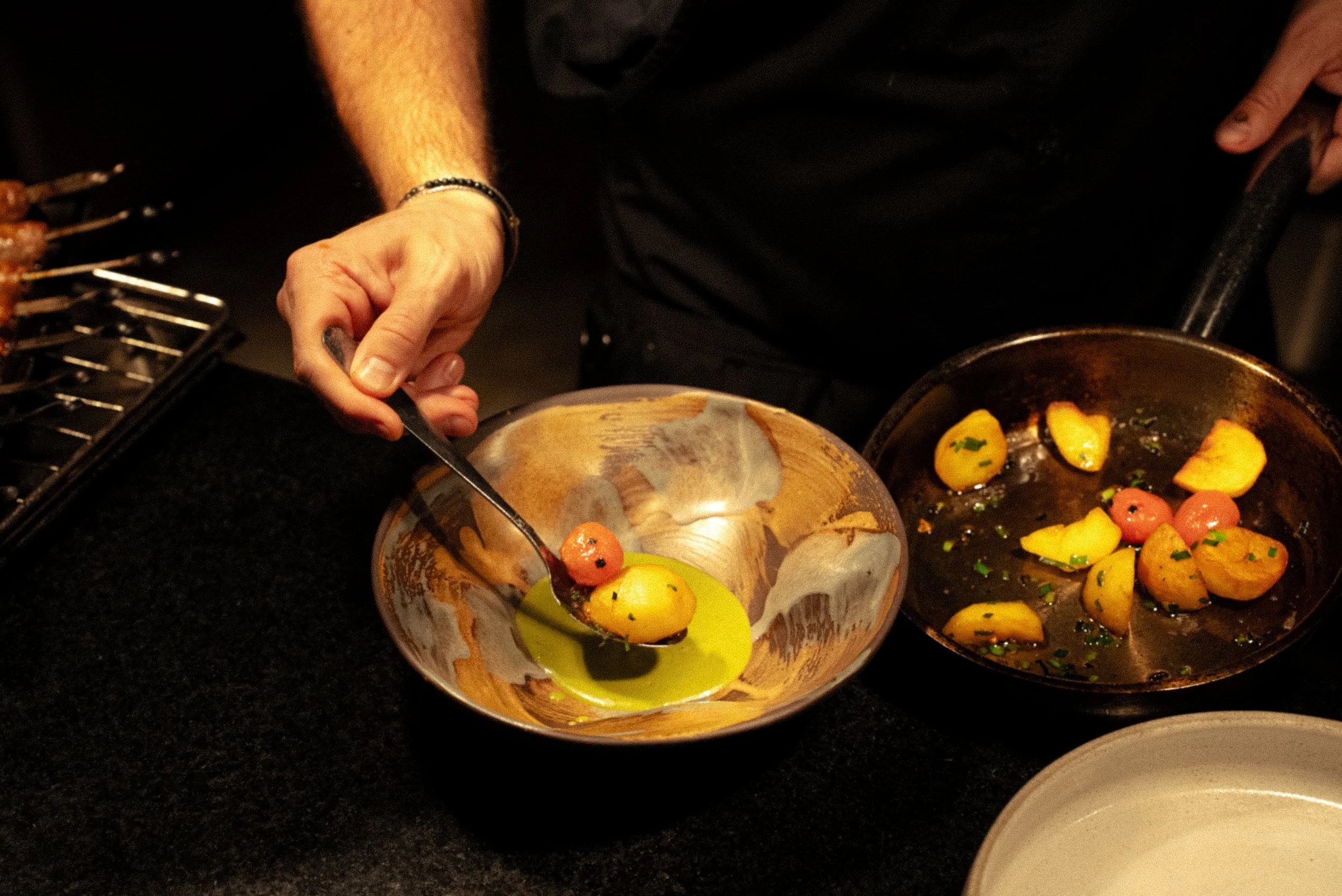
Auyl follows the principles, traditions and cooking methods of nomads and the products that were available to them — the food is seasonal, and local.
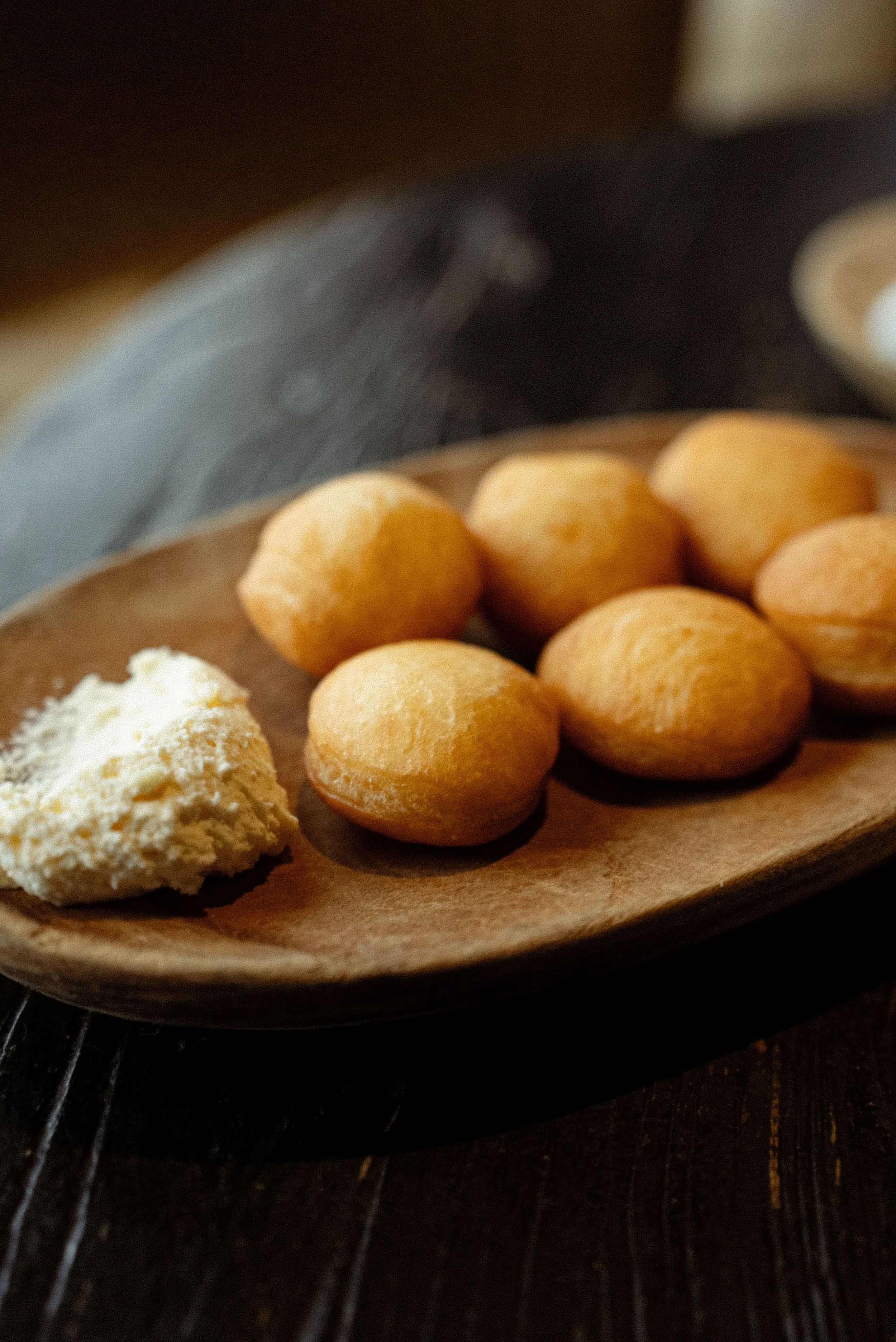
Bursak-fried dough balls, served with a sweet yoghurt.
Marrow, cooked in lazjan, a chilli garlic sauce and served with bread and pickled onions is probably my favourite dish of the lot. The marrow spreads like a jelly over the flatbread, making the tangy spices from the lazjan linger in my mouth long after I’ve chewed through it.
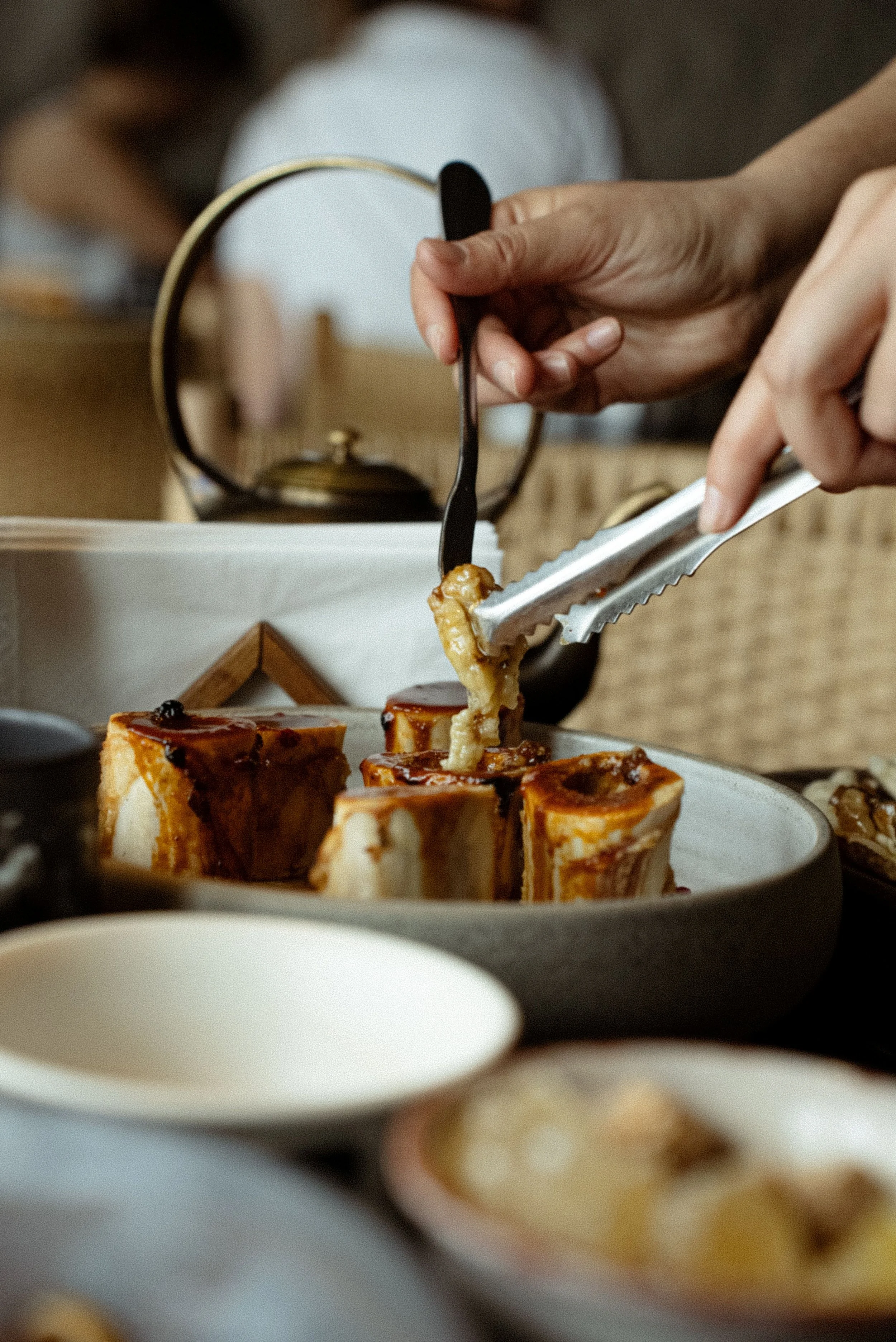
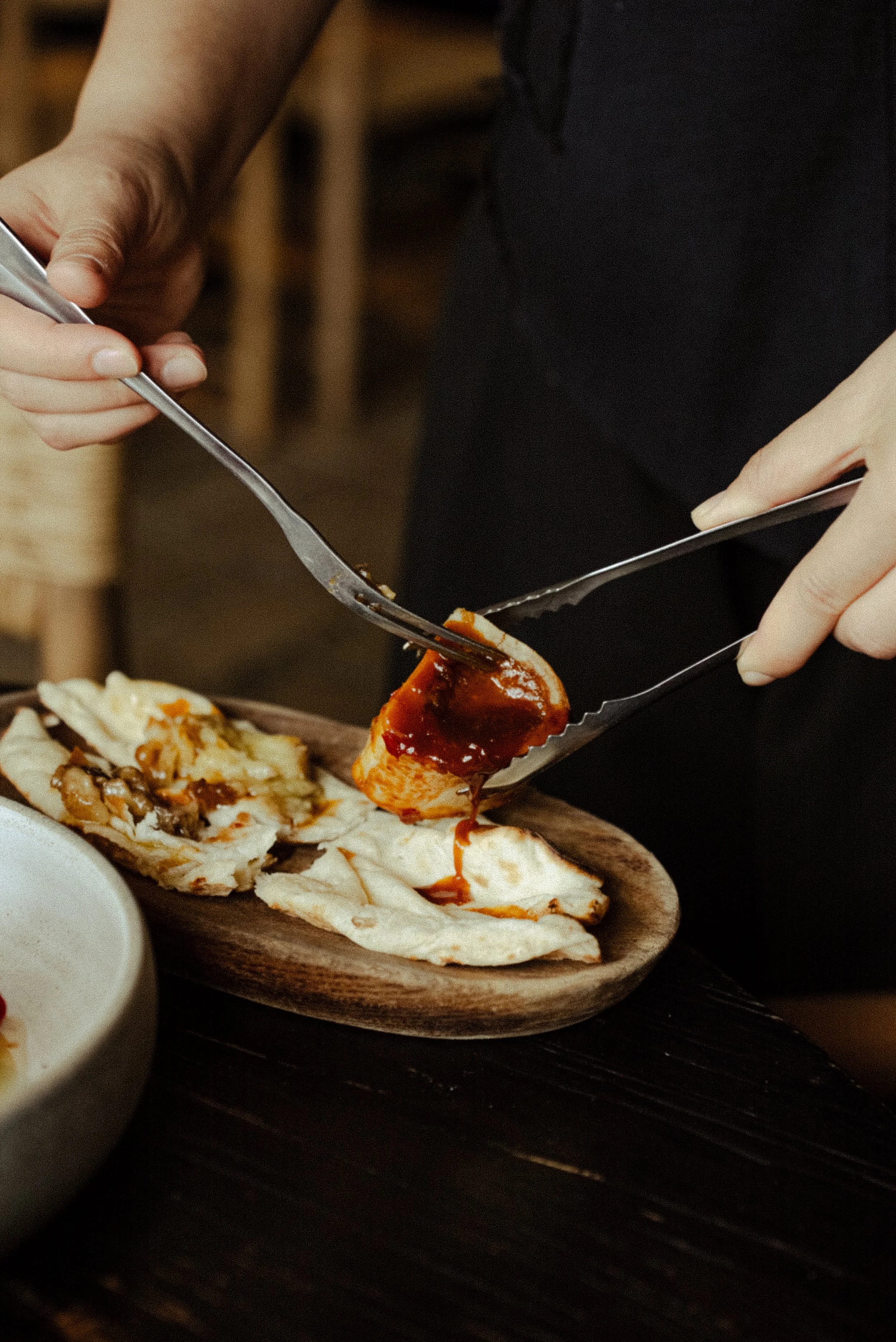
The Kazakh people and the horse have been inseparable for as long as they have inhabited these lands — herding them across the steppe in sustenance and battle. It’s hard to differentiate it from beef, which honestly makes it easier to consume. These hand pulled Dungan noodles with horse meat is my first taste of horse meat — not too chewy and goes really well with the noodles, which has a certain jiggle to it.
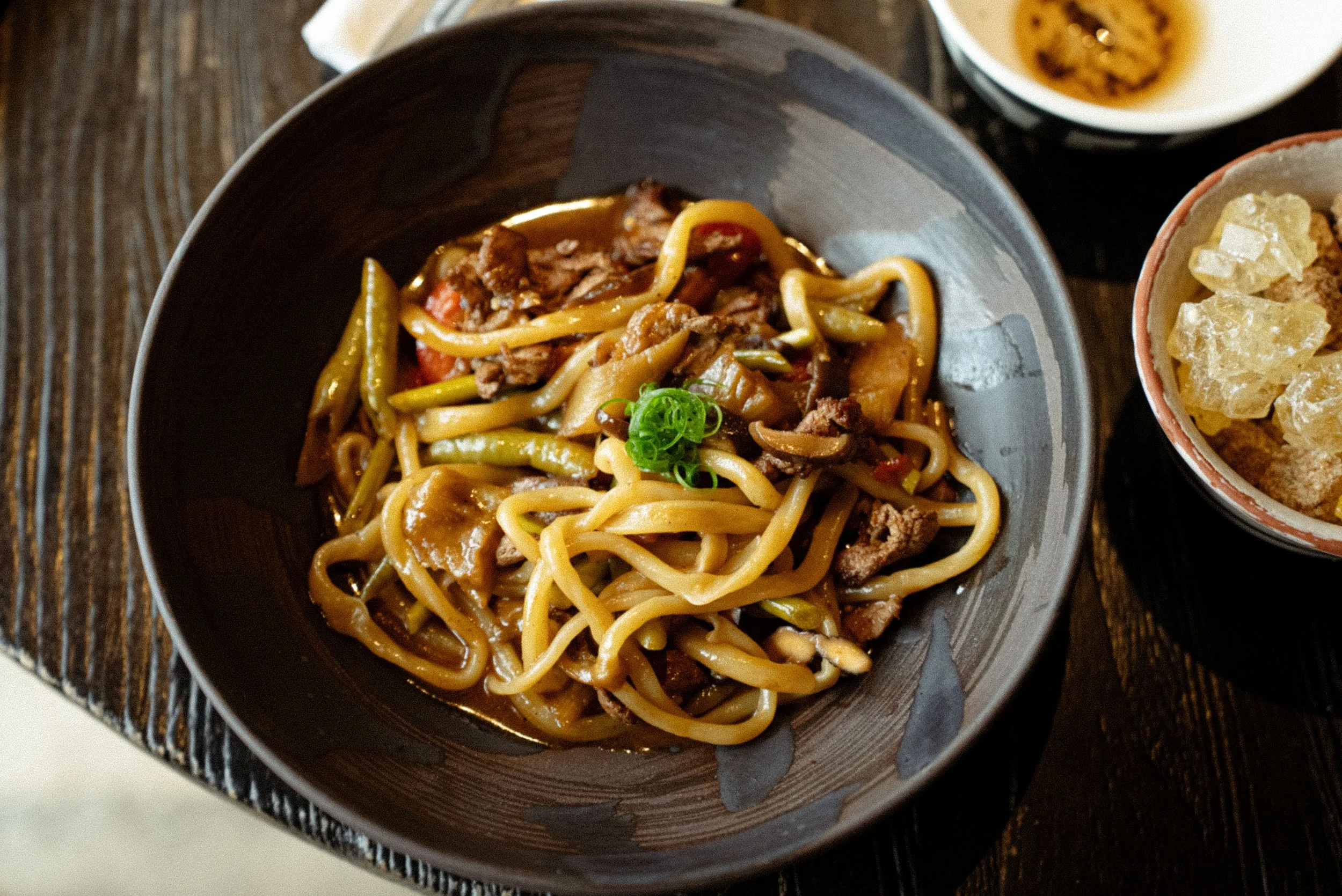
Dungan Noodles with horse meat, marinated eggplant and vegetables.
Beshbarmak is a dish that represents the culinary identity of the country. It arrives in a huge platter, with horse meat boiled with with onions on a bed of flat noodles, with a broth (sharp) served alongside in a bowl. The Beshbarmak across centuries has been a daily staple, and it makes sense why — a simple, no frills dish that the nomads could boil while on the move. The flat noodles are pulled in repetition, stretchy yet firm, turning mushy when mixed with the steaming broth. Talk about the perfect dish to beat the cold. The dish is meant to be eaten with ones hand — Beshbarmak literally translates to “Five fingers”.
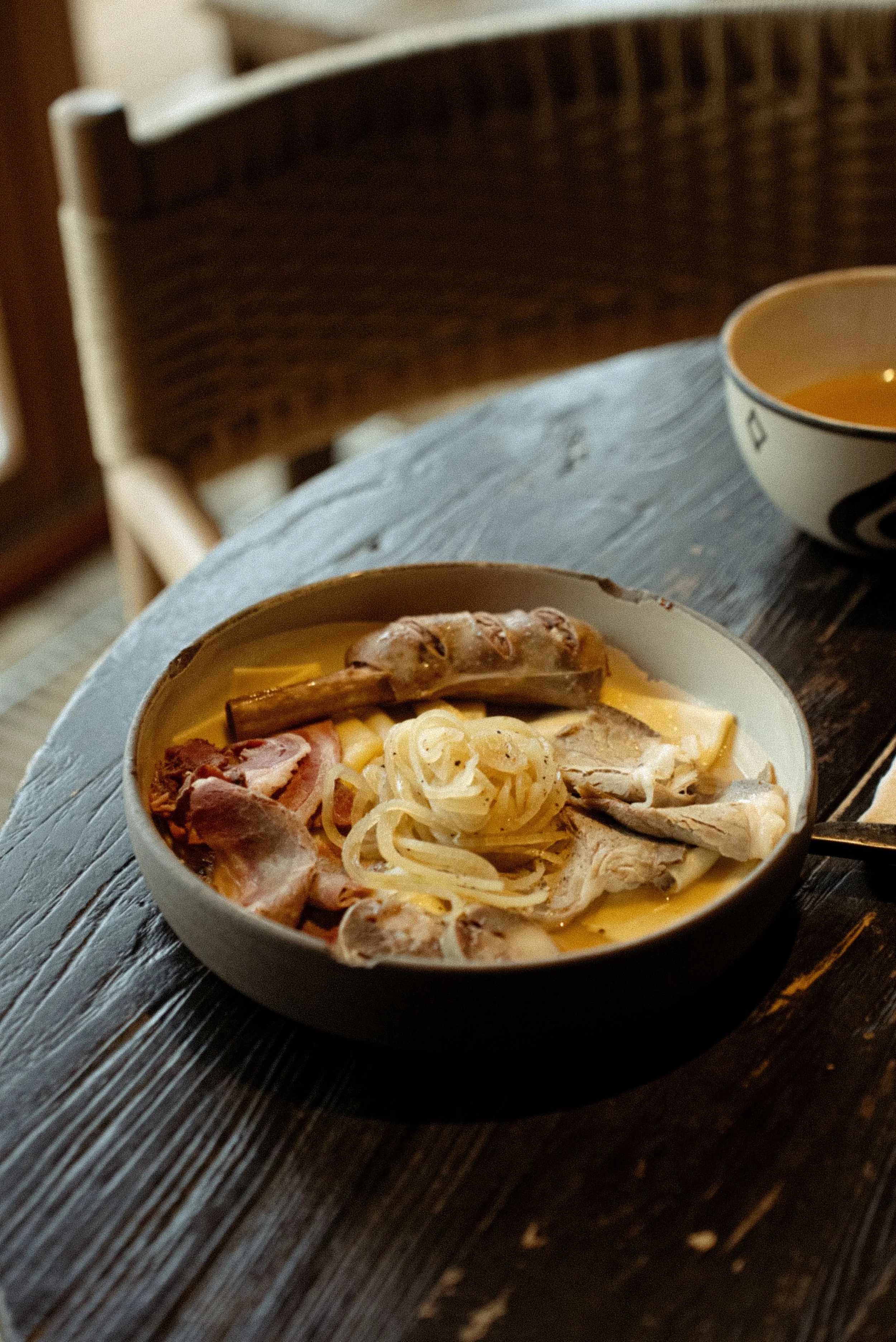
Beshbarmak, which is easily Kazakhastan’s national dish.
Almaty was known as Alma-Ata until 1991 when Kazakhstan gained independence from the Soviet Union, which literally translates to “Father of all Apples”. It is to these foothills below the Trans Ili-Alatau mountains where one can trace the ancestry of all modern apples, which can be found in great diversity in the city’s markets.
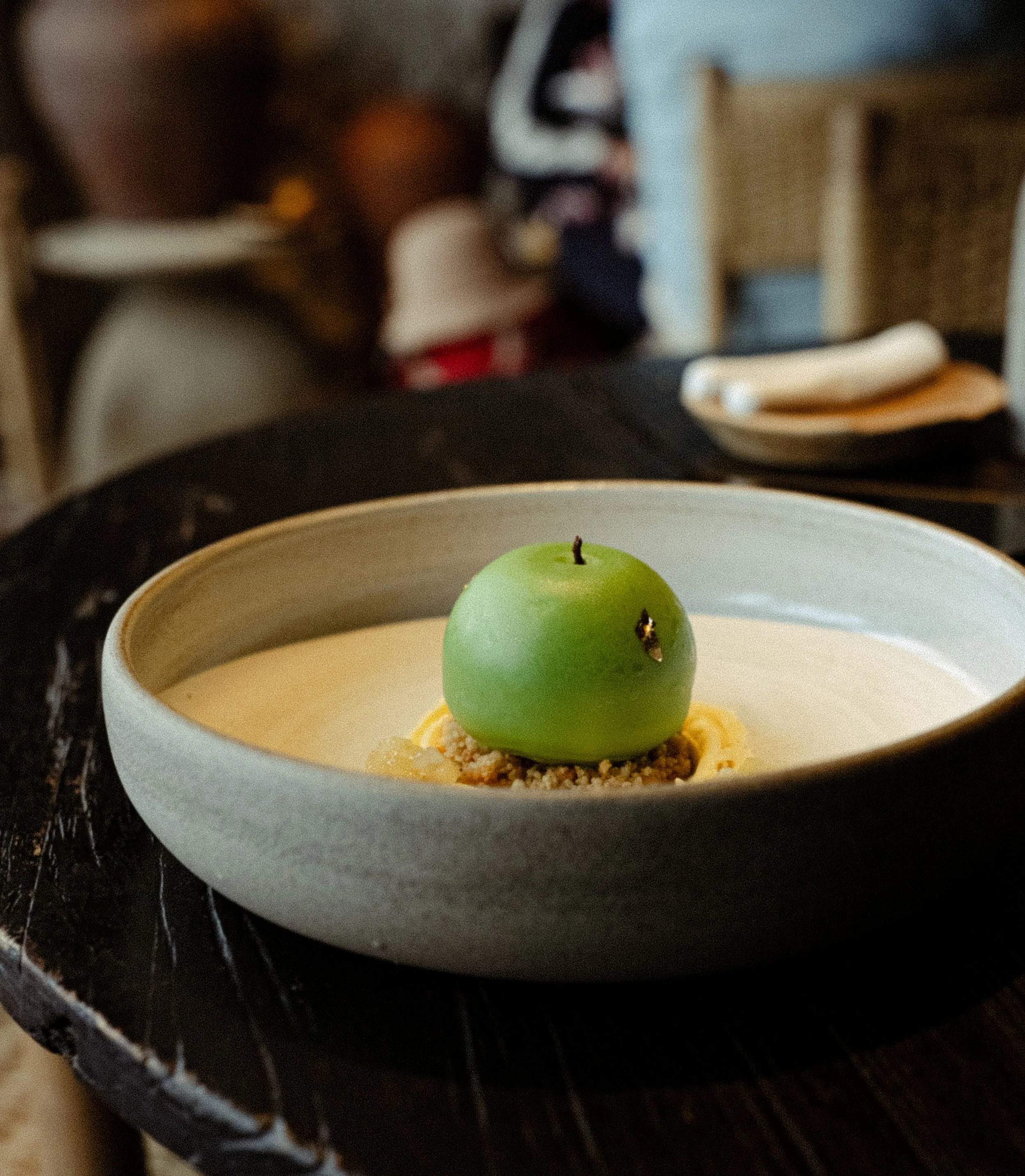
Alma Ata - Apple, pear, white chocolate mousse, vanilla.
ALSO ON GOYA
Neo-nomad cuisine at its finest | Terrence Manne