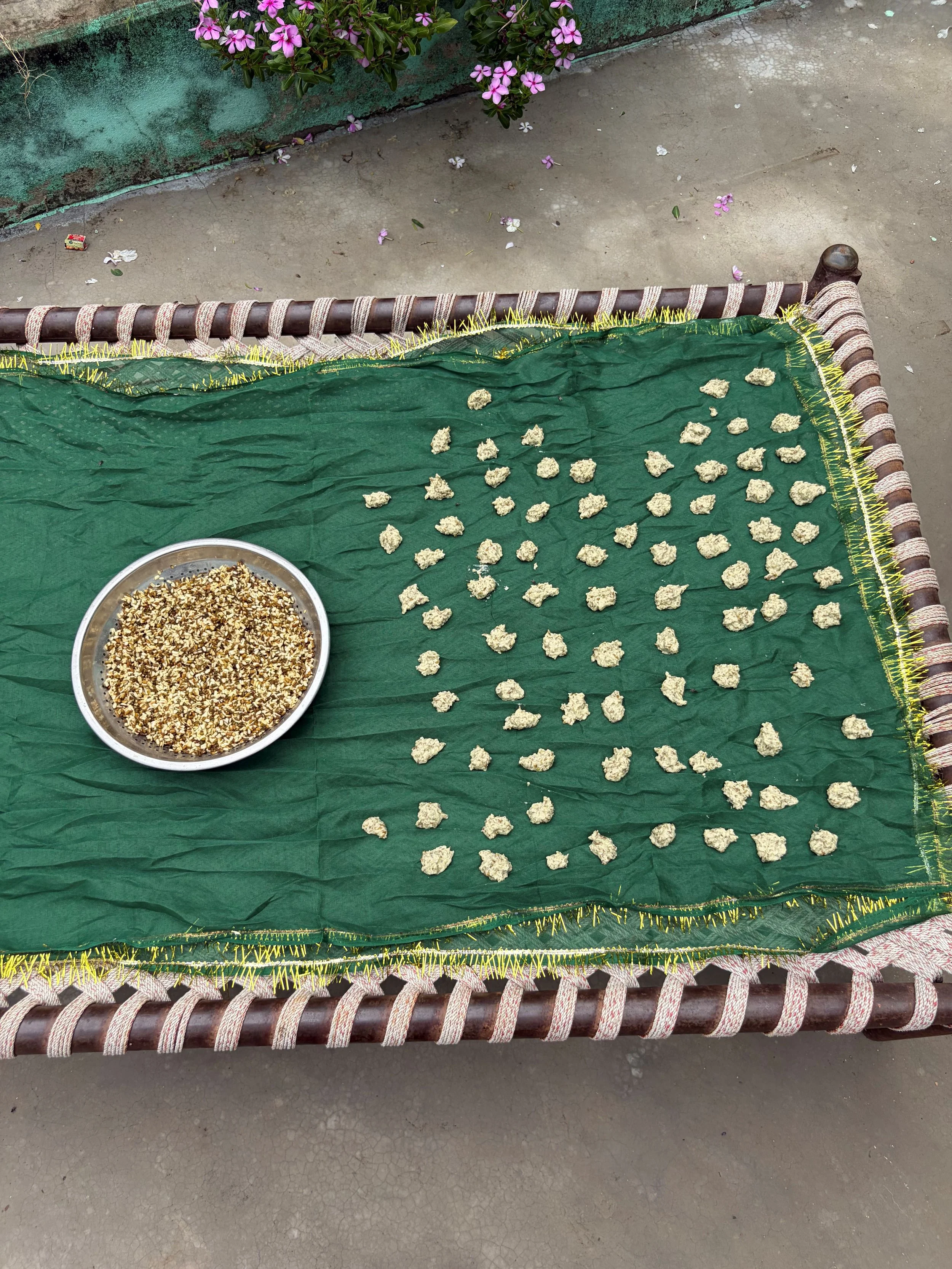
Inside Kaushik Raju’s 33-Acre Farm-to-Table Vision
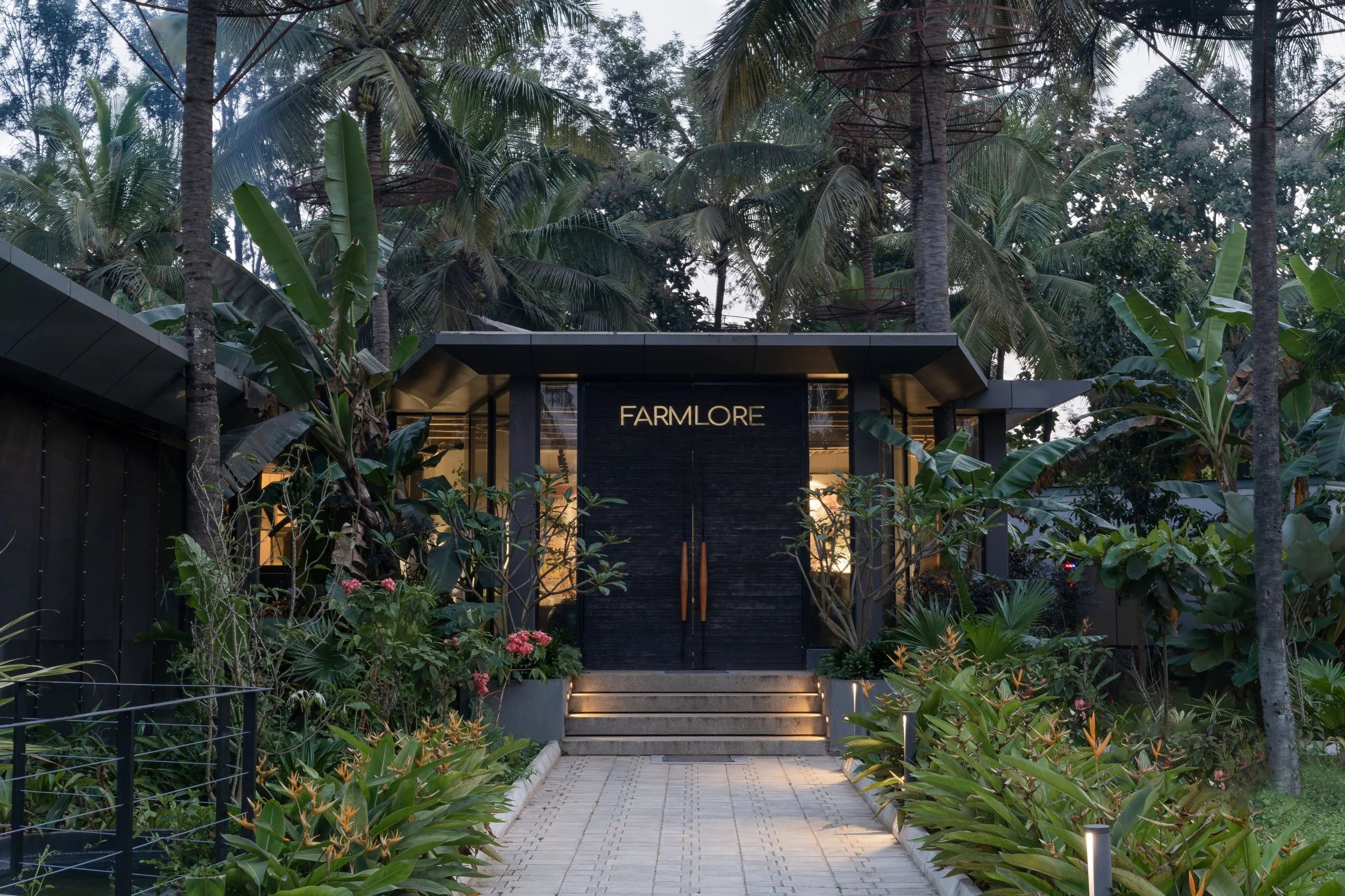
A 33-acre farm outside of Bangalore is the foundation for FarmLore, an award-winning restaurant that supports hydroponic systems, seasonal growing, and a broader ecosystem. Under the charge of Kaushik Raju, the space exists as a productive farm and a restaurant space where land has the first word.
A glass of champagne appears in my hand as we stand under a riot of sunflowers. Kaushik Raju is a few steps ahead of me in the garden, pausing now and then to point at something. There are raised beds bursting in bloom all around us, and he plucks at the plants as we walk. Hydroponic racks glow green under their own private weather.
“Eat this,” he says, tearing something from a stem. A chilli blossom. A mint sprig. Stevia, straight off the shoot. “Try that.” We wander the FarmLore property, sampling our way through the vegetable patch while Kaushik dispenses a lesson in agriculture. He crushes a leaf between his fingers before handing it to me. A petal here, a tendril there. Smell that. Taste this.
Our walk is part garden tour, part education, part prelude to lunch. It feels like I've been let loose in somebody’s very elaborate backyard, except the garden is 33 acres and the person handing out leaves and flowers will eventually present us with a complex tasting menu.
By the time I've chewed my fourth leaf, it dawns on me that this is the menu — and the restaurant itself is still nowhere in sight.
From the car park, a path runs between the mango trees for far longer than any sensible restaurant would allow. No one mentions that the walk is deliberate. The dining experience has already started, and lunch has barely entered the conversation. It is a small act of theatre, though nobody calls it that.
When you finally arrive at the door, you've already met the farm that is going to feed you.
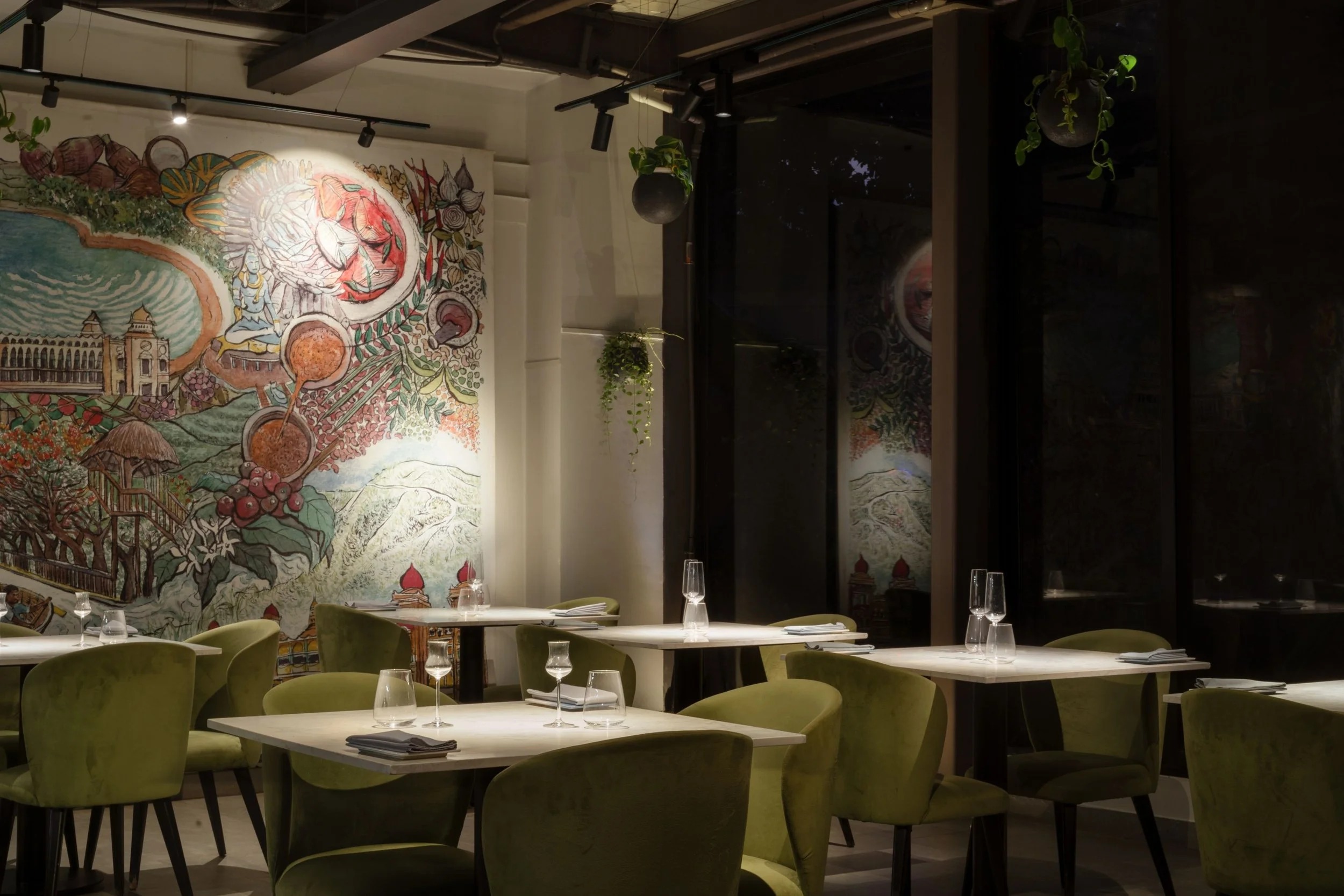
This seems like the only appropriate way to enter FarmLore, a restaurant built around a deceptively simple idea: give a chef a farm, remove the rules, and see what happens. Five years later, it has become one of Bengaluru’s most talked-about dining destinations, and one of the most intriguing experiments in what Indian fine dining might look like if we let the land have the first word.
The kitchen here doesn't draw up a menu and send someone shopping. The chefs roam the farm, see what’s ready, and cook from there.
Ask anyone what you'll be eating and you get a smile and a shrug. There is no guarantee that the dish you loved six months ago will still exist when you return. There is no permanent canon of greatest hits, no beloved plate kept alive because somebody once put it on Instagram and everyone lost their minds. A dish can arrive, make an impression, disappear, return years later in another form and vanish again. If you loved it a year ago, well, sorry.
At the centre of this shifting system is Kaushik, a restaurateur who is allergic to standing still. “I don’t like to do things again and again,” he says. “I like to do things differently again and again. I hate any sort of monotony.”
It is an unconventional philosophy for a restaurant, particularly one that has acquired the kind of attention which usually makes experimentation harder.
Food as Storytelling
FarmLore is one of India’s most talked-about dining destinations, ranked No. 4 on Condé Nast India’s Top 50 Restaurants of 2026, while also earning the One To Watch Award from Asia’s Best Restaurants in 2025 and featuring on its extended list in both 2025 and 2026. As one of only three restaurants from India featured on the Tatler Asia Pacific list this year, the accolades have placed this 18-seat restaurant at the outskirts of Bengaluru on a considerably large stage.
FarmLore’s story is usually traced back to the farm, but Kaushik’s goes back much further.
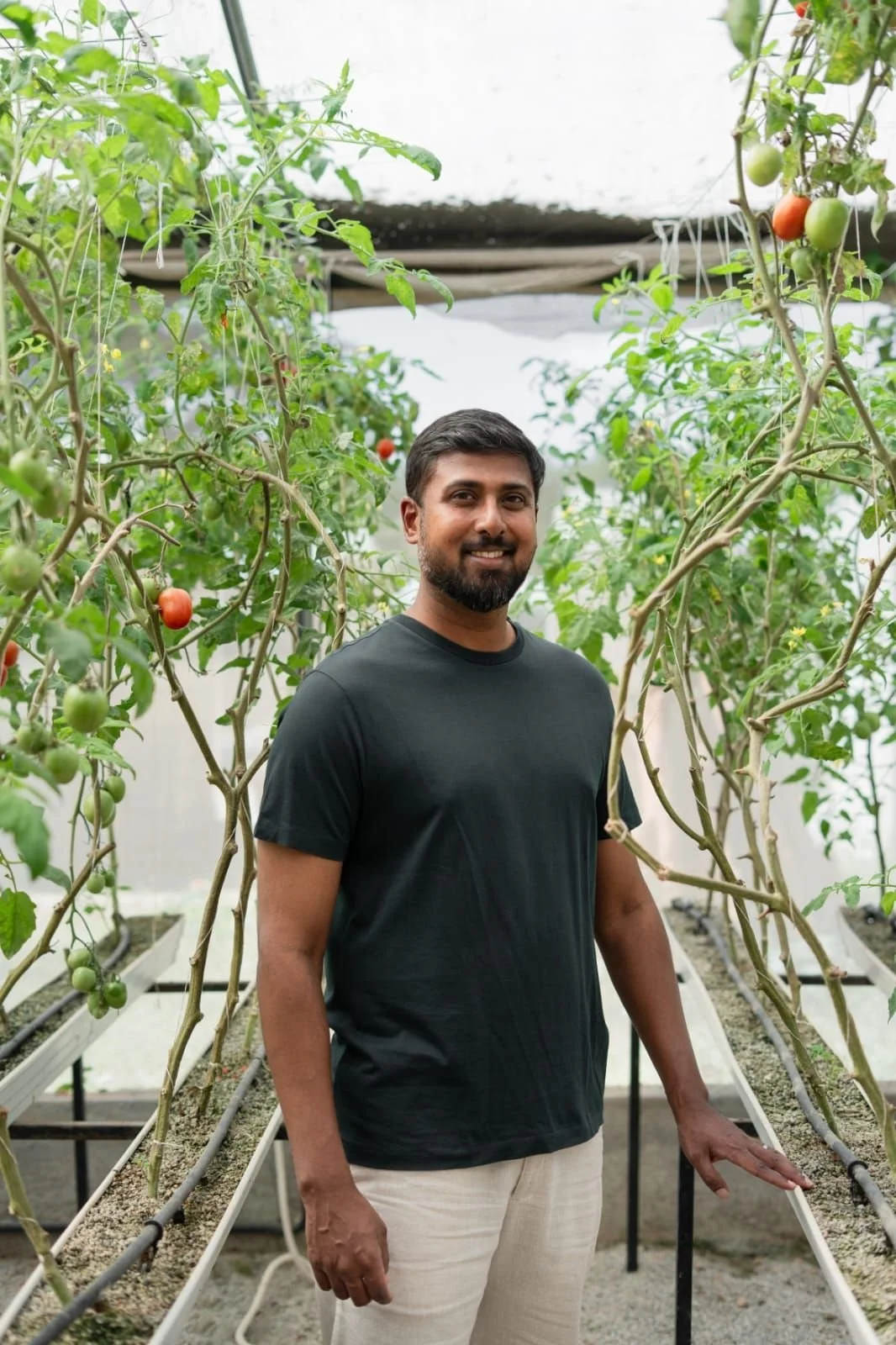
Founder Kaushik Raju started FarmLore as a place that brought people together around a table and used stories as icebreakers, letting a plate of food start a conversation.
The idea first started as Lore, a project built around his fascination with food as a storytelling medium, in 2012. “I found myself imagining a place that brought people together around a table and used stories as icebreakers, letting a plate of food start a conversation,” Kaushik says. “At the time, it felt too early. I wasn’t sure the market was ready, and honestly, neither was I.”
When Chef Johnson Ebenezer joined him in 2019, they developed the idea through pop-ups and customised dining experiences. Early experiments included meals built around personal histories: first dates, birthdays, marriages and family journeys. “The farm was not new to me. In my younger days, I'd spend Sundays there with my grandfather, and some of my fondest memories with him live among these trees. When I moved back during the pandemic, I found something I had not expected — a new purpose in a familiar place,” says Kaushik.
The name followed almost naturally: part farm, part lore, with a little folklore and locavore folded in. The restaurant opened in 2021, with a philosophy considerably more complex than its name. "Between the mango trees my grandfather knew and the vegetable beds we were tending, we found the story we wanted to tell every day,” Kaushik says. “We wanted humble, local produce to receive the same respect usually reserved for imported luxury ingredients.”
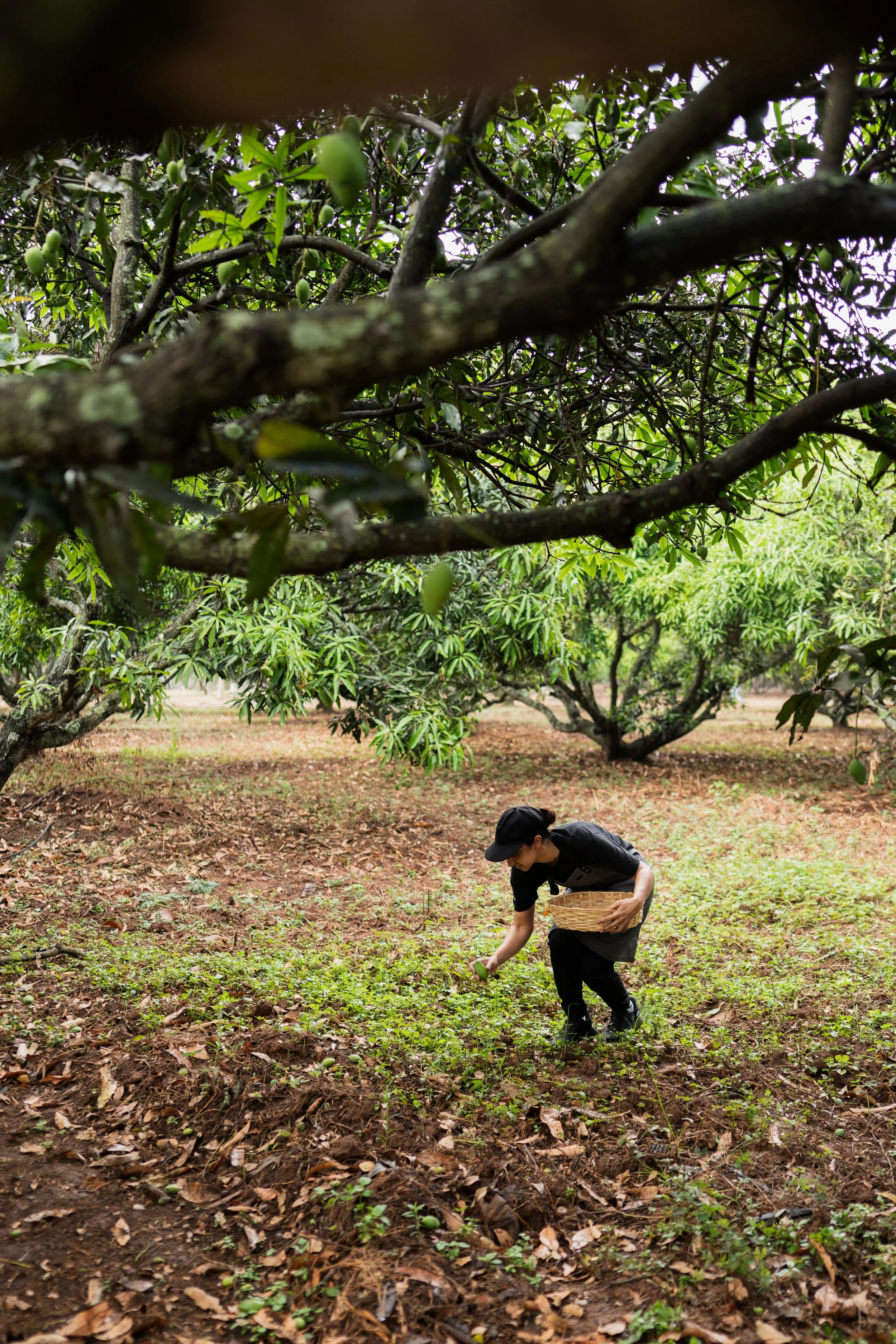
The farm has mango trees that were grown by Kaushik’s grandfather.
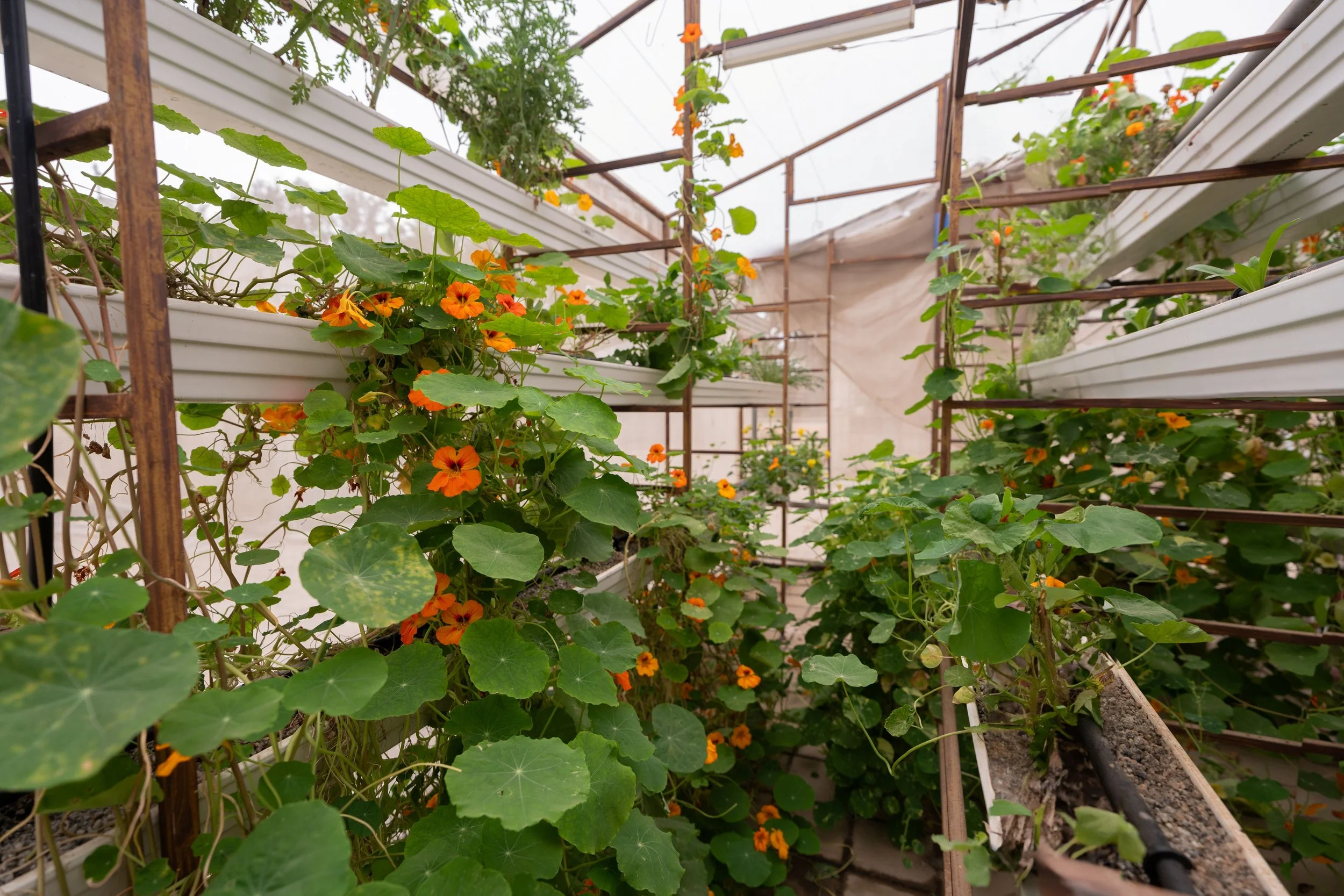
The farm has a a proprietary hydroponics system that can grow root vegetables too.
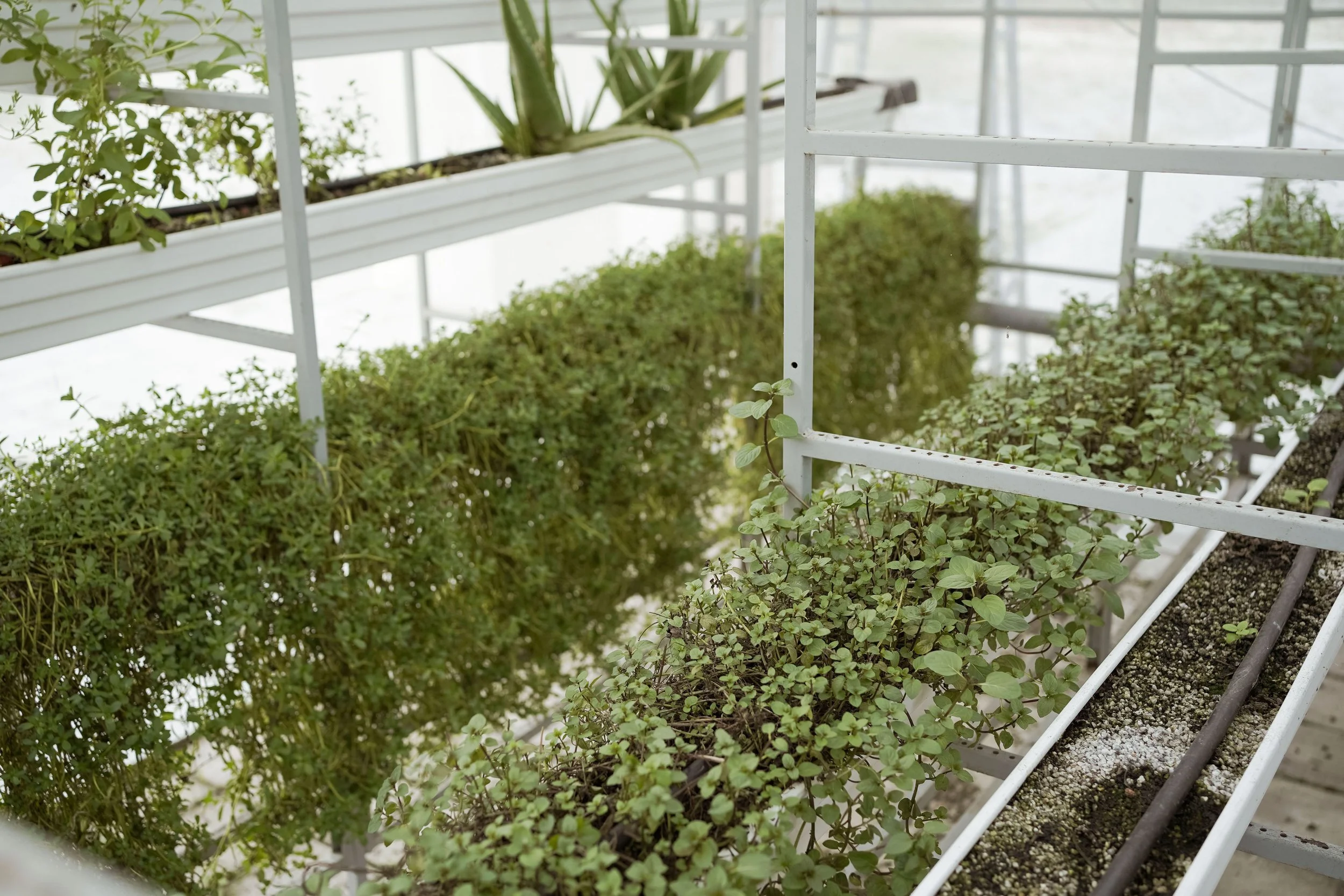
Raised beds protect the soil, vermicompost feeds it, and crops are tested for nutrient density. Kaushik's wife, Swati, calls him a farm geek and the evidence is everywhere: Hallikar and Gir cattle, composting systems, solar power, and a newly planted fruit forest of 2,500 trees across 150 varieties already in the ground. “Kaushik is constantly tinkering, testing and trying out things. Every time I go back to the farm, he’s up to something new. Of course, lots of trials mean more failures, which strangely don’t bother him. But the triumphs are what really keep him going,” says Swati. “I love that he has planted new trees and introduced new ideas while keeping alive the connection to the land he once explored with his grandfather. It’s a perfect blend of traditional and modern.”
And then there is what has deliberately been left alone. About 12 per cent of the land remains uncultivated on purpose, for native plants and wildlife to get acquainted with the goings on. It is a small but telling detail. Here, cultivation is not understood purely as the practice of producing more. Good farming, the team will tell you, is partly knowing when to stop.
Beyond Just Farm-to-Table
Call it farm-to-table and Kaushik will politely disagree. "You can't be entirely farm-to-table," he says. "At any given point of time, there's varying percentages being contributed by the farm."
Those percentages swing because farming does. A crop shows up weeks early, something is suddenly everywhere, or a vegetable declines to cooperate. Sometimes the kitchen asks the farm for something; sometimes the farm just throws it at the chefs and watches.
Patty pan squash was once a new arrival. Corn became a problem of abundance. Tapioca stood in for rice in one dish because there was enough of it to justify the swap. When tomato prices climbed, the hydroponic system became more than just an experiment, and microgreens that used to be bought could be grown on site.
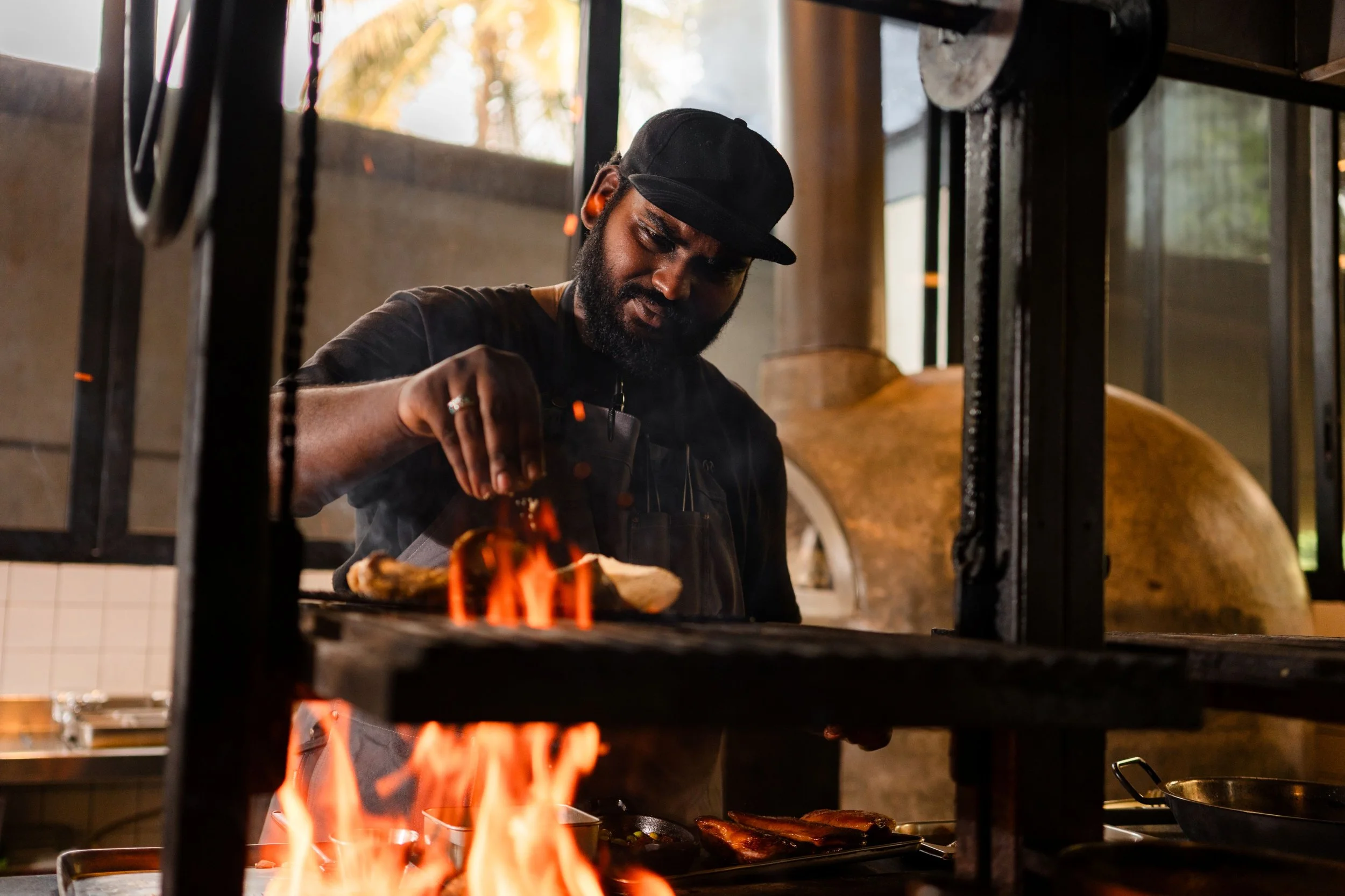
Then there's the fire. Everything is cooked over wood, a decision that came about almost by accident when pandemic-era pruning left the farm with more mango timber than anyone knew what to do with. It seemed wrong to waste it. Now, fire is as much an ingredient as anything that grows, and it ties plate to farm in a way that no menu preamble could.
Outside the kitchen, Chef Johnson points to the new leaves of a bay tree. They are shiny, blush red and tender enough to eat. He files the observation away. Perhaps they will be rolled, steamed and paired with tomatoes. Perhaps they will not. “The farm teaches us in many ways,” Johnson says. “But most of all, it teaches us patience.”
For a chef accustomed to receiving ingredients neatly packed and ready for service, agriculture is a different kind of education. You have seen your produce grow, crooked and imperfect. An odd-looking vegetable becomes harder to dismiss when somebody has seen it emerge from the earth. “You don’t have the heart to throw it away,” Johnson says. “You actually want to honour each ingredient.”
This shift in attitude is perhaps more significant than any farm-to-table slogan. The farm has changed how the kitchen thinks about the value of what it grows.
Says Ruma Singh, wine professional and lifestyle writer, “Provenance, sustainability and thoughtful consumption are increasingly important to the way people eat today, particularly among younger diners. The fact that FarmLore started with these ideas five years ago and has continued to thrive says something about the strength of the vision behind it.”
The philosophy sounds good in theory: it's even more appealing when you eat it. A jamun sphere, one of FarmLore’s signatures, arrives with chilli and salt, collapsing on the tongue. A meringue comes topped with marching ants gathered from the mulberry tree. Umami-rich moringa milk with soy is served in a baby’s bottle.
Meals have previously centered on Hollywood, music trivia, and even a treasure hunt through the farm. It is intentionally playful, mildly absurd, and cheerfully resistant to convention.
For the first three years, the menu changed every week. Now it evolves every month, depending on what’s thriving. But regardless of whether it’s a mango growing a few metres away, a native Karnataka lamb, or fish hauled in from the southern coast that morning, each dish remains tied to its source.
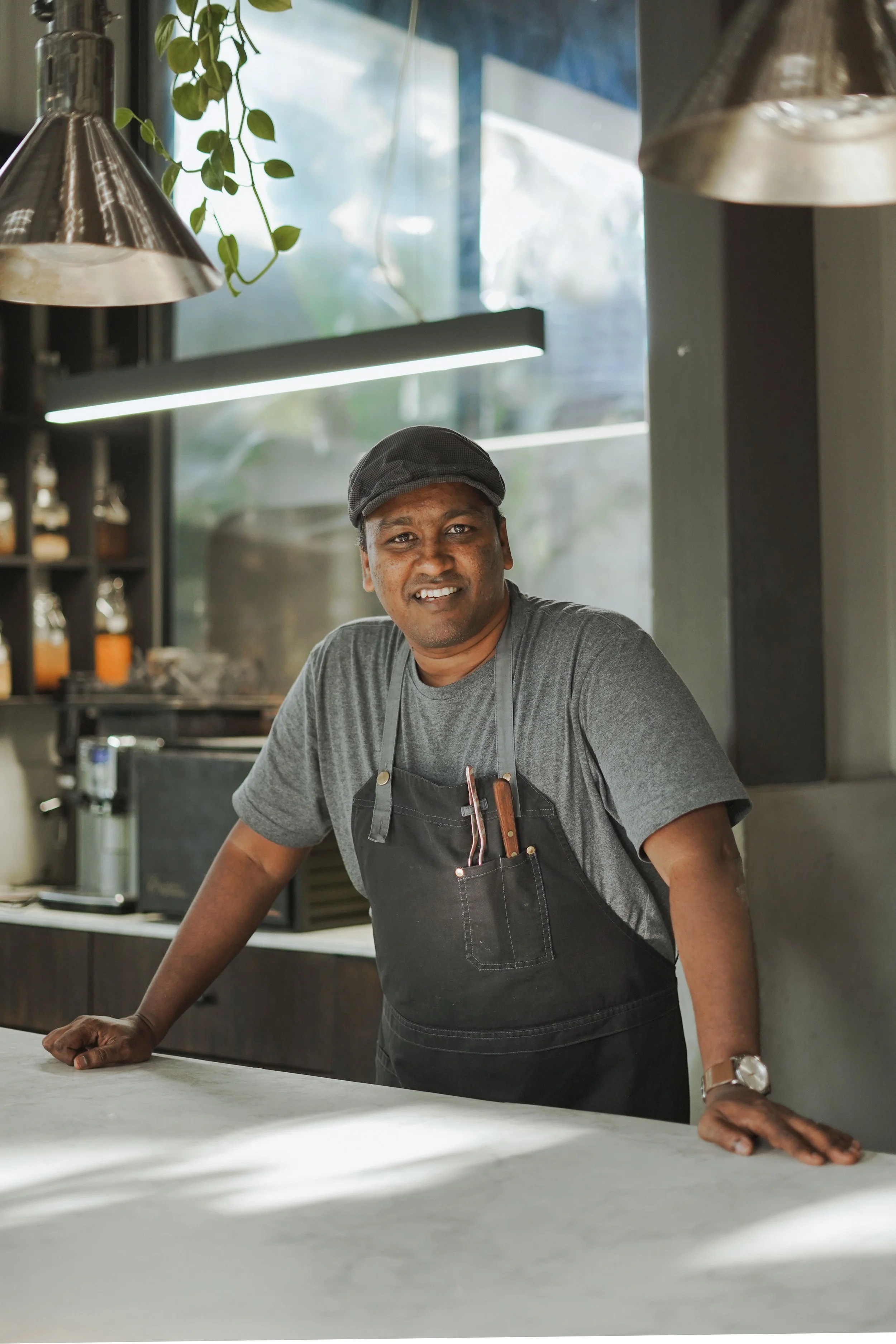
Co-founder and chef at FarmLore, Johnson Ebenezer.
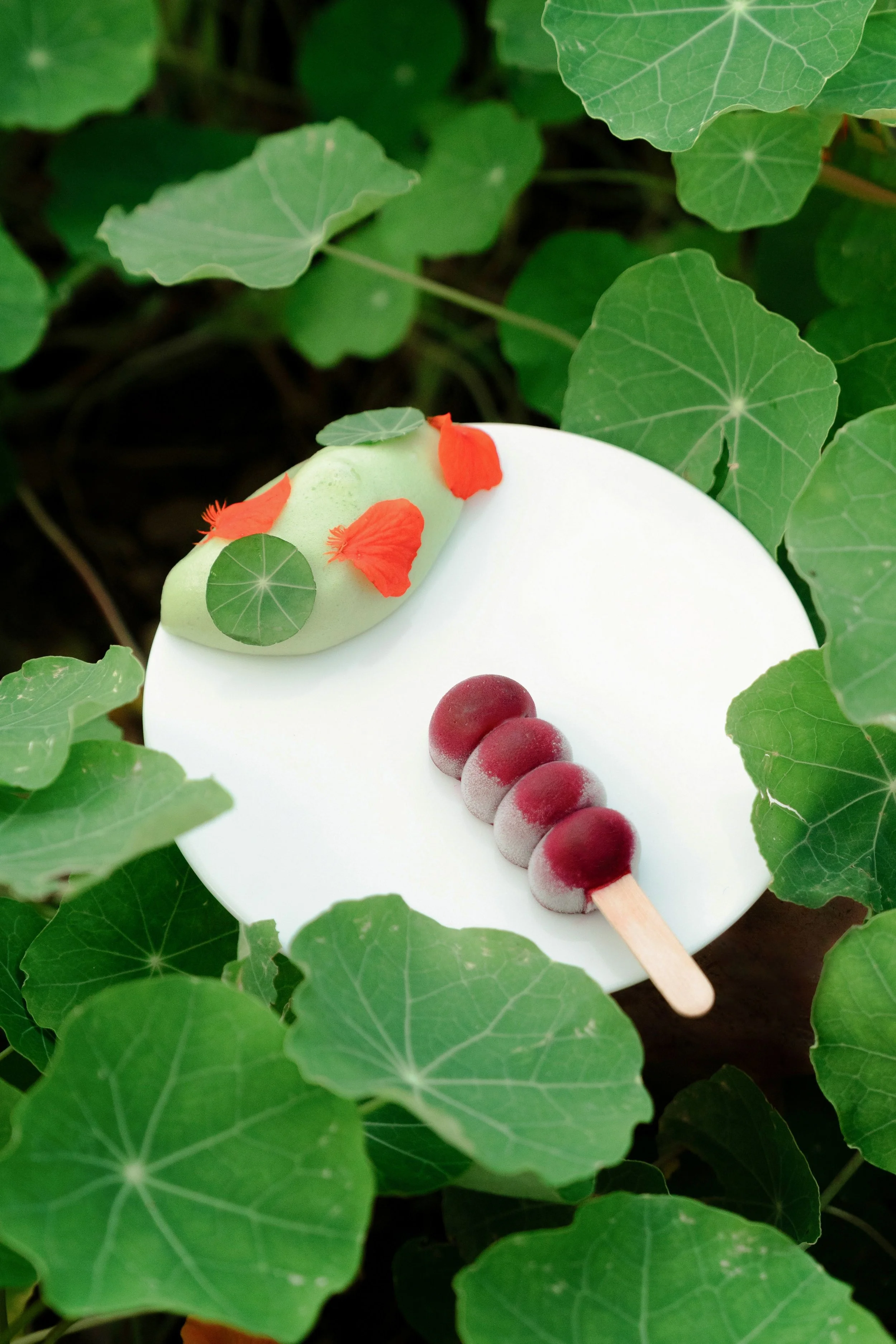
Kuchi Beet: Beet popsicle with nasturtium cloud.
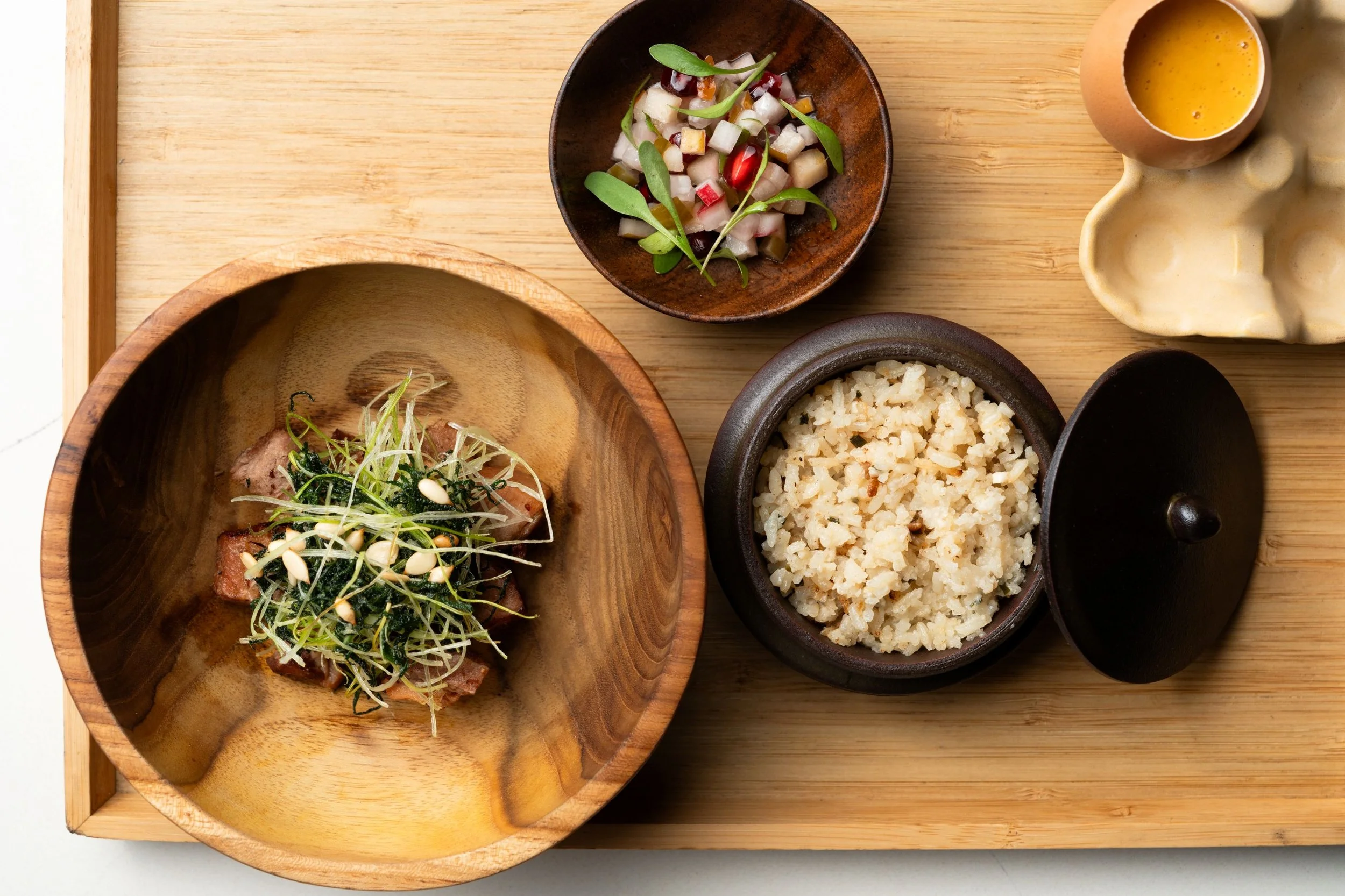
Pandi 9_25: Gobindbog rice, braised pork.
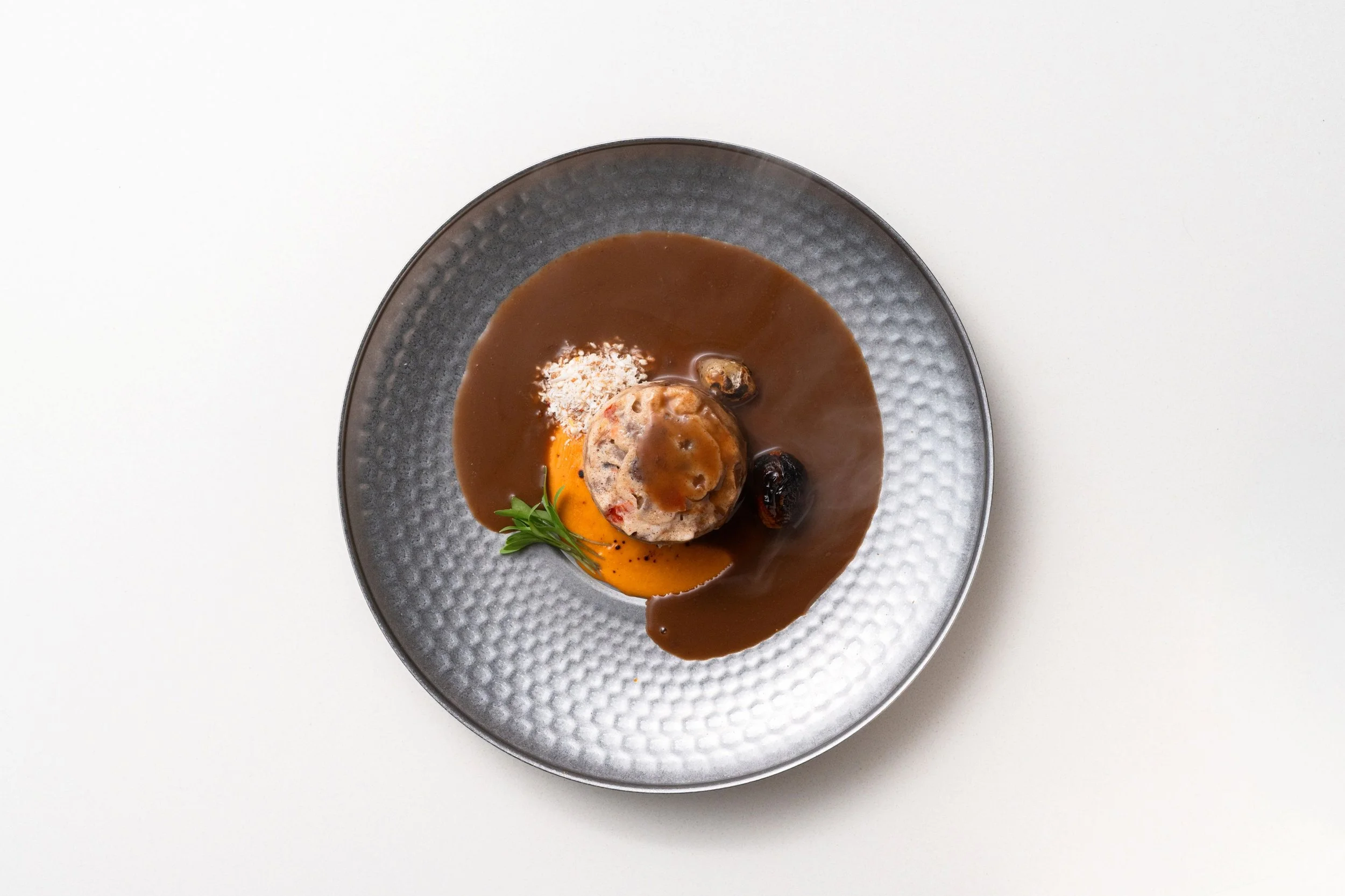
Natti: Ragi, Bannur kuri, upsaru.
Today, across roughly 220 menus, the team has created more than 2,300 dishes. This number is slightly ridiculous. And it is also almost entirely the point. Kaushik refuses to let FarmLore become a museum of its own successes. The number that matters most to him is actually harder to count: the regulars who return because they know they won't ever get the same meal twice.
“For us, it’s freedom of expression,” he says. "At the same time, we ask the guests to trust us enough to let us surprise them."
Following an Instinct
Johnson has spent much of his career in kitchens where ideas climb through layers of hierarchy before reaching a plate. Here the route is shorter. "You like it, you make it, you put it in front of the diner," he says. "Once you receive this level of freedom, your explorations in the kitchen become more confident too."
That freedom and support is Kaushik's doing, and it is a revealing detail about him. Yes, he owns the land, built the restaurant and funds the experiments, but his role goes much deeper. He creates the conditions for people to take risks, and pushes them to actually do it. This sounds generic until you consider just how expensive permission can be in a restaurant. A failed dish costs ingredients, time and labour. A strange idea can alienate a diner. An unconventional business model can make investors nervous. A restaurant without a signature can be difficult to explain. Yet Kaushik believes that the cost of repetition is much higher. He seems willing to absorb all of that uncertainty in exchange for the possibility of discovery.
His curiosity doesn’t stop at the edge of the restaurant premises. The questions raised by FarmLore have led Kaushik to larger inquiries around food, agriculture and the systems that support them. He is less interested in sustainability as a badge than in agriculture as a system that can be understood, altered and eventually replicated. “We have developed a proprietary hydroponics system that can grow root vegetables, not just leafy greens. We use gravel and an inert medium. It’s our own version of replicating the soil, but in a pod," Swati explains.
This concern reaches far beyond FarmLore. In his family’s ancestral village in Andhra Pradesh, Kaushik is now involved in Project Chittoor, an evolving rural ecosystem spanning 600 acres to bring together food forests, livestock, solar energy, education and agro-wellness. The project is still evolving, and Kaushik is careful not to pretend that he has any easy solutions or formulas. It is a considerably bigger canvas than a restaurant, but the instinct is recognisable: bring interesting people and ideas together, establish the right conditions, and allow something unexpected to emerge. Perhaps the most important part is knowing when not to interfere.
Kaushik trusts people to follow their instincts. He trusts chefs with ingredients. He trusts the farm to contradict the kitchen. He trusts discerning diners to take a leap of faith. The menu will change with the seasons. The farm will change with the environment. Johnson and the team will watch something grow and test what is possible on the plate. The work is to keep looking, keep asking questions, and to remain hungry for what comes next.
Five years ago, FarmLore began as a storytelling project that acquired a kitchen. It has since become a business that behaves like an experiment, and a laboratory that is now a fine-dining destination. It is also evidence that food, farming, and hospitality can sit at the same table without eating away at the land that sustains them.
Meanwhile, the next course stirs beneath the soil, waiting for its season, and the hands that will bring it to the table.
For Kaushik Raju, new ideas are already taking root.
Somika Basu is a writer and early childhood educator. Her work explores the intersections of food, travel, memory and culture. She gravitates towards good meals, odd stories and places with character.
Instagram @somikabasu
ALSO ON GOYA