The Holy Grail of the Bihari Muslim Kitchen
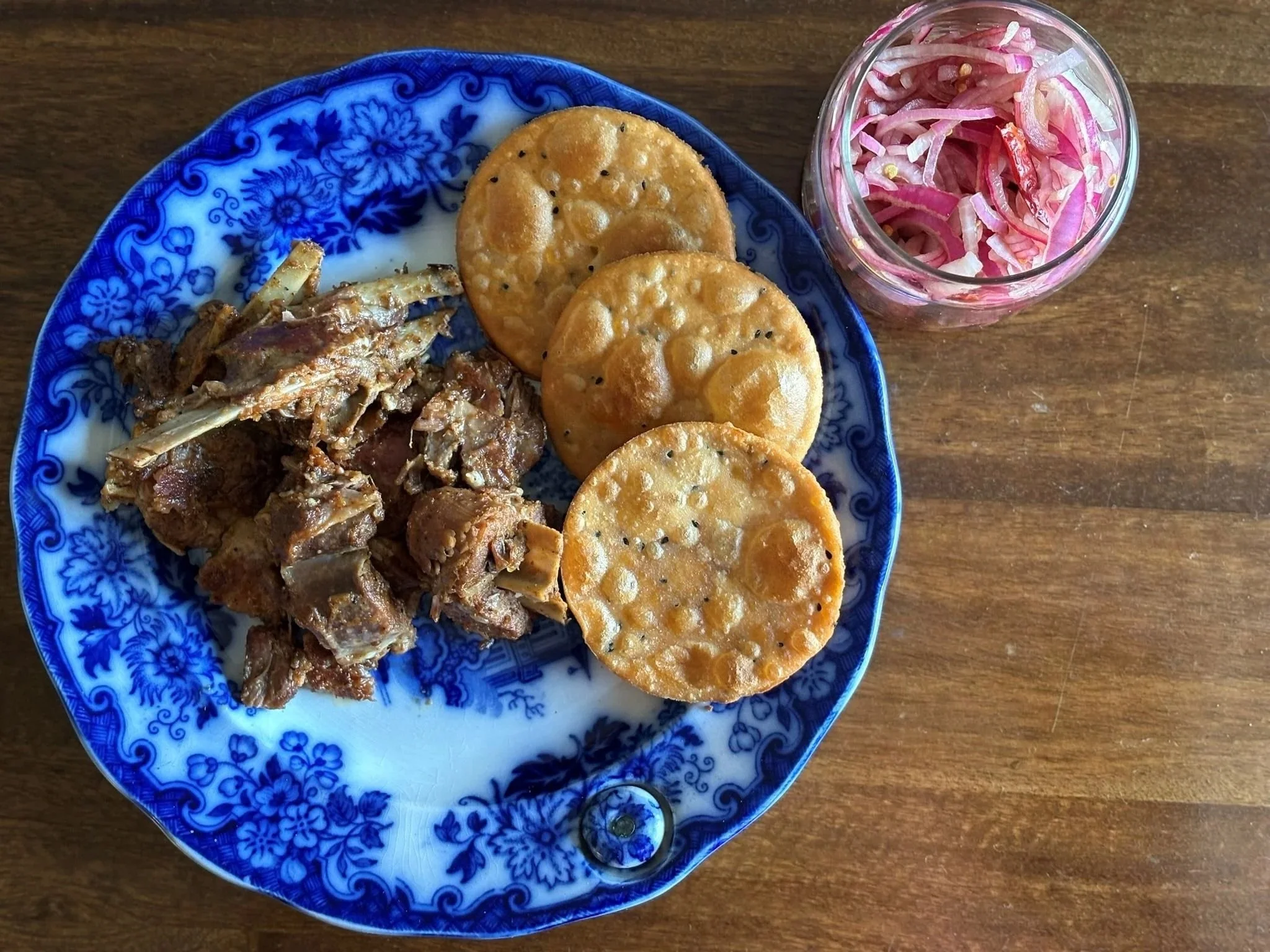
A dish typically eaten during Baqr Eid, grail is mutton dish, integral to the Bihari Muslim table. Technically uncomplicated, its flavour belies its simplicity. Nighat Rana Alam dives into the many iterations of this family recipe, and the fascinating rituals that surround it.
Bari Amma, the eldest lady of the household at the Choti Dumri Kothi (my husband's paternal family) was elegant and stern. Widowed at a young age, she ran the household like a well-oiled machine. She was known for her cooking, and one of her most beloved dishes was grail, a mutton dish that is made at Baqr Eid. Technically uncomplicated, its flavour belies its simplicity.
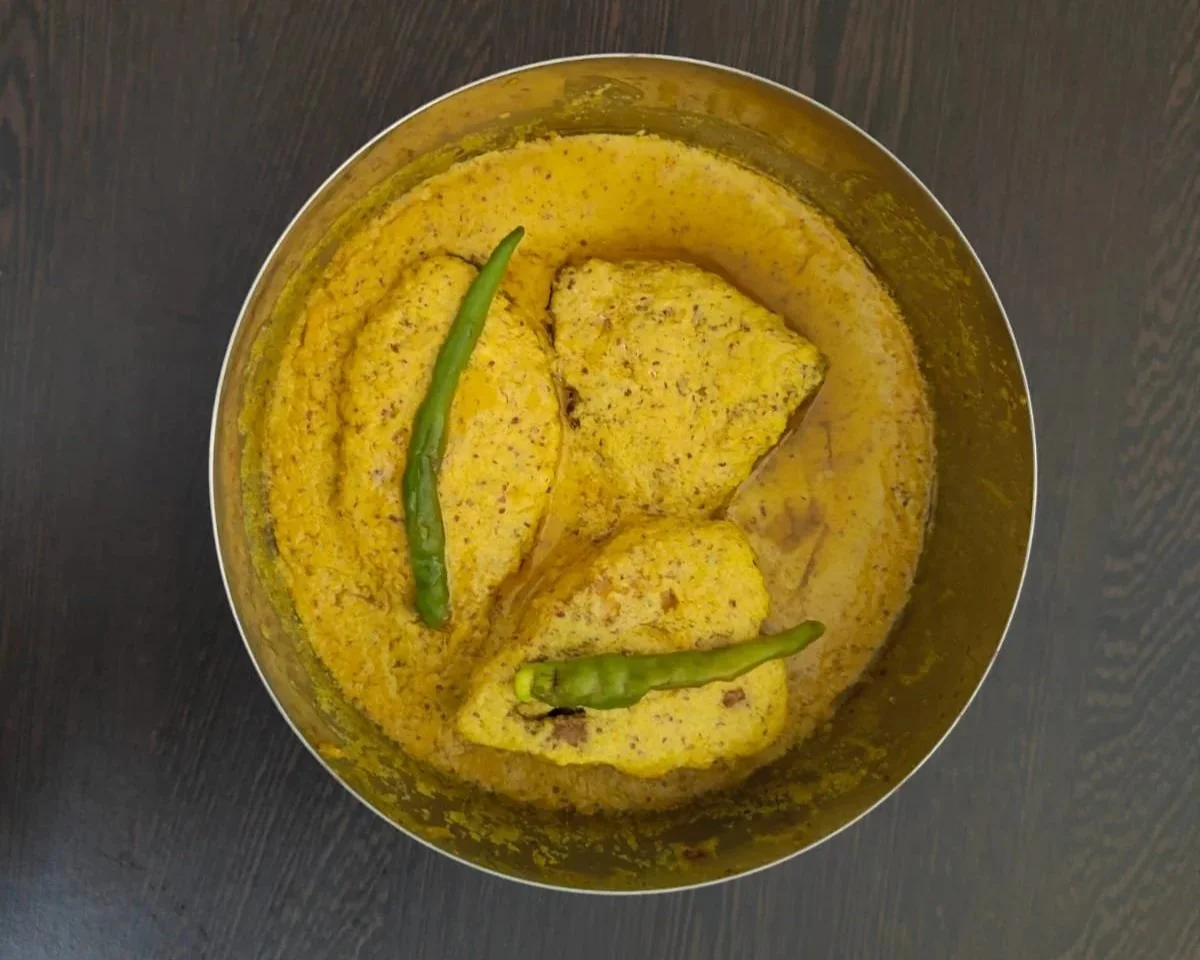
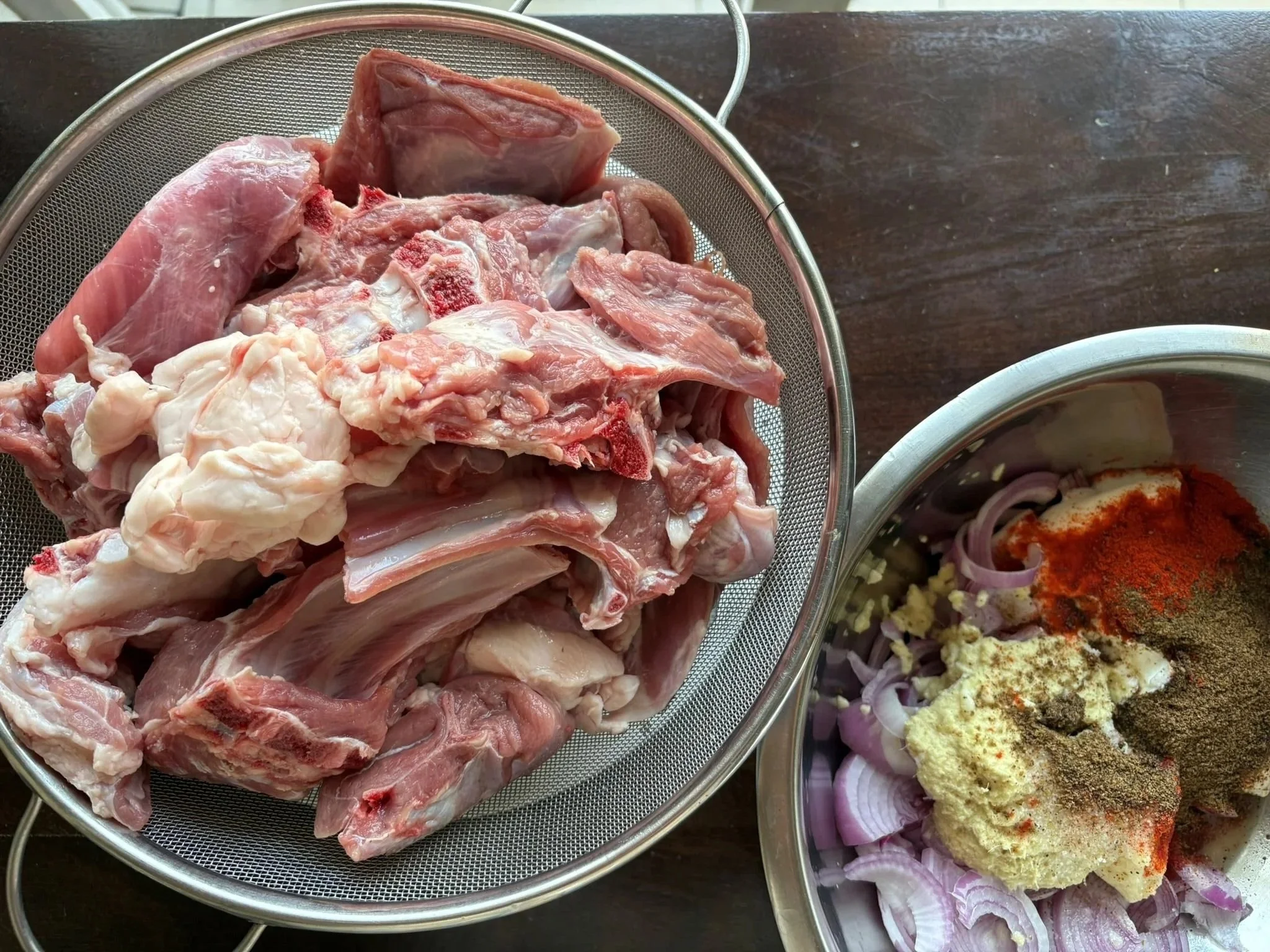
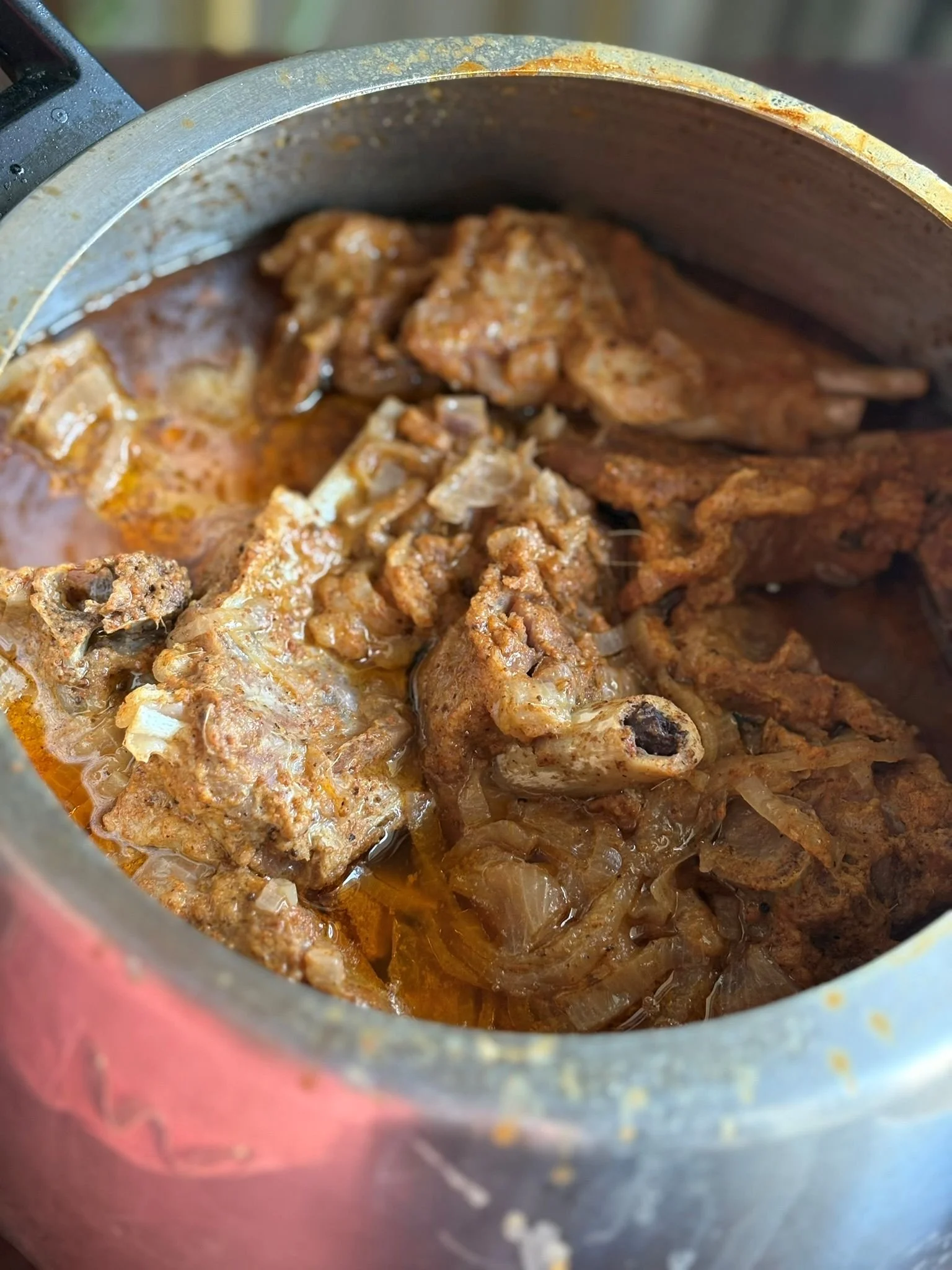
There are two ways to make it: sukha (dry) or latpata (with a thick masala). Bari Amma’s grail, made in latpata masala, was the family favourite. I was too shy, a young bride, to ask her for the recipe. Many years later, her daughter generously shared it with me, and it turned out to be deceptively simple.You marinate the meat in a paste of onion, ginger and garlic, dahi, oil and lots of black pepper powder — no garam masala here. You then pressure cook the meat, followed by a low and slow sauté until the gravy becomes latpata.
Grail would make its appearance on our teak breakfast table along with gajrela, aloo ki bhujia, egg, and roti. Bari Amma had a lot of zaiqa (loosely translating to flavour) in her hands; many in the family tried to replicate her grail, but it never turned out quite the same.
Read: Another Baqr Eid special, made with goat tallow.
The first time I tasted this version of grail was at my samdhiana (daughter's in-law’s) in Patna. The dastarkhawan was laid out with all the classic delicacies: pulao gosht, nihari, seekh kebab (known as Bihari kebab outside of Bihar), nargisi kebab, baqarkhani, naan pamba, and much more. But what instantly caught my eye was the grail, as I had never tasted this version before. I was floored by its perfectly balanced flavours. The grail was meaty and rounded, seasoned delicately to allow the meat to remain the star. This generous lunch was followed by makuti (moong dal kheer), as we sat out in the aangan, basking in the winter sun, under the shade of mango trees.
In this latpata version, the flavours come from mutton fat or charbi. The perfect meat for this dish comes from large, fattened goats, which are available during Baqr Eid. During the rest of the year, I simply ask for large cuts of champ (ribs), seena (short ribs), dasti (shoulder), and add some mutton fat to the pot. No extra oil or ghee is needed, as everything comes from the meat and fat itself, with simple seasonings to enhance the flavours. This is a very convenient dish to be served during Baqr Eid when it's open house. All one must do is cook the grail until tender, then gently shallow fry in the rendered fat as and when the guests arrive.
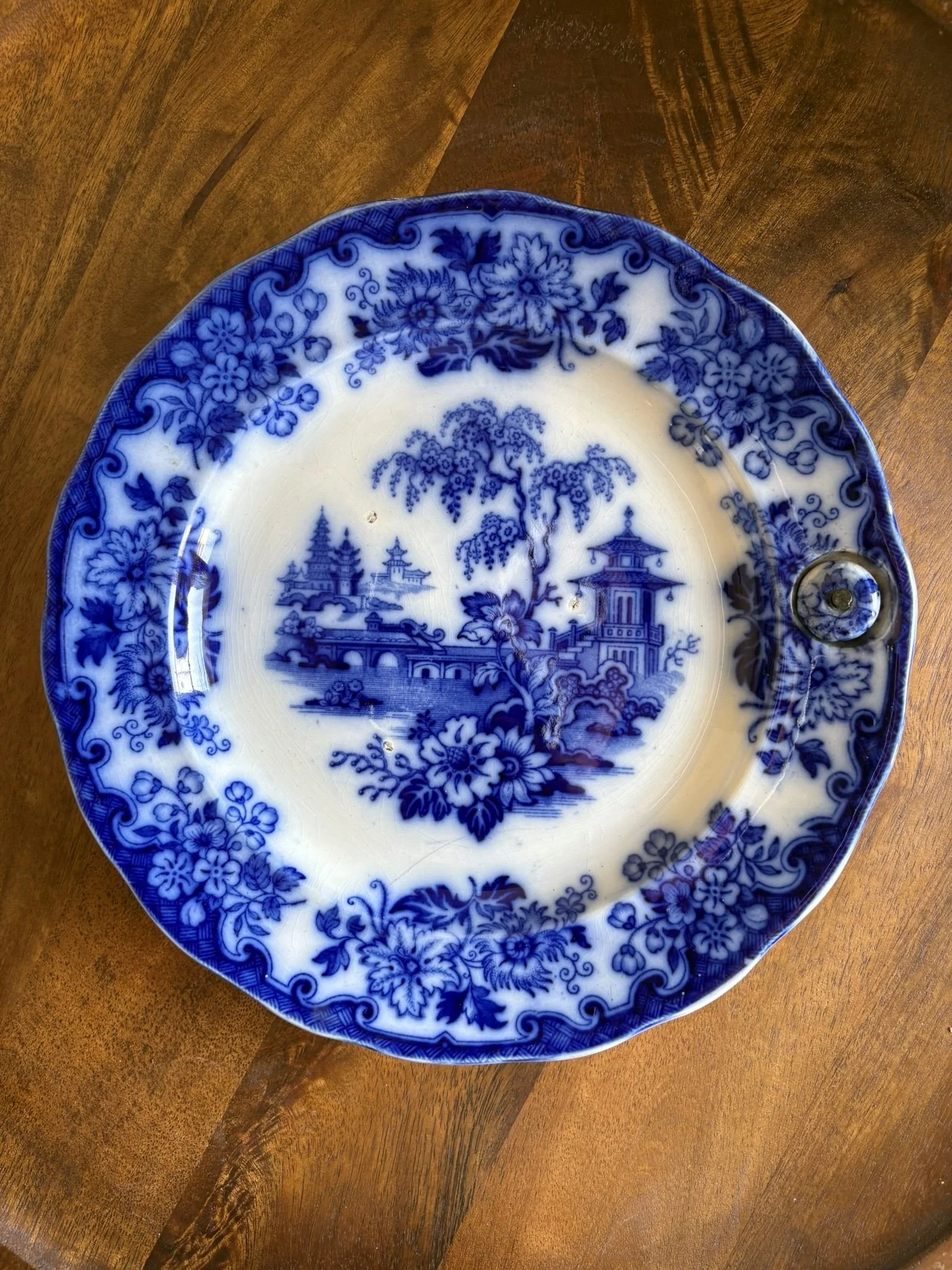
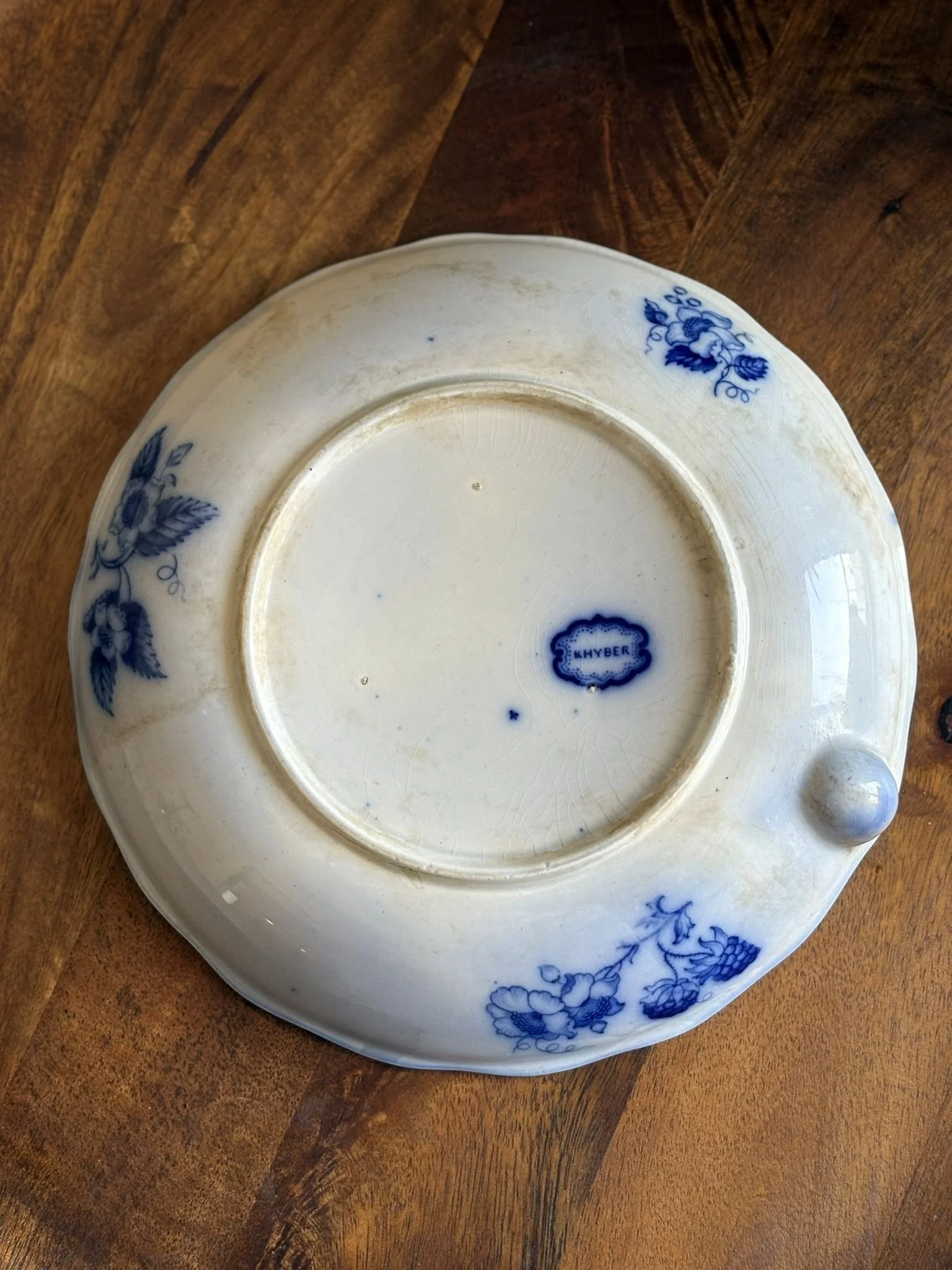
Grail must be eaten warm, or the fats tend to solidify. To solve for this, we would serve it in a double walled plate that is engineered to keep warm. You would pour warm water down the opening on the side, which was then plugged with a ceramic-topped cork stopper. We inherited one of these plates, and it is over a hundred years old: a prized possession, much like this recipe for grail.
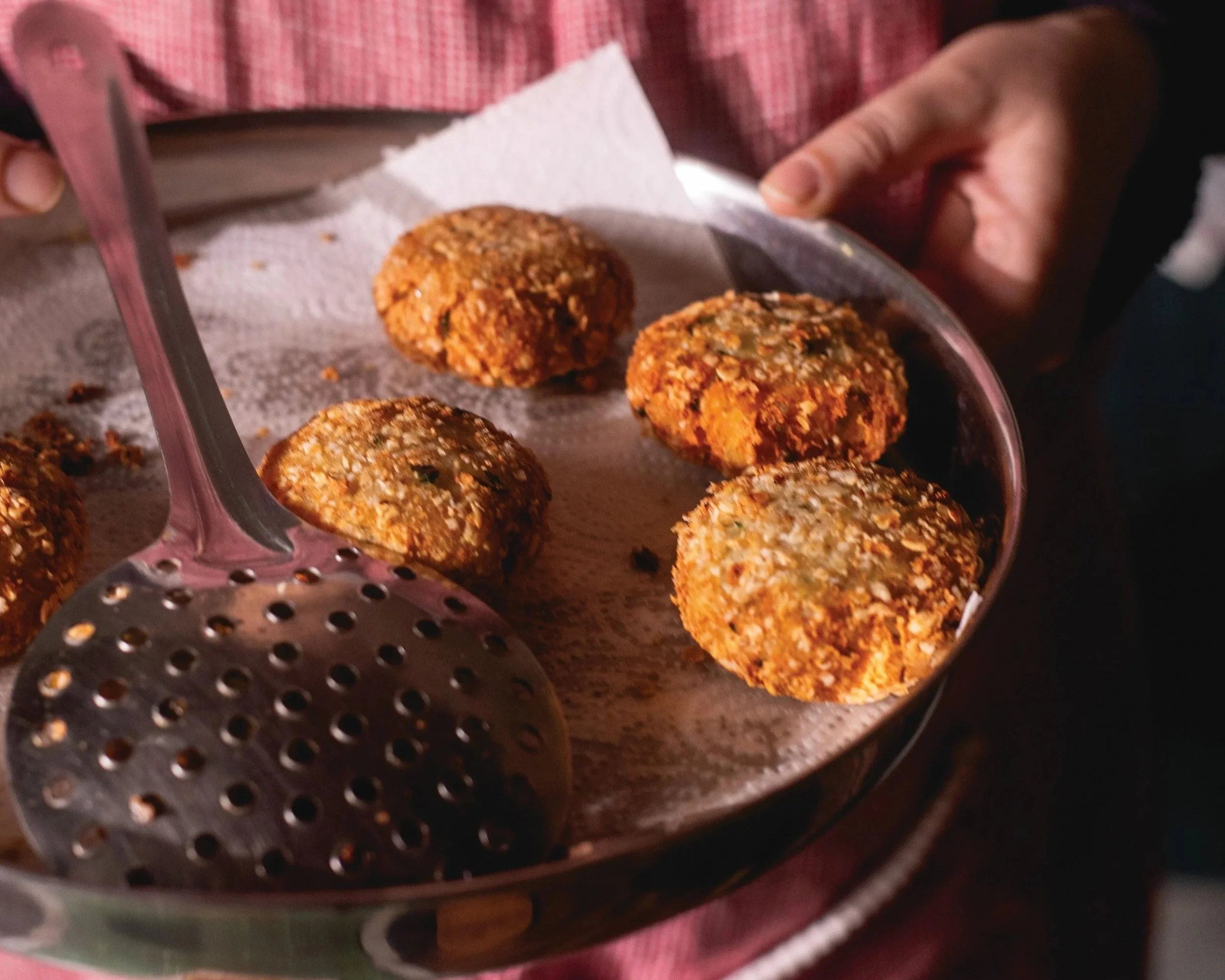
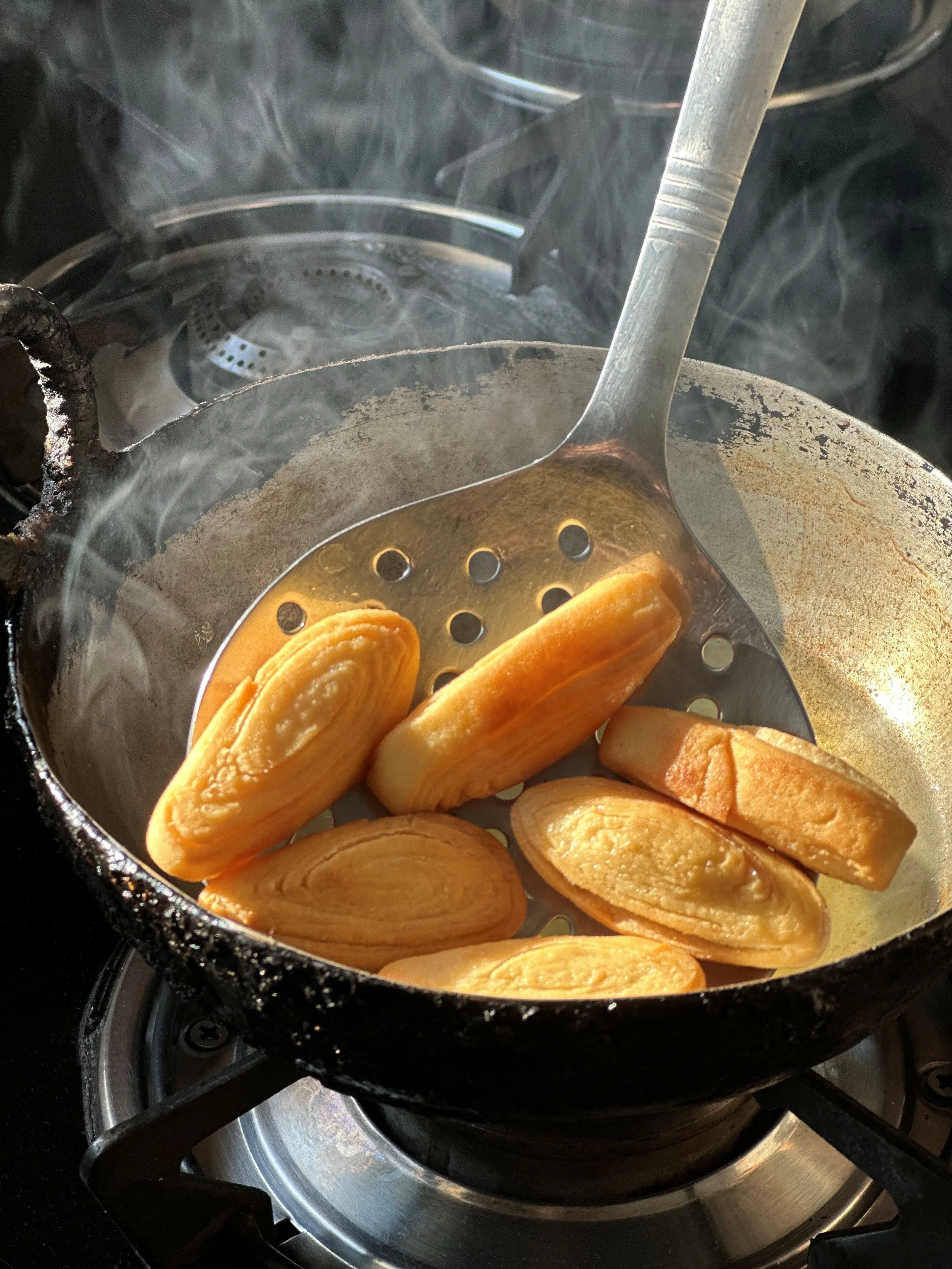
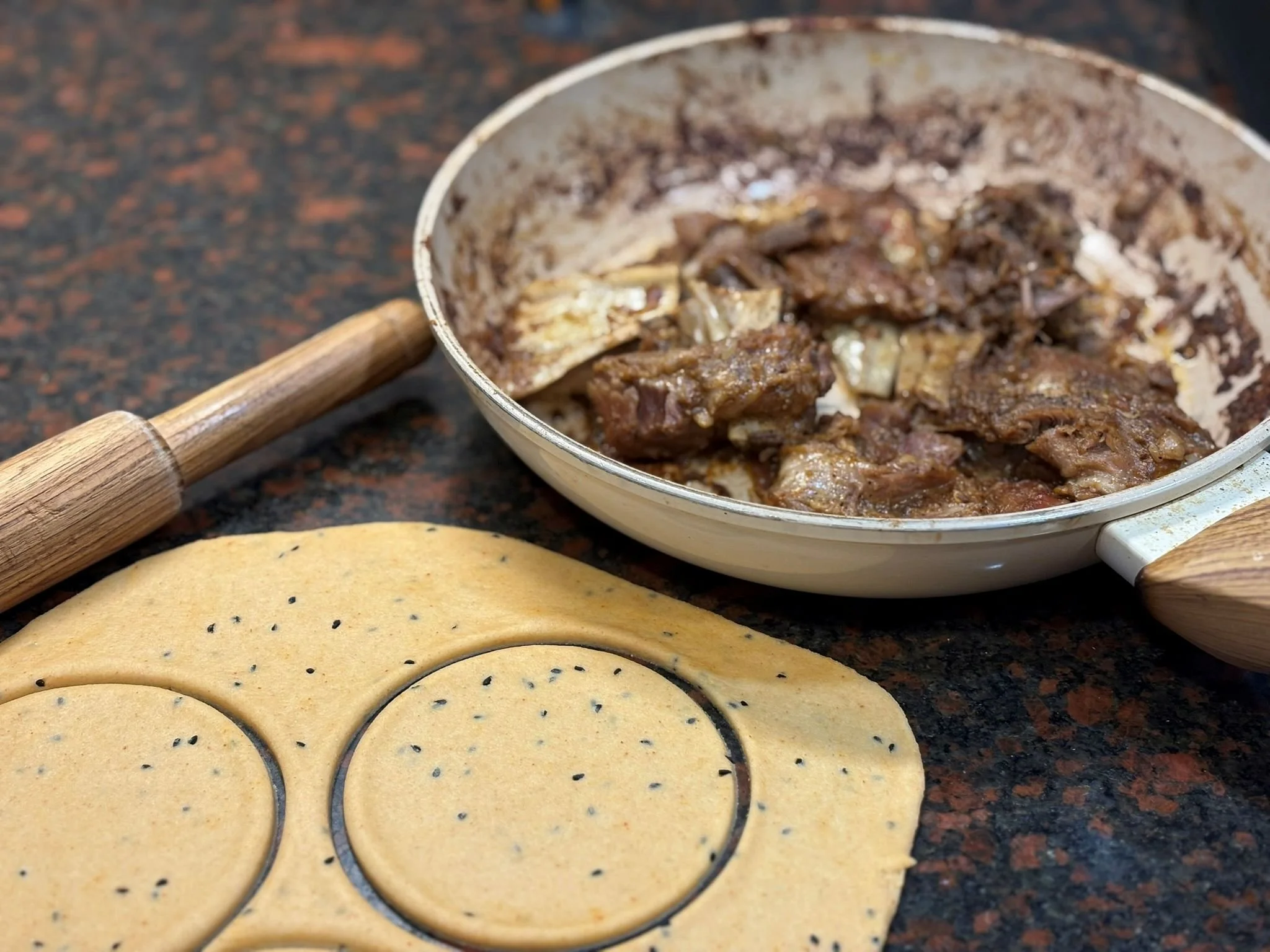
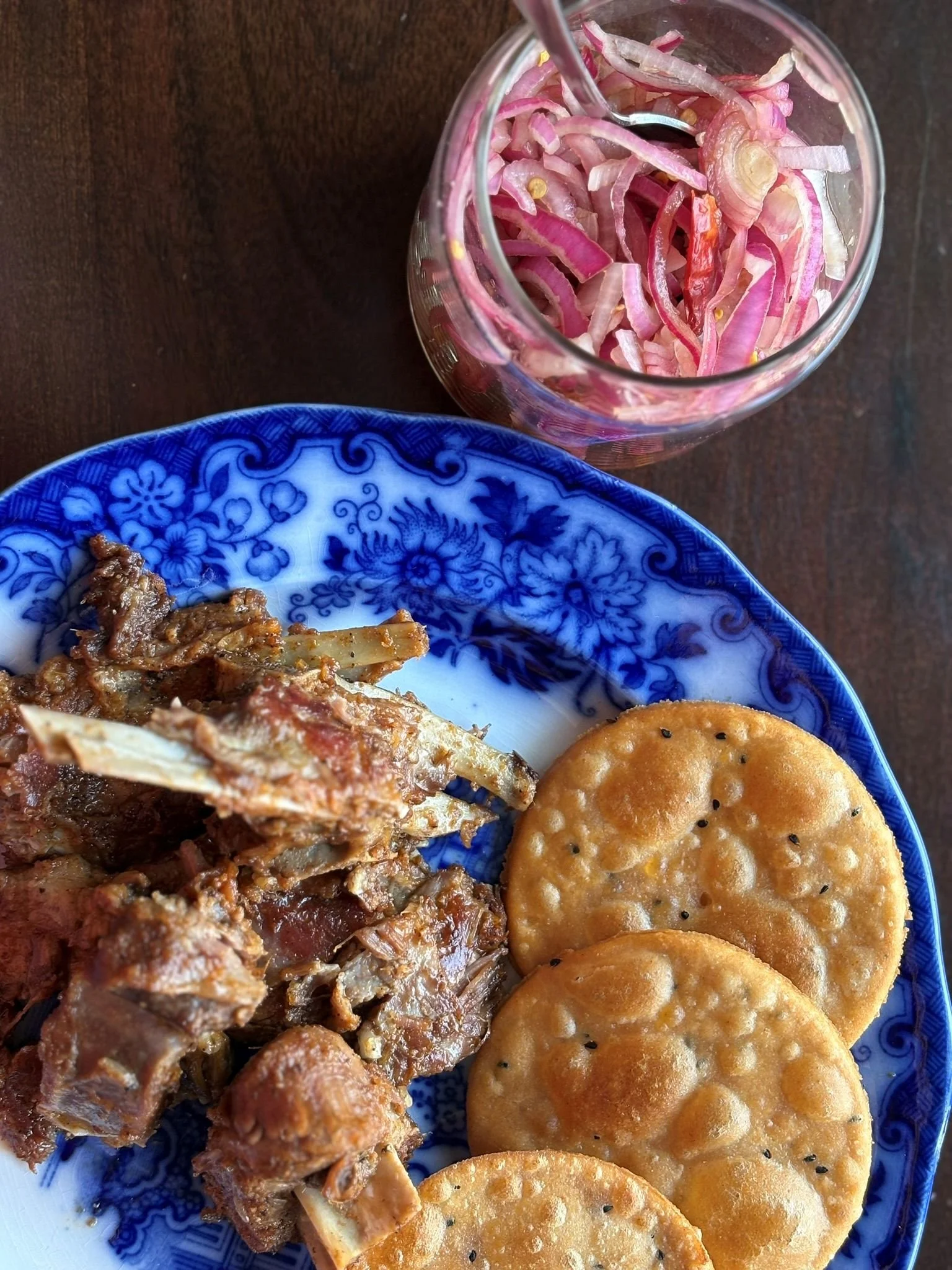
We have always eaten grail with roti, until I discovered that it is traditionally served with something called namkeen tikiya which is a thick poori made with atta, kalonji, red chilli powder, a bit of oil and salt. Occasionally a bit of spicy Bihari aam ka achar ka masala would be added to it. The dough is rolled out to about double the thickness of that of a poori, and palm-sized rounds are cut out. The tikiya is then deep fried over medium heat so that it cooks through. Though, there is another, more delicious version, where in place of oil, one uses rendered goat fat, making for extra flaky bread.
OUR RECIPE FOR SUKHA GRAIL
Ingredients
2 kg of mutton cut into large chunks — ribs (champ) and short ribs (seena), shoulder (dasti) could be added
200 g of dahi
2 tbsp of ginger paste
1 tbsp of garlic paste
1/2 tsp chilli powder (or to taste)
2 tsp homemade garam masala powder (recipe given below)
3 large onions, thinly sliced
Salt, to taste.
Recipe for my garam masala:
4 tbsp cumin
3 tbsp black pepper
1 tsp cloves
4 pcs black cardamom
2 pieces of 2 inch each of cassia
Method
To make the garam masala: give the spices a quick stir on a warm tawa, then grind fine.
Marinade the mutton in the above ingredients and set aside for half an hour.
Pressure cook the mutton with half cup of water for about 20 mins. Allow the pressure to release naturally.
Shallow fry the mutton using the leftover liquid, no extra oil or ghee is added. Seasonings (garam masala, black pepper and salt) can be added at this time to balance the flavours.
Along with the tikiya, the grail would be served with sliced onions in jamun ka sirka and lots of freshly ground pepper on the side.
Nighat Rana Alam, an artist and antique collector, is passionate about preserving the culinary heritage of the Bihari Muslim families, particularly that from Patna. She has recently started documenting the recipes on Instagram
ALSO ON GOYA