Bhejri Baigan Bhaja: A Recipe for Wild Eggplant from Odisha
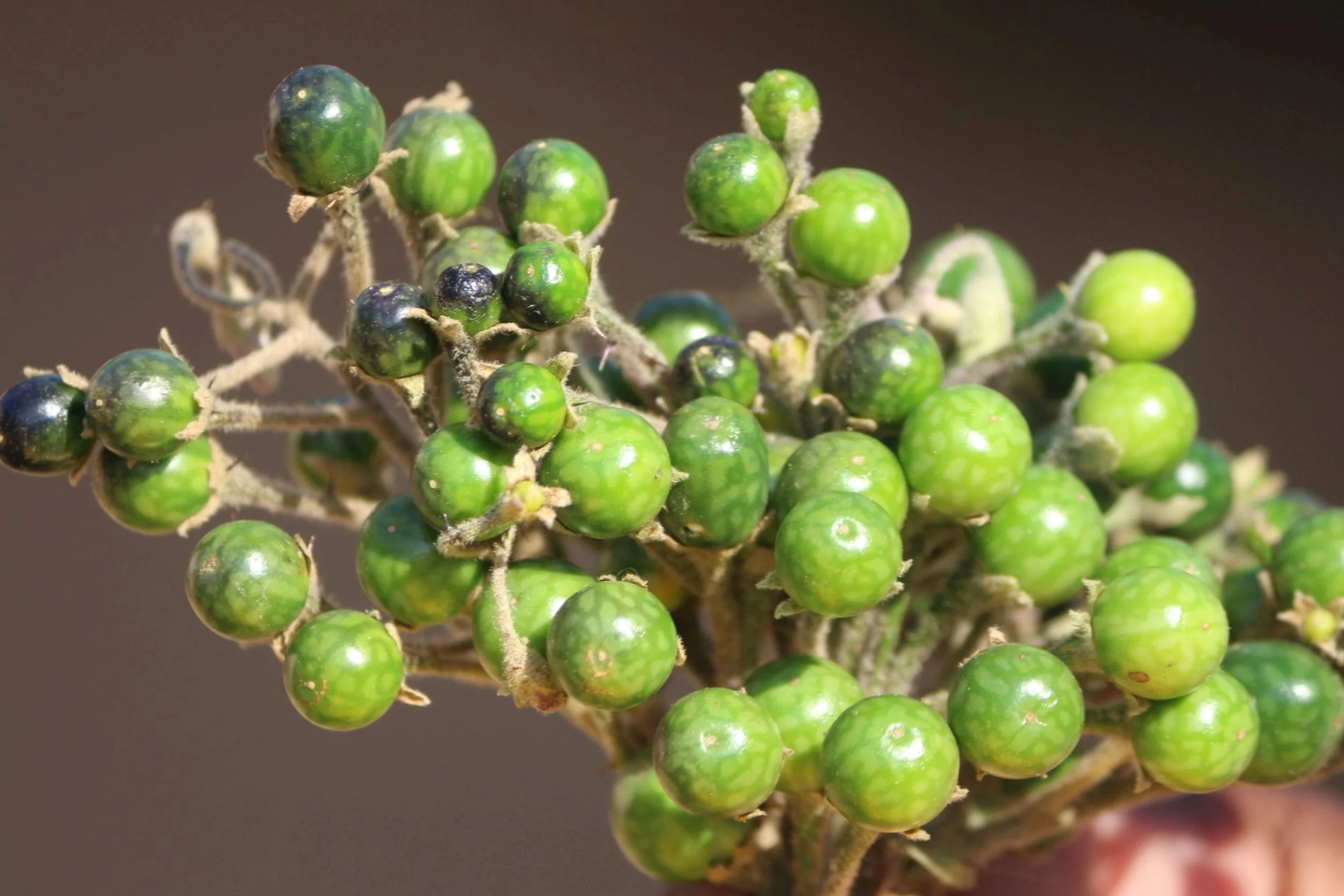
A staple of summer kitchens in western and southern Odisha, turkey berry (Solanum torvum), or bhejri baigan, is prized for its gentle bitterness and versatility. Abhijit Mohanty shares an Adivasi preparation that celebrates the ingredient at its seasonal peak.
In the hilly regions of Odisha, where farming is rainfed, indigenous varieties of vegetables, tubers and roots have ensured dietary diversity of tribal communities for years. One of the common ingredients of this diet is bhejri baigan (Solanum Torvum) or wild eggplant.
Bhejria baigan is known by different names across the country: Sundakkai in Tamil, kottuvastu in Telegu, Bhankatiya in Hindi, Kankeri in Marathi, Titbegun in Assamese, and Samtawk in Mizo. Although the plant produces fruits year-round, summer is the season of bumper harvest.
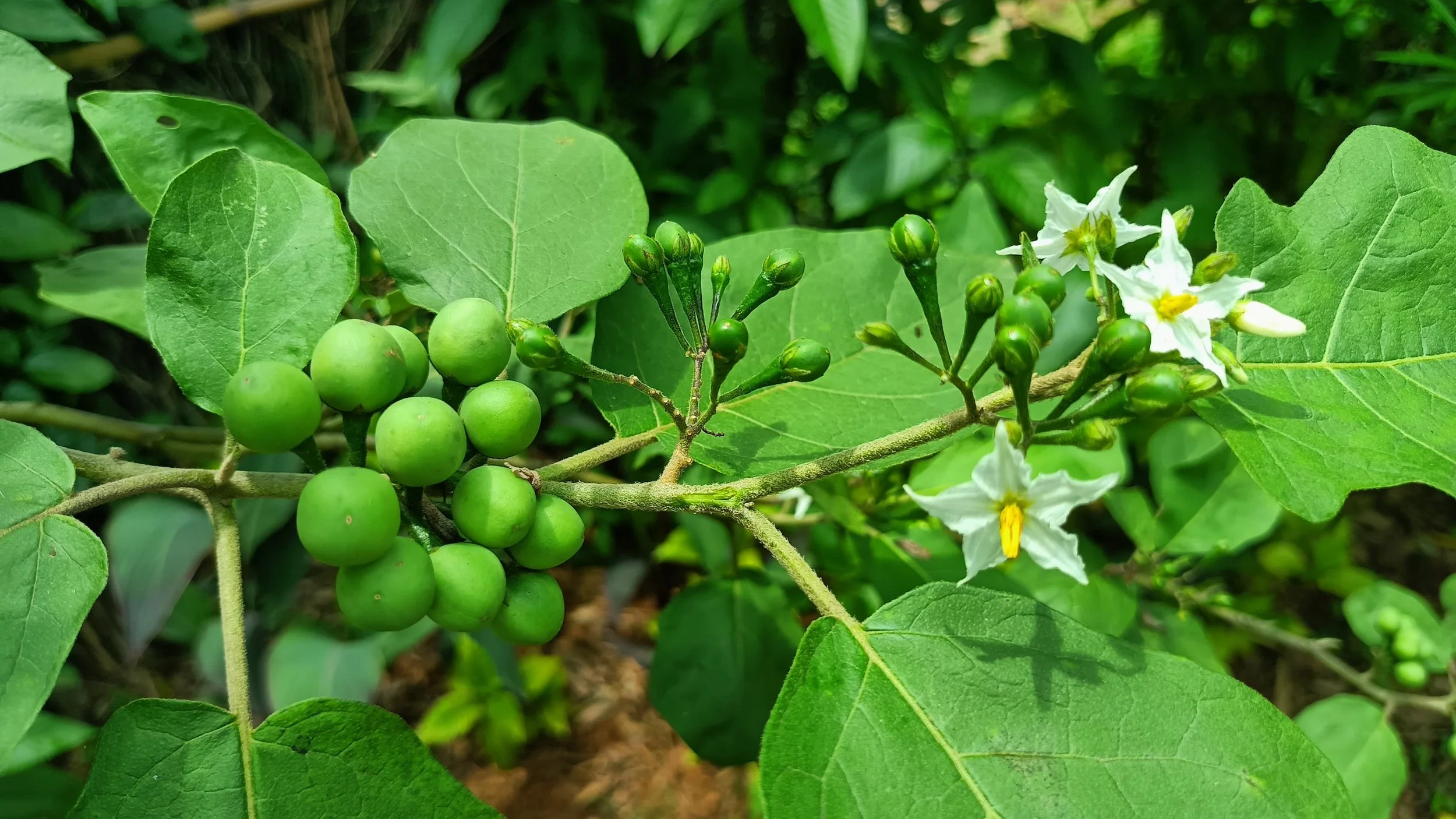
The plant has cluster-bearing characteristics, and produces several small, round fruits together on a single node. The colour varies from region to region: light green, grey-green, or greenish-white with faint stripes. It is known for its distinctive aroma, tender texture, and mildly bitter-tangy taste.
The plant is hardy and well adapted to hot and humid conditions. It is pest-resistant and thrives even in lesser fertile soils. Grown organically in household backyard kitchen gardens, bhejri baigan is traditionally cultivated mainly for household consumption and features in several local dishes. One such dish is bhejri baigan bhaja, a delicacy amongst the Chuktia Bhunjia, Gond and Paharia tribal communities in Nuapada district.
“During summer, ragi gruel and pokhal are our staple foods but these meals remain incomplete without accompaniments like bhejri baigan bhaja,” said Jam Bai, a 39-years old Chuktia Bhunjia woman from Junapani village.
How is the fruit treated? Bai details the process: slice it in half, thoroughly wash it with water, and remove the seeds (it helps to remove that slight bitterness). The best time to harvest is when they are light green; if its ripens too much, it gets tangy. Bhejri baigan is also sun-dried for use in later months.
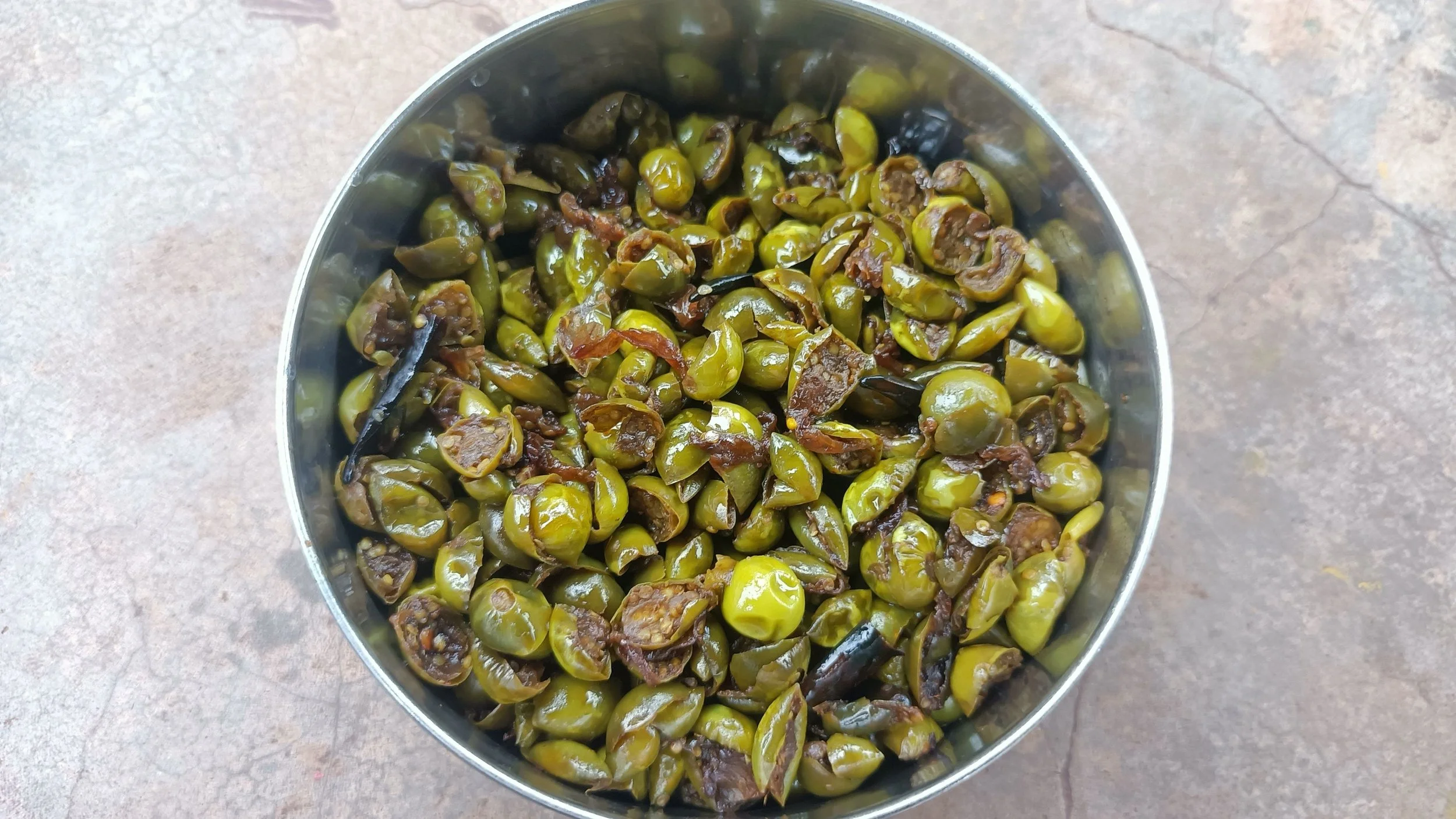
RECIPE FOR BHEJRI BAIGAN BHAJA
Ingredients
500 gram bhejri baigan
150 g mustard oil
50 g cumin
50 g mustard seeds
3 medium size onions
2-3 red dry chilies
7-10 green chilies
1 tsp turmeric powder
1/2 tsp garam masala powder
1 tsp salt
Method
Heat mustard oil in a kadhai. Add in cumin, mustard seeds, dry red chili.
When it crackles, add in chopped onions and saute until brown. Then add the sliced bhejri baigan
Add salt, and turmeric powder.
Mix it well on a low flame.
Saute bhejri baigan until brown.
Serve it hot with pokhal or finger millet porridge.
Abhijit Mohanty is a Bhubaneswar-based independent journalist who reports on sustainable food, culture, livelihood, women's leadership and climate change with a special focus on tribal and other marginalized communities of India.
ALSO ON GOYA