Dudhauri: Made in the Absence of Abundance
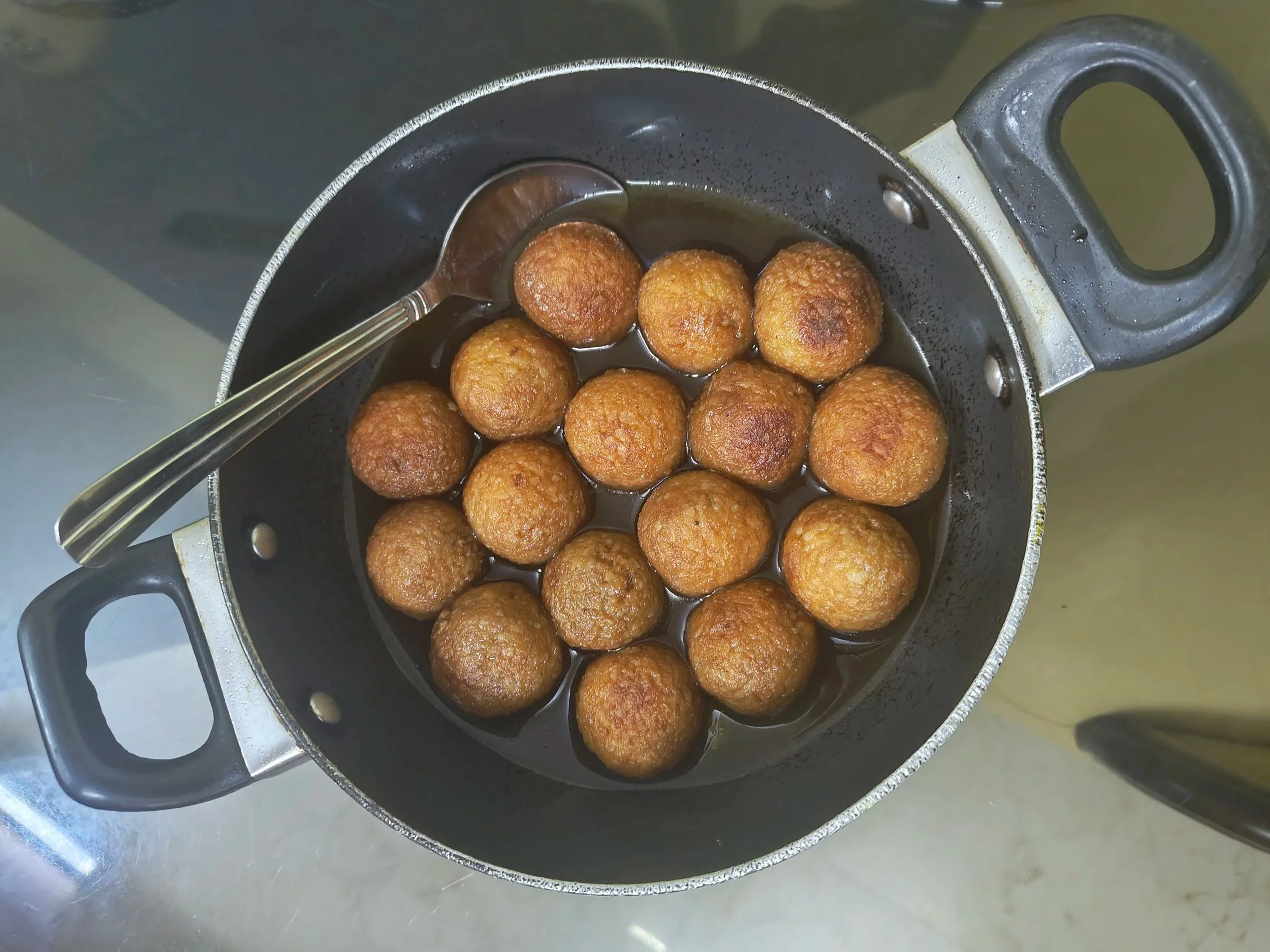
Bihar and Jharkhand celebrate Holi with sweets made from everyday pantry staples: rice, watery milk and jaggery. Long before they were dressed up in ghee and saffron, dudhauri and dehrori were born of milk deprivation; recipes shaped by thrift, ingenuity and resourcefulness. Anushka explores these lesser-known sweets that tell a story of making do.
From barfis in the North, to payasam in the South, ghevar in the West, to rosogollas in the East, Indian desserts are not for the faint-hearted, and riskier still for the lactose-intolerant. Visualised as a land of abundance, even our scriptures imagine the residence of Lord Vishnu and his consort Lakshmi as Kshira Sagar, the ocean of milk.
Milk graces all occasions, from the fragrant haldi-ubtan that marks pre-wedding rituals, to ghee laddoos that are distributed at Diwali, it remains the ultimate symbol of nourishment, purity and prosperity. Such traditions, however, seldom spare a thought for those who don’t come from such abundance; for whom buying milk goodies from the sweet shop would cost far more than they could afford.
One such tale of milk penury comes from the Mahabharat. Legend has it that Dronacharya’s son, young Ashwatthama, never knew the taste of milk, and dreamed of it endlessly. Sensing his longing, his friends sneakily offered him a mixture of flour and water, knowing he wouldn’t be able to tell the difference. When Drona eventually learned of the deception, he was humiliated. Ashamed and incensed, he turned to his childhood friend, King Drupad, asking that he share some of his wealth so that Ashwatthama might finally taste this culinary luxury. But the king mocked him instead — eventually setting a course for revenge.
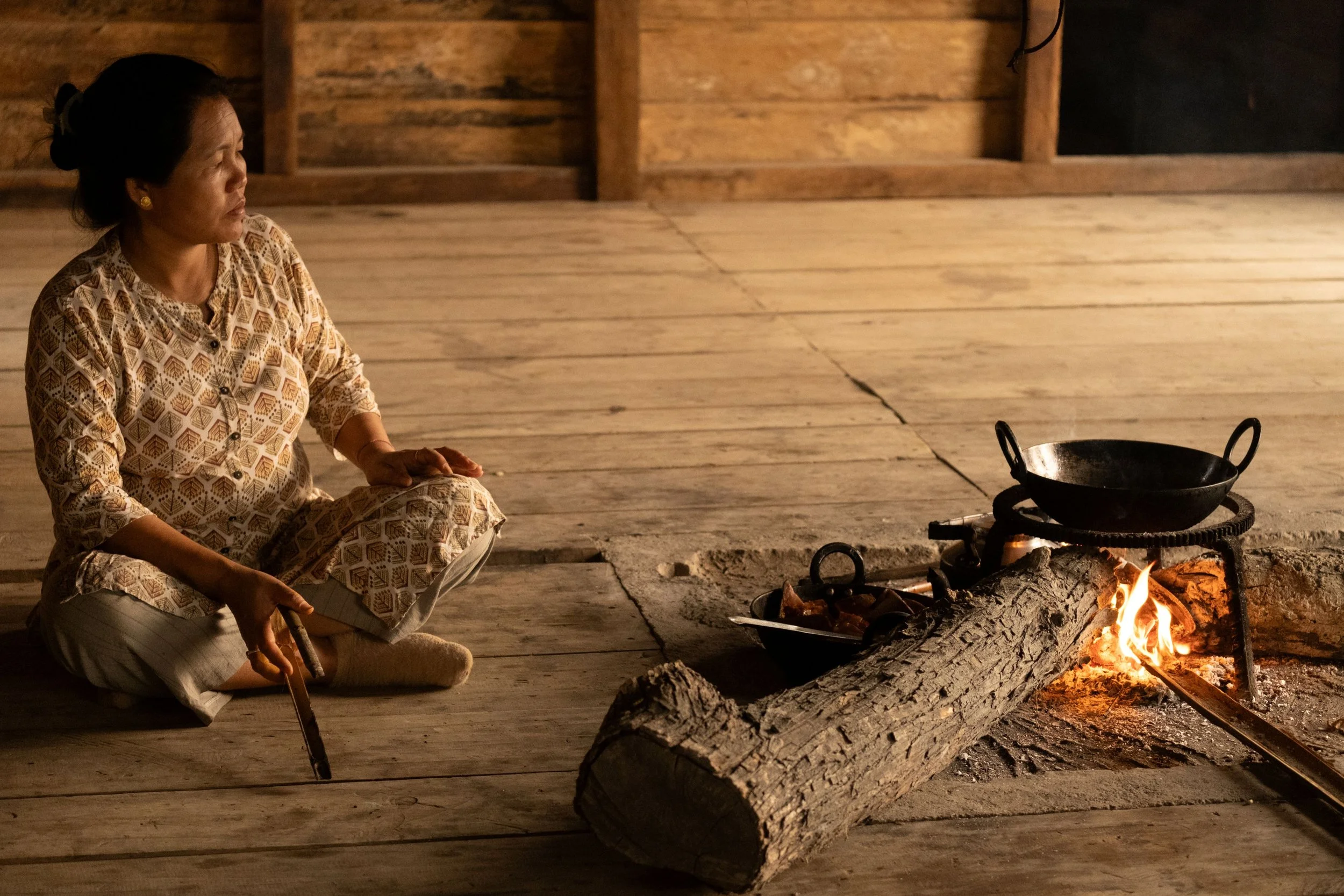
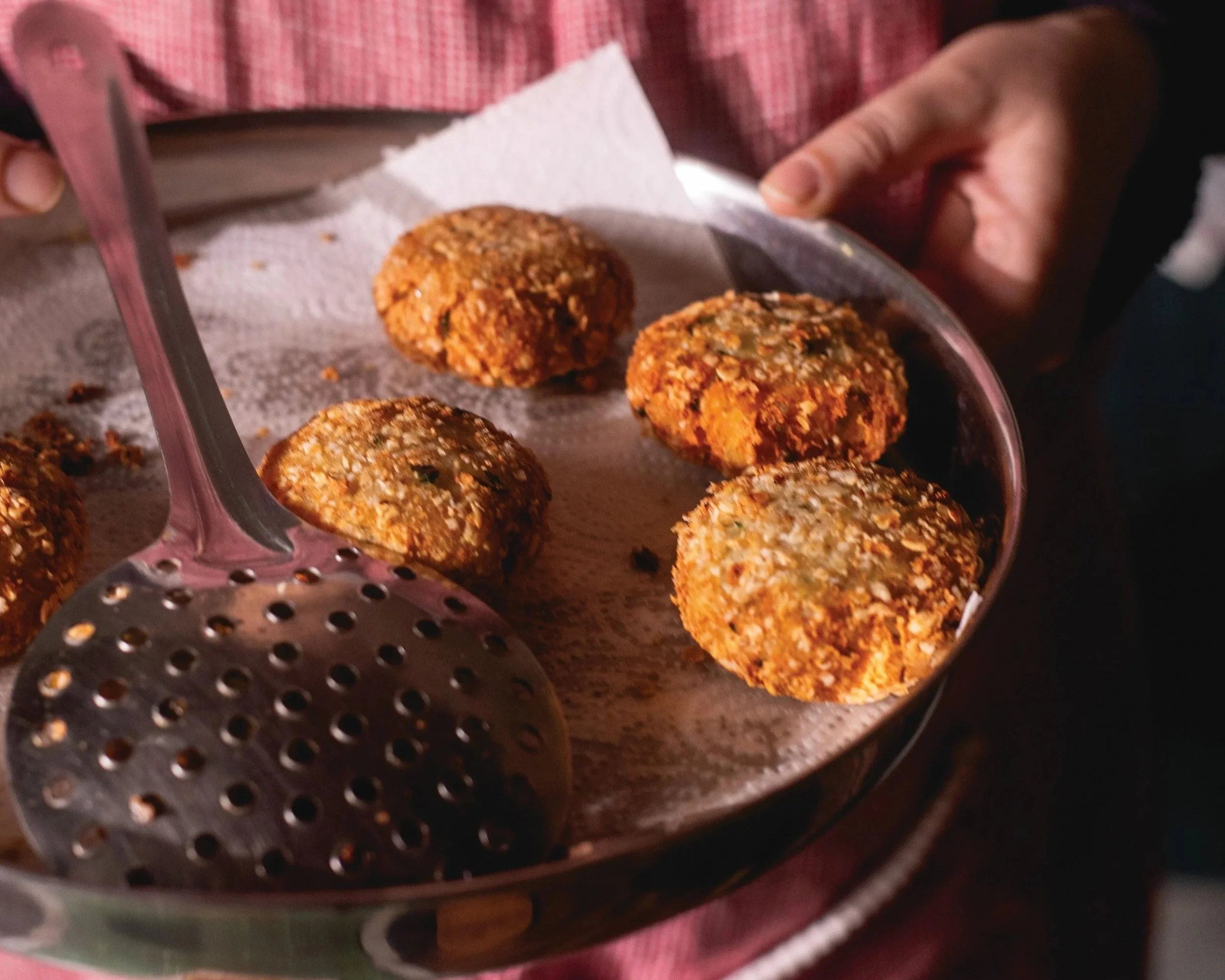
From the regions of Bihar and Jharkhand comes a dessert borne from milk penury. Dudhauri is a sweet made from watery milk and inexpensive arva (white) rice. In my own home, my mother, Seema, makes it by boiling a mix of milk and water, adding in rice and letting it simmer for a while. Refined flour rather than heat is used to make the mixture creamy; thick enough to form a dough. Little dough balls are then fried in oil.
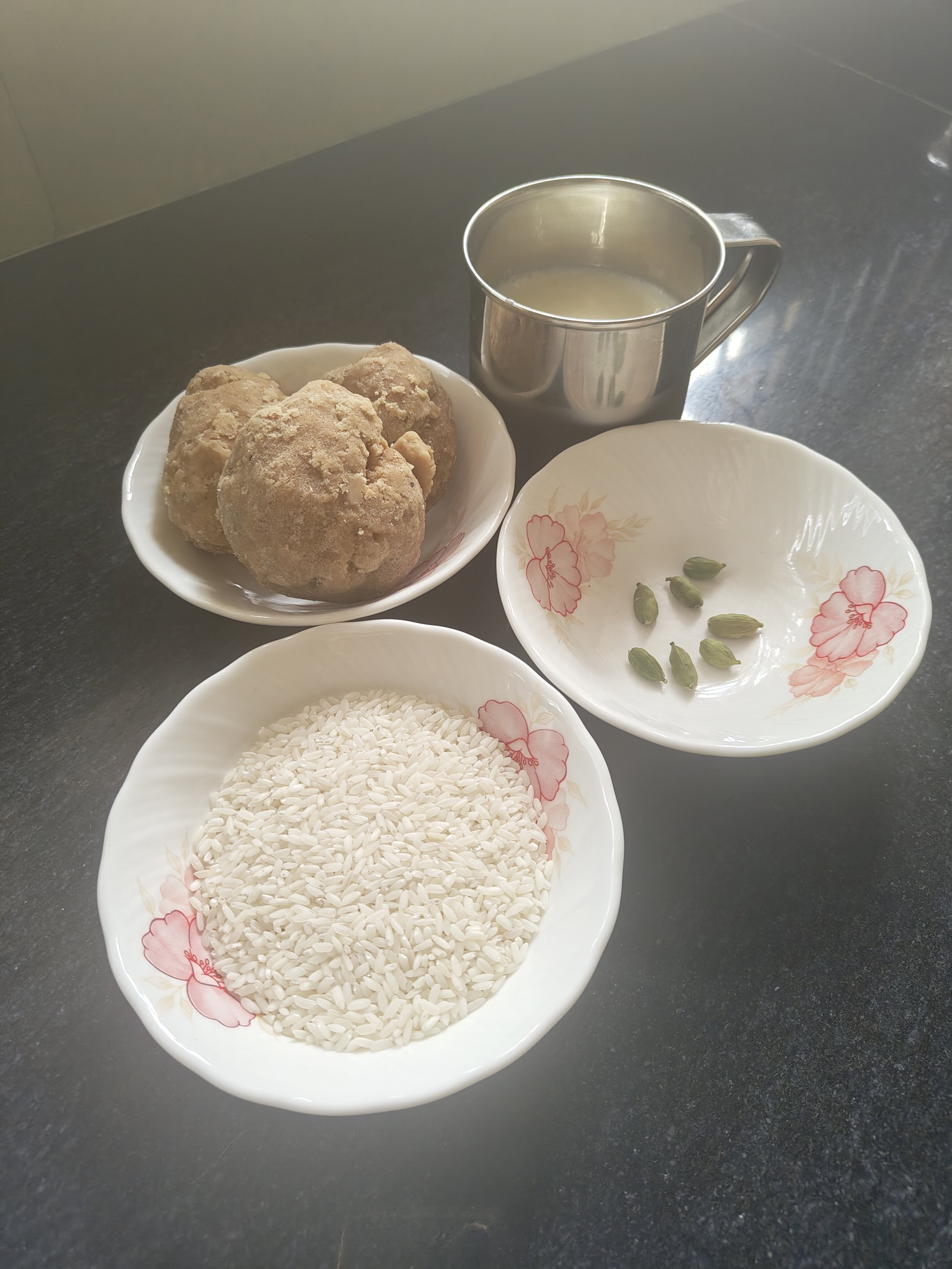
Dudhauri is made with watery milk and inexpensive arva rice, and jaggery.
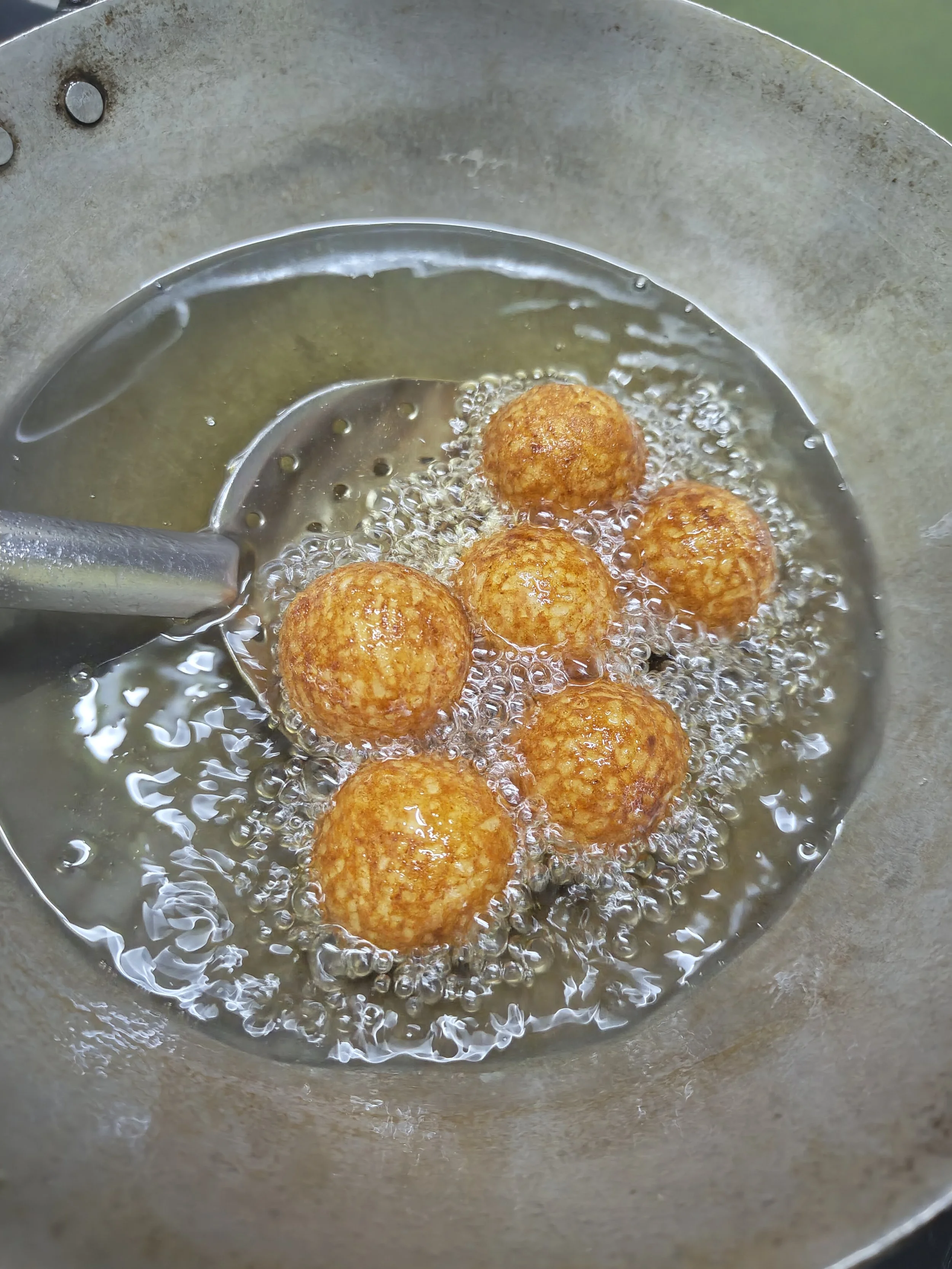
The ingredients are shaped into balls using refined flour, and then fried.
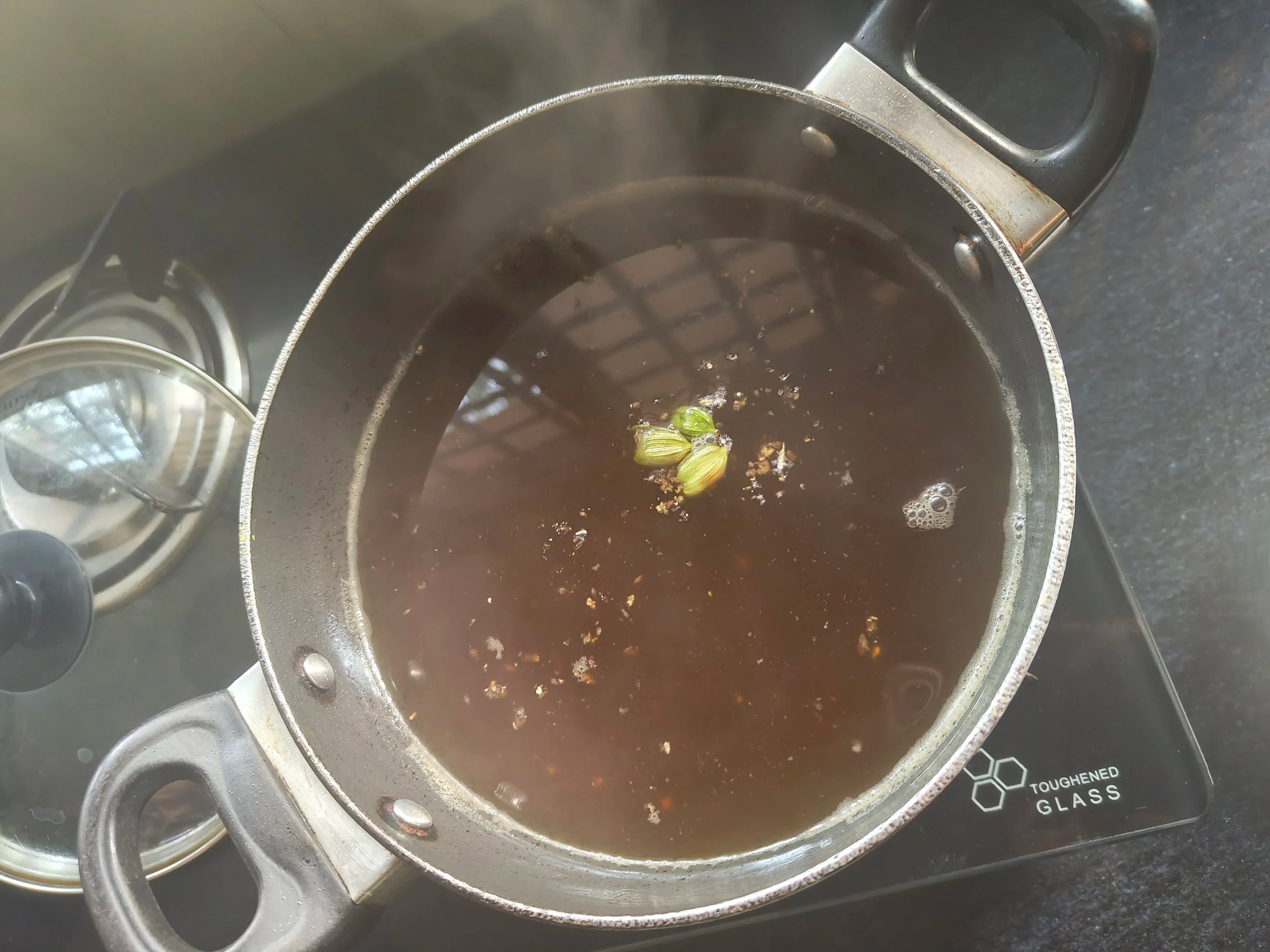
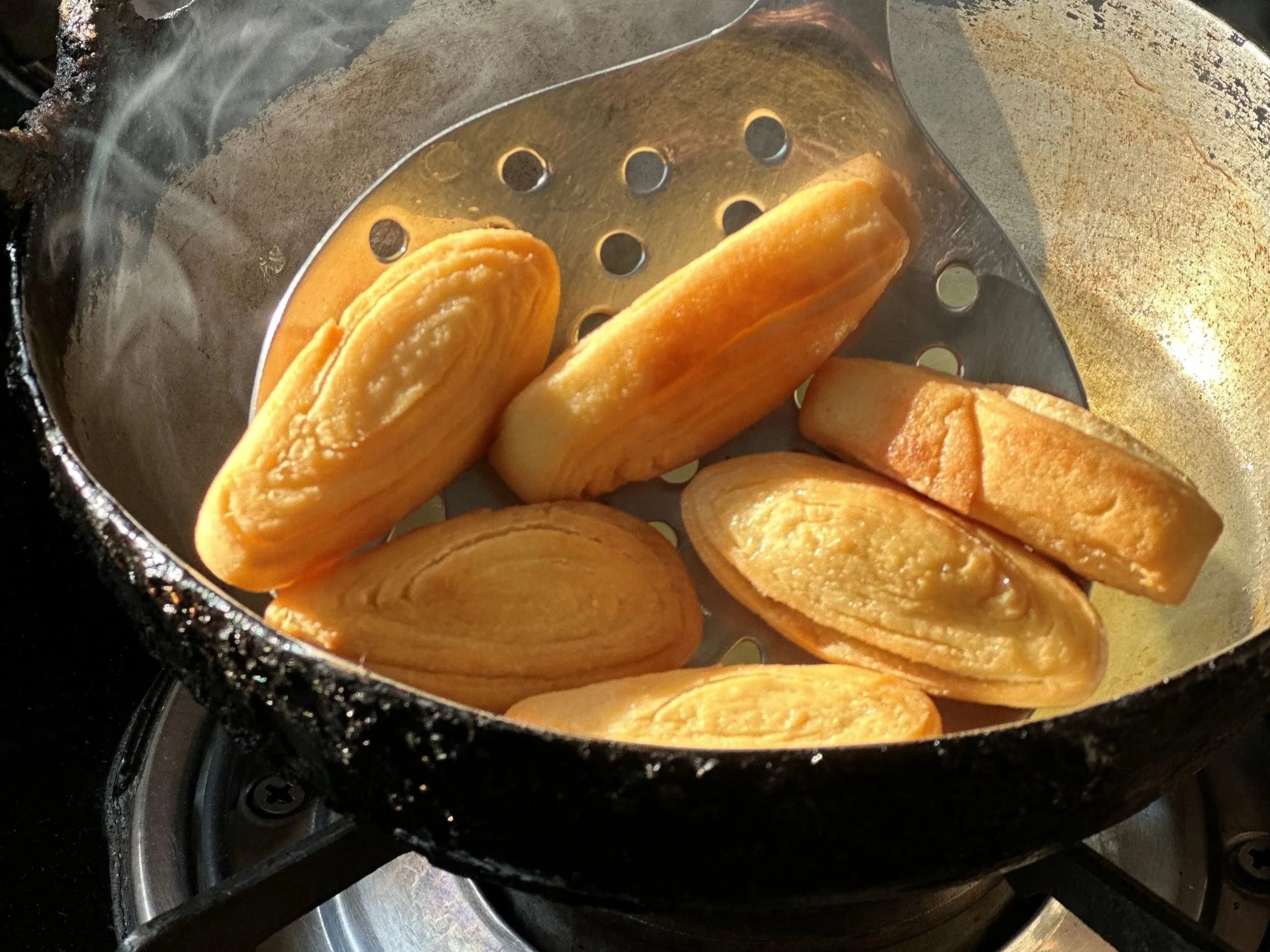
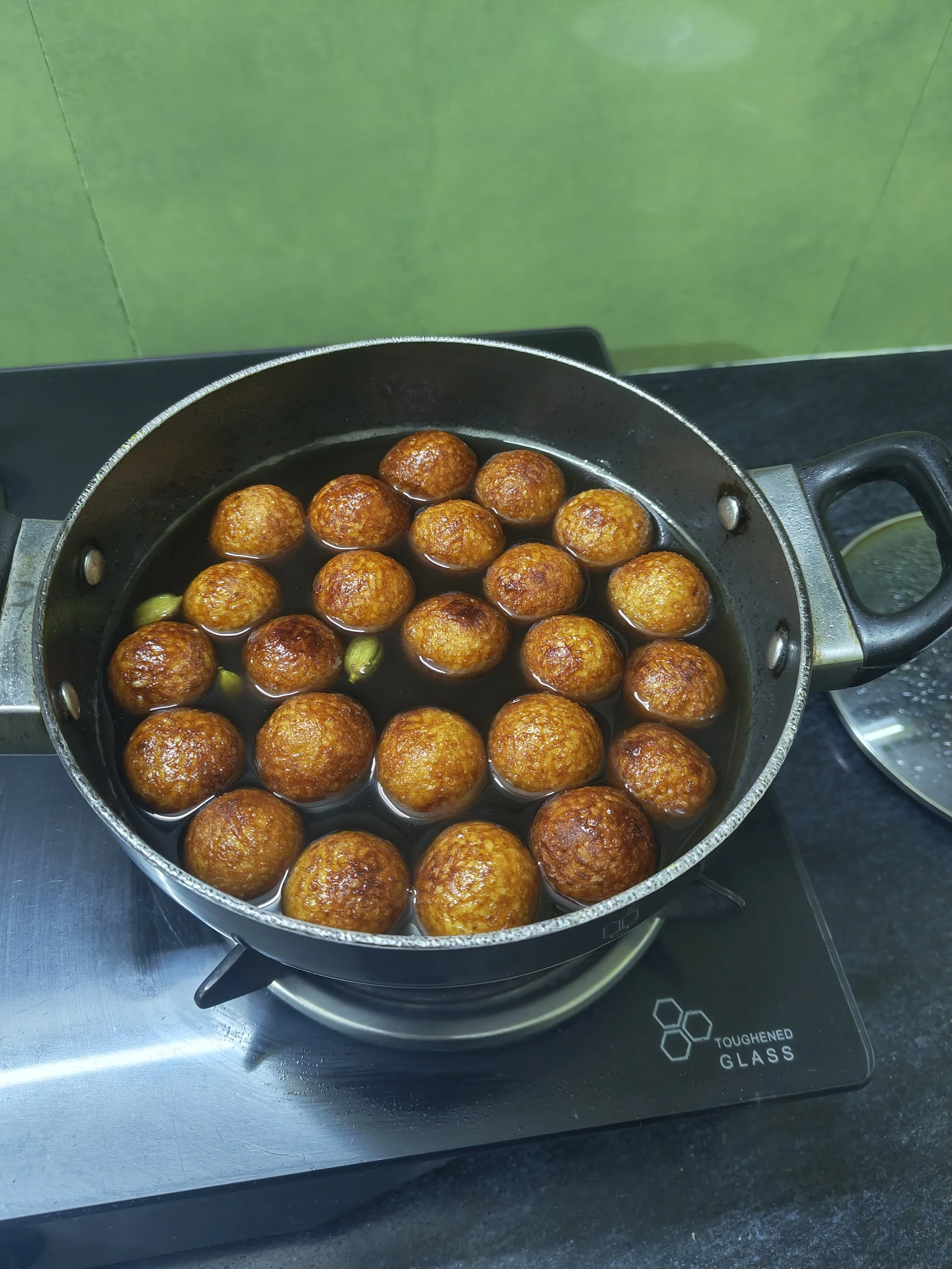
Fried dudhauri is soaked in a jaggery syrup with a hint of cardamom.
In the meanwhile, my mother set a kadhai of water on the stove, into which she dissolves large chunks of jagger. This is gur ki chashni (a jaggery syrup). Why not sugar syrup? Before the Industrial Revolution, refined sugar was a luxury few could afford; family elders worked a way around it, using jaggery instead, mother explains. A hint of cardamom adds flavour, and then the fried balls are popped in to soak up the syrup. The dessert is served within a few hours, having turned soft, pliant and incredibly tender.
A cousin of dudhauri is dehrori, the celebrated rice gulab jamun from Chhattisgarh. Both sweets are typically made during Holi. Dehrori is made to celebrate a successful harvest of paddy. As Holi heralds the beginning of summer, and a change in the seasons, it is is celebrated with the sharp, lively flavour of tartness to mirror the shift in air and appetite — in this case, from the fermented dehrori batter.
In a curious recent trend, food influencers and home chefs on social media have been trying to reclaim dudhauri and dehrori. They make it with Basmati rice, fry it in ghee and top it with nuts, warq and saffron strands. Their glamorous creations hardly resemble the sweets’ humble origins, a story that remains unknown, and unregistered.
As a sweet, dudhauri uses much less milk, and simple rice — it is made with everyday kitchen ingredients, with roots in the sweetest tale of milk penury.
SEEMA’S RECIPE FOR DUDHAURI
Ingredients
750 g water
500 g milk
200 g arwa rice
1-2 tsp refined flour
500 g jaggery
3-5 cardamom pods
Method
In a pot, add the milk and water, and bring it to a boil. Add the rice, and allow the mixture to thicken as the grains cook.
Once everything turns mushy, add in the refined flour, and make balls with the dough.
Fry the balls in oil until they are crispy, and resemble gulab jamuns.
In a separate kadhai, add water and chunks of jaggery, bring to a boil and allow to thicken.
Add 3-5 cardamom pods, roughly crushed, or use cardamom powder to your taste. Turn the flame off when the syrup reaches one-string consistency.
Immediately after, drop the fried balls into the jaggery syrup and allow to rest.
Serve after 3 hours.
From contributing to her school magazine to writing ad copy for start-ups such as Woman Ambassadors in Chicago, Anushka has always been writing. Now twenty-two and fresh from an internship at Siyahi, a prominent literary agency, she is now working at her family's hospitality venture, Mistwood Holidays and Resorts.
ALSO ON GOYA