This Gluten-Free Rice Comes from Bamboo Plants

The rare flowering of the bamboo plant, usually at the end of its life cycle, results in a once precious and now forgotten ingredient called bamboo rice. Arti Das seeks out this superfood in Goa.
The flowering of the bamboo plant is a once in a lifetime moment.
It flowers just once when the bamboo plant reaches the end of its life cycle, which could take decades. At this point, the bamboo sheds its seeds.
Depending on which part of the country it happens in, the flowering is considered a good or a bad omen.
In forested areas in the north-east of India, the flowering results in an increase in the rat population that loves to feast on the seeds of the bamboo and, in turn, raid the harvest of the season. This also indicates the spread of rodent-based diseases in the village.
But, in the forests of Western Ghats, the flowering is a means of sustenance as these bamboo seeds are eaten as rice. This gift from nature is collected and stored for years. It is a nourishing grain that has provided much-needed nutrition to the forested communities for centuries now.
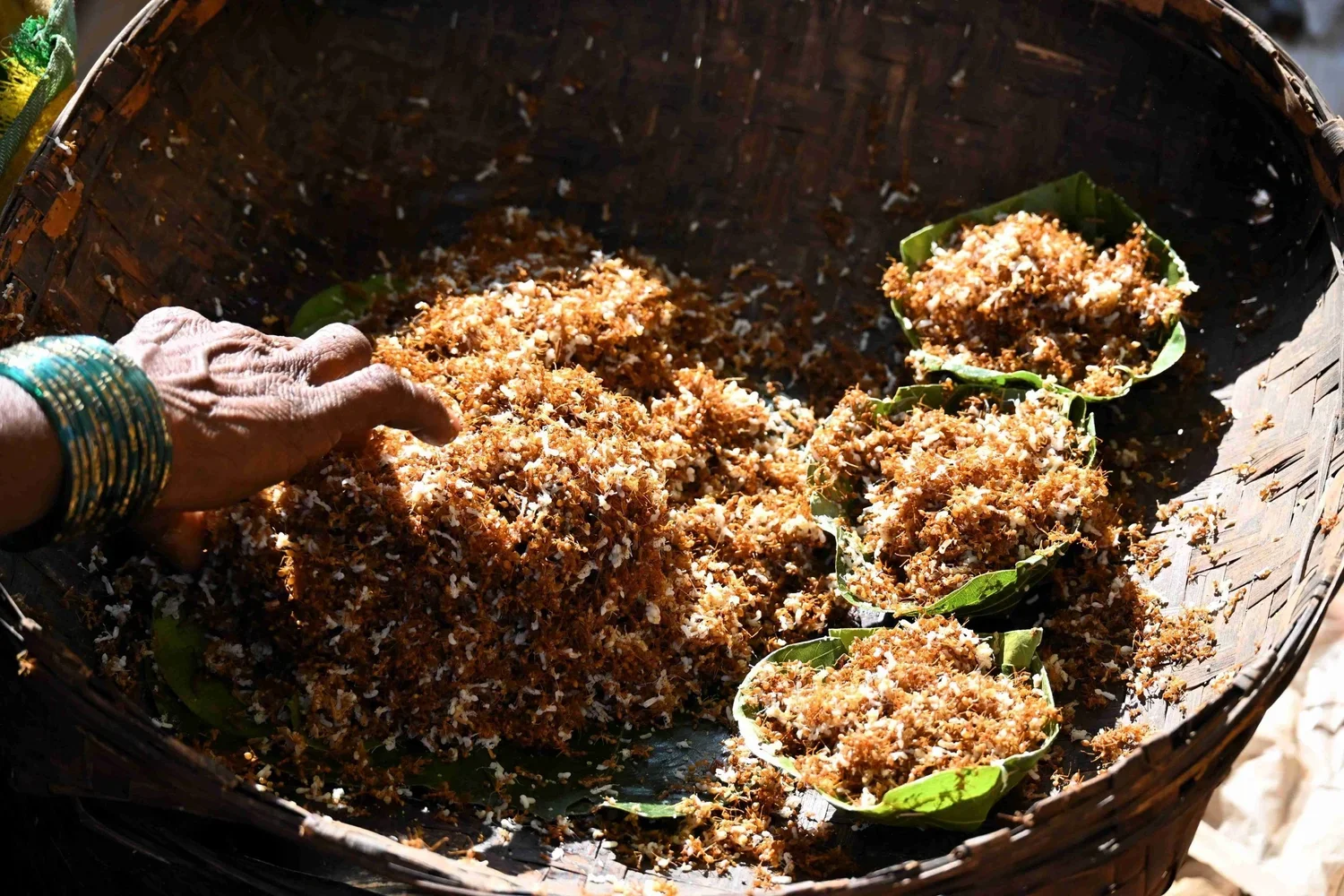
Bamboo seeds or bamboo rice. Photo credit: Assavri Kulkarni
In states like Goa, bamboo rice is eaten by very few indigenous forest communities. “My mother told me that I ate bamboo rice when I was two years old,” says Sushila Daikar, now 60, who hails from Cotigao, a forested village in the southernmost part of Goa.
“At that time, we could not afford to have regular rice and coconut was not easily available. We had to eat what was found in the vicinity. My mother told me that when the bamboo started flowering, she would cover the area under the bamboo with cow dung and then flatten it like a cow dung flooring to make it easier to collect rice (seeds). She would make me sit under that bamboo, while she was busy collecting this rice. We usually made ‘pej’ with it,” she says. Daikar has treasured this memory from her early childhood, as bamboo rice is a rare treat.

Sushila Daikar, who sells local herbal medicines, has a distinct memory of eating bamboo rice. Photo credit: Arti Das
As an expert on local herbal medicine, Daikar’s job involves collecting leaves, shoots, barks, and roots of medicinal plants found in her backyard. She says that the seeds of the particular bamboo variety is eaten locally, called ‘Kalak’ (Bambusa bambos), and its tender shoots or ‘kille’, are eaten during monsoons. “I heard that it flowered again last year, but this time I don’t think anyone collected it as now the regular rice is easily available.”
This rice, which has a coarse texture and nutty flavour, is now being sold as a super food, and it is also considered beneficial. “This rice is considered medicinal, and thus, a lot of people who suffer from joint pain or spinal cord injury buy this rice from me,” says Pandurang Bhat, a farmer from Udupi, Karnataka. He sells this bamboo rice, which he buys from tribal communities of Madhya Pradesh, at farmers’ markets like the annual Konkan Fruit Fest in Goa. He purchased the rice when the bamboo flowered in 2013, and sells it for Rs 1000 per kilo.
Bamboos belong to the grass variety just like rice, wheat, etc. But they are perennials and can grow really fast. India has over 135 species. “In Goa, we mainly have four varieties — Bambusa bambos (thorny bamboo), Bambusa vulgaris (yellow bamboo), Dendrocalamus strictus, and the most common Dendrocalamus stocksii,” states Uthappa A R, Senior Scientist (Agroforestry) at ICAR-CCARI, Goa. He has scouted more than 100 locations in Goa to look at the commercial aspects of bamboo cultivation.
Bamboos tend to flower after reaching maturity and the flowering pattern is based on the species. Some flowers after 12 years, or some after 50 or 60 years; the average is around 30 years.
This is not true for all species. Uthappa mentions that in bamboos, there are two types of flowering — sporadic and gregarious flowering. “In sporadic flowering, the bamboo will flower but will not die, but in gregarious flowering, the bamboo will flower after reaching its maturity and then will die. The new seedlings will develop from their seeds.”
The gregarious flowering is when forest communities collect this precious rice.
Photographer and local food enthusiast Assavri Kulkarni, makes numerous visits to the forest to collect this treasure. “I believe that this bamboo rice found me,” says Kulkarni, who recollects the time when she first tasted it more than 20 years ago during her photography assignment in a small village in Canacona in South Goa. “I ate a porridge which was made of bamboo rice. The taste stayed with me, and I looked for it wherever I went next,” she says.
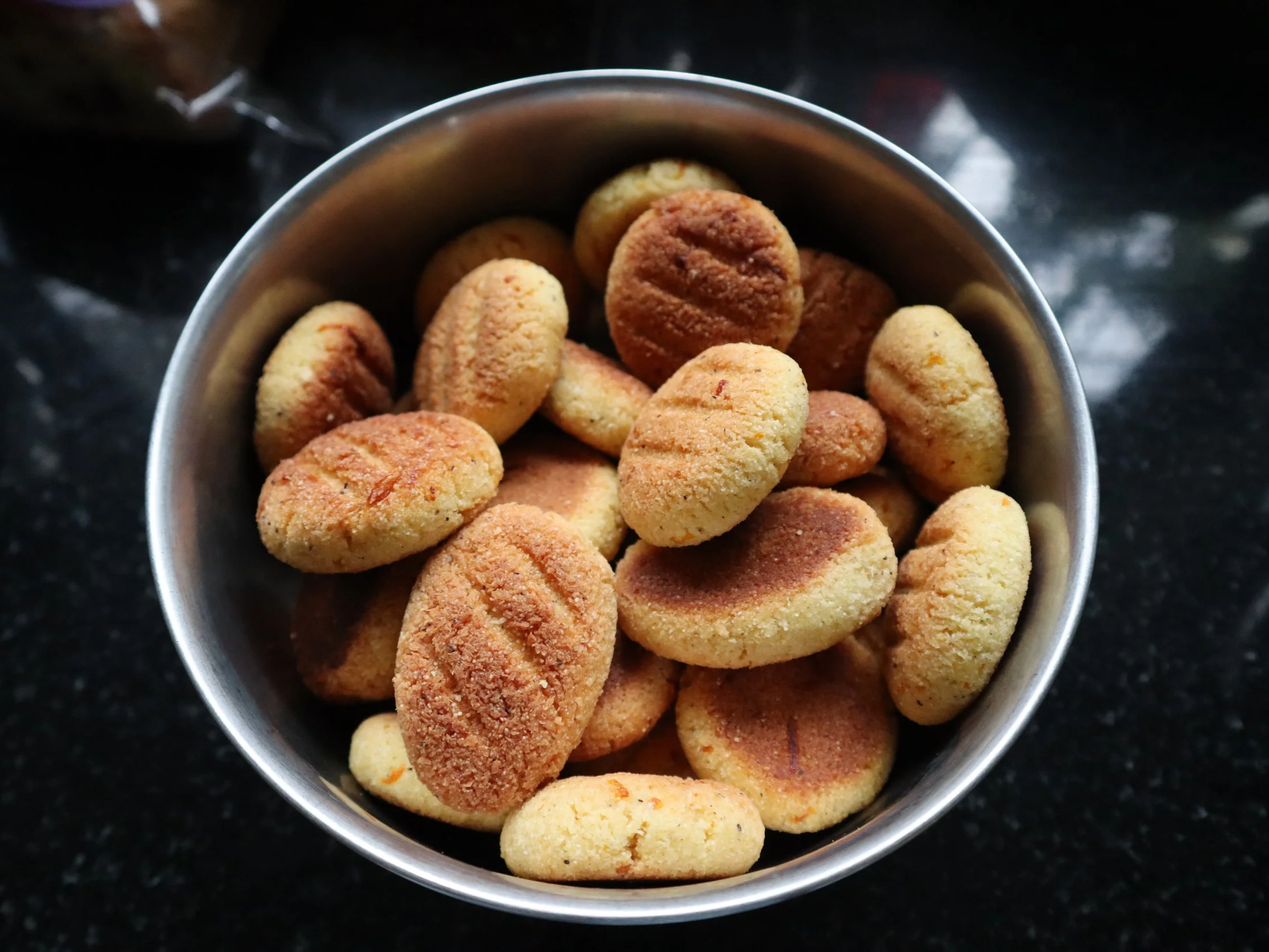
In her latest photo-book, Forest Food of Goa—Stories of Tribal Food, she mentions this bamboo rice, which she describes as the “last blossom”. She also shares an interesting way to collect these seeds by tying both ends of a saree to bamboo stalks. “These seeds are collected for days together as it is difficult to climb the bamboo. The collected seeds are then sun-dried and cooked,” informs Kulkarni, who makes pancakes, or appams with this rice.

Assavri Kulkarni sources her bamboo rice from forest communities only. Photo credit: Arti Das
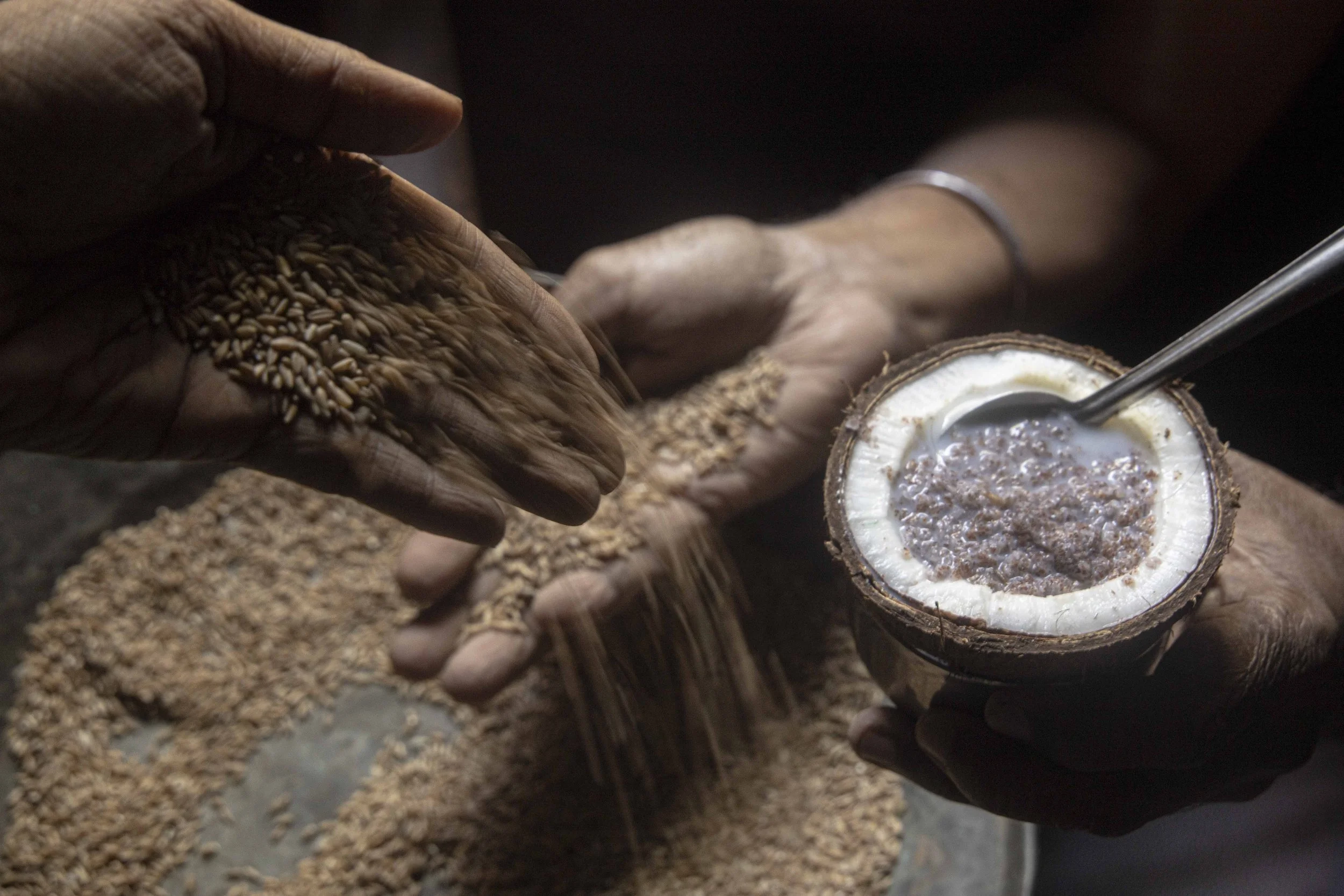
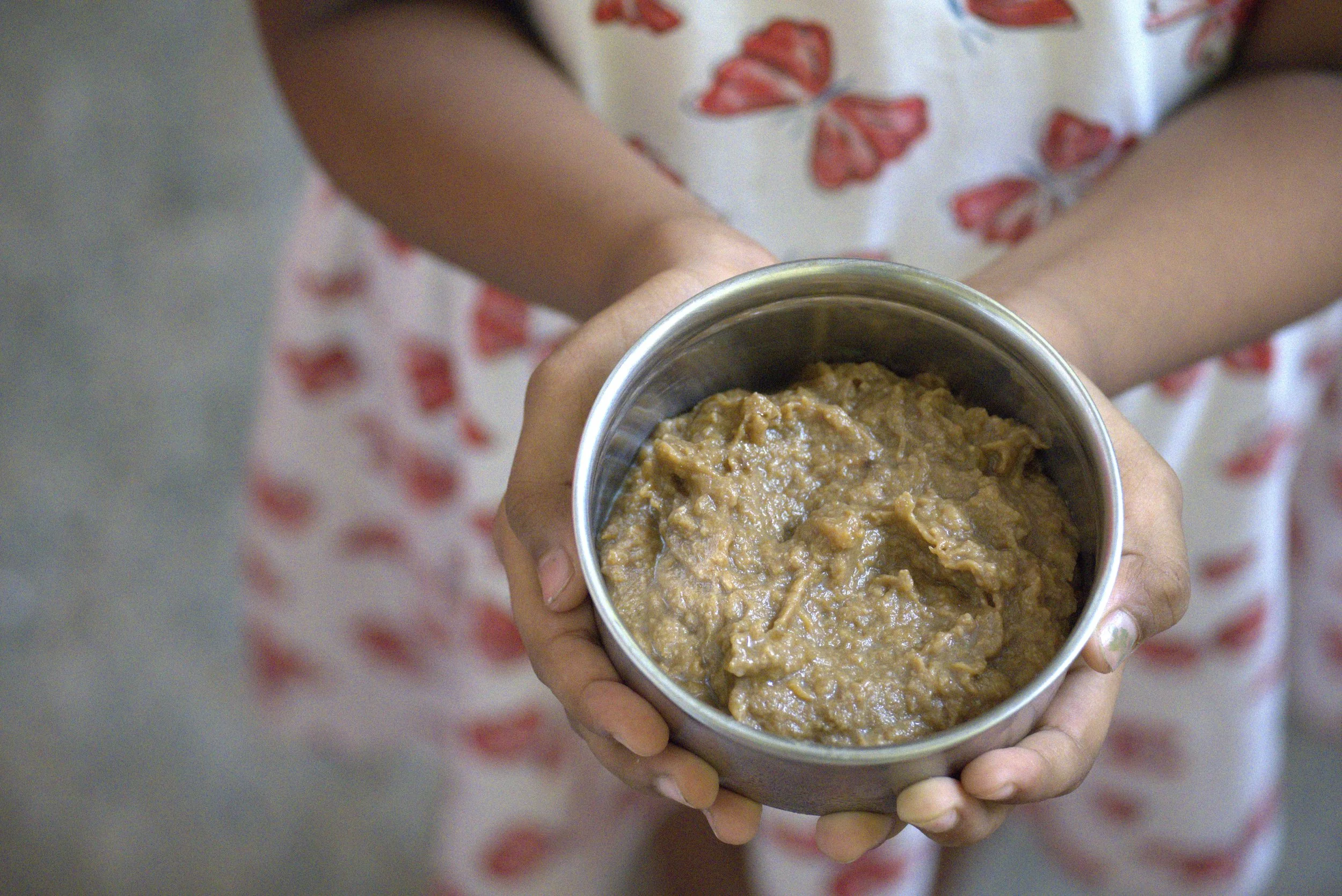
Bamboo rice is mostly eaten as porridge or kheer. Photo credit: Assavri Kulkarni
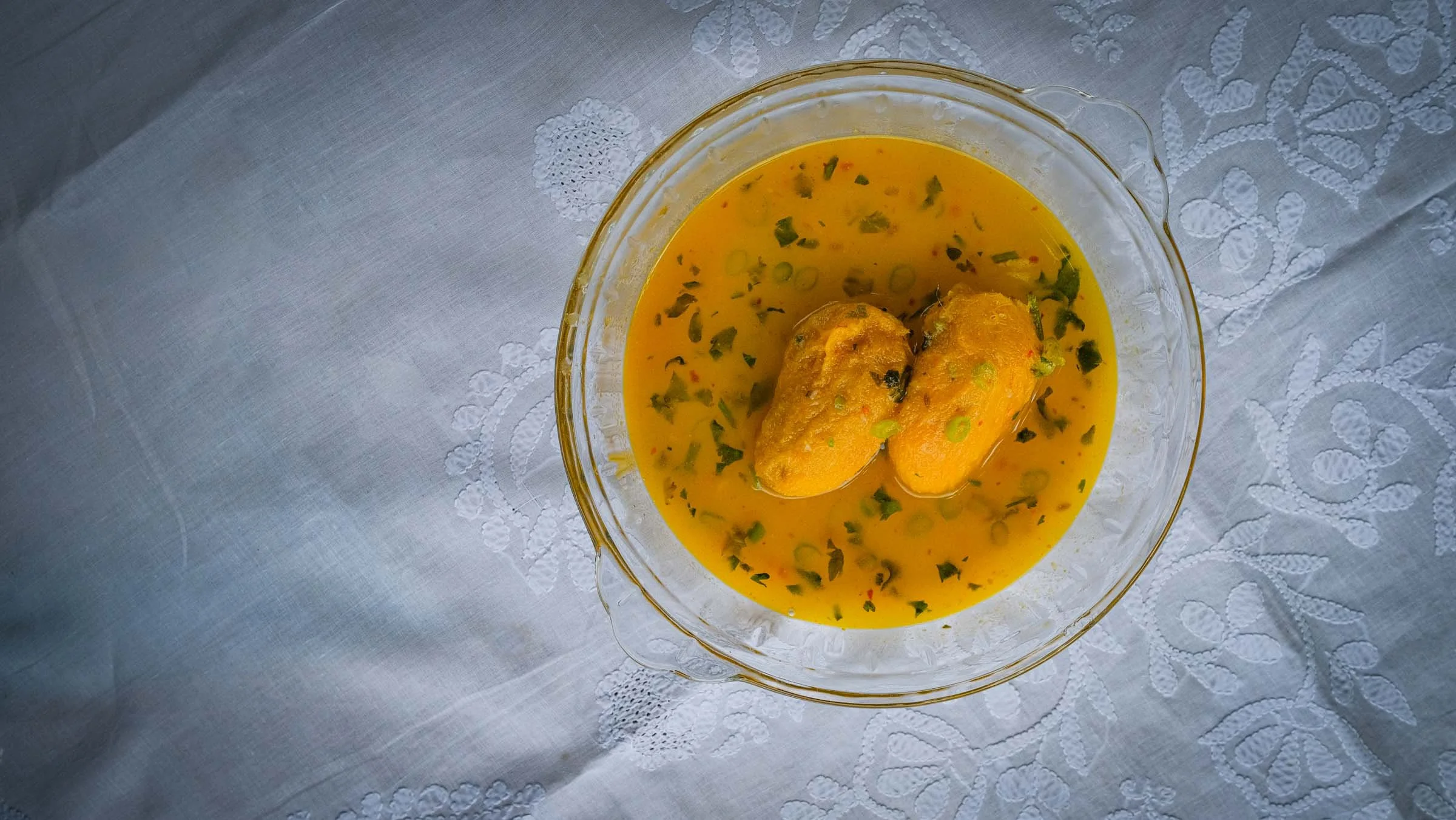
Traditionally, the local communities make a porridge or kheer with coconut milk. “Bamboo rice has a low glycaemic index. It is very nutritious and has a nutty flavour,” confirms Kulkarni.
For her, it is not just an ingredient but something very special, as it is sourced probably just once in one’s lifetime. “You have to be connected with the people of the forest, and then you are connected to these ingredients. For this, you need to feel love for the forests. It’s about going to the forest several times and building that connection with the people of the forest and also the forest,” states Kulkarni.
Arti Das is a freelance journalist based in Goa. She writes about art, culture, and ecology.
ALSO ON GOYA