Exploring Craft Chocolate and Farm to Table Meals at Varanashi Organic Farm
At the recently-held Cacao Residency in Varanashi Farms, Vijayalakshmi Sridhar found herself most intrigued by the meals she had, courtesy of chef Gokul Kumar. Here, she notes down her favourite dishes.
Cacao has the most bewitching history. It is one among the multi-crops in the 100-acre Varanashi Farms in Adyanadka, Karnataka. Here, farming is carried out in tune with nature and thirty-five percent of the farm is left intentionally wild.
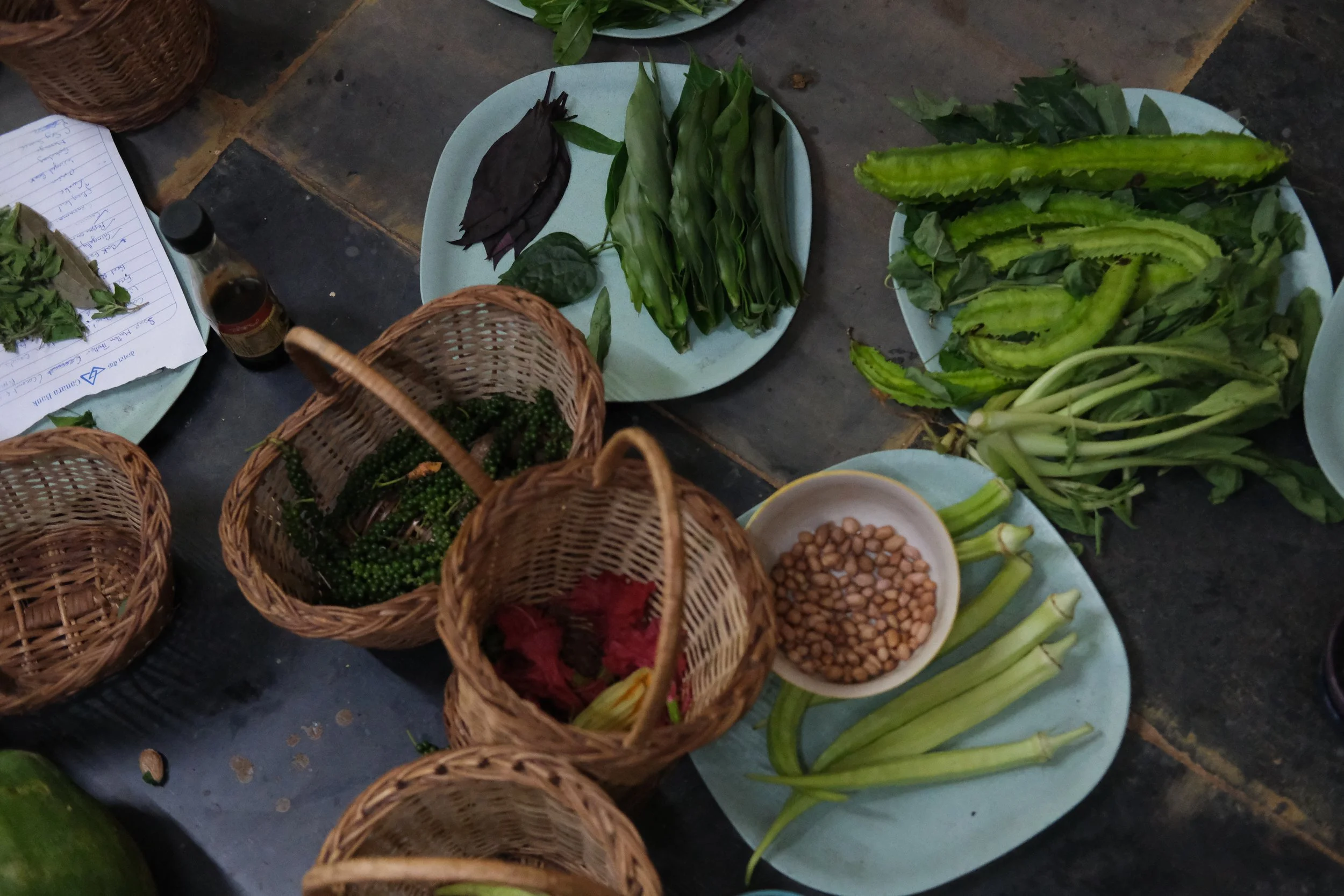
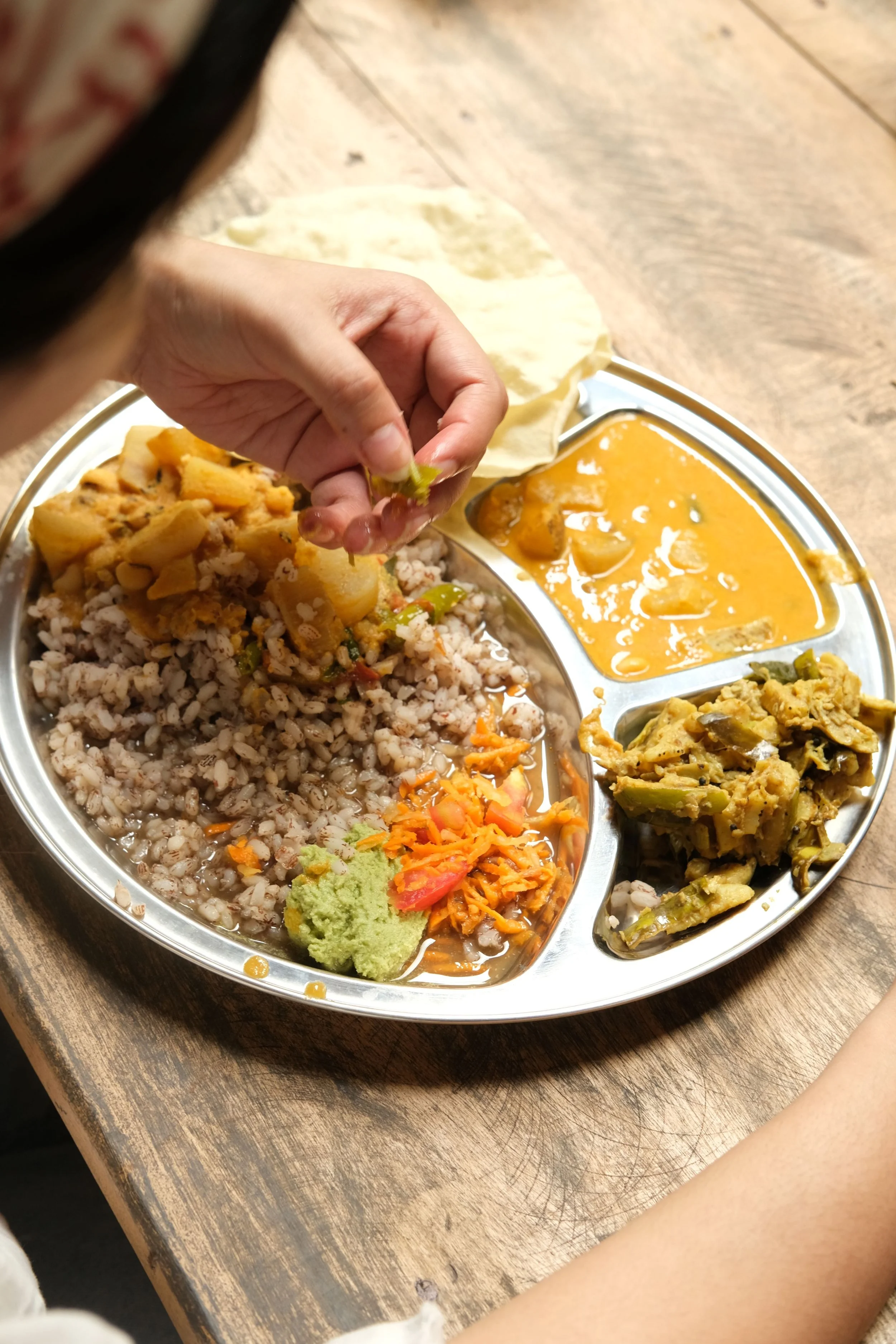
A few weeks back, the farm played host to a three-day Cacao Residency, hosted by the farm, Goya Media, and the Indian Cacao & Craft Chocolate Festival. We unpacked the chemical to regenerative cultivation journey of the region’s cacao, workshopped techniques on fermentation (that chunda and quick-kimchi—yum!), and had food story-telling and photography lessons (sitting on the floor in a circle), farmer-meets, and a bit of wild-foraging too. The participatory sessions ended with a variety chocolate tasting and a community cook-out.
Varanashi Farms is abundant in produce: from arecanut to coconut to cacao, jackfruit, pineapple, moringa, the vegetables, including the tubers and gourd creepers — both wild and tamed, spread 100 acres.
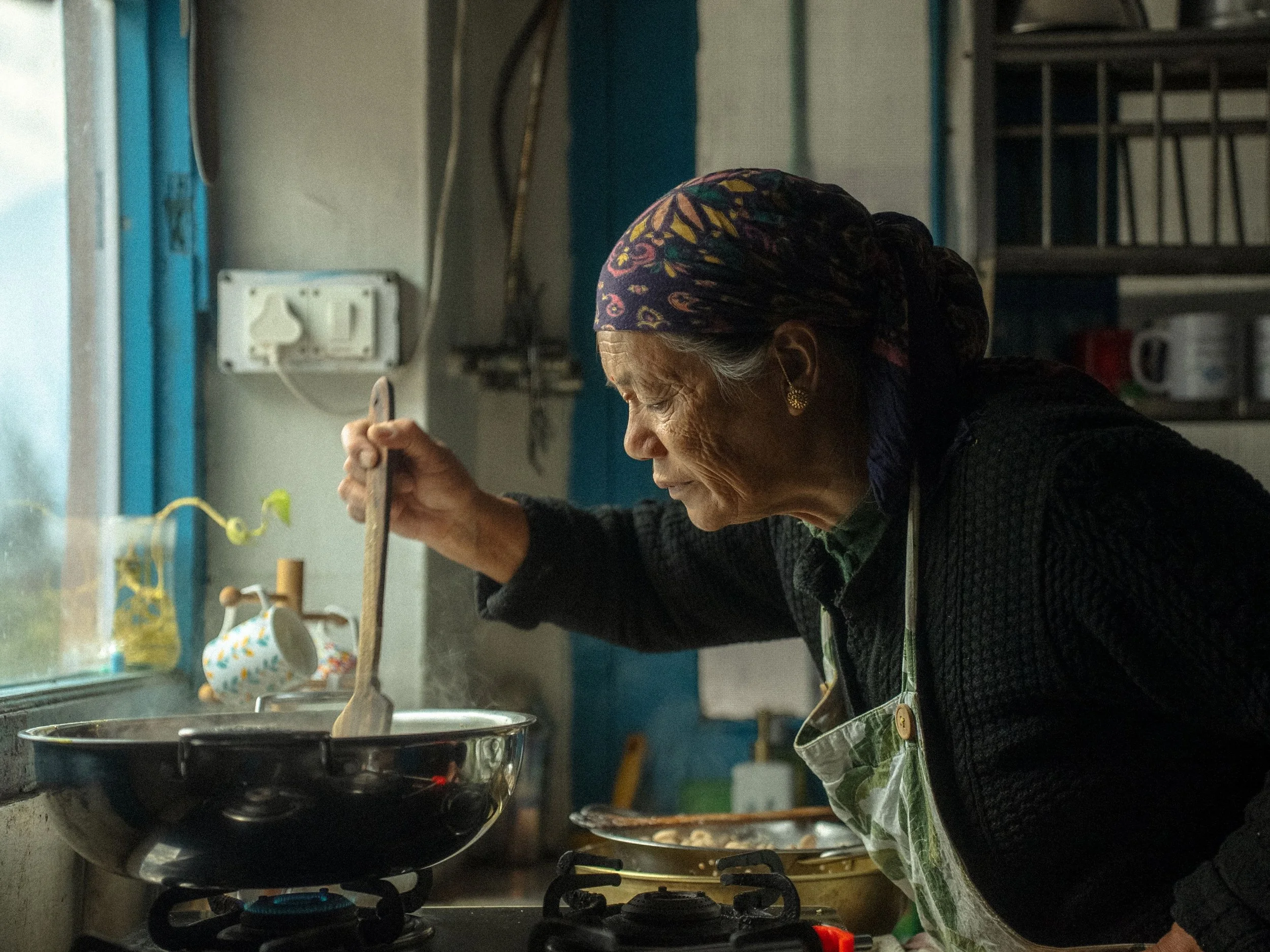
As much as the workshops and discussions, the meal times at the residency were much anticipated. The menus were curated by Chef Gokul Kumar, aka Chef Goku, who had tenured at the Michelin-starred restaurants like Aureole, The Clocktower, Rezdora and Junoon. His dishes were international but made with farm-local ingredients. “The people of the land, and the stories and flavours of the wild fuel my creativity,” he says.
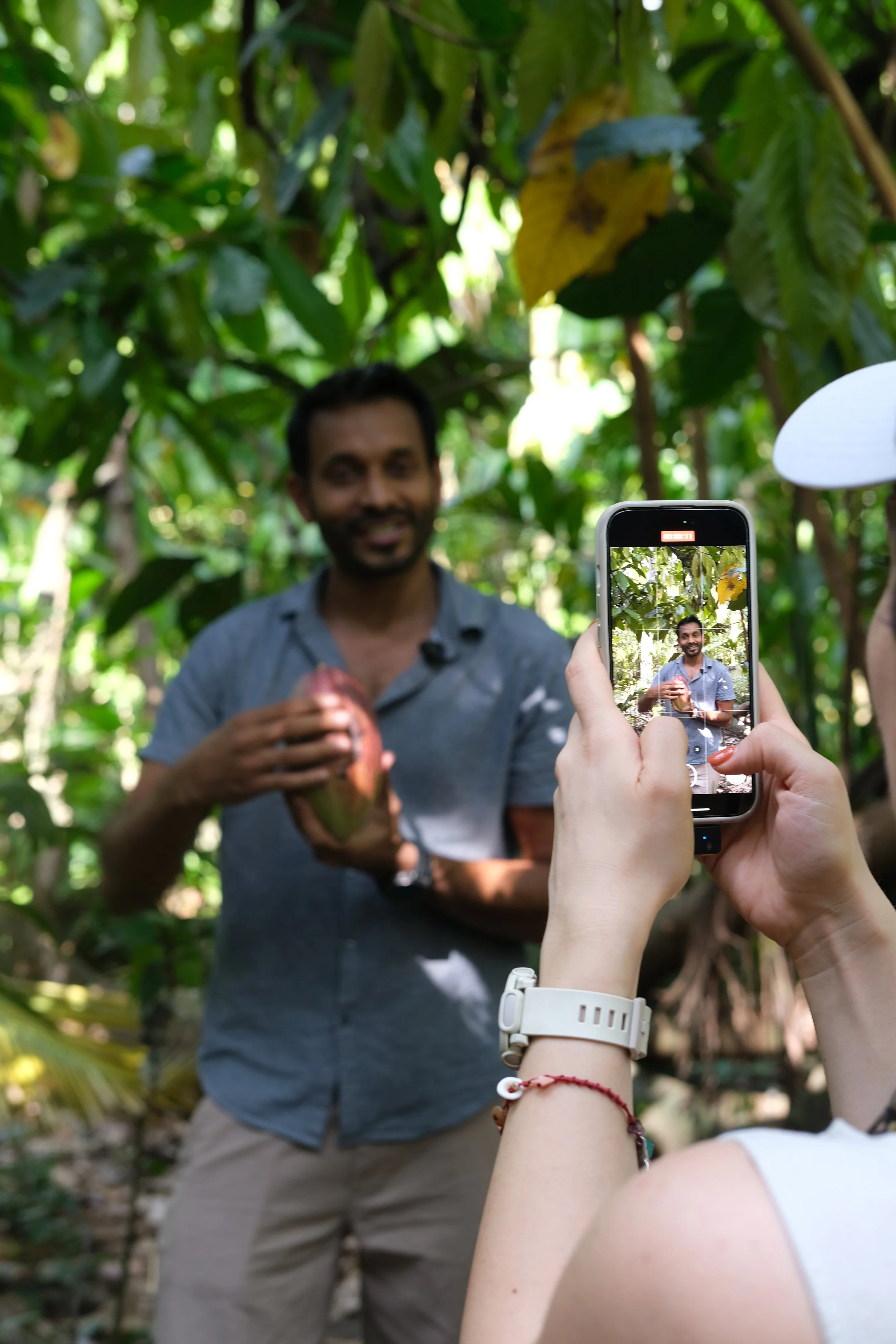
Cacao was expectedly a star. It laced our drinks, was ground, melted and mixed in our halwa, and added to our drinks. Fun fact: The oldest tree at Varanashi Farms is sixty-five years old. It lost ground in one of the cyclones that ravaged the locality, yet is still resilient and bearing fruit.
The six dishes below encapsulate Varanashi Farms and its two centuries-old legacy:
Pozol
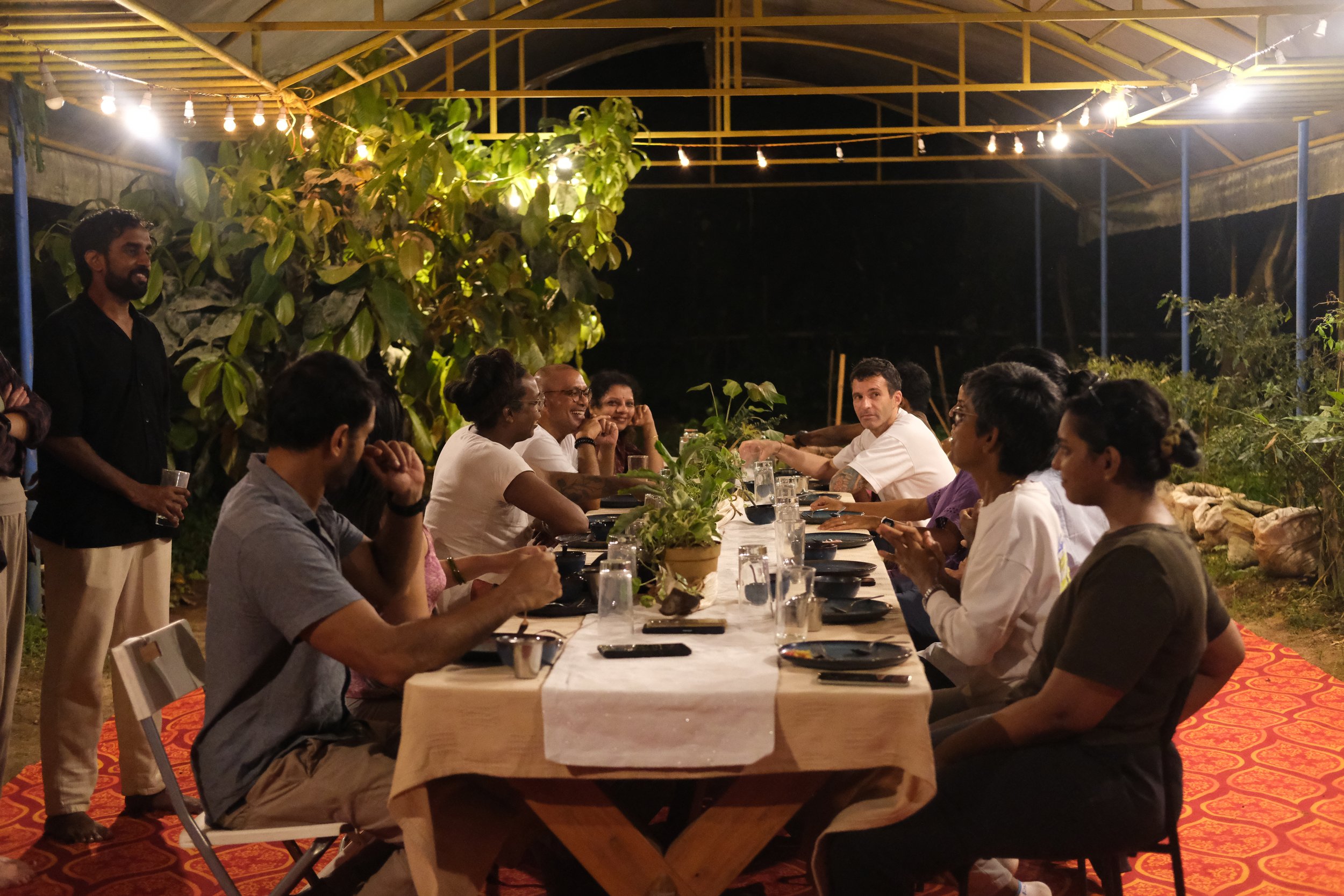
Dinners at Varanashi were open banquet-style. We didn't go to the table, famished, ready to wolf down food. Instead, we savoured the flavours because each dish, cooked with care and serious aplomb, needed to be explored and experienced thoroughly.
Pozol was a welcome drink, containing the earthiness from the corn and richness from chocolate. “The Aztec (Meseamericans living in Mexico) believe that human beings are created from corn. Chocolate is also very dear to them,” says Goku. Pozol, with both ingredients, is a ceremonial drink, which he felt was apt for the residency. “Originally it is made using the Masa (Masa Harina) flour. At the farm, I substituted the flour with fresh corn kernels, and roasted and blended it with the chocolate and jaggery.”
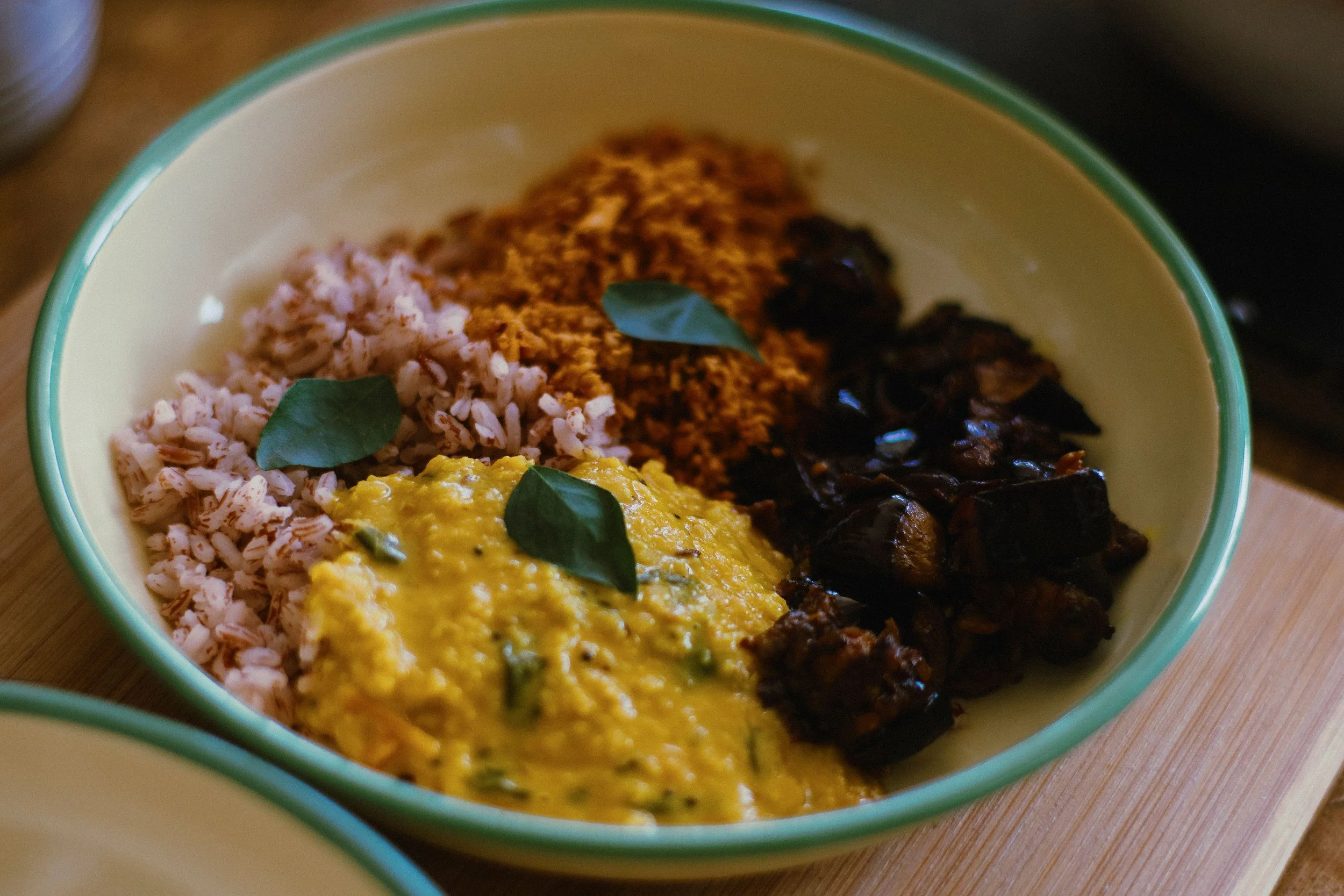
Kaje Jaya Moringa fried rice
When you have a super food like moringa, you let its colour, flavour and goodness take over the entire dish. But there is also Kaje Jaya here — the rural Dakshina Kannada rice variety that is hand-transplanted and rain-fed at Varanashi Farms. This fried rice was intense and a disruptive take on the Chinese staple. “Moringa is used in a lot of rice dishes in Sri Lanka. Kaje Jaya is a boiled rice variety and is a non-sticky, fluffy rice. Though I made a typical fried rice, I wanted both the rice and moringa to shine through,” adds Goku.
Yam mash with insulin leaf chimichurri
Costus Igneus, commonly known as the insulin plant that has its genesis in Brazil and Argentina, is abundant at Varanashi Farms — dense along the hedges, down the footbridges and around the trees. Chewing the fresh leaves is said to work as a natural cure for regulating blood sugar. The chimichurri made out of these leaves with garlic, finely sliced native Kanthari chillies and olive oil was sharp, tangy and hot. “I planned the mash like how Keralites make kappa — boiling and mashing the yam, and then added onions, chillies and lemon juice like a Mexican guacamole. I used the insulin leaves instead of parsley in the chimichurri, and Kanthari chillies from the farm to cut its sourness so that it paired well with the creamy mash.”
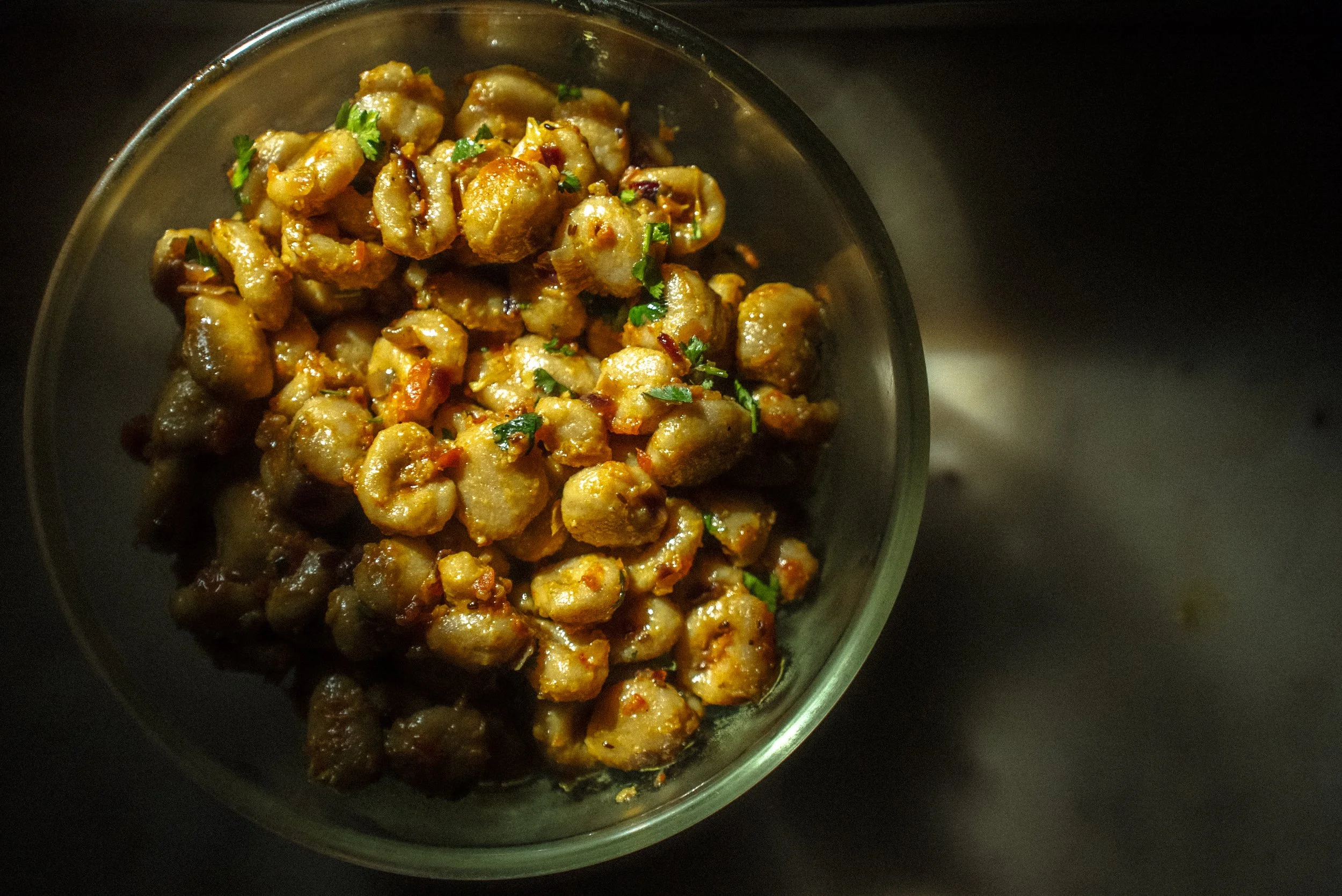
Wild taro fry
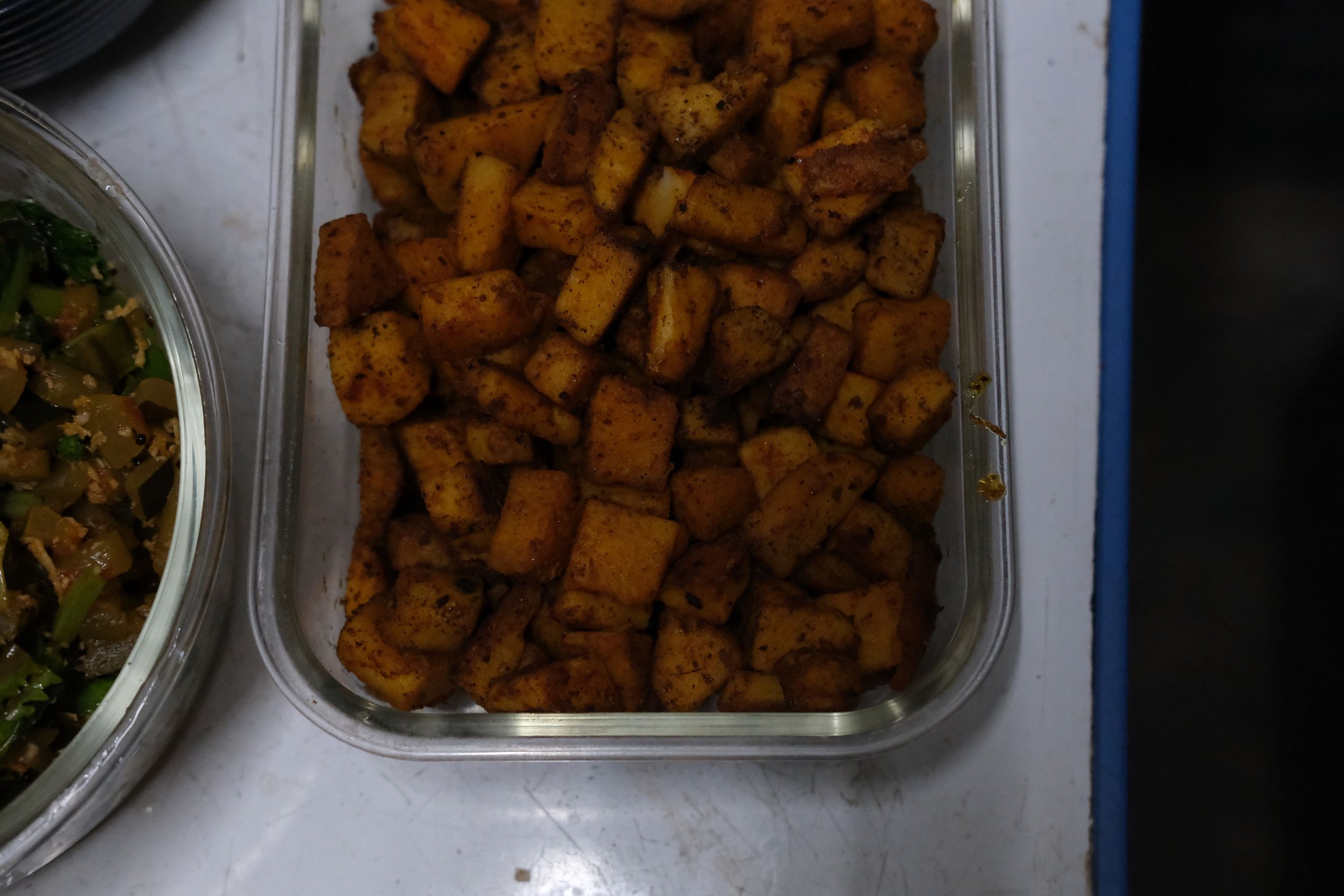
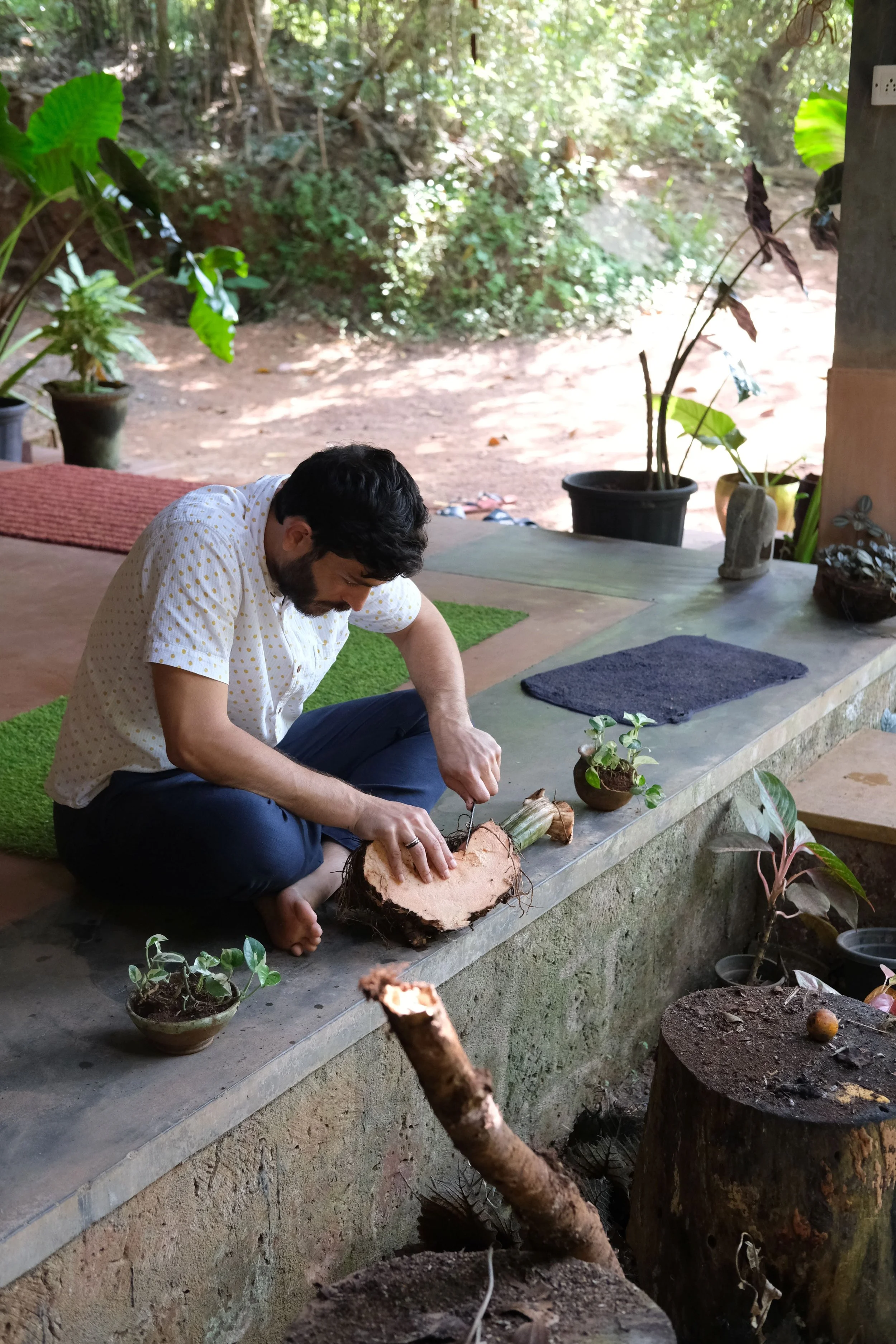
Both wild and cultivated taro belongs to the Western Ghats, and is an important crop in the state of Karnataka. The Varanashi Wild taro (Colocasia esculenta) that comes with a spiky exterior, with the flesh packing a stinging-punch is carefully cured before it is cut into chunky cubes and marinated in spices and deep-fried. The hulking-great cubes are fat, meaty and melt-in-the-mouth. “Before the potato, both yam and taro used to be an integral part of South Indian meal platters. In fact, there are a lot of wild varieties that we don’t consume anymore. This particular wild variety taro is very native to Mangalore. The taro is cubed, marinated with spices and then pan-fried like fish-fry,” says Goku.
Beetroot halwa with 45% milk chocolate
This marvellous veggie-chocolate final course is dark, daunting and a memorable ode to one of Varanashi Farms’ finest produce, its cacao. While the halwa’s seamlessness can be attributed to roasting the beets in ghee and then cooking it in milk, its creaminess comes from the 45% milk chocolate. The halwa reminds chef Goku of his home and childhood. “I paired it with chocolate since it has complexity, acidity and a citrusy after-taste. This balances the beet root’s earthiness and sweetness and brings the dessert together with smooth texture and depth in flavour,” he says.
Uruli
“Uruli is a classic of the Siddi community (an ethnic group, descendants of the Bantu people from Africa). Most of the Siddi desserts are made from forest produce. Uruli is one among them — a vegan cold chocolate made without any milk substitute. Horsegram is roasted until it takes on a smoky flavour and then blended with jaggery,” says Goku. Dark chocolate from the farm brought about the silkiness to the drink, while roasted and ground horse gram added nuttiness and character.
RECIPE FOR URULI
Ingredients
250g horse gram
1 l water
100g milk or dark chocolate
50g jaggery
Pinch of salt
Method
Dry-roast the horse gram on medium heat until it turns aromatic and toasty.
Add cold water, rinse well a couple of times to remove any residue, and drain.
In a pot, add a litre of water and jaggery. Melt completely, strain, and chill the jaggery water.
In a blender, add the roasted horse gram, chocolate, and enough chilled jaggery water to grind into a smooth, rich paste.
Transfer the mixture to a container. Add more cold jaggery water or ice water to thin it down to a drinkable consistency.
Add a pinch of salt. Adjust sweetness or chocolate depth as needed.
Pour over ice and serve chilled.
Vijayalakshmi Sridhar is a features and fiction writer from Chennai.
ALSO ON GOYA